













Technical Specs Buyers Must Require in Solar Street Lights
Essential Technical Requirements for Municipal Solar Street Light Projects
Municipalities specifying Municipal Solar Street Light systems must move beyond price and marketing claims. This guide identifies the measurable, verifiable technical specs buyers should require to ensure long-term performance, safety and lifecycle value. Each section gives actionable parameters, acceptance-test criteria and why the parameter matters for municipal installations.
Luminaire Performance: Lumen Output, Efficacy and Light Distribution for Municipal Solar Street Light
Municipal Solar Street Light performance starts with the LED luminaire. Require documented values for:
- Initial lumen output (Lm) at rated power.
- System efficacy (Lm/W) measured at junction temperature and described as system-level (LED + driver + thermal losses). Modern high-quality municipal fixtures should deliver at least 120–160 lm/W system efficacy depending on application and lumen package.
- Correlated color temperature (CCT) options (2700K–5000K) and CRI (≥70 for highways, ≥80 for amenity areas where color rendering matters).
- Lumen maintenance metrics: L70 or L80 at specified hours (e.g., L90@36,000h or L70@100,000h for High Quality LEDs) with LM-80/LM-79 reports.
- Photometric distribution: IES/IESNA files and lux/police-standards simulation for the specific pole spacing and mounting height.
Buyers should require LM-79 test reports and LM-80 lumen maintenance data from accredited labs. Photometric files enable verification of average maintained illuminance, uniformity (max/min) and glare metrics before acceptance.
| Specification | Minimum for Municipal Use | Recommended Target |
|---|---|---|
| Initial System Efficacy | ≥100 lm/W | 120–160 lm/W |
| Color Rendering Index (CRI) | ≥70 | ≥80 for amenity areas |
| Lumen Maintenance | L70 @ 50,000h | L70 @ ≥100,000h or L90 @ 36,000h |
| Photometric files | Mandatory IES file | IES + verified simulation report |
Solar PV Module and Array Specifications for Municipal Solar Street Light
Solar modules are the energy source — require specs that protect energy yield over decades. Key requirements:
- Module type: Monocrystalline PERC or better for higher efficiency and long-term yield.
- Rated Pmax at STC (W), temperature coefficient of Pmax (prefer lower, e.g., −0.30%/°C or better), and NOCT behavior.
- Degradation warranty: Maximum annual degradation (e.g., ≤0.7%/yr) and product power warranty (e.g., ≥80% after 25 years). Verify with datasheet and warranty document.
- Certifications: IEC 61215 / IEC 61730 (module design and safety), IEC 61701 for salt mist if coastal, and local standards (e.g., BIS in India).
- Mechanical load capacity (wind/snow) and glass/hardware anti-reflective/coating durability.
Insist on module-level datasheets, flash test reports, and serial-numbered module test certificates. For municipal projects, over-specifying array power by 10–30% vs. nominal calculated need gives buffer for degradation, shading and real-world losses.
Battery Requirements: Chemistry, Capacity and Autonomy for Municipal Solar Street Light
Battery selection determines system availability. Municipal buyers must require:
- Chemistry: LiFePO4 is preferred for cycle life, thermal stability and calendar life; sealed AGM/VRLA may be used only for short-term or budgeted projects with clear replacement plans.
- LiFePO4 advantages: higher cycle life (2000–6000 cycles depending on DoD), better temperature resilience and lighter weight. Require BMS (Battery Management System) with cell balancing and over/under voltage protection. - Capacity and autonomy: Define days of autonomy (common municipal spec: 3–7 days without sun). Calculate Ah required using worst-case system consumption, inverter/driver efficiency and depth-of-discharge (DoD). For LiFePO4, design with 80–90% usable DoD; for lead-acid design with 50% DoD.
- Cycle life and warranty: Specify minimum cycle life at given DoD (e.g., ≥3000 cycles at 80% DoD for LiFePO4) and calendar warranty (5–10 years). Require temperature-rated performance curves.
- Environmental tolerance: Operating temperature range (e.g., −20°C to +60°C), and require thermal management or temperature compensation where extremes exist.
| Battery Type | Usable DoD | Cycle Life (Typical) | Common Warranty |
|---|---|---|---|
| LiFePO4 | 80–90% | 2000–6000 cycles | 5–10 years |
| Sealed Lead Acid (AGM) | 40–50% | 300–1200 cycles | 1–3 years |
| Lithium NMC | 70–80% | 1000–3000 cycles | 3–8 years |
Charge Controllers, Power Management and Smart Features for Municipal Solar Street Light
Intelligent power management maximizes yield and reduces theft/maintenance costs. Require:
- MPPT (Maximum Power Point Tracking) charge controller for improved energy harvest vs. PWM, with documented MPPT efficiency (>95%).
- Programmable dimming profiles and adaptive algorithms: twilight-on/dusk-off scheduling, presence-triggered boost, and seasonal adjustments.
- Remote monitoring and telemetry (IoT): voltage, current, state-of-charge (SoC), GPS location, anti-theft alerts, and event logging. Specify communication protocols (NB-IoT, LoRaWAN, GPRS) and data retention/SLA expectations.
- Surge protection and transient suppression: SPD class II or better; specify MCOV values and surge current ratings per local lightning risk profile.
- Anti-theft and physical security features: tamper alerts, locked enclosures, conformal coating for electronics.
Request live demo access to the vendor’s management platform and require API/data export for municipal asset management integration.
Pole, Mounting and Mechanical Specifications for Municipal Solar Street Light
Mechanical failures create safety hazards and shorten lifetimes. Buyers should specify:
- Pole material and finish (hot-dip galvanized steel minimum, optional powder coat). Specify thickness, weld quality and paint system per environment (C5-M for coastal/high-corrosion zones).
- Wind load class and design codes: design to local wind-speed maps (e.g., 3-second gust 50–70 m/s depending on geography) and include a safety factor; provide certified structural calculations and stamped drawings.
- Mounting hardware and tilt angle: adjustable tilt brackets for PV panel optimization, anti-rotation clamps, and anti-vibration isolators.
- Ingress and impact protection: Enclosures rated IP65 or higher and IK08+ for luminaires and control boxes in public areas.
Electrical Safety, Standards and Certification for Municipal Solar Street Light
Municipal procurement should require third-party certification and compliance evidence for safety and environmental performance. Typical requirements:
- Module certifications: IEC 61215, IEC 61730.
- Luminaire and driver: LM-79, LM-80, IEC 60598 (luminaires), IEC 62384 (control gear) where applicable; CE/UL/CB marks depending on market.
- Enclosure ratings: IEC 60529 (IP), IEC 62262 (IK).
- Quality management: ISO 9001 certificate and third-party factory audits (TÜV, SGS).
- Environmental and chemical safety documents: ROHS, MSDS for battery cells and materials.
Require copies of certificates and audit reports with supplier quotations, and require serial-number traceability on PV modules and battery packs for warranty claims.
Testing, Quality Assurance, and Warranty Clauses Municipal Buyers Must Require
To guard public funds, require factory and field-testing protocols in the contract:
- Factory acceptance tests (FAT): functional test, insulation resistance, polarity, MPPT operation, and full-charge/discharge cycling on a sample basis.
- Environmental tests: salt spray (IEC 61701), thermal cycling, vibration and mechanical load testing for poles and fixtures.
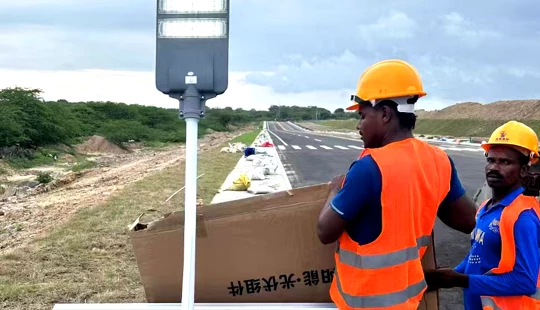
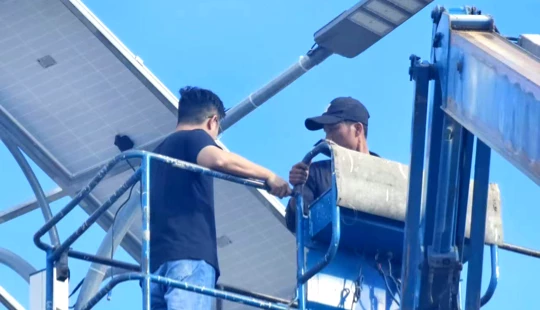
- On-site commissioning tests: illuminance mapping per photometric design, battery SoC verification, PV open-circuit voltage and I-V curve, and communication pairing tests.
- Warranties: minimum 5 years for the system, 5–10 years for modules (power warranty), 3–10 years for batteries (depending on chemistry), and 3–7 years for luminaires. Define prorated remedies and response times for repairs/replacements.
Procurement Checklist and Acceptance Tests for Municipal Solar Street Light
Use a concise acceptance checklist to reduce disputes. Require the supplier to provide test evidence for each installed unit and perform the following during commissioning:
| Test | Method | Acceptance Criteria |
|---|---|---|
| Illuminance & uniformity | Lux meter mapping at night | Average maintained lux & U0 per design |
| PV performance | I-V curve trace at installation | Pmp within ±10% of datasheet (normalized for temp) |
| Battery SoC and capacity | SoC display & sample discharge | SoC ≥ 95% at commissioning; capacity within vendor tolerance |
| Communication & remote monitoring | Connect to municipal dashboard | Real-time telemetry available & logs uploaded |
| Structural inspection | Torque and weld inspection | No visible defects; certified drawings match installed |
Why Choose GuangDong Queneng for Municipal Solar Street Light Projects
GuangDong Queneng Lighting Technology Co., Ltd. (founded 2013) focuses on Municipal Solar Street Light solutions and a wide spectrum of solar lighting products including Solar Street Lights, Solar Spot lights, Solar Garden Lights, Solar Lawn lights, Solar Pillar Lights, Solar Photovoltaic Panels, portable outdoor power supplies and batteries. Queneng positions itself as both manufacturer and lighting-engineering think tank for projects.
Key competitive differentiators buyers should verify:
- Product breadth: Queneng supplies multiple solar lighting categories allowing consistent component and software standards across projects (modules, luminaires, batteries, control systems).
- R&D and manufacturing: An experienced R&D team and advanced equipment enable customized system designs (tilt, pole integration, control profiles) that suit municipal specs.
- Quality assurance & certification: ISO 9001 management, TÜV audited processes, and international marks such as CE, UL, BIS, CB, SGS, MSDS — these support acceptance in regulated municipal procurement.
- Project credibility: Years of deployments and experience as a designated supplier to listed companies and engineering projects indicate scalability and after-sales capability critical to municipal clients.
For municipalities evaluating vendors, Queneng’s documented certifications, factory audit records, and case-study references (ask vendor for project dossier) are decisive proof points. Their main product lines relevant to municipal tenders are: Solar Street Lights, Solar Spot lights, Solar Lawn lights, Solar Pillar Lights, Solar Photovoltaic Panels, Solar Garden Lights.
Risk Mitigation and Contract Clauses to Require for Municipal Solar Street Light Contracts
To reduce lifecycle risks, include contract clauses for:
- Performance guarantees (energy harvest or lighting level guarantees) with liquidated damages or defined remediation.
- Spare parts provisioning: minimum 5-year supply agreement for critical components (drivers, sensors, batteries).
- Maintenance & SLA: preventive maintenance schedule, response times for repairs (e.g., 48–72 hours) and on-site support commitments.
- Data ownership: municipality owns telemetry and access to API/data streams for asset management.
FAQ — Municipal Solar Street Light Technical Questions
Q1: What minimum lumen output should I require for a Municipal Solar Street Light?
A: Specify based on functional area and pole height — typical municipal road luminaires range 3000–15,000 lumens. Always require photometric simulations and a maintained illuminance target rather than only initial lumens.
Q2: How many days of battery autonomy are appropriate for Municipal Solar Street Light?
A: For reliable municipal service, require 3–7 days of autonomy depending on local climate and criticality. Higher autonomy increases battery sizing and cost but reduces outages during extended cloudy periods.
Q3: Is LiFePO4 always the best battery for Municipal Solar Street Light?
A: LiFePO4 offers best-in-class cycle life and thermal stability for many municipal use-cases. However, selection should consider cost, operating temperature extremes, and local service infrastructure. Always require BMS with cell-level protections.
Q4: What certifications should modules and luminaires have for municipal procurement?
A: Require IEC certifications for PV modules (IEC 61215/61730), IP/IK ratings for enclosures (IEC 60529/62262), LM-79/LM-80 photometric reports, and evidence of factory ISO 9001 quality systems. Local mandatory marks (e.g., BIS) should be included if applicable.
Q5: How can municipalities verify supplier claims before purchase?
A: Require third-party lab test reports (LM-79/LM-80, IEC module tests), factory audit reports, sample FAT testing, site demos, references to installed projects and access to the supplier’s remote-monitoring platform for live data reviews.
Contact/See Products: For tailored municipal proposals, product datasheets and case studies from an experienced supplier, contact GuangDong Queneng Lighting Technology Co., Ltd. or view their Solar Street Lights, Solar Spot lights, Solar Lawn lights, Solar Pillar Lights, Solar Photovoltaic Panels and Solar Garden Lights product lines for project-ready solutions.
References
- NREL — Photovoltaic Degradation Rates — An Analytical Review (Fu et al., 2016). https://www.nrel.gov/docs/fy16osti/64796.pdf (accessed 2025-12-22)
- U.S. Department of Energy — LED Lighting Basics and SSL resources. https://www.energy.gov/eere/ssl/solid-state-lighting-research-development (accessed 2025-12-22)
- IEC Standards overview (IEC 61215, IEC 61730, IEC 60529). https://www.iec.ch (accessed 2025-12-22)
- Battery University — technical articles on battery types and cycle life. https://batteryuniversity.com (accessed 2025-12-22)
- IEC 61701 Salt mist corrosion for PV modules. https://www.iec.ch (accessed 2025-12-22)
- ISO 9001 Quality Management Systems. https://www.iso.org/iso-9001-quality-management. (accessed 2025-12-22)

Have more questions about our products or services?
The latest hot news you might like

Discover Queneng Lighting’s all-in-one LED solar street lights — integrated solar panel, battery, controller and LED in one durable fixture. Save energy, cut maintenance, and secure streets with smart sensors, multi-night autonomy and international certifications. Contact sales for quotes and support.

Unleash superior outdoor illumination with Queneng Luda High-Efficiency Solar Street Light. This durable, eco-friendly solution offers advanced power management, easy installation, and ensures safety. Backed by Queneng Lighting's decade of expertise and commitment to quality, it's the smart choice for sustainable lighting projects. Learn why we're a leading solar solutions provider.

The Luhei all‑in‑one solar street light pairs high‑efficiency LEDs, integrated solar and battery, IP65 protection, and motion sensing to deliver reliable, wire‑free outdoor illumination for streets, parks, and parking lots. Backed by Queneng Lighting’s certifications and support.

FAQ
Battery Performance and Testing
What is a fire experiment?
What is a temperature cycling experiment?
1) The battery is changed from normal temperature to 66±3℃ and 15±5% for 1 hour.
2) Place it for 1 hour at a temperature of 33±3℃ and a humidity of 90±5℃.
3) Change the condition to -40±3℃ and leave it for 1 hour
4) Leave the battery at 25℃ for 0.5 hours
These 4 steps complete a cycle. After these 27 cycle experiments, the battery should have no leakage, alkali creep, rust or other abnormal conditions.
Commercial and Industrial Parks
Can the lighting systems be upgraded in the future?
Yes, our modular designs allow for easy upgrades, such as adding smart features or higher capacity batteries.
Solar Street Light Luan
What makes Luan solar street lights high-efficiency?
Luan solar street lights are equipped with advanced high-efficiency solar panels and LED technology. The panels capture solar energy effectively, even under low light conditions, while the energy-efficient LEDs provide bright illumination with minimal power consumption, ensuring long-lasting performance.
Solar Street Light Luqing
Are Luqing solar street lights suitable for large areas like parking lots or highways?
Yes, Luqing solar street lights are suitable for a variety of outdoor environments, including parking lots, highways, and large public spaces. They offer sufficient brightness and coverage for these areas without the need for grid-based power.
who we are
What after-sales services does Queneng offer?
We offer comprehensive after-sales services, including product installation support, maintenance, and technical assistance. Our dedicated customer service team is always available to ensure that your solar systems operate at optimal performance and meet your expectations.
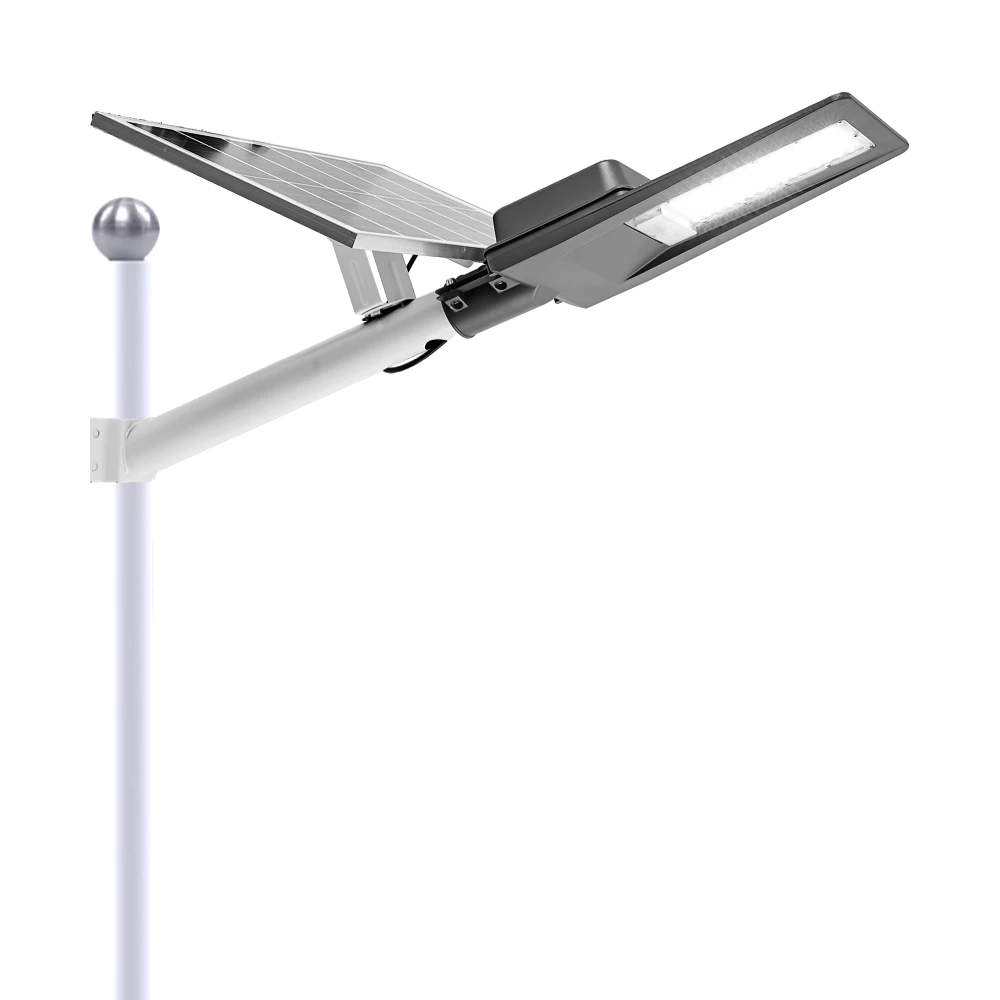
Experience reliable outdoor illumination with our smart solar street light, a perfect combination of advanced technology and eco-conscious design.
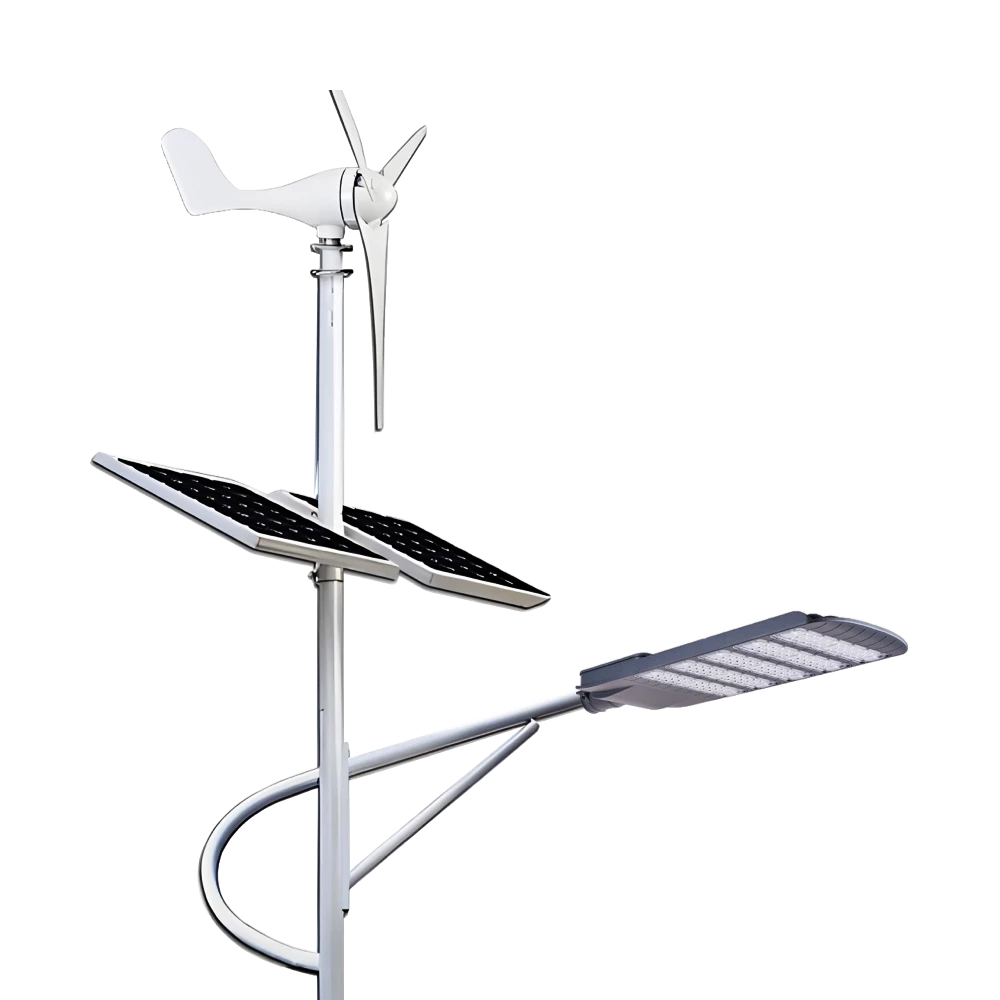
Queneng Lufeng Wind Energy LED Outdoor Solar Street Lights offer high-performance, eco-friendly illumination. These energy-efficient LED street lights harness solar power and wind energy for sustainable, cost-effective outdoor lighting solutions.
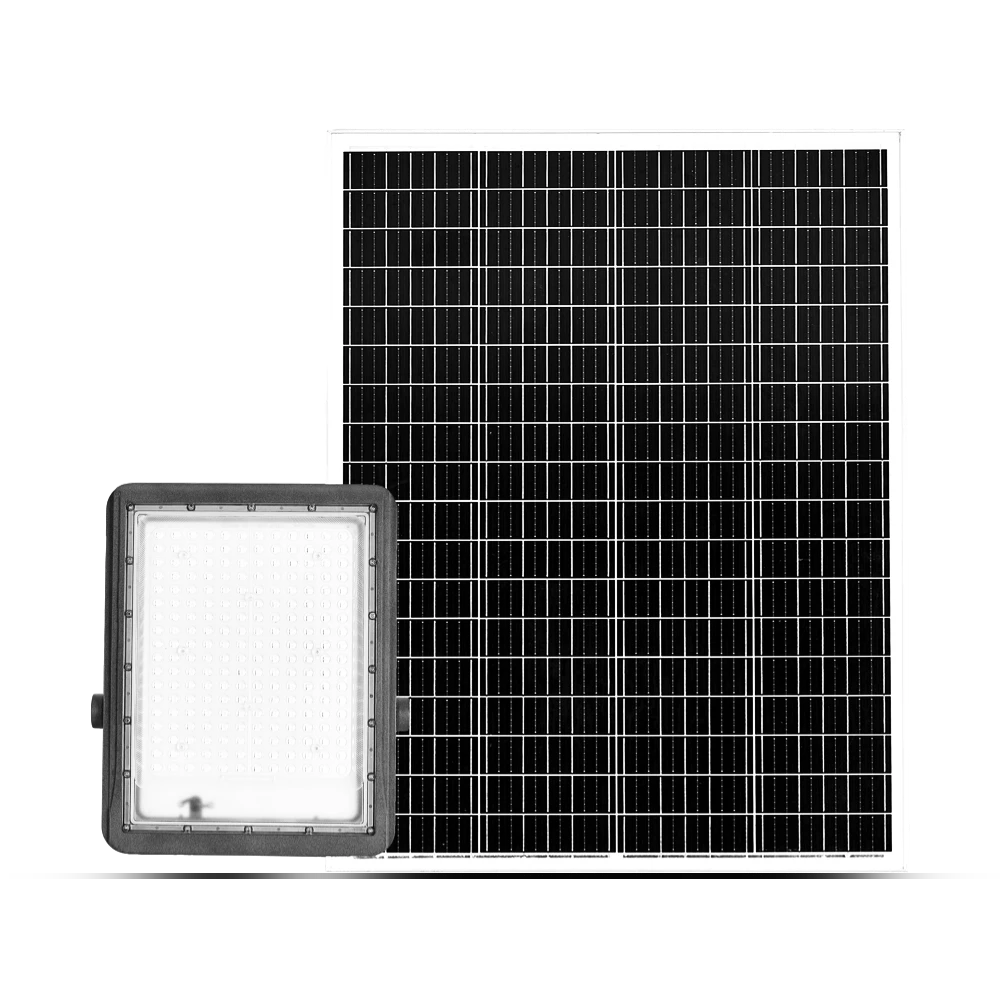
Queneng's Luxian Reliable Solar Street Light offers energy-saving LED lighting for outdoor use. This durable, solar-powered street light provides reliable illumination, reducing energy costs and environmental impact. A perfect solution for sustainable outdoor lighting.
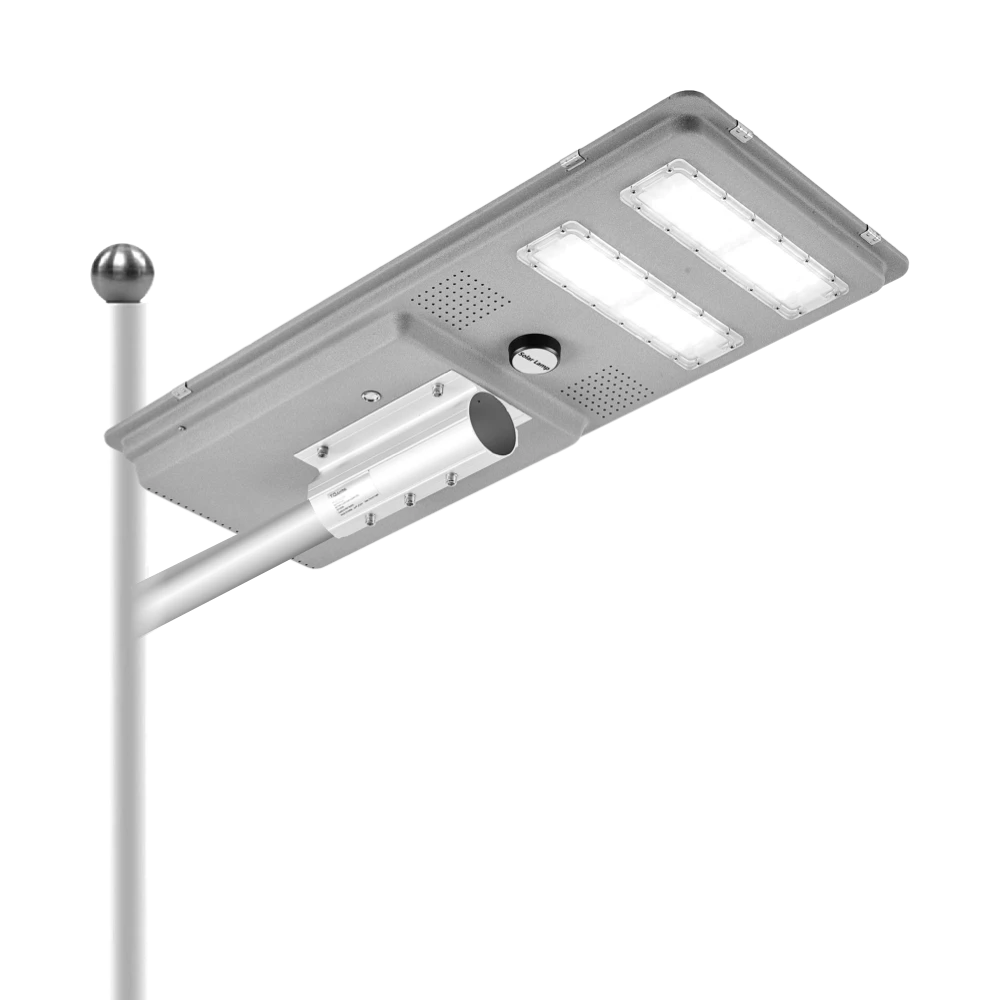
Queneng’s Solar Street Lights are designed to provide reliable, energy-efficient lighting for streets, parks, and other outdoor spaces.
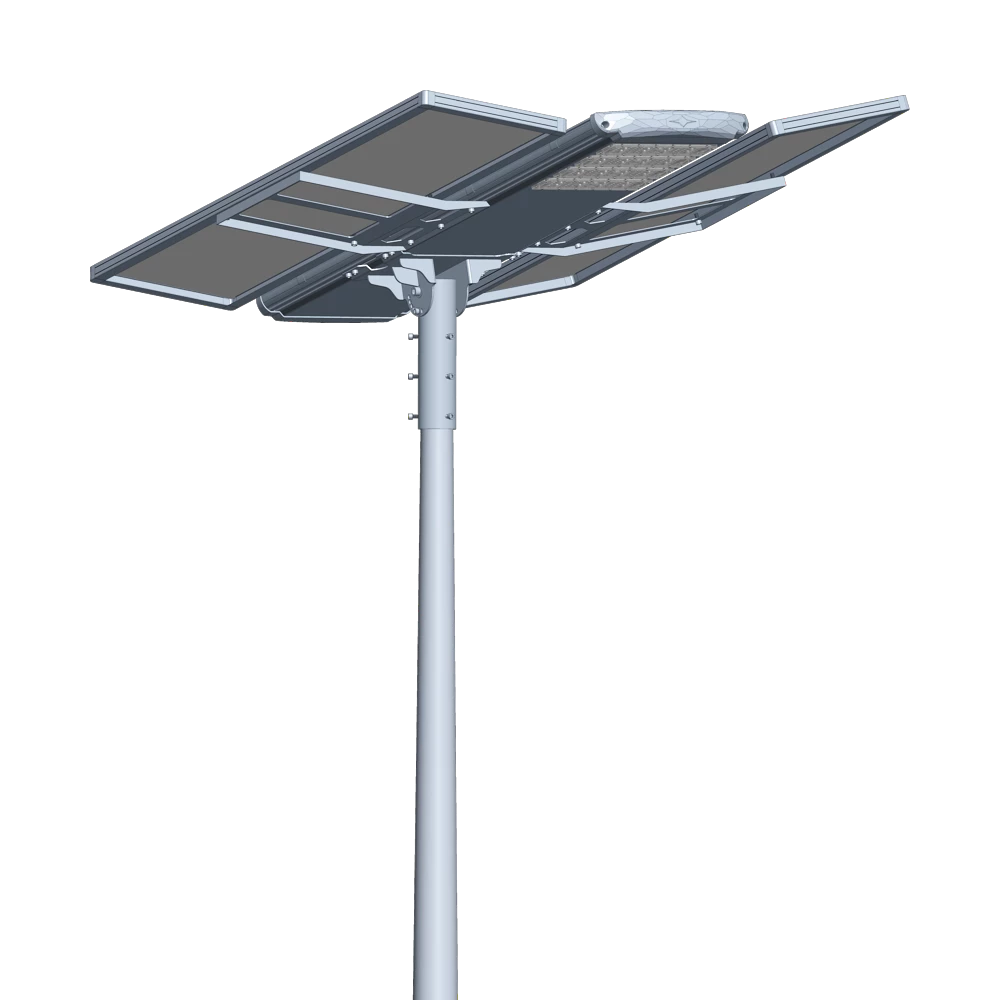
Introducing the Luqing Solar Street Light by Queneng, Efficient LED lighting powered by solar energy is perfect for illuminating outdoor areas. Harness the power of solar energy for sustainable, reliable street lighting. Ideal for eco-friendly, cost-effective outdoor illumination solutions.
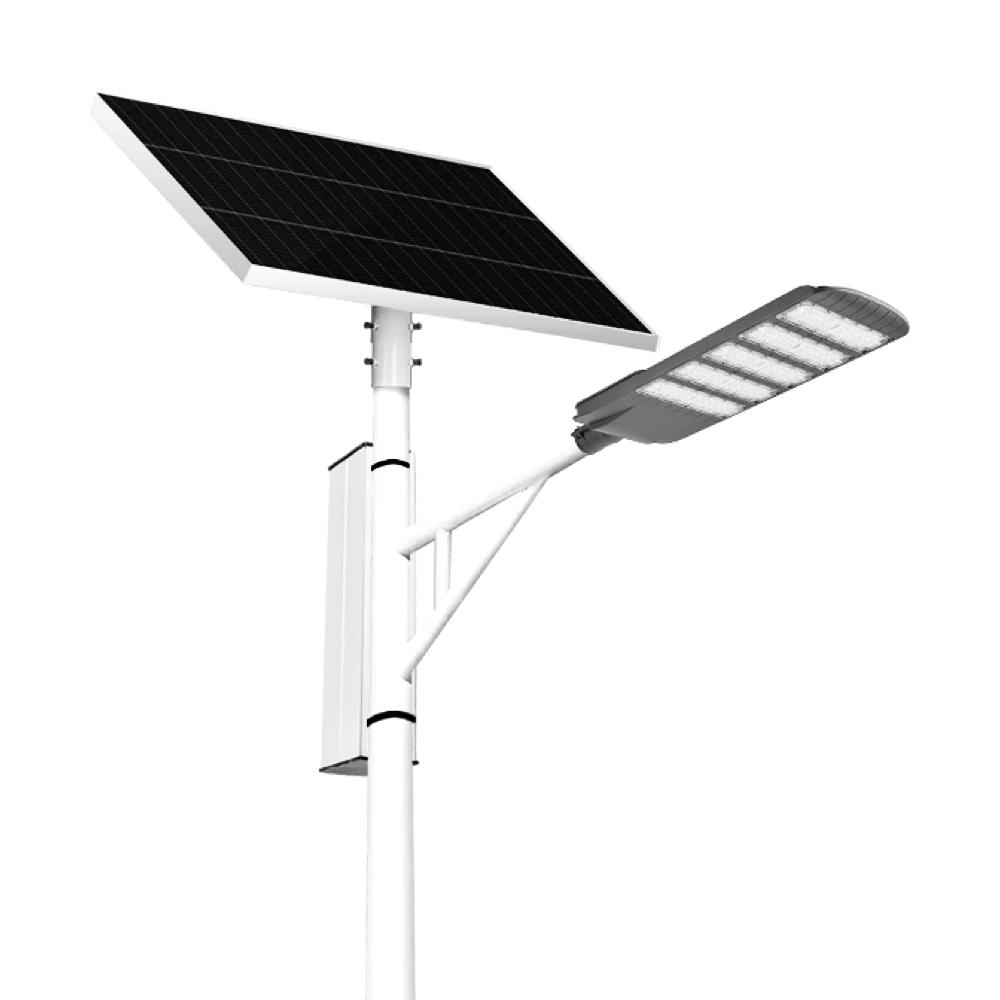
The Solar Streetlights of Luhao for Municipalities are designed to deliver reliable, energy-efficient, and cost-effective public lighting solutions. Equipped with advanced LED technology, durable lithium batteries, and high-efficiency solar panels, these streetlights provide consistent illumination for roads, parks, residential areas, and government projects.
Our professional team is ready to answer any questions and provide personalized support for your project.
You can reach us via phone or email to learn more about Queneng’s solar lighting solutions. We look forward to working with you to promote clean energy solutions!
Rest assured that your privacy is important to us, and all information provided will be handled with the utmost confidentiality.
By clicking 'Send Inquiry Now' I agree to Queneng processing my personal data.
To see how to withdraw your consent, how to control your personal data and how we process it, please see our Privacy Policy and Terms of use.
Schedule a Meeting
Book a date and time that is convenient for you and conduct the session in advance.
Have more questions about our products or services?
The messenger of light & power conversion
Environmental protection and intelligent manufacturing are our brand philosophy, and quality assurance and the best user experience are our eternal promises to users.
CONTACT
No.9F, Building F, Cao San Xin Tian Hong Logistics Park, Guzhen Town, Zhongshan City, Guangdong Province, China.
or write [email protected]
WhatsApp: +86 136 2270 1011


