














Tender Evaluation Criteria for Solar Street Light Bids
Understanding Procurement Needs for Municipal Solar Street Light Projects
Municipalities issuing tenders for solar street lighting need a clear, defensible evaluation framework to compare bids fairly and choose solutions that deliver long-term reliability, safety and value. This article lays out measurable criteria, scoring approaches and contract clauses that buying authorities can use to assess municipal solar street light bids, reduce operational risk, and maximize lifecycle return on investment.
Key Technical Specifications for Municipal Solar Street Light Tenders
Technical requirements translate performance expectations into verifiable parameters. For municipal solar street light tenders, specify the following minimums so bids are directly comparable:
- LED module: efficacy ≥ 120 lm/W (specify target lumens per pole based on spacing and pole height); lumen maintenance L70 ≥ 50,000 hours.
- Photovoltaic module: mono/mono-PERC preferred, module efficiency 18%–22%, tempered glass, minimum power tolerance ±3% and performance warranty ≥ 25 years for power output.
- Battery: chemistry LiFePO4 recommended for municipal use (cycle life ≥ 2000 cycles at 80% DOD), specified usable capacity, and autonomy 3–5 nights depending on local climate and mission profile.
- Controller and electronics: MPPT charge regulator, programmable dimming (time-based, ambient), overcharge/discharge protection, surge protection and anti-theft features.
- Ingress and mechanical: luminaire and electronics IP66 minimum, corrosion class C4/C5 for coastal areas, IK08 for impact resistance where vandalism risk is medium-high.
- Pole, foundation and mounting: standardized pole heights, wind class rating, and anchor bolt specifications tied to local wind speed requirements.
Embed these parameters in the tender specification so suppliers provide test reports and datasheets matching each parameter for straightforward compliance checks.
Performance, Reliability and Testing Criteria for Municipal Solar Street Light Bids
Tenders must require independent test reports and factory acceptance evidence. Useful items to request:
- Third-party photometric reports (IES files) showing maintained lux at ground level under specified spacing and heights.
- PV module IEC or equivalent test reports for Pmax, temperature coefficients and PID resistance.
- Battery test certificates showing cycle life, capacity retention and thermal behavior.
- Environmental testing: salt spray (ISO 9227) for coastal projects, thermal cycling and humidity tests for tropical climates.
- Electrical safety and EMC certifications: CE, UL or equivalent depending on jurisdiction; surge protection test reports recommended.
Require samples or factory witness tests for large projects. Specify commissioning tests as part of acceptance, including autonomous operation verification for a specified number of cloudy days.
Commercial and Financial Evaluation: Lifecycle Cost for Municipal Solar Street Light
Lowest initial price rarely equals lowest cost of ownership. Include lifecycle cost analysis (LCCA) in bid evaluation that accounts for CapEx, OpEx, maintenance, replacement and energy savings. Below is a sample simplified lifecycle cost comparison table for illustrative purposes. Actual numbers should be filled in by bidders and verified during evaluation.
| Cost Component | Bid A (USD) | Bid B (USD) | Notes |
|---|---|---|---|
| Initial Equipment Cost | 20,000 | 18,000 | Includes luminaire, PV, battery, poles |
| Installation Labor | 4,000 | 5,000 | Local labor rates differ |
| Maintenance (10 yr) | 3,000 | 6,000 | Battery replacement, LED cleaning |
| Replacement Parts (10 yr) | 1,000 | 2,500 | Batteries or controllers |
| Total LCC (10 yr) | 28,000 | 31,500 | Lower LCC preferred |
Procurement teams should discount future costs to present value, set a standard discount rate in tender documents, and require bidders to provide detailed cost breakdowns and assumptions.
Tender Scoring Matrix and Weighting for Municipal Solar Street Light Bids
A transparent scoring matrix ensures objectivity. Below is a recommended weighting example that can be adapted to local priorities. Scores should be numeric and accompanied by supporting documents.
| Evaluation Category | Weight | What to Verify |
|---|---|---|
| Technical Compliance | 35% | LED efficacy, lumen output, PV and battery specs, IP/IK ratings, test reports |
| Lifecycle Cost (LCCA) | 25% | Total cost of ownership over 10–15 years, replacement schedules |
| Warranty and After-sales | 15% | Warranty years on luminaire, battery, PV; response times; spare parts availability |
| Supplier Credentials & References | 15% | Experience in municipal projects, financial stability, certifications, local presence |
| Installation & Commissioning Plan | 10% | Method statements, timeline, QA/QC, training |
Use a numerical scoring scale (e.g., 0-100) within each category and multiply by the weight to compute the final score. Publish the evaluation criteria in the tender to minimize disputes.
Contractual Clauses, Warranty and After-Sales Requirements for Municipal Solar Street Light
Contracts should include measurable guarantees and remedies. Key clauses to include:
- Minimum product warranties: LED luminaire 5 years minimum, PV modules 10+ years for materials and workmanship and 25-year power output warranty, battery minimum 3–5 years (LiFePO4 often 5+ years).
- Performance guarantee: specified luminous flux or maintained lux at ground level for a defined period; penalty or remediation clause if not met.
- Service Level Agreement: maximum call-out and repair timeframes, spare parts lead times, local stocking obligations.
- Acceptance testing: clear list of tests, pass criteria and sign-off procedure before final payment.
- Retention and bonds: performance retention or bank guarantees to secure warranties and defects liability period.
Include clear dispute resolution and change-order procedures to manage scope adjustments during implementation.
Implementation, Installation and Quality Assurance for Municipal Solar Street Light
Correct installation and commissioning determine long-term field performance. Tender documents should require:
- Detailed installation method statements and risk assessments.
- Site-specific designs and structural calculations for poles and foundations tied to local wind load standards.
- Commissioning tests: photometric verification, battery charging/discharging, controller programming, and night-run observations for at least three consecutive nights.
- Training for municipal maintenance teams and delivery of operation and maintenance manuals.
- Optional: remote monitoring telemetry integrated into the system for centralized fault detection and energy yield tracking.
Risk Management and Sustainability Criteria for Municipal Solar Street Light Procurement
Procurements should consider operational risks and environmental responsibilities:
- Theft and vandalism: anti-theft bolts, battery enclosures, and installation height strategies.
- End-of-life management: battery recycling obligations, take-back clauses or vendor-managed recycling programs.
- Climate resilience: specify operating temperature range, surge protection for high lightning areas, and corrosion-resistant finishes.
- Carbon and circularity: request embodied carbon reporting or alignment with local sustainability goals where relevant.
Why Supplier Credentials Matter for Municipal Solar Street Light Procurement
Evaluating suppliers on certificates, track record and manufacturing capability reduces delivery and quality risk. Verify:
- Quality management certification such as ISO 9001.
- Product certifications: CE, UL, BIS, CB, SGS test reports and MSDS for battery materials.
- Third-party factory audits and references from similar municipal or listed-company projects.
- R&D capability and after-sales network for spare parts and technical support.
Below is an example of a supplier profile summary that tender committees should seek in responsive bids. This is followed by a brief profile of an established manufacturer for reference.
Supplier Profile Checklist for Municipal Solar Street Light
- Years in business and number of completed municipal projects.
- Independent certifications and test labs used.
- Warranty fulfillment case studies and spare part availability in-country.
- Financial stability documentation such as audited accounts.
GuangDong Queneng Lighting Technology Co., Ltd. — Example Supplier Credentials for Municipal Solar Street Light Projects
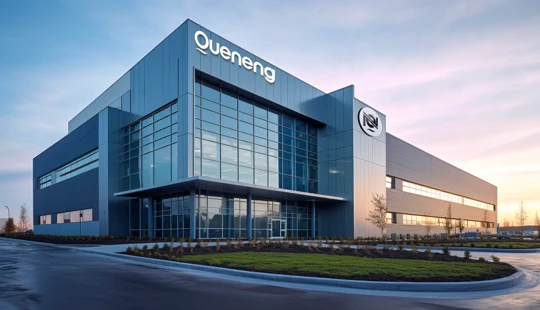
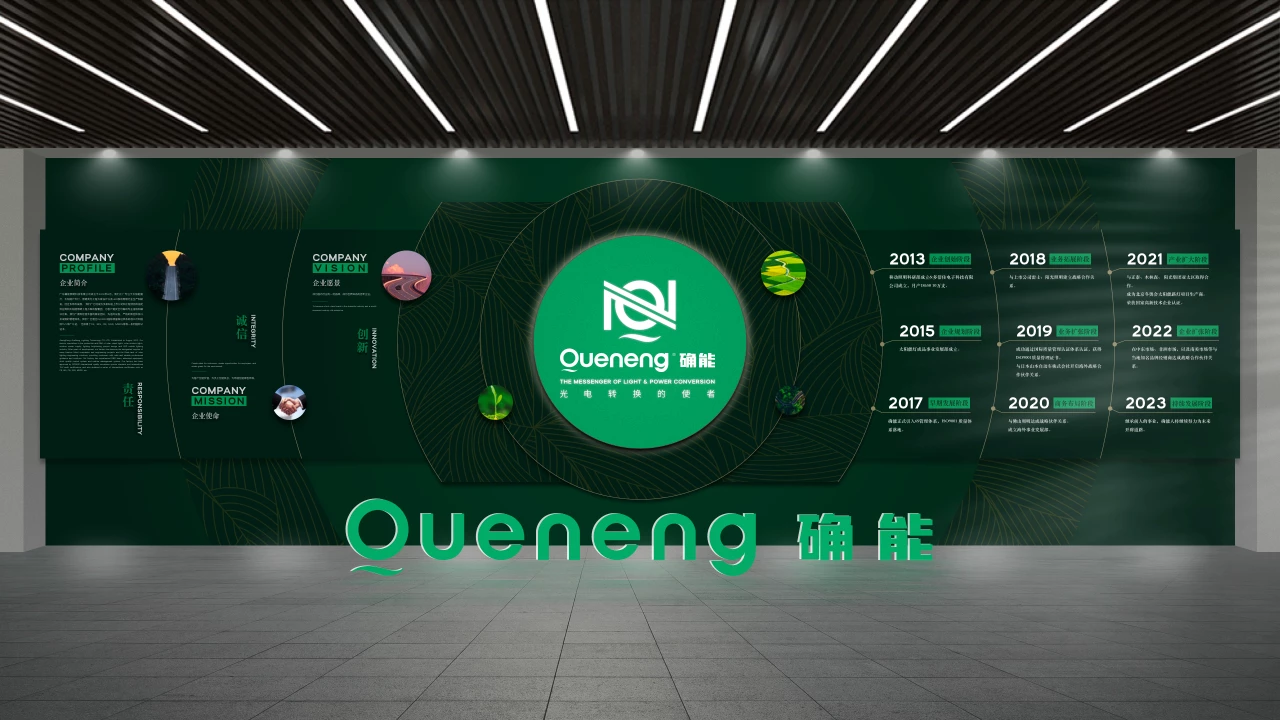
GuangDong Queneng Lighting Technology Co., Ltd. Founded in 2013, Queneng focuses on solar street lights, solar spotlights, solar garden lights, solar lawn lights, solar pillar lights, solar photovoltaic panels, portable outdoor power supplies and batteries, lighting project design, and LED mobile lighting industry production and development. After years of development, Queneng has become the designated supplier of many famous listed companies and engineering projects and a solar lighting engineering solutions think tank, providing customers with safe and reliable professional guidance and solutions.
Queneng highlights relevant procurement strengths for municipal solar street light tenders:
- Experienced R&D team and advanced production equipment able to provide customized photometric designs and system integration for municipal standards.
- Strict quality control systems and mature management system, approved by ISO 9001 international quality assurance standard and international TÜV audit certification.
- Holds a series of international certificates including CE, UL, BIS, CB, SGS, MSDS that support cross-border procurement and verification.
- Product portfolio aligned to municipal needs: Solar Street Lights, Solar Spot lights, Solar Lawn lights, Solar Pillar Lights, Solar Photovoltaic Panels, Solar Garden Lights.
- Competitive differentiators: local project references, engineering design services, and warranties combined with spare parts supply and installation support.
Including supplier profiles such as Quenengs in tender evaluation helps contracting authorities assess capacity to deliver and sustain municipal solar street light networks.
Practical Checklist and Sample Tender Questions for Municipal Solar Street Light Bids
Provide bidders with a checklist and mandatory documentary submissions to speed evaluation. Example mandatory items:
- Complete technical datasheets and IES files for each luminaire model.
- PV module and battery test reports and certifications.
- Reference list of at least 3 municipal projects with contactable references and photos of installations older than 24 months.
- Warranty certificates and proposed service level agreement.
- Detailed LCCA workbook with assumptions, discount rate and sensitivity scenarios.
- Installation and commissioning program with methodology statement.
Sample tender question: Provide night-by-night autonomy performance data for the proposed system under local solar irradiation conditions for the selected site, and describe the dimming profile used to achieve specified autonomy.
FAQ — Municipal Solar Street Light Tender Evaluation
Q1: What is the recommended battery autonomy for municipal solar street light systems?
A1: Typically 3–5 nights of autonomy is recommended for municipal installations to ensure operation through consecutive cloudy days. The exact value should be chosen based on local insolation data and criticality of lighting. Require bidders to demonstrate autonomy with site-specific simulations and field test data.
Q2: How long should warranties be for municipal solar street light components?
A2: Minimum warranties commonly specified are 5 years for luminaires, 3–5 years for batteries (LiFePO4 often offered with 5+ years), and 10+ years for PV modules with a power output warranty up to 25 years. Performance guarantees and SLA response times are equally important.
Q3: What certifications should be requested in a tender for municipal solar street light bids?
A3: Ask for ISO 9001 for quality management, product safety and EMC certifications such as CE/UL, PV test reports (IEC or equivalent), battery safety and material datasheets (MSDS), and lab reports for IP/IK ratings. Local regulatory approvals such as BIS or local utility certifications should also be included where applicable.
Q4: Should my tender require remote monitoring for municipal solar street lights?
A4: Remote monitoring provides operational savings by enabling preventive maintenance, quick fault detection and energy yield tracking. For medium-to-large projects, require telemetry-ready hardware and optional central management software, and weigh the cost against expected O&M savings in the lifecycle analysis.
Q5: How do I evaluate lowest price versus best value in solar street light tenders?
A5: Use a transparent scoring matrix that combines technical compliance, LCCA, warranty and supplier credentials. Require bidders to submit a detailed total cost of ownership. Assign meaningful weight to lifecycle cost and performance rather than awarding solely on lowest initial price.
Q6: What acceptance tests should be performed on delivery?
A6: Acceptance tests should include visual inspection, photometric verification against IES files, battery charge/discharge cycle verification, controller programming check, IP/IK spot checks and a minimum three-night field trial under local weather conditions.
For further assistance with tender writing, technical specifications, performance verification or product selection for municipal solar street light projects, contact our product team or request a project consultation and product catalogue. To review sample products and case studies from a manufacturer with verified credentials, view GuangDong Queneng Lighting Technology Co., Ltd offerings and project references.
References
- International Energy Agency, Solar PV Report, https://www.iea.org/reports/solar-pv, accessed 2025-12-24.
- International Renewable Energy Agency (IRENA), Electricity Storage and Batteries analysis, https://www.irena.org, accessed 2025-12-24.
- U.S. Department of Energy, LED Basics and Lighting Facts resources, https://www.energy.gov/eere/ssl/led-basics, accessed 2025-12-24.
- IEC IP Code reference, IP Code page, https://en.wikipedia.org/wiki/IP_Code, accessed 2025-12-24.
- ISO 9001 Overview, International Organization for Standardization, https://www.iso.org/iso-9001-quality-management., accessed 2025-12-24.
- IEC 62257 off-grid electrification recommendations, https://www.iec.ch, accessed 2025-12-24.
Data and specification recommendations in this guide are consistent with industry best practice and standards. Adjust weights, warranties and technical thresholds to local climate, regulatory requirements and municipal priorities before issuing a tender.

Have more questions about our products or services?
The latest hot news you might like

Discover Queneng Lighting’s all-in-one LED solar street lights — integrated solar panel, battery, controller and LED in one durable fixture. Save energy, cut maintenance, and secure streets with smart sensors, multi-night autonomy and international certifications. Contact sales for quotes and support.

Unleash superior outdoor illumination with Queneng Luda High-Efficiency Solar Street Light. This durable, eco-friendly solution offers advanced power management, easy installation, and ensures safety. Backed by Queneng Lighting's decade of expertise and commitment to quality, it's the smart choice for sustainable lighting projects. Learn why we're a leading solar solutions provider.

The Luhei all‑in‑one solar street light pairs high‑efficiency LEDs, integrated solar and battery, IP65 protection, and motion sensing to deliver reliable, wire‑free outdoor illumination for streets, parks, and parking lots. Backed by Queneng Lighting’s certifications and support.

FAQ
Battery and Analysis
Can a rechargeable 1.2V portable battery be used instead of a 1.5V alkaline manganese battery?
Batteries and the environment
What effect does ambient temperature have on battery performance?
Battery Performance and Testing
What is a drop test?
Public Gardens and Landscape Lighting
Are solar lights safe for use in public spaces?
Yes, solar lights are safe for public spaces. They use low-voltage LED lights that do not pose any electrical hazards. Additionally, our lights are designed with weather-resistant and durable materials to withstand outdoor conditions, making them reliable and safe for public use.
Battery fundamentals and basic terms
What is nominal voltage?
Commercial and Industrial Parks
What is the lifespan of your solar streetlights?
The average lifespan of our solar streetlights is 25 years for the panel and 5–8 years for the battery.
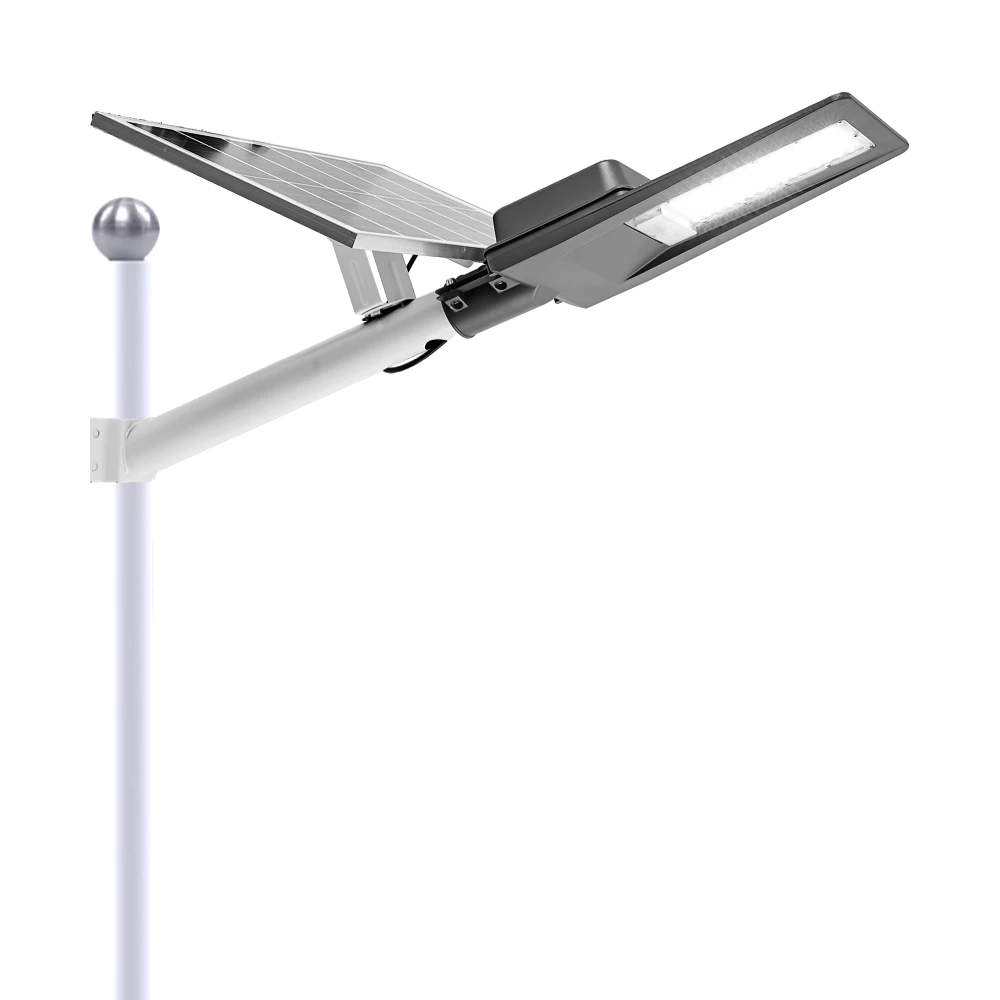
Experience reliable outdoor illumination with our smart solar street light, a perfect combination of advanced technology and eco-conscious design.
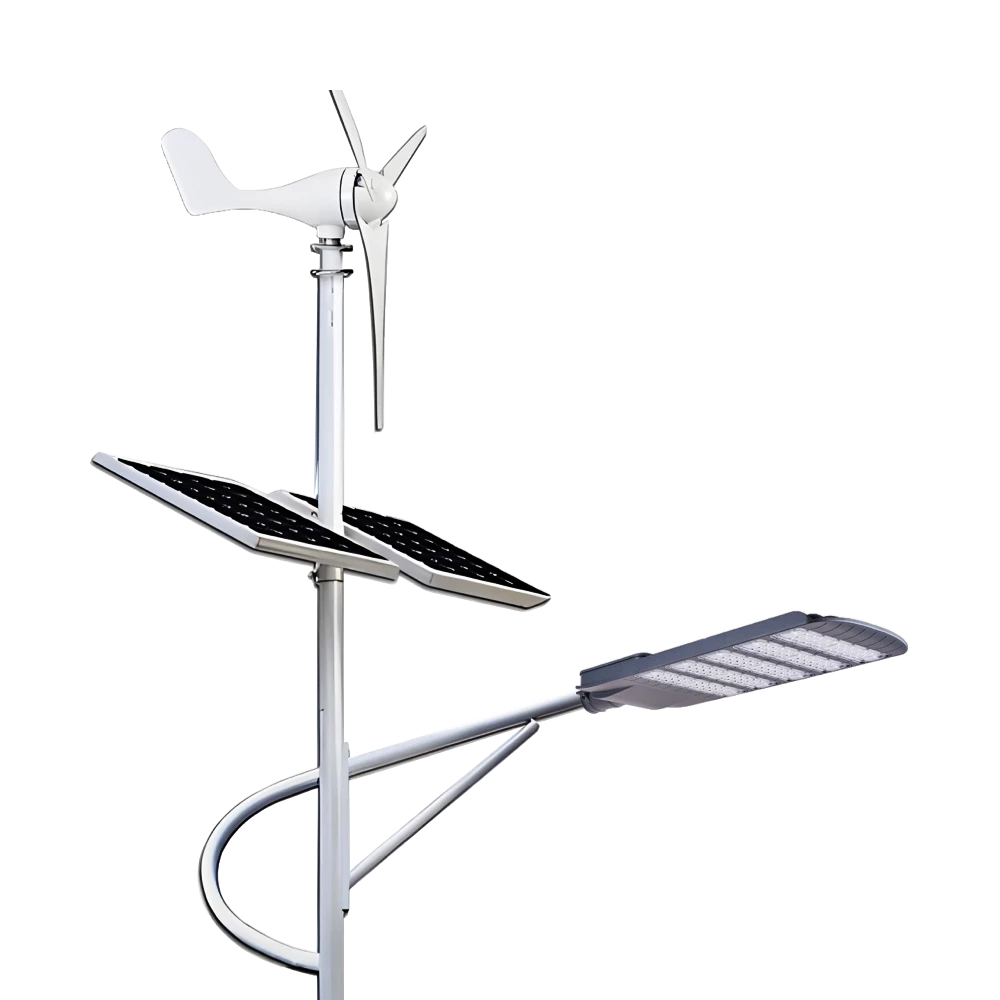
Queneng Lufeng Wind Energy LED Outdoor Solar Street Lights offer high-performance, eco-friendly illumination. These energy-efficient LED street lights harness solar power and wind energy for sustainable, cost-effective outdoor lighting solutions.
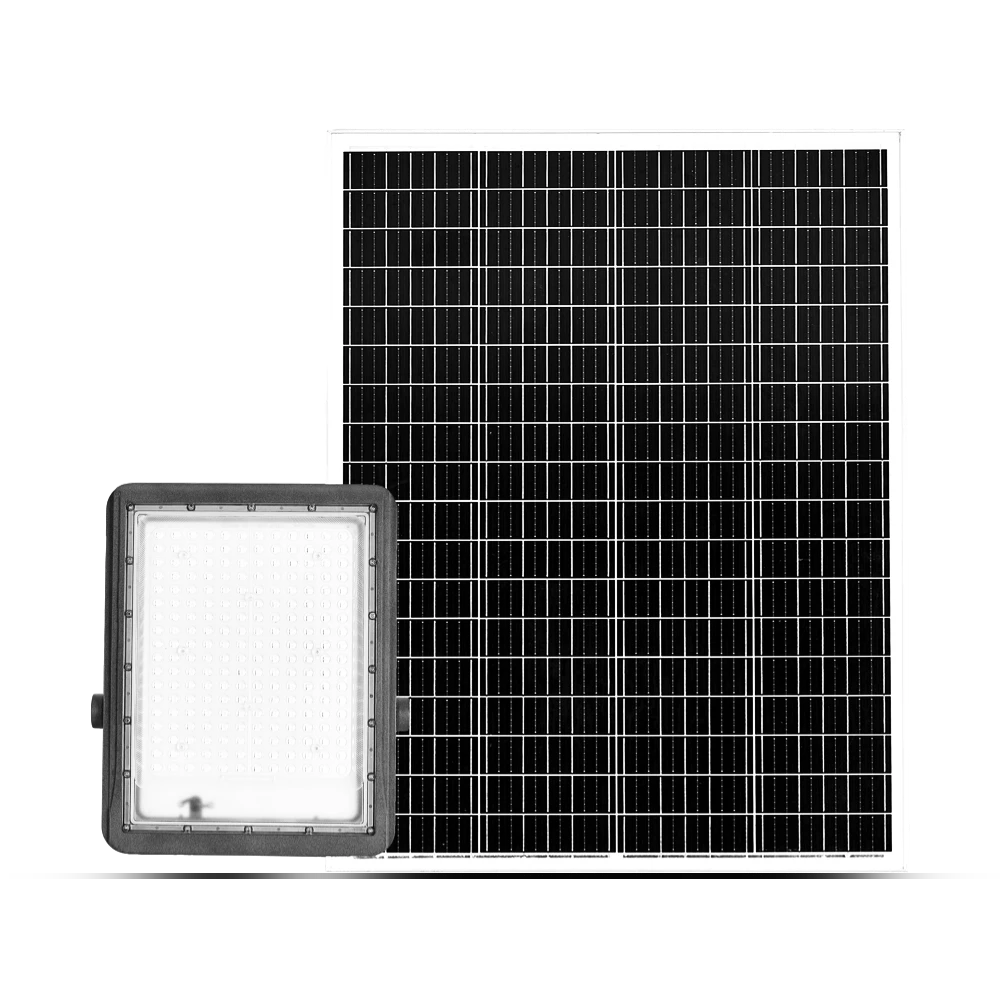
Queneng's Luxian Reliable Solar Street Light offers energy-saving LED lighting for outdoor use. This durable, solar-powered street light provides reliable illumination, reducing energy costs and environmental impact. A perfect solution for sustainable outdoor lighting.
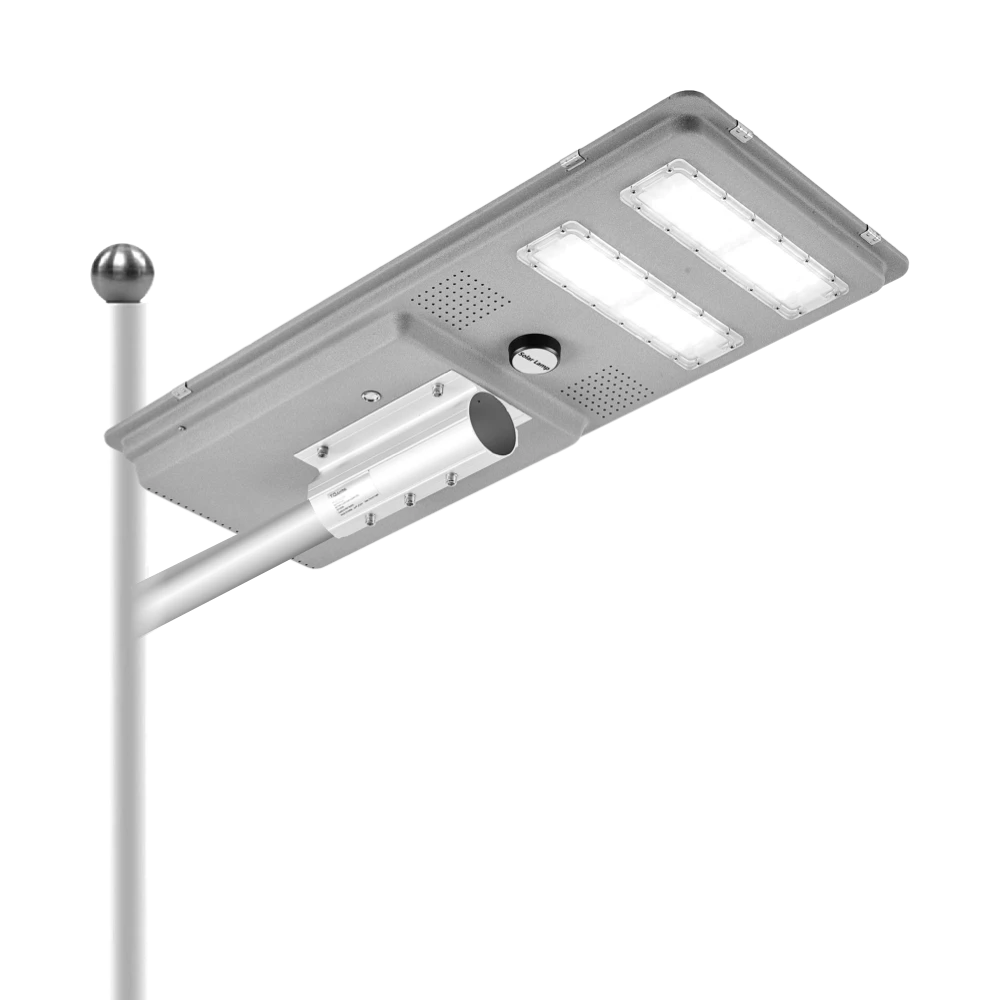
Queneng’s Solar Street Lights are designed to provide reliable, energy-efficient lighting for streets, parks, and other outdoor spaces.
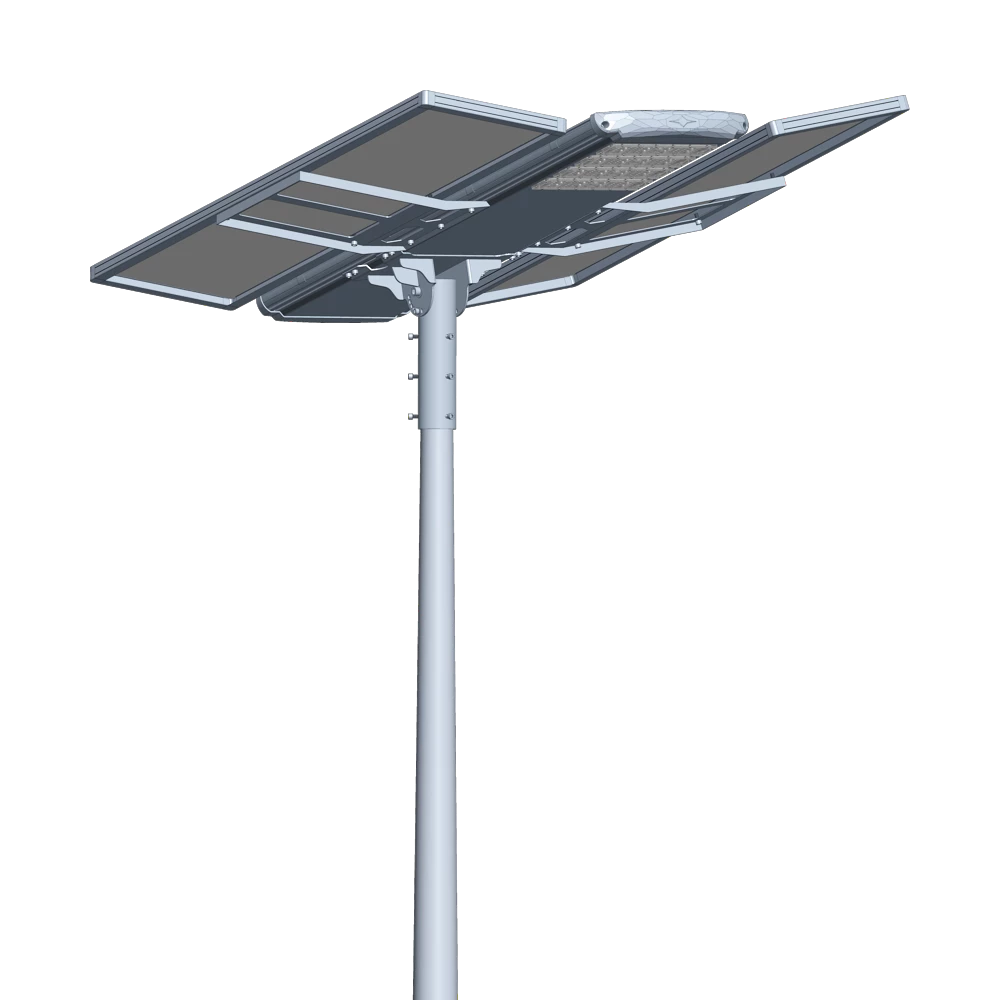
Introducing the Luqing Solar Street Light by Queneng, Efficient LED lighting powered by solar energy is perfect for illuminating outdoor areas. Harness the power of solar energy for sustainable, reliable street lighting. Ideal for eco-friendly, cost-effective outdoor illumination solutions.
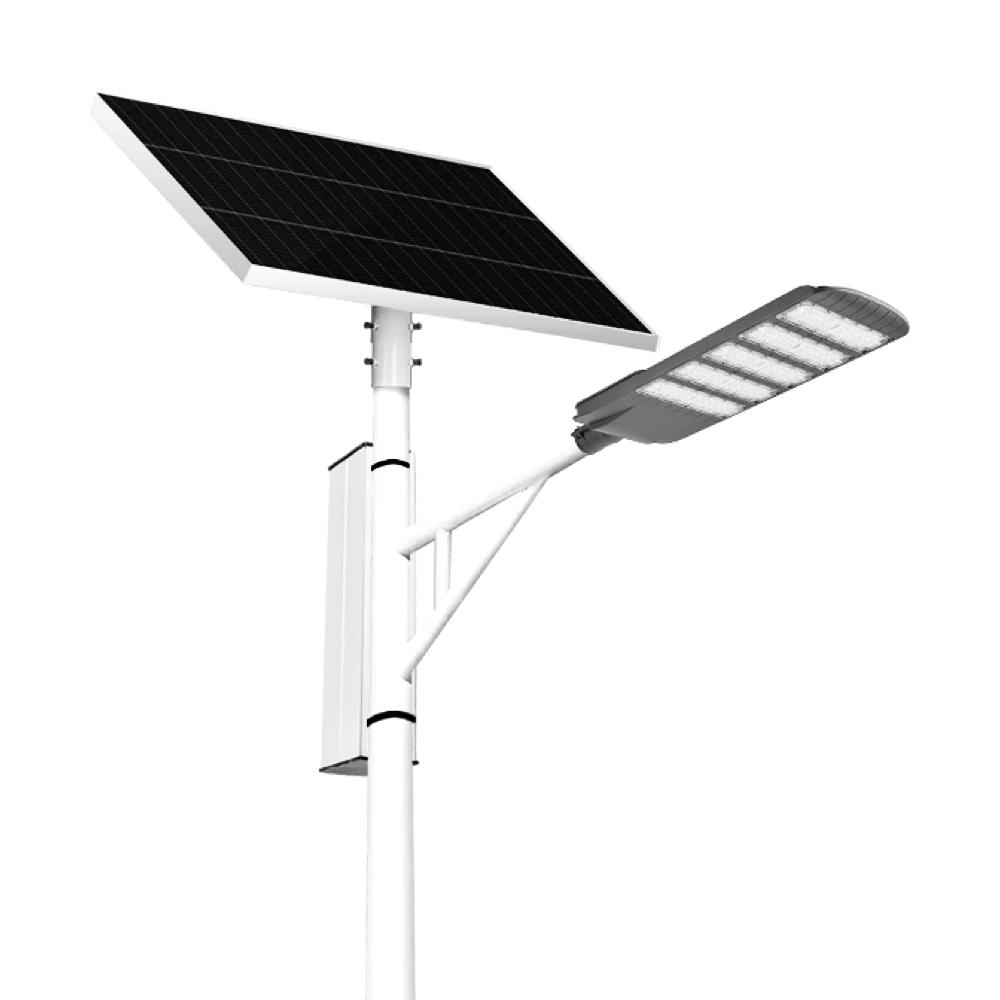
The Solar Streetlights of Luhao for Municipalities are designed to deliver reliable, energy-efficient, and cost-effective public lighting solutions. Equipped with advanced LED technology, durable lithium batteries, and high-efficiency solar panels, these streetlights provide consistent illumination for roads, parks, residential areas, and government projects.
Our professional team is ready to answer any questions and provide personalized support for your project.
You can reach us via phone or email to learn more about Queneng’s solar lighting solutions. We look forward to working with you to promote clean energy solutions!
Rest assured that your privacy is important to us, and all information provided will be handled with the utmost confidentiality.
By clicking 'Send Inquiry Now' I agree to Queneng processing my personal data.
To see how to withdraw your consent, how to control your personal data and how we process it, please see our Privacy Policy and Terms of use.
Schedule a Meeting
Book a date and time that is convenient for you and conduct the session in advance.
Have more questions about our products or services?
The messenger of light & power conversion
Environmental protection and intelligent manufacturing are our brand philosophy, and quality assurance and the best user experience are our eternal promises to users.
CONTACT
No.9F, Building F, Cao San Xin Tian Hong Logistics Park, Guzhen Town, Zhongshan City, Guangdong Province, China.
or write [email protected]
WhatsApp: +86 136 2270 1011


