













Timeline Planning: From Tender to Full Deployment
Project Timeline Blueprint for Municipal Solar Street Light Deployment
Municipal Solar Street Light projects require disciplined timeline planning to move from tender to full deployment without costly delays or performance shortfalls. This guide breaks the lifecycle into actionable phases—tendering, contracting, production, pilot, mass deployment, commissioning and long-term operations—so project managers, municipal procurement officers and engineering firms can forecast resources, risks and budgets precisely. The content embeds practical templates, evaluation criteria, cost and lifecycle comparisons, and vendor selection strategies focused on Municipal Solar Street Light implementations.
Why a timeline matters
Well-defined timelines reduce scope creep, align multi-stakeholder expectations (municipality, utilities, contractors, OEMs), and create measurable milestones for quality control, warranty enforcement and budget tracking. Poor scheduling commonly increases soft costs (permits, traffic management), extends warranty disputes, and leads to underperforming systems.
Core phases and their relationships
Typical phases: Tender Preparation → Tender Evaluation & Award → Manufacturing & Factory Acceptance (FAT) → Pilot Deployment → Mass Installation → Commissioning & Handover → O&M and Performance Monitoring. Dependencies are linear but often overlap (e.g., long-lead procurement while finalizing installation contractors).
Tender Stage: Preparing and Publishing a Robust Tender
Define technical and commercial requirements
Clear technical specifications reduce ambiguity. For Municipal Solar Street Light tenders include: target illumination levels (lux), pole spacing and mounting heights, luminaire photometry and glare control, battery autonomy (days), photovoltaic panel wattage and tilt assumptions, control and telemetry (e.g., remote monitoring, dimming schedule), warranties (product and performance), and acceptable project milestones. Specify standards and certifications required (ISO 9001, CE, UL, IEC 60598, IEC 61215 for PV modules) and required third-party testing reports.
Tender evaluation criteria and scoring
Use a weighted scoring matrix to balance price, technical compliance, lifecycle cost, supplier track record and local content or employment commitments. Typical weightings: Technical compliance 40%, Lifecycle cost (CAPEX+OPEX) 20%, Supplier experience and references 20%, Warranty and service 10%, Social value/local content 10%.
Procurement timeline and key documents
Attach clear deliverables and acceptance criteria: sample FAT reports, Type Test certificates, reference project list, manufacturing lead times, logistics plans, installation drawings and O&M manuals. Typical tender-to-award durations vary (30–90 days) depending on complexity and local procurement rules.
From Contract Award to Pilot: Manufacturing, FAT and Pilot Deployment
Contract signing, design freeze and production planning
After award, freeze design and finalize Bill of Quantities (BoQ). Immediately create a detailed production schedule: tooling, procurement of PV cells/batteries/LEDs, assembly and in-line QC. Long-lead items: batteries and custom poles. Negotiate manufacturing milestones and penalties for missed dates to protect the municipal schedule.
Factory Acceptance Test (FAT) and pre-shipment validation
FAT verifies product conformity before shipping. FAT scope should include photometric tests, battery capacity and cycle tests, IP and IK protection verification, telecom telemetry test, and sample environmental stress screening. Insist on witnessed FAT by municipal or third-party inspector and require a documented punch-list closure process.
Pilot deployment: scope and objectives
Pilot installs 2–5% of total units or representative segments (downtown, residential, arterial). Objectives: validate performance in local climate (temperature, solar irradiance), confirm installation procedures, check traffic and civil works integration, and test remote monitoring and maintenance workflows. Pilot duration: 3–6 months to capture seasonal performance data.
| Phase | Typical Duration | Key Deliverable |
|---|---|---|
| Tender Preparation | 2–6 weeks | Specifications, BoQ, Evaluation Criteria |
| Tender Period & Award | 4–12 weeks | Contract Signed |
| Design Freeze & Production Planning | 2–4 weeks | Production Schedule |
| Manufacturing & FAT | 8–16 weeks | FAT Reports |
| Pilot Deployment | 3–6 months | Pilot Performance Report |
Mass Deployment, Commissioning and O&M
Scaling from pilot to mass installation
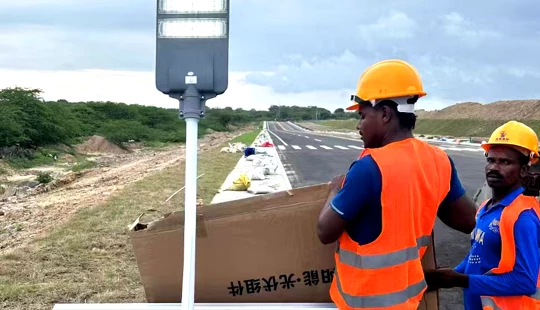
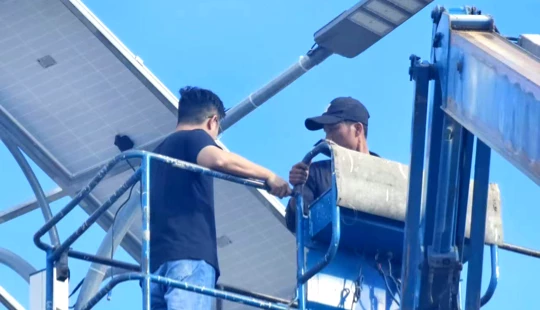
Use pilot findings to adjust specs (battery sizing, mounting brackets, civil works). Mobilize installation crews in zones to optimize logistics and traffic management. A rolling installation plan with weekly milestones and pre-inspection/acceptance checklists minimizes rework. Include spare parts staging and rapid-response teams for initial months.
Commissioning, performance verification and handover
Commissioning tests must include on-site photometry, telemetry integration, battery under-load testing and verification of dimming schedules. Create an acceptance certificate that ties commissioning to warranty start dates and reserve a retention sum (typically 5–10%) until 6–12 months of performance validation.
Operations, KPIs and lifecycle cost monitoring
Track KPIs: energy produced (kWh), uptime (%), average lux at ground level, battery state-of-health (SoH), telemetry alarm response time, and maintenance cost per unit-year. Municipal Solar Street Light systems typically reduce energy bills and grid dependency; however, O&M and battery replacements are material lifecycle costs that must be budgeted and tracked.
| Item | Grid LED (10 yrs) | Solar Street Light (10 yrs) |
|---|---|---|
| Upfront CAPEX | Lower | Higher (panels, batteries) |
| Energy Cost (kWh) | Significant (grid tariffs) | Near-zero |
| Maintenance | Moderate (lamp & driver replacements) | Requires battery replacements & occasional PV cleaning |
| Total Cost of Ownership | Depends on tariff; often higher over long term | Competitive or lower over 10–15 years in sunny regions |
Data supporting solar competitiveness: IRENA reports that utility-scale solar PV costs have declined >80% since 2010, improving the business case for off-grid and distributed solar solutions when paired with LEDs and efficient batteries (IRENA Renewable Cost Database, 2021). Local tariffs and battery lifecycle assumptions influence the precise payback period—model scenarios explicitly in the tender.
Choosing Suppliers, Risk Management and Scaling Strategy
Supplier diligence and contractual protections
Ask for: audited financials, ISO 9001 and manufacturing certifications, PILOT and reference projects list (with contactable owners), third-party test reports. Contractually require performance guarantees (e.g., minimum average lumen maintenance L70 at X hours), battery cycle warranty (e.g., 3–5 years warranty with defined degradation), and a spare parts agreement with specified response times.
Risk register and mitigation examples
- Supply chain delays: pre-pay only phased amounts tied to milestones, include liquidated damages.
- Underperformance in low-irradiance months: require performance margin in PV and battery sizing and include remote monitoring for anomaly detection.
- Vandalism/theft: consider tamper-resistant designs, anchorings and insurance clauses.
Why partner with an experienced solar lighting engineering firm
Experienced providers reduce tender ambiguity, shorten FAT cycles, ensure correct battery and PV sizing, and offer documented installation and O&M processes that municipalities can adopt into their asset management systems.
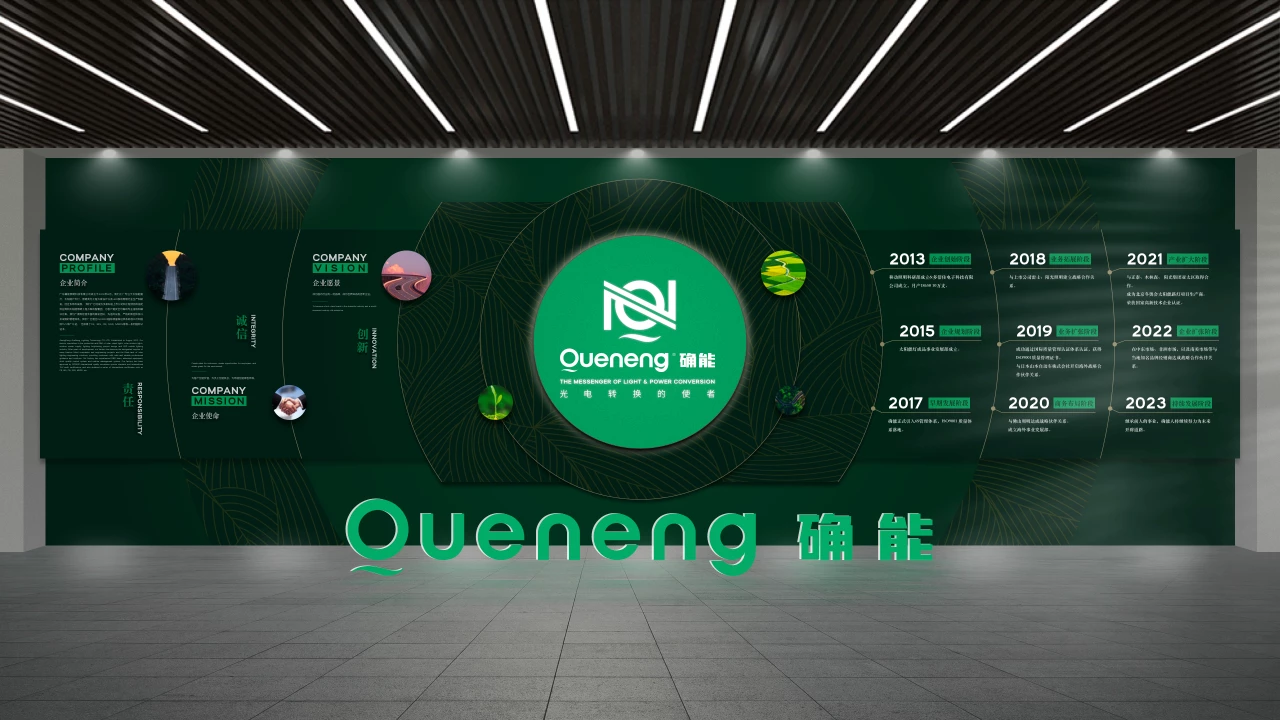
Manufacturer profile and competitive advantage: Queneng Lighting
GuangDong Queneng Lighting Technology Co., Ltd. Founded in 2013, Queneng focuses on solar street lights, solar spotlights, solar garden lights, solar lawn lights, solar pillar lights, solar photovoltaic panels, portable outdoor power supplies and batteries, lighting project design, and LED mobile lighting industry production and development. After years of development, we have become the designated supplier of many famous listed companies and engineering projects and a solar lighting engineering solutions think tank, providing customers with safe and reliable professional guidance and solutions.
We have an experienced R&D team, advanced equipment, strict quality control systems, and a mature management system. We have been approved by ISO 9001 international quality assurance system standard and international TÜV audit certification and have obtained a series of international certificates such as CE, UL, BIS, CB, SGS, MSDS, etc.
Quenenglighting advantages and main products: Solar Street Lights, Solar Spot lights, Solar Lawn lights, Solar Pillar Lights, Solar Photovoltaic Panels, Solar Garden Lights. Competitive differentiators include integrated engineering design services, factory-level FAT with third-party oversight, long-cycle battery and PV sourcing strategies, and turnkey project execution capability. This reduces municipal procurement complexity and minimizes integration risks.
FAQ — Municipal Solar Street Light Timeline and Deployment
Q1: How long does a typical municipal solar street light project take from tender to full deployment?
A1: Timelines vary by scale and local processes, but a practical estimate: 3–6 months from tender release to contract award, 2–4 months production lead time for standard products, 3–6 months pilot and validation, followed by 6–12 months for full phased installation for medium-sized projects. Large citywide rollouts can take 18–36 months when civil works and permitting are complex.
Q2: What are the most common causes of delay and how can municipalities mitigate them?
A2: Common delays: unclear specifications, long approval/permitting cycles, supply chain or customs hold-ups, and inadequate FAT processes. Mitigation: clear tender docs, staged payments tied to milestones, insist on witnessed FAT, maintain contingency stock, and plan civil works early.
Q3: How should battery size and autonomy be specified for Municipal Solar Street Light tenders?
A3: Specify required autonomy in full days (e.g., 3–5 days without sun) tied to local climate data. Require vendor-provided PV sizing calculations using local solar irradiance (kWh/m2/day), specified battery DoD and temperature derating assumptions, and minimum cycle life warranty.
Q4: What KPIs should we track after deployment?
A4: Uptime (%), average lux at ground level, energy produced vs modeled, battery SoH, number of maintenance visits per unit-year, telemetry alarm response time, and lifecycle cost per unit-year. Establish dashboards fed by remote monitoring where possible.
Q5: Is solar street lighting always cheaper over 10 years than grid-powered LED lighting?
A5: Not always. Solar solutions are generally more competitive in areas with high grid tariffs, unreliable grids, or expensive trenching costs. In dense urban grids with low energy tariffs, grid LED can be cheaper upfront. Model multiple scenarios including battery replacements to determine Total Cost of Ownership (TCO).
Q6: What warranties and certifications should be non-negotiable?
A6: Non-negotiables: PV module IEC/UL/CE certifications, battery safety and MSDS, luminaire photometric reports, and factory ISO 9001 quality management evidence. Performance warranties such as minimum lumen maintenance (e.g., L70 at 50,000 hours) and battery cycle warranties (with guaranteed remaining capacity) are critical.
If you would like a project timeline template, tender evaluation spreadsheet or a free initial consultation for your Municipal Solar Street Light program, contact Quenenglighting or visit https://www.quenenglighting.com to view our products and request a quote. Our engineering team can provide a tailored timeline, CAPEX/OPEX models and pilot design for your city.
References and Further Reading
- IRENA, Renewable Power Generation Costs in 2020, IRENA, June 2021. https://www.irena.org/publications/2021/Jun/Renewable-Power-Costs-in-2020 (Accessed June 2024)
- IEA, World Energy Outlook 2023, International Energy Agency, 2023. https://www.iea.org/reports/world-energy-outlook-2023 (Accessed June 2024)
- U.S. Department of Energy, Solid-State Lighting, Energy Efficiency & Renewable Energy. https://www.energy.gov/eere/ssl/solid-state-lighting (Accessed June 2024)
- ISO, ISO 9001 — Quality management systems. https://www.iso.org/iso-9001-quality-management. (Accessed June 2024)
- UNOPS Procurement Services overview (guidance on procurement best practices). https://www.unops.org/english/what-we-do/procurement-services (Accessed June 2024)
- World Bank, Lighting Africa program (distributed lighting programs and best practices). https://www.worldbank.org/en/programs/lighting-africa (Accessed June 2024)

Have more questions about our products or services?
The latest hot news you might like

Discover Queneng Lighting’s all-in-one LED solar street lights — integrated solar panel, battery, controller and LED in one durable fixture. Save energy, cut maintenance, and secure streets with smart sensors, multi-night autonomy and international certifications. Contact sales for quotes and support.

Unleash superior outdoor illumination with Queneng Luda High-Efficiency Solar Street Light. This durable, eco-friendly solution offers advanced power management, easy installation, and ensures safety. Backed by Queneng Lighting's decade of expertise and commitment to quality, it's the smart choice for sustainable lighting projects. Learn why we're a leading solar solutions provider.

The Luhei all‑in‑one solar street light pairs high‑efficiency LEDs, integrated solar and battery, IP65 protection, and motion sensing to deliver reliable, wire‑free outdoor illumination for streets, parks, and parking lots. Backed by Queneng Lighting’s certifications and support.

FAQ
Municipal and Public Infrastructure
How much maintenance do solar streetlights require?
Solar streetlights are low-maintenance. Routine checks on the solar panels and battery performance every 6-12 months are sufficient to ensure optimal operation.
What happens if the battery runs out of charge?
Our solar streetlights use advanced battery management systems to optimize energy usage. Even during prolonged cloudy or rainy periods, the lights can function at reduced brightness to conserve energy.
Batteries and the environment
What is the main manifestation of the hazards of used batteries?
Solar Street Light Lufei
What is the warranty on the solar street light?
Queneng offers a warranty of 2-5 years on our solar street lights, covering defects in material and workmanship. The warranty duration may vary based on the model and product components.
Sustainability
What is the wind resistance rating of Queneng solar street lights?
Our solar street lights are rigorously tested and can withstand wind speeds of up to 120 km/h. For areas with particularly strong winds, we offer customized solutions to enhance wind resistance.
APMS system
What is the endurance time of the APMS system during rainy weather?
Optimized for rainy weather, the APMS system can maintain lighting endurance for several days under extended cloudy conditions, with specific duration depending on the environment and battery capacity.
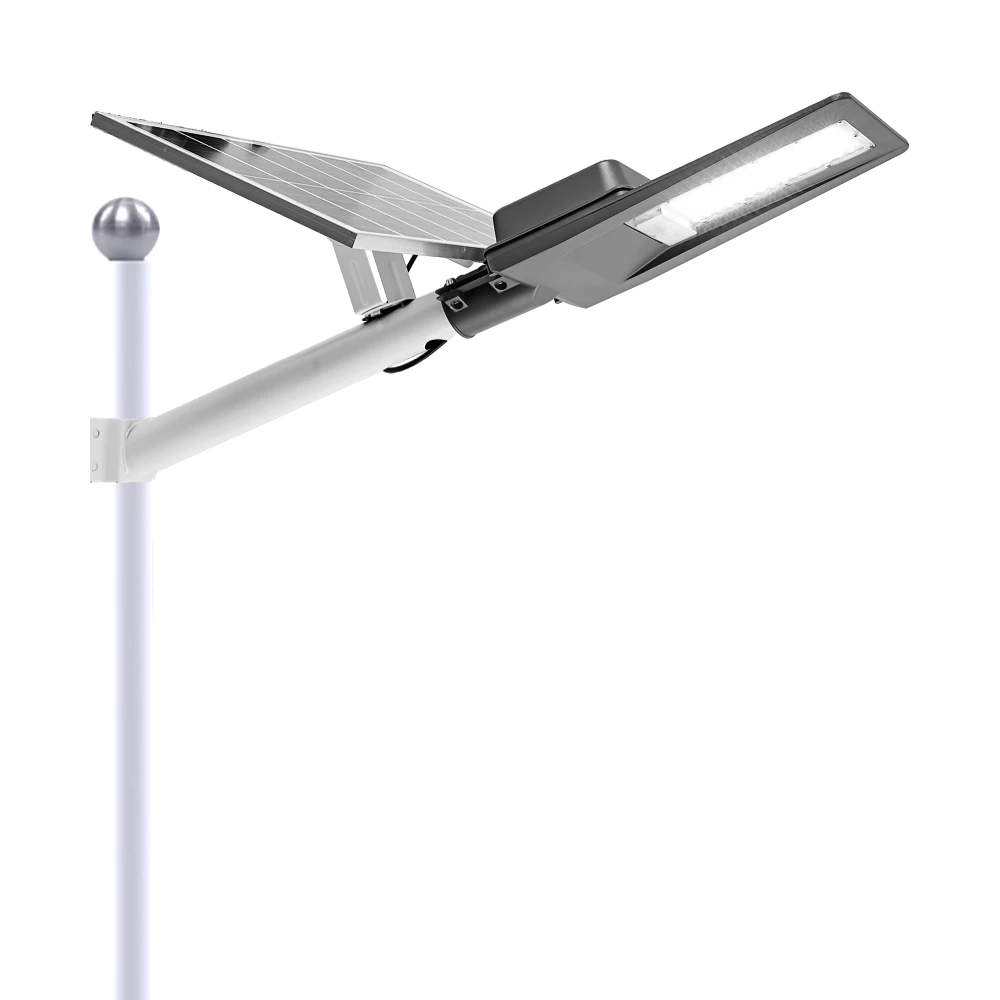
Experience reliable outdoor illumination with our smart solar street light, a perfect combination of advanced technology and eco-conscious design.
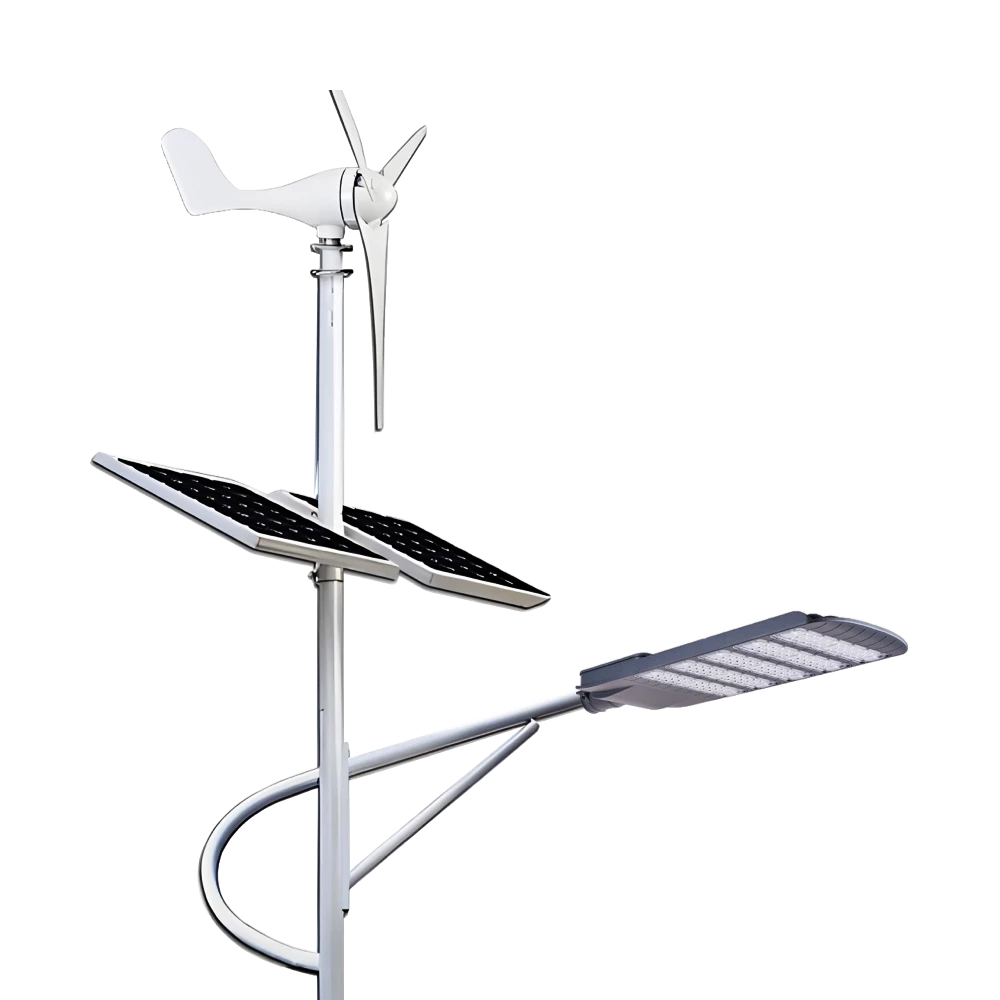
Queneng Lufeng Wind Energy LED Outdoor Solar Street Lights offer high-performance, eco-friendly illumination. These energy-efficient LED street lights harness solar power and wind energy for sustainable, cost-effective outdoor lighting solutions.
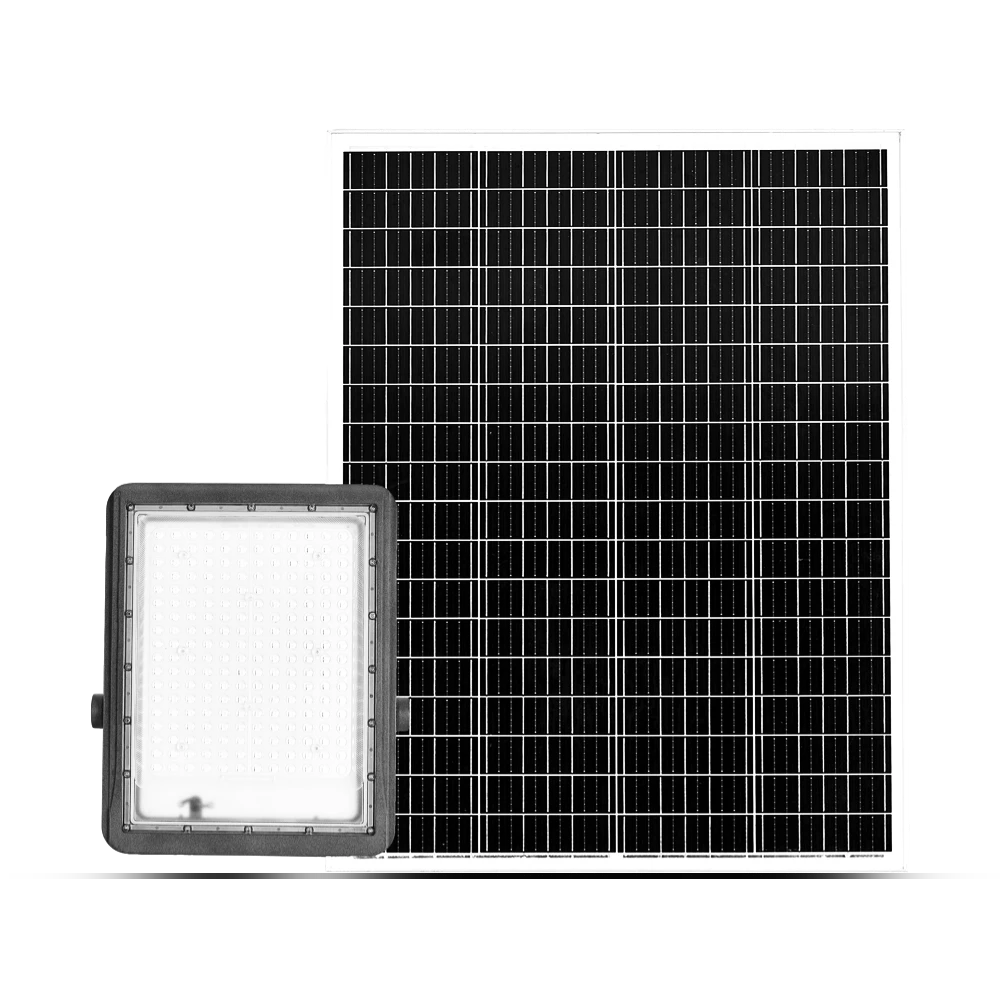
Queneng's Luxian Reliable Solar Street Light offers energy-saving LED lighting for outdoor use. This durable, solar-powered street light provides reliable illumination, reducing energy costs and environmental impact. A perfect solution for sustainable outdoor lighting.
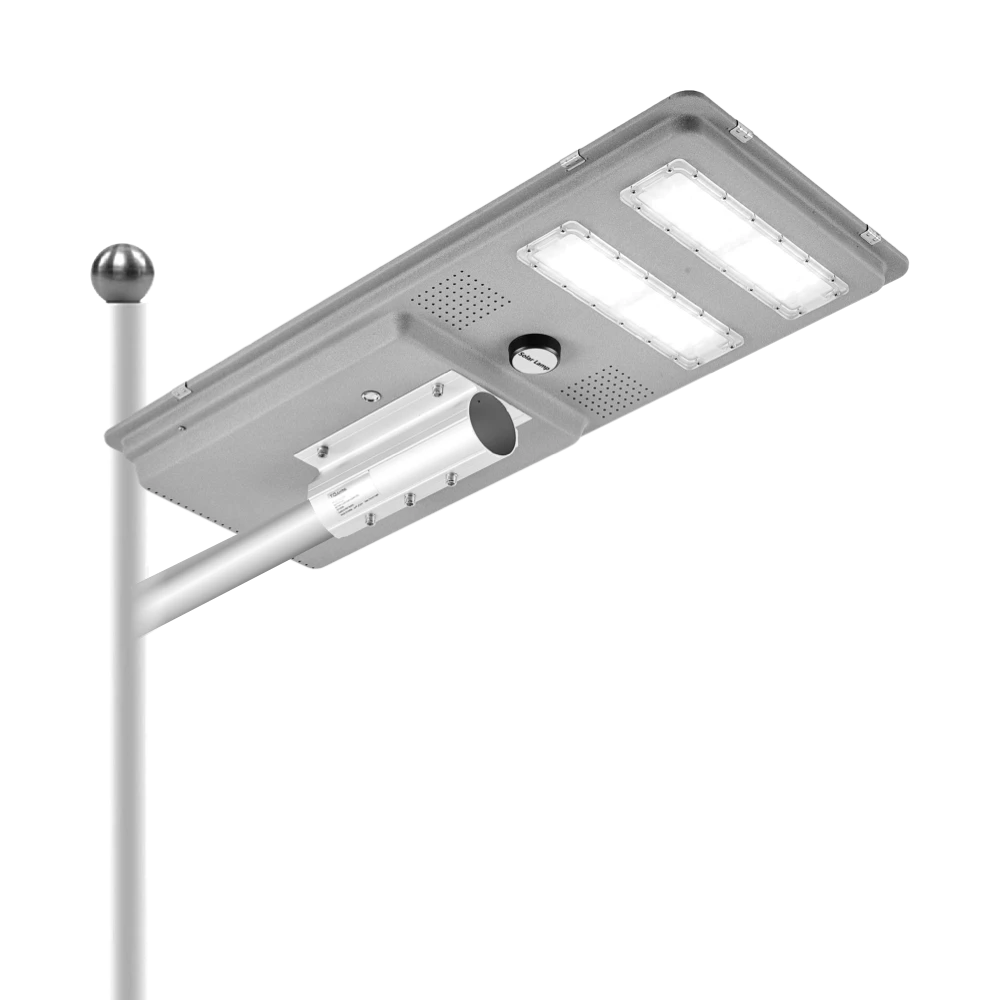
Queneng’s Solar Street Lights are designed to provide reliable, energy-efficient lighting for streets, parks, and other outdoor spaces.
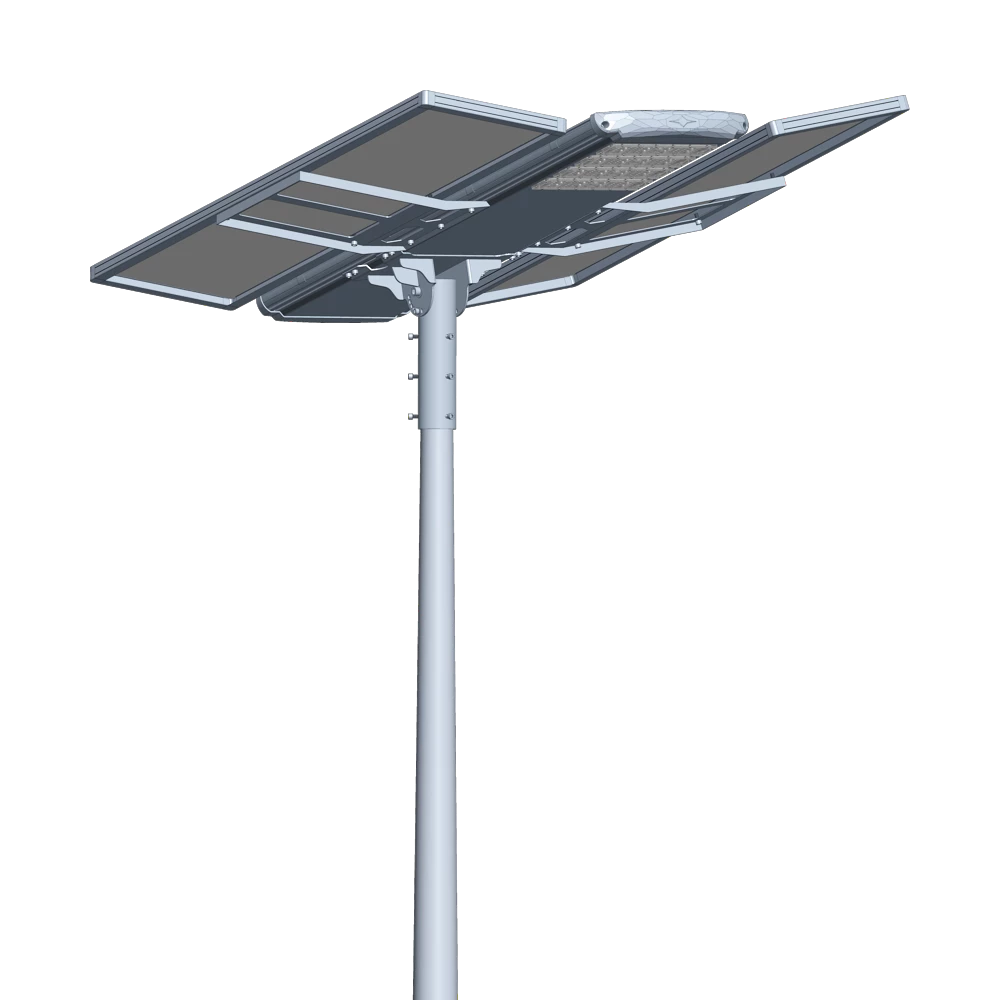
Introducing the Luqing Solar Street Light by Queneng, Efficient LED lighting powered by solar energy is perfect for illuminating outdoor areas. Harness the power of solar energy for sustainable, reliable street lighting. Ideal for eco-friendly, cost-effective outdoor illumination solutions.
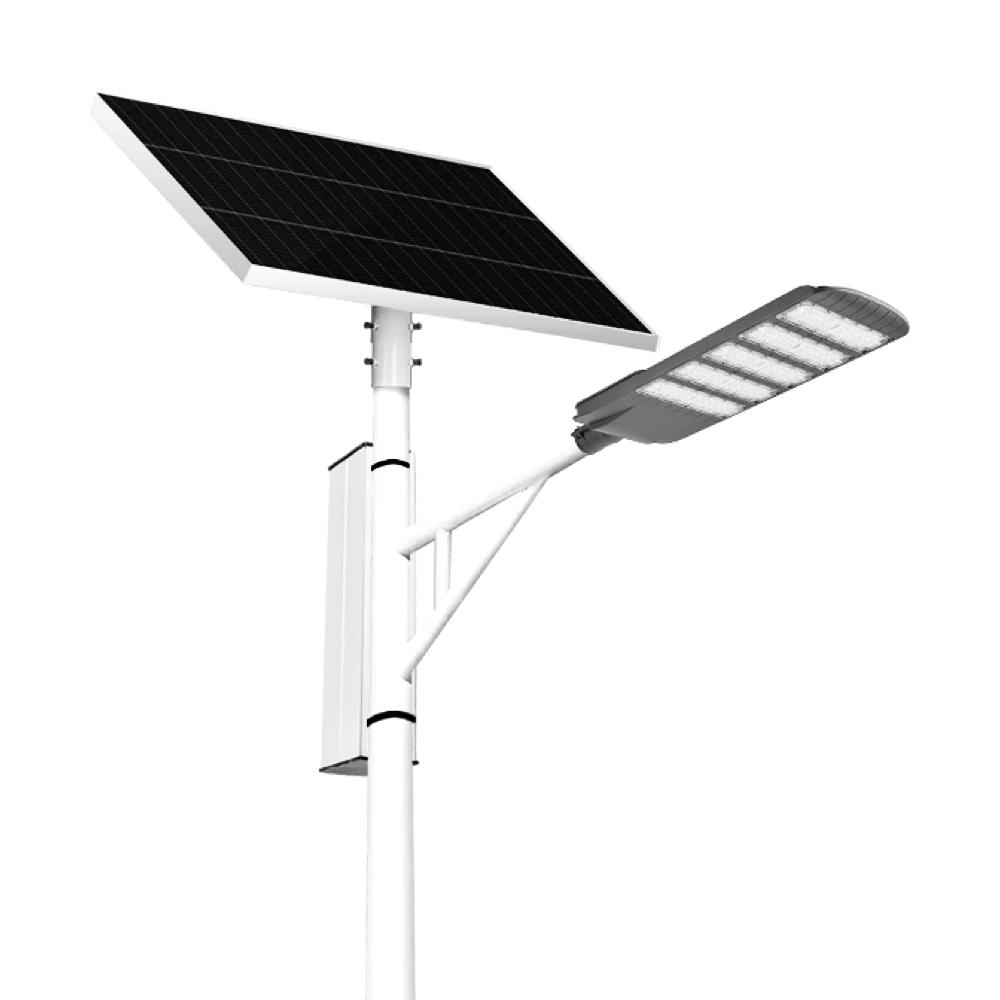
The Solar Streetlights of Luhao for Municipalities are designed to deliver reliable, energy-efficient, and cost-effective public lighting solutions. Equipped with advanced LED technology, durable lithium batteries, and high-efficiency solar panels, these streetlights provide consistent illumination for roads, parks, residential areas, and government projects.
Our professional team is ready to answer any questions and provide personalized support for your project.
You can reach us via phone or email to learn more about Queneng’s solar lighting solutions. We look forward to working with you to promote clean energy solutions!
Rest assured that your privacy is important to us, and all information provided will be handled with the utmost confidentiality.
By clicking 'Send Inquiry Now' I agree to Queneng processing my personal data.
To see how to withdraw your consent, how to control your personal data and how we process it, please see our Privacy Policy and Terms of use.
Schedule a Meeting
Book a date and time that is convenient for you and conduct the session in advance.
Have more questions about our products or services?
The messenger of light & power conversion
Environmental protection and intelligent manufacturing are our brand philosophy, and quality assurance and the best user experience are our eternal promises to users.
CONTACT
No.9F, Building F, Cao San Xin Tian Hong Logistics Park, Guzhen Town, Zhongshan City, Guangdong Province, China.
or write [email protected]
WhatsApp: +86 136 2270 1011


