














Warranty and SLA Terms for Solar Street Light Contracts
Ensuring Performance: Warranty & SLA Essentials for Municipal Solar Street Light Projects
Municipalities procuring solar street lighting need clear, enforceable warranty and service level agreement (SLA) terms to protect public investment, ensure citizen safety, and maximize lifecycle value. This guide focuses on municipal solar street light contracts and provides practical, verifiable recommendations for drafting warranties and SLAs tied to real-world component performance, testing protocols, and contract administration.
Why Robust Warranty and SLA Terms Matter for Municipal Solar Street Light Projects
Municipal Solar Street Light deployments are capital-intensive public assets expected to deliver predictable illumination and low maintenance costs over 7–25 years. Ambiguous warranty or SLA language causes disputes, hidden costs, and service interruptions. Well-structured obligations reduce lifecycle cost, support transparent procurement, and align supplier incentives with municipal goals like uptime, energy savings, and safety.
Key Components and Typical Warranty Benchmarks (Use Keyword: Municipal Solar Street Light)
Warranties must be component-specific and measurable. Typical warranty durations and common performance metrics for Municipal Solar Street Light systems:
| Component | Typical Manufacturer Warranty | Performance/Acceptance Metric |
|---|---|---|
| Solar PV Module | 10–25 years (power output guarantee; 25-year linear performance warranty common) | ≥80% of nameplate power at 25 years; IEC/EN test certificates |
| LED Luminaire | 3–7 years (some up to 10 for High Quality products) | Maintained lumen output (e.g., L70 >50,000 hrs); photometric report |
| Batteries (Lead-acid/LiFePO4) | 3–8 years (LiFePO4 typically 5–8 years; lead-acid shorter) | Cycle life verifiable in datasheet; capacity retention ≥70–80% over warranty |
| Controller/MPPT/Remote Monitoring | 2–5 years | Functionality, communication uptime, data accuracy |
| Full System Installation & Workmanship | 1–5 years | Structural integrity, pole anchoring, cabling faults |
Sources for these benchmarks include industry test standards and market practice; municipalities should require test reports (IEC, UL, TÜV) and factory quality control evidence as a precondition to acceptance.
Warranty vs SLA: Definitions and How They Complement Each Other (Use Keyword: Municipal Solar Street Light)
Warranty and SLA are distinct but interconnected:
- Warranty is a manufacturer’s promise about product quality and defect remediation within a defined timeframe (repair, replace, refund). It focuses on defects in materials and workmanship.
- SLA is a supplier or O&M provider’s promise about service performance and response levels after installation — uptime, repair times, scheduled maintenance, remote monitoring, and penalties for non-compliance.
For Municipal Solar Street Light procurements, specify both: product warranties from manufacturers and operational SLAs from the contractor or third-party O&M provider. The municipality may require the contractor to obtain manufacturer warranties in favor of the municipality (assignment clause) to avoid subrogation layers.
Practical SLA Metrics and KPI Examples
Common, enforceable SLA KPIs for municipal lighting:
- System Availability / Uptime: e.g., ≥98% monthly availability for lights controlled via remote monitoring; define calculation method (minutes of darkness vs scheduled on-hours).
- Response Time: Acknowledge fault within 4 hours, on-site inspection within 24–72 hours depending on severity (emergency vs non-urgent).
- Repair Time (Mean Time To Repair - MTTR): Repair or restore critical faults within 48–96 hours; full replacement timelines for major components.
- Preventive Maintenance Frequency: Quarterly or biannual inspections, battery capacity test annually, cleaning schedule for PV modules.
- Data Reporting: Weekly/Monthly performance reports including energy generation, battery state-of-charge (SoC), faults logged, and corrective actions.
- Penalties and Credits: Financial credits for breaches (e.g., per-hour or per-light deduction) or liquidated damages for prolonged outages.
Model Contract Clauses to Include
Include the following verifiable clauses in municipal contracts:
- Performance Acceptance Tests: Pre-commissioning tests (IV curve for PV, photometric testing, battery capacity tests, communications) with third-party witness option. Acceptance becomes the start date for warranty.
- Clear Warranty Scope & Remedies: Specify what constitutes a defect, inclusive remedies (repair, replace, prorated replacement), and obligation to cover labor, logistics, and removal of defective parts.
- Warranty Assignment: Require manufacturer warranties to be assignable to the municipality in case of contractor insolvency.
- SLA Remedies: Define service credits, escalation process, and termination rights for repeated SLA breaches.
- Force Majeure & Maintenance Access: Define events, but clarify that routine wear (e.g., battery degradation) is not force majeure. Ensure access for maintenance within municipal right-of-way rules.
- Spare Parts & Obsolescence: Require a guaranteed time window for spare parts availability (e.g., 5–10 years) and a plan to manage obsolescence.
- Insurance & Indemnity: Contractor liability limits, product liability insurance, and third-party claim handling.
Testing, Documentation and Verification (Use Keyword: Municipal Solar Street Light)
Municipalities must require verifiable evidence:
- Factory test reports: thermal cycling, salt mist (if coastal), PID, IEC 61215/61730 module certification.
- LED photometry reports (IES files) and LM-79/LM-80 test data for lumen depreciation claims.
- Battery cycle-life and calendar-life tests; datasheet warranties and third-party lab reports where available.
- Commissioning report signed by supplier and municipal engineer, with GPS-tagged photos and remote-monitoring baseline data.
How Warranties and SLAs Influence Total Cost of Ownership (TCO)
Longer warranties and stricter SLAs usually raise initial procurement costs but reduce lifecycle unpredictability and maintenance budgets. When evaluating bids, municipalities should perform a TCO analysis over a 10–15 year horizon including expected replacement cycles for batteries and LED modules, projected energy savings, and risk-adjusted service costs.
| Factor | Short Warranty/SLA | Long/Strict Warranty & SLA |
|---|---|---|
| Initial Price | Lower | Higher |
| Predictability of Costs | Low | High |
| Operational Disruption Risk | Higher | Lower |
| Lifecycle Value | Uncertain | Optimized |
Negotiation Tips for Municipal Procurers
Practical negotiating tips to get enforceable commitments:
- Ask for independent third-party test certifications and specify them in the RFP (IEC/UL/TÜV/SGS).
- Make warranty start date explicit (date of municipal acceptance after commissioning, not shipment or factory test date).
- Require periodic performance bonds or retention amounts released after acceptance milestones.
- Insist on remote monitoring capabilities and data ownership for the municipality.
- Define an objective KPI calculation method and dispute resolution procedures using logged telemetry and third-party audits.
Sample SLA Response Matrix (Municipal Solar Street Light)
| Issue Severity | Acknowledgement | On-site Inspection | Repair/Restore |
|---|---|---|---|
| Critical (major outage of multiple lights / safety hazard) | <4 hours | <24 hours | <48 hours |
| Major (single light out in high-priority area) | <8 hours | <48 hours | <72 hours |
| Minor (non-critical, degraded performance) | <24 hours | <72 hours | <10 business days |
Recordkeeping and Dispute Resolution
Require the supplier to maintain a centralized ticketing system with time-stamped records, remote-monitoring logs, repair histories, and spare-parts movement. Specify an independent third-party auditor for unresolved disputes and include an arbitration clause or local court jurisdiction depending on municipal policy.
Queneng Lighting: Capability Summary & Why It Matters for Municipal Projects
GuangDong Queneng Lighting Technology Co., Ltd. (founded 2013) specializes in solar street lights, solar spotlights, solar garden and lawn lights, solar pillar lights, photovoltaic panels, portable outdoor power supplies, batteries, lighting project design, and LED mobile lighting. Over years of development Queneng has become a designated supplier for listed companies and engineering projects and acts as a solar lighting engineering solutions think tank.
Queneng’s competitive strengths relevant to Municipal Solar Street Light procurements:
- Experienced R&D team and advanced production equipment enabling customization and rapid prototyping.
- Strict quality control systems, ISO 9001 certification, TÜV audit approval, and international certificates (CE, UL, BIS, CB, SGS, MSDS) that support verifiable warranty claims.
- Capability to provide full project lifecycle services: design, supply, commissioning, remote monitoring, and O&M — enabling single-point responsibility for both product warranties and operational SLAs.
- Product range aligning with municipal needs: Solar Street Lights, Solar Spot lights, Solar Lawn lights, Solar Pillar Lights, Solar Photovoltaic Panels, Solar Garden Lights.
For municipalities, partnering with a supplier like Queneng can simplify warranty assignment and SLA enforcement because of integrated manufacturing-to-service capability and international certifications that back performance claims.
Checklist for Municipal Contract Administrators
- Specify component-level warranties and require assignable manufacturer guarantees.
- Include SLA KPIs (uptime, response, repair) and penalties for non-compliance.
- Require third-party testing and documentation (IEC, UL, TÜV) at tender stage.
- Define acceptance tests and ensure warranty clock starts at signed acceptance.
- Mandate remote monitoring and retain data ownership for transparent KPI verification.
- Plan for spare parts availability and clear obsolescence handling.
FAQs
1. What is a reasonable warranty period for solar panels on municipal street lights?
Most reputable manufacturers offer a 10–25 year power warranty (often linear, e.g., 80% output at 25 years). Municipal contracts should specify power output guarantees and require IEC-certified modules.
2. How long should battery warranties be?
Battery warranties vary by chemistry: LiFePO4 batteries commonly carry 5–8 year warranties (or specific cycle warranties), while sealed lead-acid warranties are typically 2–4 years. Contracts should require cycle-life test data and capacity retention thresholds.
3. Who should hold the SLA — the manufacturer or an O&M contractor?
Ideally, the O&M contractor holds the SLA for operational performance, while manufacturers provide product warranties. Municipalities should require warranty assignment clauses and single-point responsibility where feasible.
4. How do municipalities verify SLA compliance?
Requiring remote monitoring with municipal data access, time-stamped ticketing systems, and independent audits provides objective evidence for KPI verification and dispute resolution.
5. What penalties are typical for SLA breaches?
Common remedies are financial credits per-light per-hour of downtime, service-level credits, or liquidated damages for repeated failures. Penalties should be proportionate and clearly calculated in the contract.
6. Can warranty be voided by a municipality?
Warranties can be voided by misuse, unauthorized modifications, or failure to follow required maintenance. Municipal contracts should include permitted maintenance actions and vendor-approved procedures to avoid unintended voiding.
Contact & Product Inquiry
For municipalities seeking turnkey solar street light solutions, warranties tailored to public procurement, and enforceable SLAs backed by manufacturing and service competence, contact Queneng Lighting. Queneng provides design, certified products, and O&M frameworks aligned with municipal requirements. For product details and contract support, request quotations and technical documentation from Queneng’s sales and engineering team.
References & Further Reading
- International Organization for Standardization (ISO) — ISO 9001 Quality Management: https://www.iso.org/iso-9001-quality-management. (accessed 2025-12-24)
- IEC — International Electrotechnical Commission (standards for PV modules and luminaires): https://www.iec.ch (accessed 2025-12-24)
- Lighting Global (IFC / World Bank Group) — Off-Grid Lighting Standards and Product Quality: https://www.lightingglobal.org (accessed 2025-12-24)
- National Renewable Energy Laboratory (NREL) — Solar Photovoltaics Research: https://www.nrel.gov/research/solar. (accessed 2025-12-24)
- CE Marking — European Commission: https://ec.europa.eu/growth/single-market/ce-marking/ (accessed 2025-12-24)
- Underwriters Laboratories (UL) — Safety Standards: https://www.ul.com (accessed 2025-12-24)
- TÜV SÜD — Testing and Certification Services: https://www.tuvsud.com (accessed 2025-12-24)

Have more questions about our products or services?
The latest hot news you might like

Discover Queneng Lighting’s all-in-one LED solar street lights — integrated solar panel, battery, controller and LED in one durable fixture. Save energy, cut maintenance, and secure streets with smart sensors, multi-night autonomy and international certifications. Contact sales for quotes and support.

Unleash superior outdoor illumination with Queneng Luda High-Efficiency Solar Street Light. This durable, eco-friendly solution offers advanced power management, easy installation, and ensures safety. Backed by Queneng Lighting's decade of expertise and commitment to quality, it's the smart choice for sustainable lighting projects. Learn why we're a leading solar solutions provider.

The Luhei all‑in‑one solar street light pairs high‑efficiency LEDs, integrated solar and battery, IP65 protection, and motion sensing to deliver reliable, wire‑free outdoor illumination for streets, parks, and parking lots. Backed by Queneng Lighting’s certifications and support.

FAQ
Battery Types and Applications
What types of batteries are used in emergency lights?
2. Adjustable valve lead-acid battery;
3. Other types of batteries can also be used if they meet the corresponding safety and performance standards of the IEC 60598 (2000) (emergency lighting part) standard (emergency lighting part).
who we are
What products does Queneng offer?
We offer a wide range of solar energy products, including solar lighting fixtures (street lights, garden lights, etc.), high-performance solar photovoltaic panels, energy storage batteries, and custom solar systems for various applications. We also provide installation and after-sales support.
Tourist Attractions and Resorts
How do I choose the right solar lighting solution for my resort or tourist attraction?
When choosing solar lighting, consider factors such as the size of the area to be illuminated, the level of brightness required, the design and aesthetic preferences, and the local climate. Our experts can help you select the best solar lighting solution for your needs.
Batteries and the environment
What effect does ambient temperature have on battery performance?
Sustainability
Can Queneng solar street lights operate in all weather conditions?
Yes, our solar street lights are equipped with high-efficiency photovoltaic panels and intelligent control systems, enabling them to operate even in cloudy or low-light conditions. The battery can store enough energy to provide lighting for several days during extended periods of cloudy weather.
Remote Areas Rural Development
Are solar streetlights scalable for larger rural projects?
Yes, solar streetlights are highly scalable and can be customized to meet the requirements of large-scale rural electrification projects.
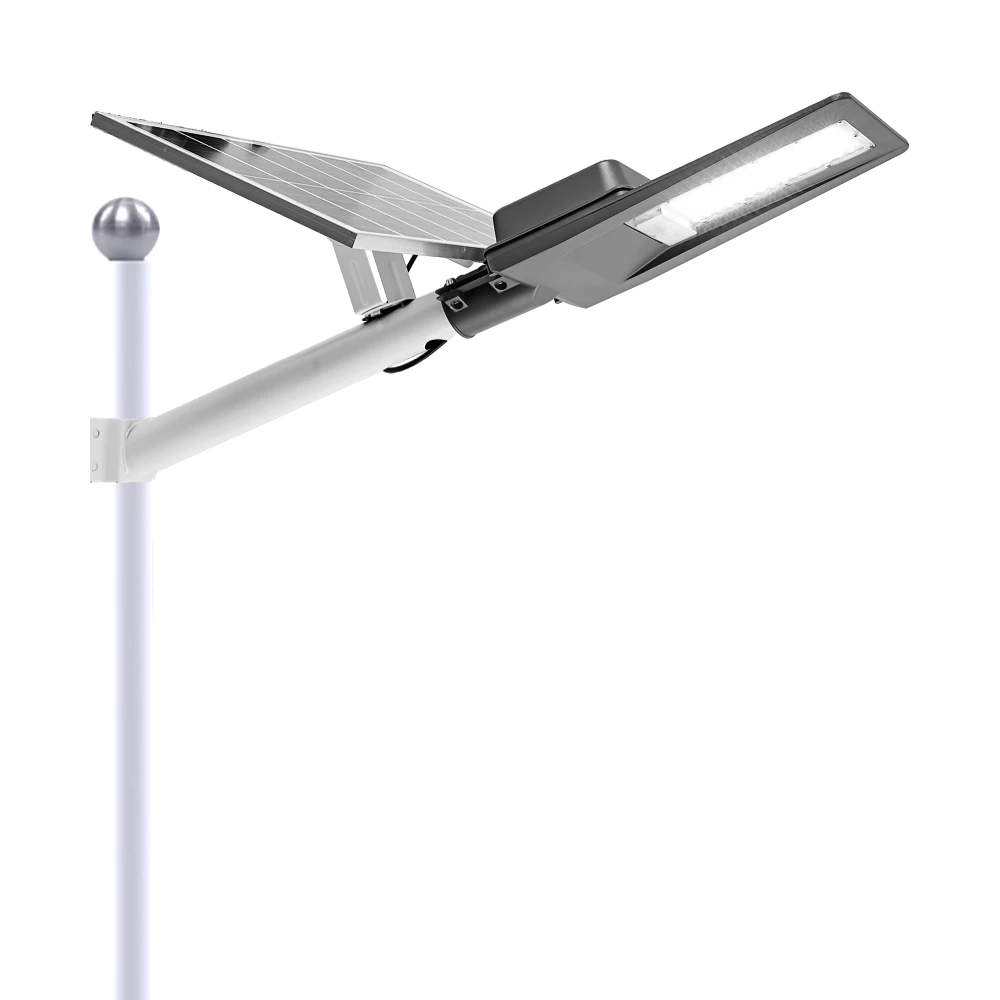
Experience reliable outdoor illumination with our smart solar street light, a perfect combination of advanced technology and eco-conscious design.
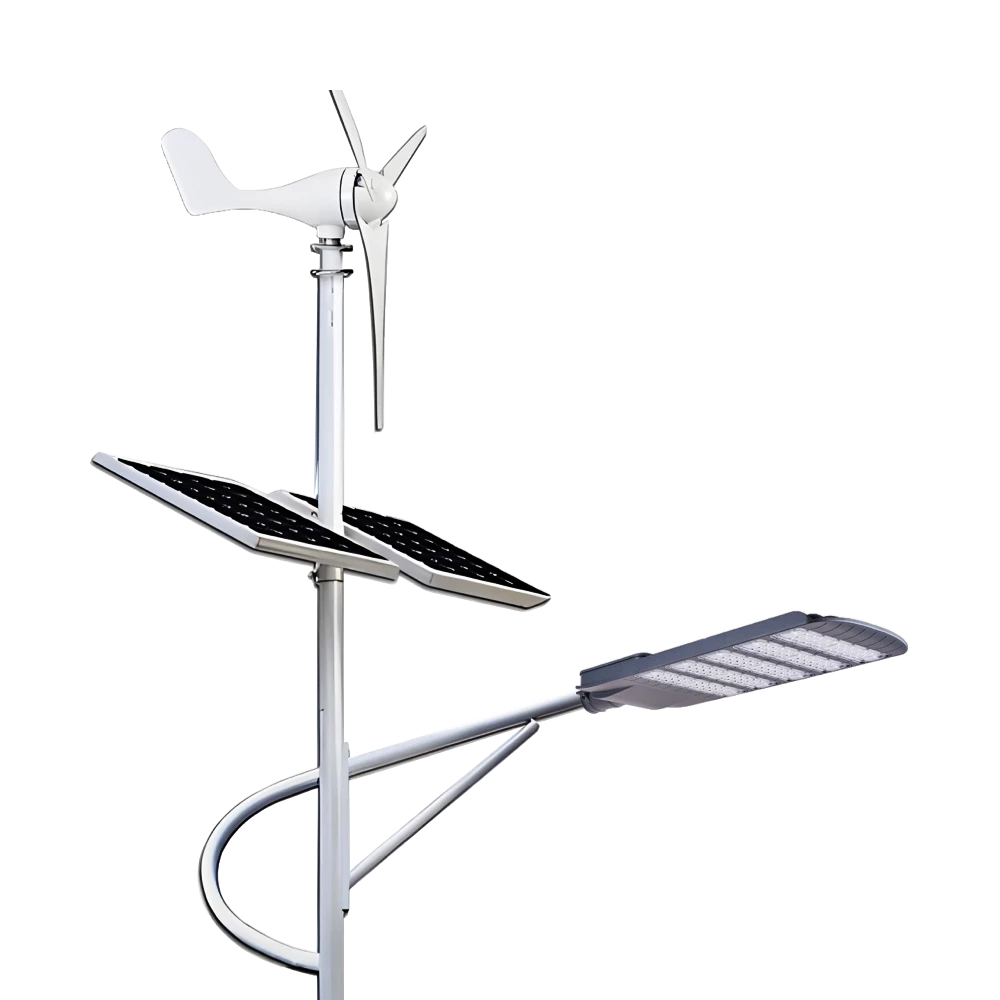
Queneng Lufeng Wind Energy LED Outdoor Solar Street Lights offer high-performance, eco-friendly illumination. These energy-efficient LED street lights harness solar power and wind energy for sustainable, cost-effective outdoor lighting solutions.
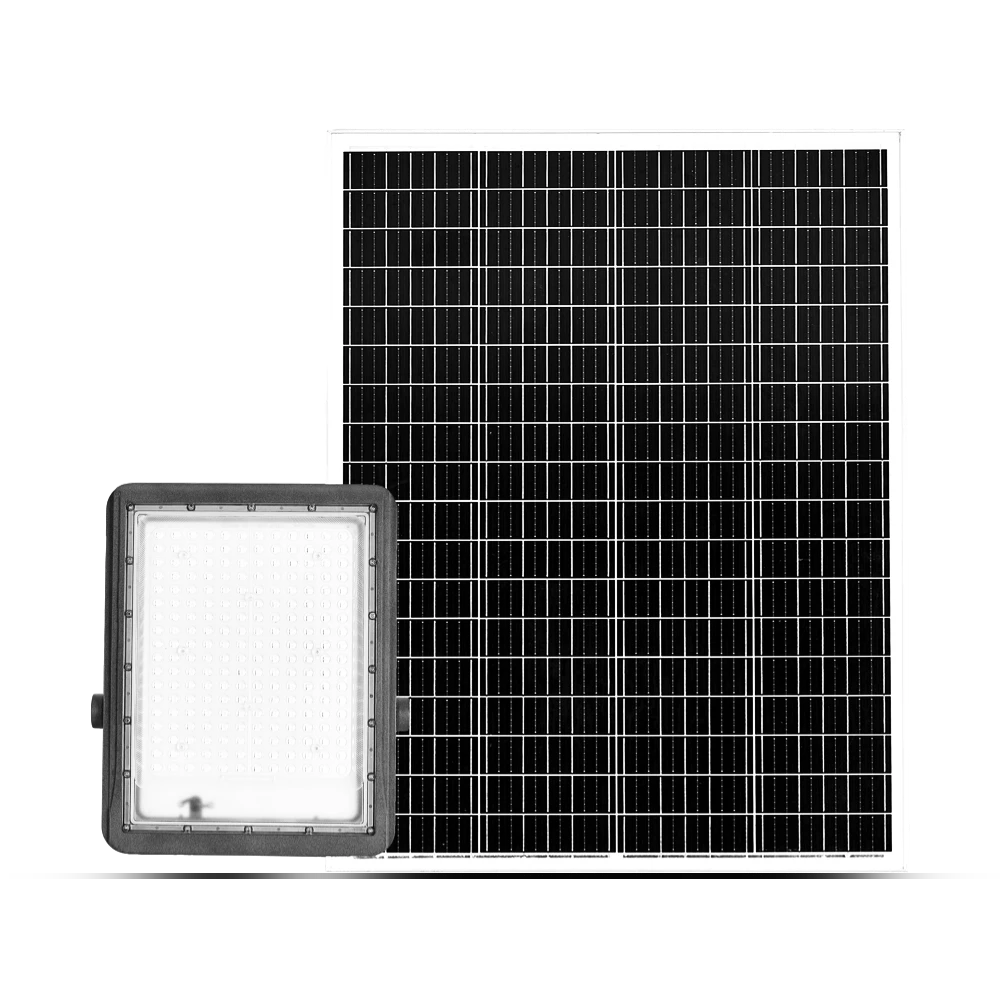
Queneng's Luxian Reliable Solar Street Light offers energy-saving LED lighting for outdoor use. This durable, solar-powered street light provides reliable illumination, reducing energy costs and environmental impact. A perfect solution for sustainable outdoor lighting.
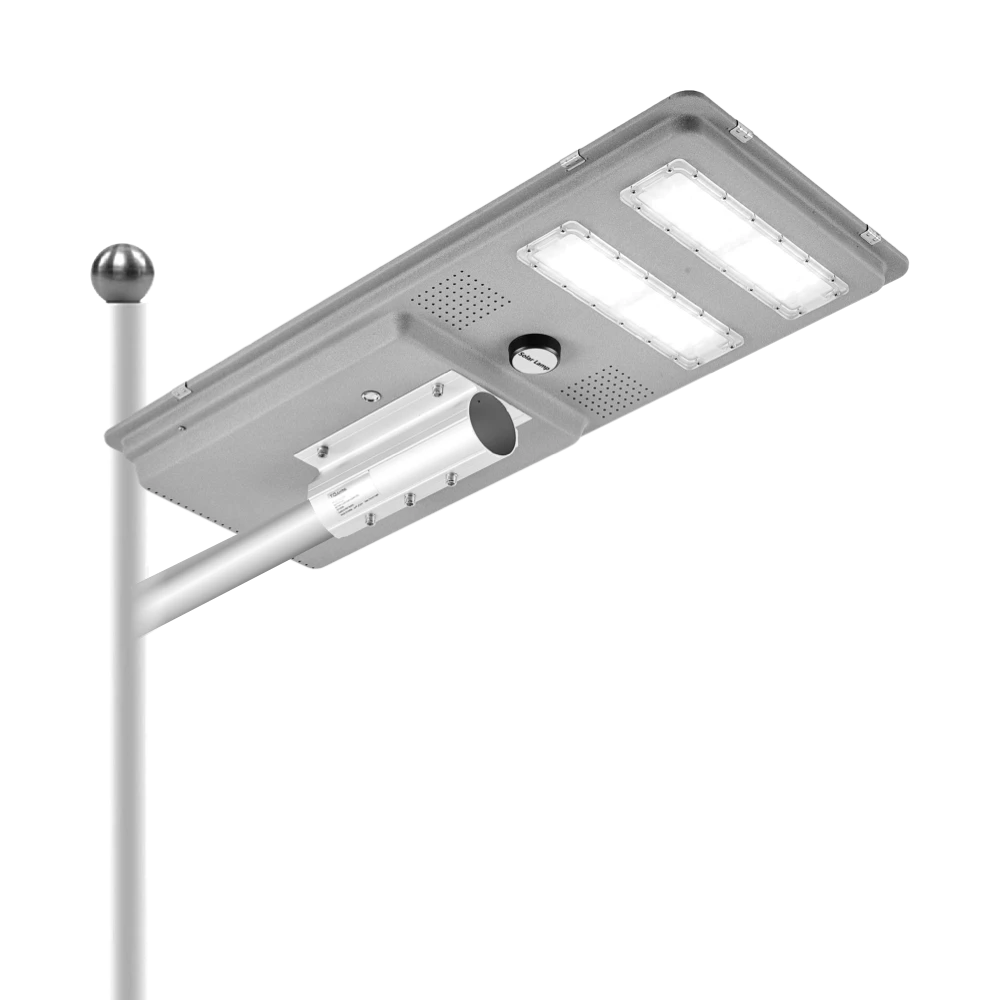
Queneng’s Solar Street Lights are designed to provide reliable, energy-efficient lighting for streets, parks, and other outdoor spaces.
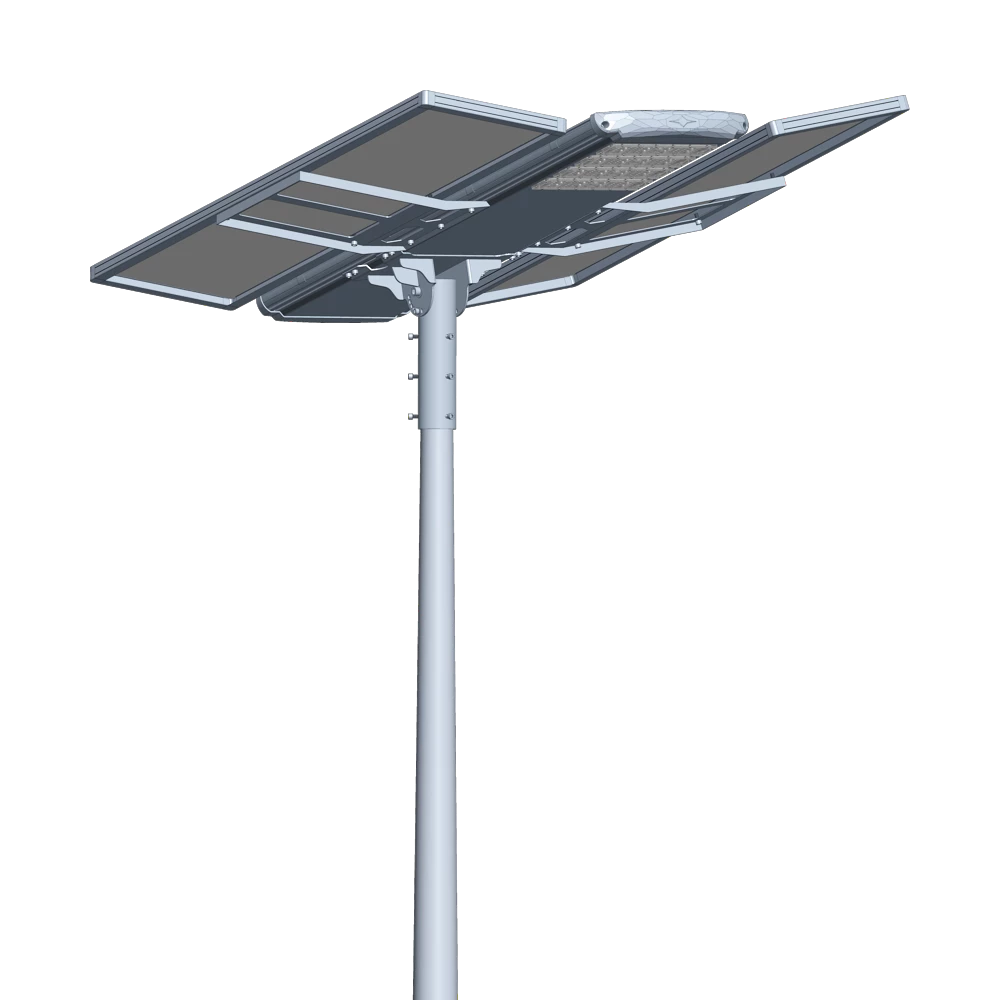
Introducing the Luqing Solar Street Light by Queneng, Efficient LED lighting powered by solar energy is perfect for illuminating outdoor areas. Harness the power of solar energy for sustainable, reliable street lighting. Ideal for eco-friendly, cost-effective outdoor illumination solutions.
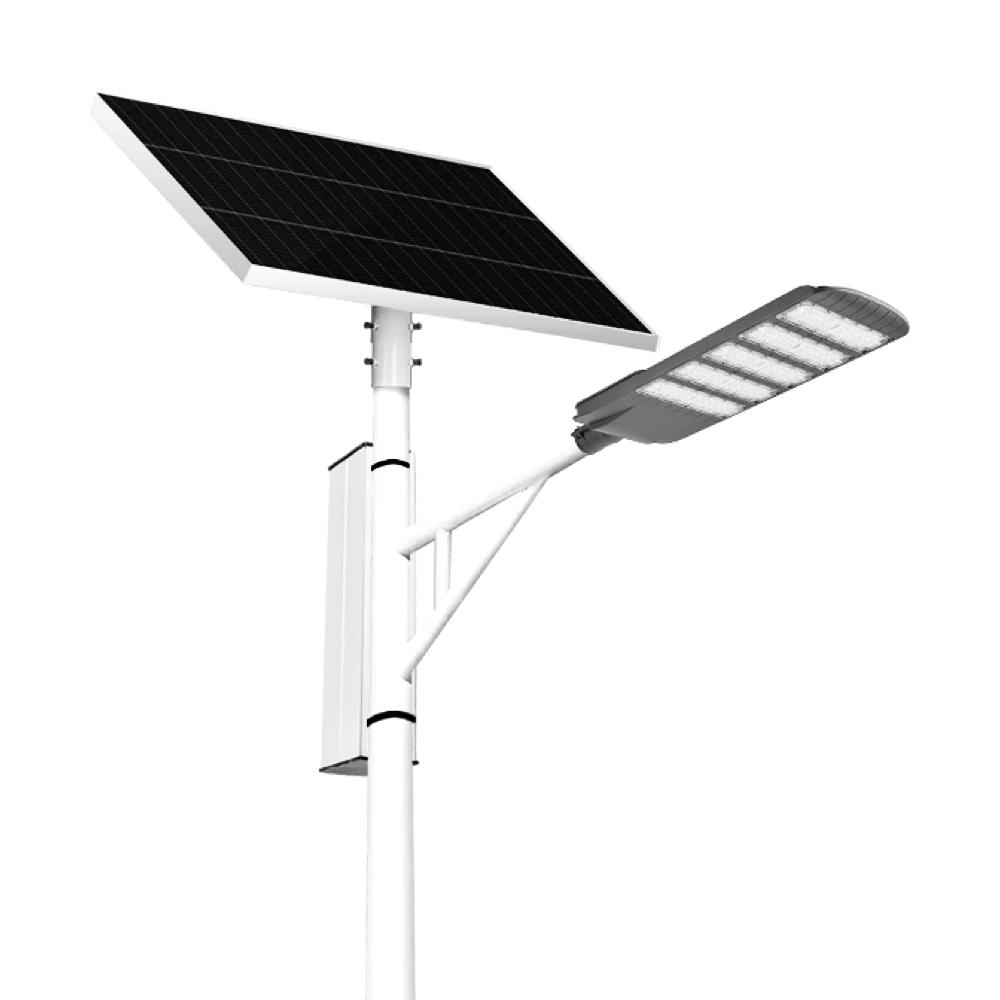
The Solar Streetlights of Luhao for Municipalities are designed to deliver reliable, energy-efficient, and cost-effective public lighting solutions. Equipped with advanced LED technology, durable lithium batteries, and high-efficiency solar panels, these streetlights provide consistent illumination for roads, parks, residential areas, and government projects.
Our professional team is ready to answer any questions and provide personalized support for your project.
You can reach us via phone or email to learn more about Queneng’s solar lighting solutions. We look forward to working with you to promote clean energy solutions!
Rest assured that your privacy is important to us, and all information provided will be handled with the utmost confidentiality.
By clicking 'Send Inquiry Now' I agree to Queneng processing my personal data.
To see how to withdraw your consent, how to control your personal data and how we process it, please see our Privacy Policy and Terms of use.
Schedule a Meeting
Book a date and time that is convenient for you and conduct the session in advance.
Have more questions about our products or services?
The messenger of light & power conversion
Environmental protection and intelligent manufacturing are our brand philosophy, and quality assurance and the best user experience are our eternal promises to users.
CONTACT
No.9F, Building F, Cao San Xin Tian Hong Logistics Park, Guzhen Town, Zhongshan City, Guangdong Province, China.
or write [email protected]
WhatsApp: +86 136 2270 1011


