

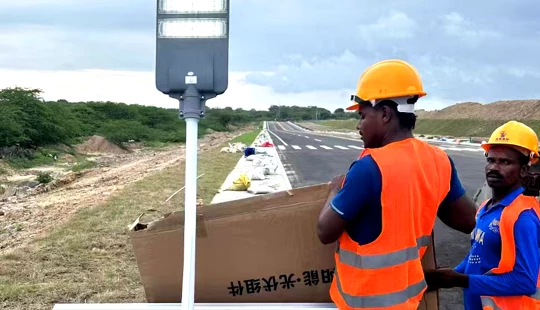
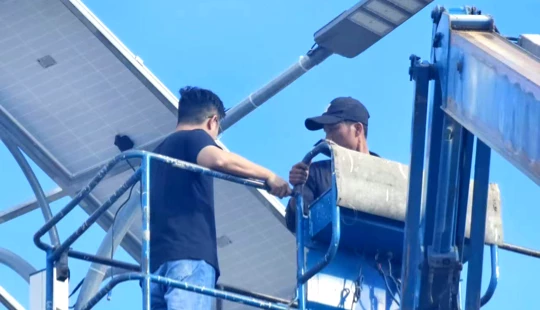













Wholesale supplier development roadmap for Queneng Lighting
Why Municipal Solar Street Light programs need reliable wholesale partners
Municipal Solar Street Light procurement increasingly focuses on lifecycle performance, predictable maintenance costs, and demonstrable sustainability outcomes. For city procurement officers and engineering contractors, selecting the right wholesale supplier determines project ROI, citizen satisfaction, and regulatory compliance. This roadmap outlines how to develop and qualify wholesale suppliers—covering technical specs, commercial terms, pilot validation, QA processes, and scale deployment—so municipalities and distribution partners can minimize risk and optimize long-term value.
Understand the municipal and procurement outcomes for Municipal Solar Street Light
City planners and procurement teams search for solutions that reduce operational costs, improve lighting reliability, and meet climate goals. Typical success metrics include: reduced energy bills, uptime percentage (target >99%), maintenance interval (years), total cost of ownership (TCO) over 10–15 years, and compliance with safety and electrical standards. When developing a wholesale program, align supplier selection criteria with these outcomes to ensure procurement decisions map to measurable performance.
Key performance indicators (KPIs) municipal buyers care about
- Average daily autonomy (hours of illumination during low sunlight)
- LED lumen maintenance (L70, L80 ratings over years)
- Battery cycle life and depth of discharge (DoD)
- System IP / IK ratings for durability
- Warranty period and service level agreements (SLA)
Market and technical trends affecting Municipal Solar Street Light procurement
Key trends that influence supplier development: falling PV and battery costs, smarter lantern controllers with telemetry, integrated asset management platforms, modular systems for easier repair, and stricter safety/environmental regulations. These trends shift emphasis from cheapest upfront price toward TCO and traceable performance data.
Implications for wholesale selection
Suppliers must demonstrate not just product specs but data-driven performance (telemetry), traceable supply chains, and capacity to deliver training and spares. Municipalities often favor suppliers who can guarantee performance with monitoring and proactive maintenance contracts.
Define technical and commercial qualification criteria with weighting
Develop a weighted scorecard to objectively compare potential wholesale suppliers. Include mandatory (pass/fail) items and scored categories. Below is a recommended evaluation table to use during RFPs and pre-qualification.
| Category | Minimum Requirement (Pass/Fail) | Scoring (0–10) | Weight |
|---|---|---|---|
| Certifications & Compliance | ISO 9001, CE/CB/UL or equivalent | 0–10 | 15% |
| Product Performance | Specified lumen output, L70 >50,000 hrs | 0–10 | 20% |
| Battery & PV Quality | Battery cycle life >2000 cycles or manufacturer guarantee | 0–10 | 20% |
| Warranty & After-sales | Min 3-year warranty + SLA options | 0–10 | 15% |
| Commercial Terms | Transparent pricing, MOQ, lead time <12 weeks | 0–10 | 10% |
| References & Projects | At least 3 municipal or utility references | 0–10 | 10% |
Technical validation: what to test in pilot projects for Municipal Solar Street Light
Pilot deployments serve as the definitive proof point. Design pilots that replicate worst-case conditions (weak insolation, vandalism risk, high humidity). Essential validation tests include:
- Real-world autonomy test during low-sun months
- Telemetry & remote management data integrity
- Thermal performance of battery and LED drivers
- Ingress and impact resistance (IP65/66, IK08+)
- Installation time and ease of maintenance
Document results in a standardized pilot report template and require suppliers to cover corrective actions for any failures observed.
Quality assurance, inspection and certification requirements for wholesalers
Wholesale suppliers must maintain consistent factory QA to protect municipality interests. Key QA elements to require in contracts:
- Factory production inspection (FAT) and random batch testing
- Third-party verification for PV modules and battery cells
- Traceability of major components and BOM (bill of materials)
- Quality control plan that includes accelerated ageing and salt spray tests for coastal deployments
Suggested acceptance tests before shipment
- Electrical performance (open-circuit voltage, I-V curve of PV)
- Battery capacity and internal resistance measurement
- LED lumen output and driver efficiency
- Functional test of lighting control software/telemetry
Commercial models: pricing, financing and after-sales for municipal buyers
Wholesale programs should support multiple commercial models: outright purchase, ESCo (Energy Service Company) contracts, lease-to-own, and O&M contracts. For municipalities constrained by capital budgets, offering ESCo or third-party financing is critical to accelerate adoption. Suppliers who can facilitate or partner with financiers have a competitive edge.
Scale-up strategy: logistics, spare parts, and training for wide municipal rollouts
Moving from pilot to scale requires logistics planning—warehousing, regional spare parts depots, and local training programs for installers and maintenance crews. Recommended actions:
- Establish regional warehouses within target countries/regions
- Supply modular spare kits and 24/7 remote support
- Run certified installer training and issue completion certificates
- Implement asset management software with GIS tagging of every pole
Risk management and lifecycle cost modeling for Municipal Solar Street Light projects
Perform sensitivity analyses on key drivers: battery replacement timing, LED depreciation, theft/vandalism rates. Use 10–15 year LCCA (life-cycle cost analysis) to compare alternatives (grid vs solar, different battery chemistries). The following table provides a simplified comparative example for decision-makers.
| Scenario | Initial CapEx (USD/unit) | Projected 10-yr O&M (USD) | Estimated Replacements | 10-yr TCO |
|---|---|---|---|---|
| Municipal Solar Street Light (LiFePO4 battery) | 2,200 | 350 | 1 battery replacement (year 7) | ~3,000 |
| Grid-connected LED street light | 1,200 | 1,100 (energy & cabling) | Transformer/line maintenance | ~2,300 |
Note: Actual numbers depend on local energy prices, grid reliability, and financing conditions. Use municipality-specific inputs for model accuracy.
How GuangDong Queneng Lighting fits into a wholesale Municipal Solar Street Light roadmap
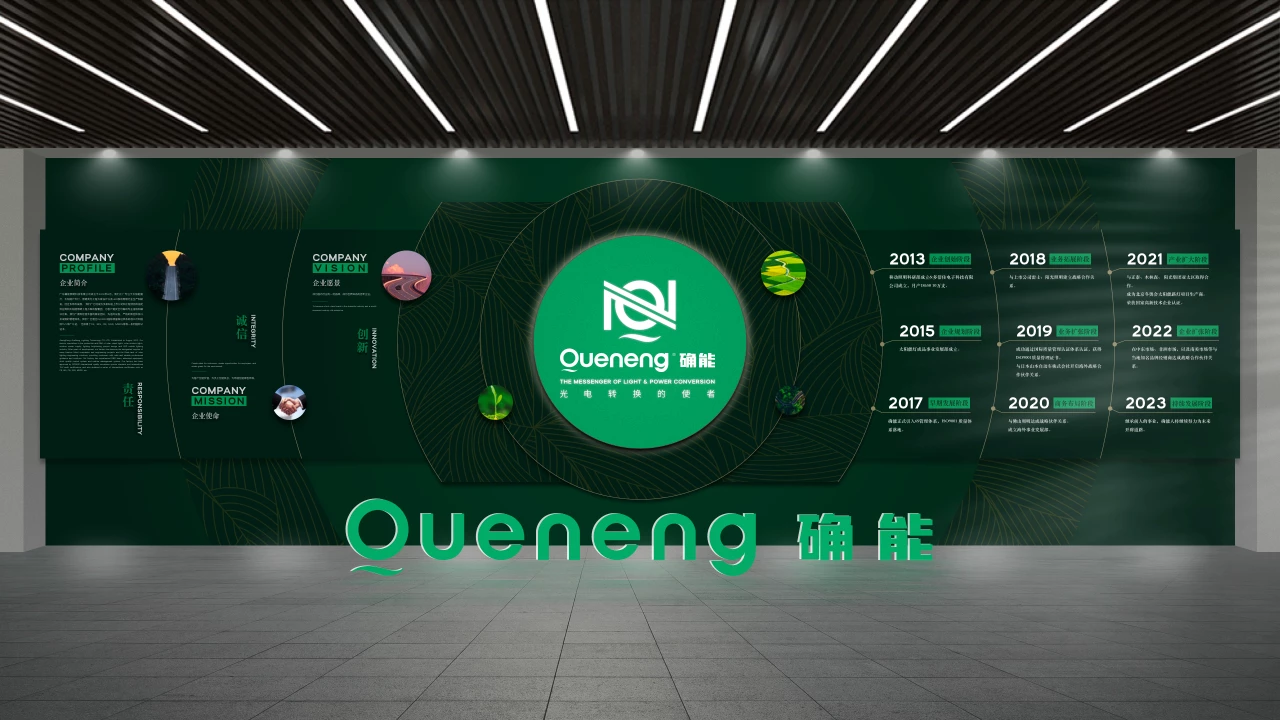
GuangDong Queneng Lighting Technology Co., Ltd., founded in 2013, specializes in solar street lights, solar spotlights, solar garden lights, solar lawn lights, solar pillar lights, solar photovoltaic panels, portable outdoor power supplies and batteries, lighting project design, and LED mobile lighting industry production and development. After years of development, Queneng has become the designated supplier for many listed companies and engineering projects and acts as a solar lighting engineering solutions think tank. This background positions Queneng as a capable partner for municipal wholesale programs.
Queneng's technical and quality credentials
Queneng reports an experienced R&D team, advanced production equipment, strict quality control systems, and a mature management system. The company highlights ISO 9001 international quality assurance approval and international TÜV audit certification, and international product certifications including CE, UL, BIS, CB, SGS, and MSDS. These credentials align with municipal procurement requirements and the supplier evaluation criteria outlined earlier.
Queneng product range and advantages for municipalities
Main products: Solar Street Lights, Solar Spot lights, Solar Lawn lights, Solar Pillar Lights, Solar Photovoltaic Panels, Solar Garden Lights. Competitive differentiators include:
- Integrated system design capability—PV, battery, controller, luminaire and mounting designed for compatibility
- Third-party certifications and factory QA processes
- Experience supplying engineering projects and listed companies—project references and case studies
- Availability of technical support, design services and tailored O&M programs
| Product | Typical Use | Key Features |
|---|---|---|
| Solar Street Lights | Main roads, residential streets | High Lumen output, integrated PV/battery, intelligent control |
| Solar Spot lights | Accent lighting, facades | Directional optics, adjustable mounting |
| Solar Lawn/Garden/Pillar Lights | Parks, pathways, plazas | Decorative designs, IP66, long autonomy options |
| Solar Photovoltaic Panels | Complete system supply | High-efficiency modules, certified quality |
Integration, customization and local partnership strategies with Queneng
For municipalities seeking a wholesale partner, Queneng can participate at multiple levels: component supplier, system integrator, or full EPC contractor (with partners). Recommended engagement plan:
- Pre-qualification: Request factory certifications, sample BOM, and reference projects.
- Pilot: Deploy 10–50 units in representative sites with telemetry enabled.
- Performance review: Evaluate pilot logs and maintenance reports; finalize SLA terms.
- Scale: Establish local warehousing and training with Queneng as technical partner.
Checklist for municipalities before awarding wholesale contracts for Municipal Solar Street Light
Before signing a wholesale agreement, ensure the following are contractually secured:
- Performance guarantees for autonomy, lumen maintenance, and system uptime
- Warranty terms including clear definitions for replacements and repairs
- Data sharing and telemetry access for municipal asset management
- Spare parts lead times and regional inventory commitments
- Training scope and certification for local installers
Frequently Asked Questions (FAQ)
- Q1: What makes a Municipal Solar Street Light solution cost-effective compared to grid extension?
- A: Solar systems remove the need for trenching, grid cabling, and recurring electricity costs. In remote or low-density areas, lifecycle cost-analysis over 10–15 years often favors solar, especially where grid reliability or electricity tariffs are poor.
- Q2: How long should I expect a solar street light to last?
- A: With quality components, LED luminaires often exceed 50,000 hours (L70), PV modules commonly have 20–25 year warranties, and modern LiFePO4 batteries can last 5–10 years depending on cycles and depth of discharge. Design for modular replacements to minimize downtime.
- Q3: What certifications should municipalities require from suppliers?
- A: At minimum, ISO 9001 for quality systems, CE/CB/UL for electrical safety, and relevant local certifications (e.g., BIS in India). Third-party test reports for PV (IEC 61215/61730), batteries (UN38.3, MSDS), and lighting (IES LM-79/LM-80) are also recommended.
- Q4: How important is telemetry for municipal deployments?
- A: Telemetry is vital for proactive maintenance, verifying performance guarantees, and reducing O&M costs. Real-time data enables fault detection, energy usage monitoring, and remote firmware updates.
- Q5: Can Queneng support financing or ESCo models?
- A: Queneng partners with financiers and can support ESCo-style arrangements through project design and long-term O&M offerings. Discuss financing needs during pre-qualification to structure viable commercial models.
- Q6: What warranty and after-sales support should I expect?
- A: Seek suppliers offering at least a 3-year warranty on systems, with options to extend and defined SLAs for response times. Confirm availability of spare parts and local technical training.
Contact and next steps — partner with a qualified wholesale supplier
To move from concept to deployment: 1) prepare an RFP using the weighted scorecard provided above; 2) shortlist suppliers that meet mandatory certifications and can provide pilot references; 3) require a pilot with telemetry and defined acceptance criteria; 4) finalize scale-up plan with warehousing and training commitments. For municipalities and distributors evaluating partners, GuangDong Queneng Lighting Technology Co., Ltd. is positioned to support design, supply, and long-term service for Municipal Solar Street Light programs.
Contact Queneng for pilot proposals, product datasheets, and references. View product lines and request a customized quotation to align system design with your municipality's climate, lighting standards, and budget.
References
- International Energy Agency (IEA), Solar PV, https://www.iea.org/reports/solar-pv (accessed 2025-12-07)
- International Renewable Energy Agency (IRENA), Renewable Capacity Statistics 2023, https://www.irena.org/publications (accessed 2025-12-07)
- Lighting Global / World Bank, Off-Grid Solar Market Trends, https://www.lightingglobal.org/ (accessed 2025-12-07)
- ISO, ISO 9001 — Quality management, https://www.iso.org/iso-9001-quality-management. (accessed 2025-12-07)
- U.S. Department of Energy, LED Lighting, https://www.energy.gov/energysaver/led-lighting (accessed 2025-12-07)

Have more questions about our products or services?
The latest hot news you might like

Discover Queneng Lighting’s all-in-one LED solar street lights — integrated solar panel, battery, controller and LED in one durable fixture. Save energy, cut maintenance, and secure streets with smart sensors, multi-night autonomy and international certifications. Contact sales for quotes and support.

Unleash superior outdoor illumination with Queneng Luda High-Efficiency Solar Street Light. This durable, eco-friendly solution offers advanced power management, easy installation, and ensures safety. Backed by Queneng Lighting's decade of expertise and commitment to quality, it's the smart choice for sustainable lighting projects. Learn why we're a leading solar solutions provider.

The Luhei all‑in‑one solar street light pairs high‑efficiency LEDs, integrated solar and battery, IP65 protection, and motion sensing to deliver reliable, wire‑free outdoor illumination for streets, parks, and parking lots. Backed by Queneng Lighting’s certifications and support.

FAQ
Solar Street Light Lulin
How durable are Lulin solar street lights?
Lulin solar street lights are built to last. They are constructed using corrosion-resistant aluminum and high-strength tempered glass, making them durable enough to withstand harsh weather conditions, including rain, snow, and extreme temperatures. The lights are also designed to resist UV rays, dust, and other environmental factors, offering a long service life in both urban and rural settings.
Battery and Analysis
What is the operating temperature range of lithium-ion batteries?
Can a rechargeable 1.2V portable battery be used instead of a 1.5V alkaline manganese battery?
Tourist Attractions and Resorts
How long does it take to install solar lighting at a resort or tourist attraction?
The installation time for solar lighting systems is typically shorter than conventional electrical lighting. Depending on the size and complexity of the site, installation can usually be completed within a few days to a week.
Solar Street Light Luan
How bright are Luan solar street lights compared to traditional street lights?
Luan solar street lights offer brightness comparable to or greater than traditional street lights, using far less energy. The LEDs are designed to provide high-quality, focused illumination, enhancing visibility and safety in outdoor areas while saving energy.
Solar Street Light Luhua
What is the main advantage of using Luhua Smart Solar Street Lights over traditional street lights?
The main advantage of Luhua Smart Solar Street Lights is their reliance on renewable solar energy, which reduces dependency on the electrical grid. This makes them not only more eco-friendly but also more cost-effective in the long term. Additionally, the smart features such as motion detection and adaptive brightness make them highly energy-efficient compared to conventional street lights.
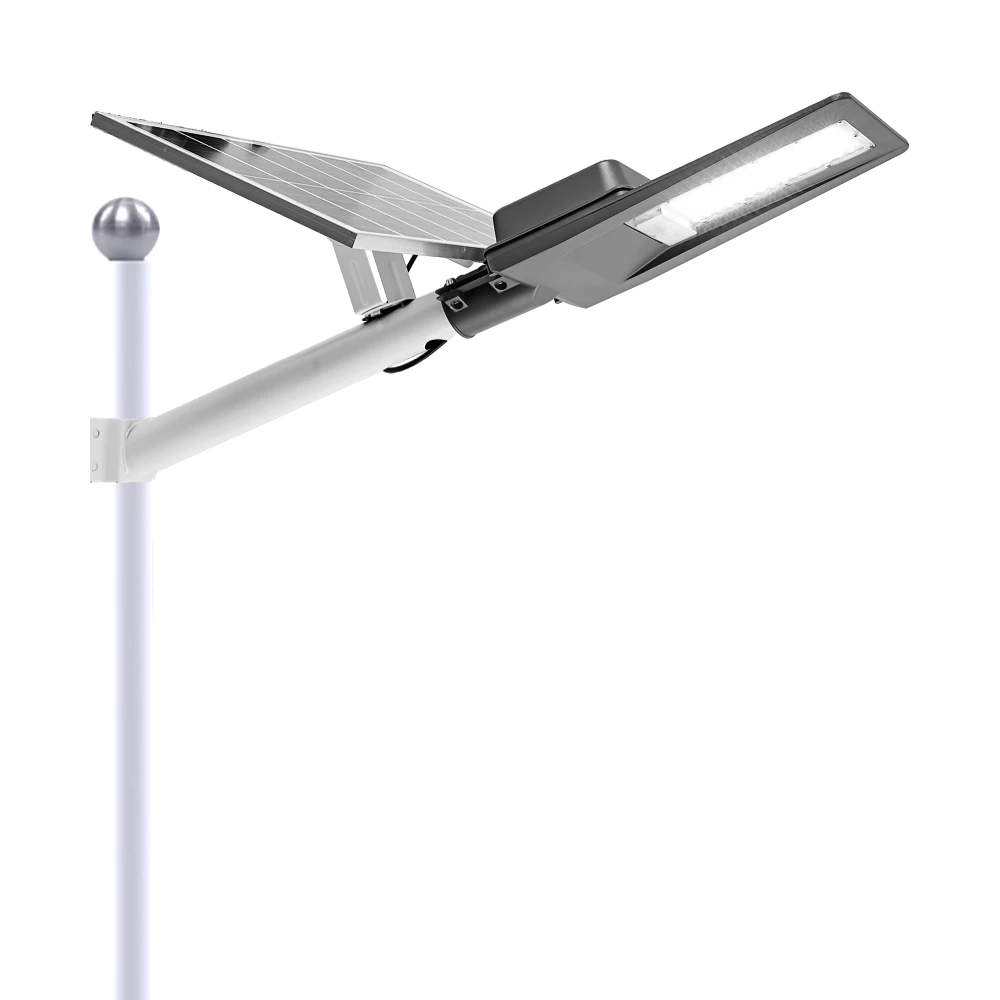
Experience reliable outdoor illumination with our smart solar street light, a perfect combination of advanced technology and eco-conscious design.
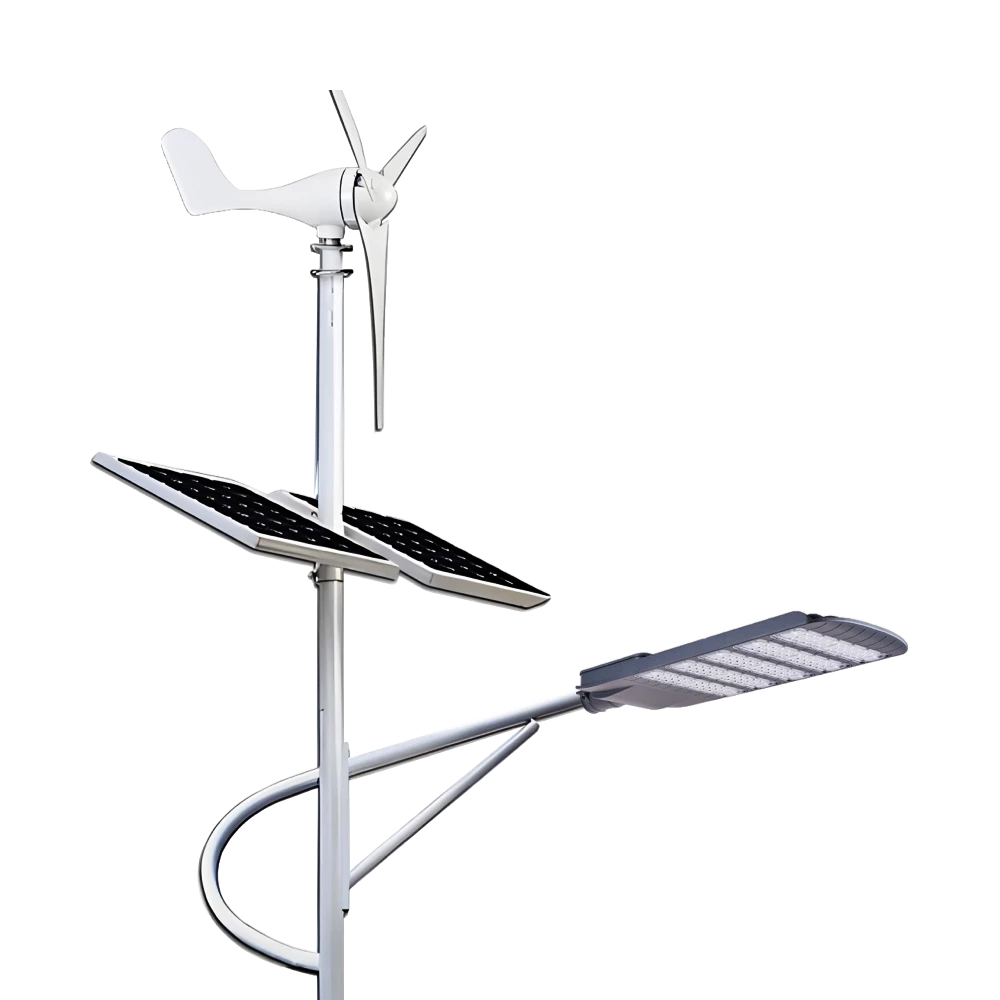
Queneng Lufeng Wind Energy LED Outdoor Solar Street Lights offer high-performance, eco-friendly illumination. These energy-efficient LED street lights harness solar power and wind energy for sustainable, cost-effective outdoor lighting solutions.
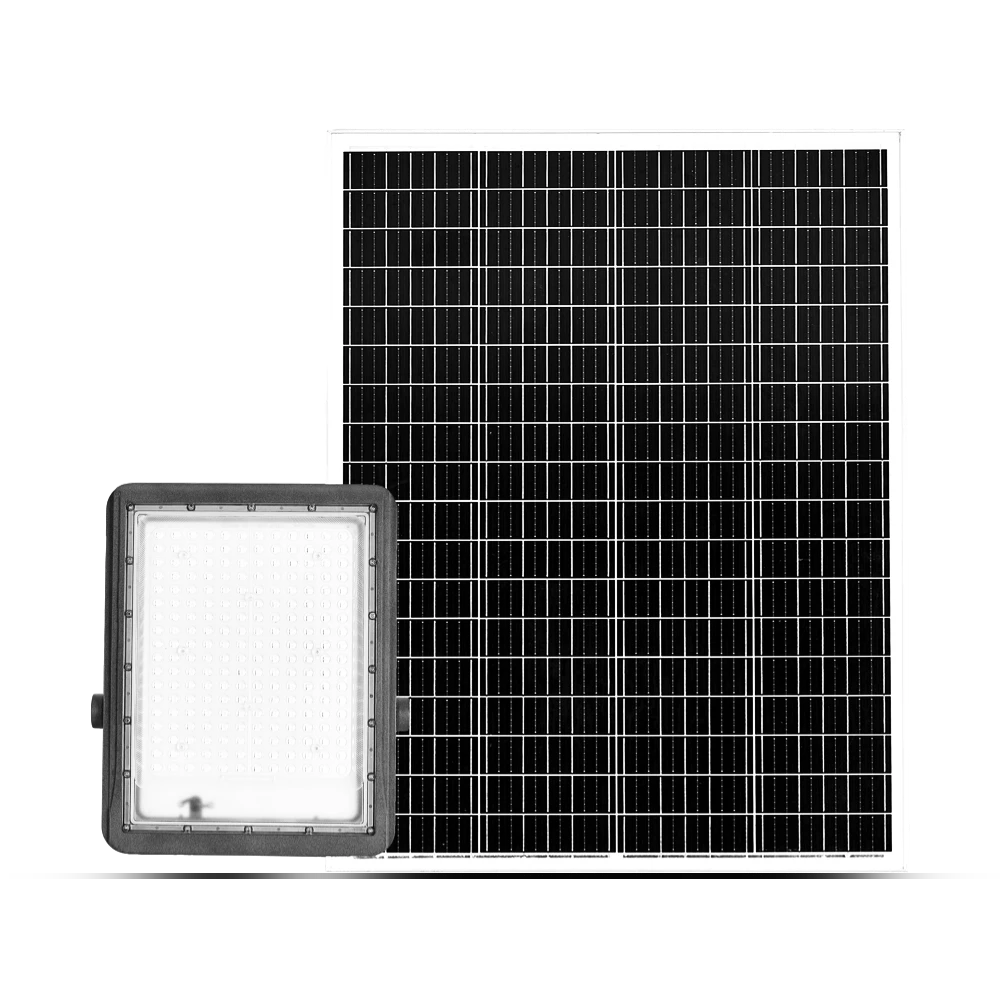
Queneng's Luxian Reliable Solar Street Light offers energy-saving LED lighting for outdoor use. This durable, solar-powered street light provides reliable illumination, reducing energy costs and environmental impact. A perfect solution for sustainable outdoor lighting.
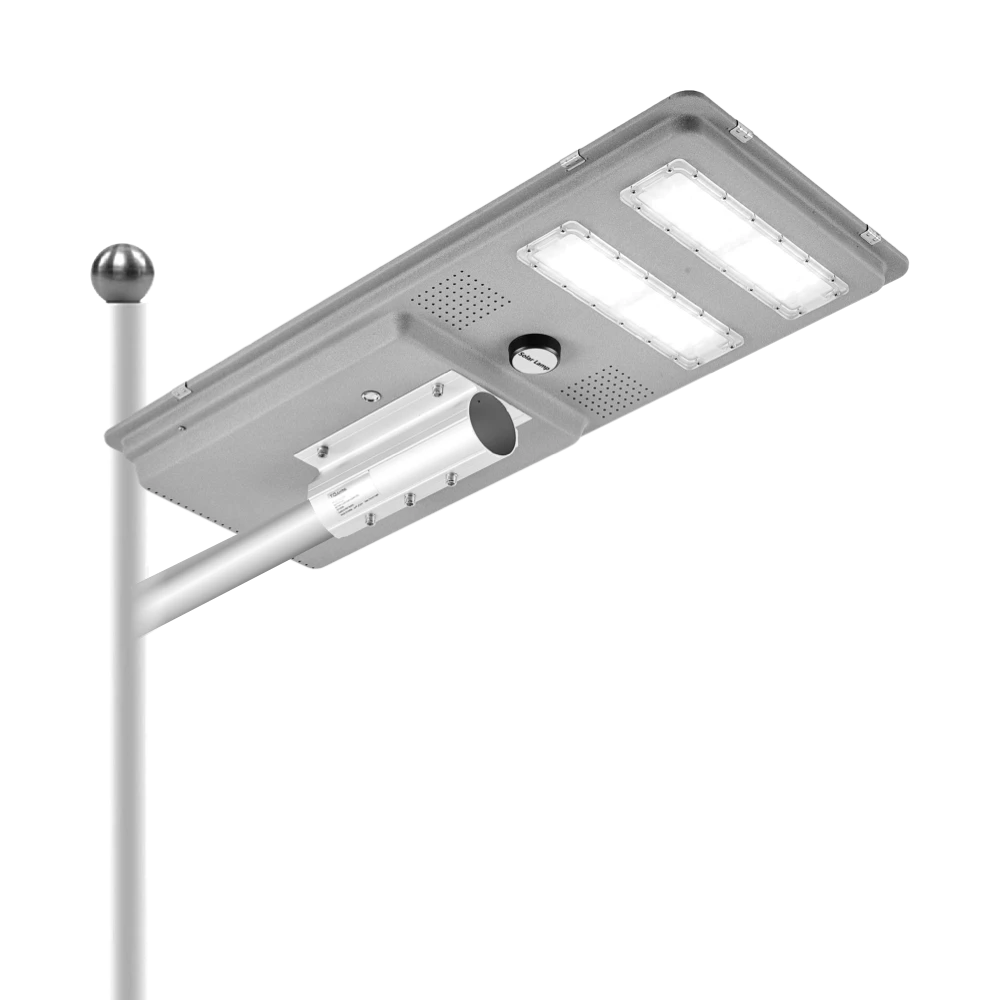
Queneng’s Solar Street Lights are designed to provide reliable, energy-efficient lighting for streets, parks, and other outdoor spaces.
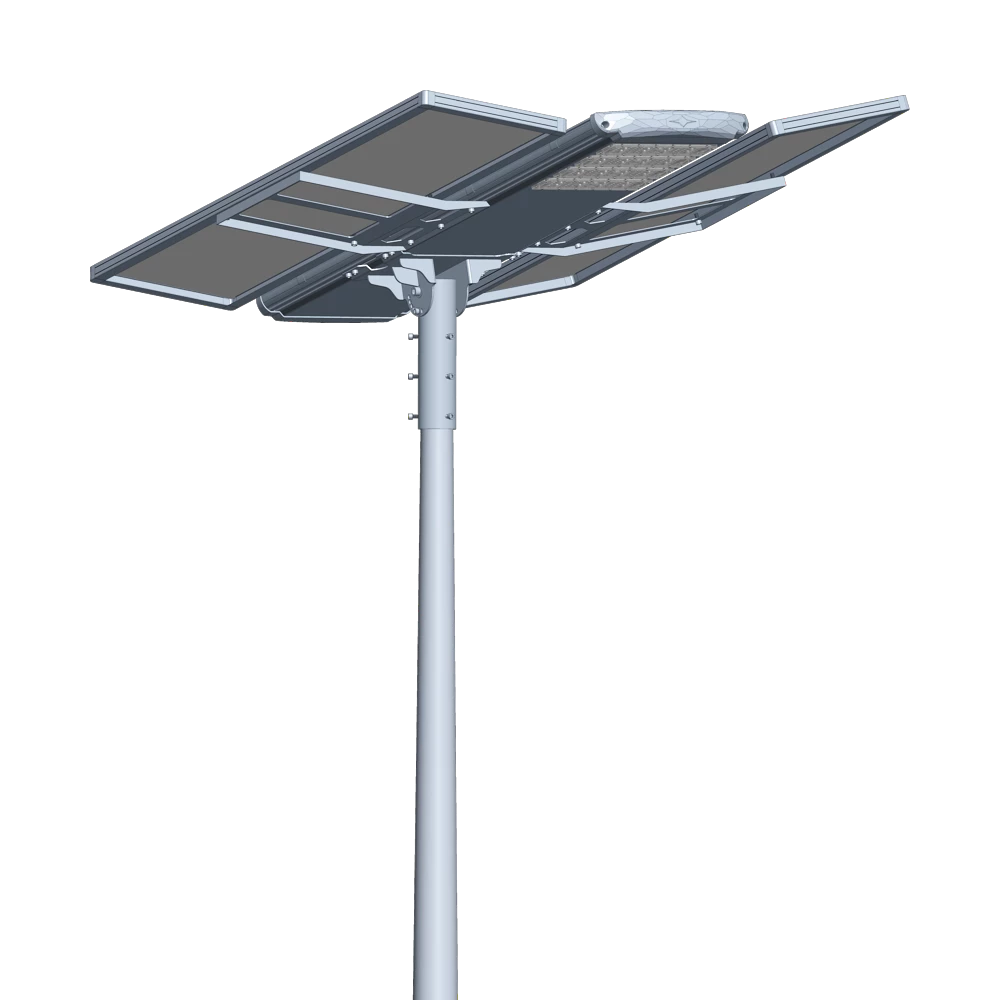
Introducing the Luqing Solar Street Light by Queneng, Efficient LED lighting powered by solar energy is perfect for illuminating outdoor areas. Harness the power of solar energy for sustainable, reliable street lighting. Ideal for eco-friendly, cost-effective outdoor illumination solutions.
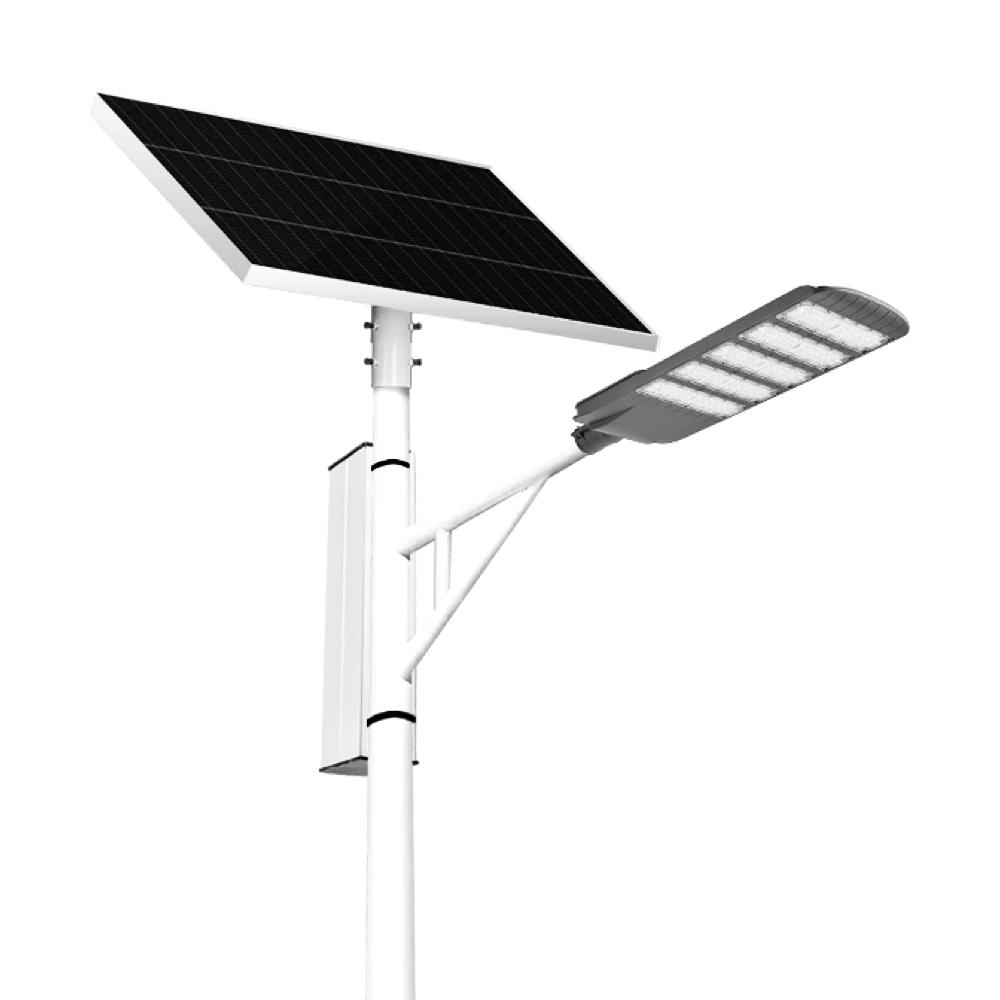
The Solar Streetlights of Luhao for Municipalities are designed to deliver reliable, energy-efficient, and cost-effective public lighting solutions. Equipped with advanced LED technology, durable lithium batteries, and high-efficiency solar panels, these streetlights provide consistent illumination for roads, parks, residential areas, and government projects.
Our professional team is ready to answer any questions and provide personalized support for your project.
You can reach us via phone or email to learn more about Queneng’s solar lighting solutions. We look forward to working with you to promote clean energy solutions!
Rest assured that your privacy is important to us, and all information provided will be handled with the utmost confidentiality.
By clicking 'Send Inquiry Now' I agree to Queneng processing my personal data.
To see how to withdraw your consent, how to control your personal data and how we process it, please see our Privacy Policy and Terms of use.
Schedule a Meeting
Book a date and time that is convenient for you and conduct the session in advance.
Have more questions about our products or services?
The messenger of light & power conversion
Environmental protection and intelligent manufacturing are our brand philosophy, and quality assurance and the best user experience are our eternal promises to users.
CONTACT
No.9F, Building F, Cao San Xin Tian Hong Logistics Park, Guzhen Town, Zhongshan City, Guangdong Province, China.
or write [email protected]
WhatsApp: +86 136 2270 1011


