

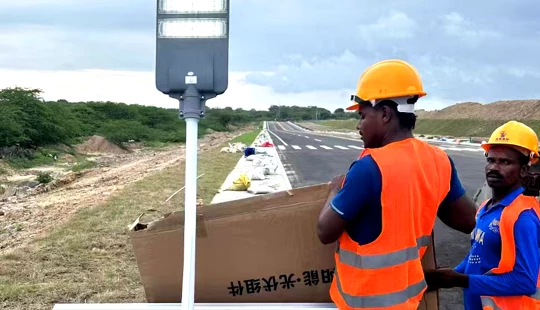
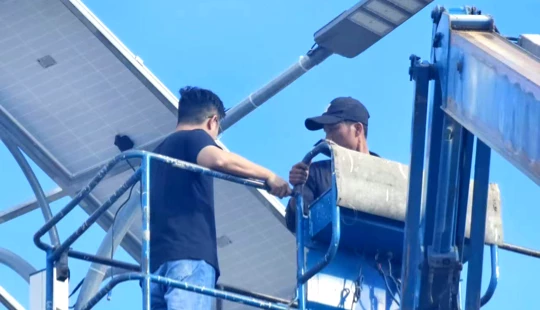













Wholesale distribution workflow for municipal lighting projects
Optimizing Municipal Lighting Procurement: A Wholesale Distribution Blueprint
Municipalities upgrading to energy-efficient, off-grid solutions increasingly choose Municipal Solar Street Light systems to reduce operating costs and improve resilience. This article provides a step-by-step wholesale distribution workflow designed for engineering firms, municipal buyers, and lighting distributors. It covers technical specification setting, tender management, bulk procurement, warehousing and logistics, on-site validation, and long-term operations — with practical checklists, a lifecycle-cost comparison table, and actionable KPIs to manage risk and ensure project success.
1. Defining technical and commercial requirements for Municipal Solar Street Light projects
Successful wholesale distribution starts with a precise specification. Municipalities and their procurement agents must define both technical performance and commercial deliverables to avoid costly change orders later.
Key technical items to specify
- Required lumen output and distribution (e.g., 6,000 lm with Type III/IV distribution for 10 m pole spacing)
- Minimum LED efficacy (lm/W), color temperature (CCT) and CRI
- PV module power and expected daily generation (Wp), battery capacity (Ah) and chemistry
- Controller features: MPPT, dimming profiles, remote monitoring/GSM/LoRaWAN
- Ingress/impact protection: IP65+/IK08+
- Operating autonomy (days of autonomy under cloud cover), surge protection
- Expected lifetime (L70 hours for LEDs, warranty terms for PV and batteries)
Commercial and contractual clauses
- Delivery timelines, packaging, and palletization standards for wholesale shipments
- Acceptance testing protocol (FAT for batches, SAT for site)
- Warranty structure (components: LED, driver, battery, PV) and performance guarantees
- Penalties for non-conformance and remedies for defective batches
- Service level agreements (SLA) for spare parts and response times
Embedding concrete, measurable requirements in the tender reduces ambiguity and enables distributors to provide precise commercial offers.
2. Tender strategy and supplier prequalification for wholesale orders
The tender process should evaluate suppliers on technical, financial, and delivery capabilities.
Prequalification checklist
- Factory visit reports or independent audit (ISO 9001, TÜV reports)
- Third-party certifications: CE, UL, BIS, CB where applicable
- Performance references from previous municipal projects
- Capacity for bulk production and ability to meet phased deliveries
- After-sales and spare parts network in-country or through distributors
Use a weighted scoring model (technical 50%, commercial 30%, delivery & service 20%) to compare bidders objectively.
3. Order planning, inventory management, and packaging for municipal solar projects
Wholesale distribution requires precise planning to optimize cashflow, reduce demurrage, and ensure smooth installation campaigns.
Best practices
- Split orders into pilot batch + main bulk to enable site verification before full roll-out
- Use Just-In-Time (JIT) delivery for urban projects to reduce storage costs; for remote programs use consolidated shipments
- Standardize packing units (crate sizes, protective materials) and label each item with serial, production batch, and test report references
- Hold a rotating spare pool (5–10% of installed base) for batteries, controllers, and luminaires
4. Logistics, customs, and site distribution
Large municipal programs often involve international suppliers and complex customs flows. A strong logistics plan avoids delays that jeopardize timelines.
Logistics risk mitigation
- Work with freight forwarders experienced with lighting and batteries (hazmat rules apply for certain battery chemistries)
- Prepare complete technical dossiers and conformity documents for customs clearance (CE/UL test reports, MSDS for batteries)
- Plan inland transport to staging yards with secure storage and inventory management systems
5. Quality assurance: factory acceptance tests (FAT) and site acceptance tests (SAT)
Quality assurance must be formalized in the contract. Wholesale shipments should be batch-tested and documented.
Recommended acceptance tests
- FAT: visual inspection, electrical safety tests, PV IV curve, battery charge/discharge cycle test, luminaire photometric test (IES/LM-79)
- SAT: random lot checks for luminous flux, pole mounting fit, controller configuration, and commissioning tests
- Use independent, accredited test labs for critical components when necessary
6. Installation workflow and municipal coordination
Efficient field deployment is essential to convert delivered goods into operational streetlights on schedule.
Installation sequencing
- Site marking and utilities clearance
- Pole foundations or anchor bolt set-up
- Pre-assembly in staging yard (mounting brackets, controller pre-configuration)
- On-pole installation and functional verification
- Commissioning and Handover with GPS-tagged as-built records
For wholesale projects, run parallel crews with staggered start times to maintain continuity and reduce idle time.
7. Operation, remote monitoring and maintenance for Municipal Solar Street Light fleets
Remote monitoring (IoT) reduces O&M costs and enables proactive maintenance of solar lighting fleets.
O&M model considerations
- Define remote telemetry requirements: battery SOC, PV voltage/current, lumen output, fault alerts
- Schedule preventive maintenance (visual check, cleaning of PV, torque checks) every 6–12 months
- Keep spares and a trained field service team; track MTTR and MTBF as KPIs
8. Financial models and lifecycle cost comparison
Municipal buyers evaluate capital and operating expenditure. Below is a simplified lifecycle cost comparison over 10 years between conventional grid-connected LED streetlights and typical Municipal Solar Street Light systems to aid procurement decisions. Numbers are indicative; use project-specific inputs for final calculations.
| Item | Grid LED (per pole) | Municipal Solar Street Light (per pole) |
|---|---|---|
| Initial CAPEX | $600 (luminaire + installation) | $1,200 (luminaire + PV + battery + pole + installation) |
| Annual energy cost | $80–$120 (electricity) | $5–$20 (minor charging losses; often zero if off-grid) |
| Maintenance (10 yrs) | $200 (lamps, drivers) | $300–$500 (battery replacement if needed, cleaning) |
| Total 10-year cost (approx.) | $1,400–$1,800 | $1,700–$2,100 |
Interpretation: Municipal Solar Street Light systems can have higher upfront costs but deliver resilience (off-grid operation), reduced ongoing energy bills, and faster deployment in areas with limited grid reliability. Savings depend on local electricity prices, maintenance practices, and component lifetimes. (Sources: NREL PV pricing, DOE SSL guidance — see references.)
9. KPIs and contract performance monitoring for wholesale distribution
Track these KPIs throughout procurement and operations:
- On-time delivery rate (target ≥ 95%)
- Batch acceptance rate at FAT (target ≥ 98%)
- System uptime (target ≥ 98% annual uptime)
- Mean time to repair (MTTR) and spare-part fill rate (target ≥ 90%)
- Installation productivity (poles installed per crew per day)
10. Common risks and mitigation strategies in municipal wholesale projects
Anticipate and mitigate these common risks:
- Specification drift — use firm technical annexes and sample approvals
- Logistical delays — use staged deliveries and buffer stock
- Component failure — specify warranty and require burn-in testing
- Currency and payment risk — consider escrow or letter of credit for international suppliers
- Regulatory non-compliance — verify certifications and import requirements in advance
11. Supplier selection example: why manufacturer capabilities matter for large municipal rollouts
For wholesale municipal projects, choose suppliers who combine product quality, testing capability, and project delivery experience. Below is an example of a supplier profile that meets these needs and the advantages such firms bring.
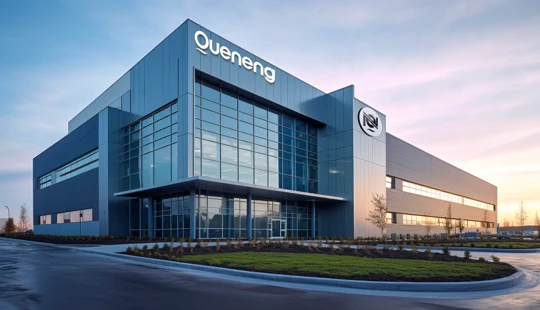
GuangDong Queneng Lighting Technology Co., Ltd. — profile and relevance
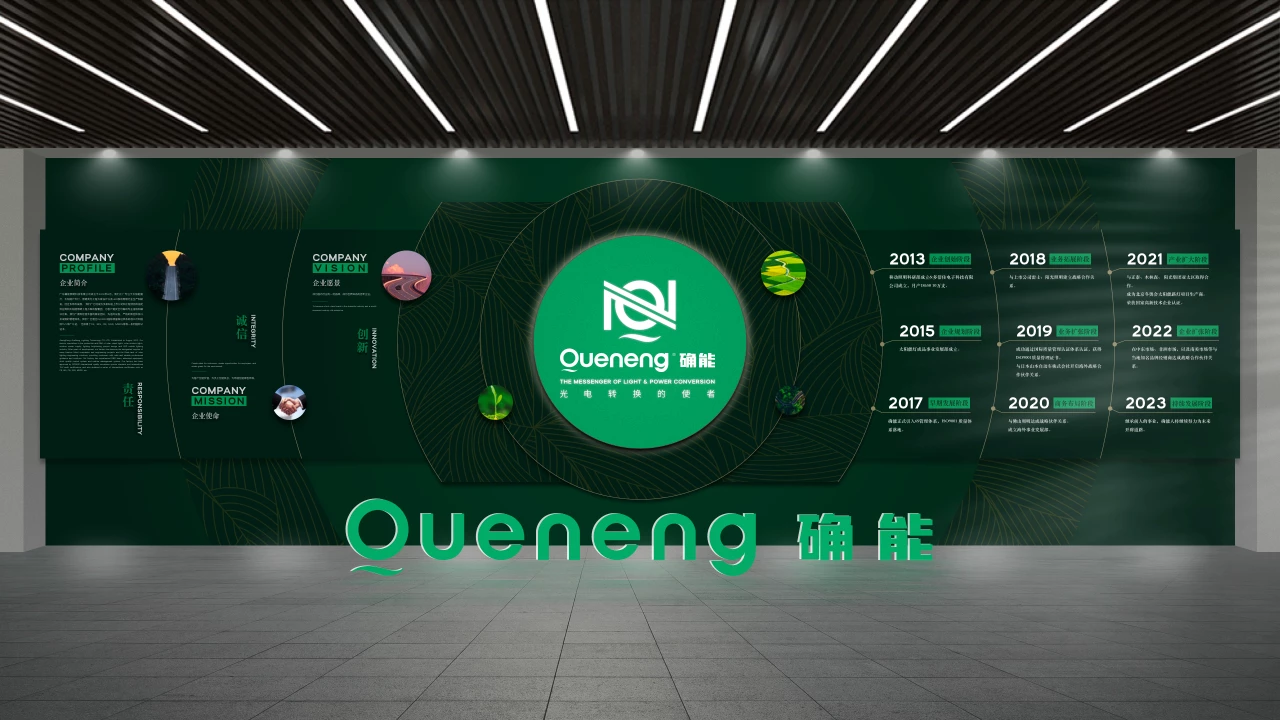
GuangDong Queneng Lighting Technology Co., Ltd., founded in 2013, specializes in solar street lights and a wide range of solar lighting products including Solar Street Lights, Solar Spot lights, Solar Garden Lights, Solar Lawn lights, Solar Pillar Lights, Solar Photovoltaic Panels, portable outdoor power supplies, and batteries. The company also offers lighting project design and LED mobile lighting solutions. After years of development, Queneng has become the designated supplier for multiple listed companies and engineering projects and operates as a solar lighting engineering solutions think tank, providing customers with professional guidance and tailored solutions.
Queneng's competitive strengths include:
- Experienced R&D team and in-house test capabilities for PV, battery, and optical systems
- Advanced manufacturing equipment and a mature quality management system (ISO 9001 certified)
- Third-party approvals and certifications such as TÜV audits, CE, UL, BIS, CB, SGS, and MSDS documentation
- Project experience delivering bulk orders and providing O&M support and technical consultancy
For municipal buyers, partnering with a manufacturer like Queneng helps ensure reliable supply, consistent quality across batches, and an integrated approach to design, testing, and after-sales service that is crucial for city-scale deployments.
12. Practical checklist for municipal buyers before signing a wholesale contract
- Obtain and review third-party test reports for a pilot batch (PV IV curve, LM-79 photometry, battery cycle test)
- Set KPIs and acceptance criteria in the contract with clear remedies
- Plan a pilot installation of 1–5% of total scope to validate assumptions
- Define spare-parts inventory and SLA for replacements
- Ensure telemetry and as-built documentation will be provided with each delivery
Frequently Asked Questions (FAQ)
Q1: What is a Municipal Solar Street Light and why choose it?
A Municipal Solar Street Light is an integrated off-grid luminaire combining LED, PV panels, battery storage and a controller. It reduces dependence on grid power, lowers energy bills, and enables quick deployment where trenching or grid expansion is costly.
Q2: How do I ensure wholesale suppliers deliver consistent product quality?
Include FAT and SAT procedures, require certified test reports (LM-79, PV IV, battery tests), perform factory audits, and specify acceptance sampling plans in the contract.
Q3: What warranties are standard for municipal solar streetlight projects?
Typical warranties: LEDs (5–7 years), drivers/controllers (3–5 years), PV modules (10–25 years performance warranty), batteries (2–5 years depending on chemistry). Negotiate performance guarantees for lumen maintenance and battery cycles.
Q4: Is remote monitoring necessary for municipal projects?
Remote monitoring is highly recommended. It reduces O&M costs, enables fault detection, and provides usage data to optimize dimming schedules and maintenance.
Q5: How should municipalities budget for battery replacements?
Include battery replacement cycles in the 10–15 year capex/opex model. LiFePO4 batteries have longer cycle life but higher upfront cost; lead-acid may require replacement more frequently. Budget for 1 replacement in 8–12 years based on technology and usage.
Q6: What documentation should be provided at handover?
Provide as-built drawings, serial-numbered inventory lists, FAT/SAT reports, warranty certificates, IoT credentials for telemetry platforms, and maintenance manuals.
Contact and next steps
If you are planning a municipal lighting program and need a wholesale supplier or technical partner, contact GuangDong Queneng Lighting Technology Co., Ltd. for product catalogs, pilot samples, and turnkey project proposals. Queneng can support design, supply, FAT/SAT, and long-term O&M planning to help deliver reliable Municipal Solar Street Light programs at scale.
References
- U.S. Department of Energy — Solid-State Lighting: https://www.energy.gov/eere/ssl/solid-state-lighting (accessed 2024-06-01)
- National Renewable Energy Laboratory (NREL) — U.S. Solar Photovoltaic System Cost Benchmark (2019): https://www.nrel.gov/docs/fy19osti/72399.pdf (accessed 2024-06-01)
- International Organization for Standardization — ISO 9001 Quality Management: https://www.iso.org/iso-9001-quality-management. (accessed 2024-06-01)
- European Commission — CE Marking Guidance: https://ec.europa.eu/growth/single-market/ce-marking/ (accessed 2024-06-01)
- World Bank — Procurement Guidance and Best Practice: https://www.worldbank.org/en/projects-operations/products-and-services/brief/procurement (accessed 2024-01-10)
- TÜV — Global Testing & Certification: https://www.tuv.com/world/en/ (accessed 2024-06-01)
For more details, pilot quotations, or to request technical datasheets and project references, please reach out to GuangDong Queneng Lighting Technology Co., Ltd. to evaluate how Municipal Solar Street Light wholesale distribution can be structured for your city's needs.

Have more questions about our products or services?
The latest hot news you might like

Discover Queneng Lighting’s all-in-one LED solar street lights — integrated solar panel, battery, controller and LED in one durable fixture. Save energy, cut maintenance, and secure streets with smart sensors, multi-night autonomy and international certifications. Contact sales for quotes and support.

Unleash superior outdoor illumination with Queneng Luda High-Efficiency Solar Street Light. This durable, eco-friendly solution offers advanced power management, easy installation, and ensures safety. Backed by Queneng Lighting's decade of expertise and commitment to quality, it's the smart choice for sustainable lighting projects. Learn why we're a leading solar solutions provider.

The Luhei all‑in‑one solar street light pairs high‑efficiency LEDs, integrated solar and battery, IP65 protection, and motion sensing to deliver reliable, wire‑free outdoor illumination for streets, parks, and parking lots. Backed by Queneng Lighting’s certifications and support.

FAQ
Transportation and Highways
How long does the installation process take for a highway solar lighting system?
The installation time depends on the project size. Typically, a single solar streetlight can be installed in 1-2 hours, while larger highway projects may take several days or weeks.
How do solar lights perform in areas with heavy traffic pollution?
Solar panels may require more frequent cleaning in high pollution areas to maintain efficiency, but the system's durability ensures reliable performance.
Battery and Analysis
What are the possible reasons why batteries and battery packs cannot be discharged?
2) Insufficient charging or no charging;
3) The ambient temperature is too low;
4) The discharge efficiency is low. For example, when a large current is discharged, an ordinary battery cannot discharge electricity because the internal material diffusion speed cannot keep up with the reaction speed, causing the voltage to drop sharply.
What is the principle of charger? What are the main categories?
Public Gardens and Landscape Lighting
Can solar lights be installed in any outdoor space?
Our solar lighting solutions are versatile and can be installed in most outdoor areas, including public gardens, parks, pathways, streets, and recreational areas. As long as there is enough sunlight exposure during the day, solar lights can be installed almost anywhere.
Municipal and Public Infrastructure
Are your solar streetlights compliant with international standards?
Yes, our products meet international quality and safety standards, including ISO9001, CE, and RoHS certifications, ensuring reliability and performance.
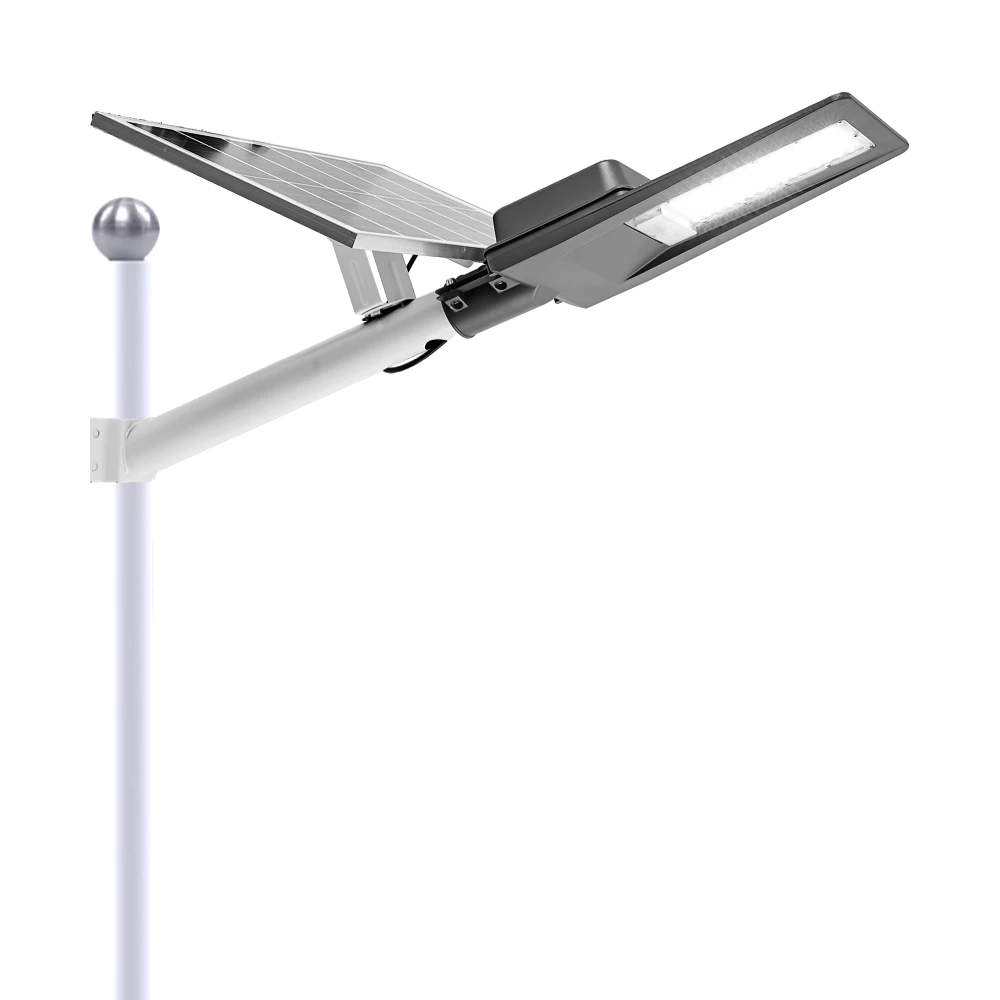
Experience reliable outdoor illumination with our smart solar street light, a perfect combination of advanced technology and eco-conscious design.
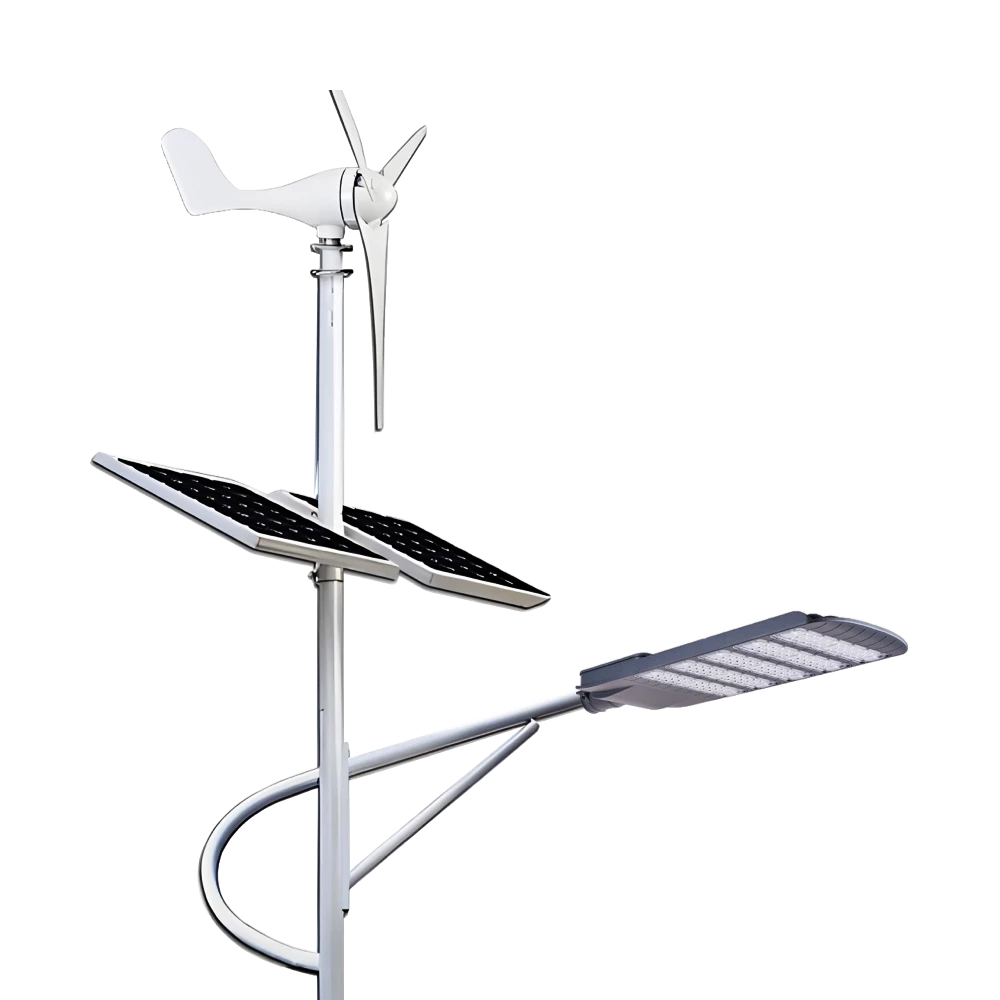
Queneng Lufeng Wind Energy LED Outdoor Solar Street Lights offer high-performance, eco-friendly illumination. These energy-efficient LED street lights harness solar power and wind energy for sustainable, cost-effective outdoor lighting solutions.
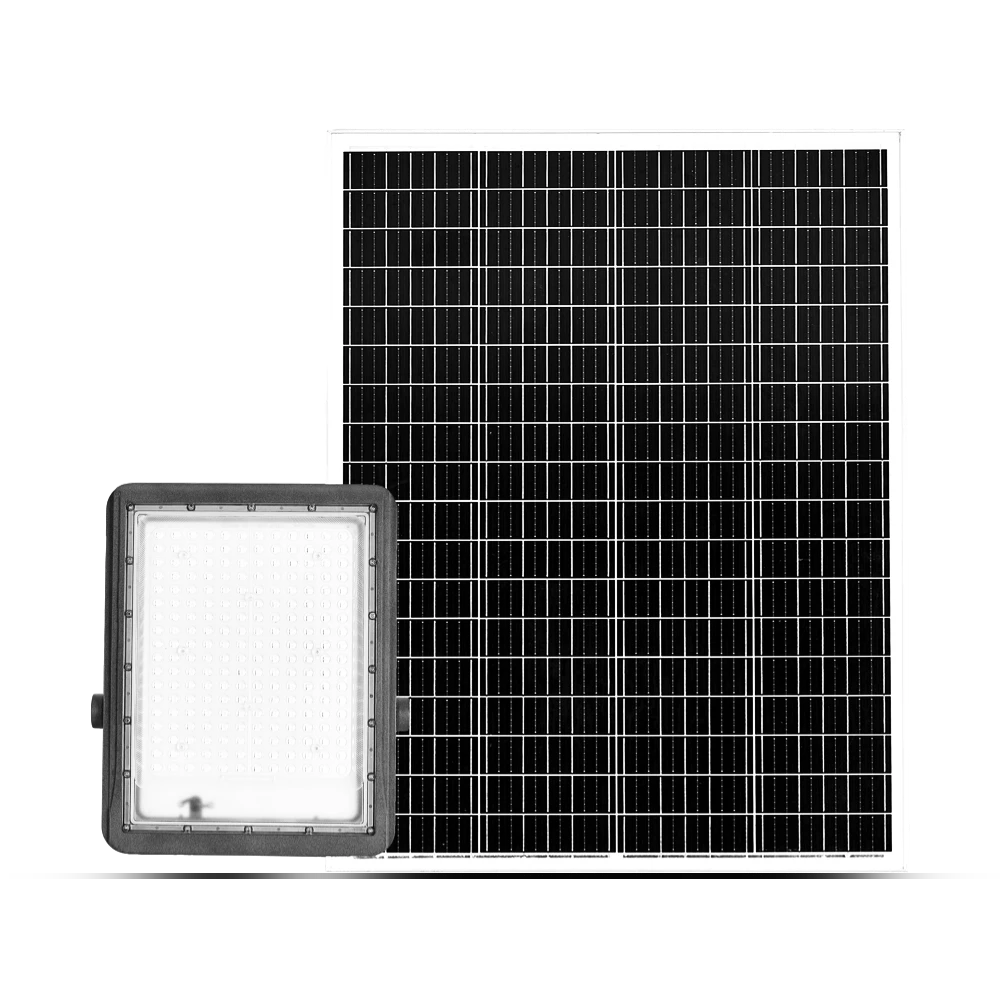
Queneng's Luxian Reliable Solar Street Light offers energy-saving LED lighting for outdoor use. This durable, solar-powered street light provides reliable illumination, reducing energy costs and environmental impact. A perfect solution for sustainable outdoor lighting.
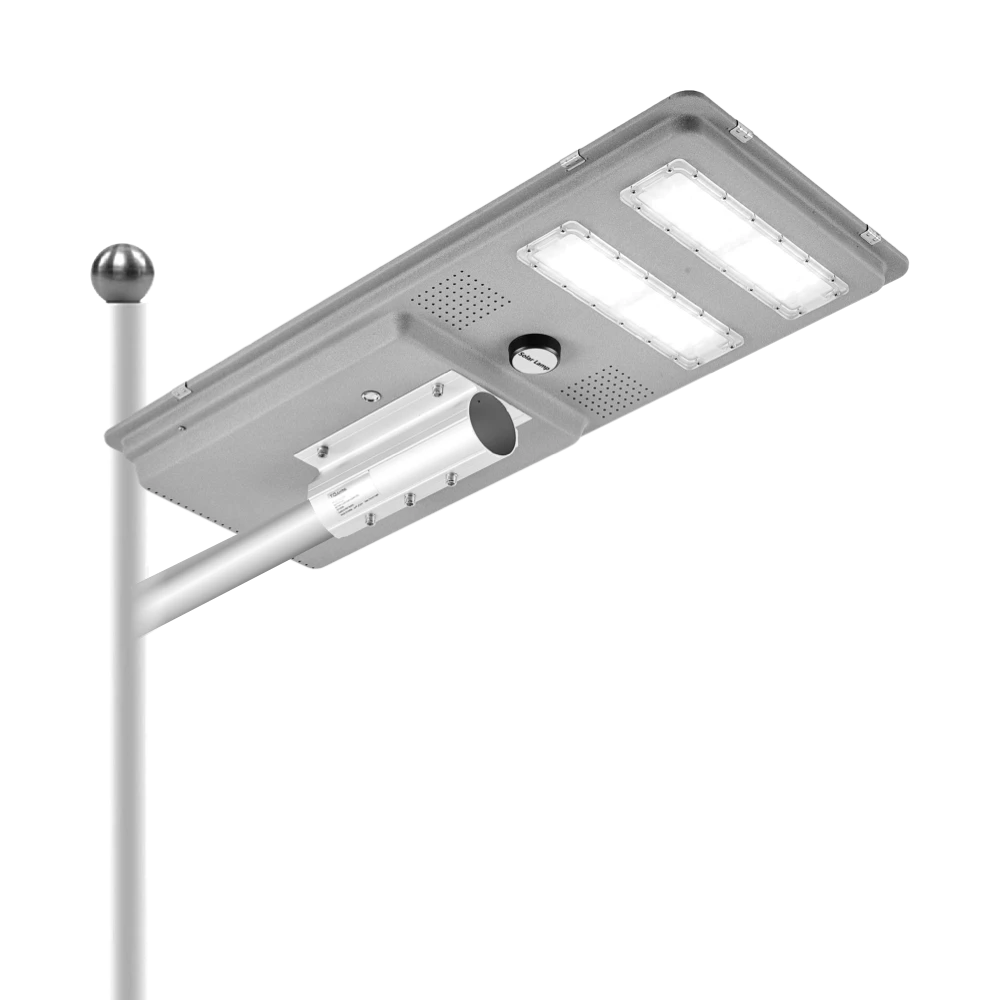
Queneng’s Solar Street Lights are designed to provide reliable, energy-efficient lighting for streets, parks, and other outdoor spaces.
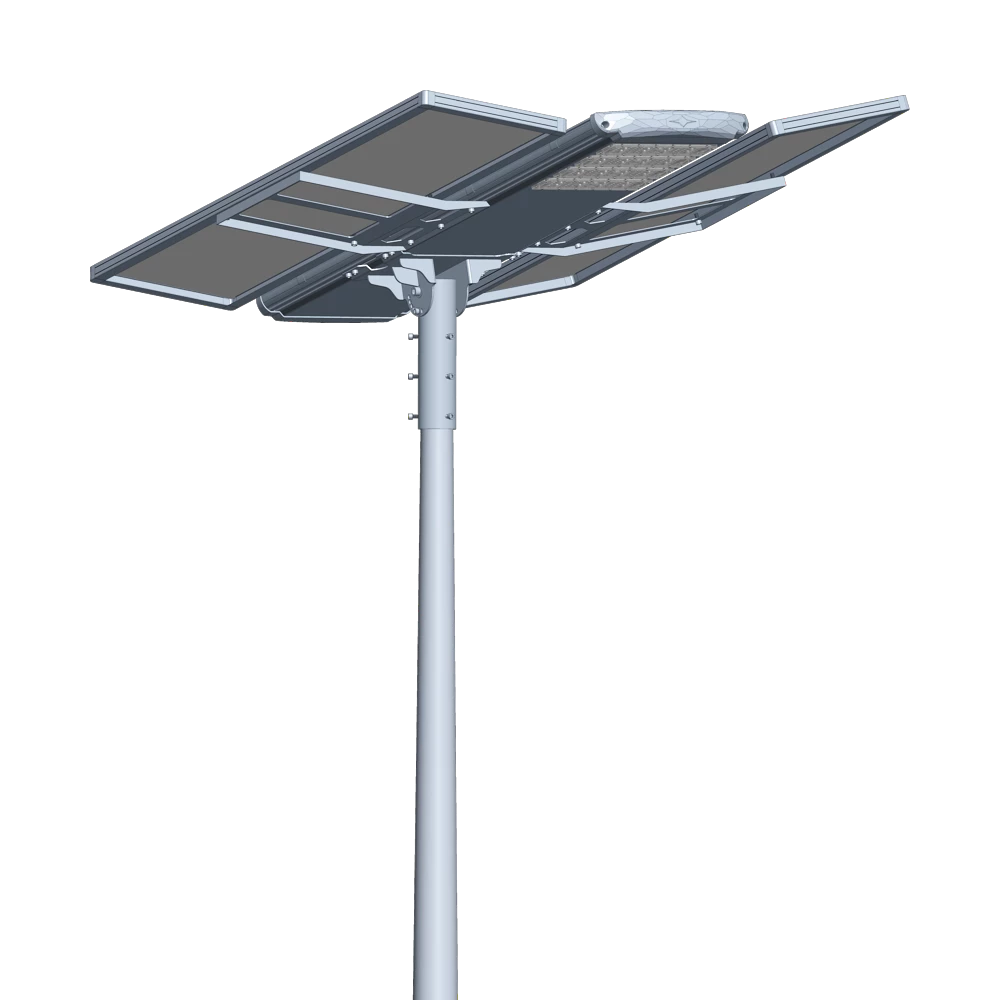
Introducing the Luqing Solar Street Light by Queneng, Efficient LED lighting powered by solar energy is perfect for illuminating outdoor areas. Harness the power of solar energy for sustainable, reliable street lighting. Ideal for eco-friendly, cost-effective outdoor illumination solutions.
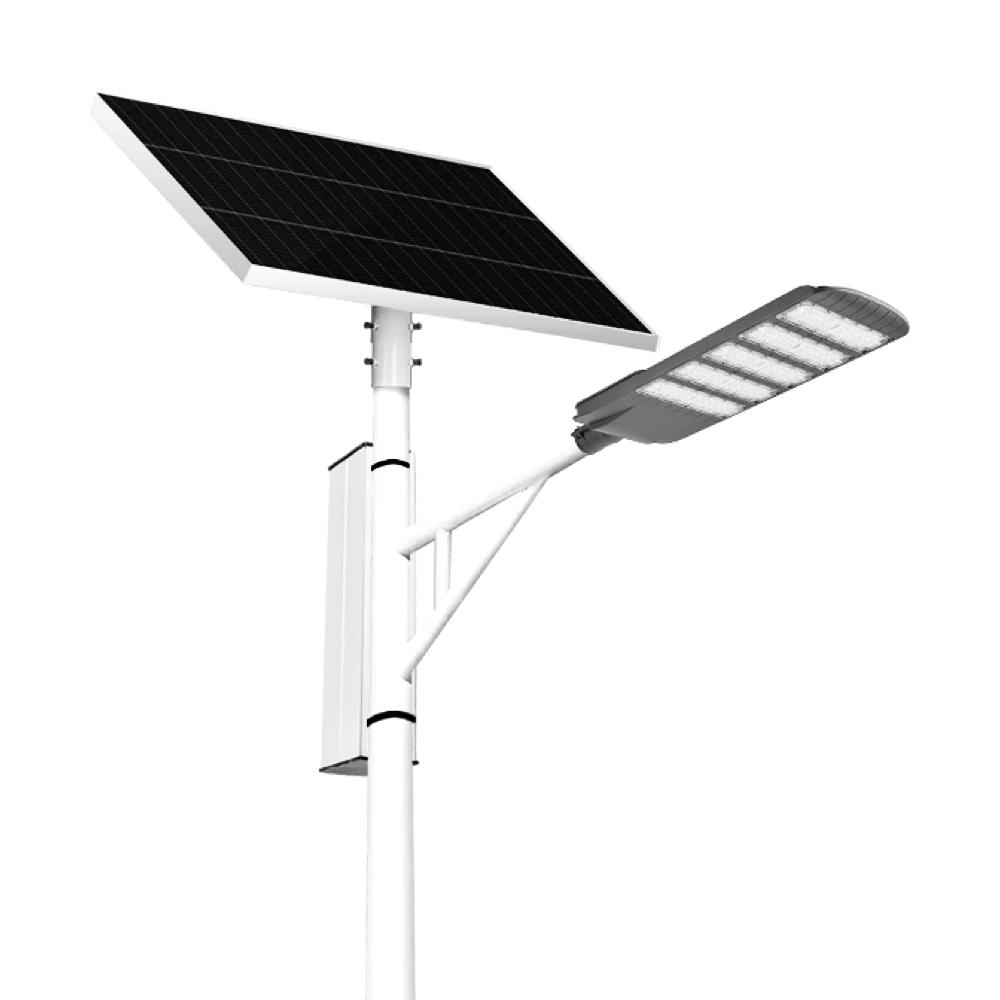
The Solar Streetlights of Luhao for Municipalities are designed to deliver reliable, energy-efficient, and cost-effective public lighting solutions. Equipped with advanced LED technology, durable lithium batteries, and high-efficiency solar panels, these streetlights provide consistent illumination for roads, parks, residential areas, and government projects.
Our professional team is ready to answer any questions and provide personalized support for your project.
You can reach us via phone or email to learn more about Queneng’s solar lighting solutions. We look forward to working with you to promote clean energy solutions!
Rest assured that your privacy is important to us, and all information provided will be handled with the utmost confidentiality.
By clicking 'Send Inquiry Now' I agree to Queneng processing my personal data.
To see how to withdraw your consent, how to control your personal data and how we process it, please see our Privacy Policy and Terms of use.
Schedule a Meeting
Book a date and time that is convenient for you and conduct the session in advance.
Have more questions about our products or services?
The messenger of light & power conversion
Environmental protection and intelligent manufacturing are our brand philosophy, and quality assurance and the best user experience are our eternal promises to users.
CONTACT
No.9F, Building F, Cao San Xin Tian Hong Logistics Park, Guzhen Town, Zhongshan City, Guangdong Province, China.
or write [email protected]
WhatsApp: +86 136 2270 1011


