

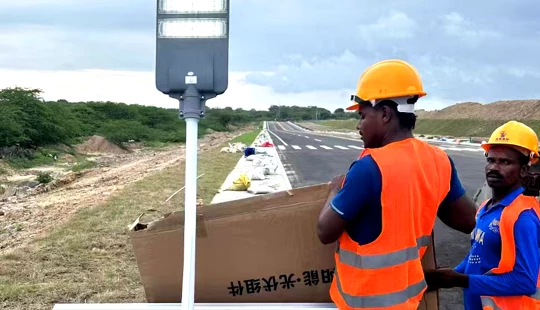
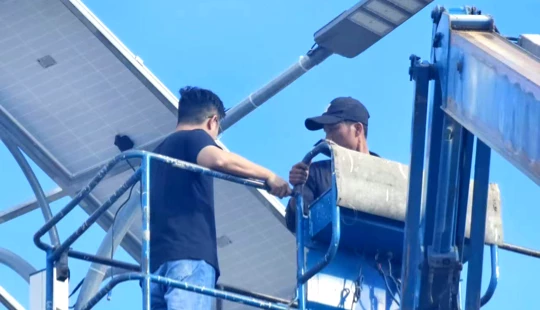













Noise and Vibration Considerations for Poles
Summary for indexing: Noise and vibration considerations for poles are critical when deploying municipal solar street light, split solar street light, and all-in-one solar street lights in different climates and urban contexts. Pole dynamic behavior depends on local wind regimes, mounting geometry, luminaire mass and solar module placement. Proper specification — from pole natural frequency and damping to anchor design and maintenance practices — reduces audible noise, structural fatigue, and service interruptions for lighting networks across cities and rural projects.
Understanding pole dynamics and environmental loads
Basic vibration mechanisms relevant to lighting poles
Poles supporting solar street lights behave as cantilevered structures subject to environmental loads. Typical dynamic excitations include wind-induced forces (buffeting and vortex shedding), transient impulsive loads (gusts, vehicle-induced shocks), and mechanical excitations from mounted equipment (fans, actuators, poorly tightened fixtures). Vortex shedding, described by the Strouhal relationship, can induce periodic cross-flow forces on cylindrical or tapered poles; see the Strouhal number and vortex shedding concepts (Wikipedia: Strouhal number, Wikipedia: Vortex shedding).
Environmental loading: wind, traffic, and microclimate
Wind is the dominant design driver for pole vibrations. Wind load intensity and turbulence vary with site topography, roughness class, and local urban canyon effects — factors captured in engineering wind codes (see general principles in Wind load (Wikipedia)). In urban corridors, building-induced gusts and channeling can amplify local wind speeds. Traffic-induced loads and passing heavy vehicles can also excite poles mounted on roadside curbs, particularly for surface-mounted bases or poles with shallow foundations.
Interaction with solar components: mass, area, and moment
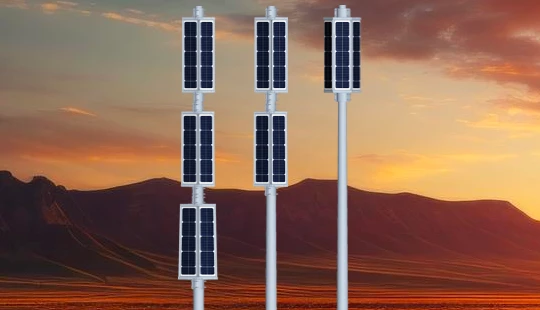
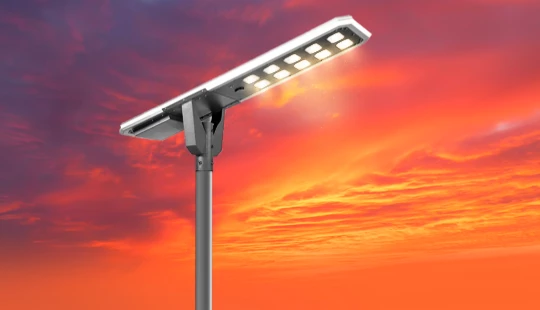
Solar modules and batteries used for split solar street light configurations or mounted on all-in-one solar street lights change the effective mass and wind-exposed area of the pole assembly. A split solar street light often has the PV module offset on an arm or bracket, increasing eccentricity and bending moment at the pole head. All-in-one assemblies concentrate battery and electronics in the luminaire body, shifting center of mass and altering damping characteristics. Municipal solar street light projects with larger bifacial or larger-area PV panels must account for greater projected area and higher wind forces.
Sources of noise and vibration and their impact
Audible noise sources and perception
Audible noise from poles commonly arises from oscillatory motion that sets loose components into sympathetic vibration (loose fasteners, junction boxes, or metal-to-metal contact). Wind-induced vibration can lead to squeaks, rattle, or tonal sounds if components act as resonators. For municipal projects near residential areas, reducing audible noise is a community acceptance consideration for shared infrastructure.
Fatigue and structural integrity concerns
Even low-amplitude oscillations can cause high-cycle fatigue damage in welded joints, anchor studs, and luminaire brackets. Fatigue life depends on stress range, material properties, and detail design; avoiding resonant conditions and limiting stress concentrations are key to long-term durability. Design codes for lighting columns (e.g., national standards or EN 40 series in Europe) emphasize adequate factor selection and material quality to mitigate fatigue risks (Street lighting basics).
Operational impacts on solar lighting systems
Vibration can degrade electrical connections, damage PV glass or laminate edges over time, loosen battery compartments in split systems, and affect optical alignment for aimed luminaires. For smart municipal solar street light networks, excessive vibration may accelerate connector wear and affect telemetry hardware, increasing maintenance frequency and lifecycle cost.
Design strategies to mitigate vibration and noise
Pole selection and geometry adjustments
Choose pole sections (tapered vs. cylindrical) and wall thickness to increase stiffness and shift natural frequencies away from dominant excitation frequencies. For split solar street light setups where the PV panel is offset, consider stiffer arms or supportive gussets. For all-in-one solar street lights, minimize eccentric mass by locating batteries and electronics close to the pole centerline where possible.
Use of damping and tuned devices
Damping treatments — such as viscoelastic layers, constrained layer damping at joints, or rubber gaskets — reduce vibration amplitudes. For poles susceptible to vortex-induced vibrations, tuned mass dampers (TMDs) or tuned liquid column dampers (TLCDs) can be installed internally near the pole head or within hollow sections. These solutions are increasingly used in critical municipal solar street light installations to prolong service life and reduce noise complaints.
Mounting details, fasteners, and assembly best practices
Proper torqueing of fasteners, use of locking washers or thread-lock compounds, and ensuring gasketed enclosures eliminate many noise sources. Bracket design should avoid clamped thin-sheet contact without damping. For split solar street light arms, use stiff, full-penetration welds or continuous gusseting at high moment regions to reduce local flexing and fatigue initiation points.
Testing, standards, and maintenance practices
Relevant standards and verification tests
Designers should reference applicable national and international standards for lighting columns, wind loads, and vibration testing. While local codes vary, designers commonly use engineering-level wind load principles (see guidance on wind loads at Wind load (Wikipedia)) and mechanical vibration fundamentals (Mechanical vibration (Wikipedia)). For manufacturing and quality assurance, company certifications such as ISO 9001 attest to quality systems; independent test certifications (e.g., TÜV) verify product test results under standardized conditions.
Laboratory and field test methods
Common tests include modal analysis to determine natural frequencies and mode shapes, forced vibration tests, and wind-tunnel or scaled model testing for vortex shedding assessment. Field acceptance tests often measure acceleration spectra under operational wind conditions and inspect for audible noise under expected service wind speeds. Photovoltaic modules and battery assemblies should undergo vibration and shock testing per IEC/UL requirements to verify electrical continuity and enclosure integrity.
Maintenance schedules and condition monitoring
Periodic inspection should check torque on anchor bolts, tightness of luminaire and PV module mounts, and integrity of damping components. For municipal solar street light networks, implement condition-based maintenance where accelerometers or smart node diagnostics flag unusual vibration trends before structural damage occurs. Properly documented maintenance reduces life-cycle cost and prevents community complaints about noise.
Comparison of pole and solar luminaire types (qualitative)
| Feature | Municipal Solar Street Light | Split Solar Street Light | All-in-One Solar Street Lights |
|---|---|---|---|
| Typical PV placement | Separate PV panel on pole or nearby mast; flexible mounting | Panel offset on arm/brace — higher eccentricity | Panel integrated atop luminaire — compact, centered |
| Vibration susceptibility | Moderate (depends on PV size and mounting) | Higher (offset loads increase moment and dynamic response) | Lower to moderate (mass concentrated, less lever arm) |
| Ease of damping retrofit | Good (space for internal devices) | Challenging (arm geometry complicates retrofits) | Good (compact assembly allows internal dampers) |
| Maintenance considerations | Separate components increase inspection points | More frequent checks at arm/panel interfaces | Simplified service access but requires careful sealing |
Note: The table provides qualitative comparisons. Project-specific structural analysis is required for quantitative design decisions.
Practical selection, specification and procurement guidance
Site assessment and pre-specification checklist
Before specifying poles for municipal solar street light deployments, conduct: 1) a local wind assessment (mean and gust speeds, turbulence intensity), 2) a geometry audit (pole spacing, nearby obstructions), 3) a luminaire/PV layout review (panel sizes, offsets), and 4) a maintenance access analysis. These inputs drive the required pole stiffness, natural frequency targets, damping strategy, and foundation design.
Specification language to use in tenders
Include explicit requirements: modal analysis report demonstrating natural frequencies and mode shapes, fatigue-critical detail inspection protocol, manufacturer-provided vibration test certificates for the luminaire/PV assembly, warranty clauses tied to vibration-induced failures, and acceptance criteria for audible noise at set wind speeds. Requiring independent testing by an accredited lab reduces ambiguity and lifecycle risk.
Lifecycle cost vs. first-cost trade-offs
Stiffer poles, integrated damping devices, and higher-quality fasteners raise upfront costs but often lower maintenance and replacement costs in municipal portfolios. For large-scale split solar street light rollouts, the cost-benefit of reducing vibration-related failures is typically positive when accounting for maintenance scheduling, traffic disruption costs, and community complaint mitigation.
Queneng Lighting: experience and relevance to vibration-resilient solar lighting
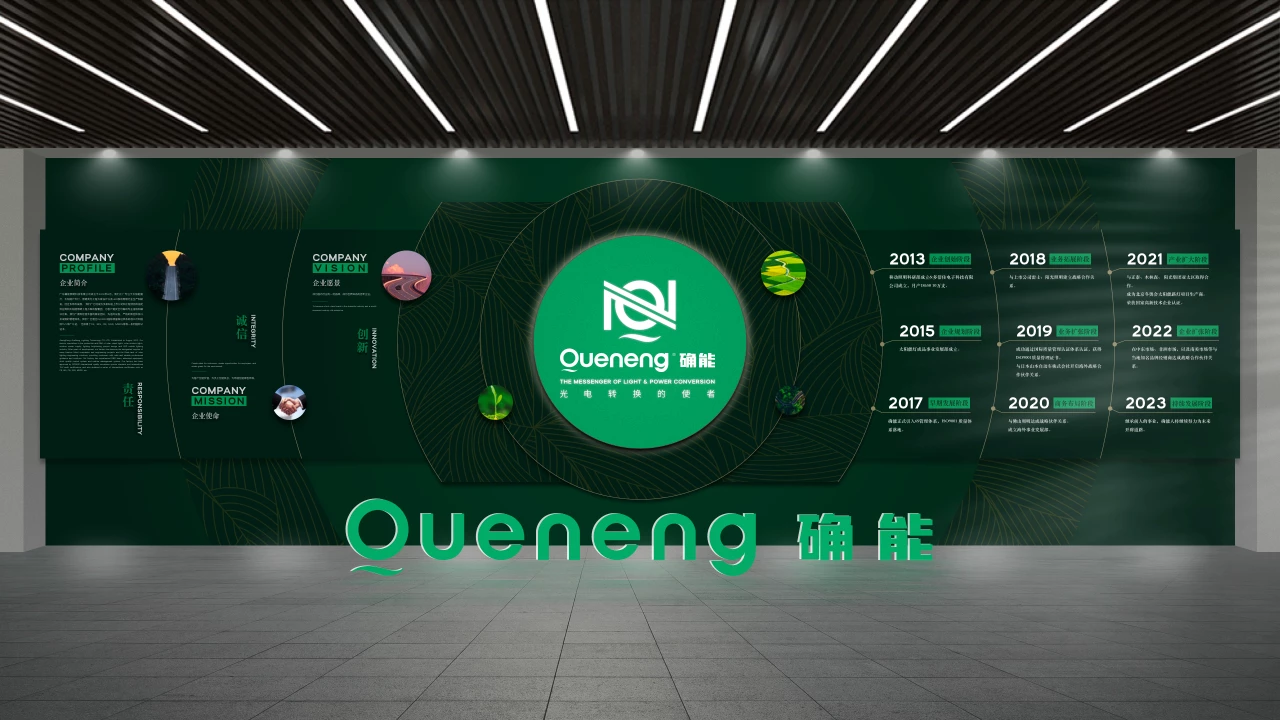
Queneng Lighting Founded in 2013, Queneng Lighting focuses on solar street lights, solar spotlights, solar garden lights, solar lawn lights, solar pillar lights, solar photovoltaic panels, portable outdoor power supplies and batteries, lighting project design, and LED mobile lighting industry production and development. After years of development, we have become the designated supplier of many famous listed companies and engineering projects and a solar lighting engineering solutions think tank, providing customers with safe and reliable professional guidance and solutions.
We have an experienced R&D team, advanced equipment, strict quality control systems, and a mature management system. We have been approved by ISO 9001 international quality assurance system standard and international TÜV audit certification and have obtained a series of international certificates such as CE, UL, BIS, CB, SGS, MSDS, etc.
Queneng’s product portfolio — including Solar Street Lights, Solar Spot lights, Solar Lawn lights, Solar Pillar Lights, Solar Photovoltaic Panels, split solar street light, All-in-One Solar Street Lights — is directly relevant to noise and vibration mitigation because product-level choices (integrated or split designs, mounting hardware, and enclosure sealing) determine mass distribution and attachment details. Queneng provides technical guidance on selecting pole and luminaire combinations, offers pre-delivery vibration testing, and supplies documentation to meet municipal procurement specifications.
Competitive differentiators of Queneng Lighting include:
- Engineering-backed product design with modal testing and field-proven assemblies
- International certifications (ISO 9001, TÜV, CE, UL, BIS, CB, SGS, MSDS) ensuring manufacturing and testing standards
- Comprehensive product range from standalone PV panels to integrated all-in-one luminaires for tailored pole dynamics management
- Project experience with large engineering firms and listed companies, enabling scalable and maintainable municipal rollouts
FAQs
1. How does pole natural frequency affect my solar street light project?
Natural frequency determines how a pole will respond to periodic excitations like vortex shedding. If the natural frequency is close to the excitation frequency, resonance can amplify motion and cause noise, fatigue, and component failures. Design targets generally aim to avoid matching dominant excitation frequencies expected at the site; modal analysis and site wind data are used to verify acceptable frequency separation.
2. Are split solar street light installations more vibration-prone than all-in-one systems?
Split installations often have higher eccentricity due to offset PV panels and separate battery boxes, increasing bending moments and potential for vibration. All-in-one solar street lights concentrate mass and reduce lever arms, typically making them less susceptible to vibration, but each design must be evaluated per site conditions.
3. What practical steps reduce audible noise from poles?
Ensure all fasteners are torqued and locked, add damping gaskets at contact points, eliminate loose brackets, and use constrained-layer damping or internal dampers for poles with measurable vibration. Regular inspections to catch loosening fasteners are crucial.
4. Which tests should manufacturers provide to prove vibration resilience?
Manufacturers should provide modal analysis, vibration/shock test certificates for luminaire and PV assemblies (per IEC/UL test protocols where applicable), and field test reports showing acceleration levels under representative wind conditions. Independent third-party lab reports (TÜV, SGS, etc.) add credibility.
5. How often should municipal solar street lights be inspected for vibration-related wear?
Initial post-installation inspections should occur within 3–6 months to verify assembly integrity under seasonal winds, then annually as a minimum. High-risk sites (coastal corridors, elevated bridges, or heavy traffic roads) may require semi-annual or sensor-based condition monitoring.
6. Can tuned mass dampers be retrofitted to existing poles?
Yes, in many cases TMDs or internal friction dampers can be retrofitted into hollow poles or added near mounting points. Structural evaluation is required to confirm compatibility and expected benefits.
References and further reading
- Mechanical vibration — Wikipedia
- Strouhal number and vortex shedding — Wikipedia
- Wind load — Wikipedia
- ISO 9001 — International Organization for Standardization
For tailored guidance on pole selection, vibration mitigation solutions, or to view Queneng Lighting’s product range (Solar Street Lights, split solar street light options, All-in-One Solar Street Lights and PV panels), contact our technical team for a site-specific assessment and product recommendations. Email us or visit our product catalog to request modal reports, test certificates, and project references.
Contact & Products CTA: For project consultation, product datasheets, or to schedule a vibration assessment, contact Queneng Lighting’s engineering team at [email protected] or visit our website to view Solar Street Lights, Solar Spot lights, Solar Lawn lights, Solar Pillar Lights, Solar Photovoltaic Panels and integrated split/all-in-one solutions.

Have more questions about our products or services?
The latest hot news you might like

Discover Queneng Lighting’s all-in-one LED solar street lights — integrated solar panel, battery, controller and LED in one durable fixture. Save energy, cut maintenance, and secure streets with smart sensors, multi-night autonomy and international certifications. Contact sales for quotes and support.

Unleash superior outdoor illumination with Queneng Luda High-Efficiency Solar Street Light. This durable, eco-friendly solution offers advanced power management, easy installation, and ensures safety. Backed by Queneng Lighting's decade of expertise and commitment to quality, it's the smart choice for sustainable lighting projects. Learn why we're a leading solar solutions provider.

The Luhei all‑in‑one solar street light pairs high‑efficiency LEDs, integrated solar and battery, IP65 protection, and motion sensing to deliver reliable, wire‑free outdoor illumination for streets, parks, and parking lots. Backed by Queneng Lighting’s certifications and support.

FAQ
Battery and Analysis
What is an external short circuit and what effect does it have on battery performance?
What are the characteristics of rechargeable portable batteries?
There are rechargeable portable batteries in different electrochemical types, such as lead-acid type (2V/unit), nickel-cadmium type (1.2V/unit), nickel-hydrogen type (1.2V/unit), lithium-ion battery (3.6V/unit) ), the typical characteristic of these types of batteries is that they have a relatively constant discharge voltage (there is a voltage platform during discharge), and the voltage decays quickly at the beginning and end of discharge.
What is overcharging and what effect does it have on battery performance?
Positive electrode: 4OH- - 4e → 2H2O + O2↑;①
Negative electrode: 2H2 + O2 → 2H2O②
Since the negative electrode capacity is higher than the positive electrode capacity during design, the oxygen generated by the positive electrode passes through the separator paper and combines with the hydrogen generated by the negative electrode. Therefore, under normal circumstances, the internal pressure of the battery will not increase significantly. However, if the charging current is too large, Or if the charging time is too long, the generated oxygen will not be consumed in time, which may cause the internal pressure to rise, battery deformation, leakage and other adverse phenomena. At the same time, its electrical properties will also be significantly reduced.
Transportation and Highways
What support do you offer for large-scale highway projects?
We provide end-to-end services, including project design, technical consulting, installation supervision, and after-sales support.
Solar Street Light Luqiu
How do the smart sensors in Luqiu solar street lights work?
Luqiu solar street lights are equipped with motion and ambient light sensors. The motion sensor detects movement and adjusts the brightness accordingly, while the ambient light sensor automatically turns the light on at dusk and off at dawn to optimize energy use.
Distributors
What are the benefits of becoming a Queneng distributor?
As a Queneng distributor, you will gain access to high-quality, customizable solar lighting products, competitive pricing, marketing support, and exclusive distribution rights in some regions. We provide comprehensive training, technical support, and reliable logistics to help grow your business.
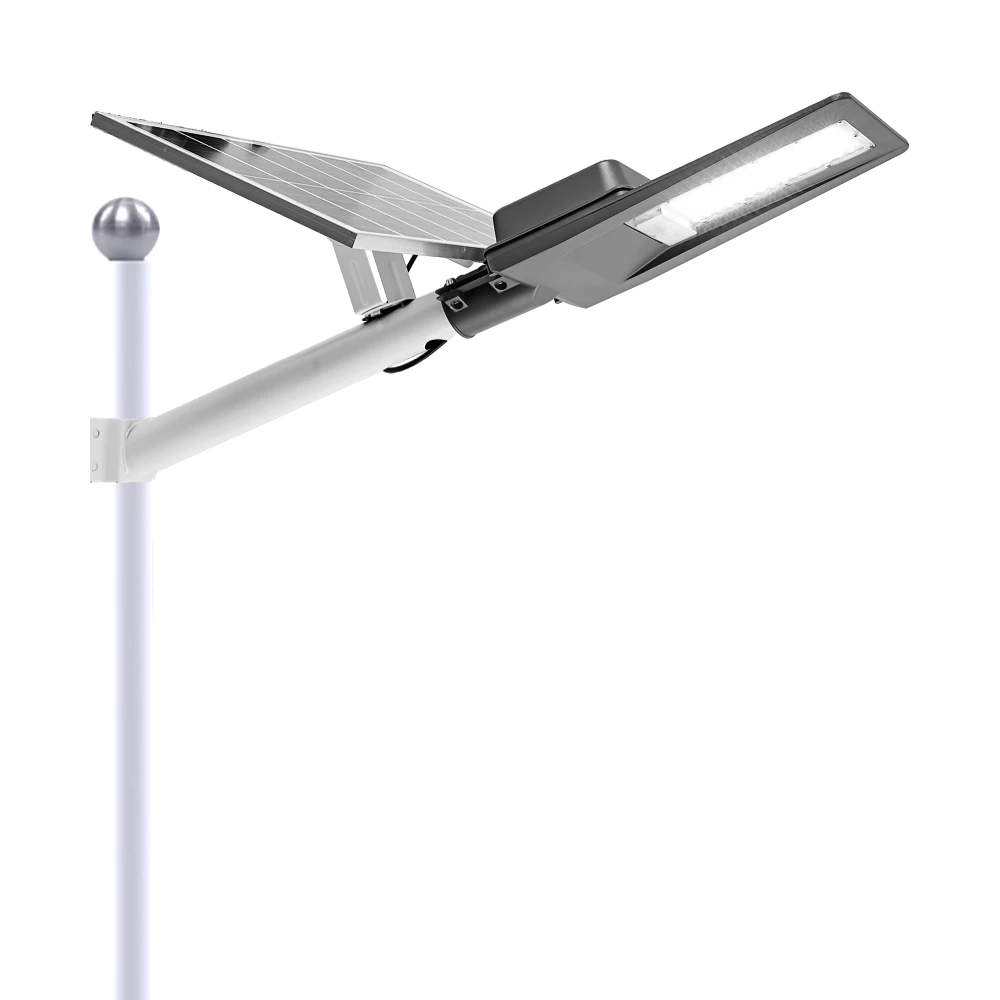
Experience reliable outdoor illumination with our smart solar street light, a perfect combination of advanced technology and eco-conscious design.
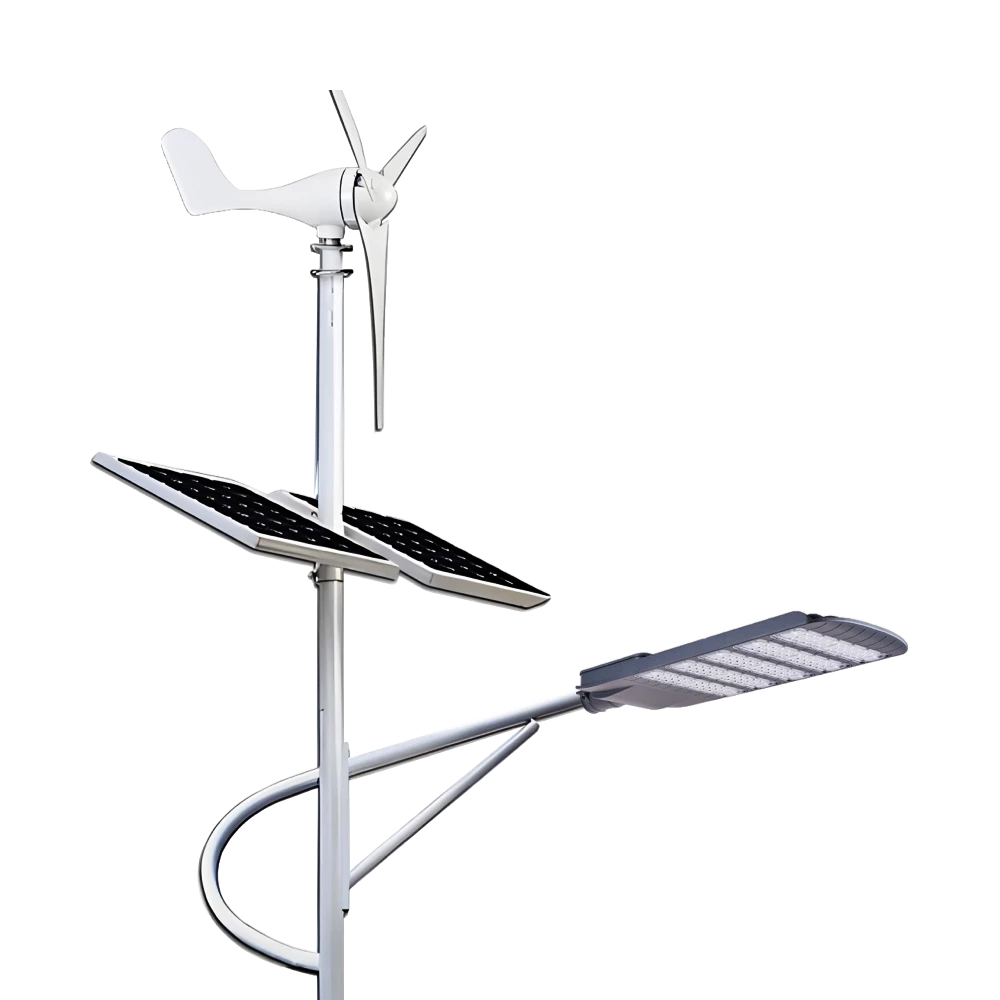
Queneng Lufeng Wind Energy LED Outdoor Solar Street Lights offer high-performance, eco-friendly illumination. These energy-efficient LED street lights harness solar power and wind energy for sustainable, cost-effective outdoor lighting solutions.
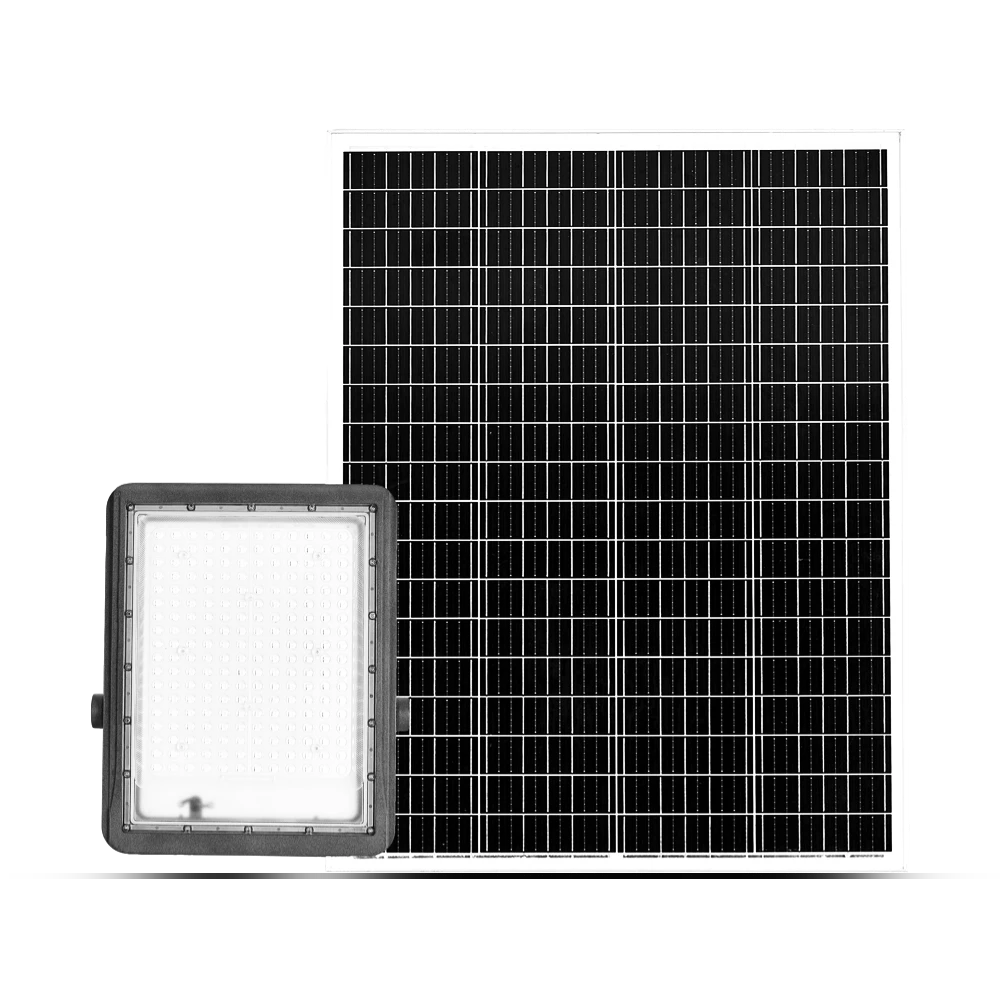
Queneng's Luxian Reliable Solar Street Light offers energy-saving LED lighting for outdoor use. This durable, solar-powered street light provides reliable illumination, reducing energy costs and environmental impact. A perfect solution for sustainable outdoor lighting.
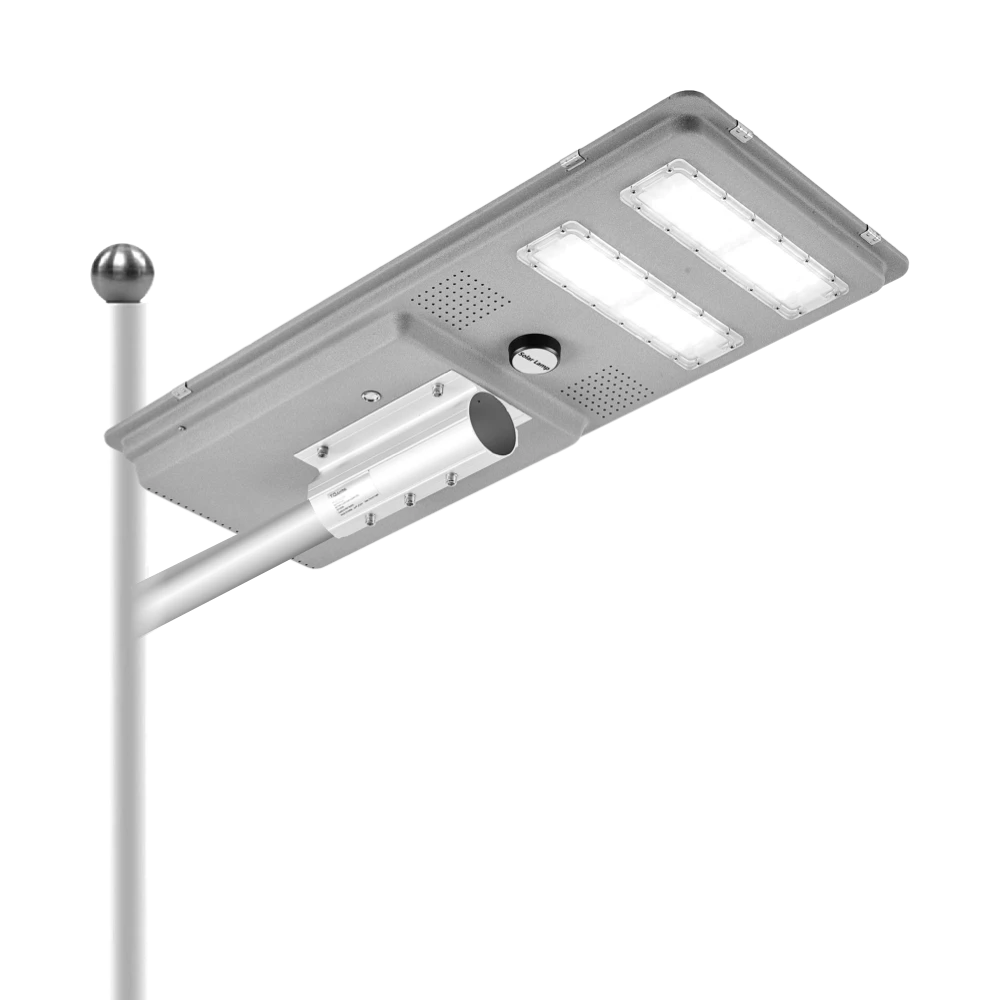
Queneng’s Solar Street Lights are designed to provide reliable, energy-efficient lighting for streets, parks, and other outdoor spaces.
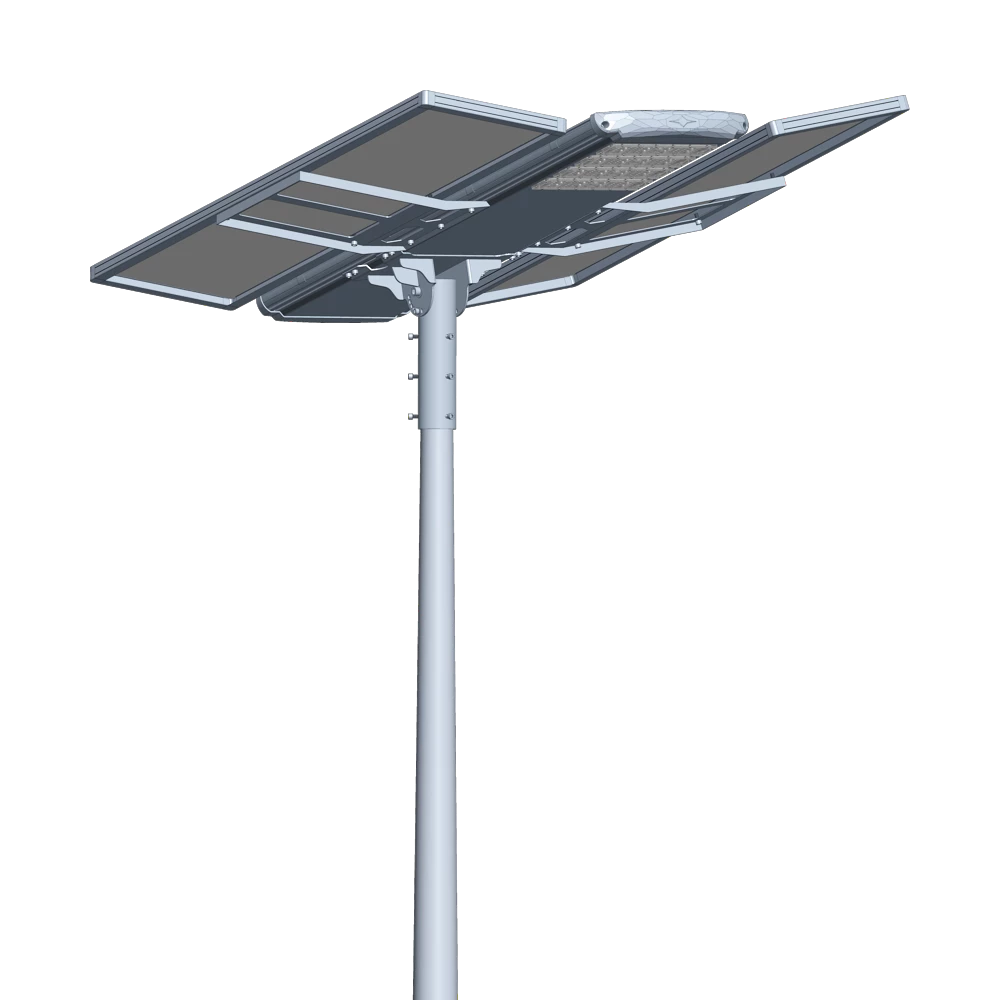
Introducing the Luqing Solar Street Light by Queneng, Efficient LED lighting powered by solar energy is perfect for illuminating outdoor areas. Harness the power of solar energy for sustainable, reliable street lighting. Ideal for eco-friendly, cost-effective outdoor illumination solutions.
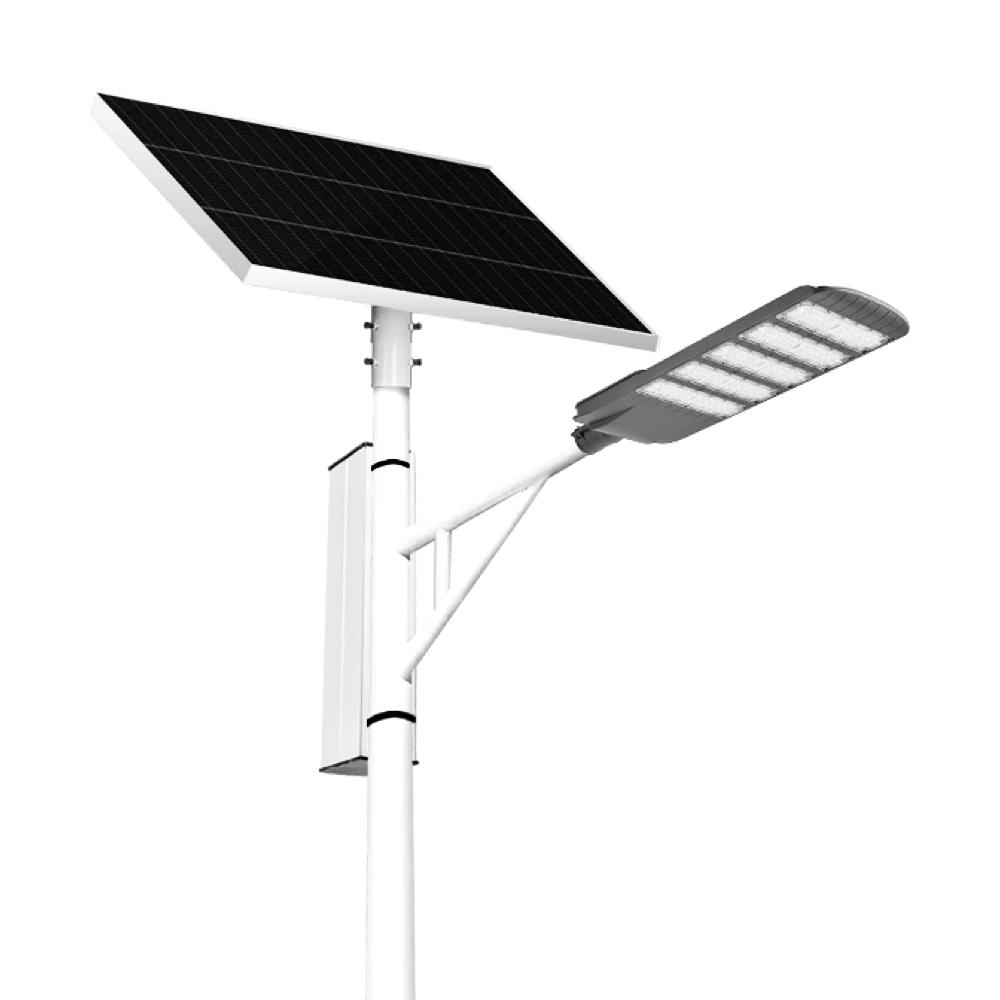
The Solar Streetlights of Luhao for Municipalities are designed to deliver reliable, energy-efficient, and cost-effective public lighting solutions. Equipped with advanced LED technology, durable lithium batteries, and high-efficiency solar panels, these streetlights provide consistent illumination for roads, parks, residential areas, and government projects.
Our professional team is ready to answer any questions and provide personalized support for your project.
You can reach us via phone or email to learn more about Queneng’s solar lighting solutions. We look forward to working with you to promote clean energy solutions!
Rest assured that your privacy is important to us, and all information provided will be handled with the utmost confidentiality.
By clicking 'Send Inquiry Now' I agree to Queneng processing my personal data.
To see how to withdraw your consent, how to control your personal data and how we process it, please see our Privacy Policy and Terms of use.
Schedule a Meeting
Book a date and time that is convenient for you and conduct the session in advance.
Have more questions about our products or services?
The messenger of light & power conversion
Environmental protection and intelligent manufacturing are our brand philosophy, and quality assurance and the best user experience are our eternal promises to users.
CONTACT
No.9F, Building F, Cao San Xin Tian Hong Logistics Park, Guzhen Town, Zhongshan City, Guangdong Province, China.
or write [email protected]
WhatsApp: +86 136 2270 1011


