














Performance Guarantees and Penalty Clauses in Contracts
Ensuring Project Reliability for Municipal Solar Street Light Installations
Why performance guarantees matter for Municipal Solar Street Light projects
Municipal Solar Street Light projects are public-facing infrastructure investments with long operational lifetimes and high public-safety expectations. Performance guarantees and penalty clauses are essential contractual tools that: (1) align supplier incentives with long-term system performance, (2) protect the municipality's budget and service level expectations, and (3) provide measurable remedies if the system underperforms. Well-drafted clauses reduce lifecycle costs, improve maintenance outcomes and make procurement defensible under public-sector rules.
Types of guarantees used in Municipal Solar Street Light contracts
Common instruments include performance bonds, bank guarantees, parent-company guarantees, availability guarantees, and maintenance/warranty bonds. Each instrument addresses different risks:
- Performance Bond / Bank Guarantee: Secures contractor obligations during construction and initial operation.
- Availability Guarantee: Guarantees a percentage of time the lighting system is operational (e.g., 98% uptime).
- Energy/Generation Guarantee: For PV-linked projects, guarantees expected energy production over a period.
- Warranty & Maintenance Bonds: Secures post-commissioning corrective works and component replacement.
Defining measurable KPIs for Municipal Solar Street Light performance
Guarantees must be tied to objective, measurable KPIs. Meaningful KPIs for Municipal Solar Street Light systems include:
- Availability / Uptime (%) — percentage of nights or hours the light operates as contracted.
- Illuminance / Lux Levels — maintained along a reference plane per standards (measured using calibrated lux meters).
- Lumen Maintenance (LED L70/L90) — percent lumen output retained after X operating hours.
- Energy Generation (kWh) — measured energy generated by associated PV modules.
- Response Time — time from fault report to corrective action or restore.
Reference standards and test procedures (IEC 61215/IEC 61730 for PV modules, IEC 60598 for luminaires, DOE/NREL and IES guidance for LED performance) should be incorporated by reference so that measurement is consistent and defensible.
How to structure penalty clauses for Municipal Solar Street Light contracts
Effective penalty clauses are predictable, proportionate, and enforceable. Key drafting considerations:
- Metric-based triggers: Penalties should trigger on clearly defined KPI shortfalls (e.g., availability < 97% for a calendar month).
- Calculation formula: Specify exact calculation (e.g., daily LD = Contract Value × LD rate × (availability shortfall / 100)).
- Caps and floors: Limit cumulative penalties (commonly expressed as a percentage of contract value) and set minimum thresholds to avoid trivial claims.
- Grace and cure periods: Allow the contractor time to remedy transient issues before penalties apply.
- Offsetting and mitigation: Require municipality to mitigate damages (e.g., permit temporary repairs) and allow contractor to credit agreed service credits.
- Force majeure: Clearly define events that suspend guarantees and penalties (storms, grid failure beyond control, vandalism documented by police reports).
Sample penalty structures (illustrative) for Municipal Solar Street Light projects
The following table shows commonly observed ranges and example approaches used in public lighting and infrastructure contracts. These are illustrative; local procurement rules and legal advice must govern final design.
| Clause Type | Typical Trigger | Common Calculation Approach | Typical Cap / Comments |
|---|---|---|---|
| Availability Penalty | Availability < Target (e.g., 98%) | Service credit = Daily contract value × penalty rate × shortfall% | Cap often 5–15% of annual O&M value |
| Liquidated Damages (Delay) | Delayed commissioning | Fixed % of contract per day/week (pre-agreed) | Common cap: 5–10% of contract price (varies by jurisdiction) |
| Performance Shortfall | Energy generation or lumen output below guarantee | Monetary compensation per kWh or per % lumen loss | Often linked to verified measurement; capped |
| Warranty Remedies | Component failure within warranty period | Repair/replace or deduct cost from retention/guarantee | Retention commonly 3–10% until defects liability period ends |
Measurement, verification and data governance for Municipal Solar Street Light
Contract enforceability depends on trusted measurement. Best practices:
- Require independent M&V providers or third-party auditors where material penalties are at stake.
- Specify instrumentation and calibration standards (e.g., calibrated lux meters, in-situ data loggers, IEC-compliant PV test methods).
- Mandate remote monitoring (telemetry/GSM/IoT) for real-time availability and energy data; require secure data export in agreed formats.
- Define data reconciliation and dispute resolution processes (data windows, re-measurement protocols, sampling rates).
Allocation of risks and insurance considerations in Municipal Solar Street Light contracts
Risk allocation should be explicit. Typical allocations:
- Contractor: design defects, poor installation, faulty components, warranties.
- Owner/Municipality: site access, permitting delays, vandalism, force majeure.
Insurance instruments (CAR/EAR, public liability, third-party cover) should be aligned with guarantee amounts. Require the contractor to maintain required insurances and provide certificates as a condition for guarantee validity.
Drafting tips to make guarantees enforceable and practical for Municipal Solar Street Light
Practical legal drafting reduces disputes:
- Use plain language to define KPIs, measurement methods, and remedies.
- Specify precise start and end dates for measurement windows and defect liability periods.
- Include a schedule of agreed test procedures for commissioning, intermediate performance tests, and acceptance tests.
- Define currency, invoicing, and set-off mechanisms for penalties against payments or retention.
- Include escalation and expert determination before arbitration for technical disputes.
Acceptance testing and commissioning for Municipal Solar Street Light projects
Acceptance should be multi-stage: factory acceptance tests (FAT) for key components, site commissioning tests, and a performance observation period (e.g., 3–12 months) before final acceptance. Typical commissioning tests include:
- PV power curve validation under test conditions (following IEC 61853 methods).
- Lighting photometric tests and on-site illuminance mapping.
- Battery performance and charge-discharge verification.
- Remote monitoring verification and false-alarm rate testing.
Balancing incentives vs. contractor viability in Municipal Solar Street Light contracts
Excessive penalties can deter reputable suppliers or inflate bids. Balance by:
- Linking part of payment to milestone-based achievements rather than punitive single-sided penalties.
- Allowing reasonable cure periods and collaborative remediation steps.
- Using performance-linked incentives (bonus for exceeding energy generation or uptime targets) alongside penalties.
Implementing Guarantees — Practical Checklist for Municipal Solar Street Light Procurement
Procurement checklist
- Define clear KPIs (availability, lux, energy, response time).
- Prescribe standards and test procedures (IEC/ISO references).
- Specify guarantee instruments and minimum amounts.
- Require telemetry and data transparency.
- Set pragmatic penalty rates and caps aligned to project size.
- Include expert determination for technical disputes and a mutually agreed M&V protocol.
Supplier selection: why technical capability matters for Municipal Solar Street Light guarantees
Choosing a supplier with strong R&D, quality assurance and track record reduces guarantee calls and disputes. Suppliers that can demonstrate:
- ISO 9001 quality systems and third-party certifications (CE, UL, TÜV, IEC compliance),
- Proven field performance and references in municipal projects, and
- Capabilities in system-level design, telemetry, and lifecycle support
are more likely to deliver systems that meet contractual KPIs, lowering the municipality’s risk and long-term cost.
Queneng Lighting: supplier profile and relevance to Municipal Solar Street Light contracts
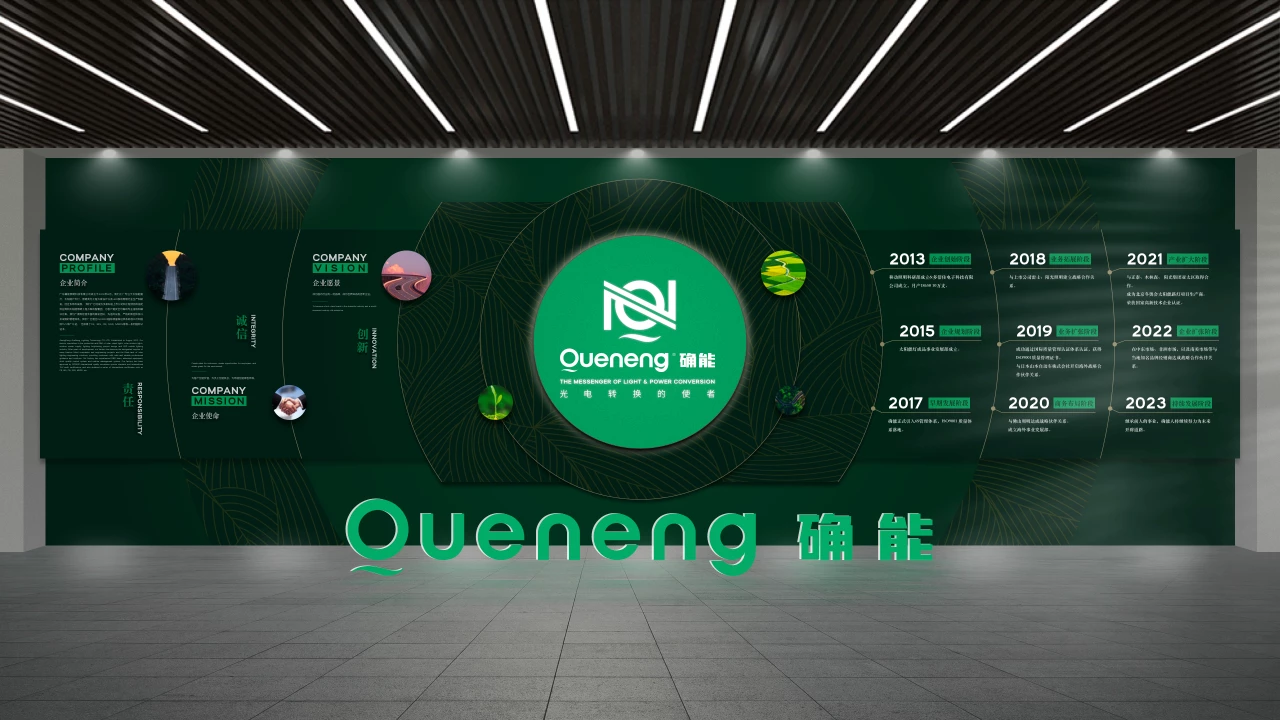
GuangDong Queneng Lighting Technology Co., Ltd. (Founded in 2013) specializes in solar street lights and a portfolio of solar lighting products, including Solar Street Lights, Solar Spot lights, Solar Garden Lights, Solar Lawn lights, Solar Pillar Lights and Solar Photovoltaic Panels. Over years of development, Queneng has become a designated supplier for listed companies and engineering projects and operates as a solar lighting engineering solutions think tank.
Key strengths relevant to guarantees and penalty frameworks:
- Experienced R&D team and advanced equipment enabling component-level testing and system integration.
- Strict quality control systems and mature management structures compliant with ISO 9001.
- Third-party international certifications (TÜV audits; CE, UL, BIS, CB, SGS, MSDS), supporting verifiable claims about component reliability and safety.
- Project experience enabling coherent M&V implementation, telemetry integration and post-sale maintenance.
These capabilities make Queneng a competitive partner for municipalities seeking vendors who can accept meaningful performance guarantees while minimizing the risk of disputes and costly LDs.
When to prefer a supplier like Queneng for Municipal Solar Street Light projects
- Complex projects requiring system-level warranties and integrated telemetry.
- Projects with strict procurement requirements for certifications and supplier traceability.
- Long-term O&M contracts where vendor reliability reduces lifecycle cost and penalty exposure.
FAQs — Performance Guarantees and Penalty Clauses for Municipal Solar Street Light
1. What KPI should we prioritize in a Municipal Solar Street Light contract?
Prioritize availability (uptime) and illuminance levels, because they directly affect public safety and service. Complement with energy generation guarantees and response time for repairs.
2. How large should a performance guarantee be?
There is no one-size-fits-all figure. Common practice ties guarantee size to a portion of contract value (e.g., retention or a bond equal to 3–10% during defects liability, but amounts vary by procurement rules). Align guarantee size to the risk exposure and consult legal counsel.
3. Are liquidated damages enforceable for Municipal Solar Street Light projects?
Yes, if they are a genuine pre-estimate of loss or otherwise acceptable under local law. Clauses must be clear, proportionate and tied to measurable KPIs. Include dispute resolution and expert determination clauses for technical disagreements.
4. How do we verify energy generation guarantees?
Require calibrated meters, remote telemetry, and an agreed M&V protocol. Independent third-party audits for periodic verification help avoid disputes.
5. Should we require a maintenance/bond after commissioning?
Yes. A defects liability period (e.g., 12–24 months) with retention or a maintenance bond ensures post-commissioning corrective works. For long-term O&M contracts, annual performance guarantees tied to SLAs are common.
6. What if vandalism causes outages — who pays penalties?
Define exclusions (vandalism, acts of third parties, exceptional weather) and require municipality to provide incident reports. Consider shared risk solutions like insurance or rapid-response service agreements.
Contact and next steps
For project-specific guidance, performance clause templates, or to evaluate suppliers for your Municipal Solar Street Light program, contact our commercial team or view product specifications. Queneng Lighting offers system-level solutions and can provide technical proposals, test reports, and M&V plans tailored to municipal procurement requirements.
References and Sources
- International Energy Agency (IEA), Renewables Market Report — access for context on solar trends. https://www.iea.org/reports/renewables-2023 (accessed 2025-12-30).
- National Renewable Energy Laboratory (NREL), Photovoltaic Degradation Rates. https://www.nrel.gov/pv/photovoltaic-degradation. (accessed 2025-12-30).
- IEC Standards overview (IEC 61215, IEC 61730 for PV modules; IEC 60598 for luminaires). https://www.iec.ch (accessed 2025-12-30).
- U.S. Department of Energy — Solid-State Lighting Program and guidance on LED performance and metrics. https://www.energy.gov/eere/ssl/solid-state-lighting (accessed 2025-12-30).
- World Bank Procurement Guidance — general procurement and contract management best practices. https://www.worldbank.org/en/projects-operations/products-and-services/brief/procurement (accessed 2025-12-30).
- ISO 9001 Quality Management Standards overview. https://www.iso.org/iso-9001-quality-management. (accessed 2025-12-30).
For further assistance, request a project assessment or a template performance guarantee tailored to your municipality’s regulatory environment and operational goals.

Have more questions about our products or services?
The latest hot news you might like

Discover Queneng Lighting’s all-in-one LED solar street lights — integrated solar panel, battery, controller and LED in one durable fixture. Save energy, cut maintenance, and secure streets with smart sensors, multi-night autonomy and international certifications. Contact sales for quotes and support.

Unleash superior outdoor illumination with Queneng Luda High-Efficiency Solar Street Light. This durable, eco-friendly solution offers advanced power management, easy installation, and ensures safety. Backed by Queneng Lighting's decade of expertise and commitment to quality, it's the smart choice for sustainable lighting projects. Learn why we're a leading solar solutions provider.

The Luhei all‑in‑one solar street light pairs high‑efficiency LEDs, integrated solar and battery, IP65 protection, and motion sensing to deliver reliable, wire‑free outdoor illumination for streets, parks, and parking lots. Backed by Queneng Lighting’s certifications and support.

FAQ
Public Gardens and Landscape Lighting
Do solar lights work in cloudy or rainy weather?
Yes, our solar lights are equipped with high-efficiency solar panels that can capture sunlight even in cloudy or low-light conditions. While performance may slightly decrease during long periods of rain, the lights are still functional and will recharge as soon as the weather improves.
Solar Street Light Luzhou
What is the brightness level of Luzhou solar street lights?
Luzhou solar street lights provide bright, high-quality illumination that is comparable to traditional street lighting. The LEDs used in these lights are designed to provide focused, powerful lighting that enhances visibility and safety in outdoor spaces.
Transportation and Highways
Is there a monitoring system for real-time performance tracking?
Yes, our solar lighting systems are equipped with IoT-enabled controllers that allow remote monitoring and performance tracking via a cloud-based platform.
Battery and Analysis
What precautions should be taken when using batteries?
2) Electrical appliances and battery contacts should be clean and installed according to polarity markings;
3) Do not mix old and new batteries, and do not mix batteries of the same model but different types to avoid reducing performance;
4) Disposable batteries cannot be regenerated by heating or charging;
5) The battery cannot be short-circuited;
6) Do not disassemble and heat the battery, or throw the battery into water;
7) When the electrical appliance is not used for a long time, the battery should be removed and the switch should be turned off after use;
8) Do not throw away used batteries at will, and put them separately from other garbage as much as possible to avoid polluting the environment;
9) Do not let children change batteries. Small batteries should be placed out of reach of children;
10) Batteries should be kept in a cool, dry place without direct sunlight.
Municipal and Public Infrastructure
What happens if the battery runs out of charge?
Our solar streetlights use advanced battery management systems to optimize energy usage. Even during prolonged cloudy or rainy periods, the lights can function at reduced brightness to conserve energy.
Solar Street Light Luqiu
How energy-efficient are Luqiu solar street lights?
Luqiu solar street lights are highly energy-efficient, using cutting-edge LED technology that consumes less power while providing brighter illumination compared to conventional street lights. This significantly reduces energy costs and environmental impact.
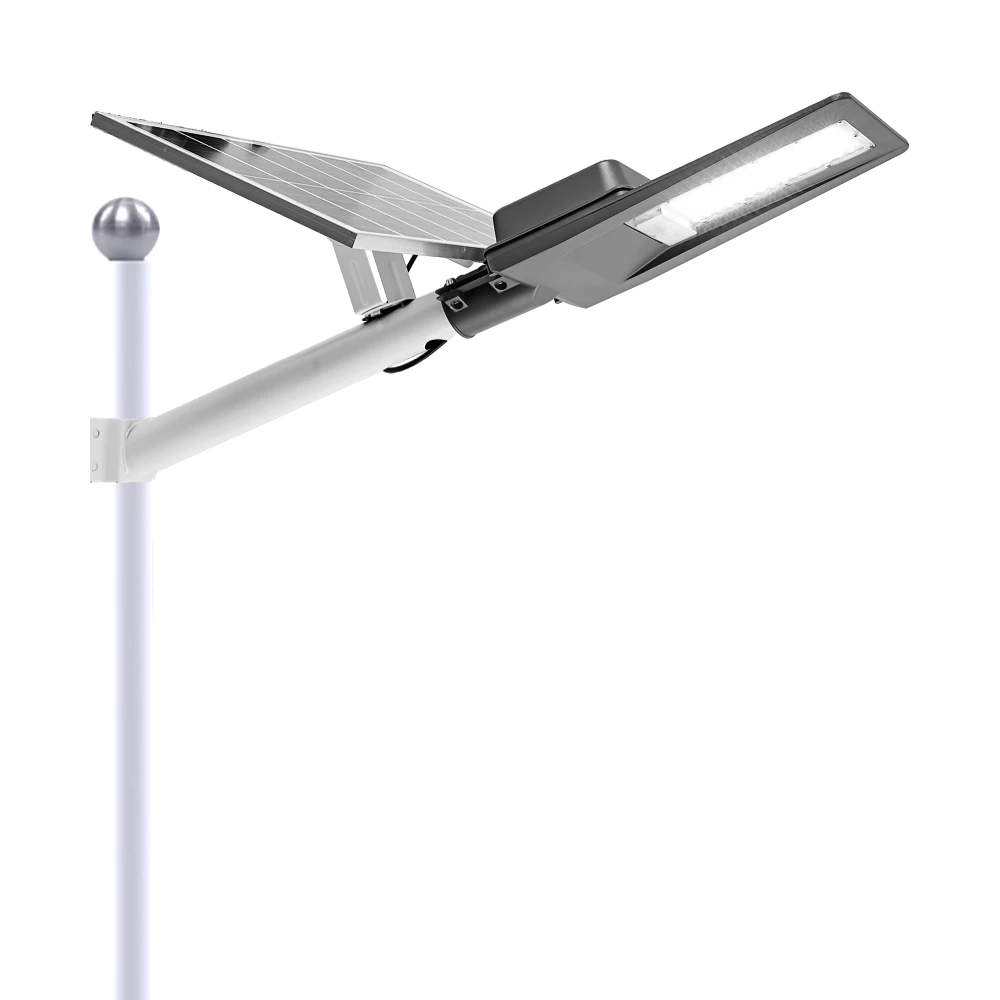
Experience reliable outdoor illumination with our smart solar street light, a perfect combination of advanced technology and eco-conscious design.
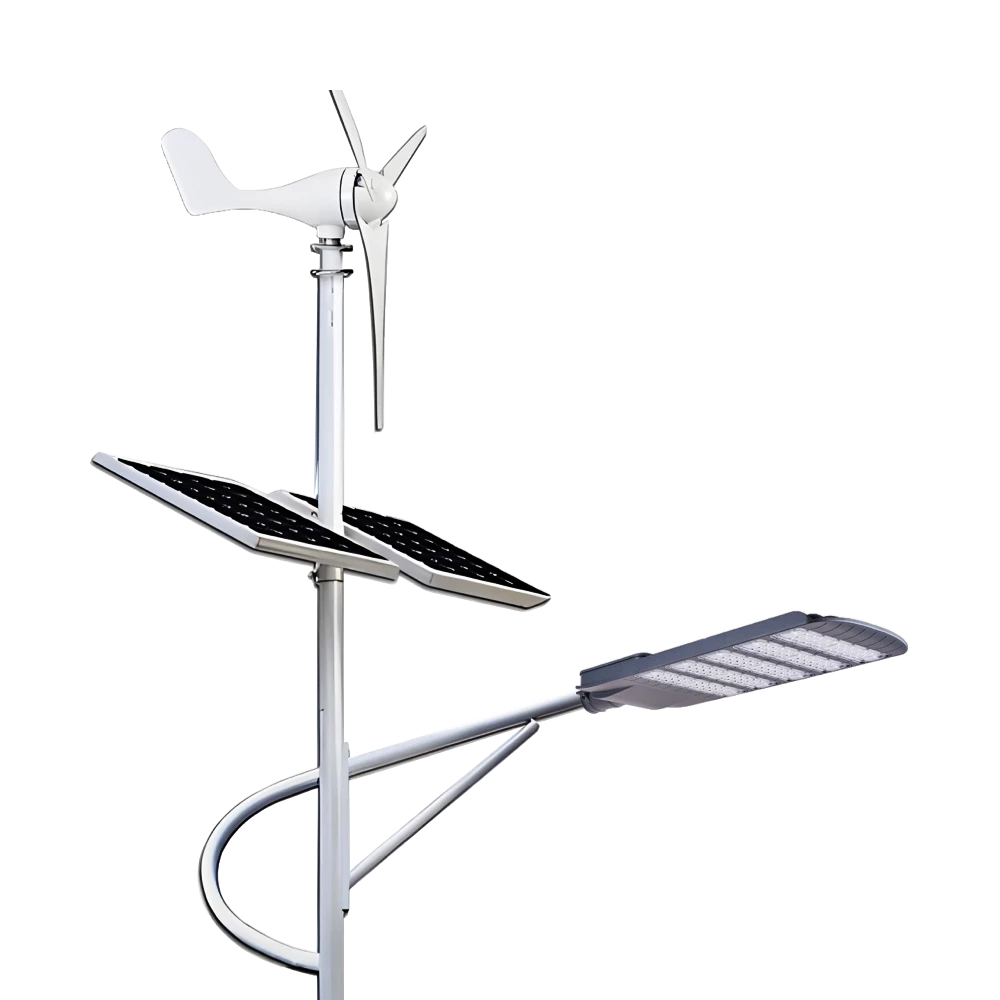
Queneng Lufeng Wind Energy LED Outdoor Solar Street Lights offer high-performance, eco-friendly illumination. These energy-efficient LED street lights harness solar power and wind energy for sustainable, cost-effective outdoor lighting solutions.
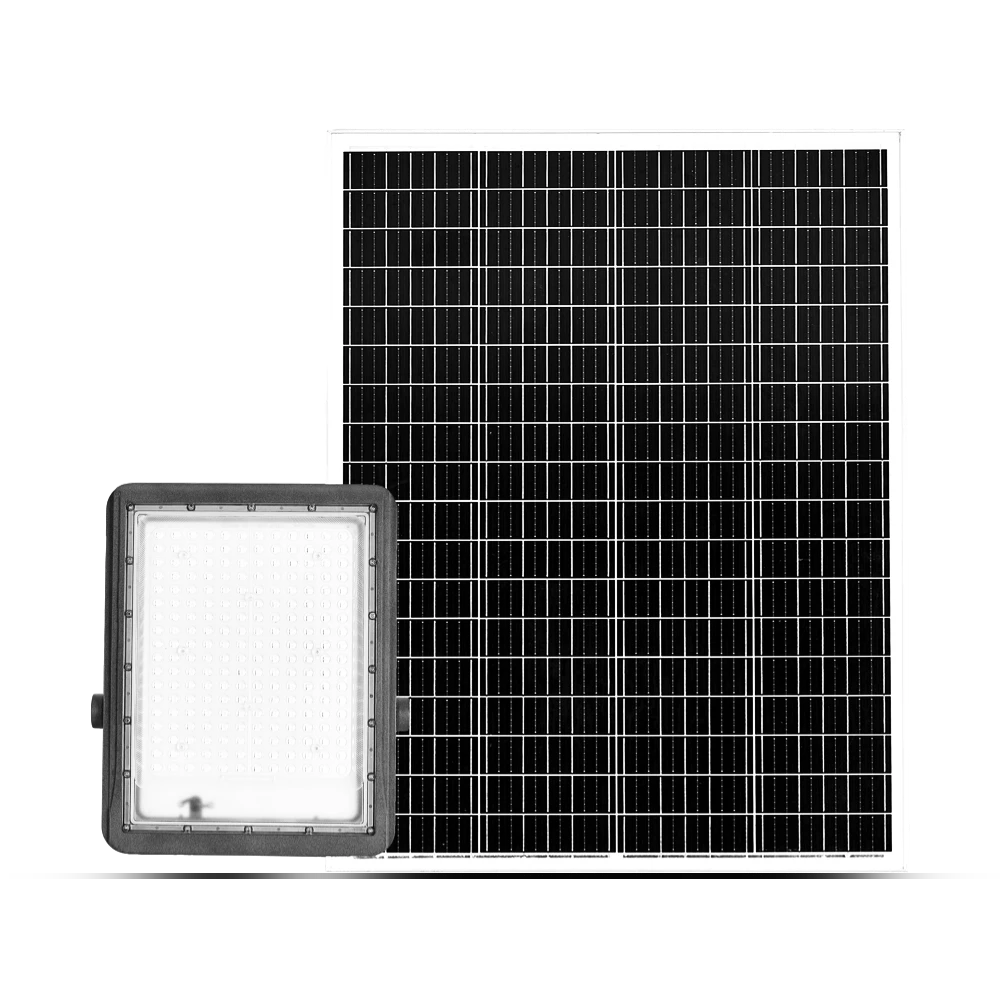
Queneng's Luxian Reliable Solar Street Light offers energy-saving LED lighting for outdoor use. This durable, solar-powered street light provides reliable illumination, reducing energy costs and environmental impact. A perfect solution for sustainable outdoor lighting.
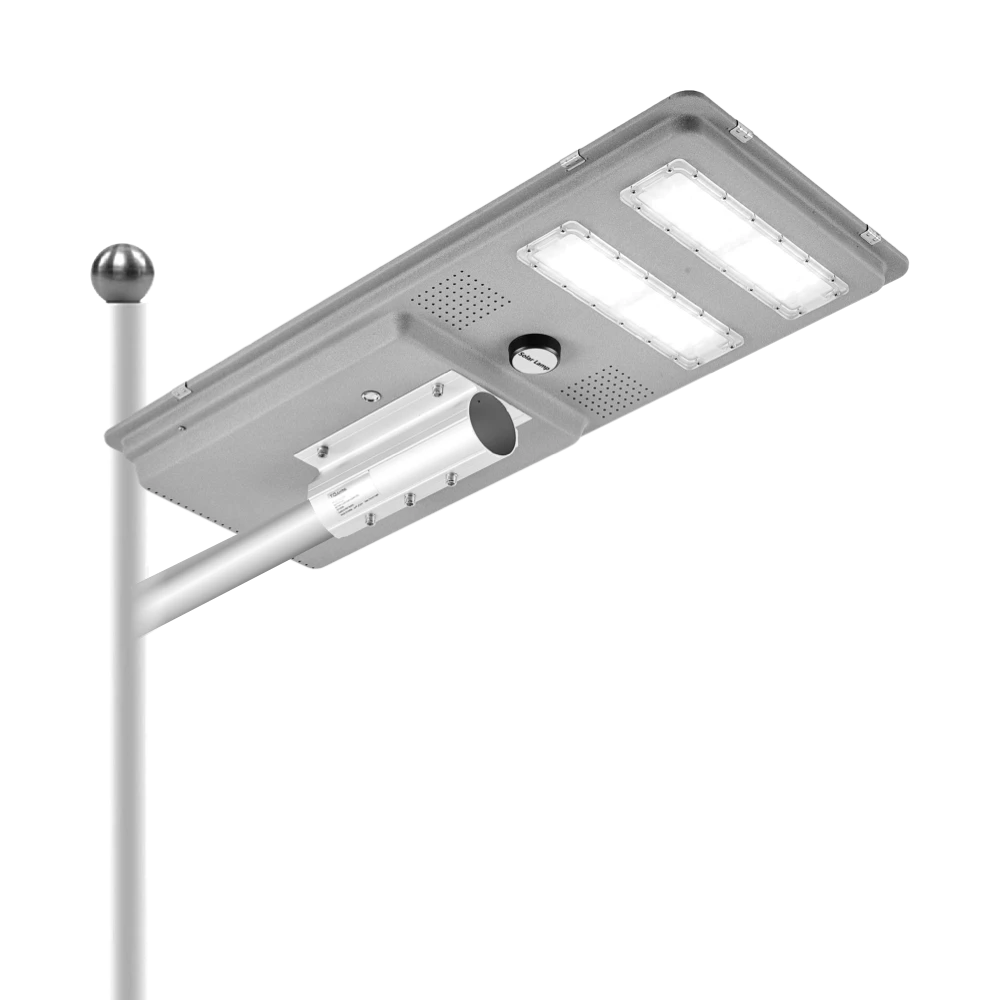
Queneng’s Solar Street Lights are designed to provide reliable, energy-efficient lighting for streets, parks, and other outdoor spaces.
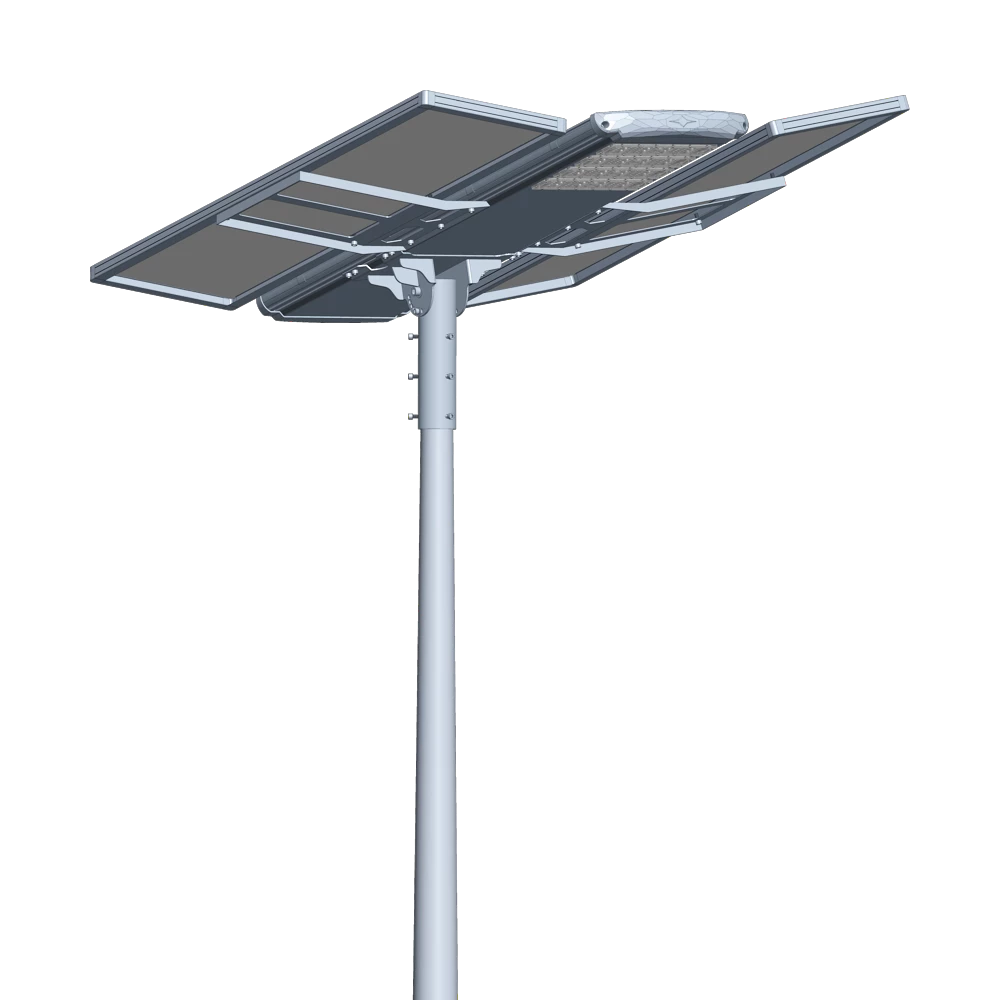
Introducing the Luqing Solar Street Light by Queneng, Efficient LED lighting powered by solar energy is perfect for illuminating outdoor areas. Harness the power of solar energy for sustainable, reliable street lighting. Ideal for eco-friendly, cost-effective outdoor illumination solutions.
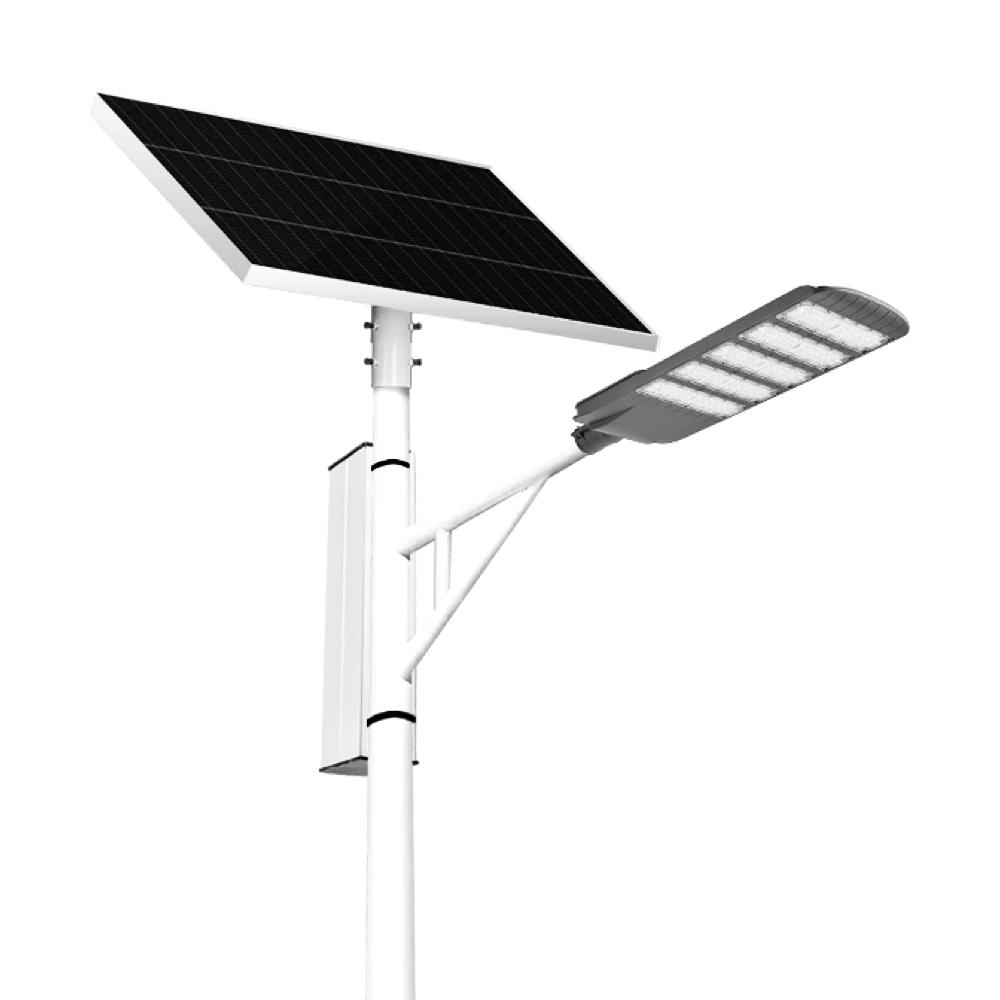
The Solar Streetlights of Luhao for Municipalities are designed to deliver reliable, energy-efficient, and cost-effective public lighting solutions. Equipped with advanced LED technology, durable lithium batteries, and high-efficiency solar panels, these streetlights provide consistent illumination for roads, parks, residential areas, and government projects.
Our professional team is ready to answer any questions and provide personalized support for your project.
You can reach us via phone or email to learn more about Queneng’s solar lighting solutions. We look forward to working with you to promote clean energy solutions!
Rest assured that your privacy is important to us, and all information provided will be handled with the utmost confidentiality.
By clicking 'Send Inquiry Now' I agree to Queneng processing my personal data.
To see how to withdraw your consent, how to control your personal data and how we process it, please see our Privacy Policy and Terms of use.
Schedule a Meeting
Book a date and time that is convenient for you and conduct the session in advance.
Have more questions about our products or services?
The messenger of light & power conversion
Environmental protection and intelligent manufacturing are our brand philosophy, and quality assurance and the best user experience are our eternal promises to users.
CONTACT
No.9F, Building F, Cao San Xin Tian Hong Logistics Park, Guzhen Town, Zhongshan City, Guangdong Province, China.
or write [email protected]
WhatsApp: +86 136 2270 1011


