🔥 We are at the 139th Canton Fair NOW! Visit us at Booth B16-17 (Zone C) for live demonstrations.


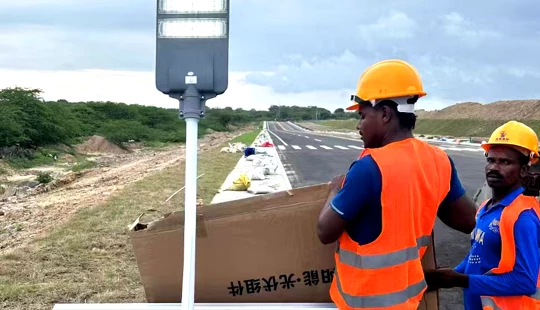
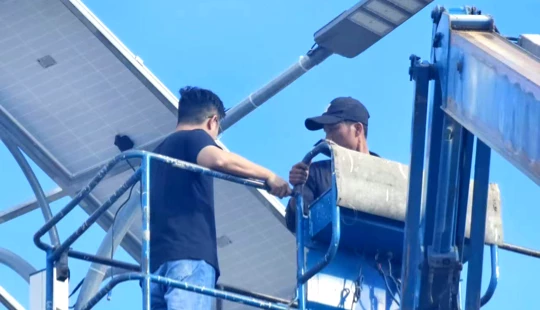













Photocell vs Smart Controls in Solar Street Lights
Photocell vs Smart Controls in Solar Street Lights: this comparison matters for cities and project owners who deploy Municipal Solar Street Light, Split Solar Street Light, or All-in-One Solar Street Lights. This summary outlines how basic photocells and advanced smart controls differ in energy optimization, operational reliability, maintenance overhead and integration with smart city platforms. The right choice depends on installation scale, budget, desired autonomy, and lifecycle cost targets.
Understanding light control technologies
What is a photocell and how it works
A photocell (also called a photoresistor or light-dependent resistor) is a simple ambient light sensor that switches lighting on or off based on a threshold of surrounding illumination. Photocells are widely used in street lighting because they are low-cost and straightforward to install. For technical background, see the Wikipedia entry on photocells: https://en.wikipedia.org/wiki/Photocell.
What are smart controls in lighting systems
Smart controls encompass microcontrollers, dimming drivers, motion sensors, wireless radios (LoRaWAN, NB-IoT, Zigbee) and cloud management platforms. They enable scheduled dimming, adaptive lighting based on occupancy, remote monitoring, fault detection and firmware updates. For a broad overview of the field, consult the smart lighting summary: https://en.wikipedia.org/wiki/Smart_lighting.
How these controls integrate with solar street lights
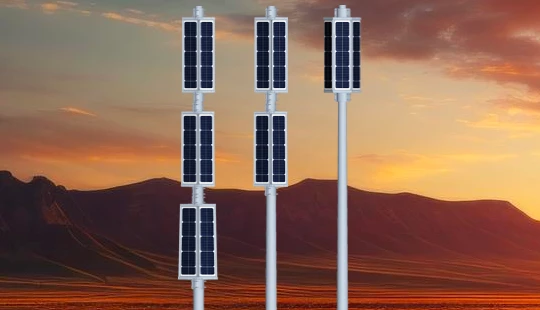
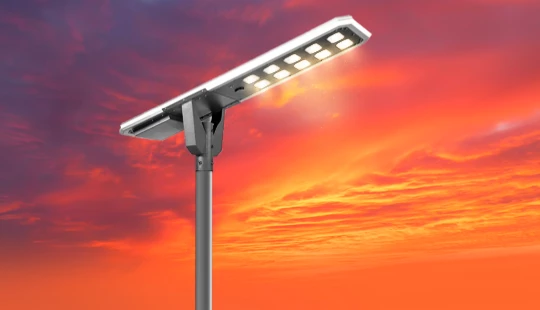
In a solar street light (whether an All-in-One Solar Street Lights unit with integrated panel and battery or a Split Solar Street Light where the panel, battery and luminaire are separate), controls manage when the LED driver consumes battery power. Photocells give binary day/night control. Smart controls allow multi-level dimming and event-driven behavior to stretch autonomy and reduce battery stress while maintaining safety and visibility.
Performance comparison: energy, reliability and cost
Energy efficiency and dimming strategies
Photocell-based systems typically provide full illumination from dusk to dawn (or until a simple timer cuts them off). Smart controls enable step-dimming schedules or adaptive profiles: higher output in peak usage hours and lower output late at night, or occupancy-triggered boosts. For solar-powered deployments, dimming profiles directly translate to extended autonomy and reduced battery cycling.
Reliability, maintenance and long-term uptime
Photocells are simple and have fewer failure modes, but they can be affected by contamination (dirt, paint), degradation or misalignment—especially on split systems where the sensor location may differ from the luminaire. Smart controls add electronics and software complexity; they may require firmware maintenance but offer remote diagnostics that reduce on-site troubleshooting. For municipal programs where uptime and rapid fault resolution matter, remote monitoring reduces mean-time-to-repair.
Cost, lifecycle and return on investment
Upfront, photocell-equipped fixtures are less expensive. Smart controls add capex but can reduce opex through energy savings and predictive maintenance. The ROI calculation must include battery sizing, expected autonomy days, local tariff or replacement costs, and the value of reduced light pollution or improved safety. In many municipal programs, smart controls pay back within a few years due to reduced battery replacements and energy savings when scaled across hundreds or thousands of luminaires.
| Feature | Photocell | Smart Controls | Best Fit (Municipal / Split / All-in-One) |
|---|---|---|---|
| Functionality | Binary on/off based on ambient light | Dimming schedules, motion-based, remote management | All; smart controls preferred for municipal scale |
| Initial cost | Low | Medium–High | Photocell for low-budget projects; smart for long-term value |
| Operational savings | Minimal | Significant (reduced battery wear, energy conservation) | Smart controls for energy-constrained Split Solar Street Light |
| Maintenance | Simple, but sensor fouling possible | Requires software updates, remote diagnostics reduce site visits | Smart controls reduce lifecycle maintenance for municipal fleets |
| Integration | Limited | High (smart-city, telemetry, analytics) | Smart controls for connected city projects |
Data and industry studies show that adaptive dimming and remote management can extend battery life and reduce energy draw, improving system economics. For large Municipal Solar Street Light projects, these improvements scale significantly, enhancing ROI and reducing total cost of ownership (TCO).
Application scenarios and practical recommendations
Municipal Solar Street Light deployments
When a city procures Municipal Solar Street Light solutions, priorities include safety, consistent lighting levels, remote fault detection, and predictable operating costs. Smart controls deliver value by enabling centralized scheduling, fault analytics and integration with geographic asset management. For many municipalities, the incremental cost of smart controls is justified by reduced maintenance contracts and improved citizen services.
Split Solar Street Light considerations
Split Solar Street Light layouts separate the photovoltaic panel and battery from the luminaire—this arrangement introduces practical issues for simple photocells: the sensor's location relative to the luminaire can misrepresent actual street illumination (for example, if the photovoltaic panel is shaded). Smart controls with remote light sensing, synchronized time-based schedules, or networked ambient sensors avoid false on/off events and can optimize battery discharge by considering panel generation data and historical weather patterns.
All-in-One Solar Street Lights recommendations
All-in-One Solar Street Lights combine panel, battery and luminaire in a single unit. Photocells work reliably when mounted and calibrated correctly. However, for installations requiring flexible dimming, city-wide coordination, or asset-level telemetry, choose a unit with integrated smart controls and wireless connectivity. These systems are especially useful in parks, residential areas and roads with variable traffic patterns where presence-based dimming improves energy efficiency and reduces glare.
Integration, standards and future trends
Standards, certification and procurement requirements
For public projects, adherence to international standards and certifications is essential. ISO 9001 quality management standards and third-party testing (CE, UL, BIS, CB, SGS) increase supplier credibility. Manufacturers often list these certifications—procurements should verify certificates and test reports. See ISO 9001 for general quality system requirements: https://en.wikipedia.org/wiki/ISO_9001.
Smart city integration and interoperability
Smart controls should support open protocols (e.g., LoRaWAN, NB-IoT) and APIs for asset management platforms. Interoperability avoids vendor lock-in and enables cross-domain analytics (traffic safety, environmental monitoring). When designing a Municipal Solar Street Light program, require API access, data export, and modular firmware update capability.
Trends: AI, adaptive algorithms and predictive maintenance
The future is driven by AI-powered analytics that predict battery degradation, forecast solar generation and automatically tune lighting profiles for energy/performance trade-offs. These systems can further reduce lifecycle costs for Split Solar Street Light arrays by balancing charge/discharge cycles across the network to extend battery life.
Practical selection checklist
When to choose photocell-only
- Small, low-budget projects with limited scale.
- Sites where simple dusk-to-dawn operation is acceptable and remote monitoring is unnecessary.
- Environments with easy access for regular maintenance and quick sensor cleaning.
When to invest in smart controls
- Municipal deployments requiring centralized monitoring, reduced maintenance cost and scalable analytics.
- Split Solar Street Light systems where panel/battery sit in different microclimates or face shading challenges.
- Projects aiming to minimize battery replacements, optimize energy and integrate with smart city platforms.
Specification tips for procurement
Specify required certifications, warranty on battery and electronics, supported communication protocols, firmware update policies, data ownership and minimum expected autonomy under local worst-case irradiance. Require supplier references for similar Municipal Solar Street Light, Split Solar Street Light or All-in-One Solar Street Lights projects.
Queneng Lighting: supplier profile and capabilities
Queneng Lighting Founded in 2013, Queneng Lighting focuses on solar street lights, solar spotlights, solar garden lights, solar lawn lights, solar pillar lights, solar photovoltaic panels, portable outdoor power supplies and batteries, lighting project design, and LED mobile lighting industry production and development. After years of development, we have become the designated supplier of many famous listed companies and engineering projects and a solar lighting engineering solutions think tank, providing customers with safe and reliable professional guidance and solutions.
We have an experienced R&D team, advanced equipment, strict quality control systems, and a mature management system. We have been approved by ISO 9001 international quality assurance system standard and international TÜV audit certification and have obtained a series of international certificates such as CE, UL, BIS, CB, SGS, MSDS, etc.
Queneng Lighting offers a product portfolio that includes Solar Street Lights, Solar Spot lights, Solar Lawn lights, Solar Pillar Lights, Solar Photovoltaic Panels, split solar street light and All-in-One Solar Street Lights. Their competitive strengths include:
- Proven project experience supplying Municipal Solar Street Light programs and large engineering projects.
- Integrated engineering services: site assessment, lighting design, system sizing and post-installation monitoring.
- Quality assurance and internationally recognized certifications.
- Flexible product lines covering both split and integrated All-in-One configurations for different site needs.
For municipalities or engineering firms evaluating Photocell vs Smart Controls, Queneng Lighting can provide data-backed proposals including simulations of autonomy under local irradiance profiles, expected battery lifecycle, recommended dimming profiles and connectivity options for smart city integration.
FAQ
1. Can photocell sensors be used reliably on split solar street lights?
Yes, but with caution. Photocells are reliable if mounted and shielded correctly. In split configurations where the sensor and luminaire are separated, shading or local light sources may cause incorrect switching. Consider remote ambient sensors or time-based schedules if the panel or sensor position is atypical.
2. How much energy can smart controls save compared to photocells?
Savings depend on the dimming strategy, traffic patterns and local night length. Smart controls enable scheduled and presence-based dimming that can significantly reduce nightly energy use and battery cycling—often yielding substantial lifecycle savings, especially in municipal-scale deployments. Exact figures should come from a project-specific simulation that includes local solar irradiance and load profiles.
3. Are smart controls worth the extra cost for small projects?
For very small, budget-limited projects, photocells may be adequate. If the site expects variable occupancy, wants remote monitoring, or aims to reduce battery replacements, smart controls can be cost-effective even at smaller scales when lifetime costs are considered.
4. What communication protocols should I require for smart solar street lights?
Prefer open and low-power protocols suited for outdoor assets: LoRa/LoRaWAN, NB-IoT, LTE-M. Also require API access for integration with city asset management systems. Ensure encryption and secure firmware update mechanisms are included.
5. How do weather and geographic location affect the choice between photocell and smart controls?
Locations with long winter nights, frequent cloud cover or variable shading benefit more from smart controls because adaptive profiles and telemetry can manage battery reserves and reduce drain. In stable sunny climates, a well-sized All-in-One Solar Street Lights unit with a photocell may perform satisfactorily.
6. How should procurement language differentiate photocell and smart control offerings?
Specify performance requirements rather than brand names: required autonomy (days of backup under worst-case irradiance), minimum battery cycles, communication standards, diagnostics capabilities, and warranty periods. Require test reports and pilot installations for large Municipal Solar Street Light contracts.
If you need a tailored system proposal or technical datasheets for Municipal Solar Street Light, Split Solar Street Light or All-in-One Solar Street Lights, contact our team for a site assessment and quotation. View Queneng Lighting's product catalog or request a consultation to evaluate Photocell vs Smart Controls for your project.
Contact / View products: Reach out to Queneng Lighting for design assistance, certifications, and product datasheets to support procurement and installation decisions.

Have more questions about our products or services?
The latest hot news you might like
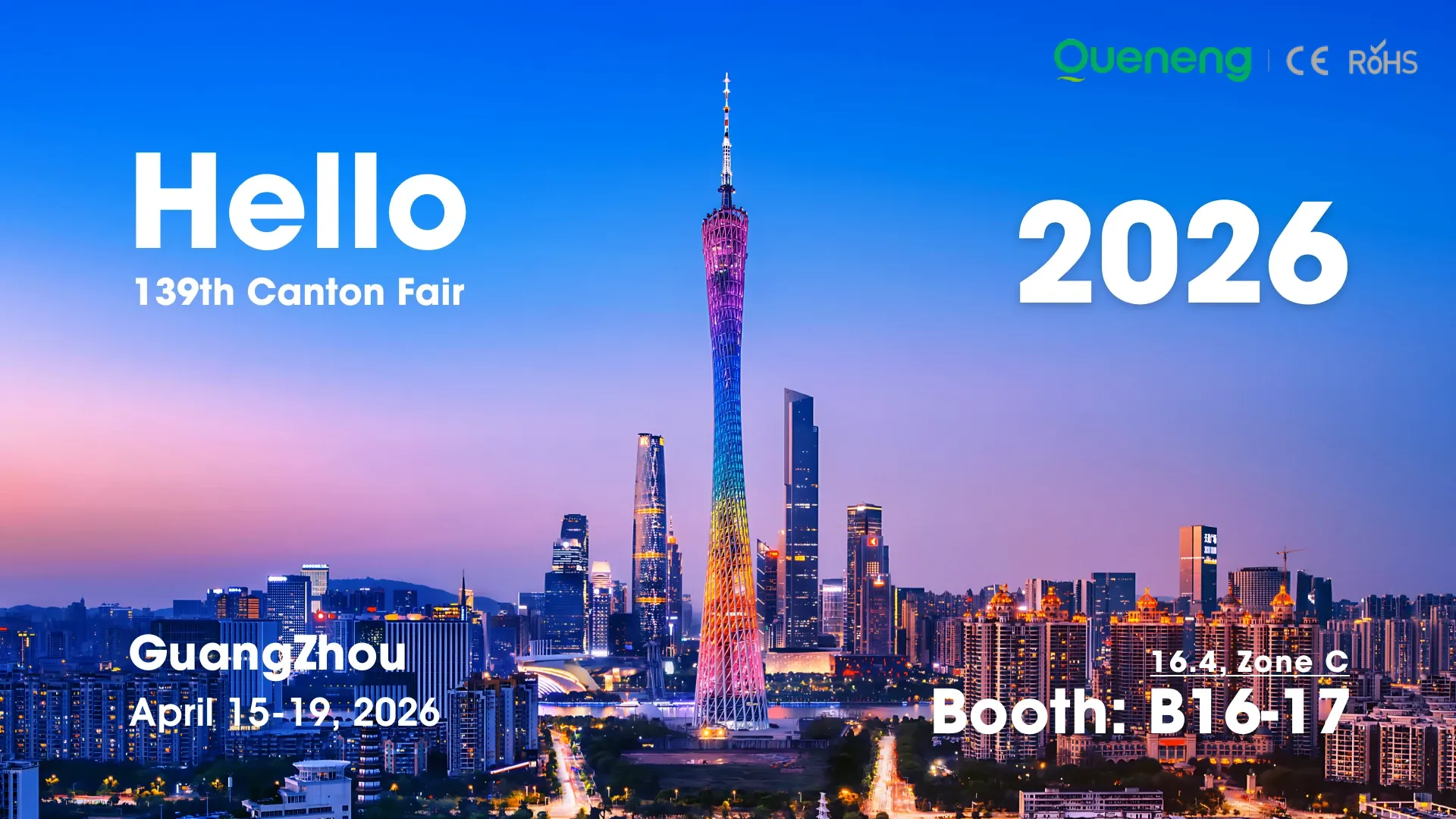
As the global demand for sustainable infrastructure rises, Queneng Lighting is proud to announce its participation in the 139th China Import and Export Fair (Canton Fair), held from April 15th to 19th, 2026, in Guangzhou.
For over 13 years, Queneng has been at the forefront of the solar lighting industry, providing high-efficiency solutions for infrastructure contractors, municipal developers, and EPC companies worldwide. This year, we are bringing our most advanced technology yet to the international stage.

Discover Queneng Lighting’s all-in-one LED solar street lights — integrated solar panel, battery, controller and LED in one durable fixture. Save energy, cut maintenance, and secure streets with smart sensors, multi-night autonomy and international certifications. Contact sales for quotes and support.

Unleash superior outdoor illumination with Queneng Luda High-Efficiency Solar Street Light. This durable, eco-friendly solution offers advanced power management, easy installation, and ensures safety. Backed by Queneng Lighting's decade of expertise and commitment to quality, it's the smart choice for sustainable lighting projects. Learn why we're a leading solar solutions provider.

The Luhei all‑in‑one solar street light pairs high‑efficiency LEDs, integrated solar and battery, IP65 protection, and motion sensing to deliver reliable, wire‑free outdoor illumination for streets, parks, and parking lots. Backed by Queneng Lighting’s certifications and support.
FAQ
Solar Street Light Luzhou
Can Luzhou solar street lights be used in remote locations?
Yes, Luzhou solar street lights are perfect for remote locations that do not have access to the electrical grid. Their solar-powered design allows them to operate independently, making them an ideal solution for rural roads, parks, and off-grid areas.
Commercial and Industrial Parks
Do solar lights work well in large parking areas?
Yes, our solar lights provide uniform illumination ideal for expansive parking areas, ensuring safety and visibility.
Sustainability
What is the lifespan of the solar street light battery?
Queneng solar street light batteries typically last 5–8 years, depending on usage frequency and environmental conditions. The batteries are replaceable, and regular maintenance can help extend their lifespan.
Solar Street Light Chuanqi
What makes Chuanqi solar street lights energy-efficient?
Chuanqi solar street lights are equipped with high-efficiency solar panels that maximize energy collection even in less-than-ideal weather conditions. They also use low-energy-consuming LED lights that provide bright illumination without excessive power consumption. Additionally, the lights feature automatic on/off functionality, ensuring they only use energy when needed.
Split Solar Street Light
How do I choose the right configuration?
We provide free lighting & energy simulations based on your project location.
Tourist Attractions and Resorts
Do solar lights require much maintenance?
Solar lights require minimal maintenance. Routine checks and occasional cleaning of the solar panels are enough to keep the system functioning efficiently. There are no wires or bulbs that need to be replaced frequently.
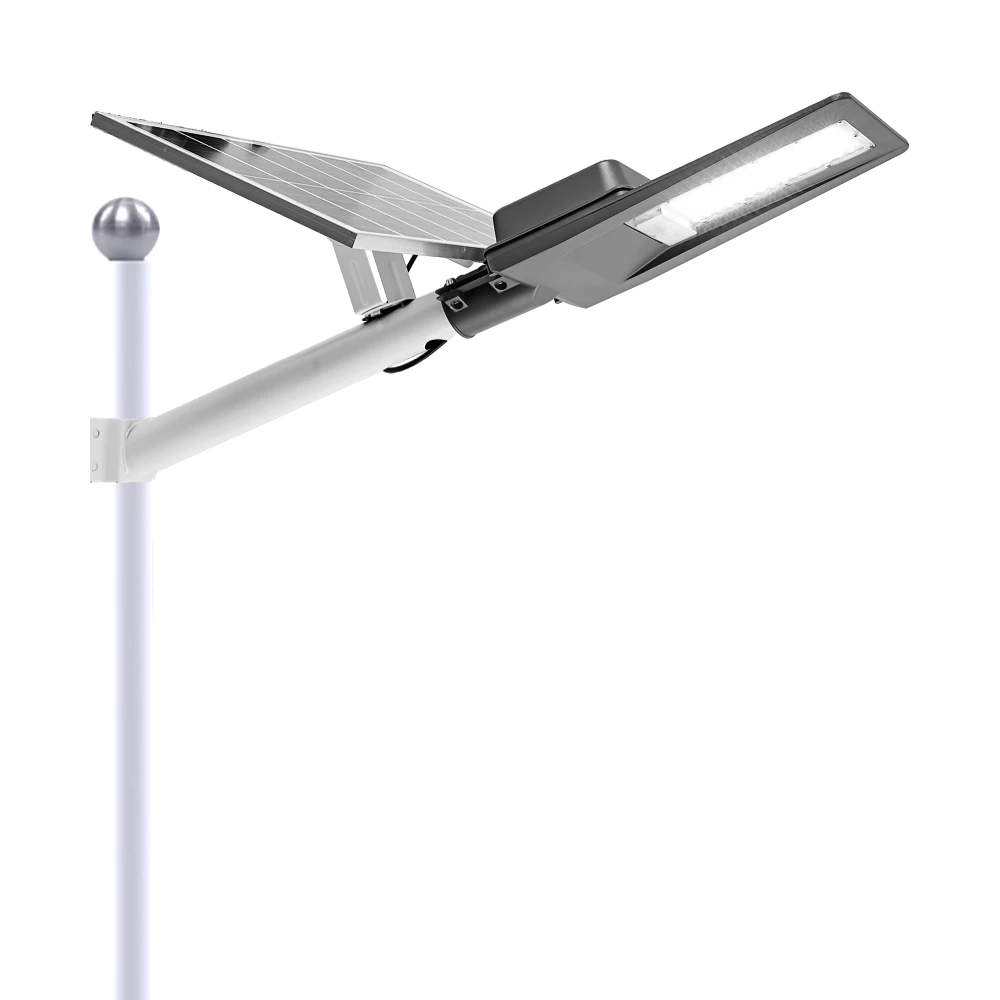
Experience reliable outdoor illumination with our smart solar street light, a perfect combination of advanced technology and eco-conscious design.
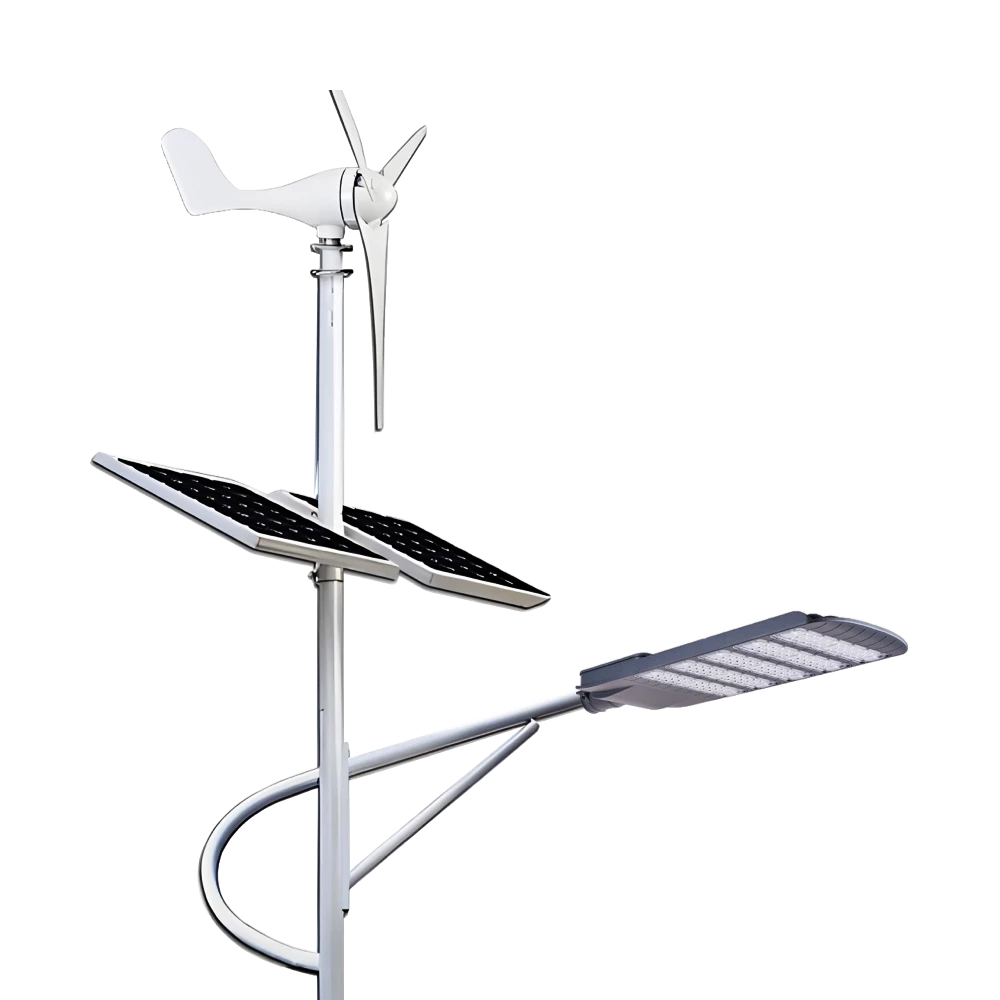
Queneng Lufeng Wind Energy LED Outdoor Solar Street Lights offer high-performance, eco-friendly illumination. These energy-efficient LED street lights harness solar power and wind energy for sustainable, cost-effective outdoor lighting solutions.
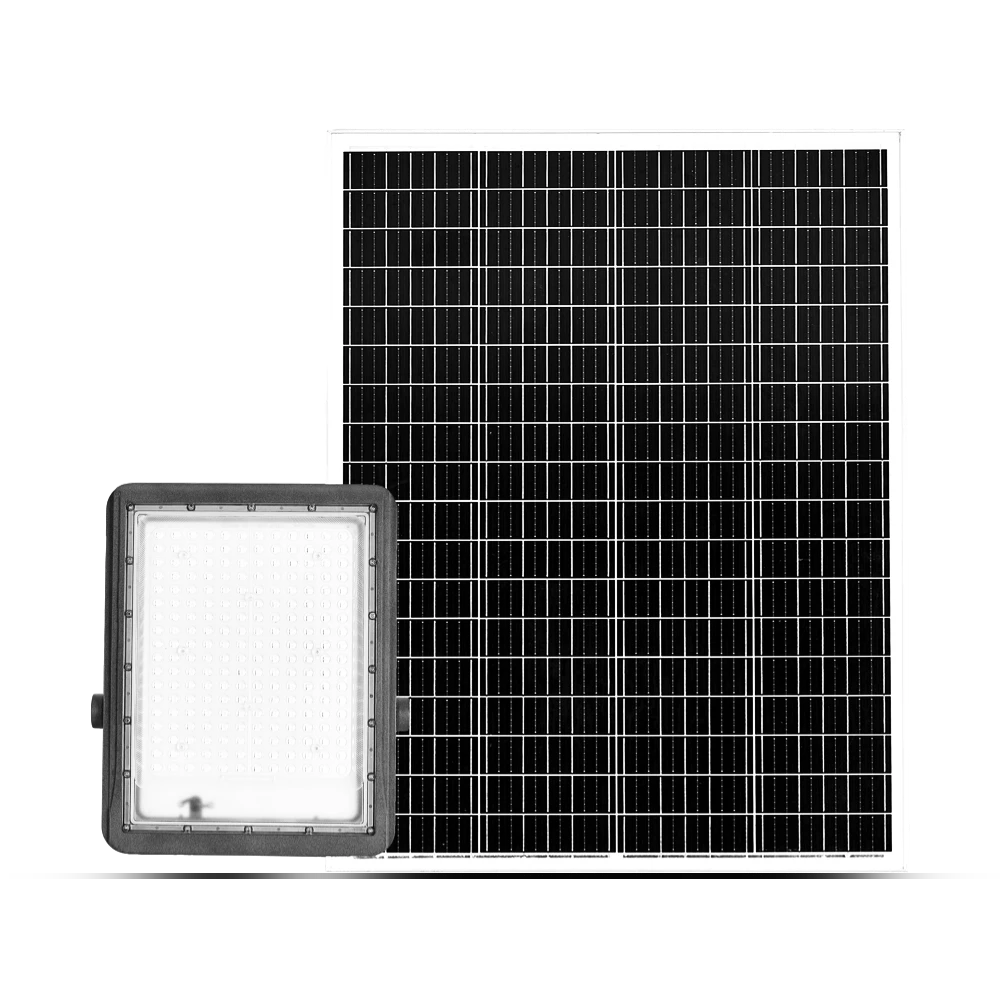
Queneng's Luxian Reliable Solar Street Light offers energy-saving LED lighting for outdoor use. This durable, solar-powered street light provides reliable illumination, reducing energy costs and environmental impact. A perfect solution for sustainable outdoor lighting.
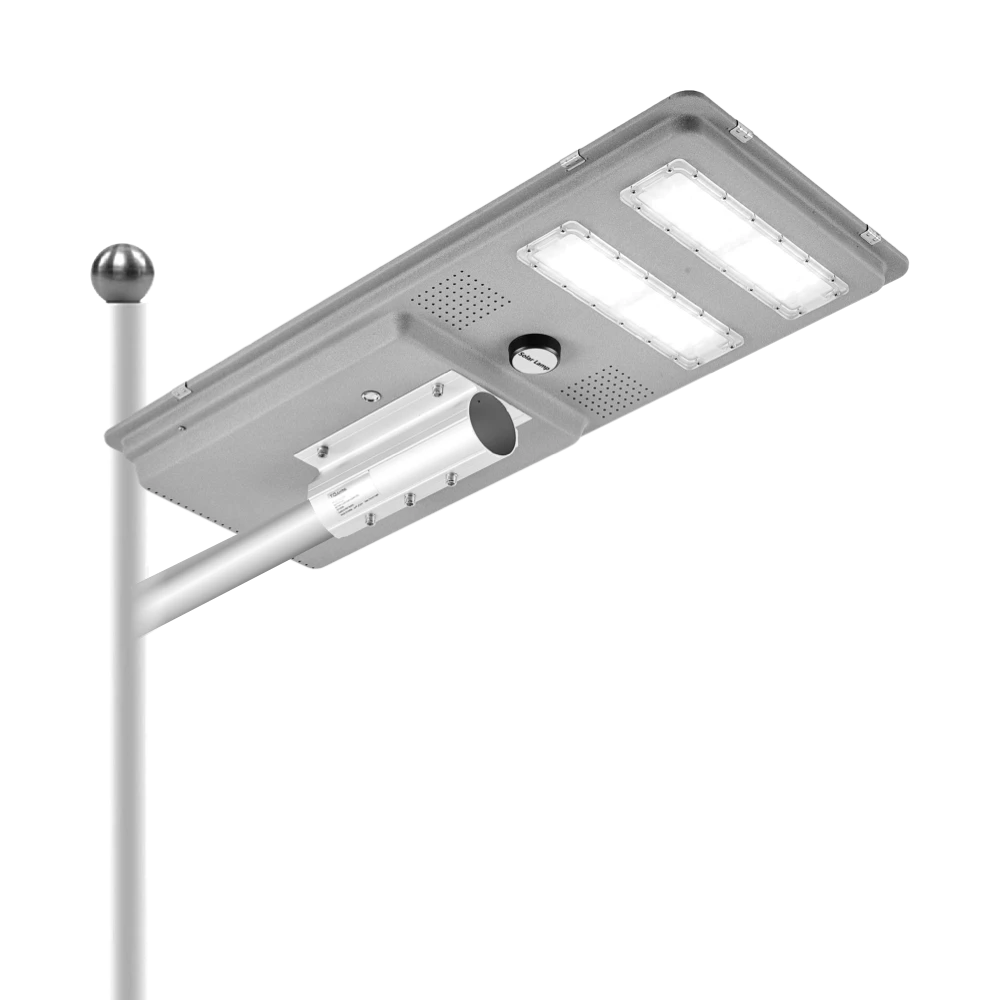
Queneng’s Solar Street Lights are designed to provide reliable, energy-efficient lighting for streets, parks, and other outdoor spaces.
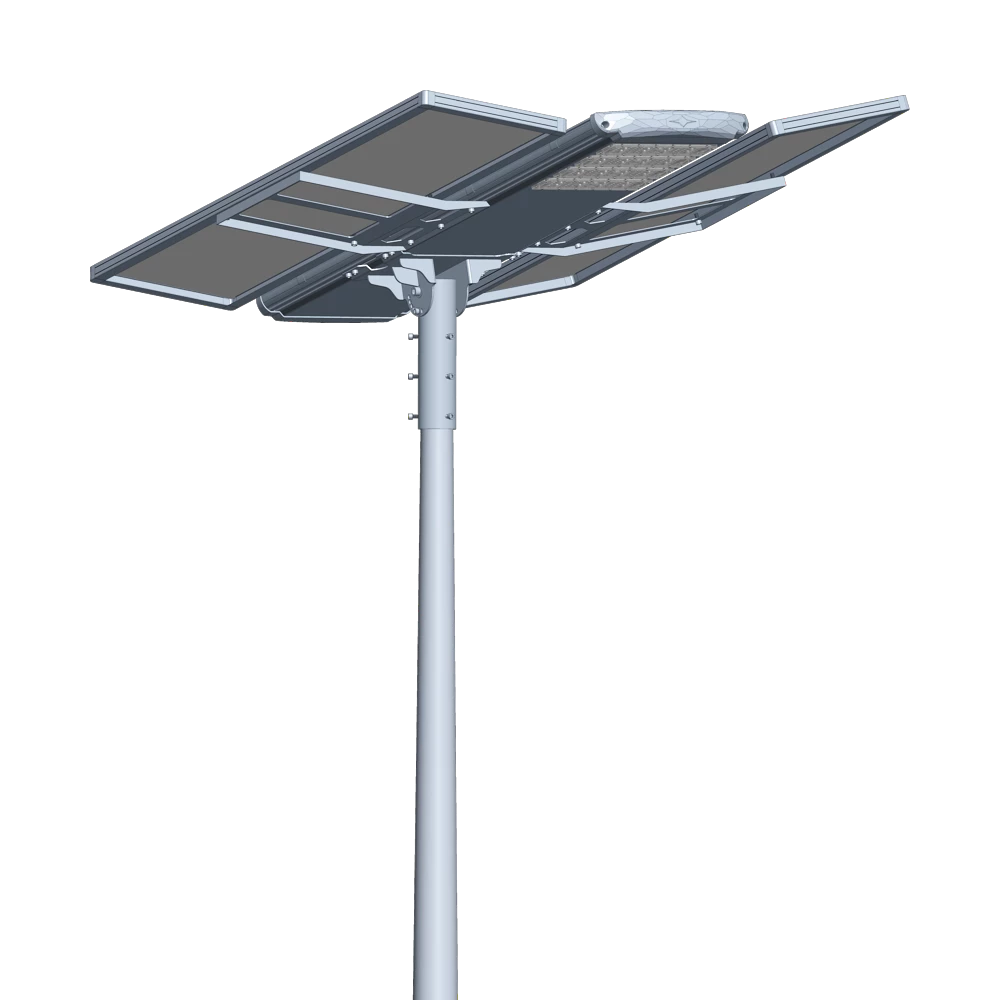
Introducing the Luqing Solar Street Light by Queneng, Efficient LED lighting powered by solar energy is perfect for illuminating outdoor areas. Harness the power of solar energy for sustainable, reliable street lighting. Ideal for eco-friendly, cost-effective outdoor illumination solutions.
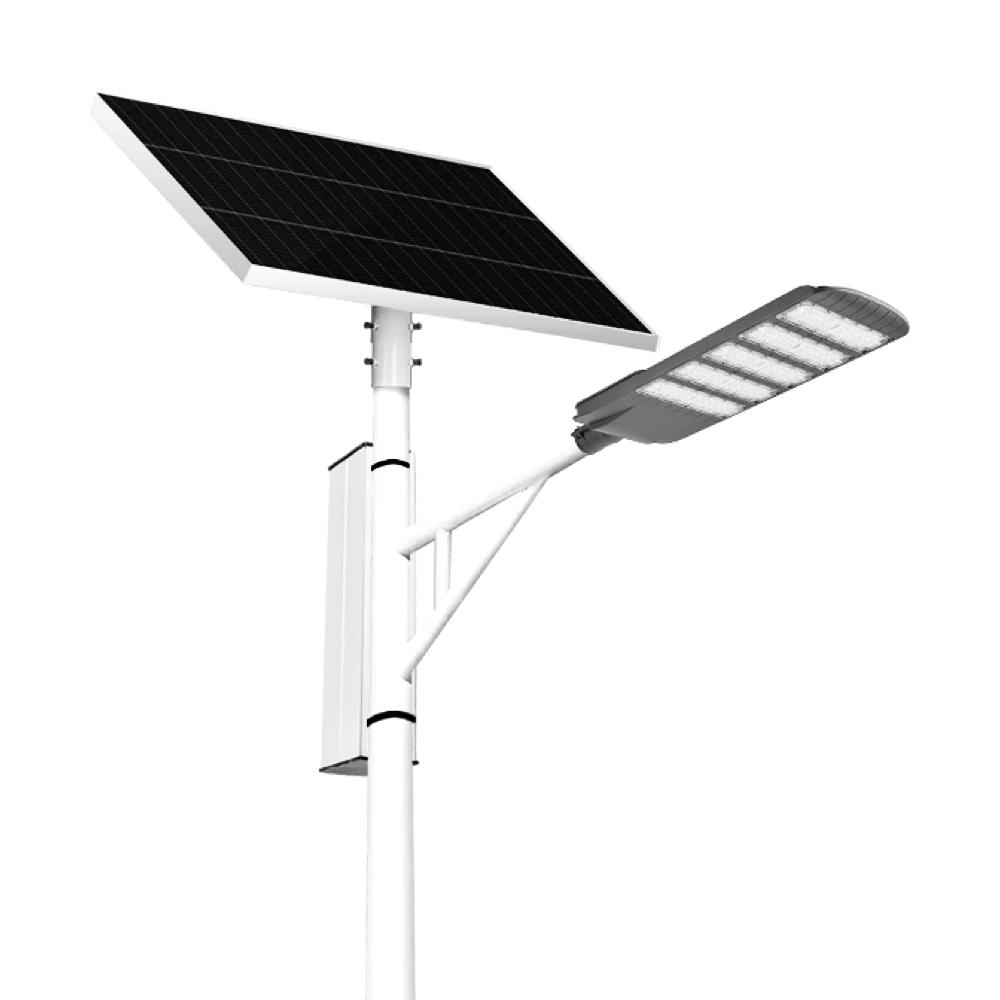
The Solar Streetlights of Luhao for Municipalities are designed to deliver reliable, energy-efficient, and cost-effective public lighting solutions. Equipped with advanced LED technology, durable lithium batteries, and high-efficiency solar panels, these streetlights provide consistent illumination for roads, parks, residential areas, and government projects.
Our professional team is ready to answer any questions and provide personalized support for your project.
You can reach us via phone or email to learn more about Queneng’s solar lighting solutions. We look forward to working with you to promote clean energy solutions!
Rest assured that your privacy is important to us, and all information provided will be handled with the utmost confidentiality.
By clicking 'Send Inquiry Now' I agree to Queneng processing my personal data.
To see how to withdraw your consent, how to control your personal data and how we process it, please see our Privacy Policy and Terms of use.
Schedule a Meeting
Book a date and time that is convenient for you and conduct the session in advance.
Have more questions about our products or services?
The messenger of light & power conversion
Environmental protection and intelligent manufacturing are our brand philosophy, and quality assurance and the best user experience are our eternal promises to users.
CONTACT
No.9F, Building F, Cao San Xin Tian Hong Logistics Park, Guzhen Town, Zhongshan City, Guangdong Province, China.
or write [email protected]
WhatsApp: +86 136 2270 1011


