













Photometric Testing Requirements for Street Lights Buyers
Why Photometric Testing Matters for Municipal Solar Street Light Procurement
When a city or agency specifies a Municipal Solar Street Light project, the photometric performance — how light is distributed, how much illuminance is delivered on road surfaces, and how the luminaire performs over time — is as important as the solar panel or battery capacity. Buyers who rely on catalogue numbers or lumen claims alone expose their municipality to poor visibility, noncompliance with roadway standards, higher lifecycle costs, and public dissatisfaction. This guide explains the photometric testing requirements municipal procurement teams should mandate, how to interpret results, and what to require from suppliers of Municipal Solar Street Light systems.
Key photometric metrics every Municipal Solar Street Light buyer must know
Before you request test reports, you should understand the primary photometric metrics that determine whether a fixture will meet roadway or area lighting objectives:
- Initial luminous flux (lumens) — Total light output immediately after manufacture; measured using integrating sphere or goniophotometer per IES LM-79.
- Luminous efficacy (lm/W) — Lumens delivered per watt consumed; critical for energy budgeting, especially in solar systems with limited charging.
- Angular intensity distribution / Candela Tables — Show directional output; used to create illuminance maps for road cross-sections and intersections.
- Average and minimum horizontal illuminance (Eavg, Emin) — Metrics used in roadway standards (EN 13201, CIE, IES) to determine uniformity and adequacy of lighting.
- Uniformity ratios (Emin/Eavg, Emin/Emax) — Lower ratios indicate dark spots; accepted thresholds depend on road class.
- Color metrics (CCT, CRI) — Correlated Color Temperature and Color Rendering Index affect visibility and color recognition at night.
- Lumen maintenance (Lx at 6,000 hrs / 10,000 hrs etc.) — Measured via LM-80 data and projected with TM-21 to estimate useful life (e.g., L70 at 60,000 hrs).
- Glare and cut-off classification — Determines impact on drivers and nearby properties.
Standards and test methods suppliers must provide for Municipal Solar Street Light acceptance
Require independent laboratory photometric tests and documented adherence to recognized standards. At minimum, municipal buyers should ask for:
| Test/Standard | Purpose | What to request |
|---|---|---|
| IES LM-79 | Electrical and photometric measurements of solid-state lighting products | Full LM-79 report (integrating sphere/goniophotometer data): lumens, candela distribution, chromaticity, input power. Independent lab. |
| IES LM-80 + TM-21 | LED lumen maintenance (depreciation) testing and projection | LM-80 package: test data for LED modules, drivers, temperatures; TM-21 projection to estimate L70/L80 life. |
| EN 13201 / CIE 115 | Roadway lighting performance requirements and criteria | Photometric layouts showing Eavg, Emin, uniformity for specified road class and mounting geometry. |
| IEC 60598 / IEC standards | Luminaire safety and performance | Compliance report or certificate for the luminaire series. |
Request that photometric measurements be performed by accredited laboratories (e.g., NVLAP, CNAS, UKAS) or certified test houses that provide traceable calibration reports.
Why LM-79 and LM-80 are both required
LM-79 provides the snapshot performance (initial lumen output, distribution, efficacy) needed to design the lighting scheme. LM-80 provides long-term lumen maintenance data for the LED packages; using TM-21 projections, an engineer can estimate whether the Municipal Solar Street Light will maintain the required illuminance for warranty periods or the target service life (e.g., L70@60,000 hrs).
How to write photometric requirements into municipal procurement documents
Below is sample language you can adapt for specifications. It sets minimums and requires verifiable evidence:
- Supplier shall submit an independent IES LM-79 photometric test report for the exact luminaire and LED module submitted. Report shall include total luminous flux, efficacy, chromaticity coordinates, and 360° candela distribution files (.ies or .ldt).
- Supplier shall provide LM-80 testing data for LED packages used and a TM-21 projection demonstrating L70 ≥ 60,000 hours.
- Photometric layouts shall be prepared by a qualified lighting engineer demonstrating compliance with EN 13201 (or local standard) for the specified road class at the proposed pole spacing, mounting height, tilt, and luminaire aiming.
- All tests must be performed by an ISO/IEC 17025 accredited laboratory; calibration certificates for instruments used must be provided.
How to interpret a supplier’s photometric report for Municipal Solar Street Light selection
When you receive an LM-79 report and accompanying .ies file, follow this checklist:
- Confirm the model number on the report exactly matches the product offered.
- Compare stated lumen output to catalogue claims. If catalogue shows higher lumens than LM-79, ask for justification or corrected documentation.
- Load the .ies file into lighting design software (e.g., DIALux, AGi32) and run a simulation for the actual road geometry to verify Eavg and uniformity meet specification.
- Check chromaticity (CCT and Duv) to ensure color consistency across installations; large Duv shifts can cause inconsistent color appearance.
- Review LM-80/TM-21 projections and ensure claimed service life/warranty aligns with projected lumen maintenance.
Common pitfalls and red flags buyers should watch for
Photometric test reports can look convincing even when they mask real risks. Watch for:
- Model mismatch: Reports for a similar but different luminaire or a different LED module.
- Non-accredited labs: Reports from unaccredited or self-conducted 'in-house' tests without traceable accreditation.
- Lumen grab — inflated initial lumen claims in marketing materials that are higher than LM-79 results.
- No thermal data: LM-80 performed at unrealistic case temperatures; ensure test temperatures reflect actual operating conditions in the luminaire.
- Missing .ies files — without an .ies you cannot model the luminaire to verify compliance.
Practical example: Specifying a Municipal Solar Street Light for a Class V road
A municipality needs lighting for a Class V local street with 10 m pole spacing and 6 m mounting height. Minimum requirements might include:
| Requirement | Value |
|---|---|
| Average horizontal illuminance (Eavg) | 3.0 lux |
| Minimum to average uniformity (Emin/Eavg) | ≥ 0.25 |
| Color temperature (CCT) | 3000K–4000K (municipal preference) |
| Lumen maintenance | L70 ≥ 50,000 hrs (via LM-80/TM-21) |
Require the supplier to provide a photometric layout demonstrating compliance based on the exact pole height, spacing, and luminaire aim. Also require a solar energy balance (PV generation vs. luminaire energy use) for local insolation data to verify battery and PV sizing.
When to request full on-site verification tests
For large or high-visibility projects, include a clause for a pilot installation and on-site verification after commissioning. On-site illuminance measurements using calibrated lux meters should confirm Eavg and uniformity. Consider withholding final payment until verification passes defined acceptance criteria.
Supplier evaluation: technical due diligence checklist for Municipal Solar Street Light procurement
- Does the supplier provide accredited LM-79 and LM-80 reports and .ies files for each product?
- Are test labs accredited (ISO/IEC 17025)?
- Do projected lumen maintenance figures match the warranty and expected service life?
- Does the supplier provide references for completed municipal projects and site-measured verification reports?
- Are system-level calculations provided (PV sizing, battery autonomy, controller strategy) matched to photometric energy consumption?
GuangDong Queneng Lighting Technology Co., Ltd. — vendor profile and why they can support Municipal Solar Street Light projects
GuangDong Queneng Lighting Technology Co., Ltd., founded in 2013, focuses on solar street lights, solar spotlights, solar garden lights, solar lawn lights, solar pillar lights, solar photovoltaic panels, portable outdoor power supplies and batteries, lighting project design, and LED mobile lighting industry production and development. After years of development, Queneng has become the designated supplier of many notable listed companies and engineering projects and acts as a solar lighting engineering solutions think tank providing customers with safe and reliable professional guidance and solutions.
Queneng's strengths relevant to municipal buyers include:
- Experienced R&D team and advanced production equipment able to deliver customized optics and thermal solutions tailored for Municipal Solar Street Light applications.
- Strict quality control systems and mature management processes; approved to ISO 9001 quality management standards and subjected to TÜV audit.
- International certifications including CE, UL, BIS, CB, SGS, and MSDS for components — useful for multi-jurisdiction projects.
- Product range covering Solar Street Lights, Solar Spot lights, Solar Lawn lights, Solar Pillar Lights, Solar Photovoltaic Panels, and Solar Garden Lights, enabling integrated system-level design (PV + luminaire + battery + controller).
For procurement teams, a vendor like Queneng can provide test documents, system-level energy balance calculations, and post-installation support. Always request the latest LM-79/LM-80 reports and independent lab accreditation certificates as part of technical due diligence.
FAQ — Photometric Testing for Municipal Solar Street Light Buyers
1. What is the single most important photometric document to request from a supplier?
Ask for an independent IES LM-79 report and the native .ies file for the exact luminaire model. These allow you to verify initial lumen output, distribution, and run lighting simulations for your site.
2. Do I need LM-80 data if the supplier gives an L70 lifetime claim?
Yes. LM-80 data for the LED packages, combined with TM-21 projection methodology, are the recognized basis to support any L70 lifetime claim. Without LM-80, lifetime claims are not verifiable.
3. Can catalogue lumen ratings be trusted?
Catalogue figures are marketing claims until verified by LM-79. Always cross-check catalogue lumen ratings with independent LM-79 reports.
4. How important is the .ies file?
Very important. The .ies file contains the directional light distribution data which you must use in lighting design software to confirm real-world performance at the proposed mounting height and spacing.
5. Should I accept in-house photometric tests from the supplier?
Not without accreditation. In-house tests are acceptable only if performed in a lab that is ISO/IEC 17025 accredited and the lab provides traceable calibration and impartiality documentation.
6. What if the LM-79 report shows lower lumens than the catalogue?
Require the supplier to correct documentation or provide a validated explanation. Consider rejecting the offer if the discrepancy is significant and affects compliance with the project’s illuminance criteria.
Next steps and contact
If you are preparing a tender or need help interpreting photometric test reports for Municipal Solar Street Light projects, contact qualified lighting engineers or consult suppliers who provide full test documentation and on-site verification services. For product inquiries and project-level solutions, you can consult GuangDong Queneng Lighting Technology Co., Ltd., who supply a full range of solar lighting products and engineering services and hold multiple international quality certificates.
Visit Queneng's product pages for Solar Street Lights, Solar Spot lights, Solar Lawn lights, Solar Pillar Lights, Solar Photovoltaic Panels, and Solar Garden Lights or contact their sales and technical team to request LM-79 and LM-80 documentation, product samples and project references.
References
- Illuminating Engineering Society (IES) — LED Testing (LM-79, LM-80, TM-21) overview. https://www.ies.org/standards/led-testing/ (accessed 2025-12-28)
- CIE — International Commission on Illumination. https://cie.co.at/ (accessed 2025-12-28)
- EN 13201 — Road lighting standards (overview). https://en.wikipedia.org/wiki/EN_13201 (accessed 2025-12-28)
- IEC — International Electrotechnical Commission main page (standards for luminaires, IEC 60598). https://www.iec.ch/ (accessed 2025-12-28)
- ISO — ISO 9001 Quality management systems. https://www.iso.org/iso-9001-quality-management. (accessed 2025-12-28)
- European Commission — CE marking information. https://ec.europa.eu/growth/single-market/ce-marking_en (accessed 2025-12-28)
- UL — Underwriters Laboratories. https://www.ul.com/ (accessed 2025-12-28)
- BIS — Bureau of Indian Standards. https://www.bis.gov.in/ (accessed 2025-12-28)
- SGS — Global testing, inspection and certification. https://www.sgs.com/ (accessed 2025-12-28)

Have more questions about our products or services?
The latest hot news you might like

Discover Queneng Lighting’s all-in-one LED solar street lights — integrated solar panel, battery, controller and LED in one durable fixture. Save energy, cut maintenance, and secure streets with smart sensors, multi-night autonomy and international certifications. Contact sales for quotes and support.

Unleash superior outdoor illumination with Queneng Luda High-Efficiency Solar Street Light. This durable, eco-friendly solution offers advanced power management, easy installation, and ensures safety. Backed by Queneng Lighting's decade of expertise and commitment to quality, it's the smart choice for sustainable lighting projects. Learn why we're a leading solar solutions provider.

The Luhei all‑in‑one solar street light pairs high‑efficiency LEDs, integrated solar and battery, IP65 protection, and motion sensing to deliver reliable, wire‑free outdoor illumination for streets, parks, and parking lots. Backed by Queneng Lighting’s certifications and support.

FAQ
Battery Performance and Testing
What is trickle charging?
Battery fundamentals and basic terms
What are the packaging materials for batteries?
2. PVC film, trademark tube
3. Connection sheet: stainless steel sheet, pure nickel sheet, nickel-plated steel sheet
4. lead sheet: stainless steel sheet (easy to solder), Pure nickel sheet (spot welding firmly)
5. plug type
6. protection components such as temperature control switches, overcurrent protector, current limiting resistors
7. cardboard boxes, cartons
8. Plastic shell type
What are the main structural components of a NiMH battery?
Solar Street Light Luyan
How do Luyan solar street lights reduce environmental impact?
Luyan solar street lights are an eco-friendly lighting solution because they use solar power, a renewable energy source, to generate electricity. By relying on solar energy, they eliminate the need for grid electricity, helping to reduce carbon emissions and decrease the overall carbon footprint. Additionally, the energy-efficient LED lights consume less power, ensuring that the system uses minimal energy while providing bright, reliable illumination.
Solar Street Light Lufei
Can solar street lights be connected to the electrical grid?
Most solar street lights are designed to operate independently of the electrical grid, but some models offer hybrid systems that allow for grid connection as a backup during extended periods of low sunlight.
Solar Street Light Luqing
What is the main advantage of using Luqing solar street lights over traditional street lights?
The main advantage of Luqing solar street lights is their sustainability. They use solar energy, eliminating the need for electricity from the grid, which reduces energy costs and environmental impact while providing reliable lighting.
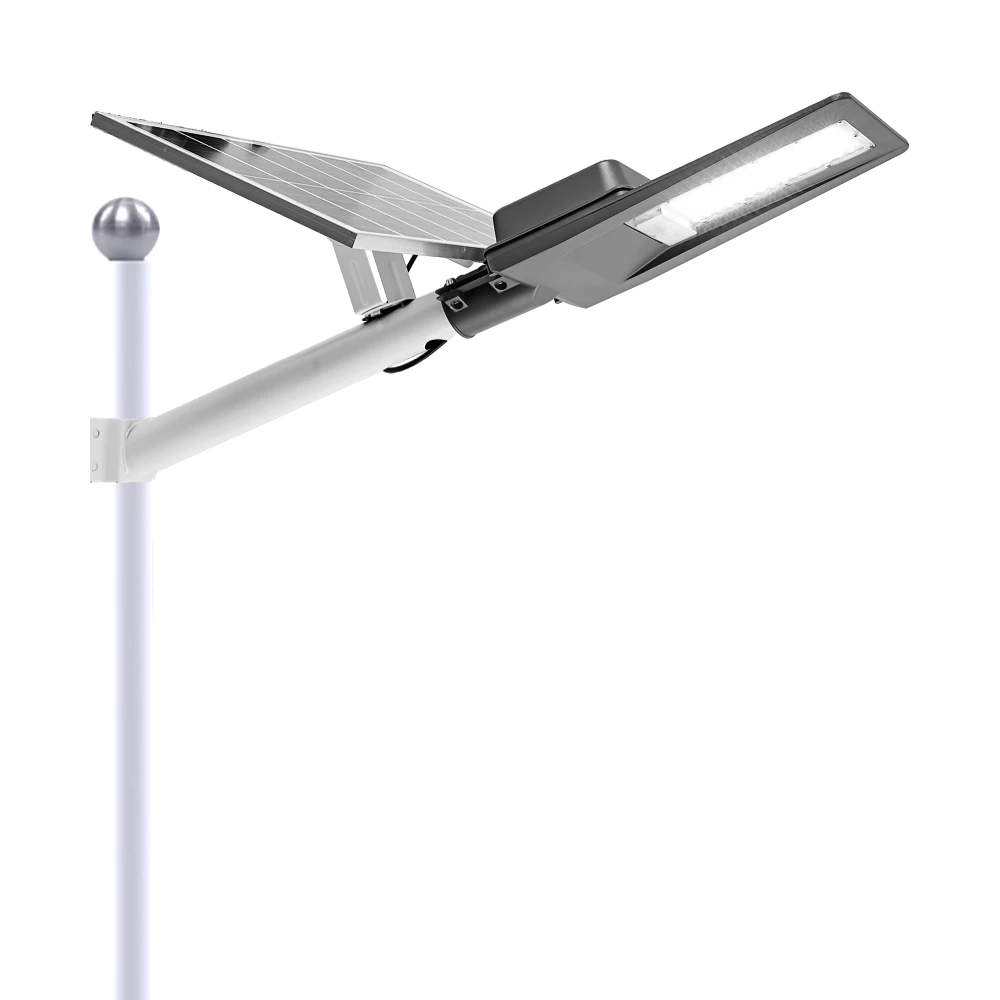
Experience reliable outdoor illumination with our smart solar street light, a perfect combination of advanced technology and eco-conscious design.
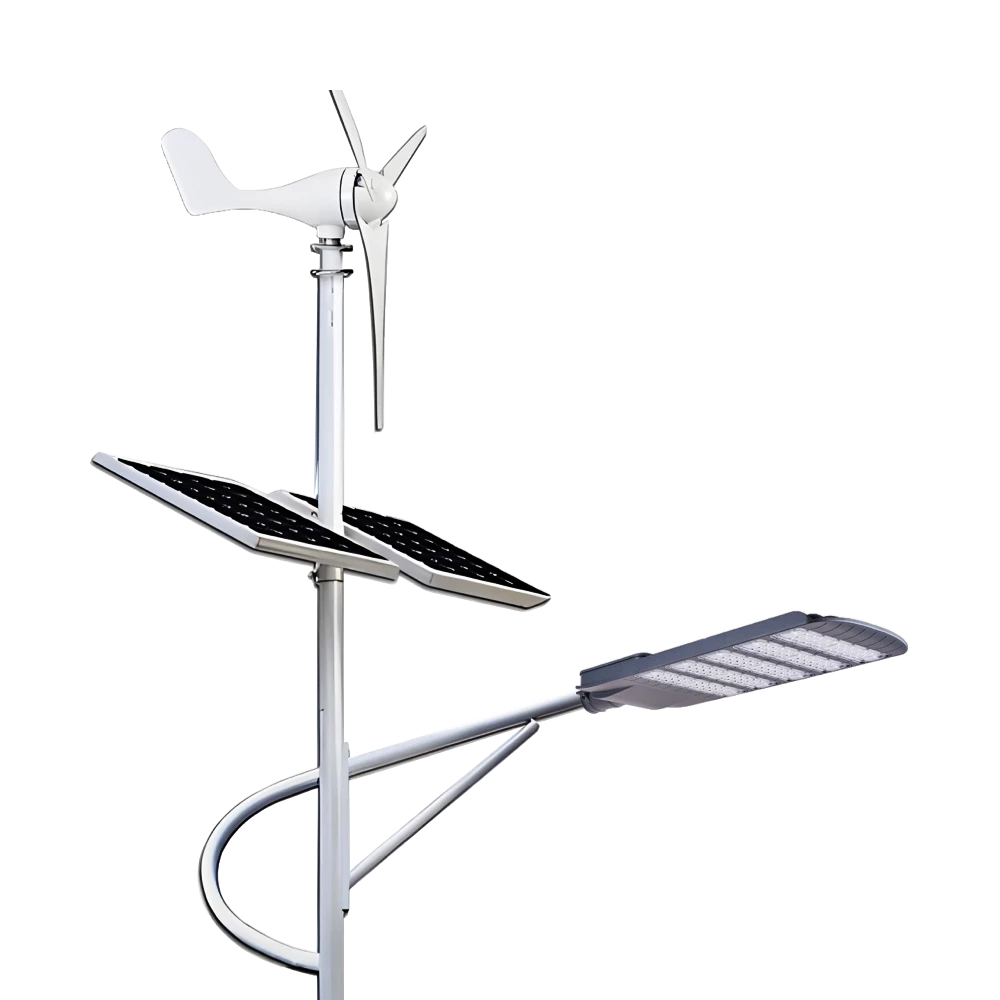
Queneng Lufeng Wind Energy LED Outdoor Solar Street Lights offer high-performance, eco-friendly illumination. These energy-efficient LED street lights harness solar power and wind energy for sustainable, cost-effective outdoor lighting solutions.
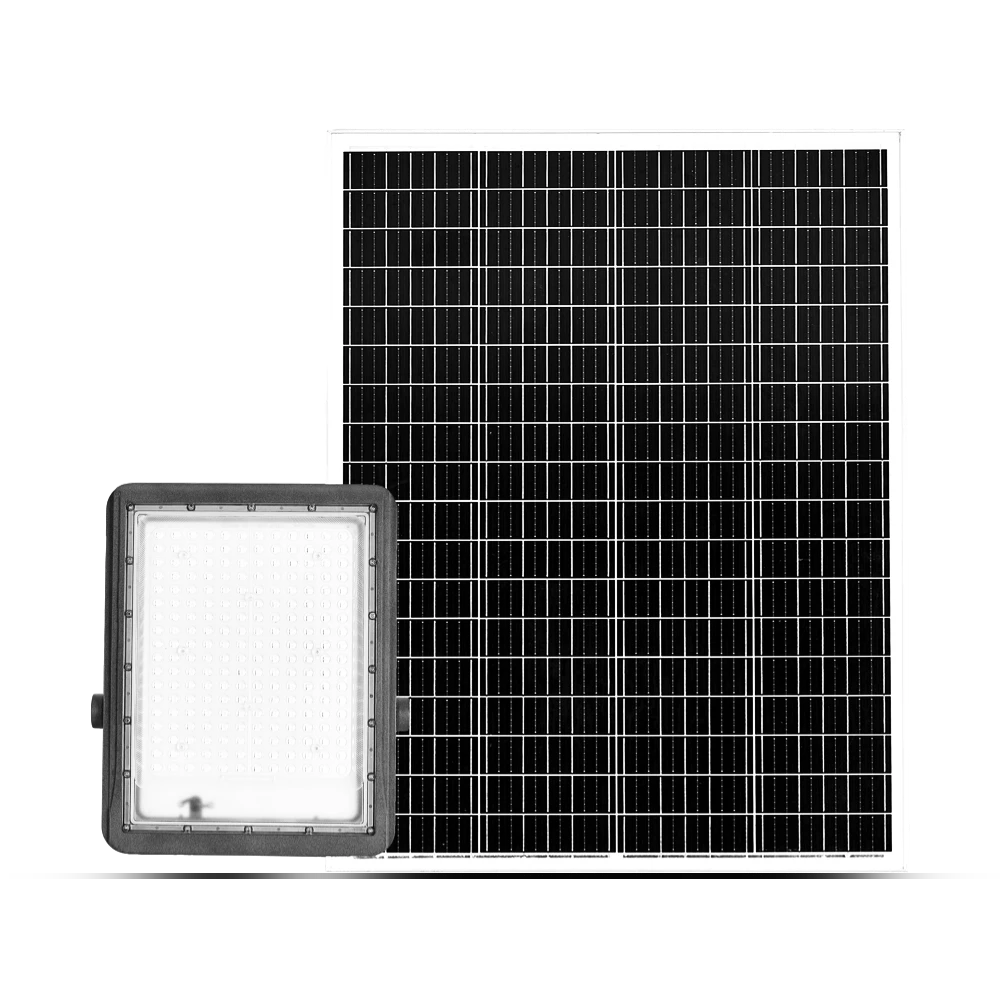
Queneng's Luxian Reliable Solar Street Light offers energy-saving LED lighting for outdoor use. This durable, solar-powered street light provides reliable illumination, reducing energy costs and environmental impact. A perfect solution for sustainable outdoor lighting.
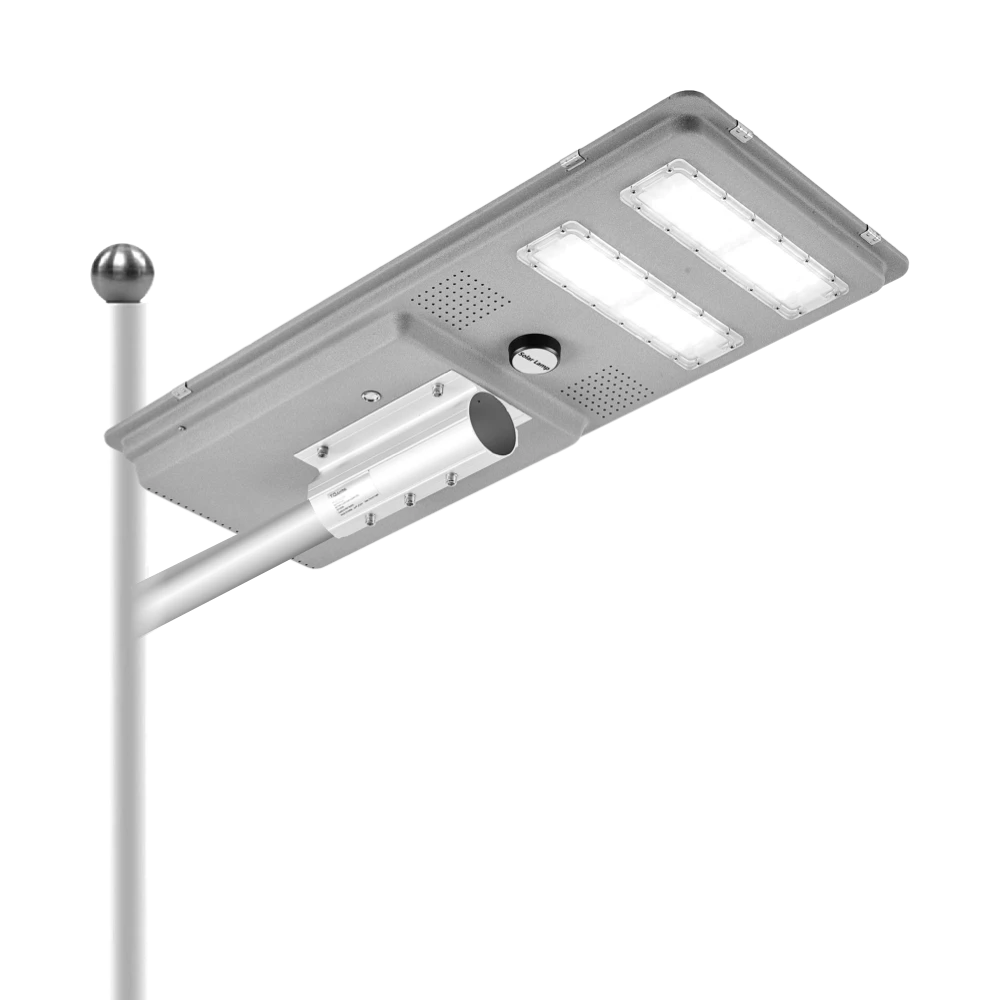
Queneng’s Solar Street Lights are designed to provide reliable, energy-efficient lighting for streets, parks, and other outdoor spaces.
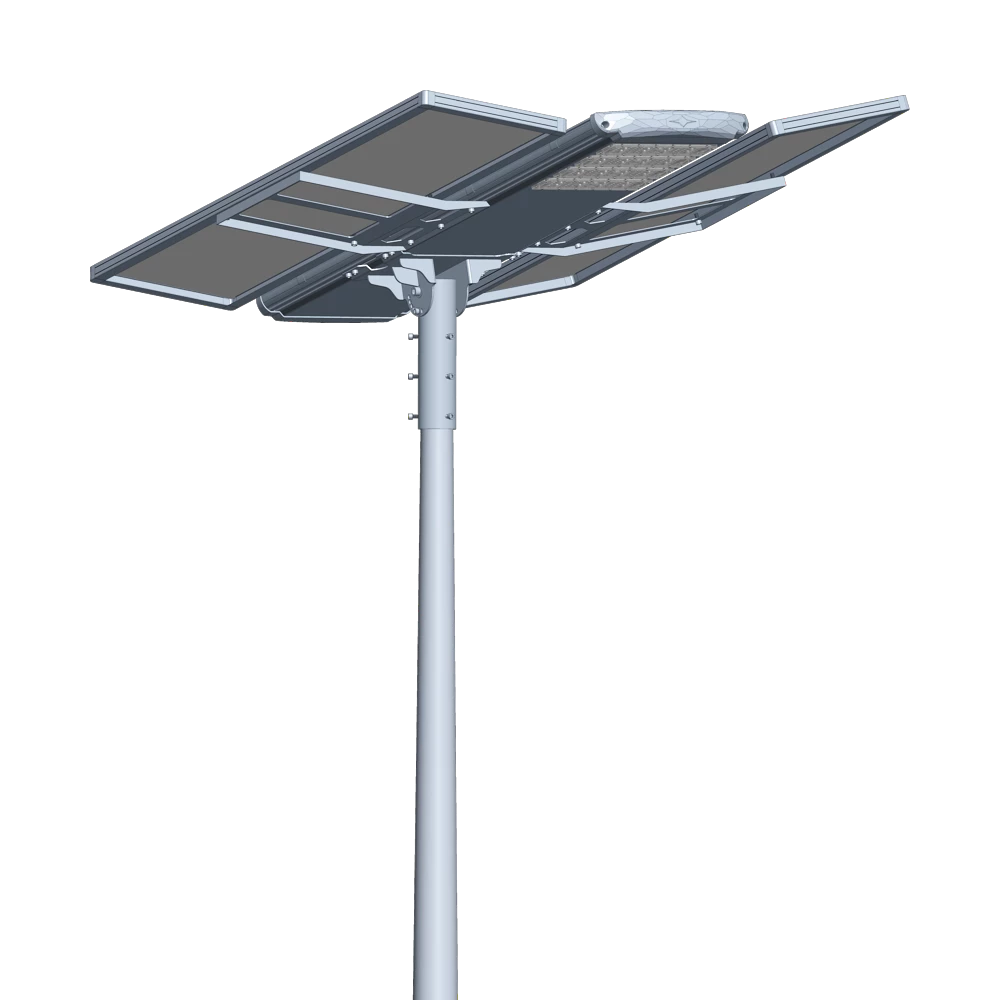
Introducing the Luqing Solar Street Light by Queneng, Efficient LED lighting powered by solar energy is perfect for illuminating outdoor areas. Harness the power of solar energy for sustainable, reliable street lighting. Ideal for eco-friendly, cost-effective outdoor illumination solutions.
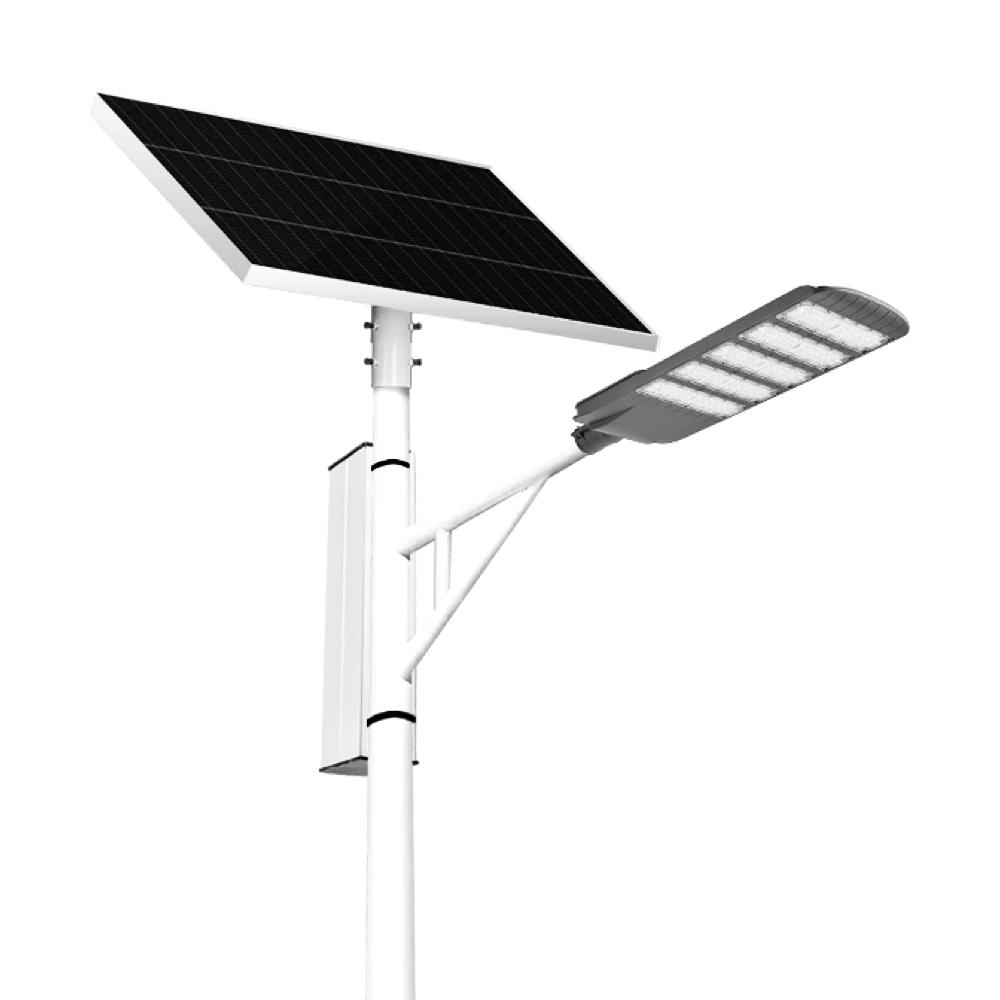
The Solar Streetlights of Luhao for Municipalities are designed to deliver reliable, energy-efficient, and cost-effective public lighting solutions. Equipped with advanced LED technology, durable lithium batteries, and high-efficiency solar panels, these streetlights provide consistent illumination for roads, parks, residential areas, and government projects.
Our professional team is ready to answer any questions and provide personalized support for your project.
You can reach us via phone or email to learn more about Queneng’s solar lighting solutions. We look forward to working with you to promote clean energy solutions!
Rest assured that your privacy is important to us, and all information provided will be handled with the utmost confidentiality.
By clicking 'Send Inquiry Now' I agree to Queneng processing my personal data.
To see how to withdraw your consent, how to control your personal data and how we process it, please see our Privacy Policy and Terms of use.
Schedule a Meeting
Book a date and time that is convenient for you and conduct the session in advance.
Have more questions about our products or services?
The messenger of light & power conversion
Environmental protection and intelligent manufacturing are our brand philosophy, and quality assurance and the best user experience are our eternal promises to users.
CONTACT
No.9F, Building F, Cao San Xin Tian Hong Logistics Park, Guzhen Town, Zhongshan City, Guangdong Province, China.
or write [email protected]
WhatsApp: +86 136 2270 1011


