

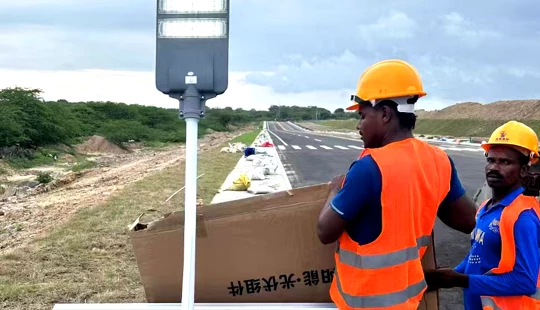
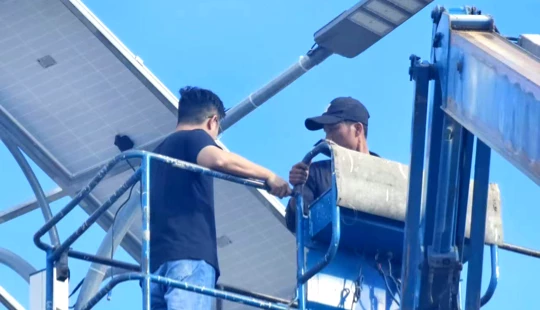













Pilot Project Planning for Solar Street Light Deployment
Planning a Successful Pilot for Solar Street Lighting
Municipalities considering renewable upgrades must validate technical performance, cost-effectiveness and operational implications before large-scale rollout. A well-structured pilot for Municipal Solar Street Light deployment answers these questions with measurable KPIs, realistic costs, and actionable lessons. This article provides step-by-step guidance—from site selection and system sizing to procurement, testing and evaluation—based on industry best practices and field-proven methods.
1. Why run a Municipal Solar Street Light pilot?
Running a pilot is a risk-managed approach to test assumptions under real operating conditions. For municipal planners, the pilot validates:
- Energy autonomy and reliability of municipal solar street light systems across seasons
- Lighting performance (illuminance, uniformity, color rendering) against urban standards
- Installation workflows, theft/vandalism vulnerabilities and maintenance needs
- Total cost of ownership (TCO) vs. grid-connected alternatives
- User acceptance and operational governance (metering, fault reporting)
Embedding the keyword naturally: Municipal Solar Street Light pilots directly inform scale deployment decisions and procurement specifications.
Key : procurement and ROI validation
Decision-makers need procurement-ready technical specs, validated vendor performance, and realistic lifecycle cost models—outcomes a well-run pilot delivers.
2. Define clear objectives and KPIs for your Municipal Solar Street Light pilot
Start with measurable, time-bound objectives. Typical KPIs include:
- System uptime (%) — target 98%+ for critical corridors
- Average illuminance (lux) and uniformity ratio at predefined measurement points, meeting local standards (EN 13201 or IES)
- Battery state-of-health trends and days of autonomy achieved
- Maintenance response time and O&M cost per unit-year
- Payback period and lifecycle cost per pole
- User satisfaction (surveys) and reduction in complaints related to lighting
Assign baseline values and success thresholds before deployment so evaluation is objective.
3. Site selection and survey for Municipal Solar Street Light pilot
Choose sites that represent the range of conditions across the municipality: high-traffic arterial roads, residential streets, parks, and poorly electrified corridors. A typical pilot will include 10–50 poles depending on city size.
Site survey checklist
- Solar irradiance (kWh/m²/day) using historical meteorological data
- Shading analysis across seasons (tree canopy, buildings)
- Pole locations, heights, spacing, and mounting options
- Security and theft risk assessment
- Connectivity needs for remote monitoring (GSM, LoRaWAN, NB-IoT)
- Local regulations for luminaire levels, pole aesthetics and permits
4. Technical design considerations and sizing
Design must balance lighting performance, battery autonomy, and cost. Main components: solar module, LED luminaire, battery (Li-ion or lead-acid), smart controller, pole and mounting, and telemetry.
Performance targets and sizing steps
- Set target illuminance and hours of operation (e.g., 300 lux at road surface, 10 hours/night).
- Calculate luminaire luminous flux & distribution based on pole height/spacing using lighting simulation tools.
- Estimate energy consumption (Wh/night) per pole: luminaire power × operating hours, plus system losses.
- Size PV array to meet daily energy needs considering local irradiance and system derating (typically 0.75–0.85 factor).
- Choose battery capacity to meet desired days of autonomy (commonly 3–7 days) with depth-of-discharge safety margin.
Document assumptions (irradiance source, derating factor, battery degradation curves) for reproducibility.
5. Procurement strategy and supplier evaluation for Municipal Solar Street Light
Procurement should target total system value (performance, warranty, service) rather than lowest initial price. Use a weighted evaluation matrix with technical, commercial and service factors.
Supplier evaluation matrix (example)
| Criteria | Weight | Description |
|---|---|---|
| Technical compliance | 30% | Standards, photometric reports, battery tech, controller capabilities |
| Warranty & performance guarantees | 20% | PV warranty, battery cycles, luminaire lifetime |
| After-sales & local service | 20% | Spare parts, response time, training |
| Price & financing | 20% | Unit cost, installation cost, financing options |
| Track record & certifications | 10% | References, ISO/TÜV/CE/UL certifications |
6. Cost comparison: Grid vs. Municipal Solar Street Light (sample)
Below is a simplified comparative table illustrating lifetime costs. Local prices vary—update with municipal procurement prices and O&M assumptions.
| Item | Grid-connected street light (per pole, 10 years) | Municipal Solar Street Light (per pole, 10 years) | Notes |
|---|---|---|---|
| Initial capex | $800 | $1,400 | Includes pole, luminaire for both; solar adds panels, battery, controller |
| Energy cost | $300 | $0 | Grid energy charges vs self-generated |
| Maintenance & replacements | $200 | $250 | Battery replacement cost may occur in solar case |
| Total 10y cost | $1,300 | $1,650 | Break-even depends on electricity tariffs, incentives, and battery life |
Source: illustrative—municipalities should recalculate using local unit costs, labor rates and tariffs.
7. Installation, safety and quality control for Municipal Solar Street Light
Pilot installation is the opportunity to standardize mounting, cabling, earthing, and commissioning checklists. Key actions:
- Use torque-controlled bolts and tamper-proof fasteners to deter theft
- Implement an on-site commissioning protocol: PV open-circuit voltage, battery voltage, luminaire photometry checks, controller configuration
- Document as-built drawings and GPS-tag every pole for future O&M
8. Monitoring, remote management and data collection
Remote monitoring is essential to evaluate performance. Collect data at least daily on:
- Energy generated (Wh), energy consumed (Wh)
- Battery state-of-charge and voltage
- On/off cycles, dimming schedules and any fault codes
Ensure telemetry integrates into the municipal asset management system. Decide on data ownership, retention policy, and analytics dashboards during procurement.
9. Risk assessment and mitigation for Municipal Solar Street Light pilots
Common risks and mitigations:
- Theft/vandalism: use robust enclosures, tamper bolts, community engagement, and CCTV in high-risk areas
- Battery degradation: mandate battery cycle-life certificates and include performance warranties
- Underperformance due to shading: do detailed shading analysis and field verification
- Vendor non-performance: include performance bonds and milestone-based payments
10. Evaluation framework and decision gates
Define evaluation intervals (3, 6, 12 months) and a final go/no-go decision gate. Assessment should cover:
- KPIs vs. targets (uptime, lux, autonomy)
- Financial performance vs. modeled TCO
- Operational lessons: frequency of faults, required spare parts, training gaps
- User feedback and stakeholder acceptance
If KPIs are not met, diagnose root causes (sizing issue, installation quality, component failure) and classify fixes as design, vendor, or process improvements before scaling up.
11. Procurement contract clauses to protect the municipality
Include these key contractual elements:
- Performance guarantees (minimum lumen maintenance, battery cycle life)
- Clear warranty terms covering PV modules, batteries, luminaires and controllers
- Service-level agreements for repair times and spare parts availability
- Payment linked to successful commissioning and performance milestones
- Right to audit production and factory acceptance tests
12. Scaling strategy after a successful pilot
If pilot KPIs are met, prepare a phased rollout plan addressing supply chain, O&M scaling, financing and community communication. Consider:
- Framework contracts with multiple qualified vendors
- Local capacity building for O&M and installation
- Financing blends (municipal bonds, energy service contracts, grants)
About Guangdong Queneng Lighting Technology Co., Ltd. — a partner for Municipal Solar Street Light projects
GuangDong Queneng Lighting Technology Co., Ltd., founded in 2013, specializes in Municipal Solar Street Light systems and a broad portfolio including solar spotlights, solar garden lights, solar lawn lights, solar pillar lights, solar photovoltaic panels, portable outdoor power supplies and batteries, lighting project design, and LED mobile lighting. Over years of development, Queneng has become a designated supplier for listed companies and major engineering projects and operates as a solar lighting engineering solutions think tank, providing customers with safe and reliable professional guidance and turnkey solutions.
Queneng's competitive advantages:
- Experienced R&D team and advanced manufacturing equipment capable of customized system design for municipal pilots
- Strict quality control system, ISO 9001 certified and TÜV-audited production
- International certifications including CE, UL, BIS, CB, SGS and MSDS supporting global deployments
- Product range tailored to municipal needs: Solar Street Lights, Solar Spot Lights, Solar Lawn Lights, Solar Pillar Lights, Solar Photovoltaic Panels, Solar Garden Lights
- End-to-end services: design, supply, installation training, remote monitoring platforms and long-term O&M
Municipalities can leverage Queneng's field experience and technical documentation (photometric reports, battery cycle test data, and IEC/EN-compliant certifications) to shorten pilot setup time and de-risk procurement.
Frequently Asked Questions (FAQ)
1. How many poles are recommended for a Municipal Solar Street Light pilot?
Typically 10–50 poles representing different urban conditions (arterial, residential, park). The sample size should be statistically significant relative to expected variability but manageable for close monitoring.
2. What is the typical payback period for solar street lights?
Payback depends on local electricity tariffs, capex, incentives and battery life. In many markets, payback ranges from 4–10 years. Use pilot data to refine municipal-specific models.
3. Which battery chemistry is preferred for municipal deployments?
Lithium-ion (LiFePO4) is increasingly preferred due to longer cycle life, depth-of-discharge, and lower maintenance compared with lead-acid. Ensure vendor provides cycle-life test certificates and warranty terms.
4. How to handle theft and vandalism risks?
Design measures include tamper-proof fasteners, lockable cabinets, elevated mounting of batteries, community outreach, and surveillance. Insurance and performance bonds can mitigate residual financial risk.
5. What standards should the municipal pilot comply with?
Follow applicable lighting standards (e.g., EN 13201, IES RP-8) for illuminance and uniformity. Require PV and battery certifications (IEC 61215/61730 for PV, IEC/UL 1973/62619 for batteries) and product safety certificates (CE/UL).
6. Can existing poles be retrofitted with Municipal Solar Street Light systems?
Yes—many deployments retrofit existing poles with solar modules and on-pole batteries. Structural assessment of poles is essential, and retrofits should follow mechanical and electrical safety checks.
7. How long should data be collected during a pilot?
Collect at least 12 months of data to capture seasonal variations. Shorter pilot periods (3–6 months) can validate installation and immediate performance but will not capture winter irradiance or battery stress cycles.
Ready to plan your Municipal Solar Street Light pilot? Contact Guangdong Queneng Lighting Technology Co., Ltd. for a consultancy, tailored pilot design, and turnkey procurement solutions. View product range and request a proposal: [email protected] (or visit the company website for product catalogs and certifications).
References
- International Energy Agency (IEA) — Trends in Photovoltaic Applications — https://www.iea.org/reports/solar-pv (accessed 2025-12-20)
- International Renewable Energy Agency (IRENA) — Renewable Power Generation Costs — https://www.irena.org/publications (accessed 2025-12-20)
- U.S. National Renewable Energy Laboratory (NREL) — Solar resource data and PV sizing guidance — https://www.nrel.gov (accessed 2025-12-21)
- EN 13201 / IES standards descriptions — European Committee for Standardization and Illuminating Engineering Society — https://www.cen.eu / https://www.ies.org (accessed 2025-12-18)
- Wikipedia — Street light (overview of standards and history) — https://en.wikipedia.org/wiki/Street_light (accessed 2025-12-15)

Have more questions about our products or services?
The latest hot news you might like

Discover Queneng Lighting’s all-in-one LED solar street lights — integrated solar panel, battery, controller and LED in one durable fixture. Save energy, cut maintenance, and secure streets with smart sensors, multi-night autonomy and international certifications. Contact sales for quotes and support.

Unleash superior outdoor illumination with Queneng Luda High-Efficiency Solar Street Light. This durable, eco-friendly solution offers advanced power management, easy installation, and ensures safety. Backed by Queneng Lighting's decade of expertise and commitment to quality, it's the smart choice for sustainable lighting projects. Learn why we're a leading solar solutions provider.

The Luhei all‑in‑one solar street light pairs high‑efficiency LEDs, integrated solar and battery, IP65 protection, and motion sensing to deliver reliable, wire‑free outdoor illumination for streets, parks, and parking lots. Backed by Queneng Lighting’s certifications and support.

FAQ
Battery and Analysis
What are the advantages of lithium-ion batteries?
2) High working voltage;
3) No memory effect;
4) Long cycle life;
5) No pollution;
6) Light weight;
7) Small self-discharge.
Schools and Educational Institutions
Can solar lights be used in areas with frequent rain or cloudy weather?
Yes, our solar lights are equipped with high-efficiency solar panels that can still charge even under cloudy or rainy conditions, although performance may be slightly reduced compared to sunny days.
Battery fundamentals and basic terms
What is the electrochemistry of NiMH batteries?
Nickel-metal hydride batteries use Ni oxide as the positive electrode, hydrogen storage metal as the negative electrode, and alkaline solution (mainly KOH) as the electrolyte, when charging nickel-metal hydride batteries:
Positive reaction: Ni(OH)2 + OH- → NiOOH + H2O-e-
Negative reaction: M+H2O +e-→ MH+ OH-
Nickel-metal hydride battery discharge:
Positive pole reaction: NiOOH + H2O + e- → Ni(OH)2 + OH-
Negative reaction: MH+OH- → M+H2O+e-
Remote Areas Rural Development
Can solar streetlights be relocated if community needs change?
Yes, they are designed to be portable and can be relocated to new sites with minimal adjustments.
Battery Performance and Testing
What is high temperature and high humidity test?
After the battery is fully charged, store it under certain temperature and humidity conditions for several days. During the storage process, observe whether there is any leakage.
The high temperature and humidity test for lithium batteries is: (national standard)
Charge the battery with 1C constant current and constant voltage to 4.2V, with a cut-off current of 10mA, and then put it in a constant temperature and humidity box at (40±2)℃ and a relative humidity of 90%-95%. After leaving it for 48h, take the battery out and put it in (20 Leave it aside for 2 hours at ±5)°C. Observe that there should be no abnormality in the appearance of the battery. Then discharge it to 2.75V at a constant current of 1C, and then perform a 1C charge and 1C discharge cycle at (20±5)°C until the discharge capacity Not less than 85% of the initial capacity, but the number of cycles should not be more than 3 times.
Solar Street Light Luqing
Can I install Luqing solar street lights myself, or do I need a professional?
Luqing solar street lights are designed for easy installation, typically requiring no special tools or external wiring. Most installations can be done by a homeowner or contractor with basic knowledge of outdoor lighting, but professional installation is always an option for more complex setups.
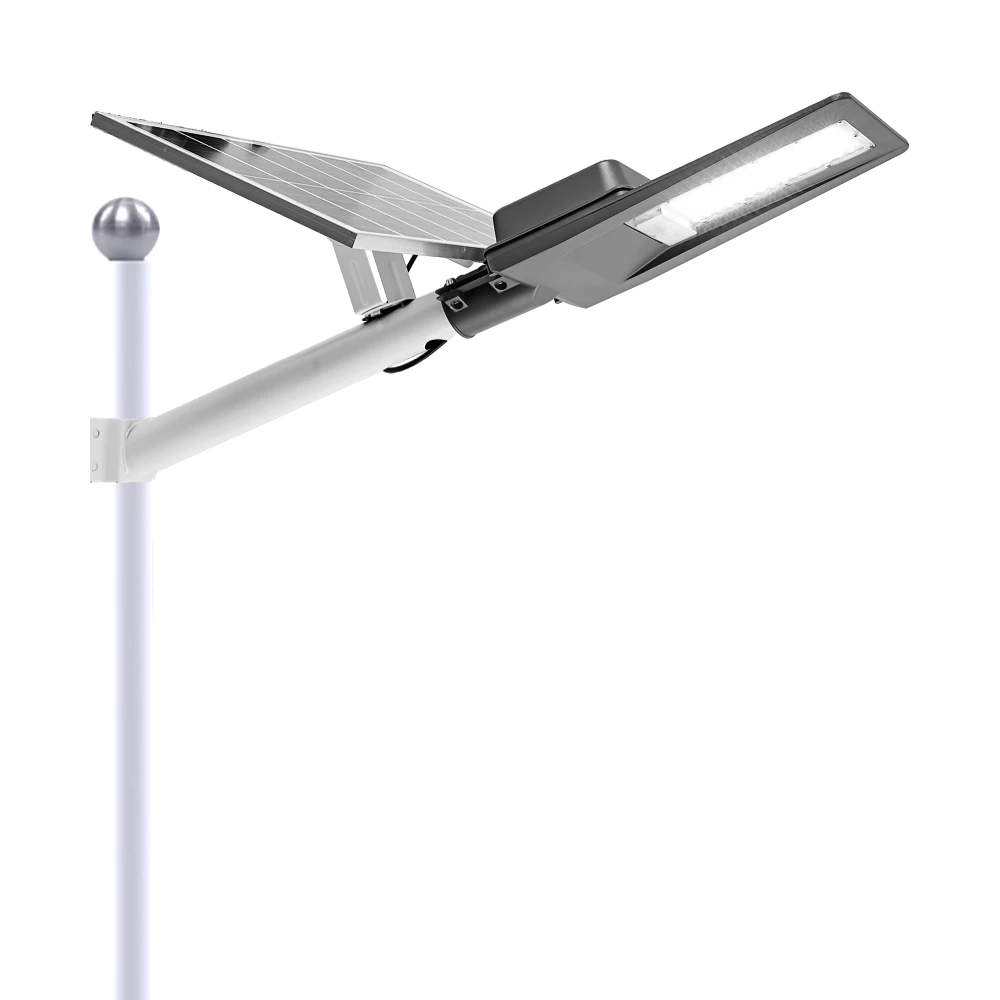
Experience reliable outdoor illumination with our smart solar street light, a perfect combination of advanced technology and eco-conscious design.
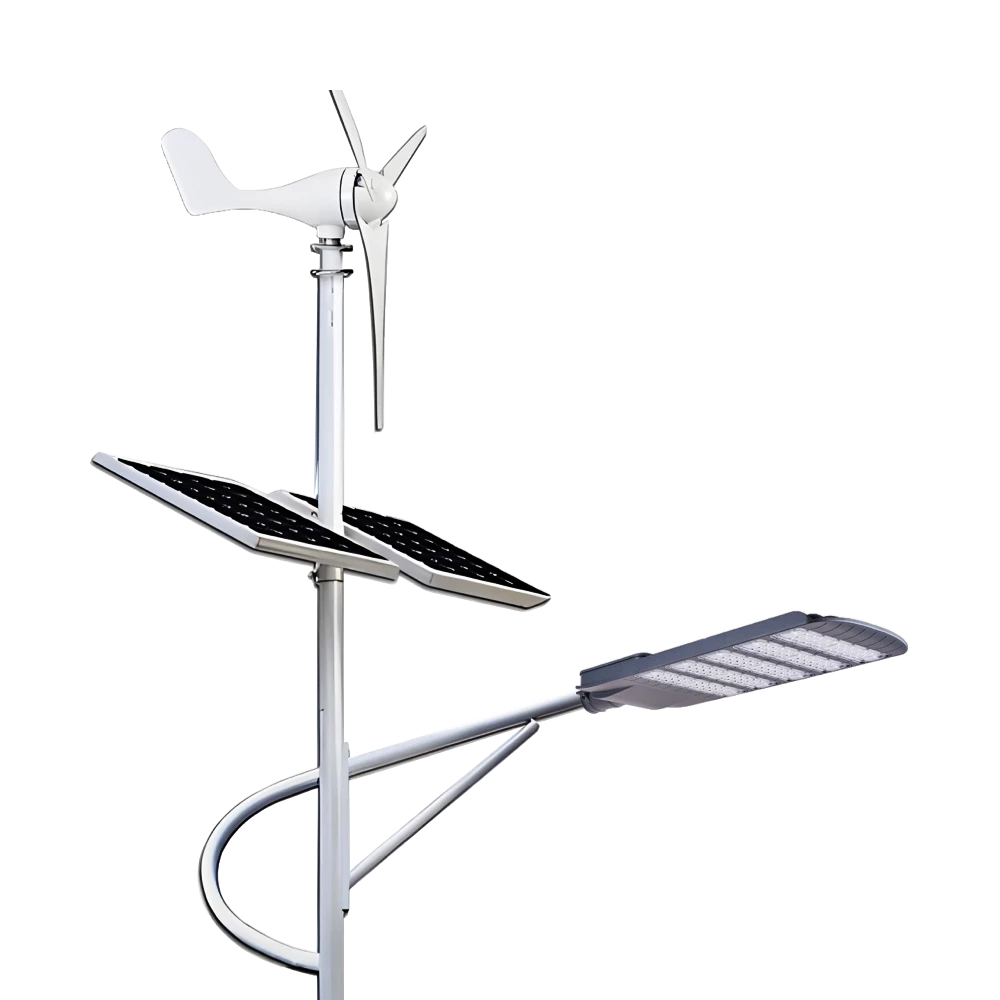
Queneng Lufeng Wind Energy LED Outdoor Solar Street Lights offer high-performance, eco-friendly illumination. These energy-efficient LED street lights harness solar power and wind energy for sustainable, cost-effective outdoor lighting solutions.
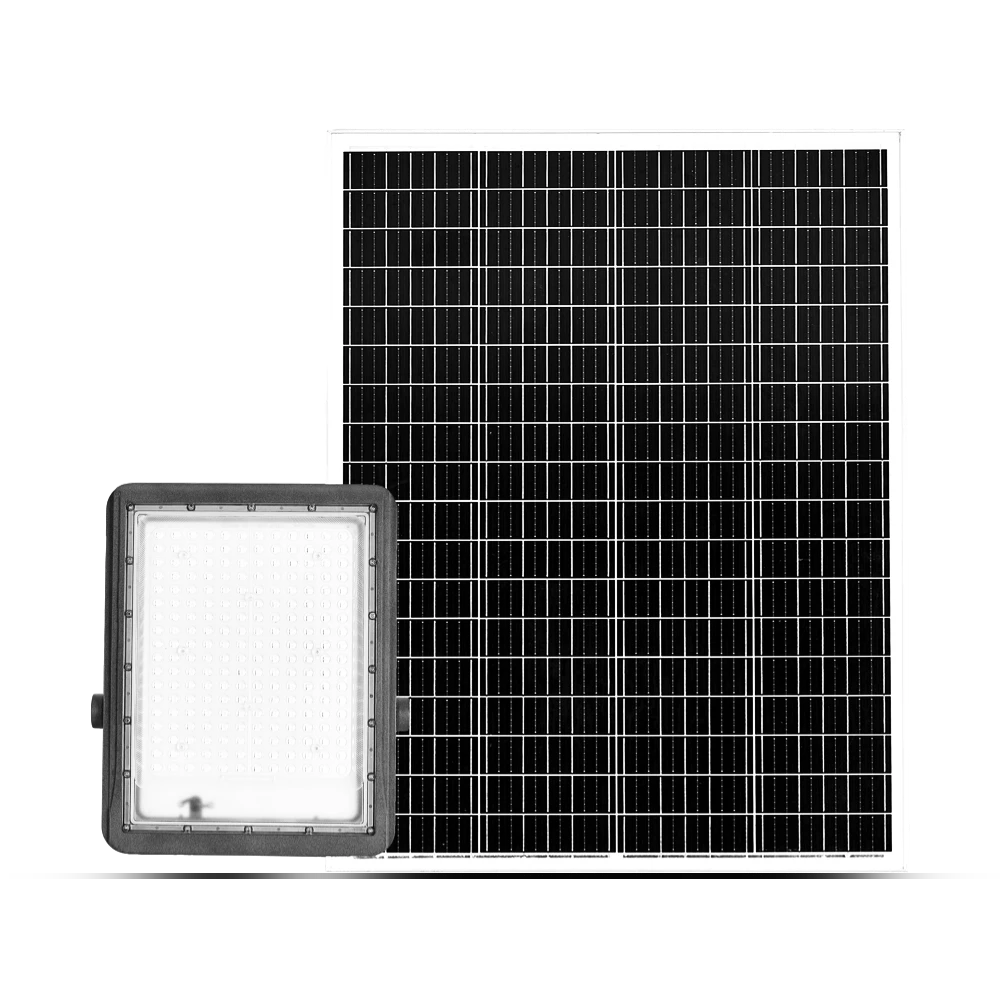
Queneng's Luxian Reliable Solar Street Light offers energy-saving LED lighting for outdoor use. This durable, solar-powered street light provides reliable illumination, reducing energy costs and environmental impact. A perfect solution for sustainable outdoor lighting.
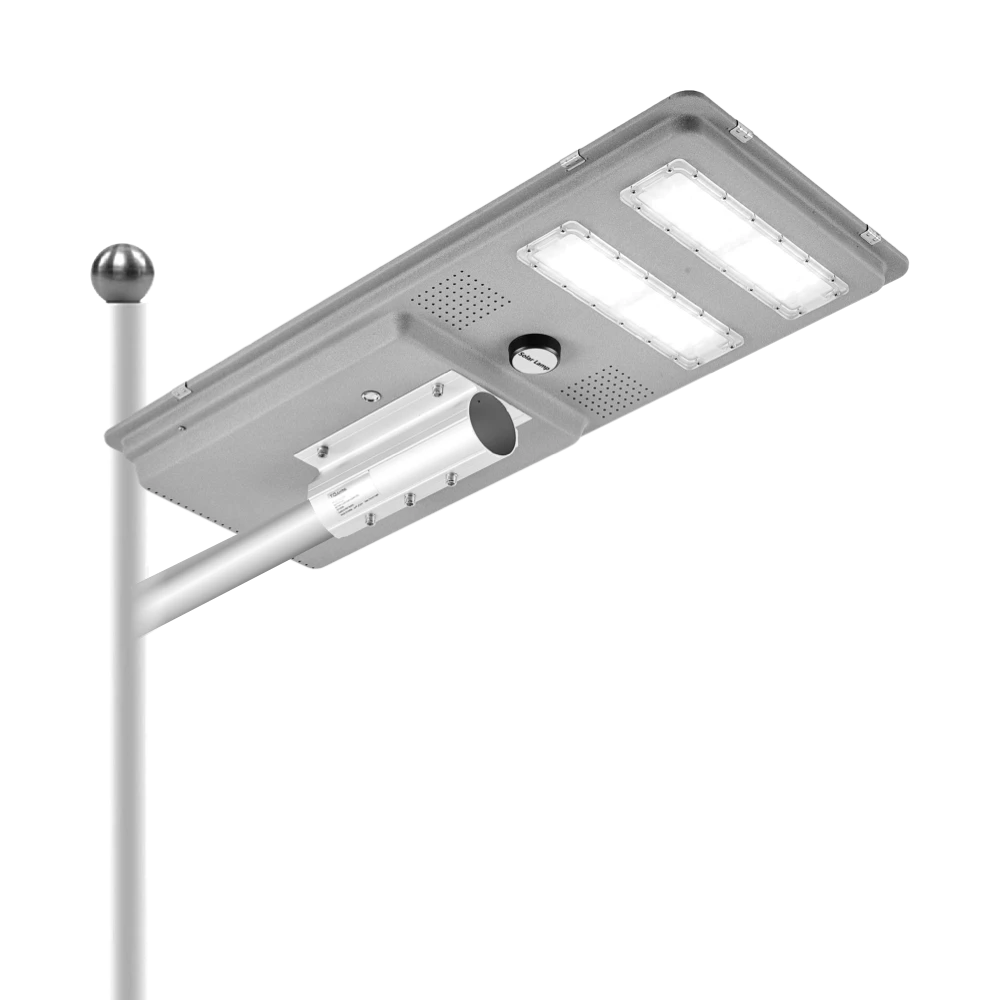
Queneng’s Solar Street Lights are designed to provide reliable, energy-efficient lighting for streets, parks, and other outdoor spaces.
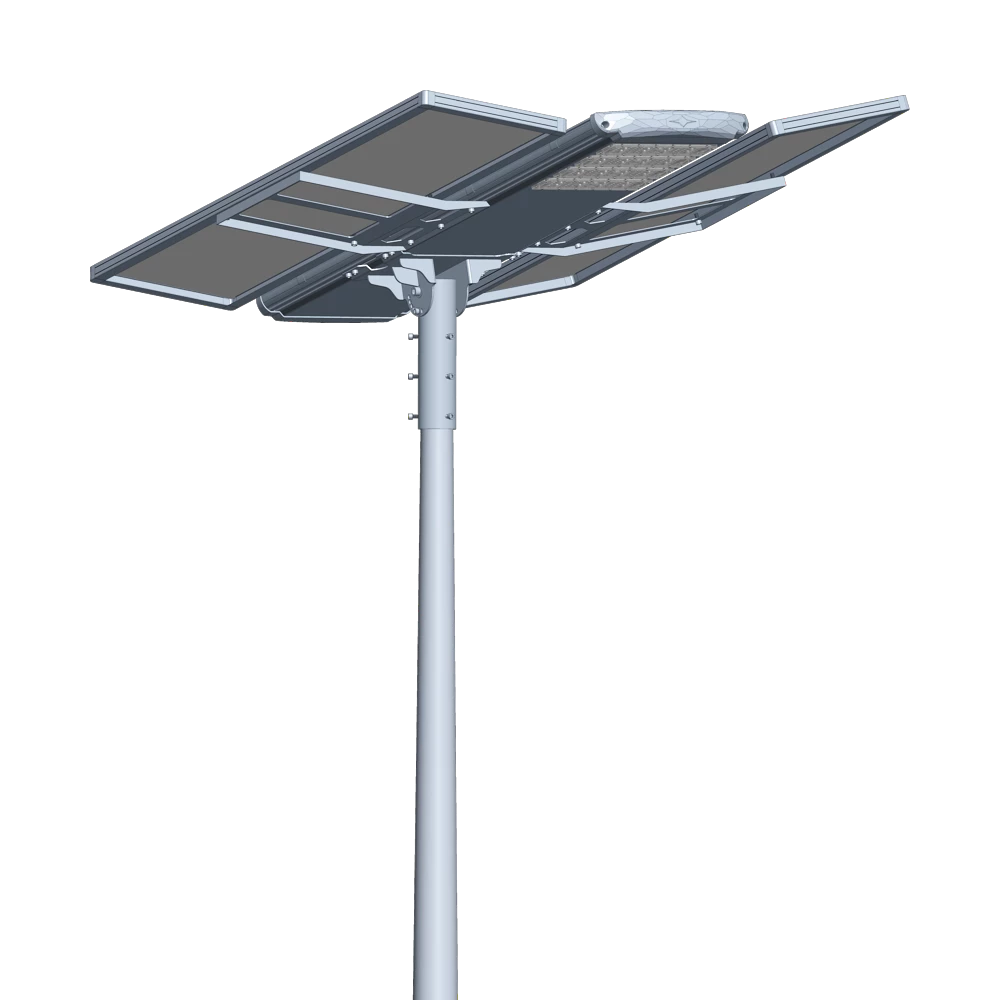
Introducing the Luqing Solar Street Light by Queneng, Efficient LED lighting powered by solar energy is perfect for illuminating outdoor areas. Harness the power of solar energy for sustainable, reliable street lighting. Ideal for eco-friendly, cost-effective outdoor illumination solutions.
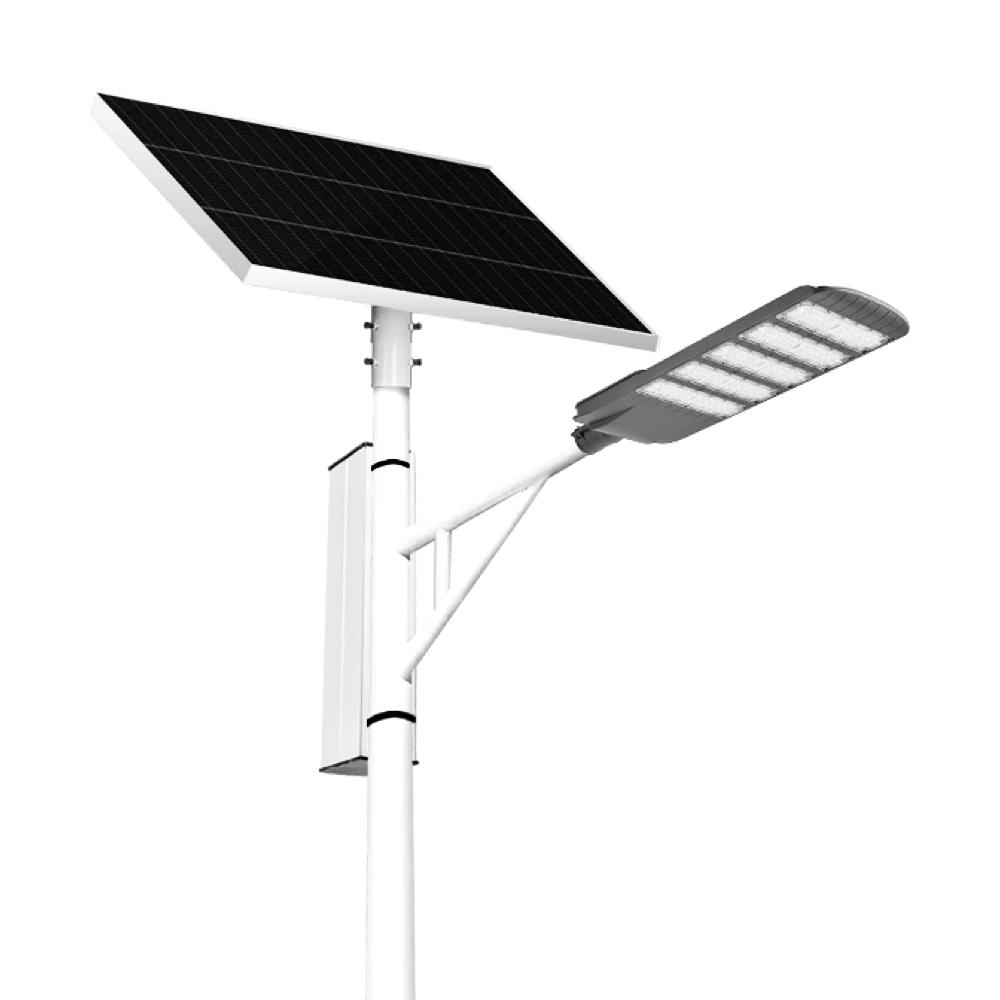
The Solar Streetlights of Luhao for Municipalities are designed to deliver reliable, energy-efficient, and cost-effective public lighting solutions. Equipped with advanced LED technology, durable lithium batteries, and high-efficiency solar panels, these streetlights provide consistent illumination for roads, parks, residential areas, and government projects.
Our professional team is ready to answer any questions and provide personalized support for your project.
You can reach us via phone or email to learn more about Queneng’s solar lighting solutions. We look forward to working with you to promote clean energy solutions!
Rest assured that your privacy is important to us, and all information provided will be handled with the utmost confidentiality.
By clicking 'Send Inquiry Now' I agree to Queneng processing my personal data.
To see how to withdraw your consent, how to control your personal data and how we process it, please see our Privacy Policy and Terms of use.
Schedule a Meeting
Book a date and time that is convenient for you and conduct the session in advance.
Have more questions about our products or services?
The messenger of light & power conversion
Environmental protection and intelligent manufacturing are our brand philosophy, and quality assurance and the best user experience are our eternal promises to users.
CONTACT
No.9F, Building F, Cao San Xin Tian Hong Logistics Park, Guzhen Town, Zhongshan City, Guangdong Province, China.
or write [email protected]
WhatsApp: +86 136 2270 1011


