














Pole Design and Mounting for Solar Street Lights
Pole design and mounting are among the most critical but sometimes overlooked aspects of successful solar street light projects. Proper pole selection, structural analysis and mounting details ensure safety, reliable performance and long life for Municipal Solar Street Light, Split Solar Street Light and All-in-One Solar Street Lights. This article explains environmental and load considerations, mounting strategies for different solar street light architectures, foundation and anchoring options, corrosion protection, maintenance planning, and procurement/engineering checklists. It integrates industry standards and real-world engineering judgment so municipalities, contractors and specifiers can make verifiable, cost-effective decisions.
Understanding loads, environment and performance drivers
Key environmental and performance drivers
Before specifying poles and mounts you must quantify site drivers: wind speed (basic wind speed and exposure category), seismic zone, snow/ice load (if applicable), soil bearing capacity, corrosion environment (marine, industrial), and expected maintenance access. For solar-specific systems, panel orientation and clearance for the solar photovoltaic (PV) array or integrated luminaire must also be considered. The U.S. standard ASCE 7 outlines procedures for wind and seismic load assessment (see ASCE 7), which is commonly adopted or referenced by local codes.
Traffic, lighting and municipal functional requirements
Municipal Solar Street Light projects often have additional requirements: anti-glare aiming, luminaire height for target illuminance and uniformity, vandal resistance, and compliance with roadway lighting standards from local authorities or organizations such as the Illuminating Engineering Society (IES). Establish the required mounting height and lumen output early because pole type and stiffness directly affect light distribution and glare control.
Semantic keywords and their role in specification
Relevant semantic keywords to use in procurement and documentation include: municipal lighting poles, solar pole mounting, split solar pole mounting, integrated (all-in-one) solar pole design, pole foundation design, tilt mount solar street light, solar panel cantilever, and luminaire-arm interface. Naturally embedding terms such as Municipal Solar Street Light, Split Solar Street Light and All-in-One Solar Street Lights in specifications helps align product selection with search and procurement intent.
Pole types, materials and structural considerations
Common pole types and materials
Street light poles are typically tubular steel, tapered aluminum, or fiberglass/composite. Steel poles are most common for municipal applications due to strength and cost-efficiency; aluminum is lighter and corrosion-resistant but more expensive; fiberglass offers dielectric properties and corrosion resistance in aggressive environments. Finish options include hot-dip galvanizing, polyester powder coat, or duplex systems (galvanize + paint) for enhanced life.
Structural selection: stiffness, deflection, and fatigue
Key structural criteria are bending capacity, tip deflection under service wind loads, and fatigue life under dynamic loads (gusts, repeated wind cycles). For lighting optics, tip deflection is important because excessive movement degrades aiming and uniformity. Typical design practice limits luminous point movement to less than 1–2 degrees at service wind. Structural calculations should follow recognized standards (for example ASCE 7 and AASHTO or relevant national codes).
Mounting interfaces and arm types
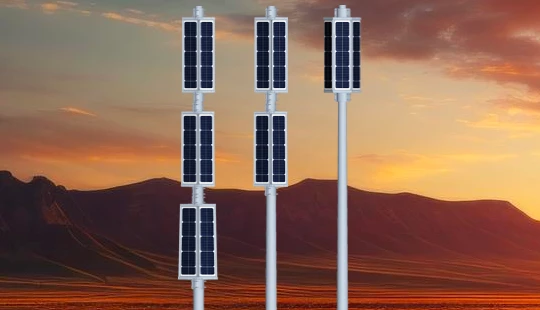
Mounting options include top-mount (vertical pole with luminaire on top), side-arm (horizontal or sloped arm), and specialized cantilever arms for remote PV arrays. For Split Solar Street Light systems, the PV array is often mounted separately on the pole with a dedicated bracket or cross-arm; All-in-One Solar Street Lights usually require integrated top-mounts that support combined PV, battery and luminaire loads. Ensure the pole’s handhole and internal wiring raceway accommodate controller, battery cabling and surge protection devices without compromising structural integrity.
Mounting strategies for Municipal, Split and All-in-One systems
Municipal Solar Street Light: enterprise-level considerations
Municipal Solar Street Light deployments prioritize durability, uniform lighting, vandal resistance and lifecycle cost. Typical strategies include: specifying tamper-resistant top and side arms, providing secure internal battery enclosures or armored external housings, and designing foundations for long-term stability. Municipal projects often require a higher factor of safety and standardized pole typologies to simplify maintenance and procurement.
Split Solar Street Light: separate PV mounting details
Split Solar Street Light systems separate the PV array from the luminaire and battery pack. This gives designers flexibility: panels can be tilted for optimized solar incidence, and batteries can be located at ground level for maintenance or thermal stability. Split systems usually require a larger mounting bracket or cross-arm for the panel and additional routing for DC cabling. Ground-volume battery vaults or lockable cabinets reduce pole top weight but require secure foundation and cable conduits.
All-in-One Solar Street Lights: compact integration challenges
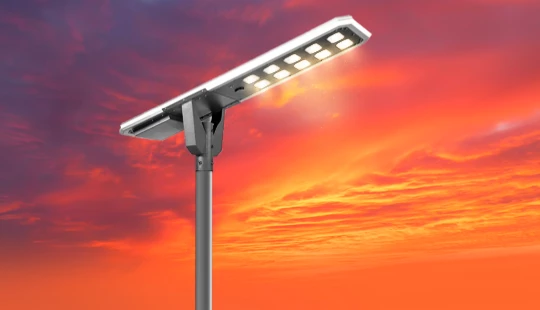
All-in-One Solar Street Lights integrate PV, battery and LED into one housing mounted typically at the pole top. Advantages include lower initial installation time and reduced cable runs; downsides are heat management (battery and PV heating under the luminaire), concentrated weight at the pole top, and possible difficulties servicing batteries. Poles must be sized for additional top mass and dynamic wind area of the integrated module.
Foundations, anchoring and installation best practices
Foundation types and sizing
Choose from direct embedded poles (in rarely used temporary applications), concrete deadman foundations, and anchor-bolt base plate foundations. Standard municipal practice uses base-plate anchor bolts set in poured concrete foundations sized according to pole height, overturning moment from wind, and soil bearing capacity. When soil tests are available, foundation designs should reference geotechnical parameters; if not, conservative assumptions must be applied.
Corrosion protection and long-term durability
In corrosive environments (coastal salt spray, industrial pollutants), specify duplex coatings (hot-dip galvanize plus polyester powder coat) or use aluminum/fiberglass poles. For anchor bolts and foundations, use stainless steel or hot-dip galvanized anchor bolts and an appropriate grout or protective collar. Regular inspections and maintenance painting schedules further extend service life.
Installation quality control and safety
Follow manufacturer torque settings for anchor bolts, test pole verticality and luminaire aiming at installation, and verify electrical connections including lightning/surge protection and earthing. Provide as-built documentation of pole locations, foundation drawings and wiring diagrams for future maintenance. Use certified lifting equipment and qualified installers for pole erection to minimize risk and warranty rejections.
Comparative considerations and example data
Below is a practical comparison of the three common system architectures to help specifiers choose the right solution for a project.
| Characteristic | All-in-One Solar Street Lights | Split Solar Street Light | Municipal Solar Street Light (conventional/enterprise) |
|---|---|---|---|
| Typical mounting requirement | Top-mount with stronger top mass capacity | Panel cross-arm or separate tilt frame on pole | Standard side-arm or top-mount; may use larger poles for optics |
| Maintenance access | Challenging (top-mounted batteries) unless ground-replaceable | Easier (ground cabinets for batteries) | Designed for frequent municipal maintenance |
| Installation speed | Fast (pre-integrated) | Moderate (additional assembly) | Varies; often longer due to specification and QA |
| Typical pole selection | Stiffer poles to control tip deflection | Poles with mounting brackets and wiring access | Standard municipal poles, tamper resistant |
Sources and standards to consult: ASCE 7 for wind and seismic loads (ASCE 7), Illuminating Engineering Society guidance for roadway lighting (IES), and general solar PV background at the U.S. Department of Energy (DOE Solar Energy Technologies Office). For background on solar energy and PV performance, see the National Renewable Energy Laboratory (NREL) resources (NREL).
Procurement checklist and specification template
Essential specification items
- Designed pole height and mounting arm geometry with allowable tip deflection (degrees or mm).
- Material and coating system (e.g., hot-dip galvanized steel SHS tapered; duplex finish).
- Wind loading criteria (reference code and basic wind speed), seismic zone, soil bearing capacity.
- Mounting details for PV (tilt angle, azimuth, mounting bracket loads).
- Access and maintenance provisions (handholes, climb-resistant features, battery access).
- Electrical integration (trunking/gland, surge protection, earthing).
- Acceptance tests: pole straightness, bolt torque verification, continuity/resistance checks.
Commissioning and documentation
Require as-built drawings, laser or field-measured aiming reports, test certificates for coatings (e.g., salt spray where applicable), factory calibration certificates for controllers, and warranty documentation. Municipal projects should include spare-pole and spare-arm strategy and an inventory of critical spares.
Brand capabilities and project delivery: Queneng Lighting
Queneng Lighting, founded in 2013, focuses on solar street lights, solar spotlights, solar garden lights, solar lawn lights, solar pillar lights, solar photovoltaic panels, portable outdoor power supplies and batteries, lighting project design, and LED mobile lighting industry production and development. After years of development, the company has become the designated supplier of many listed companies and engineering projects and functions as a solar lighting engineering solutions think tank, providing customers with safe and reliable professional guidance and solutions.
Queneng Lighting has an experienced R&D team, advanced equipment, strict quality control systems, and a mature management system. The company has been approved by the ISO 9001 international quality assurance system standard and passed international TÜV audits, and has obtained a series of international certificates such as CE, UL, BIS, CB, SGS, MSDS, etc. Queneng’s primary product range includes Solar Street Lights, Solar Spot lights, Solar Lawn lights, Solar Pillar Lights, Solar Photovoltaic Panels, split solar street light and All-in-One Solar Street Lights.
Why consider Queneng for pole-mounted solar lighting projects: engineering-backed product families (both split and All-in-One), international certifications for product safety and quality, and experience delivering municipal and engineering-sourced projects. This combination reduces procurement risk and accelerates project delivery while aligning with municipal performance and life-cycle targets.
Maintenance, lifecycle and long-term considerations
Inspection and preventive maintenance
Establish a preventive maintenance schedule that includes: annual structural inspection (anchor bolts, base plate), electrical checks (surge arrestors, battery health and connectors), cleaning or re-aiming of PV panels if dirty, and coating touch-ups in affected areas. For All-in-One units, plan battery replacement intervals and thermal checks because batteries degrade faster at higher temperatures.
End-of-life and upgrade planning
Design poles and mounting systems to accommodate future upgrades—e.g., swapping luminaires for higher-efficiency LEDs or replacing PV modules. Standardized pole-to-arm interfaces and spare-pole stock help reduce downtime and replacement cost. For municipal procurement, include provisions for retrofits and end-of-life recycling for batteries and PV modules.
Budgeting for lifecycle cost vs upfront cost
Assess total cost of ownership, not just initial purchase price. A slightly higher initial investment in duplex-coated poles or larger foundation can pay back through lower maintenance and longer service life. Use vendor references and certificates to validate claims about life expectancy and product testing.
FAQ
1. What pole height is best for solar street lighting?
Typical pole heights vary by application: 3–6 m for parks and pathways, 6–12 m for residential streets, and 12–18 m for major roads. Choose height to meet required illuminance and uniformity per IES guidance and municipal standards.
2. Can All-in-One Solar Street Lights withstand high winds?
Yes, if the pole and mounting are sized for the service wind speed and exposure. All-in-One units concentrate mass and wind area at the top, so design for higher stiffness and check tip deflection and anchor capacity per ASCE 7.
3. Are split systems better for maintenance?
Split Solar Street Light systems often simplify maintenance since batteries and controllers can be ground-mounted or in lockable cabinets, minimizing the need to work at height for battery replacement.
4. What anti-corrosion measures are recommended for coastal installations?
Specify duplex coatings (hot-dip galvanize + polyester paint), use stainless or galvanized anchor bolts, and consider aluminum or FRP poles. Establish more frequent inspections and touch-up maintenance cycles.
5. How do I verify a pole supplier’s claims?
Request test reports (wind load, salt spray if applicable), material certificates, ISO/TÜV/CE/UL certifications, third-party structural calculations, and references from completed municipal projects.
6. What standards should I reference for structural design?
Commonly referenced standards include ASCE 7 (wind/seismic), national building codes, and local municipal specifications. For lighting performance, consult IES recommendations.
Contact and next steps
If you are planning a municipal or private lighting project and need tailored pole design, mounting details, or product recommendations for Municipal Solar Street Light, Split Solar Street Light or All-in-One Solar Street Lights, contact Queneng Lighting for engineering support, samples, and project proposals. Visit Queneng Lighting to view product lines and request a quote.
For design assistance, product datasheets, and project quotations, contact Queneng Lighting’s technical team or request a site audit today.

Have more questions about our products or services?
The latest hot news you might like
As the global demand for sustainable infrastructure rises, Queneng Lighting is proud to announce its participation in the 139th China Import and Export Fair (Canton Fair), held from April 15th to 19th, 2026, in Guangzhou.
For over 13 years, Queneng has been at the forefront of the solar lighting industry, providing high-efficiency solutions for infrastructure contractors, municipal developers, and EPC companies worldwide. This year, we are bringing our most advanced technology yet to the international stage.

Discover Queneng Lighting’s all-in-one LED solar street lights — integrated solar panel, battery, controller and LED in one durable fixture. Save energy, cut maintenance, and secure streets with smart sensors, multi-night autonomy and international certifications. Contact sales for quotes and support.

Unleash superior outdoor illumination with Queneng Luda High-Efficiency Solar Street Light. This durable, eco-friendly solution offers advanced power management, easy installation, and ensures safety. Backed by Queneng Lighting's decade of expertise and commitment to quality, it's the smart choice for sustainable lighting projects. Learn why we're a leading solar solutions provider.

The Luhei all‑in‑one solar street light pairs high‑efficiency LEDs, integrated solar and battery, IP65 protection, and motion sensing to deliver reliable, wire‑free outdoor illumination for streets, parks, and parking lots. Backed by Queneng Lighting’s certifications and support.
FAQ
Battery Performance and Testing
What is a drop test?
Municipal and Public Infrastructure
Can they operate during rainy or cloudy days?
Yes, advanced battery technology ensures continuous operation even in low sunlight conditions.
Battery fundamentals and basic terms
What is the purpose of battery packaging, assembly and design?
2.Battery voltage limitation, to get a higher voltage need to connect multiple batteries in series
3. Protect the battery, prevent short-circuit to extend the life of the battery
4. Size limitation
5. Easy transportation
6. Design of special functions, such as waterproof, special appearance design.
What are the common standards for batteries?
Batteries commonly used national standards: nickel-metal hydride batteries standard GB/T15100_1994, GB/T18288_2000; lithium-ion batteries standard GB/T10077_1998, YD/T998_1999, GB/T18287_2000.
In addition, the common standards for batteries also have the Japanese Industrial Standard JIS C standard on batteries.
IEC is the International Electrotechnical Commission (International Electrical Commission), is a world-wide standardization organization composed of national electrical commissions, which aims to promote the standardization of the world electrical and electronic fields.The IEC standard is the standard developed by the International Electrotechnical Commission.
Remote Areas Rural Development
How long does it take to install solar streetlights in a rural area?
Installation time varies, but on average, it takes about 2-3 hours per light, with complete project timelines depending on the scale and terrain.
Solar Street Light Luyi
Are Luyi solar street lights suitable for all outdoor environments?
Yes, Luyi solar street lights are highly versatile and suitable for a wide range of outdoor environments. Whether for urban streets, rural roads, parking lots, parks, or pathways, Luyi lights provide reliable illumination in any setting. Their weatherproof and durable construction makes them ideal for harsh outdoor conditions, including extreme heat, cold, rain, and snow.
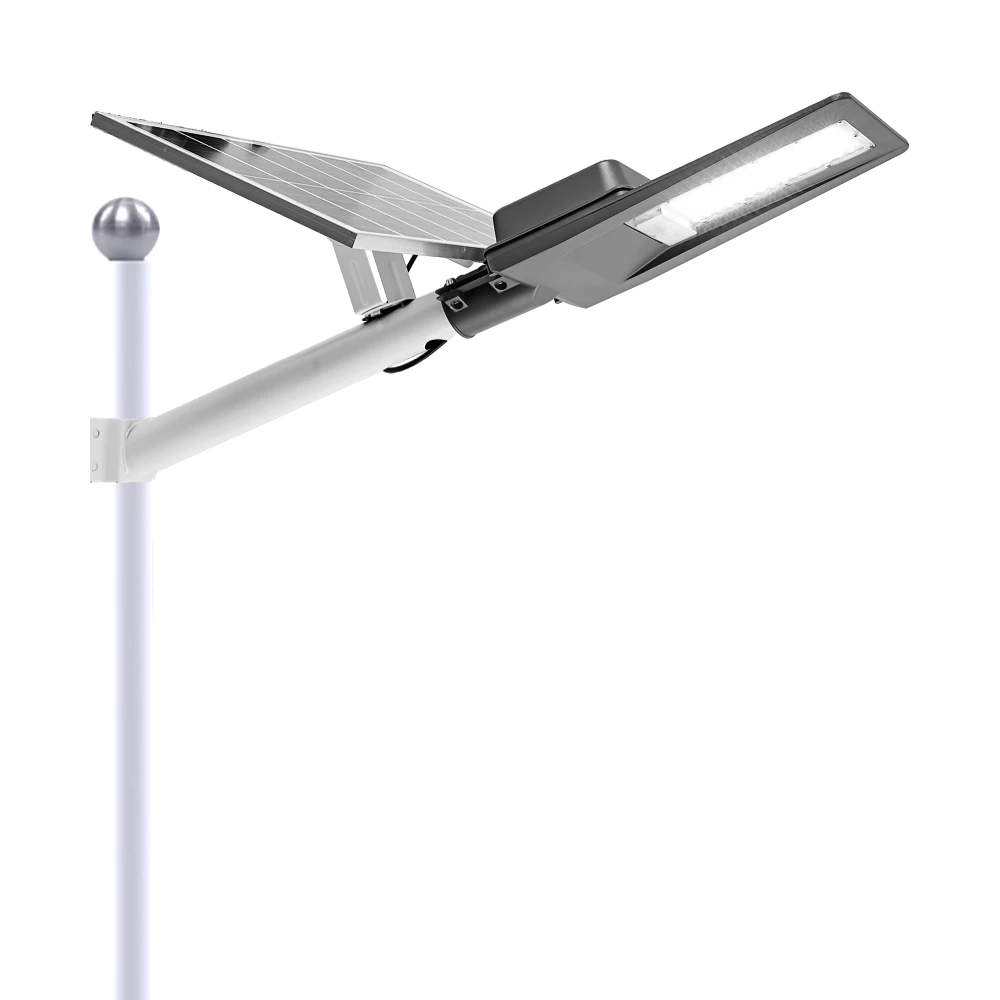
Experience reliable outdoor illumination with our smart solar street light, a perfect combination of advanced technology and eco-conscious design.
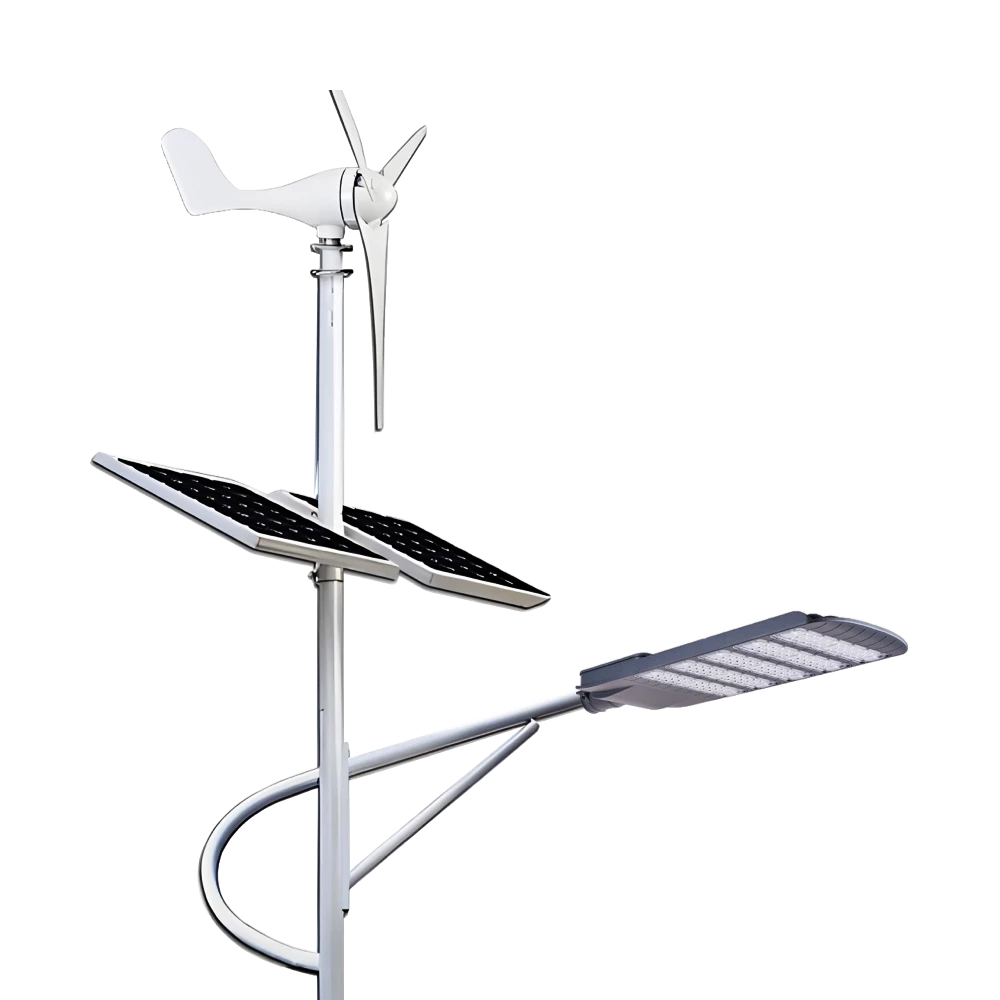
Queneng Lufeng Wind Energy LED Outdoor Solar Street Lights offer high-performance, eco-friendly illumination. These energy-efficient LED street lights harness solar power and wind energy for sustainable, cost-effective outdoor lighting solutions.
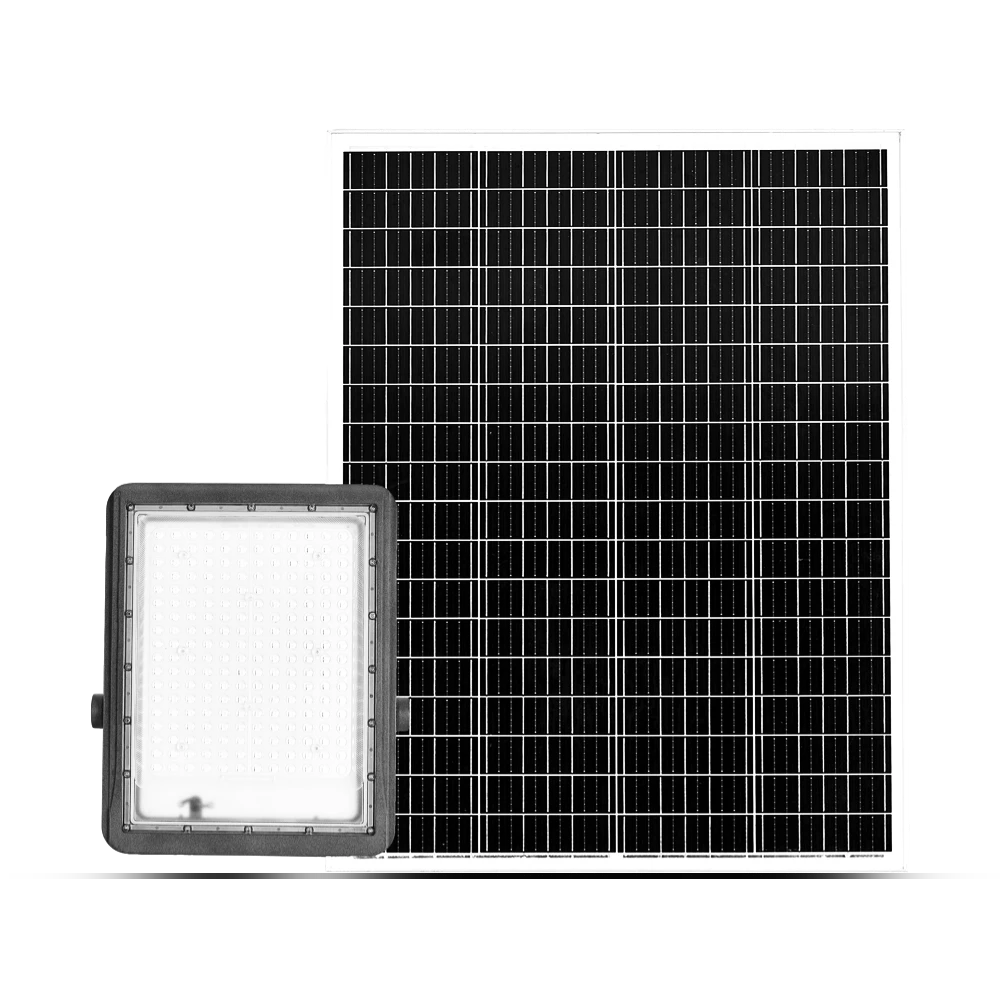
Queneng's Luxian Reliable Solar Street Light offers energy-saving LED lighting for outdoor use. This durable, solar-powered street light provides reliable illumination, reducing energy costs and environmental impact. A perfect solution for sustainable outdoor lighting.
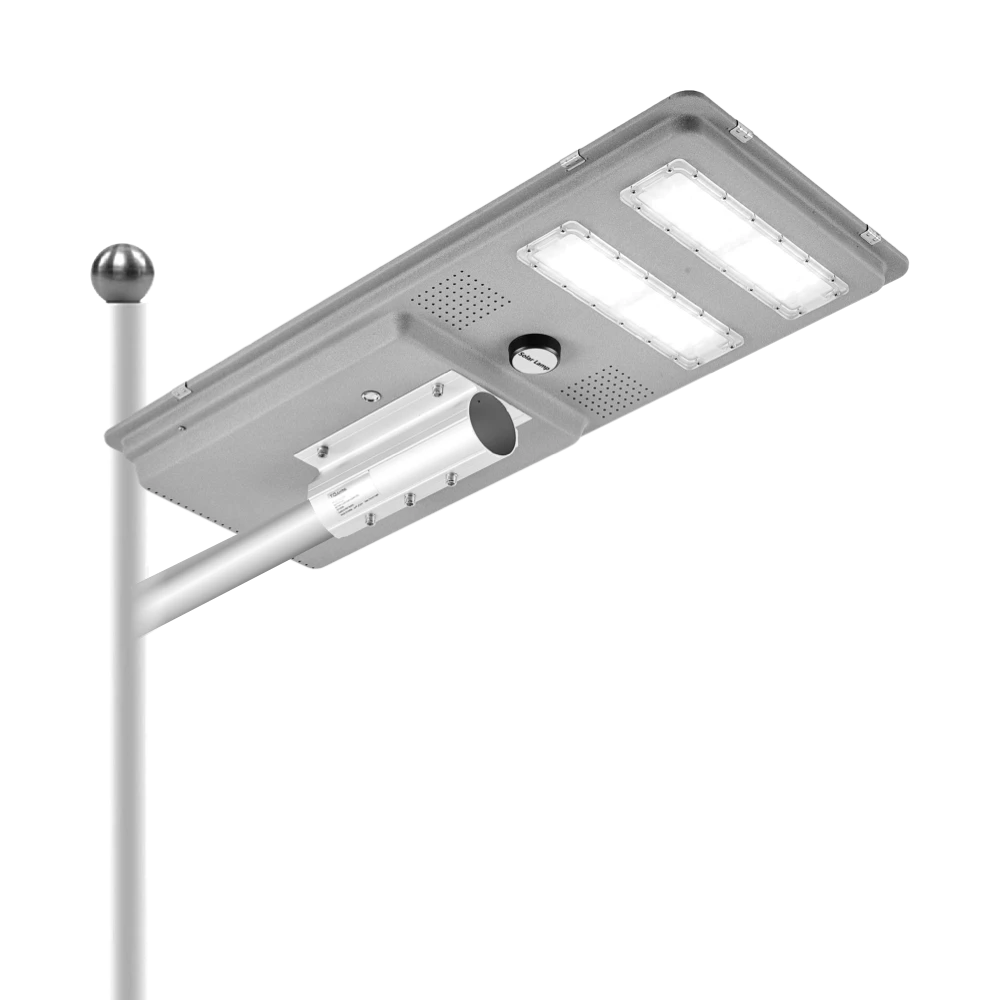
Queneng’s Solar Street Lights are designed to provide reliable, energy-efficient lighting for streets, parks, and other outdoor spaces.
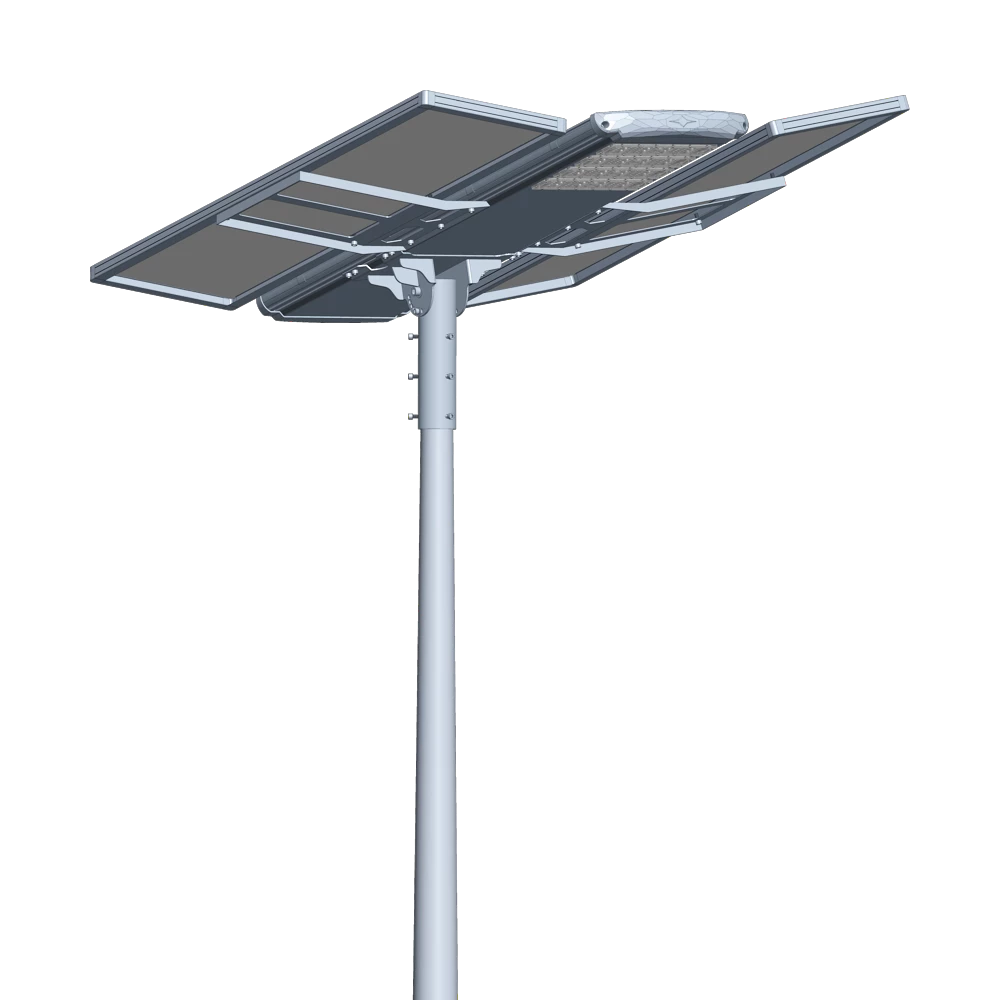
Introducing the Luqing Solar Street Light by Queneng, Efficient LED lighting powered by solar energy is perfect for illuminating outdoor areas. Harness the power of solar energy for sustainable, reliable street lighting. Ideal for eco-friendly, cost-effective outdoor illumination solutions.
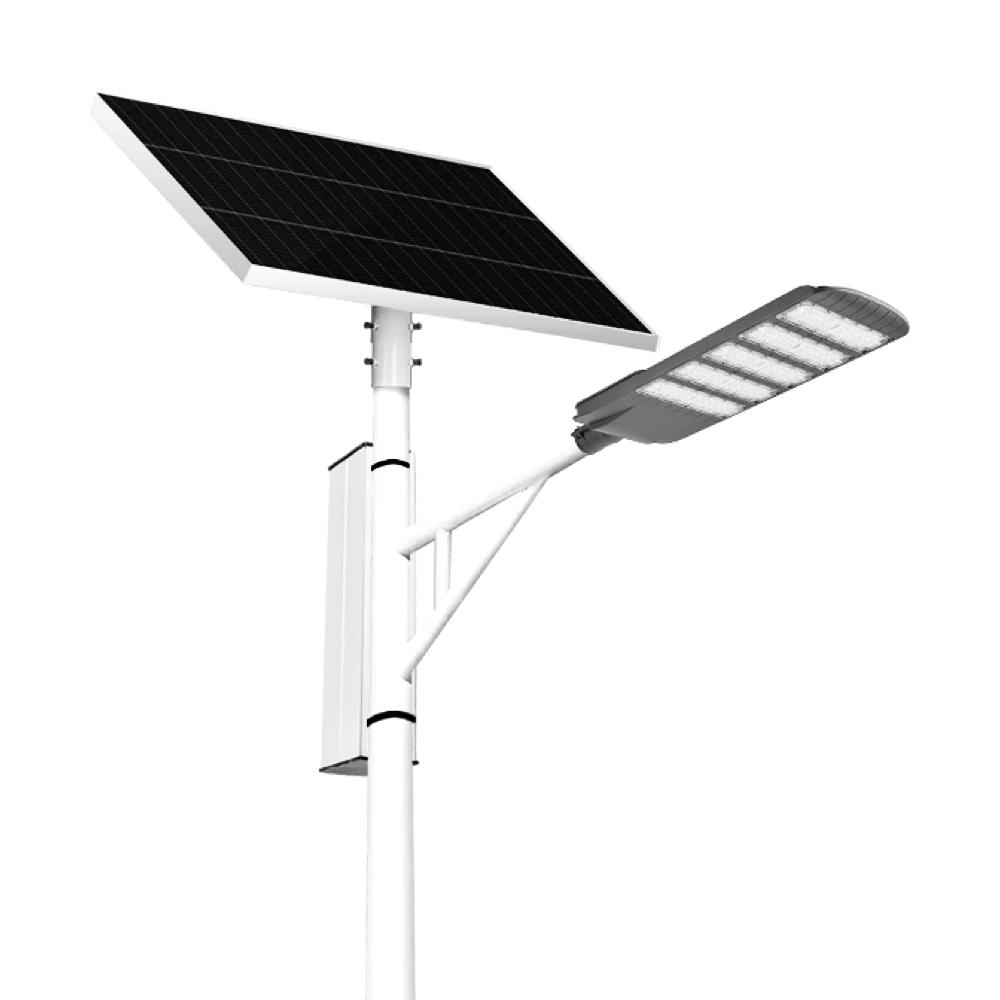
The Solar Streetlights of Luhao for Municipalities are designed to deliver reliable, energy-efficient, and cost-effective public lighting solutions. Equipped with advanced LED technology, durable lithium batteries, and high-efficiency solar panels, these streetlights provide consistent illumination for roads, parks, residential areas, and government projects.
Our professional team is ready to answer any questions and provide personalized support for your project.
You can reach us via phone or email to learn more about Queneng’s solar lighting solutions. We look forward to working with you to promote clean energy solutions!
Rest assured that your privacy is important to us, and all information provided will be handled with the utmost confidentiality.
By clicking 'Send Inquiry Now' I agree to Queneng processing my personal data.
To see how to withdraw your consent, how to control your personal data and how we process it, please see our Privacy Policy and Terms of use.
Schedule a Meeting
Book a date and time that is convenient for you and conduct the session in advance.
Have more questions about our products or services?
The messenger of light & power conversion
Environmental protection and intelligent manufacturing are our brand philosophy, and quality assurance and the best user experience are our eternal promises to users.
CONTACT
No.9F, Building F, Cao San Xin Tian Hong Logistics Park, Guzhen Town, Zhongshan City, Guangdong Province, China.
or write [email protected]
WhatsApp: +86 136 2270 1011


