














Public-Private Partnership Models for Solar Lighting
Public-private partnerships (PPPs) are a proven route for municipalities to scale sustainable lighting quickly and affordably. With advances in photovoltaic technology and energy-efficient LEDs, municipal solar street light projects — including split solar street light systems and compact all-in-one solar street lights — are now viable for a range of urban and peri-urban contexts. This article summarizes PPP models that work for solar lighting, shows how technical choices affect contractual and financial design, and gives practical guidance to reduce lifecycle costs, secure quality, and meet service-level targets required by cities and funders.
Why municipal solar lighting needs PPPs
Public intent and fiscal constraints
Municipalities often face constrained capital budgets and competing priorities (infrastructure, health, education). PPPs allow cities to leverage private capital and technical expertise to deploy Municipal Solar Street Light networks without large upfront expenditures. Multilateral institutions and governments increasingly favor PPPs to drive sustainable urban services; see the World Bank PPP Knowledge Lab for frameworks and tools (ppp.worldbank.org).
Scaling, innovation and lifecycle delivery
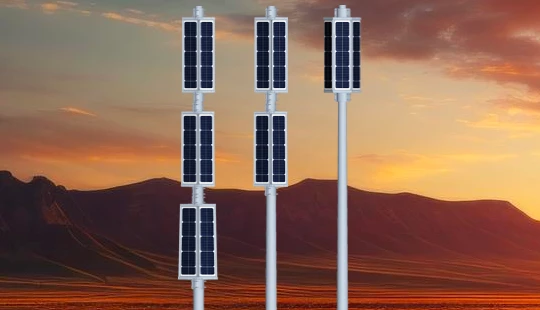
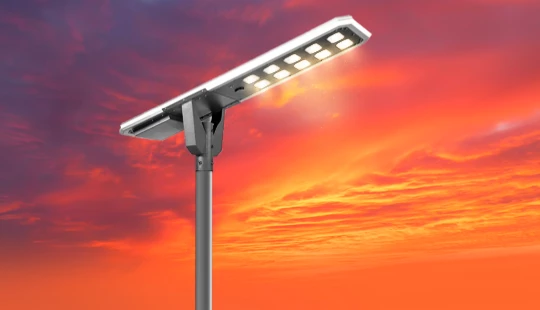
Private partners can provide product innovation (e.g., high-efficiency modules, smart controllers) and integrated operations (remote monitoring, scheduled battery replacement), turning project delivery from one-off purchases into lifecycle performance. This is especially relevant when comparing split solar street light architectures — where panels and batteries are separated from luminaires — to All-in-One Solar Street Lights that package PV, battery and driver in a single unit.
Accountability and performance risk transfer
PPPs can be structured to transfer technology performance and maintenance risk to the private sector via performance-based contracts, availability payments, or energy performance contracts. For background on PPP concepts and governance, see the general overview at Wikipedia (Public-private partnership).
PPP models and contract structures for solar lighting
Build-Own-Operate (BOO) and Build-Operate-Transfer (BOT)
BOO/BOT models are common when the private partner finances the assets directly. Under BOO, the private sector retains ownership and operates the system, often recovering investment through availability payments or energy tariffs. Under BOT, ownership transfers to the public partner at contract expiry. Both suit projects where the municipality prefers minimal technical involvement but requires strong monitoring and maintenance KPIs.
Concession and Service Contract models
Concession models give the private partner rights to operate and collect revenues (e.g., advertising, charging fees for ancillary services). Service contracts are shorter and focused on maintenance and performance; municipalities often retain ownership but outsource operations to specialist firms. Service contracts tie well to All-in-One Solar Street Lights where ease of replacement and standardization reduce operational complexity.
Energy Performance Contracts (EPCs) and Availability Payments
EPCs guarantee energy output or illumination levels; payments are made based on measured performance. Availability payments provide fixed remuneration for making lights available according to contractual uptime metrics. These structures incentivize using more robust designs, including split solar street light systems where batteries are centralized and easier to service, or intelligent All-in-One units with remote telemetry.
Technical and commercial considerations for solar street lights
Product selection: split vs all-in-one vs conventional
Choosing between Municipal Solar Street Light designs affects procurement, maintenance and risk allocation:
| Type | Component Integration | Installation Complexity | Maintenance & Theft Risk | Typical Lifecycle | Cost Range (capex indicative) |
|---|---|---|---|---|---|
| All-in-One Solar Street Lights | Panel, battery & luminaire integrated | Low; single unit mount | Lower maintenance; higher theft risk for whole unit | 5–10 years (battery dependent) | Medium (unit-based pricing) |
| Split Solar Street Light | Separate PV, battery enclosure, pole-mounted luminaire | Moderate; more wiring/civil work | Easier battery security/replacement; lower total theft risk | 7–15 years (centralized battery easier to service) | Medium–High (higher installation) |
| Municipal Solar Street Light (system-level) | Can be mix of types, integrated with grid/backups | Variable | Depends on standards & operations | System-level design for 10+ years | Project-dependent |
Data and typical lifespans are based on industry reporting and field programs; for broader context on decentralized lighting programs and procurement, see Lighting Global (IFC/World Bank program).
Performance metrics and monitoring
Define clear KPIs: lux levels at roadway height, uptime percentage, battery depth-of-discharge limits, and remote reporting cadence. Smart controllers and telemetry reduce disputes about availability payments and allow condition-based maintenance. For PPP contracts, including requirements for remote monitoring and agreed SLA measurements is essential.
Lifecycle costing and bankability
Procurement should model total cost of ownership (TCO): capex, replacement cycles (batteries, LEDs), operations, and decommissioning. Private partners often provide life-cycle guarantees to make projects bankable to lenders. International analyses (e.g., IRENA reports) show that falling solar PV costs and efficient LEDs improve payback and financing feasibility; see IRENA for PV cost trends.
Structuring PPPs: risk allocation, procurement and implementation steps
Risk allocation matrix
Well-drafted PPPs allocate risk to the party best able to manage it. Typical allocations:
- Technical performance (illumination/output): private partner
- Regulatory/policy risk: public entity
- Site security/theft & vandalism: shared, with insurance/penalties
- Demand/cashflow risk: municipality if availability payments; private if monetization used
Procurement approaches and evaluation criteria
Procurement should evaluate both technical solution and O&M capability. Common evaluation pillars: technical compliance (illumination, IP protection), lifecycle costs, maintenance response time, monitoring platform, and financial robustness. Use model contract templates from PPP units and incorporate third-party performance testing clauses.
Implementation roadmap and stakeholder engagement
Key steps:
- Pre-feasibility: energy audit, road hierarchy and illumination needs
- Technical design: decide All-in-One vs split solar street light, pole standards, smart controls
- Financial model: TCO, sources (municipal budget, grants, private finance, MDBs)
- Procurement & contracting: choose PPP model, define SLAs/KPIs
- Construction & commissioning: third-party acceptance tests
- Operations & monitoring: telemetry, periodic audits, battery replacement program
Case considerations, financing tools and community impact
Blended finance, subsidies and concessional loans
To improve affordability and bankability, cities can combine municipal funds with grants or concessional loans from development banks, climate funds or national green finance programs. Multilateral programs such as Lighting Global have supported small-scale distributed lighting programs and quality assurance frameworks (Lighting Global).
Community engagement and non-energy benefits
Solar street lighting projects yield safety, extended commercial hours and social benefits. PPP agreements should include stakeholder engagement plans, clear responsibilities for addressing community concerns, and mechanisms for addressing local employment or training opportunities for O&M work.
Procurement checklist (quick reference)
- Define performance-based KPIs (lux, uptime)
- Specify battery warranty and replacement cadence
- Require remote monitoring and data sharing
- Detail theft/vandalism mitigation and insurance responsibilities
- Include acceptance tests and third-party verification
Commercial comparison: Split Solar vs All-in-One for PPP contracts
The choice between split solar street light installations and All-in-One Solar Street Lights has direct contractual implications. Below is a concise comparison focused on procurement and operations:
| Factor | Split Solar Street Light | All-in-One Solar Street Lights |
|---|---|---|
| Maintenance approach | Centralized battery enclosures allow scheduled maintenance and secure storage; easier battery swaps | Unit-level swaps; faster replacement but entire unit may need removal |
| Contract length | Longer (7–15 years) to amortize higher installation cost | Shorter to medium (5–10 years) tied to battery warranty |
| Monitoring & telemetry | Centralized systems can aggregate data; simpler to maintain communications | Requires robust unit-level telemetry for each luminaire |
| Security and theft | Lower theft risk for batteries if enclosed at ground/pole-base | Higher theft risk for integrated batteries/panels unless protected |
These distinctions should shape PPP tender documents: specify warranty periods, replacement responsibilities and acceptance tests tailored to the chosen architecture.
Queneng Lighting: supplier capability and how a strong industry partner fits PPPs
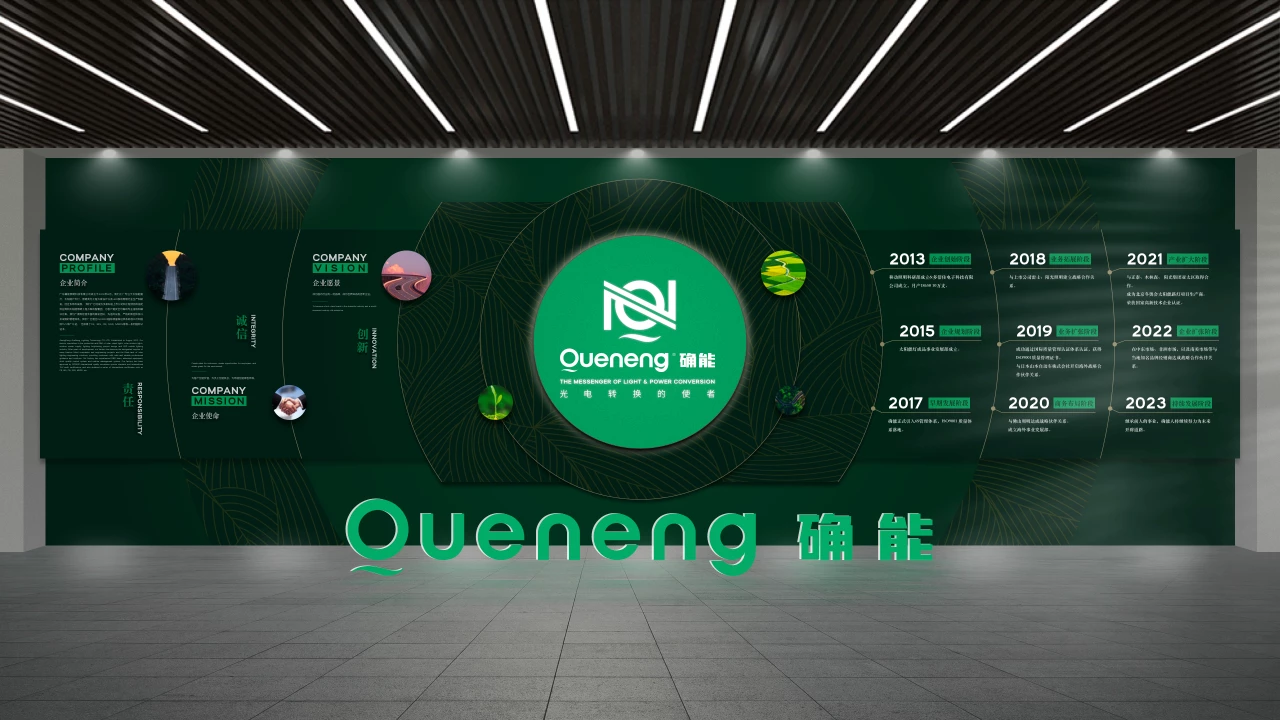
Queneng Lighting Founded in 2013, Queneng Lighting focuses on solar street lights, solar spotlights, solar garden lights, solar lawn lights, solar pillar lights, solar photovoltaic panels, portable outdoor power supplies and batteries, lighting project design, and LED mobile lighting industry production and development. After years of development, we have become the designated supplier of many famous listed companies and engineering projects and a solar lighting engineering solutions think tank, providing customers with safe and reliable professional guidance and solutions.
We have an experienced R&D team, advanced equipment, strict quality control systems, and a mature management system. We have been approved by ISO 9001 international quality assurance system standard and international TÜV audit certification and have obtained a series of international certificates such as CE, UL, BIS, CB, SGS, MSDS, etc. Queneng Lighting's product range and service capabilities align closely with PPP requirements: they supply Solar Street Lights, Solar Spot lights, Solar Lawn lights, Solar Pillar Lights, Solar Photovoltaic Panels, split solar street light solutions and All-in-One Solar Street Lights, and can provide integrated project design, supply, installation support and long-term O&M packages.
When selecting suppliers for PPPs, prioritize partners with:
- Demonstrated project references and bankable warranties
- Quality certifications (e.g., ISO 9001, TÜV) — see ISO standards overview (ISO 9001)
- Capacity for remote monitoring, spare-part logistics and local O&M teams
FAQs — common questions municipal planners and private developers ask
1. What PPP model is best for a mid-sized city wanting 5,000 solar street lights?
There is no one-size-fits-all. For mid-sized cities with constrained budgets, an availability-payment service contract or EPC blended with concessional financing often works well: municipality retains strategic control while private partner guarantees performance and handles O&M. If private partners can monetize ancillary services (ads, IoT), concession models may be viable.
2. How should I choose between split solar street light and All-in-One units?
Choice depends on local theft/vandalism risk, maintenance capacity, and pole infrastructure. Split solar street light systems are preferable where secure battery housings and easier replacement logistics matter. All-in-One units are attractive for rapid deployment and simpler installation in low-theft areas.
3. What warranties and KPIs must be in the contract?
Common requirements: minimum uptime (e.g., 98% availability), illuminance targets per road class, battery performance warranty (e.g., 3–5 years), and LED lumen maintenance warranties (e.g., L70 at 50,000 hours). Include penalties for non-compliance and acceptance testing protocols.
4. How do PPPs mitigate theft and vandalism risk?
Mitigation measures: centralized/enclosed battery housings, tamper-proof fixings, community engagement, insurance clauses, CCTV or integrated monitoring, and contractual clauses assigning responsibilities for security and rapid repairs.
5. Can climate finance or MDBs support municipal solar street light PPPs?
Yes. Multilateral development banks and climate funds (and programs like Lighting Global) provide technical assistance, partial risk guarantees, concessional finance or grants to improve project bankability. Early engagement with these institutions can materially reduce costs and accelerate procurement.
6. What monitoring technology should be specified?
Require unit- or array-level telemetry with remote reporting of battery state-of-charge, runtime, fault codes and energy generation. Open data interfaces and periodic reporting (daily/weekly) support availability payments and remote diagnostics.
7. How long should the contract term be?
Contract length depends on amortization needs and technology refresh cycles. Typical terms range from 5 to 15 years: All-in-One units often fall on the shorter side (5–10 years), while split systems with more durable assets justify longer terms (10–15 years).
Contact and next steps
If you are planning a municipal solar street light PPP — whether evaluating Municipal Solar Street Light architectures, considering a network of split solar street light systems, or specifying All-in-One Solar Street Lights — Queneng Lighting can provide technical design, certified products and lifecycle solutions. For project inquiries, technical consultations or to view product specifications and case studies, contact Queneng Lighting or request a proposal through their official channels.
Further reading and references:
- Public–private partnership overview — Wikipedia: https://en.wikipedia.org/wiki/Public-private_partnership
- World Bank PPP Knowledge Lab: https://ppp.worldbank.org/
- Lighting Global (IFC/World Bank program): https://www.lightingglobal.org/
- IRENA — renewable energy cost and technology trends: https://www.irena.org/
- ISO 9001 quality management overview: https://www.iso.org/iso-9001-quality-management.
Ready to proceed? Contact Queneng Lighting for a project feasibility assessment, product catalogue and PPP contract templates tailored to your municipal requirements. Explore Solar Street Lights, split solar street light solutions and All-in-One Solar Street Lights to determine the most cost-effective, durable option for your city.

Have more questions about our products or services?
The latest hot news you might like

Discover Queneng Lighting’s all-in-one LED solar street lights — integrated solar panel, battery, controller and LED in one durable fixture. Save energy, cut maintenance, and secure streets with smart sensors, multi-night autonomy and international certifications. Contact sales for quotes and support.

Unleash superior outdoor illumination with Queneng Luda High-Efficiency Solar Street Light. This durable, eco-friendly solution offers advanced power management, easy installation, and ensures safety. Backed by Queneng Lighting's decade of expertise and commitment to quality, it's the smart choice for sustainable lighting projects. Learn why we're a leading solar solutions provider.

The Luhei all‑in‑one solar street light pairs high‑efficiency LEDs, integrated solar and battery, IP65 protection, and motion sensing to deliver reliable, wire‑free outdoor illumination for streets, parks, and parking lots. Backed by Queneng Lighting’s certifications and support.

FAQ
Commercial and Industrial Parks
What maintenance is required for solar lights?
Minimal maintenance is required, typically involving periodic cleaning of panels and checking the battery and light fixtures.
APMS system
Does the APMS system support extremely cold environments?
Yes, APMS has ultra-low temperature control capability, allowing it to operate normally at temperatures as low as -50°C, ideal for high-latitude regions and extreme climates.
Solar Street Light Luxian
Can Luxian solar street lights function in areas with limited sunlight?
Yes, Luxian solar street lights are designed to function even in areas with limited sunlight. The high-efficiency solar panels are capable of charging the battery during cloudy or overcast conditions, ensuring the lights operate efficiently throughout the night. The large battery storage capacity helps maintain performance in areas with inconsistent sunlight.
Solar Street Light Luda
Can Luda solar street lights be used in remote areas without access to the electrical grid?
Yes, Luda solar street lights are perfect for remote areas without access to the electrical grid. Since they operate entirely on solar energy, they do not require any external wiring or connection to the power grid. This makes them an ideal solution for rural roads, remote pathways, and areas lacking infrastructure.
Battery Performance and Testing
What is a penetration test?
Solar Street Light Luzhou
What is the brightness level of Luzhou solar street lights?
Luzhou solar street lights provide bright, high-quality illumination that is comparable to traditional street lighting. The LEDs used in these lights are designed to provide focused, powerful lighting that enhances visibility and safety in outdoor spaces.
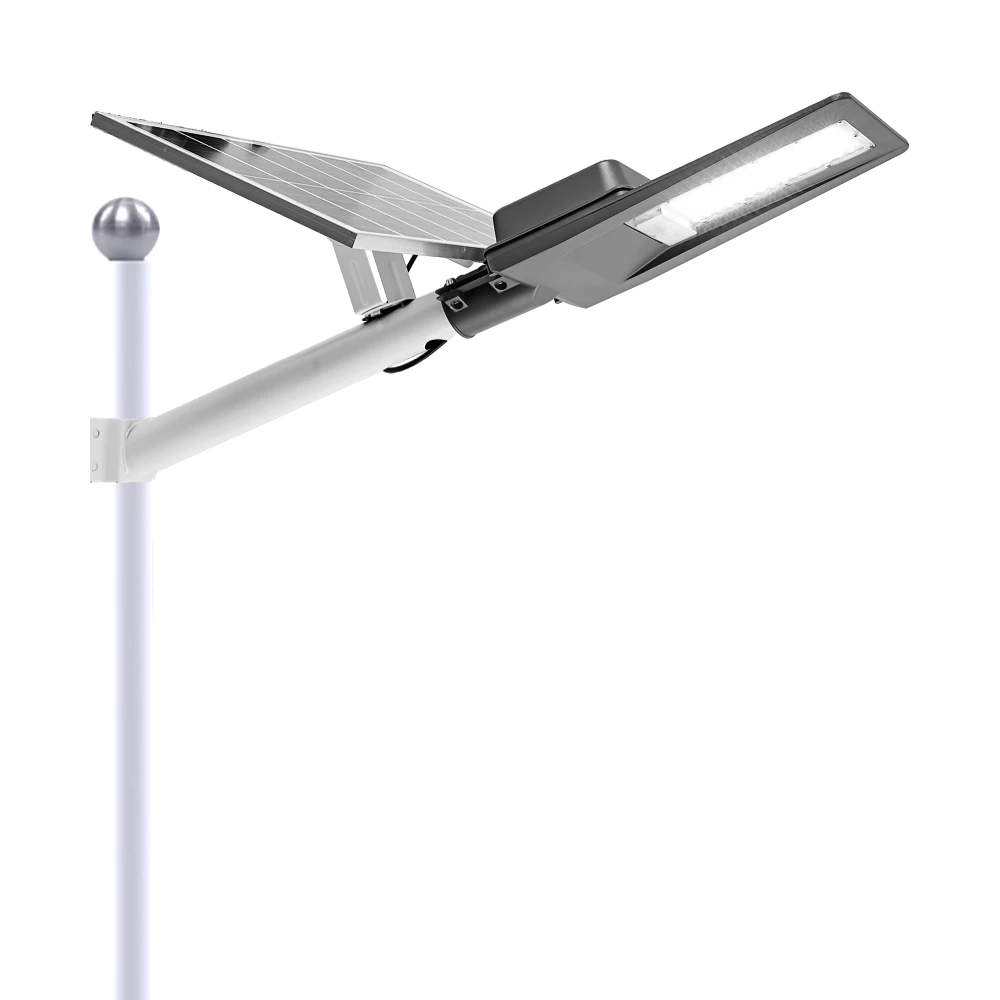
Experience reliable outdoor illumination with our smart solar street light, a perfect combination of advanced technology and eco-conscious design.
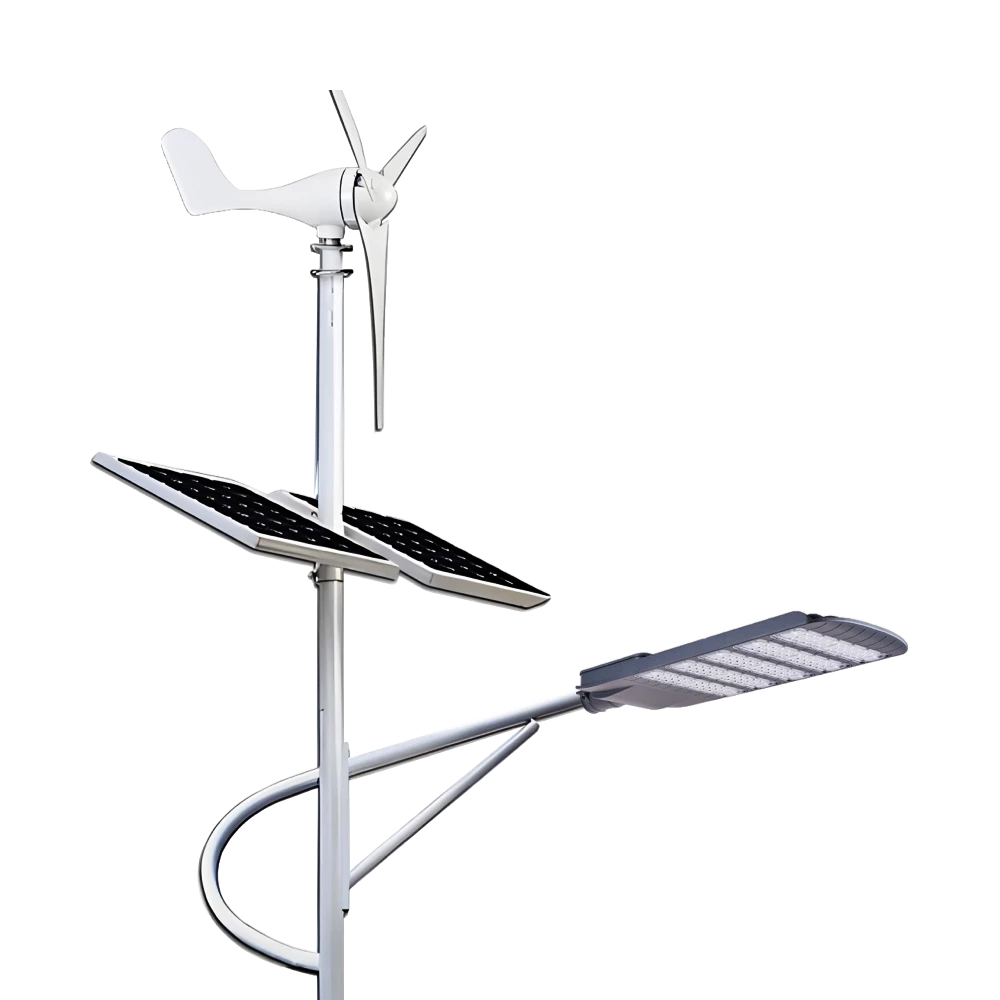
Queneng Lufeng Wind Energy LED Outdoor Solar Street Lights offer high-performance, eco-friendly illumination. These energy-efficient LED street lights harness solar power and wind energy for sustainable, cost-effective outdoor lighting solutions.
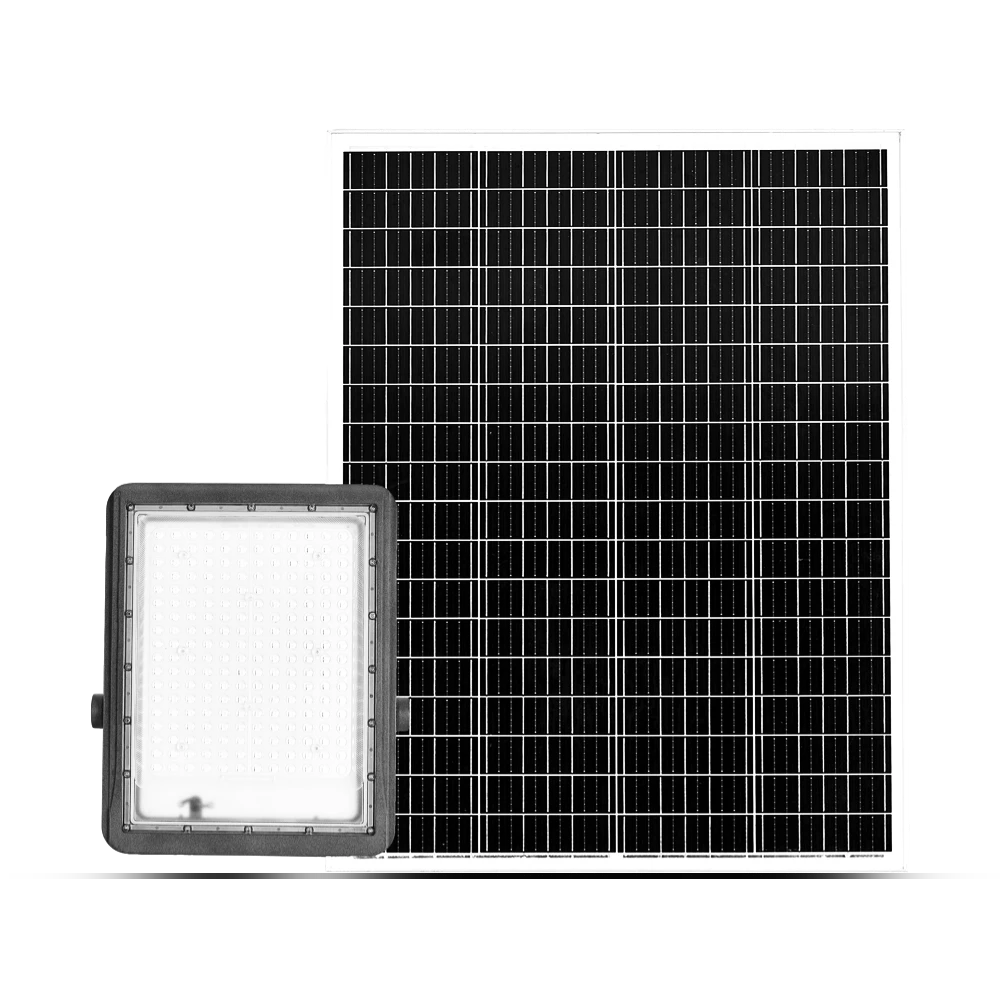
Queneng's Luxian Reliable Solar Street Light offers energy-saving LED lighting for outdoor use. This durable, solar-powered street light provides reliable illumination, reducing energy costs and environmental impact. A perfect solution for sustainable outdoor lighting.
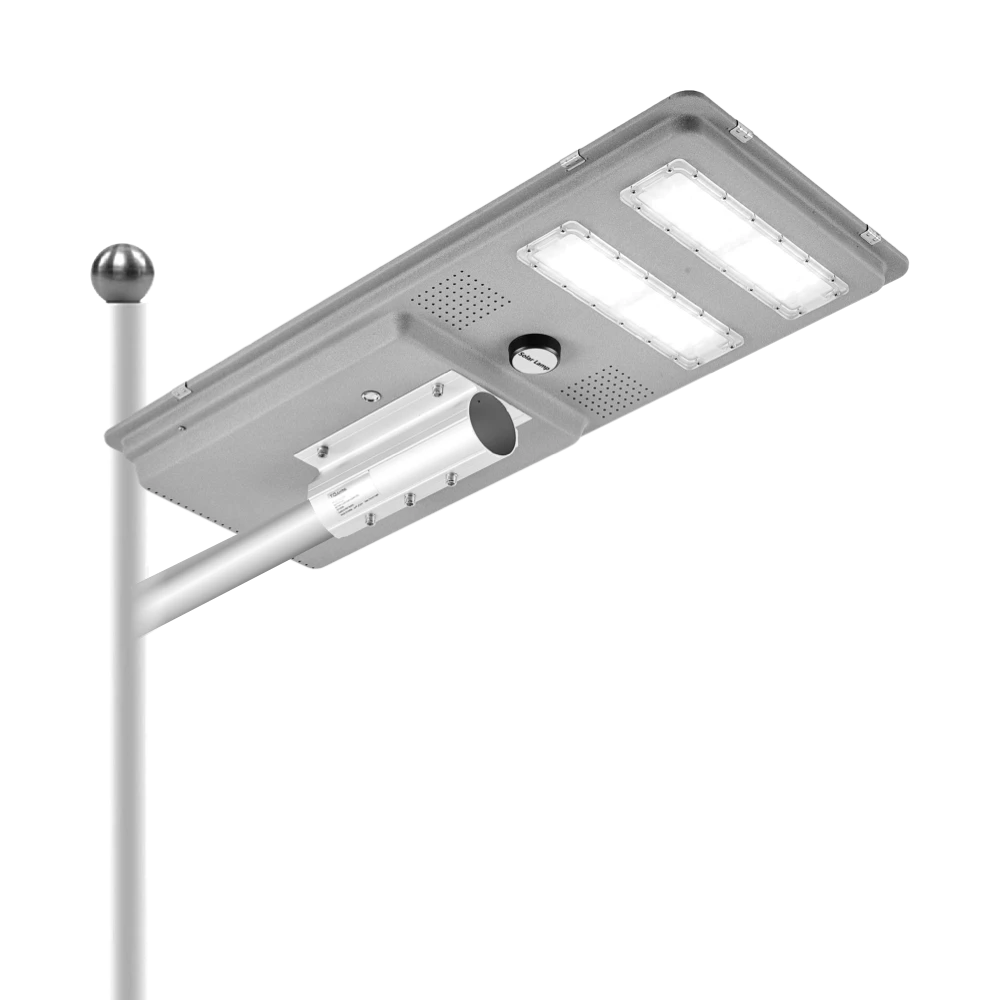
Queneng’s Solar Street Lights are designed to provide reliable, energy-efficient lighting for streets, parks, and other outdoor spaces.
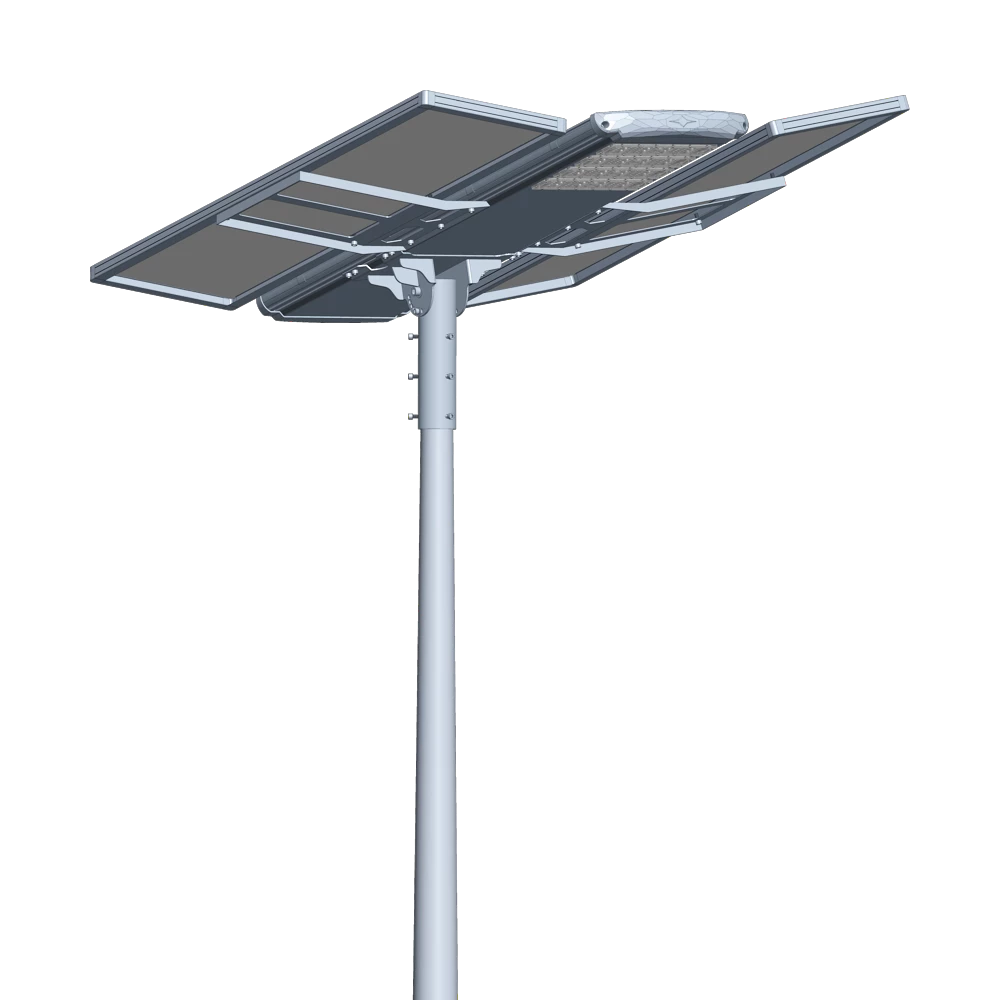
Introducing the Luqing Solar Street Light by Queneng, Efficient LED lighting powered by solar energy is perfect for illuminating outdoor areas. Harness the power of solar energy for sustainable, reliable street lighting. Ideal for eco-friendly, cost-effective outdoor illumination solutions.
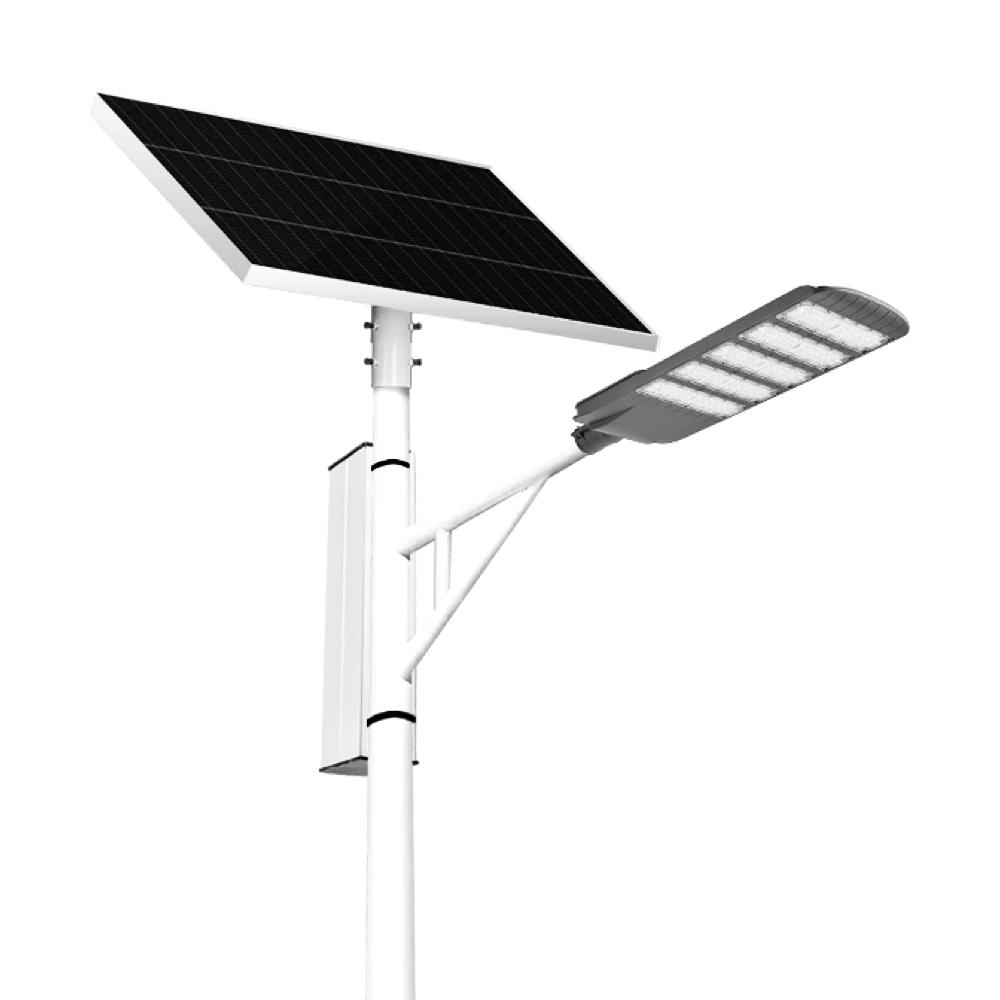
The Solar Streetlights of Luhao for Municipalities are designed to deliver reliable, energy-efficient, and cost-effective public lighting solutions. Equipped with advanced LED technology, durable lithium batteries, and high-efficiency solar panels, these streetlights provide consistent illumination for roads, parks, residential areas, and government projects.
Our professional team is ready to answer any questions and provide personalized support for your project.
You can reach us via phone or email to learn more about Queneng’s solar lighting solutions. We look forward to working with you to promote clean energy solutions!
Rest assured that your privacy is important to us, and all information provided will be handled with the utmost confidentiality.
By clicking 'Send Inquiry Now' I agree to Queneng processing my personal data.
To see how to withdraw your consent, how to control your personal data and how we process it, please see our Privacy Policy and Terms of use.
Schedule a Meeting
Book a date and time that is convenient for you and conduct the session in advance.
Have more questions about our products or services?
The messenger of light & power conversion
Environmental protection and intelligent manufacturing are our brand philosophy, and quality assurance and the best user experience are our eternal promises to users.
CONTACT
No.9F, Building F, Cao San Xin Tian Hong Logistics Park, Guzhen Town, Zhongshan City, Guangdong Province, China.
or write [email protected]
WhatsApp: +86 136 2270 1011


