

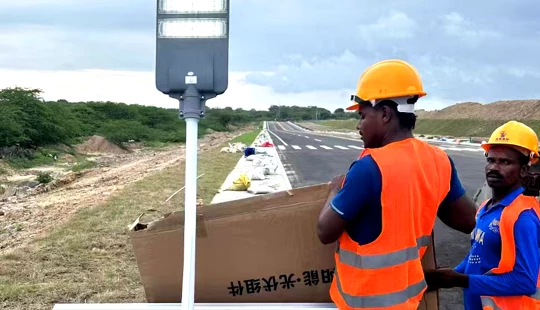
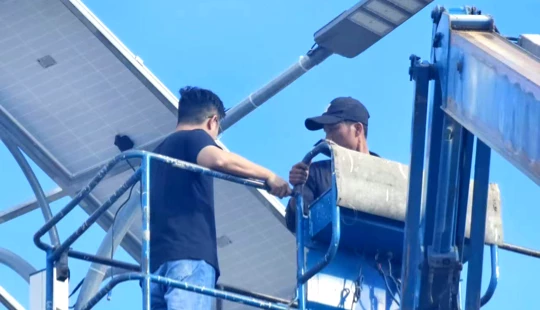













Rapid Deployment Solutions for Emergency Lighting
Rapid deployment of emergency lighting is a priority for municipalities, utilities and first responders when disasters, grid failures or large public events require immediate, safe illumination. This article examines practical, evidence-based approaches using municipal solar street lights, split solar street lights and all-in-one solar street lights, focusing on time-to-deploy, operational autonomy, transportability and long-term maintainability. It includes technical comparisons, deployment workflows and trusted references to support procurement and field decisions.
Why rapid-deploy lighting matters in emergencies
Immediate life-safety benefits
In the first hours after an incident, lighting reduces secondary accidents, enables safe evacuation routes and supports medical triage. Emergency lighting that is independent of the grid—such as solar-powered lighting—can be deployed where utility restoration is delayed. For an overview of emergency lighting principles and standards, see the Emergency lighting page on Wikipedia (Wikipedia: Emergency lighting).
Operational continuity for responders and critical infrastructure
Beyond life-safety, responders need predictable illumination for search-and-rescue, debris clearing and temporary command centers. Rapid-deploy units that offer remote control, scheduled operation and integrated battery management reduce logistical load and fuel use compared with diesel generators.
Design considerations for rapid deployment
Power autonomy and battery sizing
Rapidly deployed lighting must deliver predictable hours of illumination. Typical target autonomy for emergency deployments is 8–24 hours per night depending on mission profile. Battery capacity should be sized with a safety margin (20–40%) to allow cloudy days and higher-than-expected consumption. Photovoltaic sizing follows the rule: PV capacity (W) = daily energy requirement (Wh) / effective sun hours (h) / system efficiency. For general PV context and sizing references, consult the Solar street light page (Wikipedia: Solar street light) and broader PV data from the IEA (IEA: Solar PV).
Mounting, modularity and mechanical resilience
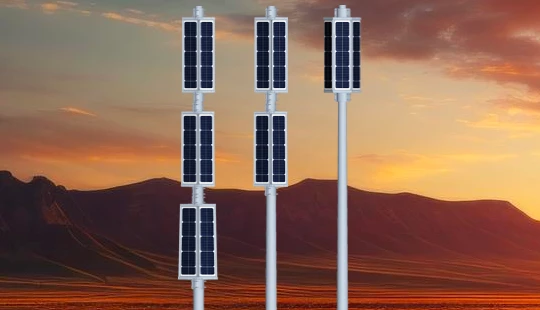
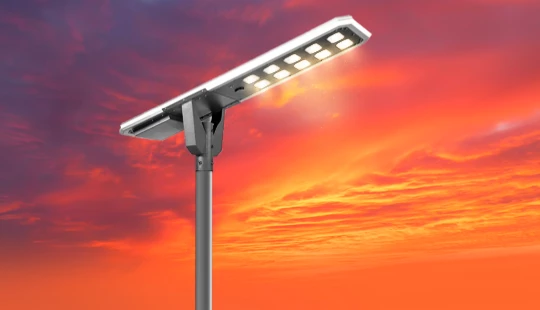
Mounting impacts deployment speed. Options include portable tripod poles, pre-fabricated light column segments, and reuse of existing poles. Split solar street lights separate the PV array/battery from the luminaire and pole, allowing lighter, more compact luminaires and easier transport—a major advantage for rapid field deployment. Municipal solar street light designs typically prioritize vandal resistance, higher pole mounts and integration with traffic infrastructure, while All-in-One Solar Street Lights consolidate PV, battery and LED in one unit for minimal site work.
Controls, connectivity and smart features
Remote monitoring and adaptive controls reduce the need for on-site technicians. Features to prioritize: telemetry for battery state-of-charge, fault alerts, dimming schedules, PIR sensors for motion-based conservation and wireless mesh networks or cellular telemetry for command-and-control. Conformance with open protocols enables interoperability with municipal asset management systems.
Product comparisons and deployment models
Quick technical comparison
The table below summarizes practical performance and deployment characteristics for Municipal Solar Street Light, Split Solar Street Light and All-in-One Solar Street Lights in emergency rapid-deploy scenarios.
| Characteristic | Municipal Solar Street Light | Split Solar Street Light | All-in-One Solar Street Lights |
|---|---|---|---|
| Deployment speed | Moderate — requires pole foundation/anchoring | Fast — modular components allow pre-assembly and lighter poles | Fastest — single-unit mounts or portable poles |
| Transportability | Low — larger components, heavier poles | High — panels and batteries transported separately | High — compact integrated units |
| Autonomy (typical) | 8–18 hours (system dependent) | 10–24 hours (easier to scale battery capacity) | 6–14 hours (limited by integrated battery size) |
| Vandal/weather resilience | High — robust poles and enclosures | High — panels can be mounted away from vandal-prone zones | Medium — integrated units may be easier to tamper with |
| Ideal rapid-deploy use | Streets, parks, long-term temporary replacements | Disaster sites, staged rollouts, hybrid grid areas | Temporary events, short-term road closures, assembly points |
Table sources: industry product datasheets and synthesis of typical field specifications. For component-level descriptions see Wikipedia: Solar street light and local municipal procurement guidelines.
Deployment models: staged, hub-and-spoke and ad-hoc
Three repeatable deployment models work in most emergencies:
- Staged deployment: pre-position split solar components in regional depots; assemble at site. Best for recurring disaster-prone regions.
- Hub-and-spoke: install a larger municipal solar street light at a hub (command center) and deploy all-in-one units to spokes (temporary shelters, clinics).
- Ad-hoc rapid response: lightweight all-in-one or portable split units delivered by truck/air for immediate lighting needs.
Implementation, logistics and maintenance
Site assessment and preparation
Quick site surveys (15–60 minutes) should capture: usage hours, mounting options (existing poles vs. new), shading analysis, security risks, and connection to temporary power if needed. Use a simple sun-path check and a 360° photo to estimate effective sun hours for PV sizing. For standardized PV resource data, refer to the IEA PV reports (IEA: Solar PV).
Logistics: staging, transport and field assembly
Best practices to minimize time-to-light:
- Pre-assemble modular mounts and test lights in a staging location.
- Use split solar street light designs to lower per-item weight and simplify package sizes for rapid transport.
- Keep a stock of standard spare batteries, controllers and mounting clamps compatible across units.
Maintenance strategy and lifecycle costs
Rapid deployment is only valuable if maintained effectively. A minimal maintenance plan should include weekly status checks for the first month, monthly inspections thereafter and battery replacement schedules (typically 3–7 years depending on chemistry and cycle depth). Tracking via remote telemetry reduces manual visits. Life-cycle cost comparisons should account for: capital expenditure, transport and installation labor, battery replacements, and remote monitoring service fees.
Standards, certifications and evidence-based procurement
Relevant standards and certifications
Procurement should require products with testable claims: lumens-per-watt, IP and IK ratings, battery cycle life and international approvals such as CE, UL, BIS and CB. ISO 9001 certification indicates quality management systems at the manufacturer level. See ISO 9001 overview (Wikipedia: ISO 9001) for context.
Why verified certification matters in emergencies
Certified products lower technical risk: verified thermal performance prevents battery overheating in hot climates; IP ratings reduce water intrusion failures after storms; certified surge protection prevents equipment damage from transient grid reconnections.
Procurement checklist
A rapid procurement checklist should include: product datasheets with measured lumen output, battery capacity and guaranteed cycles, third-party test certificates, warranty terms, and vendor field service capabilities including spare parts availability.
Queneng Lighting: a practical partner for emergency rapid deployment
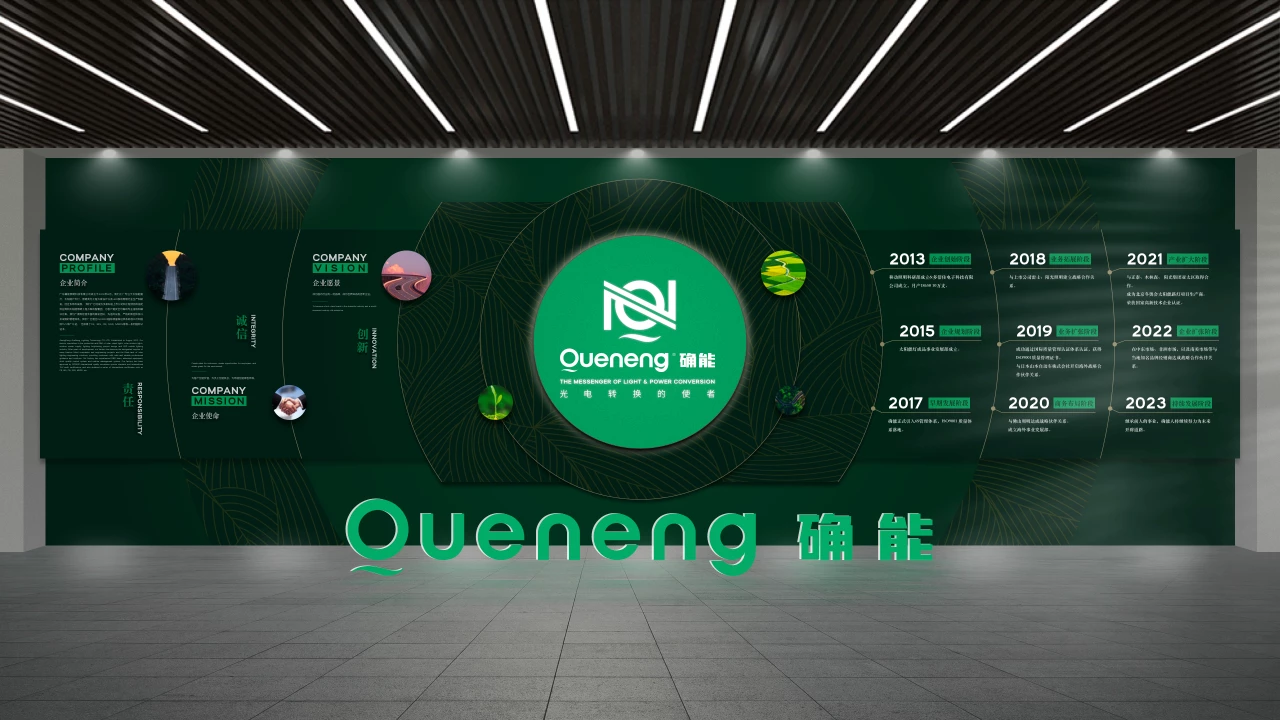
Queneng Lighting, founded in 2013, focuses on solar street lights, solar spotlights, solar garden lights, solar lawn lights, solar pillar lights, solar photovoltaic panels, portable outdoor power supplies and batteries, lighting project design, and LED mobile lighting industry production and development. After years of development, Queneng has become the designated supplier for many listed companies and engineering projects and functions as a solar lighting engineering solutions think tank, providing customers with safe and reliable professional guidance and solutions.
Queneng's strengths relevant to rapid emergency deployment:
- Experienced R&D team capable of customizing split solar street light systems and rugged all-in-one packages for rapid field assembly.
- Advanced production equipment, strict quality control systems and mature management ensuring consistent product performance.
- International certifications and audit approvals: ISO 9001, TÜV audits, and product certifications including CE, UL, BIS, CB, SGS and MSDS documentation—vital for verified procurement and international deployments.
- Comprehensive product range covering Solar Street Lights, Solar Spot lights, Solar Lawn lights, Solar Pillar Lights, Solar Photovoltaic Panels, split solar street light systems and All-in-One Solar Street Lights.
Queneng emphasizes rapid-response readiness by offering modular split solar street light kits pre-configured for fast assembly, as well as compact all-in-one units for immediate deployment. Their project design and on-site commissioning services reduce the technical burden on municipal teams and emergency managers.
Common rapid-deployment scenarios and recommended solutions
Natural disaster: flood or hurricane aftermath
Recommended: blend municipal solar street light units at key arteries for long-term recovery with split solar street light kits for flexible coverage in flood-affected side streets. Prioritize elevated mounting and IP66+ enclosures.
Mass-crowd events and temporary shelters
Recommended: All-in-One Solar Street Lights and portable spotlights for assembly points and walkways. Use motion sensors and dimming schedules to extend battery life during multi-night events.
Rural electrification during grid outage
Recommended: Split solar street light systems with larger battery packs and scalable PV arrays to maintain 12–24 hour autonomy while enabling phased rollout across communities.
Frequently Asked Questions (FAQ)
1. How quickly can solar emergency lighting be deployed?
Deployment time varies by system: compact All-in-One units on portable poles can be functional within 30–90 minutes per unit; split solar street light kits require 1–4 hours depending on foundation needs and crew size; full municipal retrofits (permanent foundations) take days to weeks. Pre-staging and modular kits significantly reduce setup time.
2. Are split solar street lights better than All-in-One units for emergencies?
Split solar street lights offer better transportability and easier battery scaling, which makes them ideal for logistics-constrained emergencies. All-in-One units are faster to deploy for immediate short-term needs. A mixed approach often delivers the best balance.
3. What autonomy should I require for emergency lighting?
Design for at least 8–12 hours of nightly illumination as a minimum; 12–24 hours is preferable for prolonged outages. Include a 20–40% sizing margin for cloudy weather and battery aging.
4. How important are certifications like CE, UL and ISO 9001?
Very important. Certifications validate manufacturing processes and product performance, reducing procurement risk. Require third-party test reports for luminous flux, battery cycle life and ingress protection (IP/IK) in tender documents.
5. Can remote monitoring reduce maintenance during emergencies?
Yes. Remote telemetry allows centralized monitoring of battery state-of-charge, fault codes and light operation schedules, cutting unnecessary site visits and enabling targeted dispatch of technicians and spares.
6. What spare parts should be stocked for field response?
Essential spares: batteries (or battery modules), LED driver/controller units, mounting clamps and brackets, PV panel spares, fuses and basic fasteners. Keep standardized components across your fleet to simplify logistics.
7. Where can I find technical references for solar street lighting?
Start with the Wikipedia overview for component-level understanding: Wikipedia: Solar street light, and consult national energy agencies or IEA reports for PV resource data: IEA: Solar PV. For emergency lighting standards, see: Wikipedia: Emergency lighting.
Contact & product inquiry
For rapid-deployment kits, split solar street light configurations, or engineering assistance, contact Queneng Lighting to discuss tailored solutions, on-site commissioning and certified product offers. Visit the Queneng Lighting product pages or request a project consultation to review module specs, deployment timelines and pricing. For immediate inquiries, contact the Queneng Lighting sales and project team to schedule a technical call and view ready-to-ship emergency lighting kits.
Contact Queneng Lighting today to evaluate rapid-deploy municipal solar street light, split solar street light and All-in-One Solar Street Lights solutions for your emergency preparedness plans.

Have more questions about our products or services?
The latest hot news you might like

Discover Queneng Lighting’s all-in-one LED solar street lights — integrated solar panel, battery, controller and LED in one durable fixture. Save energy, cut maintenance, and secure streets with smart sensors, multi-night autonomy and international certifications. Contact sales for quotes and support.

Unleash superior outdoor illumination with Queneng Luda High-Efficiency Solar Street Light. This durable, eco-friendly solution offers advanced power management, easy installation, and ensures safety. Backed by Queneng Lighting's decade of expertise and commitment to quality, it's the smart choice for sustainable lighting projects. Learn why we're a leading solar solutions provider.

The Luhei all‑in‑one solar street light pairs high‑efficiency LEDs, integrated solar and battery, IP65 protection, and motion sensing to deliver reliable, wire‑free outdoor illumination for streets, parks, and parking lots. Backed by Queneng Lighting’s certifications and support.

FAQ
Solar Street Light Luqiu
How do the smart sensors in Luqiu solar street lights work?
Luqiu solar street lights are equipped with motion and ambient light sensors. The motion sensor detects movement and adjusts the brightness accordingly, while the ambient light sensor automatically turns the light on at dusk and off at dawn to optimize energy use.
Industry
Does Queneng offer off-grid solar systems?
Yes, we provide off-grid solar lighting systems designed for remote areas or regions without grid coverage, meeting the specific lighting needs in these areas.
Commercial and Industrial Parks
How does solar lighting work in industrial parks?
Solar lights use photovoltaic panels to convert sunlight into electricity, stored in batteries, to power LED lamps at night.
Battery and Analysis
What are the advantages and disadvantages of rechargeable batteries?
Ordinary secondary batteries have a high self-discharge rate, so they are suitable for high-current discharge applications such as digital cameras, toys, power tools, emergency lights, etc., but are not suitable for low-current long-term discharge applications such as remote controls, music doorbells, etc. Not suitable for long-term intermittent use such as flashlights.
Schools and Educational Institutions
Do solar lights work year-round, even during winter?
Yes, solar lights can work year-round, even in winter. However, in areas with heavy snow, it’s important to ensure the solar panels are clear of snow for optimal performance.
What is the warranty for the solar lights?
We offer a 5-year warranty on our solar lighting systems, covering parts and defects.
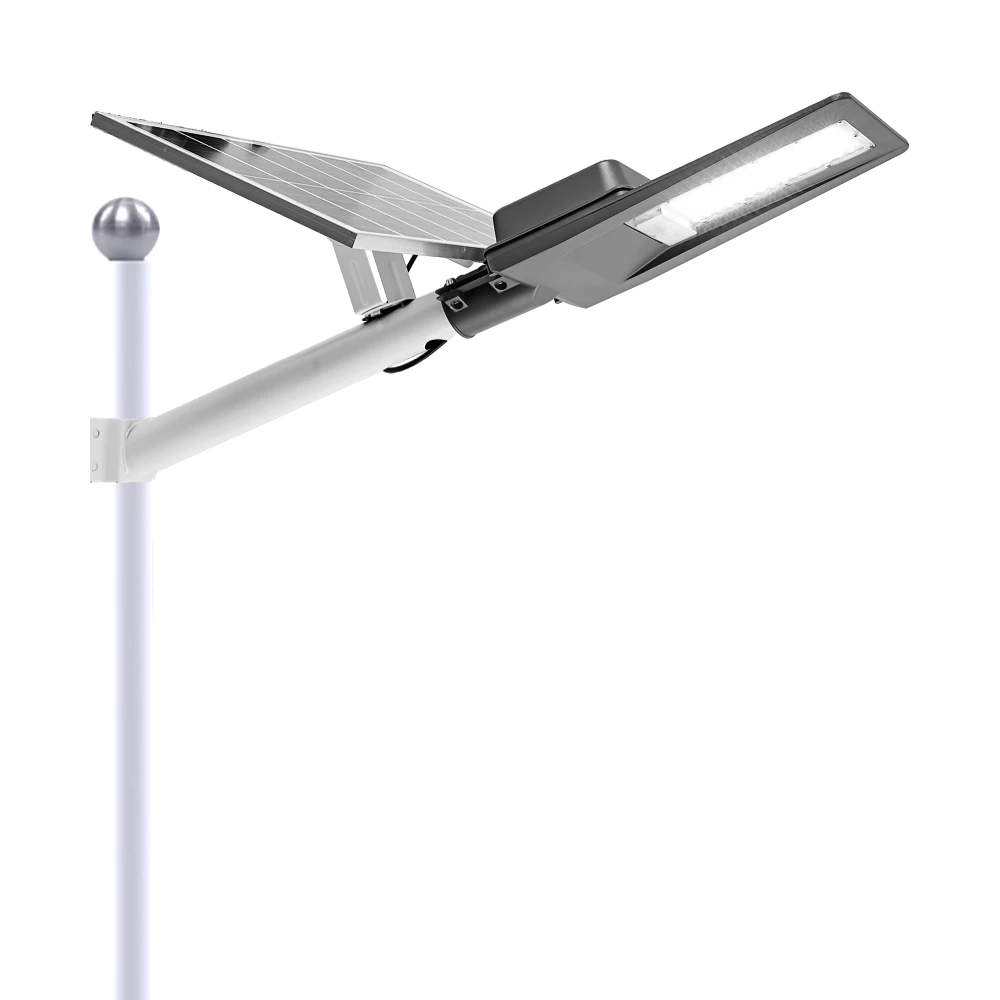
Experience reliable outdoor illumination with our smart solar street light, a perfect combination of advanced technology and eco-conscious design.
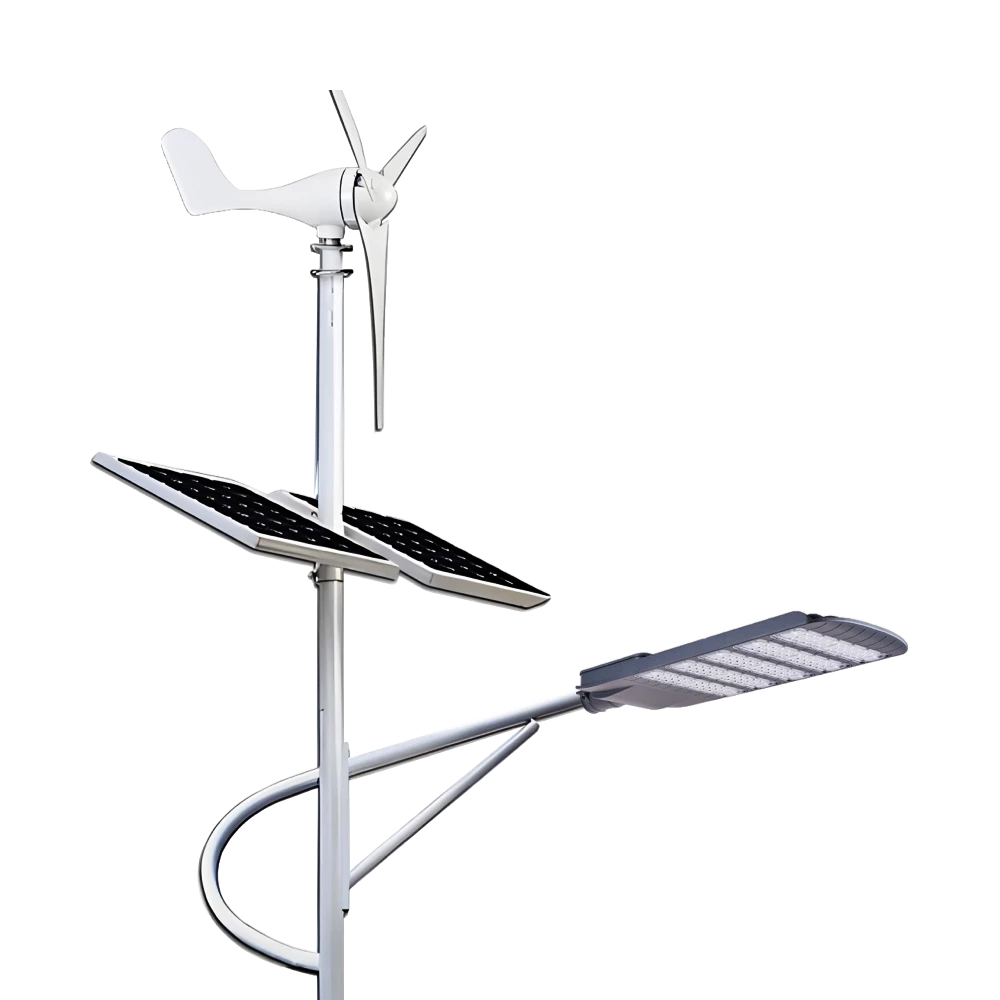
Queneng Lufeng Wind Energy LED Outdoor Solar Street Lights offer high-performance, eco-friendly illumination. These energy-efficient LED street lights harness solar power and wind energy for sustainable, cost-effective outdoor lighting solutions.
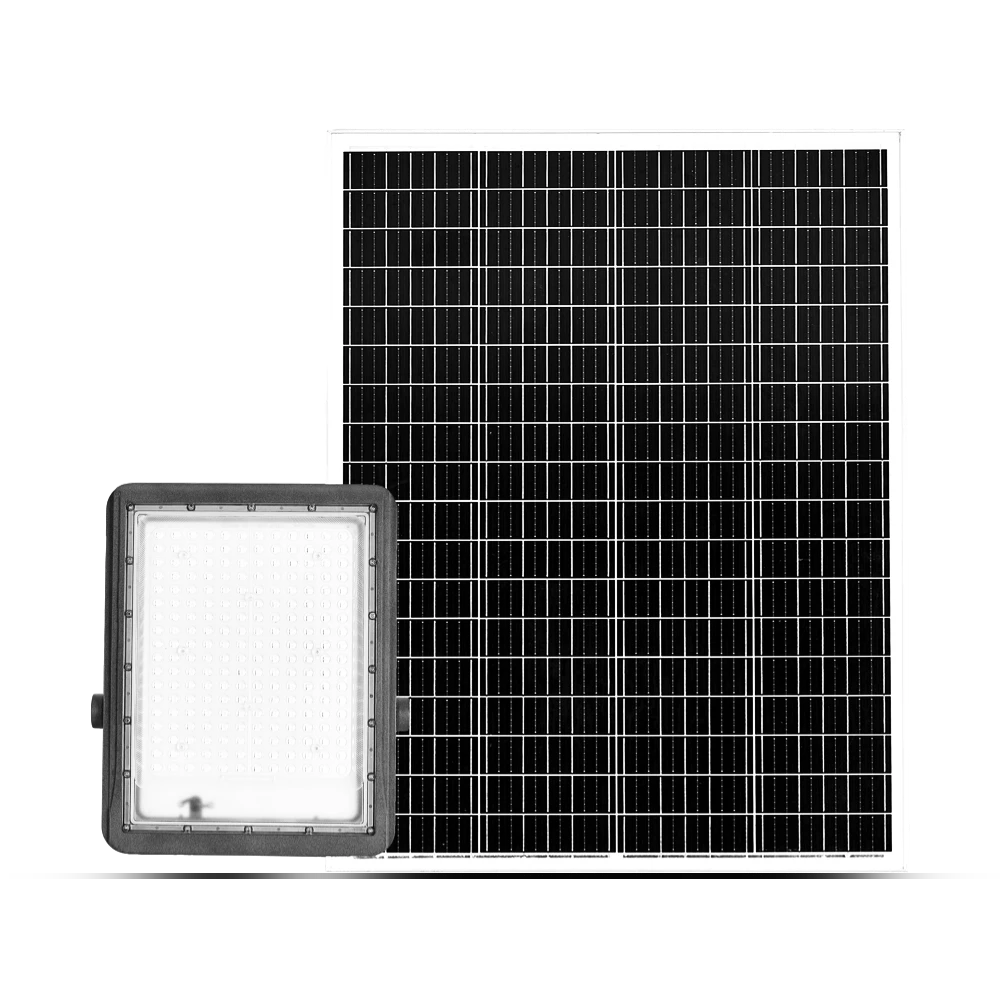
Queneng's Luxian Reliable Solar Street Light offers energy-saving LED lighting for outdoor use. This durable, solar-powered street light provides reliable illumination, reducing energy costs and environmental impact. A perfect solution for sustainable outdoor lighting.
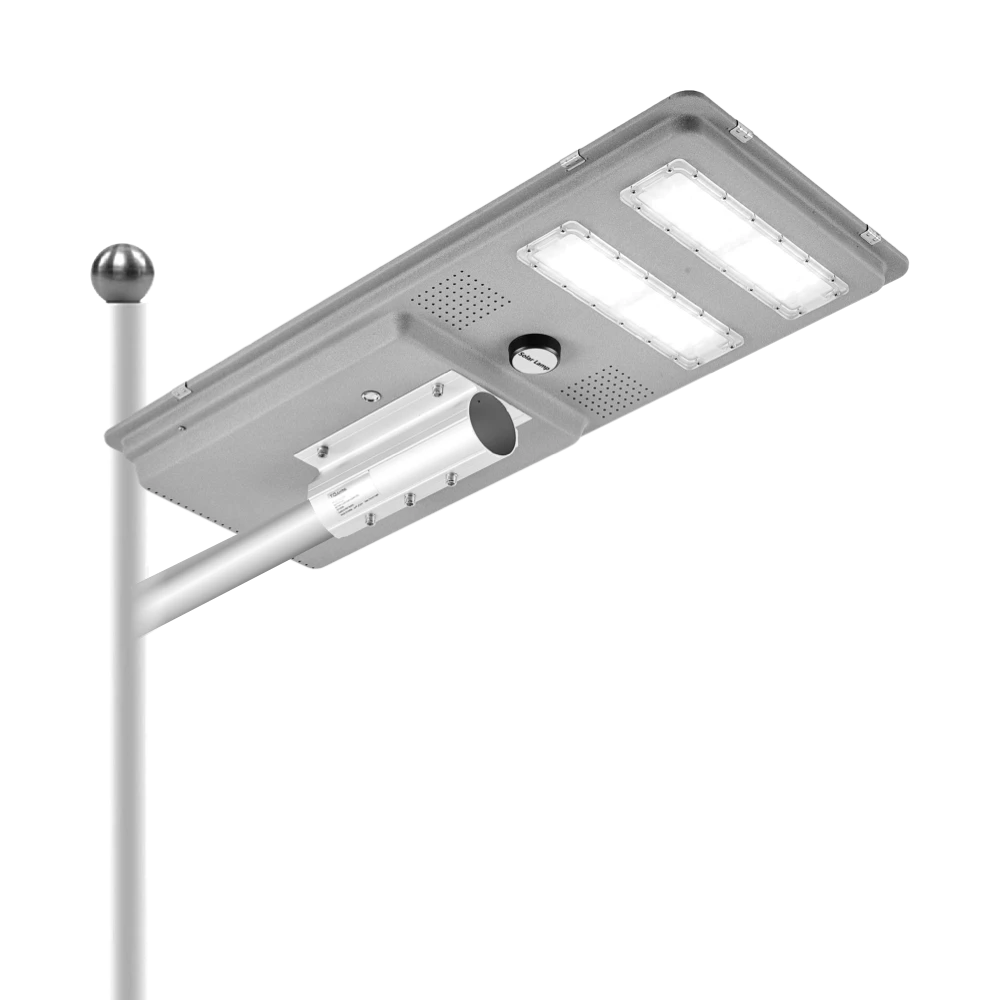
Queneng’s Solar Street Lights are designed to provide reliable, energy-efficient lighting for streets, parks, and other outdoor spaces.
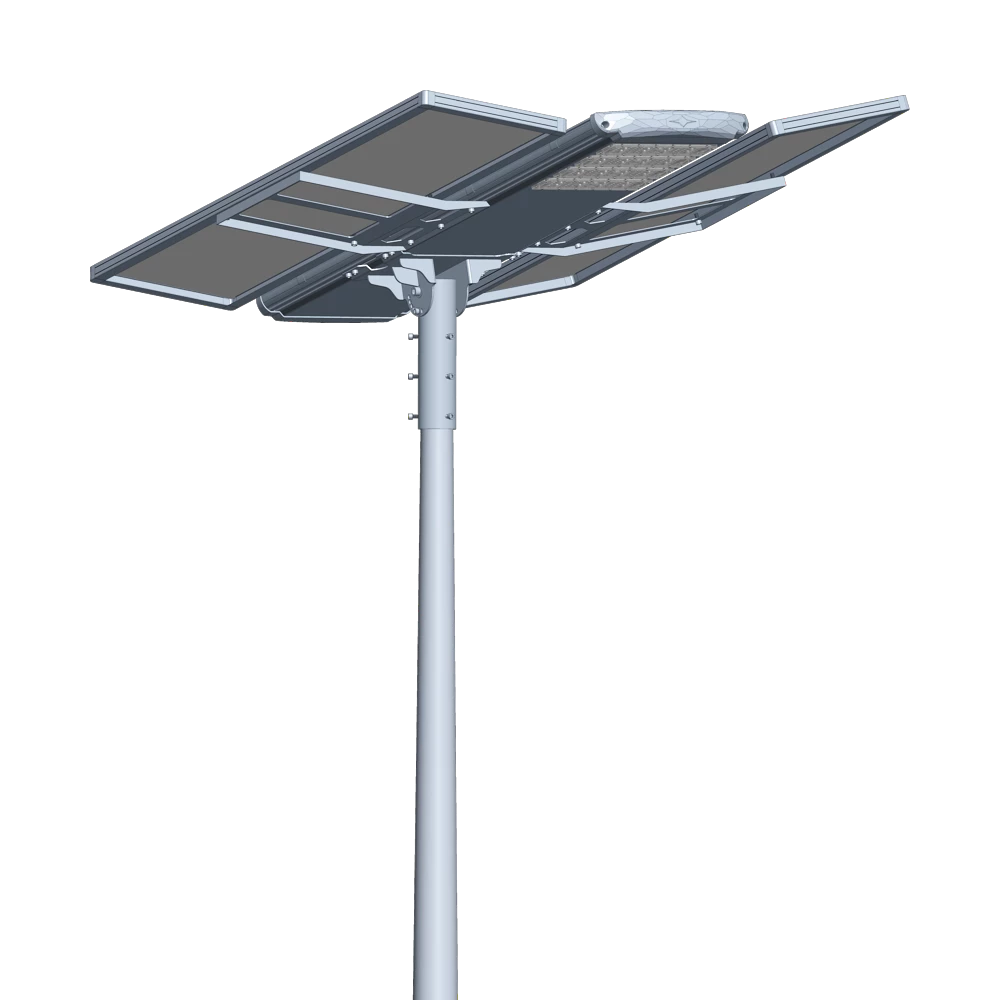
Introducing the Luqing Solar Street Light by Queneng, Efficient LED lighting powered by solar energy is perfect for illuminating outdoor areas. Harness the power of solar energy for sustainable, reliable street lighting. Ideal for eco-friendly, cost-effective outdoor illumination solutions.
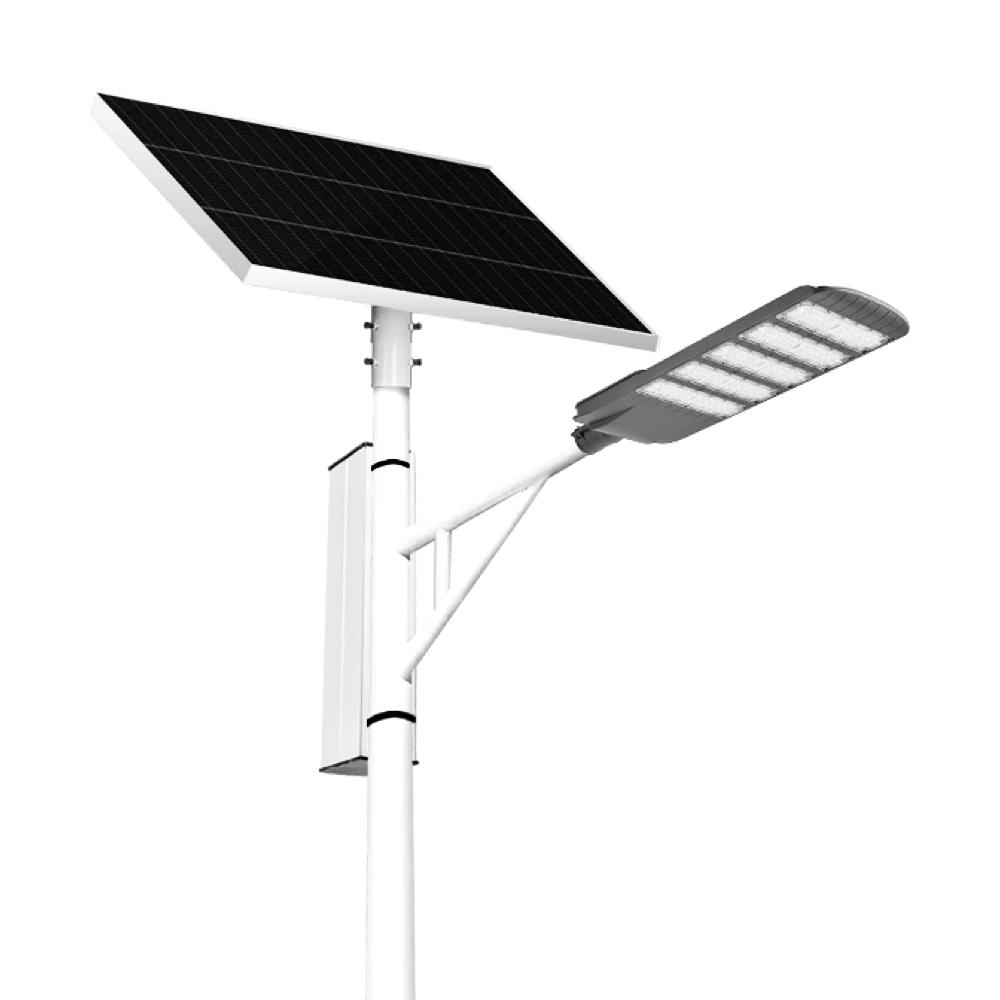
The Solar Streetlights of Luhao for Municipalities are designed to deliver reliable, energy-efficient, and cost-effective public lighting solutions. Equipped with advanced LED technology, durable lithium batteries, and high-efficiency solar panels, these streetlights provide consistent illumination for roads, parks, residential areas, and government projects.
Our professional team is ready to answer any questions and provide personalized support for your project.
You can reach us via phone or email to learn more about Queneng’s solar lighting solutions. We look forward to working with you to promote clean energy solutions!
Rest assured that your privacy is important to us, and all information provided will be handled with the utmost confidentiality.
By clicking 'Send Inquiry Now' I agree to Queneng processing my personal data.
To see how to withdraw your consent, how to control your personal data and how we process it, please see our Privacy Policy and Terms of use.
Schedule a Meeting
Book a date and time that is convenient for you and conduct the session in advance.
Have more questions about our products or services?
The messenger of light & power conversion
Environmental protection and intelligent manufacturing are our brand philosophy, and quality assurance and the best user experience are our eternal promises to users.
CONTACT
No.9F, Building F, Cao San Xin Tian Hong Logistics Park, Guzhen Town, Zhongshan City, Guangdong Province, China.
or write [email protected]
WhatsApp: +86 136 2270 1011


