













Reducing Light Pollution: Shielding and Color Temp Choices
Strategies for Minimizing Urban Light Pollution
Why municipal solar street light design matters
Municipal solar street light projects are increasingly viewed as sustainability drivers for cities. Beyond energy savings and grid independence, properly specified fixtures can dramatically reduce skyglow, glare, and light trespass—collectively called light pollution. For planners and engineers, two design levers give the most tangible impact: optical shielding (fixture distribution) and spectral choices (correlated color temperature, CCT). Correct decisions improve night-sky quality, protect ecosystems, and reduce community complaints without compromising visibility or safety.
Key performance goals for municipalities
When procuring municipal solar street light systems, clarify measurable goals: minimize upward light (percent of lumens above horizontal), limit blue spectral content, meet recommended illuminance/uniformity for roadway class, enable adaptive dimming, and ensure reliable off-grid operation (PV + battery + controls). These criteria align lighting performance with dark-sky guidance and public health considerations while maintaining roadway safety and fiscal responsibility.
Shielding and Optics: Control Light Where It’s Needed
Types of shielding and cutoff classifications
Shielding determines the angular distribution of emitted light. Full cutoff (also called 0% uplight) directs no light above the horizontal plane; semi-cutoff allows a small fraction upward; non-cutoff emits significant uplight. For municipal solar street light arrays, full-cutoff optics are the preferred baseline to limit skyglow and reduce glare for drivers and residents.
Practical selection: mounting height, beam spread, and spacing
Effective shielding requires matching the luminaire photometric distribution to mounting height and pole spacing. Narrow distributions can concentrate light and reduce spill; wide distributions may require lower mounting to avoid glare. Photometric files (IES/DTF) and lighting simulation should be used to confirm average/maximum illuminance and uniformity while ensuring uplight is minimized.
Comparison: Shielding types and impacts
| Shielding Type | Uplight (%) | Typical Use | Effect on Skyglow/Glare |
|---|---|---|---|
| Full cutoff | 0–5% | Roadways, residential streets | Minimal skyglow; low glare |
| Semi-cutoff | 5–15% | Parking lots, transitional areas | Moderate skyglow; moderate glare |
| Non-cutoff | >15% | Decorative lighting | High skyglow; high glare |
Sources: International Dark-Sky Association (IDA) fixture guidance; IES/CIE lighting practice summaries (see References).
Color Temperature (CCT): Spectral Choices and Consequences
How blue light increases skyglow and ecological impact
Light with higher CCT contains greater short-wavelength (blue) energy. Blue wavelengths scatter more in the atmosphere (Rayleigh scattering), increasing skyglow per lumen compared with warmer spectra. Blue-rich lighting also disrupts circadian rhythms in humans and wildlife (e.g., insects and certain bird species). To reduce impact, many dark-sky authorities recommend limiting CCT and reducing blue light proportion in outdoor luminaires for municipal solar street light projects.
Recommended CCT ranges and trade-offs
Practical municipal guidance balances visual performance and environmental protection. Common recommendations:
- Preferred: 2700K–3000K — low blue content, good color rendering for recognition tasks, best for residential/park areas.
- Acceptable: 3000K–3500K — reasonable compromise in mixed-use and some arterial contexts where slightly cooler CCT aids object recognition at distance.
- Avoid >4000K unless justified — higher blue content increases skyglow and potential ecological harm.
Comparison: CCT choices and impacts
| CCT (K) | Blue Light Content | Skyglow Effect | Recommended Applications |
|---|---|---|---|
| 2700K | Low | Lowest | Residential streets, parks, conservation areas |
| 3000K | Low–Moderate | Low | Main streets, most urban areas |
| 3500K | Moderate | Moderate | Selected arterial roads where higher visual acuity is important |
| 4000K+ | High | Higher | Industrial areas only (avoid near habitats/residential zones) |
Authority: International Dark-Sky Association recommendations and spectral impact literature (see References).
Controls, Dimming and Smart Features: Reducing Light When It’s Not Needed
Adaptive dimming strategies
Dimming is one of the highest-leverage strategies for reducing cumulative light output. Municipal solar street light systems with programmable dimming profiles can operate at higher output during peak pedestrian/vehicular hours and reduce to 30–50% during late-night low-activity periods. Combined with motion-triggered boosts for targeted detection, this approach significantly lowers aggregate light output and energy consumption.
Networked controls and scheduling
Smart controllers (LoRa, NB-IoT, Zigbee, etc.) enable remote monitoring, fault detection, and scheduling based on astronomical clocks (sunset/sunrise) and local events. When combined with adaptive dimming and occupancy sensing, smart controls ensure lighting only meets required illuminance levels when needed, reducing unnecessary light trespass into homes and habitats.
Measurement and verification
Post-installation measurement (vertical illuminance at property lines, skyglow measurements using sky-quality meters, and photometric comparisons to predicted IES simulations) verifies that the municipal solar street light installation meets dark-sky and roadway performance targets. Establishing simple KPIs—percent uplight, average lux on the roadway, and nighttime lumen-hours saved—creates accountability for long-term performance.
Implementing Solutions: Procurement and Operational Best Practices
Specification checklist for municipal solar street light projects
- Optics: full-cutoff luminaire with validated photometric IES files and <5% uplight.
- Spectrum: choose 2700K–3000K for residential and conservation areas; permit 3000–3500K where safety requires.
- Controls: integrated dimming (0–100%), remote communications, and motion/ambient sensors.
- Energy storage & PV: battery capacity sized for local autonomy (e.g., 3–7 nights) and PV sizing for worst-case insolation.
- Quality & compliance: manufacturer certifications (ISO, CE, UL) and warranties for PV, battery, and luminaire assemblies.
Cost-benefit considerations
Upfront cost for fully shielded, lower-CCT, and smart-controlled municipal solar street light units is typically higher than basic fixtures. However, lifecycle benefits—reduced energy use, lower maintenance, fewer community complaints, and avoided ecological mitigation—often provide payback in 3–7 years depending on local electricity costs and maintenance savings. Solar installations further reduce O&M complexity in grid-constrained areas.
Case integration: combining shielding and spectral strategy
For mixed urban contexts, apply a zoning approach: downtown arterials might use 3000–3500K with well-controlled optics and higher illuminance levels; surrounding residential zones use 2700–3000K with strict full-cutoff optics and aggressive dimming profiles. This targeted strategy balances safety and environmental protection while simplifying procurement and maintenance.
How Guangdong Queneng Lighting Technology Supports Dark-Sky Municipal Solutions
Company capability and product fit
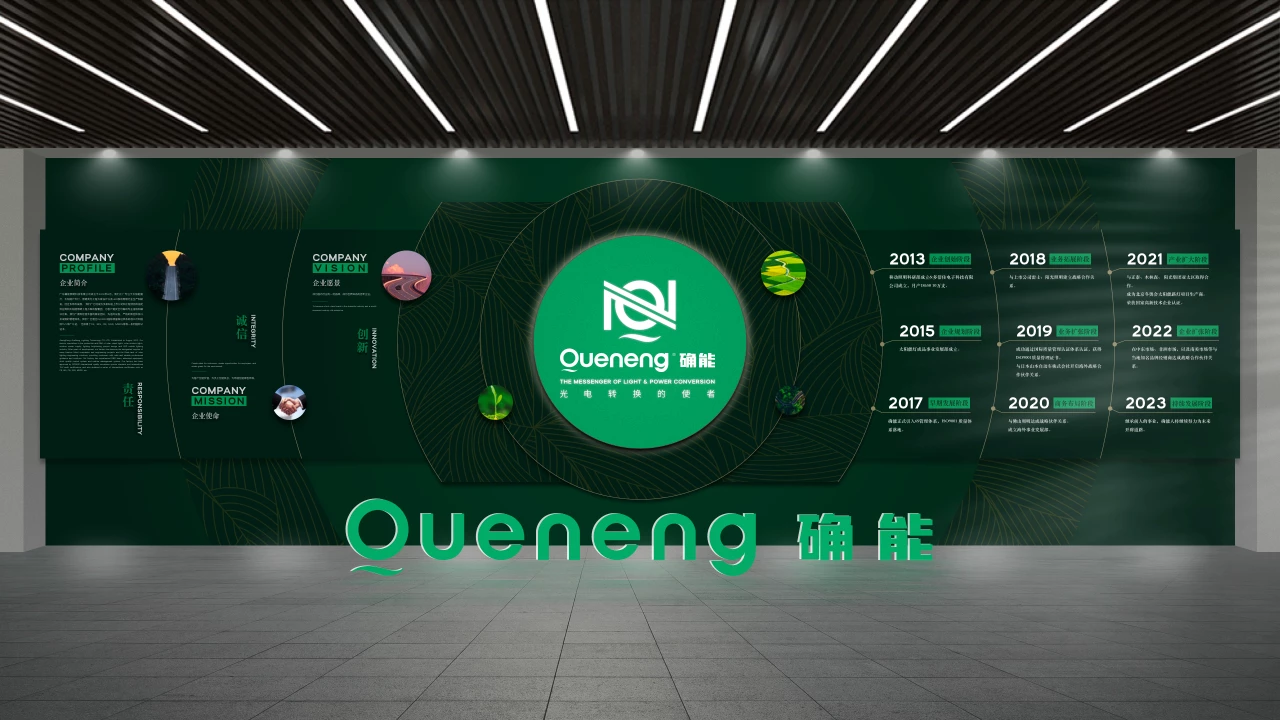
GuangDong Queneng Lighting Technology Co., Ltd., founded in 2013, specializes in solar street lights, solar spotlights, solar garden lights, solar lawn lights, solar pillar lights, solar photovoltaic panels, portable outdoor power supplies, batteries, and LED mobile lighting. Queneng offers integrated lighting-project design and engineering services and has evolved into a solar lighting engineering solutions think tank for multiple listed companies and large engineering projects.
Why Queneng is a candidate supplier for municipal projects
Queneng emphasizes full system design—optics, PV, battery, and control integration—with an experienced R&D team and advanced production equipment. The company operates under strict quality control and management systems, holding ISO 9001 certification and passing international TÜV audits. Queneng’s product certifications include CE, UL, BIS, CB, SGS, MSDS, which aid procurement compliance across markets.
Products and technical strengths
Relevant products: Solar Street Lights, Solar Spot Lights, Solar Lawn Lights, Solar Pillar Lights, Solar Photovoltaic Panels, Solar Garden Lights. Competitive advantages include:
- Optical options with full-cutoff distributions designed to minimize uplight.
- Selectable CCT modules (2700K/3000K/3500K) to match municipal zoning and dark-sky objectives.
- Integrated smart controllers supporting dimming, scheduling, telemetry, and motion sensing.
- Turnkey project design capability including site photometric modeling, PV/battery sizing, and commissioning support.
These capabilities make Queneng a practical partner for municipalities seeking to deploy solar street lighting that adheres to dark-sky best practices while meeting safety, durability, and certification requirements.
FAQ — Common Questions from Municipal Planners
1. What is the single most effective change to reduce light pollution from streetlights?
Use full-cutoff fixtures (0% uplight) with optics directed only onto the road and sidewalk. This prevents direct upward emission that creates skyglow.
2. Which CCT should a city choose for residential streets?
2700K–3000K is recommended for residential areas to minimize blue light while preserving color recognition and safety.
3. Can dimming reduce ecological impact without compromising safety?
Yes—adaptive dimming reduces lumen-hours and disturbance during low-activity periods. Motion-triggered or schedule-based dimming maintains safety when needed while reducing environmental footprint.
4. Are solar street lights compatible with full-cutoff optics and low CCTs?
Absolutely. Modern solar street light systems integrate efficient LEDs, optics, PV panels, and batteries. Choosing lower CCT LEDs and full-cutoff optics does not preclude effective solar energy balance—proper PV/battery sizing and efficient drivers are key.
5. How do we verify that an installation meets dark-sky goals?
Use pre- and post-installation photometric simulations and field measurements—vertical illuminance at property lines, horizontal road illuminance, and sky-quality meter readings for skyglow. Compare results to specifications and dark-sky guidance.
6. What certifications or documentation should suppliers provide?
Request IES photometric files (IES/LM-63), luminaire efficacy reports, CCT and spectral power distribution data, warranty terms, and product certifications (ISO, CE, UL, etc.). For solar components, PV panel IEC certifications and battery safety datasheets are important.
Contact and Next Steps
If you are planning a municipal solar street light project and want solutions that reduce light pollution while meeting safety and lifecycle cost objectives, contact Guangdong Queneng Lighting Technology Co., Ltd. for project consultation, photometric modeling, and product proposals. Explore Queneng’s Solar Street Lights, Solar Spot Lights, Solar Lawn Lights, Solar Pillar Lights, Solar Photovoltaic Panels, and Solar Garden Lights to find a solution tailored to your zoning, environmental, and operational goals.
References
- International Dark-Sky Association — Lighting Basics and Fixture Guidance. https://www.darksky.org/lighting/lighting-basics/ (accessed 2026-01-02).
- U.S. Department of Energy (DOE) — Solid-State Lighting Program. https://www.energy.gov/eere/ssl/solid-state-lighting (accessed 2026-01-02).
- Falchi, F., Cinzano, P., Duriscoe, D., et al., The new world atlas of artificial night sky brightness, Science Advances (2016). https://advances.sciencemag.org/content/2/6/e1600377 (accessed 2026-01-02).
- Illuminating Engineering Society (IES) — Recommended practices and roadway lighting guidance. https://www.ies.org/ (accessed 2026-01-02).
- Commission Internationale de l'Eclairage (CIE) — Obtrusive light guidance (CIE publications). https://cie.co.at/ (accessed 2026-01-02).
- Wikipedia — Light pollution overview. https://en.wikipedia.org/wiki/Light_pollution (accessed 2026-01-02).
For procurement questions, technical datasheets, or project scoping with Guangdong Queneng Lighting Technology Co., Ltd., please contact their sales or technical team to request product catalogs, IES photometries, and turnkey project proposals.

Have more questions about our products or services?
The latest hot news you might like

Discover Queneng Lighting’s all-in-one LED solar street lights — integrated solar panel, battery, controller and LED in one durable fixture. Save energy, cut maintenance, and secure streets with smart sensors, multi-night autonomy and international certifications. Contact sales for quotes and support.

Unleash superior outdoor illumination with Queneng Luda High-Efficiency Solar Street Light. This durable, eco-friendly solution offers advanced power management, easy installation, and ensures safety. Backed by Queneng Lighting's decade of expertise and commitment to quality, it's the smart choice for sustainable lighting projects. Learn why we're a leading solar solutions provider.

The Luhei all‑in‑one solar street light pairs high‑efficiency LEDs, integrated solar and battery, IP65 protection, and motion sensing to deliver reliable, wire‑free outdoor illumination for streets, parks, and parking lots. Backed by Queneng Lighting’s certifications and support.

FAQ
Solar Street Light Luqing
How bright are solar street lights?
Solar street lights are equipped with high-efficiency LED lights that provide bright, consistent illumination. The brightness typically ranges from 2,000 to 12,000 lumens, depending on the model, providing clear and effective lighting for streets, parks, and public areas.
Schools and Educational Institutions
Can solar lights be used in areas with frequent rain or cloudy weather?
Yes, our solar lights are equipped with high-efficiency solar panels that can still charge even under cloudy or rainy conditions, although performance may be slightly reduced compared to sunny days.
Battery Performance and Testing
What is charging efficiency?
Commercial and Industrial Parks
What is the warranty for your solar lighting products?
We offer a 5-year warranty for the entire system and provide ongoing technical support.
Battery fundamentals and basic terms
What are the differences between primary and secondary batteries?
Solar Street Light Luzhou
What are the benefits of using Luzhou solar street lights over traditional street lights?
Luzhou solar street lights are more energy-efficient, cost-effective, and environmentally friendly compared to traditional street lights. They use solar energy, which reduces electricity bills, and require minimal maintenance. They are also independent of the grid, providing lighting in areas without electricity infrastructure.
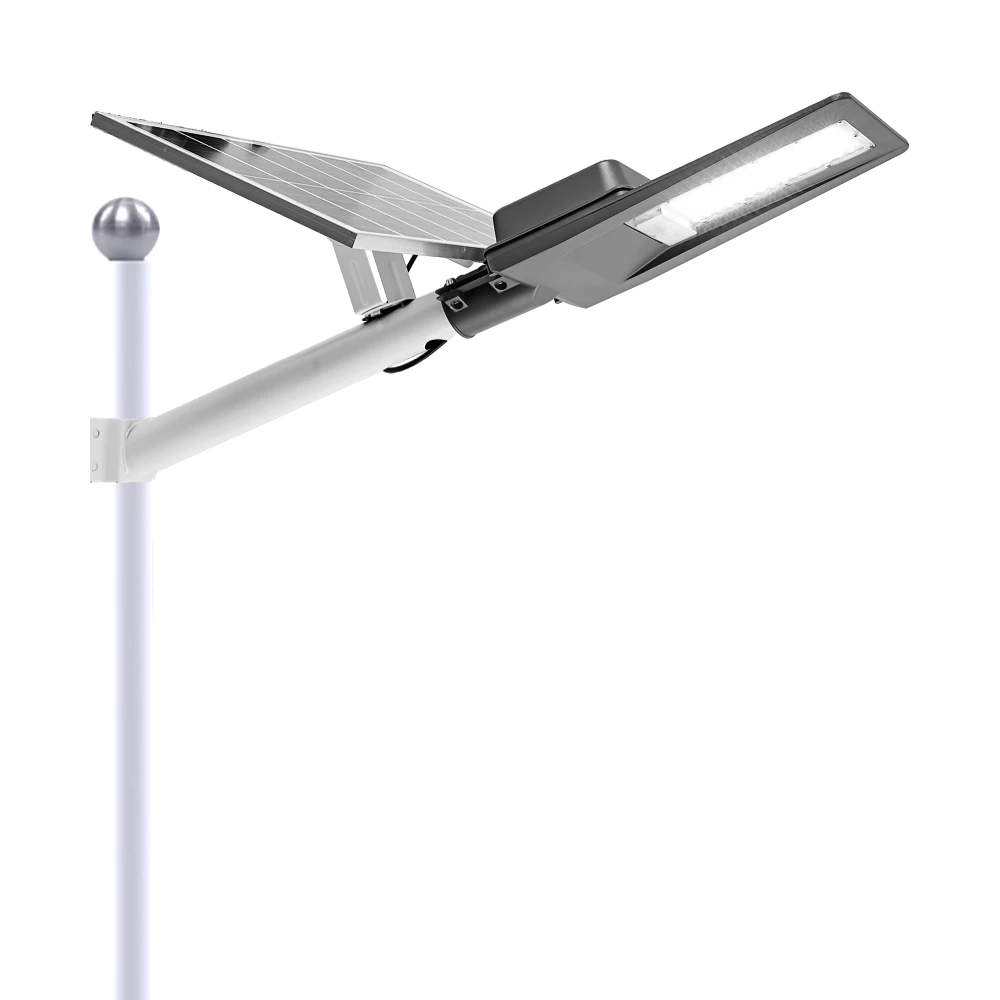
Experience reliable outdoor illumination with our smart solar street light, a perfect combination of advanced technology and eco-conscious design.
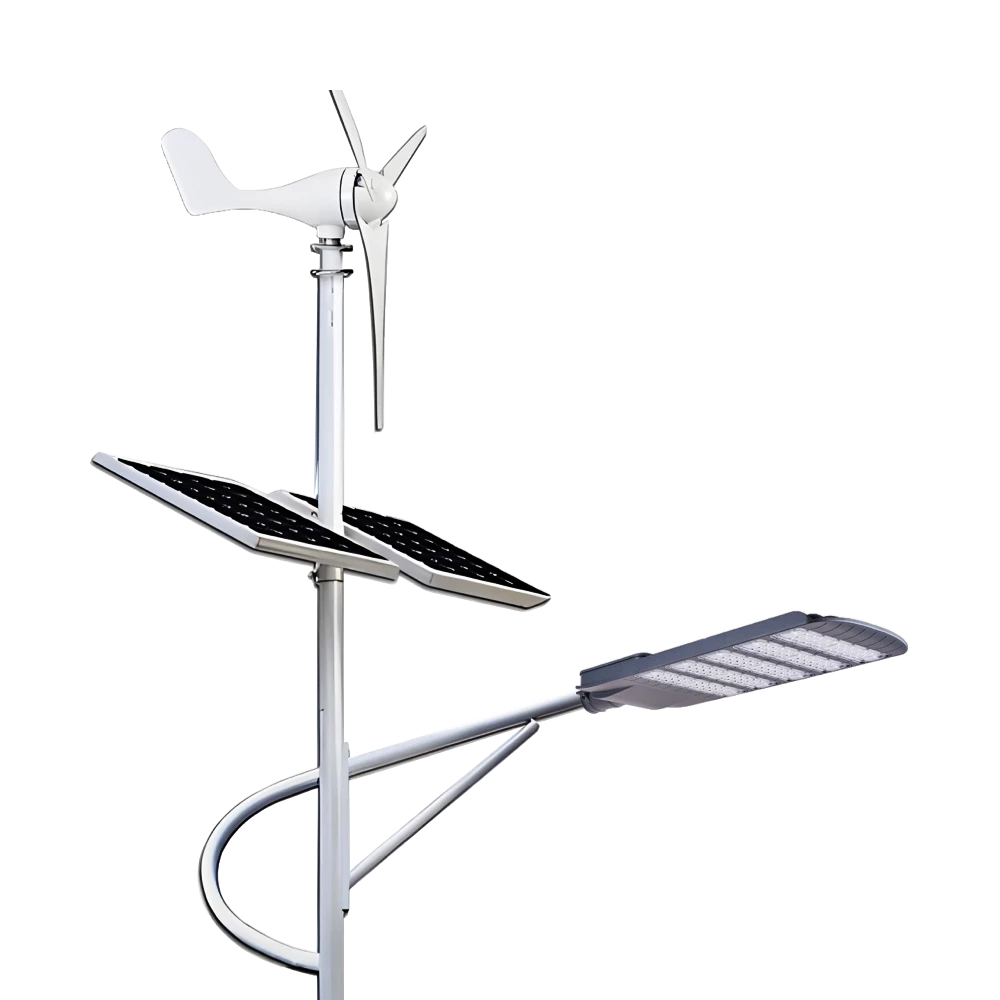
Queneng Lufeng Wind Energy LED Outdoor Solar Street Lights offer high-performance, eco-friendly illumination. These energy-efficient LED street lights harness solar power and wind energy for sustainable, cost-effective outdoor lighting solutions.
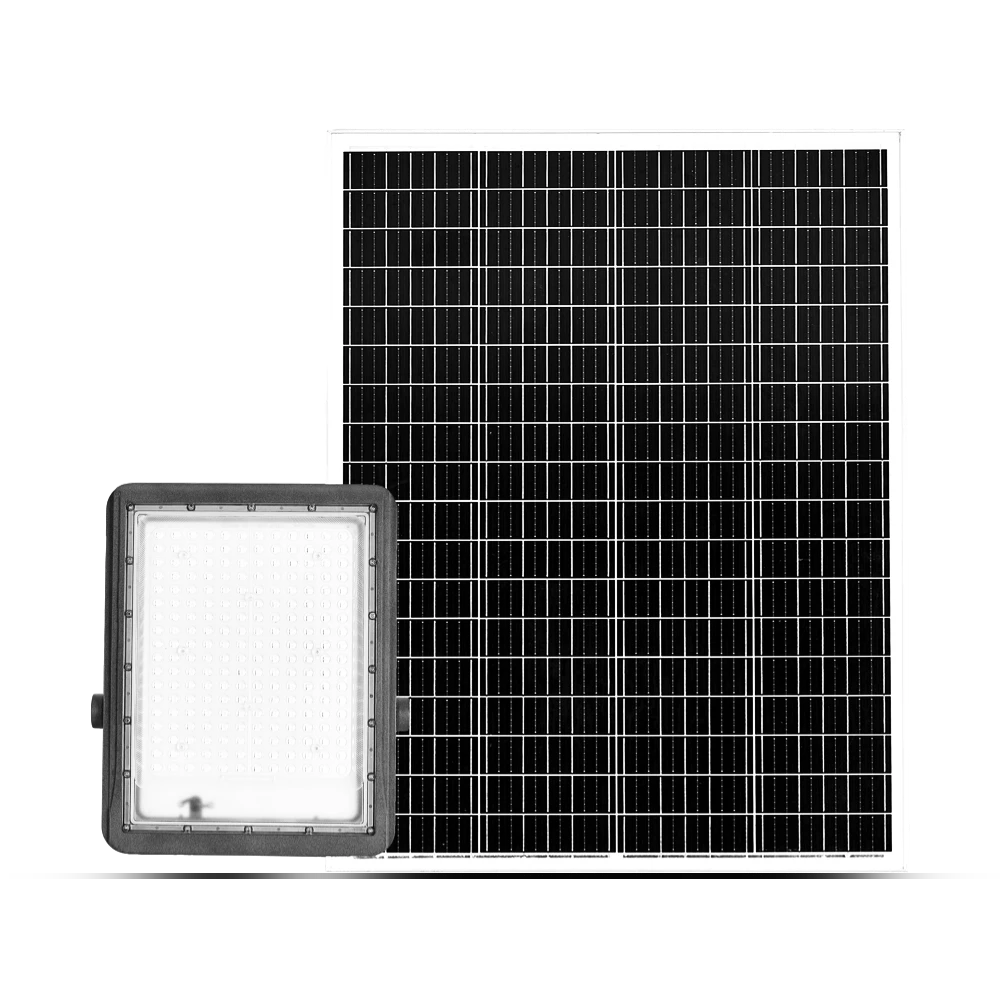
Queneng's Luxian Reliable Solar Street Light offers energy-saving LED lighting for outdoor use. This durable, solar-powered street light provides reliable illumination, reducing energy costs and environmental impact. A perfect solution for sustainable outdoor lighting.
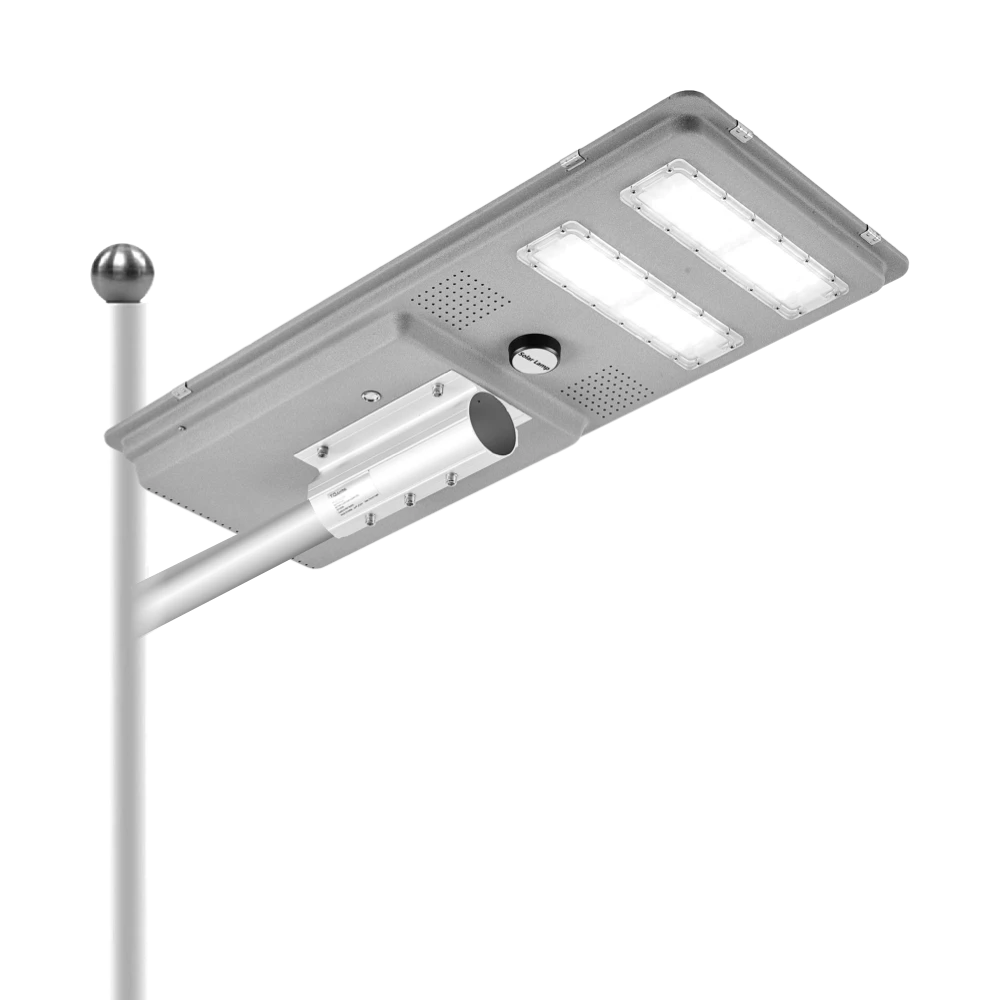
Queneng’s Solar Street Lights are designed to provide reliable, energy-efficient lighting for streets, parks, and other outdoor spaces.
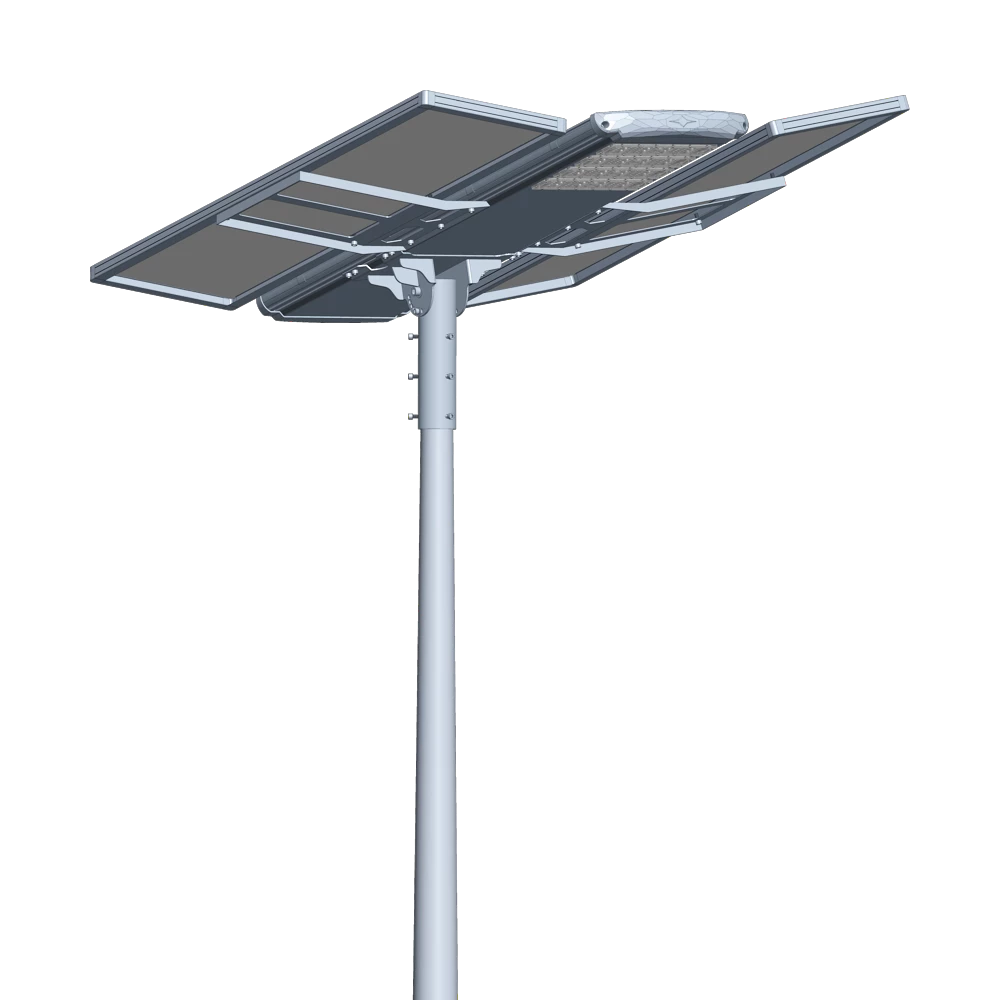
Introducing the Luqing Solar Street Light by Queneng, Efficient LED lighting powered by solar energy is perfect for illuminating outdoor areas. Harness the power of solar energy for sustainable, reliable street lighting. Ideal for eco-friendly, cost-effective outdoor illumination solutions.
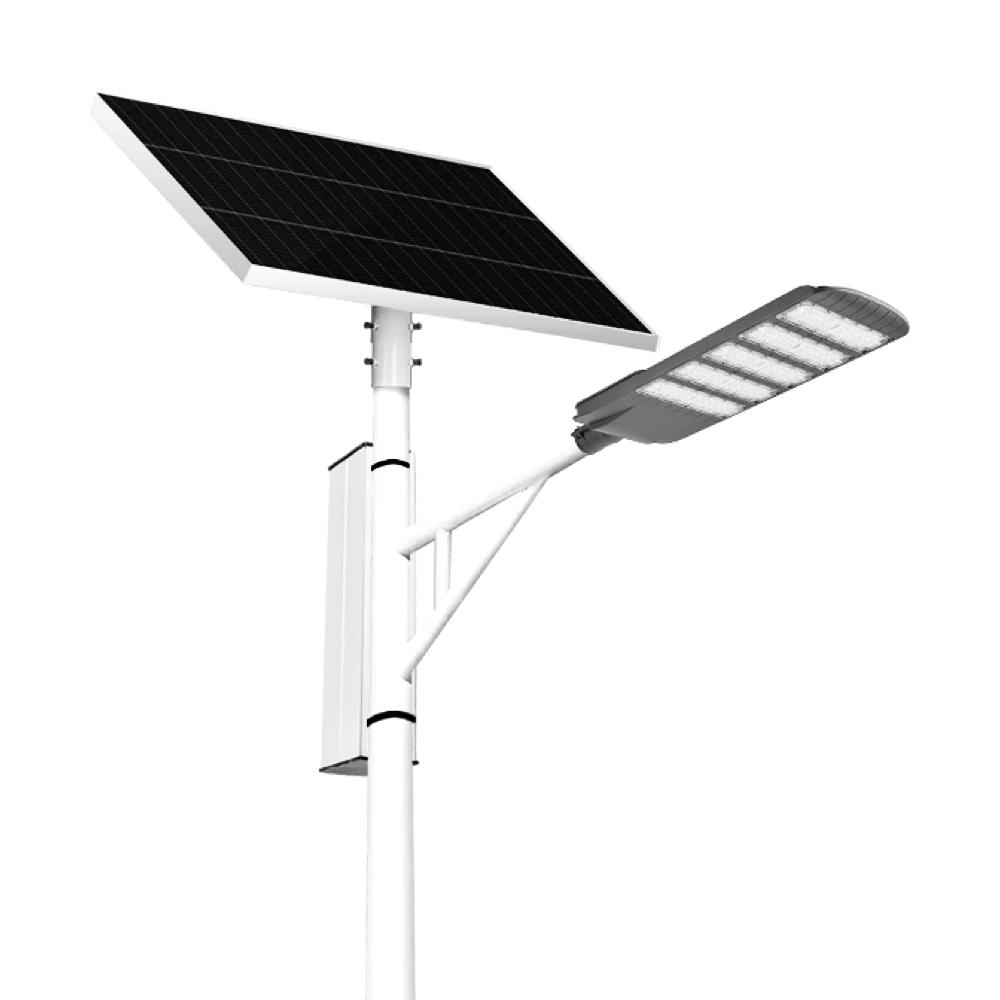
The Solar Streetlights of Luhao for Municipalities are designed to deliver reliable, energy-efficient, and cost-effective public lighting solutions. Equipped with advanced LED technology, durable lithium batteries, and high-efficiency solar panels, these streetlights provide consistent illumination for roads, parks, residential areas, and government projects.
Our professional team is ready to answer any questions and provide personalized support for your project.
You can reach us via phone or email to learn more about Queneng’s solar lighting solutions. We look forward to working with you to promote clean energy solutions!
Rest assured that your privacy is important to us, and all information provided will be handled with the utmost confidentiality.
By clicking 'Send Inquiry Now' I agree to Queneng processing my personal data.
To see how to withdraw your consent, how to control your personal data and how we process it, please see our Privacy Policy and Terms of use.
Schedule a Meeting
Book a date and time that is convenient for you and conduct the session in advance.
Have more questions about our products or services?
The messenger of light & power conversion
Environmental protection and intelligent manufacturing are our brand philosophy, and quality assurance and the best user experience are our eternal promises to users.
CONTACT
No.9F, Building F, Cao San Xin Tian Hong Logistics Park, Guzhen Town, Zhongshan City, Guangdong Province, China.
or write [email protected]
WhatsApp: +86 136 2270 1011


