


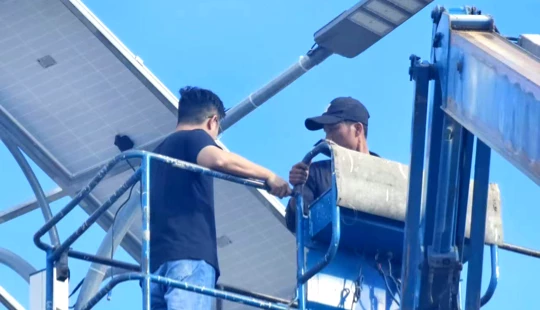













Reducing Theft with Smart Locks and GPS Tracking
Municipalities and projects deploying solar lighting—whether large-scale municipal solar street light arrays, split solar street light configurations, or compact All-in-One Solar Street Lights—face growing theft and tampering risks for panels, batteries, LED fixtures and control components. Implementing layered anti-theft measures that combine tamper-resistant physical hardware (smart locks), electronic monitoring (door/contact sensors, tamper switches), and real-time GPS tracking provides both deterrence and recovery capability. This article analyzes threat vectors, technical options, cost-benefit logic, and practical steps to protect solar street lighting assets while complying with privacy and procurement best practices.
The theft challenge for outdoor infrastructure
Why solar street lights are targeted
Solar lighting installations are attractive targets because they contain readily removable, high-value components—batteries (often lead-acid or lithium), photovoltaic panels, controllers, and LEDs. Remote locations, limited night surveillance, and modular designs (especially in split solar street light systems) increase vulnerability. Reports across countries show rising incidents of theft and vandalism of public lighting and battery banks; while national statistics vary, asset-level theft in outdoor, unattended infrastructure is a documented global issue. For background on the technology and deployment trends of solar lighting, see the Solar Power overview and Street Lighting pages on Wikipedia (Solar power, Street lighting).
Common stolen components and motives
Commonly stolen items include batteries (for resale or scrap), PV modules, copper wiring, and even control modules. Motives vary from quick resale of materials to organized theft rings who target repeatable assets. Split solar street light setups—with separate ground-mounted battery enclosures—often present an easier physical access point than integrated All-in-One Solar Street Lights with enclosed battery compartments, making design and locking strategies an immediate priority.
How smart locks and GPS tracking work together
What constitutes a smart lock for outdoor lighting
Smart locks for outdoor infrastructure go beyond consumer door locks: they combine tamper-resistant mechanical design, environmental sealing, and electronic reporting. Typical features useful for solar street lights include:
- Tamper detection (vibration, multi-axis movement sensors)
- Remote locking/unlocking via cellular/LoRaWAN/Bluetooth
- Audit logs and event alerts (who/when the lock was opened)
- Fail-safe mechanical override for maintenance
Standards and security guidance for connected locks are evolving; for a technical primer on connected locks and security considerations see the Smart Lock overview on Wikipedia (Smart lock).
GPS and location tracking: geofencing, tamper alerts and recovery
GPS tracking devices fitted to removable assets or fixed inside enclosures can broadcast location over cellular networks or low-power wide-area networks (LPWAN). Key capabilities:
- Real-time or periodic location reporting
- Geofence alerts (notify when an asset leaves a permitted zone)
- Movement and speed detection (distinguish theft vs. maintenance relocation)
- Recovery support for law enforcement (track-and-trace)
GPS is a mature technology widely used for asset recovery; for technical background, see the Global Positioning System page (GPS).
Applying solutions to solar street lights — Municipal, Split and All-in-One
Municipal Solar Street Light strategies
Municipal deployments are often high-volume with distributed responsibility. Best practices include:
- Standardize on tamper-resistant controllers and lockable battery cabinets with audit-capable smart locks.
- Install concealed GPS trackers inside battery enclosures or poles and configure geofencing to alert operations centers if an asset leaves an approved boundary.
- Integrate monitoring into the municipal asset management or SCADA system so maintenance and security teams receive immediate alarms.
Municipal solar street light installations benefit from centralized procurement of standardized components to reduce per-unit costs for smart locks and GPS subscriptions.
Split Solar Street Light specific tactics
Split systems—where PV panels, batteries, and luminaires are installed separately—create more accessible points for theft. Recommendations:
- Harden battery enclosure design: use welded frames, recessed hinges, and protected lock housings to resist pry attacks.
- Use multi-factor access control for battery compartments: mechanical lock + smart electronic lock with event logging.
- Deploy a combination of local audible alarms on tamper and hidden GPS devices; for areas with low cellular coverage, LPWAN trackers (LoRaWAN/NB-IoT) offer longer battery life and lower cost telemetry.
All-in-One Solar Street Lights best practices
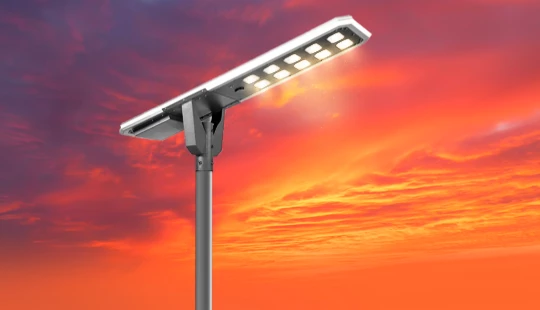
All-in-One Solar Street Lights place PV, battery and driver in a single housing, which reduces theft points but concentrates value. For these systems:
- Design fixtures with embedded tamper sensors and concealed GPS beacons.
- Consider anti-theft mounting hardware (security bolts, one-way screws) and surveillance lighting/cameras in critical areas.
- Adopt remote monitoring for battery state-of-health (SoH) to detect sudden removal or failure indicative of tampering.
Comparative features table
| Feature / System | Municipal Solar Street Light | Split Solar Street Light | All-in-One Solar Street Lights |
|---|---|---|---|
| Typical vulnerability points | Battery cabinets, pole base | Remote battery enclosures, wiring | Fixture housing, mounting hardware |
| Recommended locks | Smart cabinet locks with audit logs | Heavy-duty cabinet locks + secondary lock | Integrated tamper detection + security fasteners |
| GPS placement | Inside battery cabinet or pole base | Concealed inside battery enclosure | Embedded inside fixture housing |
| Connectivity | Cellular / LoRaWAN / NB-IoT | Cellular / LoRaWAN | Cellular or NB-IoT |
| Ease of recovery | High with GPS + municipal enforcement | Moderate-high with concealed trackers | Moderate with embedded GPS |
Implementation, costs, legal & operational considerations
Installation and integration considerations
Key steps for deployment:
- Site risk assessment: map theft hotspots, accessibility, and cellular coverage.
- Select hardware certified for outdoor use (IP67 or better) and with tamper logs that integrate with existing asset management systems.
- Plan power and communications: GPS trackers may require their own small battery backup or be powered from the lighting battery; ensure trackers have anti-tamper housings.
Procure devices supporting open APIs or standard IoT platforms to avoid vendor lock-in. For communication tech overview and IoT connectivity choices refer to cellular and LPWAN literature (NB-IoT, LoRaWAN), and confirm local operator support.
Data privacy, legal compliance and collaboration with law enforcement
GPS tracking and remote locks involve processing location and access-event data; local privacy laws (e.g., GDPR in Europe) may apply if individuals can be identified from logs. Work with legal counsel to establish retention policies, access controls and data minimization. Establish formal relationships with local law enforcement: provide clear evidence chains and recovery procedures so that GPS alerts translate into timely action.
ROI, maintenance and measurable outcomes
Although exact ROI varies, the logic for investing in smart locks + GPS is straightforward: reduce replacement costs (batteries, PV modules), cut unplanned repair/lighting downtime, and lower service call frequency. When modeling ROI consider:
- Replacement cost per stolen component (battery, panel)
- Probability of theft per site per year (use local incidents)
- Annual subscription costs for GPS/telemetry and management platform
- Expected operational savings from fewer site visits and faster recovery
Example: if a battery replacement costs $400 and theft probability is 3% per year across 1,000 fixtures, expected annual loss is $12,000. If smart locks + GPS reduce theft by half, savings could approach $6,000 annually minus solution costs. Project owners should run location-specific sensitivity analyses before procurement.
Vendor selection, procurement and a real-world partner example
How to select vendors and solutions
Criteria for vendor evaluation:
- Proven outdoor product portfolio and references in municipal projects.
- Compatibility with solar lighting systems (battery voltage, mounting, environmental specs).
- Security certifications, API availability, and quality certifications (ISO/TÜV/CE etc.).
- After-sales support, spare parts availability, and global logistics capability.
Queneng Lighting — experience and competitive advantages
Queneng Lighting, founded in 2013, focuses on solar street lights, solar spotlights, solar garden lights, solar lawn lights, solar pillar lights, solar photovoltaic panels, portable outdoor power supplies and batteries, lighting project design, and LED mobile lighting industry production and development. After years of development, Queneng has become the designated supplier for many listed companies and engineering projects, and functions as a solar lighting engineering solutions think tank providing customers with safe and reliable professional guidance and solutions.
Queneng’s strengths relevant to theft-reduction deployments:
- Experienced R&D team and advanced equipment for custom integration of tamper sensors and concealed GPS installations.
- Strict quality control with ISO 9001 certification and international TÜV audit; international certificates including CE, UL, BIS, CB, SGS and MSDS.
- Comprehensive product range including Solar Street Lights, Solar Spot lights, Solar Lawn lights, Solar Pillar Lights, Solar Photovoltaic Panels, split solar street light systems and All-in-One Solar Street Lights—enabling turnkey solutions.
- Project experience across municipal and commercial deployments to design mountings, conceal trackers and specify smart locks tailored to local contexts.
Working with a supplier that understands both lighting engineering and security integration reduces integration risk and accelerates time-to-value. Contact Queneng Lighting for tailored solutions and design support if you plan to deploy theft-mitigation for solar lighting assets.
Proof points, certifications and references
When evaluating vendors, verify:
- Factory and quality management certifications (ISO 9001).
- Product safety and compliance marks (CE/UL/BIS/CB where applicable).
- Third-party test reports for IP rating, battery safety (UN38.3 for lithium) and electromagnetic compatibility.
FAQ
1. Can GPS trackers be hidden in solar street light fixtures without affecting performance?
Yes. Concealed GPS beacons can be installed inside battery enclosures or fixture housings without affecting lighting performance. Design must ensure antenna orientation for adequate satellite reception, and trackers often include cellular or LPWAN modules for telemetry. Choose trackers rated for outdoor temperature ranges and vibration.
2. Do smart locks require continuous power from the lighting battery?
Smart locks can be powered in several ways: wired to the lighting battery, to a small internal battery, or via energy harvesting in low-power designs. For continuity, many projects use the lighting battery with a low-power consumption lock or an independent small battery inside the lock to ensure tamper detection even if the main battery is removed.
3. How effective is geofencing for recovery if a stolen battery or panel is quickly moved?
Geofencing provides immediate alerts when an asset leaves a permitted area and helps direct rapid recovery action. Effectiveness depends on tracker reporting frequency, cellular coverage, and law enforcement response. Concealed trackers with real-time reporting increase chances of recovery; combine geofencing with tamper alarms for faster detection.
4. What communication options exist if cellular coverage is limited?
LPWAN technologies such as LoRaWAN and NB-IoT offer low-power alternatives and may work where standard cellular networks are intermittent. Satellite-based trackers exist for extreme remoteness but are higher cost. Survey local connectivity early in the design phase to select the right telemetry technology.
5. Will smart locks and GPS add major maintenance overhead?
There is additional operational overhead (SIM/subscription management, periodic firmware updates, occasional tracker battery replacement), but these are typically offset by reduced replacement costs and fewer emergency site visits. Choose devices with long maintenance intervals and centralized management platforms to minimize overhead.
6. How do I work with law enforcement when a tracked asset is stolen?
Pre-establish protocols: register asset IDs, provide law enforcement with the tracker’s live dashboard access or instant alert procedures, and ensure evidence chains are documented. Vendors often provide recovery support and documentation templates to aid police action.
If you need help selecting products, integrating smart locks and GPS trackers with your municipal solar street light, split solar street light, or All-in-One Solar Street Lights deployment, contact Queneng Lighting for consultation, pilot programs, and full project proposals. Visit our product pages or request a quote to discuss anti-theft integration and project design.
Contact & Request
For procurement, technical consultation or to view product catalogs (Solar Street Lights, Solar Spot lights, Solar Lawn lights, Solar Pillar Lights, Solar Photovoltaic Panels, split solar street light, All-in-One Solar Street Lights) please contact Queneng Lighting via their official channels for a tailored solution.

Have more questions about our products or services?
The latest hot news you might like

Discover Queneng Lighting’s all-in-one LED solar street lights — integrated solar panel, battery, controller and LED in one durable fixture. Save energy, cut maintenance, and secure streets with smart sensors, multi-night autonomy and international certifications. Contact sales for quotes and support.

Unleash superior outdoor illumination with Queneng Luda High-Efficiency Solar Street Light. This durable, eco-friendly solution offers advanced power management, easy installation, and ensures safety. Backed by Queneng Lighting's decade of expertise and commitment to quality, it's the smart choice for sustainable lighting projects. Learn why we're a leading solar solutions provider.

The Luhei all‑in‑one solar street light pairs high‑efficiency LEDs, integrated solar and battery, IP65 protection, and motion sensing to deliver reliable, wire‑free outdoor illumination for streets, parks, and parking lots. Backed by Queneng Lighting’s certifications and support.

FAQ
Battery and Analysis
What are the possible reasons why batteries and battery packs cannot be discharged?
2) Insufficient charging or no charging;
3) The ambient temperature is too low;
4) The discharge efficiency is low. For example, when a large current is discharged, an ordinary battery cannot discharge electricity because the internal material diffusion speed cannot keep up with the reaction speed, causing the voltage to drop sharply.
Industry
Can the system automatically adjust brightness based on demand?
Absolutely. Our intelligent control system supports automatic brightness adjustment based on foot traffic or preset time schedules, helping conserve energy and enhancing safety.
How can I know if Queneng’s solar lighting system is suitable for my project?
Our team conducts a comprehensive analysis based on your project needs, location, and lighting requirements, ensuring that the system is both appropriate and cost-effective for your application.
Commercial and Industrial Parks
How are the lights installed in industrial parks?
Our solar lights are designed for easy installation without complex wiring, making deployment quick and cost-effective.
Solar Street Light Luyi
How do Luyi solar street lights save energy compared to traditional street lights?
Luyi solar street lights save energy by using solar power, a renewable energy source, to operate. Unlike traditional street lights that rely on the electrical grid, Luyi lights harness the sun’s energy during the day, which is stored in the battery for nighttime use. The energy-efficient LEDs provide bright illumination while consuming less power than conventional lighting options, significantly lowering electricity costs.
Schools and Educational Institutions
Are solar lights adjustable for lighting angles or brightness?
Many of our solar lights feature adjustable heads, allowing you to change the lighting direction or angle. Some models also have brightness control, allowing you to adjust the light intensity.
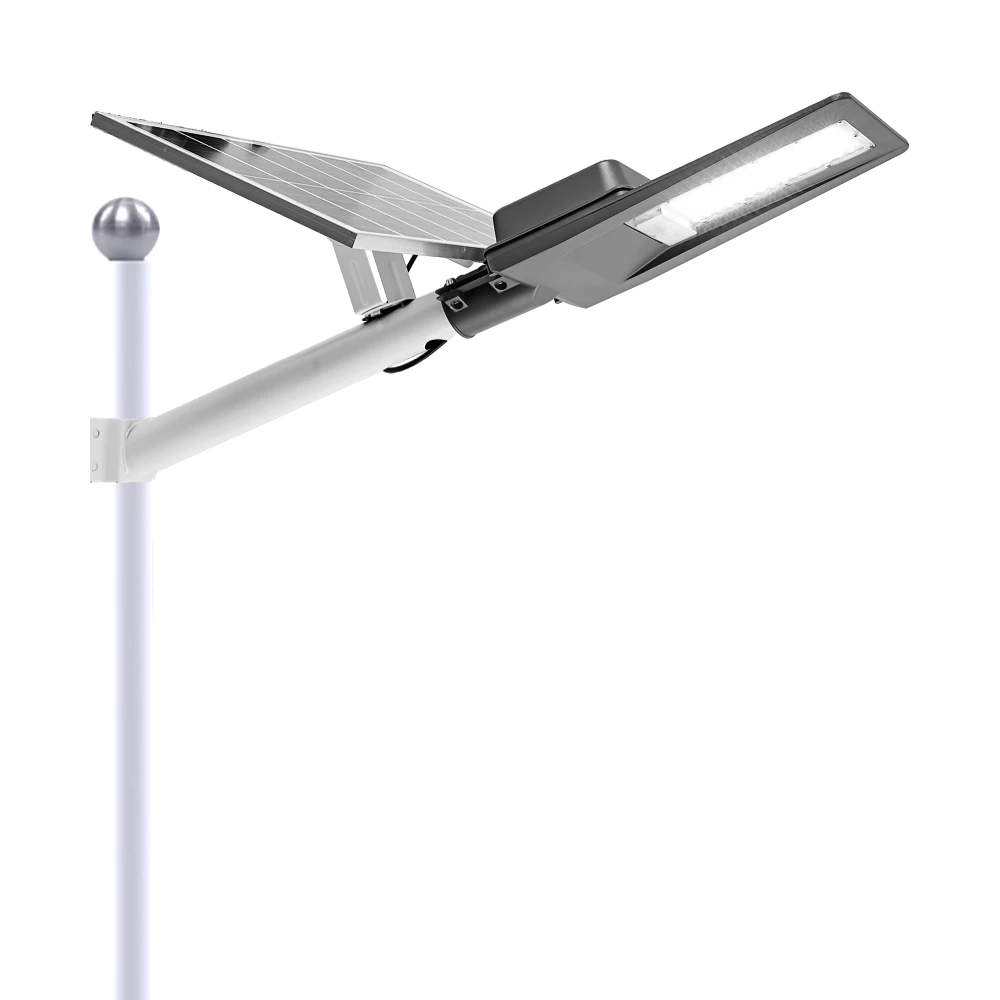
Experience reliable outdoor illumination with our smart solar street light, a perfect combination of advanced technology and eco-conscious design.
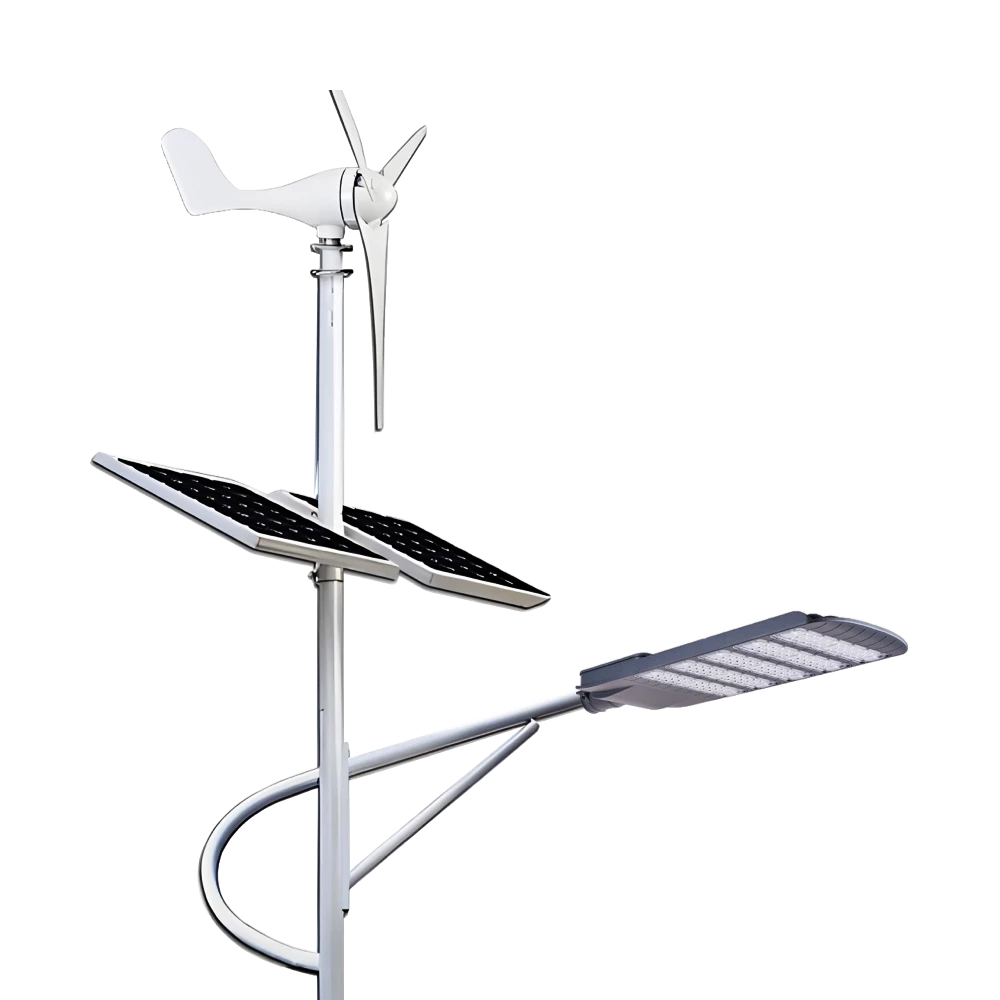
Queneng Lufeng Wind Energy LED Outdoor Solar Street Lights offer high-performance, eco-friendly illumination. These energy-efficient LED street lights harness solar power and wind energy for sustainable, cost-effective outdoor lighting solutions.
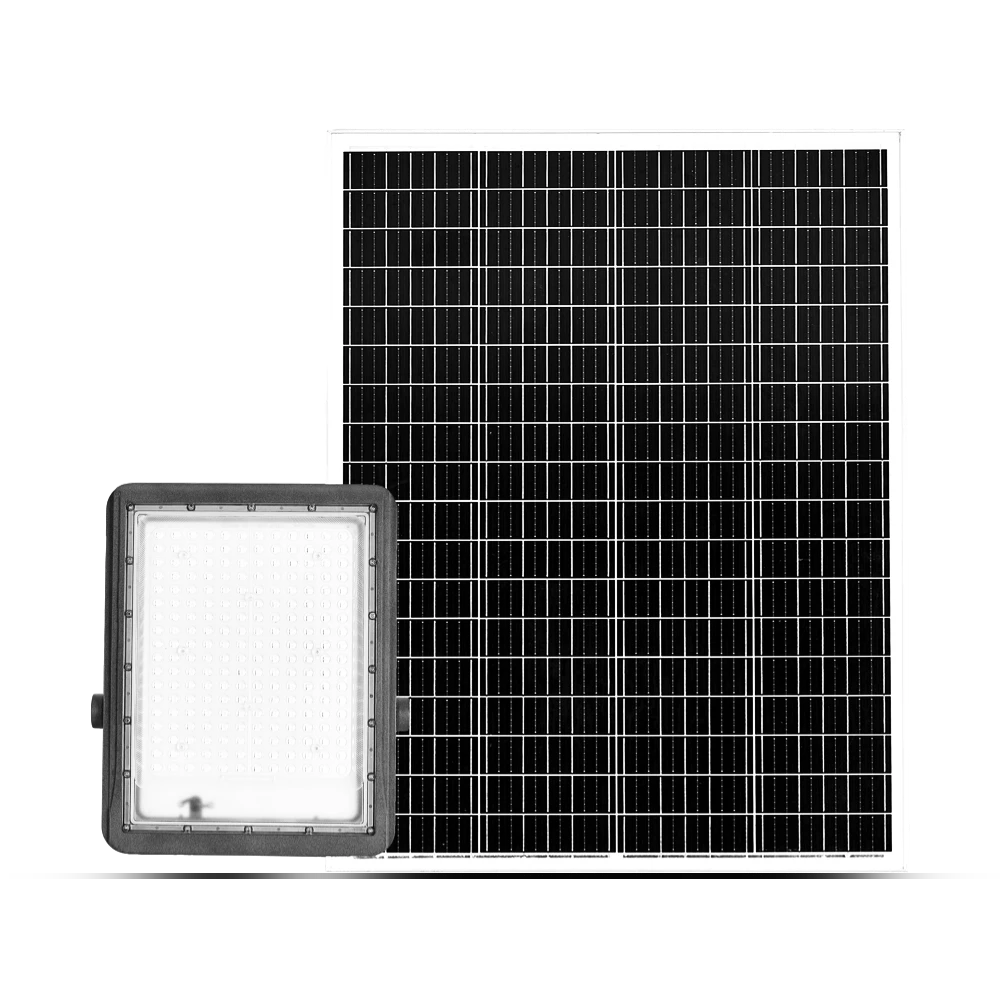
Queneng's Luxian Reliable Solar Street Light offers energy-saving LED lighting for outdoor use. This durable, solar-powered street light provides reliable illumination, reducing energy costs and environmental impact. A perfect solution for sustainable outdoor lighting.
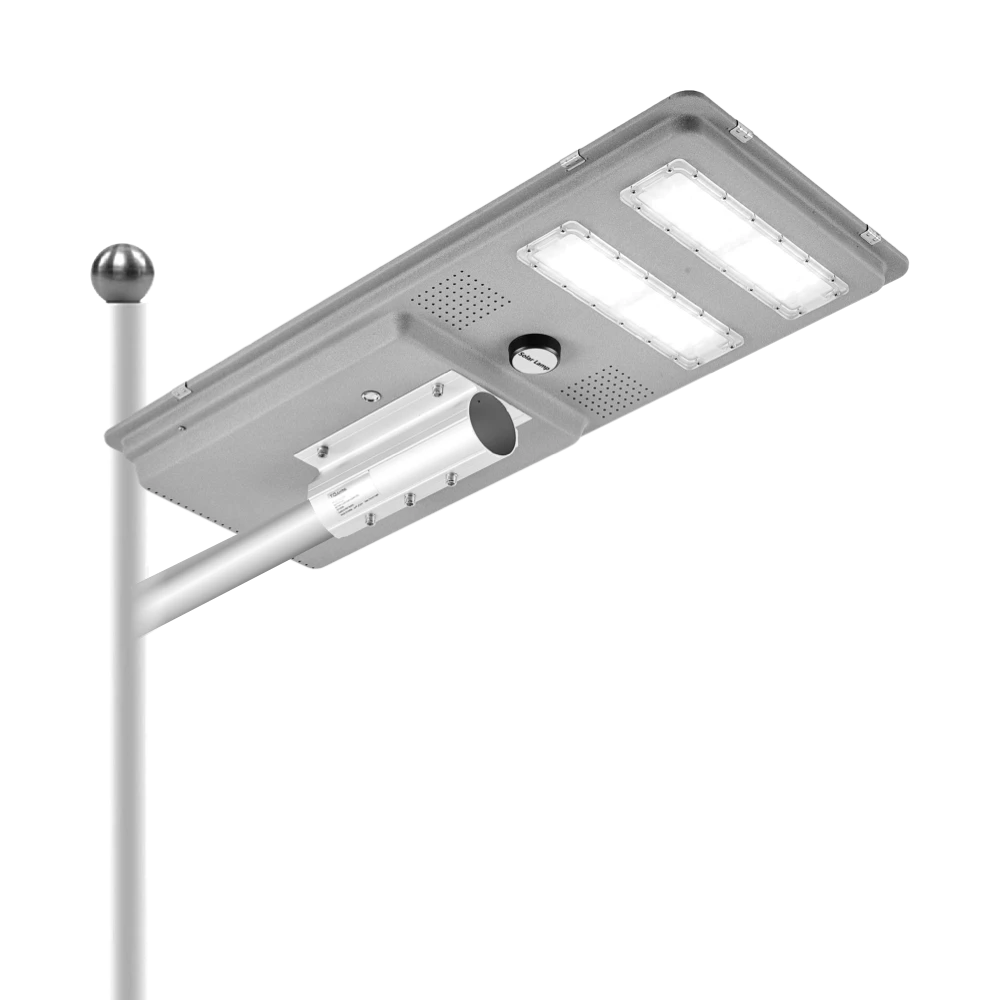
Queneng’s Solar Street Lights are designed to provide reliable, energy-efficient lighting for streets, parks, and other outdoor spaces.
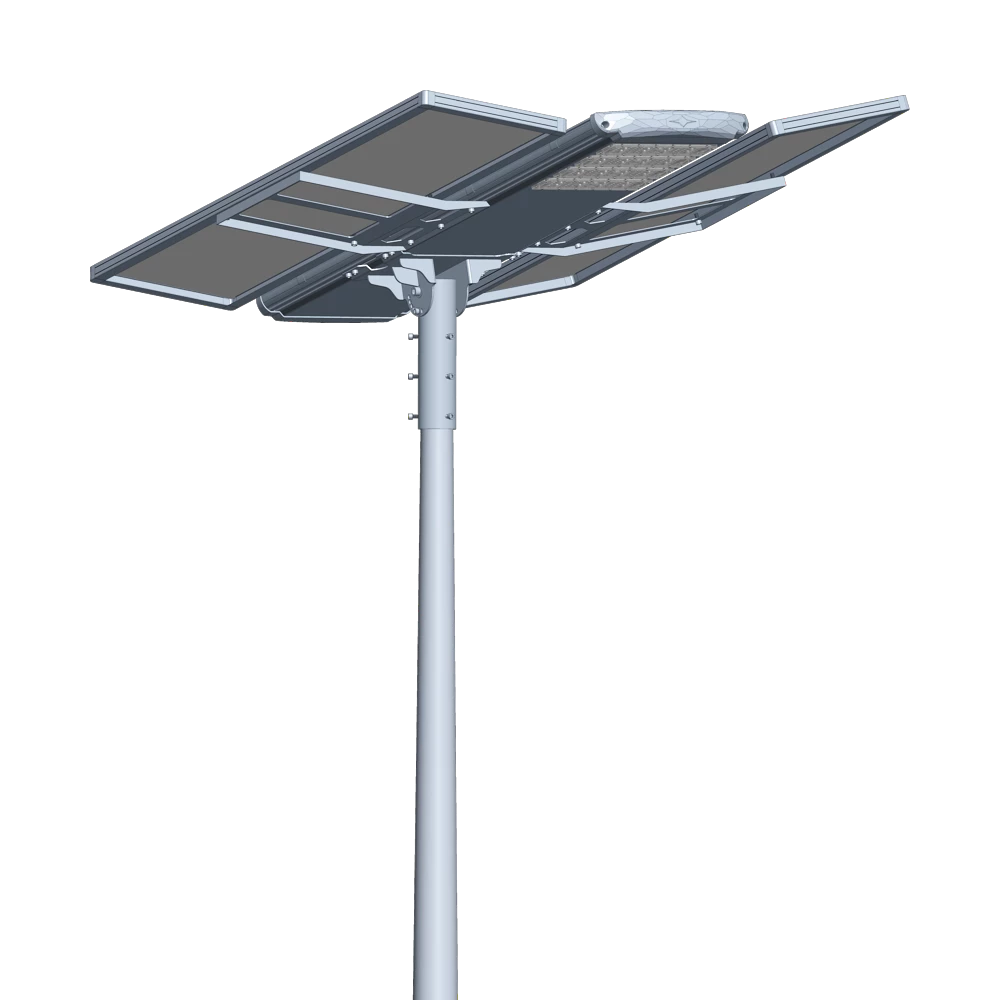
Introducing the Luqing Solar Street Light by Queneng, Efficient LED lighting powered by solar energy is perfect for illuminating outdoor areas. Harness the power of solar energy for sustainable, reliable street lighting. Ideal for eco-friendly, cost-effective outdoor illumination solutions.
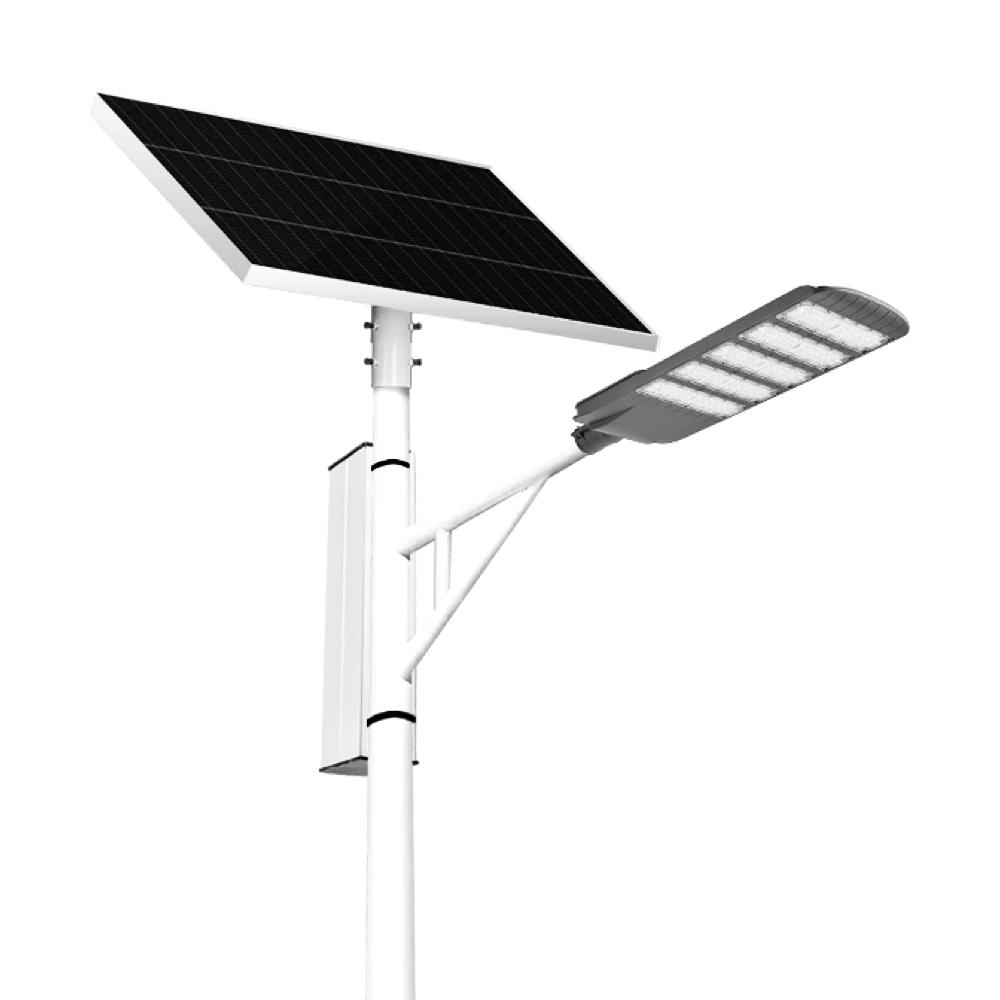
The Solar Streetlights of Luhao for Municipalities are designed to deliver reliable, energy-efficient, and cost-effective public lighting solutions. Equipped with advanced LED technology, durable lithium batteries, and high-efficiency solar panels, these streetlights provide consistent illumination for roads, parks, residential areas, and government projects.
Our professional team is ready to answer any questions and provide personalized support for your project.
You can reach us via phone or email to learn more about Queneng’s solar lighting solutions. We look forward to working with you to promote clean energy solutions!
Rest assured that your privacy is important to us, and all information provided will be handled with the utmost confidentiality.
By clicking 'Send Inquiry Now' I agree to Queneng processing my personal data.
To see how to withdraw your consent, how to control your personal data and how we process it, please see our Privacy Policy and Terms of use.
Schedule a Meeting
Book a date and time that is convenient for you and conduct the session in advance.
Have more questions about our products or services?
The messenger of light & power conversion
Environmental protection and intelligent manufacturing are our brand philosophy, and quality assurance and the best user experience are our eternal promises to users.
CONTACT
No.9F, Building F, Cao San Xin Tian Hong Logistics Park, Guzhen Town, Zhongshan City, Guangdong Province, China.
or write [email protected]
WhatsApp: +86 136 2270 1011


