


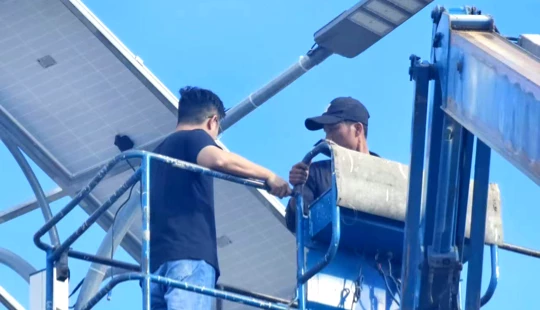













Remote Firmware Update Best Practices
Remote firmware updates are a critical operational capability for municipal solar street light fleets, split solar street light installations, and all-in-one solar street lights. Properly designed update systems reduce downtime, improve security, enable new features and optimize lifecycle costs while respecting the unique constraints of solar-powered lighting: limited energy budgets, remote siting and mixed connectivity. This guide explains best practices for designing, testing and operating remote firmware update pipelines that are secure, resilient and fit for large-scale public-lighting projects.
Why robust remote updates matter for outdoor solar lighting
Operational and security drivers
Municipal Solar Street Light networks and split solar street light systems increasingly run complex firmware to manage power, timing, wireless radios (NB-IoT, LoRaWAN, LTE-M), sensors and telemetry. Vulnerabilities or bugs can cause safety incidents, wasted energy or mass outages. The OWASP Internet of Things Project documents common IoT weaknesses that apply directly to solar lighting fleets; following its guidance reduces attack surface and operational risk (OWASP IoT).
Economic and lifecycle impact
Field-updatable firmware extends the useful life of split solar street light products and all-in-one solar street lights by enabling feature upgrades and efficiency improvements without costly on-site visits. For municipalities, controlled OTA updates lower total cost of ownership (TCO) by reducing truck rolls and enabling predictive maintenance.
Constraints specific to solar lighting
Solar lighting systems have constraints that shape update design: limited battery capacity, seasonal irradiation variability, intermittent connectivity at remote poles, and strict municipal uptime requirements. Update strategies must account for available energy, update size, and safe windows (low-traffic hours or daytime when batteries are charged).
Designing secure, reliable firmware update architecture
Secure delivery and authentication
Use cryptographic signing of firmware images and mutual device authentication. Devices must verify a digital signature before installing any update; use established algorithms (e.g., RSA-2048 or ECC P-256) and verified public key storage (embedded in hardware or secure element). See general firmware concepts for background (Wikipedia: Firmware).
Resilient partitioning and rollback
Implement dual-partition (A/B) or atomic update schemes. An A/B layout allows the device to download and install to the inactive partition, then switch boot pointers only after a successful integrity check. Maintain a verified rollback path so devices revert if post-boot health checks fail.
Delta updates and bandwidth optimization
Delta (binary diff) updates reduce transfer size and energy consumption—critical for remote split solar street light nodes with constrained connectivity. Combine delta updates with compression and rate-limiting to prevent network congestion during mass rollouts.
Operational best practices for municipal and large deployments
Staged rollouts and canary devices
Use phased deployments: lab testing > internal beta > small canary group > regional rollout > full fleet. Canary devices should represent diverse hardware revisions and network conditions. Monitor metrics and halt rollout on anomaly detection.
Scheduling around energy and traffic patterns
Schedule large downloads during daytime or high-charge windows for all-in-one solar street lights and split solar street light systems. For municipal fleets, align non-critical updates with predictable low-use seasons and avoid peak-demand periods in winter or rainy seasons where PV generation is low.
Monitoring, telemetry and automated rollback
Collect post-update telemetry: boot success, sensor health, power consumption and connectivity metrics. Automate rollback triggers when predefined health metrics degrade. A centralized dashboard with alerts is essential for municipal scale management.
Security controls and compliance for public lighting networks
Device identity, provisioning and key management
Equip devices with unique identities and immutable keys stored in a secure element or TPM-like hardware. Use secure provisioning processes to avoid key exposure during manufacturing or installation. Rotate server-side keys and maintain a revocation mechanism for compromised devices.
Encrypted transport and integrity verification
Use TLS 1.2/1.3 for firmware transport and consider additional payload-level encryption. Always verify integrity and authenticity with signatures prior to installation. Align processes with security frameworks such as NIST guidance on firmware and system resiliency (NIST SP 800-193).
Auditing and regulatory considerations
For municipal deployments, maintain auditable logs of update approvals, versions deployed to each node, and operator actions. Retain logs according to municipal or national regulations and make them accessible for inspection.
Testing, validation and repeatable processes
Firmware CI/CD and staged testbeds
Integrate firmware builds with continuous integration and automated test suites that include unit tests, hardware-in-the-loop (HIL) tests and integration tests replicating radio and power conditions. Maintain a physical testbed that mirrors split solar street light and all-in-one configurations used in the field.
Field validation and backward compatibility
Validate updates against previous versions and hardware revisions. Ensure backward compatibility where feasible, or include migration logic. Preserve application-layer APIs used by smart-city management platforms to avoid interoperability issues.
Change management and documentation
Document update procedures, rollback steps, and emergency contact chains. For municipalities, provide SLA-aligned runbooks and training for field crews responsible for manual interventions.
Comparing product types: how update needs differ
Below is a concise comparison of All-in-One Solar Street Lights, Split Solar Street Lights and Municipal Solar Street Light deployments to illustrate differing remote-update priorities.
| Characteristic | All-in-One Solar Street Lights | Split Solar Street Light | Municipal Solar Street Light Deployments |
|---|---|---|---|
| Typical power constraints | Moderate (integrated panel & battery) | High variability (separate panel, remote battery) | Varies widely; large fleets require scheduling |
| Connectivity | Cellular/LoRa for individual units | Often uses wired or wireless backhaul to controller | Mixed; requires centralized fleet management |
| Update complexity | Lower to moderate; single unit images | Higher; multiple subsystems and controllers | High; many models, firmware versions, and rollback plans |
| Priority features | Energy optimization, dimming, radios | Interoperability between controller and lamp | Scalability, security, auditability |
Implementation checklist: a practical roadmap
Before launch
- Design signed, partitioned firmware with rollback.
- Establish secure device identity and provisioning.
- Build a CI/CD pipeline with automated tests and staging environments.
- Plan update windows with municipal stakeholders taking solar PV seasonality into account.
During rollout
- Start with canaries and monitor key health metrics.
- Keep update packages small (delta) and use throttling.
- Log and audit all changes; enable rapid rollback triggers.
Long-term operations
- Maintain a secure update server and key lifecycle management.
- Regularly pen-test and review update integrity and security controls.
- Provide clear firmware version mapping for field teams and reporting to city authorities.
Queneng Lighting: partner profile and advantages
Queneng Lighting, founded in 2013, focuses on solar street lights, solar spotlights, solar garden lights, solar lawn lights, solar pillar lights, solar photovoltaic panels, portable outdoor power supplies and batteries, lighting project design, and LED mobile lighting industry production and development. After years of development, Queneng has become the designated supplier of many well-known listed companies and engineering projects and a solar lighting engineering solutions think tank, providing customers with safe and reliable professional guidance and solutions.
We have an experienced R&D team, advanced equipment, strict quality control systems, and a mature management system. We have been approved by the ISO 9001 international quality assurance system standard and international TÜV audit certification and have obtained a series of international certificates such as CE, UL, BIS, CB, SGS, MSDS, etc. Queneng's main products include Solar Street Lights, Solar Spot lights, Solar Lawn lights, Solar Pillar Lights, Solar Photovoltaic Panels, split solar street light and All-in-One Solar Street Lights.
Queneng's strengths include deep product engineering for split solar street light controllers and all-in-one modules, robust supply-chain quality controls, and project experience in municipal deployments which helps accelerate secure OTA firmware strategies. The company's engineering approach emphasizes modular software, secure boot, and field-proven update rollbacks—aligned with the best practices described in this guide.
Real-world example: secure OTA rollout outline
Phase 1 — Lab and pilot
Build signed firmware images, verify A/B boot logic on a lab bench, and deploy to 10 pilot poles in mixed solar exposure. Monitor telemetry for 14 days across different charge cycles.
Phase 2 — Canary and regional
Release to a 2% canary sample across three municipalities with varied connectivity. Validate energy consumption and boot success rates; measure rollback frequency.
Phase 3 — Full deployment and monitoring
Throttled rollout with 24/7 monitoring, automatic rollback rules, and an ops playbook for manual intervention. Maintain update dashboards and weekly reports for the municipal client.
FAQs
1. How often should I update firmware on municipal solar street lights?
Frequency depends on security patches, feature needs and stability. Critical security patches should be applied promptly; non-critical feature updates can be scheduled quarterly or semi-annually, aligned with energy availability and municipal maintenance windows.
2. Can firmware updates run on low-charge days when panels produce less energy?
Prefer to avoid large updates on low-charge days. Implement checks to ensure battery state-of-charge exceeds a safe threshold before initiating large downloads or installations. For essential security patches, consider smaller staged downloads or physical intervention if energy is insufficient.
3. What connectivity is best for remote firmware updates?
Choice depends on coverage and cost. NB-IoT and LTE-M are good for wide-area low-power cellular coverage; LoRaWAN and private mesh are options for municipal networks with gateways. Wherever possible, choose a transport that supports TLS and reliable delivery.
4. How do I guarantee an update won't brick a large fleet?
Use signed firmware, A/B partitions, canary testing and staged rollouts. Implement health checks post-boot and automated rollback triggers. Maintain a tested manual recovery procedure for the rare cases where remote rollback fails.
5. Are software supply-chain standards relevant for solar lighting?
Yes. Secure element provisioning, code-signing practices and build integrity controls reduce risk from malicious or accidental supply-chain compromises. Align with industry guidance like OWASP IoT and NIST publications for firmware resilience.
6. How do split solar street lights change firmware strategies?
Split systems often involve separate controllers for PV, battery and LED modules. This increases integration points and may require coordinated updates across subsystems, stronger interoperability testing, and careful orchestration to avoid incompatible version states.
7. What monitoring metrics matter most after an update?
Boot success rate, uptime, power consumption, charge/discharge cycles, radio connectivity events, and application-layer error logs. Alert on abnormal power draws or increased restart frequency immediately after updates.
If you need expert help designing or operating OTA update pipelines for municipal solar street light fleets, split solar street light solutions or all-in-one solar street lights, contact Queneng Lighting for consulting, pilot programs and turnkey solutions. View our product portfolio and request a quote to evaluate secure firmware update options for your project.
Contact Queneng Lighting: Visit our website to learn more about Solar Street Lights, Solar Spot lights, Solar Lawn lights, Solar Pillar Lights, Solar Photovoltaic Panels, split solar street light and All-in-One Solar Street Lights.

Have more questions about our products or services?
The latest hot news you might like

Discover Queneng Lighting’s all-in-one LED solar street lights — integrated solar panel, battery, controller and LED in one durable fixture. Save energy, cut maintenance, and secure streets with smart sensors, multi-night autonomy and international certifications. Contact sales for quotes and support.

Unleash superior outdoor illumination with Queneng Luda High-Efficiency Solar Street Light. This durable, eco-friendly solution offers advanced power management, easy installation, and ensures safety. Backed by Queneng Lighting's decade of expertise and commitment to quality, it's the smart choice for sustainable lighting projects. Learn why we're a leading solar solutions provider.

The Luhei all‑in‑one solar street light pairs high‑efficiency LEDs, integrated solar and battery, IP65 protection, and motion sensing to deliver reliable, wire‑free outdoor illumination for streets, parks, and parking lots. Backed by Queneng Lighting’s certifications and support.

FAQ
Industry
Can Queneng’s solar street lighting system operate in harsh weather conditions?
Yes, Queneng’s solar street lighting systems are specially designed to function well in extreme weather. Our equipment is waterproof, corrosion-resistant, and windproof, making it suitable for a variety of climates.
Solar Street Light Luzhou
Can Luzhou solar street lights be used in remote locations?
Yes, Luzhou solar street lights are perfect for remote locations that do not have access to the electrical grid. Their solar-powered design allows them to operate independently, making them an ideal solution for rural roads, parks, and off-grid areas.
Municipal and Public Infrastructure
Do solar streetlights require any wiring?
No, solar streetlights are entirely independent of the electrical grid. They operate using solar panels, batteries, and LED lights, eliminating the need for underground wiring.
Commercial and Industrial Parks
What maintenance is required for solar lights?
Minimal maintenance is required, typically involving periodic cleaning of panels and checking the battery and light fixtures.
Battery Performance and Testing
What is the standard charging and discharging of nickel metal hydride batteries?
Distributors
Do I need previous experience in the solar industry to become a distributor?
While previous experience in renewable energy or lighting sectors is beneficial, it is not required. What matters most is your dedication to sustainability, willingness to learn, and ability to effectively serve your local market.
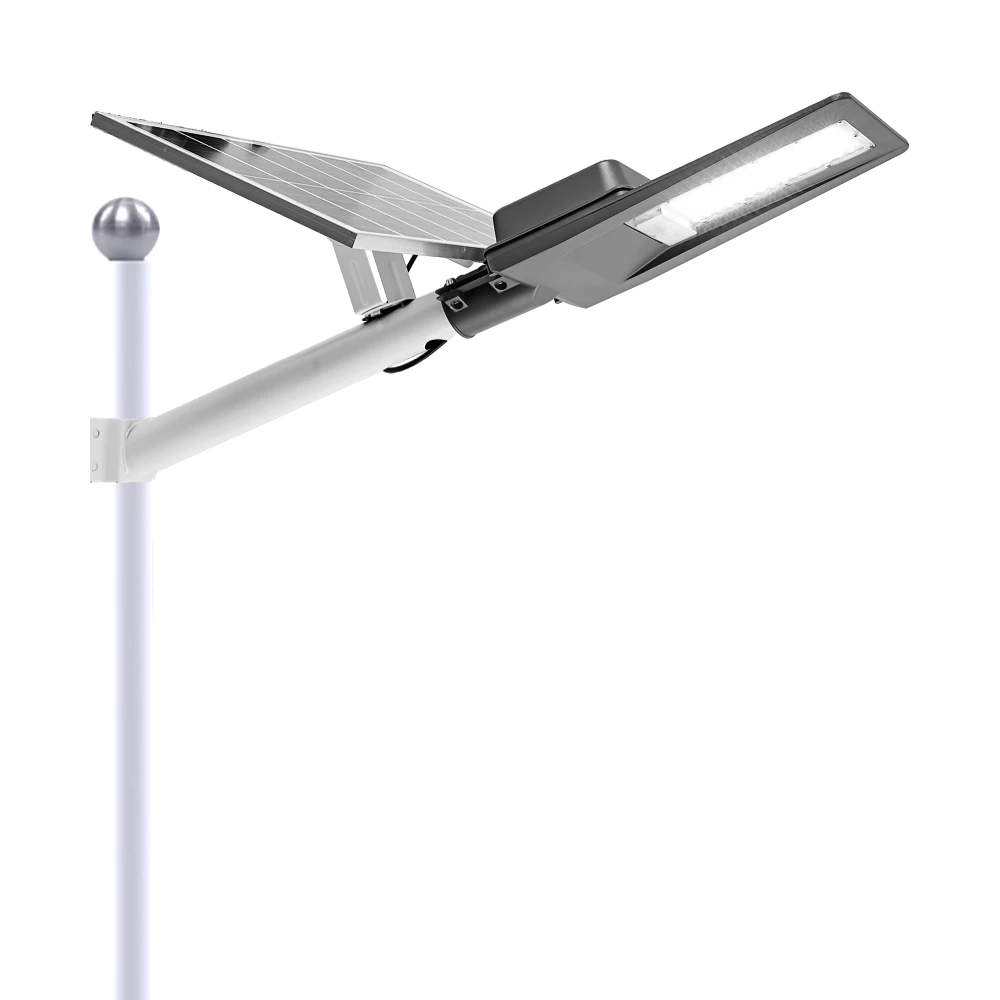
Experience reliable outdoor illumination with our smart solar street light, a perfect combination of advanced technology and eco-conscious design.
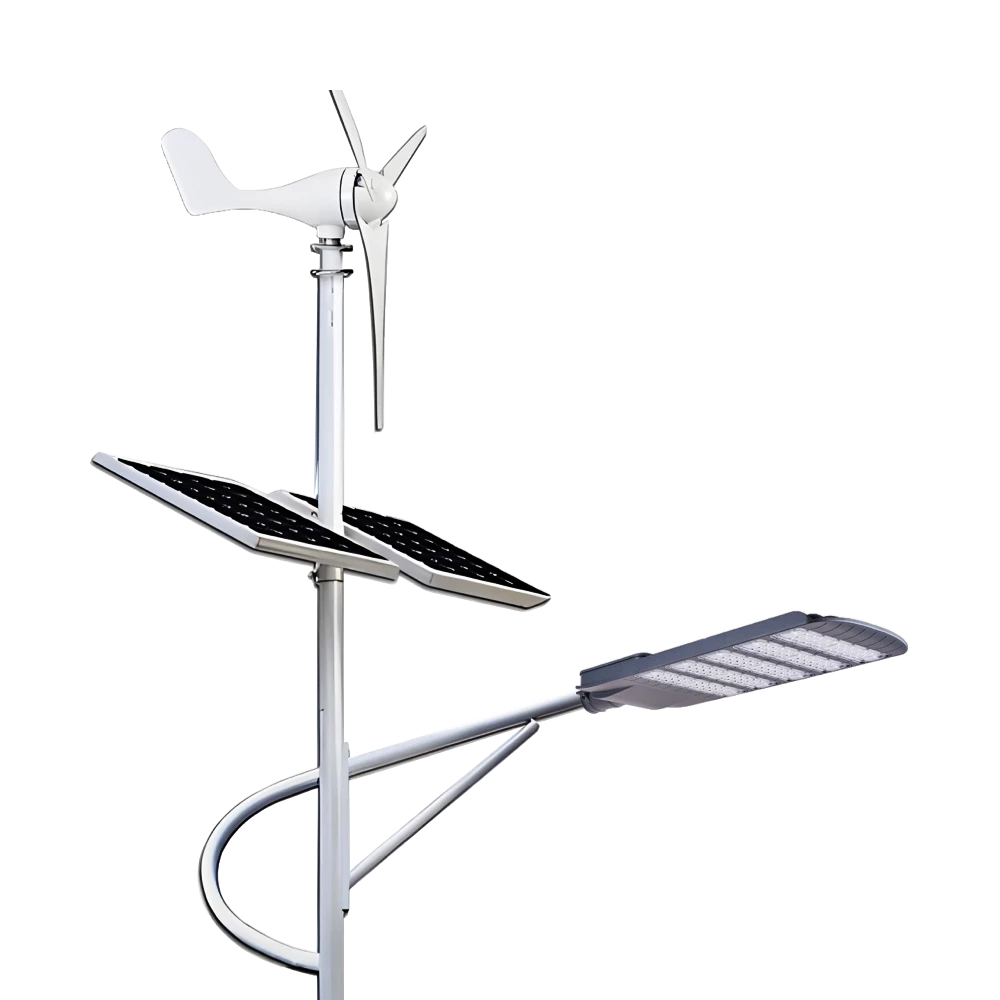
Queneng Lufeng Wind Energy LED Outdoor Solar Street Lights offer high-performance, eco-friendly illumination. These energy-efficient LED street lights harness solar power and wind energy for sustainable, cost-effective outdoor lighting solutions.
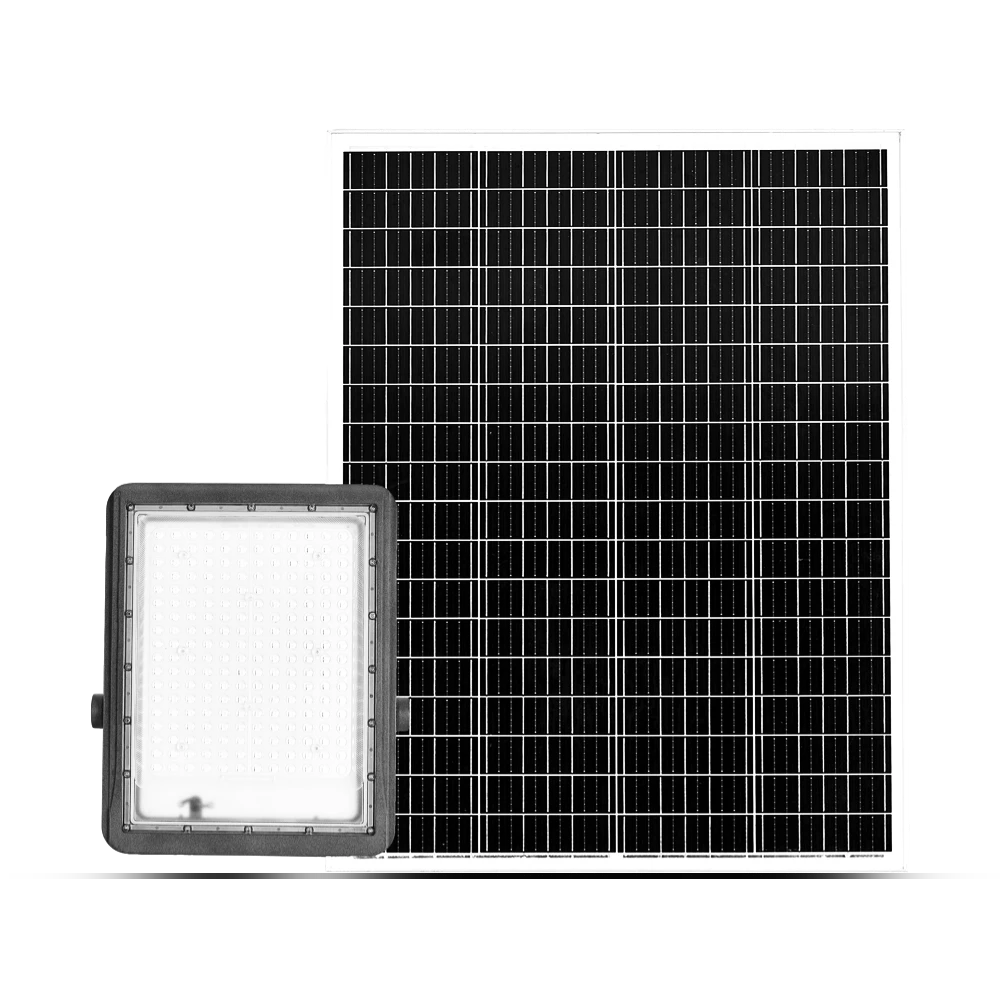
Queneng's Luxian Reliable Solar Street Light offers energy-saving LED lighting for outdoor use. This durable, solar-powered street light provides reliable illumination, reducing energy costs and environmental impact. A perfect solution for sustainable outdoor lighting.
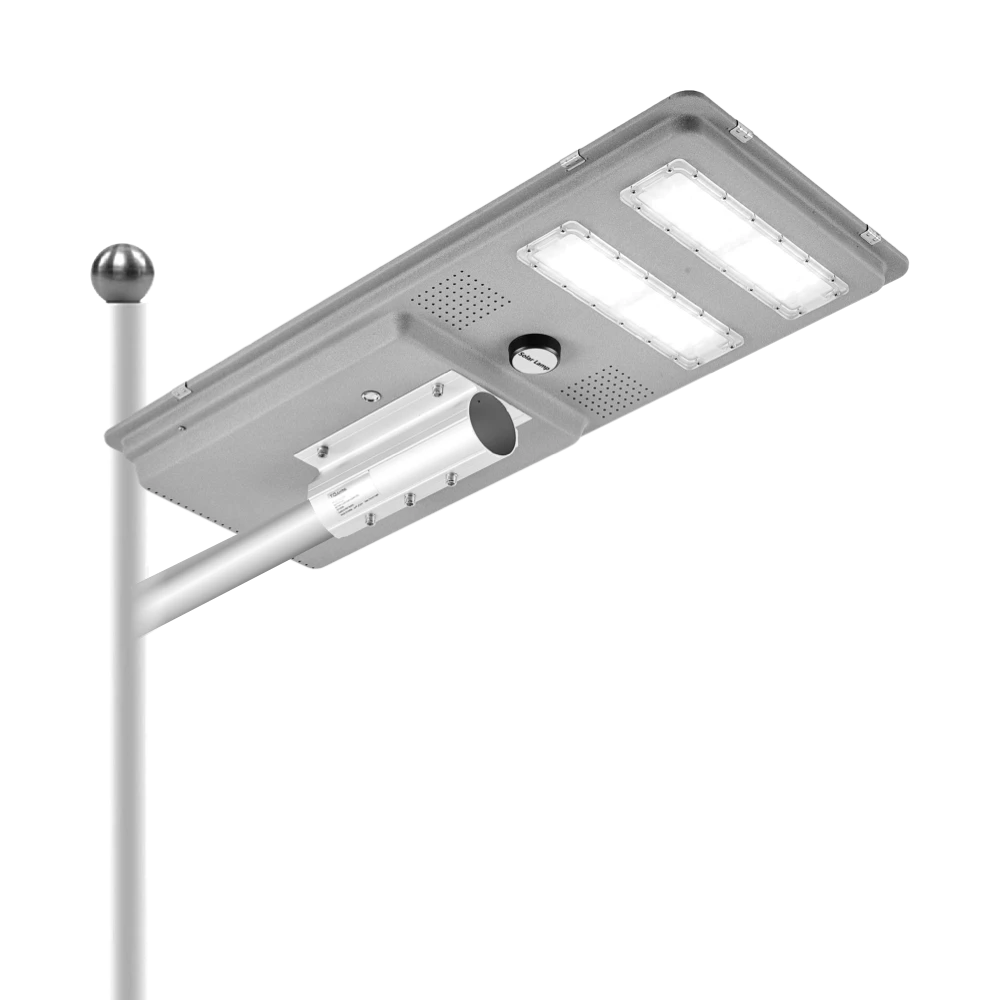
Queneng’s Solar Street Lights are designed to provide reliable, energy-efficient lighting for streets, parks, and other outdoor spaces.
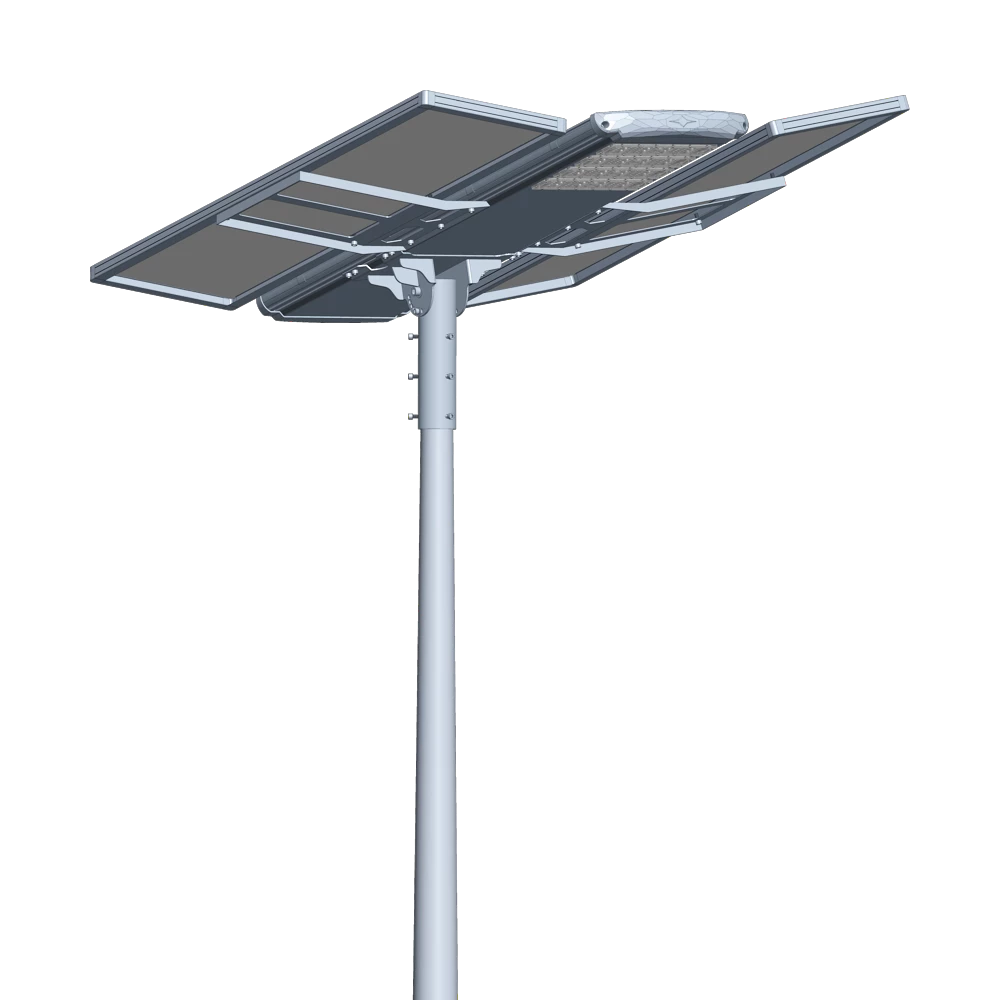
Introducing the Luqing Solar Street Light by Queneng, Efficient LED lighting powered by solar energy is perfect for illuminating outdoor areas. Harness the power of solar energy for sustainable, reliable street lighting. Ideal for eco-friendly, cost-effective outdoor illumination solutions.
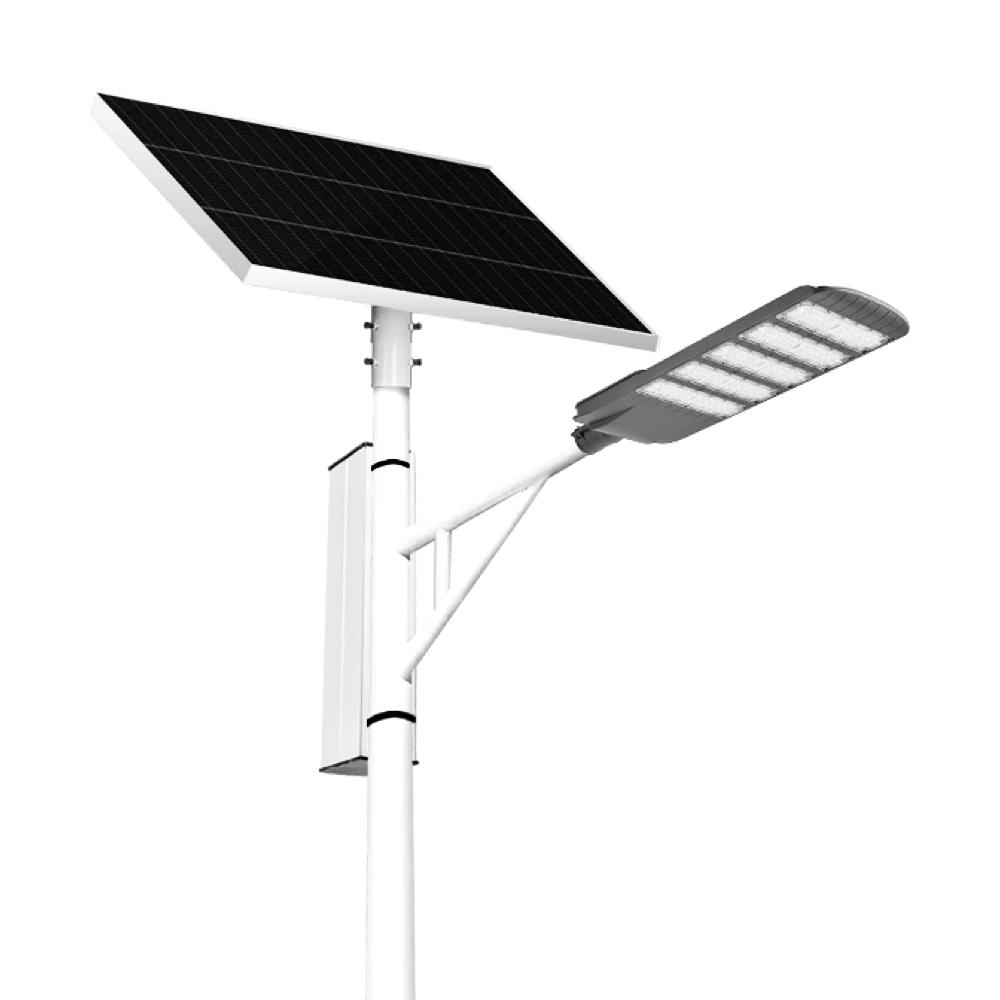
The Solar Streetlights of Luhao for Municipalities are designed to deliver reliable, energy-efficient, and cost-effective public lighting solutions. Equipped with advanced LED technology, durable lithium batteries, and high-efficiency solar panels, these streetlights provide consistent illumination for roads, parks, residential areas, and government projects.
Our professional team is ready to answer any questions and provide personalized support for your project.
You can reach us via phone or email to learn more about Queneng’s solar lighting solutions. We look forward to working with you to promote clean energy solutions!
Rest assured that your privacy is important to us, and all information provided will be handled with the utmost confidentiality.
By clicking 'Send Inquiry Now' I agree to Queneng processing my personal data.
To see how to withdraw your consent, how to control your personal data and how we process it, please see our Privacy Policy and Terms of use.
Schedule a Meeting
Book a date and time that is convenient for you and conduct the session in advance.
Have more questions about our products or services?
The messenger of light & power conversion
Environmental protection and intelligent manufacturing are our brand philosophy, and quality assurance and the best user experience are our eternal promises to users.
CONTACT
No.9F, Building F, Cao San Xin Tian Hong Logistics Park, Guzhen Town, Zhongshan City, Guangdong Province, China.
or write [email protected]
WhatsApp: +86 136 2270 1011


