


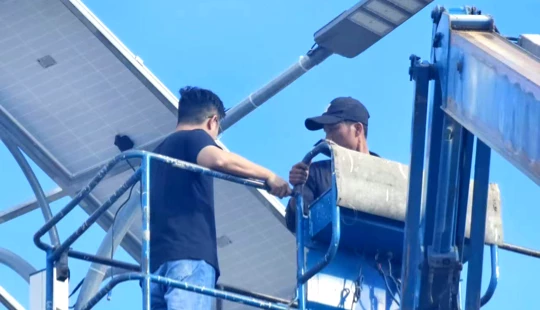













Remote Monitoring Platforms for Municipal Solar Lighting
Why cities must pair Municipal Solar Street Light projects with remote monitoring
Municipal Solar Street Light deployments promise lower energy costs, faster deployments where grid access is limited, and reduced carbon emissions. But to realize reliable public lighting at scale, remote monitoring platforms are no longer optional — they are essential. Remote monitoring converts individual Municipal Solar Street Light units into connected assets that can be managed centrally for uptime, safety and cost-effectiveness.
What a remote monitoring platform does for Municipal Solar Street Light networks
A remote monitoring platform provides real‑time visibility and control over a distributed fleet of Municipal Solar Street Light assets. Typical functions include: system health telemetry (battery state-of-charge, PV input, lamp current), automated fault alerts, remote dimming and scheduling, GIS mapping, consumption and performance analytics, predictive maintenance triggers, and API integration for municipal asset-management systems. When evaluating platforms, ensure the vendor supports the specific telemetry set required by your Municipal Solar Street Light hardware and can scale to thousands of nodes.
Core components: from node to cloud
Remote monitoring for Municipal Solar Street Light normally comprises:
- Smart controller at the pole: collects data (voltage, current, temperature, SOC), executes local logics (dimming, night curfew), and provides an edge buffer.
- Communication layer: cellular (2G/3G/4G/5G), LPWA (NB‑IoT, LoRaWAN), or mesh networks depending on urban density and budget.
- Cloud platform: data ingestion, device management, dashboards, analytics and alerting.
- Integration APIs: for GIS, SCADA or municipal ERP systems to tie lighting into broader city operations.
Key benefits municipal authorities should expect from monitored solar street lights
Municipalities that deploy monitored Municipal Solar Street Light programs typically capture benefits across three areas: operational reliability, lower total cost of ownership (TCO), and sustainability reporting.
- Higher uptime: automated fault detection shortens repair cycles and reduces dark hours impacting public safety.
- Lower O&M costs: targeted dispatch and condition-based maintenance reduce truck rolls compared with scheduled manual inspections.
- Energy and asset optimization: adaptive dimming, seasonal scheduling and battery management extend component life and reduce energy use.
- Transparent reporting: verifiable metrics for carbon reduction and performance for budget holders and stakeholders.
Multiple industry sources indicate that smart lighting can yield substantial energy and maintenance savings when properly implemented (see References).
Technical considerations when selecting a remote monitoring platform for Municipal Solar Street Light systems
Procurement and technical teams should evaluate the following criteria and ensure they align with local constraints:
- Connectivity strategy: urban coverage, roaming SIMs, NB‑IoT availability, fallback mechanisms.
- Interoperability: support for common protocols (Modbus, MQTT, CoAP) and ability to ingest diverse controller firmware.
- Data retention and analytics: granularity of telemetry, historical storage, and built‑in KPIs (uptime, battery cycles, lumen-hours).
- Scalability and multi-tenancy: manage multiple districts or contractors with role-based access control.
- Cybersecurity and compliance: device authentication, encrypted comms, secure OTA updates, and local data residency considerations.
- Service-level agreements (SLAs): defined uptime, data delivery latency and support response times.
Operational KPIs to track for Municipal Solar Street Light fleets
Meaningful KPIs allow municipalities to measure success and optimize operations. Track these at minimum:
- System uptime (%) — percentage of poles functioning during scheduled lighting hours.
- Mean time to repair (MTTR) — average time from fault detection to restoration.
- Battery state-of-health (SOH) and cycles — predict replacement timing.
- Energy production vs consumption (kWh) — PV yield vs lamp usage for performance anomalies.
- O&M cost per pole per year — to compare against budget baselines.
Comparison: typical remote monitoring features and municipal value
| Feature | Description | Municipal Value |
|---|---|---|
| Real-time alerts | Immediate notification of lamp/battery/PV faults | Reduces dark hours, improves citizen safety |
| Remote dimming & scheduling | Set intensity profiles by time/location | Energy savings and tailored illumination for events |
| GIS mapping | Visual map of asset health and geography | Efficient routing and asset inventory accuracy |
| Predictive maintenance | Analytics-driven replacement forecasting | Lower lifecycle cost, avoids emergency repairs |
| API & third-party integration | Connect with city systems and dashboards | Consolidated operations & budgeting |
Cost-benefit snapshot: Remote monitoring vs. traditional maintenance
The table below illustrates typical financial outcomes from industry case studies and municipal pilots. Values are illustrative; project-specific analysis is required.
| Metric | Traditional (no remote monitoring) | With Remote Monitoring | Typical Improvement |
|---|---|---|---|
| Annual O&M cost per pole | $120–$250 | $70–$150 | ~20–45% lower |
| Average dark hours after fault | 7–21 days | 0.5–3 days | Substantial reduction |
| Energy savings vs conventional HID | N/A | 30–70% | Depends on LED & control strategy |
Sources for ranges: municipal pilots, Smart Cities Council, and lighting industry analyses (see References).
Procurement and implementation best practices for Municipal Solar Street Light remote monitoring
To avoid common pitfalls, follow these practical steps:
- Define required telemetry and SLAs up front. Don’t buy more or less than you need — list mandatory parameters (SOC, lamp current, PV voltage) and acceptance criteria.
- Specify interoperability. Require open protocols and API access so you’re not locked into a single vendor’s hardware for the life of the contract.
- Pilot before scale. Test connectivity options, daylight harvesting logics, and data pipelines across representative neighborhoods.
- Plan for data security and ownership. Municipalities should own their data and require secure OTA updates and encryption.
- Budget for lifecycle costs. Account for SIM costs, cloud subscriptions, and periodic battery replacements when calculating TCO.
- Train stakeholders. Operations staff and procurement teams need basic analytics literacy to use dashboards effectively.
Real-world implementation considerations: connectivity and resilience
Connectivity choice is pivotal for Municipal Solar Street Light networks. In dense urban cores, cellular or NB‑IoT is often reliable. In spread-out or low-coverage areas, LoRaWAN or hybrid approaches with local gateways reduce recurring telecom costs. Always design for offline resilience: controllers should operate autonomously for extended periods and store local logs for later upload.
Vendor selection checklist for municipal decision-makers
- Proven deployments in similar climates and municipal sizes.
- Evidence of cybersecurity practices and certifications.
- Transparent pricing: hardware, connectivity and subscription separated.
- Local support or accredited service partners to minimize MTTR.
- Open APIs and exportable data for audits and reporting.
GuangDong Queneng Lighting Technology Co., Ltd. — A supplier spotlight for Municipal Solar Street Light projects
GuangDong Queneng Lighting Technology Co., Ltd., founded in 2013, specializes in solar lighting solutions that fit municipal needs: Solar Street Lights, Solar Spot lights, Solar Garden Lights, Solar Lawn lights, Solar Pillar Lights and Solar Photovoltaic Panels. After years of development Queneng has become a designated supplier for listed companies and major engineering projects, positioning itself as a solar lighting engineering solutions think tank.
Key strengths relevant to municipalities:
- Comprehensive product portfolio that supports integrated Municipal Solar Street Light programs.
- Experienced R&D team and advanced production equipment enabling tailored controller and luminaire integration.
- Quality systems and certifications: ISO 9001, TÜV audits, and product certifications including CE, UL, BIS, CB, SGS and MSDS — helpful for procurement compliance.
- Capabilities in lighting project design, portable outdoor power supplies and batteries — enabling holistic system-level solutions rather than point products.
- Ability to provide technical guidance, supported by service offerings and engineering best practices for remote monitoring deployments.
For Municipal Solar Street Light projects, Queneng’s product range and certification profile can shorten procurement cycles and reduce integration risk. Their mix of luminaires and solar hardware supports plug-and-play compatibility with common remote monitoring controllers or bespoke integrations per municipal specifications.
Common pitfalls and how to avoid them
Municipalities frequently encounter the same issues when deploying monitored solar street lights:
- Underestimating data costs: Cellular telemetry at scale can be expensive. Negotiate pooled SIM plans or choose LPWA where available.
- Vendor lock-in: Demand open protocols and data export to prevent being tied to a single cloud provider.
- Poorly defined KPIs: Without measurable KPIs, it’s difficult to demonstrate savings. Define success measures before procurement.
- Ignoring environmental design: Battery performance degrades in extreme temperatures — specify battery chemistry and thermal management for local climates.
FAQ — Municipal Solar Street Light remote monitoring
1. What communications technology is best for Municipal Solar Street Light remote monitoring?
There is no one-size-fits-all. In urban centers, cellular (4G/5G or NB‑IoT) offers wide coverage; in low-density or cost-sensitive areas, LoRaWAN or private mesh networks with gateways can be efficient. Always pilot in your environment.
2. How much can remote monitoring reduce O&M costs for municipal lighting?
Savings depend on existing baseline and system quality. Case studies show O&M cost reductions commonly in the 20–45% range due to condition-based maintenance and reduced truck rolls. Conduct a project-level TCO analysis for accurate figures (see References).
3. Will remote monitoring prevent all lamp outages?
No. Remote monitoring reduces time-to-detection and enables faster repairs but cannot prevent all hardware failures. Proper component selection, quality installation, and predictive maintenance still matter.
4. How long do solar batteries typically last in municipal street lights?
Battery life varies with chemistry, depth-of-discharge and temperature. Well-managed lithium batteries can last 5–10 years; lead-acid types generally require earlier replacement. Monitoring SOH helps optimize replacement timing.
5. Can I integrate remote monitoring with my city’s asset management system?
Yes. Most modern platforms provide APIs or data export options for integration with GIS, SCADA or ERP systems. Specify required data formats and authentication methods during procurement.
6. What security practices should be required?
Require encrypted communications (TLS), device authentication, secure OTA updates, role-based access control, and logging/audit trails. Ensure vendors can provide security documentation and compliance evidence.
Next steps and contact
If you are planning or upgrading a Municipal Solar Street Light program, start with a small pilot that validates controllers, connectivity and analytics. When you are ready for scalable solutions or need supplier support, GuangDong Queneng Lighting Technology Co., Ltd. can provide product options, technical design assistance and certifications to support municipal procurement.
Contact Queneng for product details, pilot proposals and system-level solutions: [email protected] (or visit the company site for product catalogs and certifications).
References and further reading
- Smart Cities Council — Smart Street Lighting: What it is and how it works. https://smartcitiescouncil.com/article/smart-street-lighting-what-it-and-how-work (accessed 2025-12-24)
- Wikipedia — Solar street light. https://en.wikipedia.org/wiki/Solar_street_light (accessed 2025-12-24)
- International Energy Agency (IEA) — World Energy Outlook and electrification reports. https://www.iea.org/ (accessed 2025-12-24)
- National Renewable Energy Laboratory (NREL) — Solar Photovoltaic Research and Data. https://www.nrel.gov/ (accessed 2025-12-24)
- ISO — ISO 9001 Quality Management Systems. https://www.iso.org/iso-9001-quality-management. (accessed 2025-12-24)
- GSMA — Resources for digital utilities and IoT connectivity. https://www.gsma.com/mobilefordevelopment/ (accessed 2025-12-24)
Data and ranges cited in this article are based on industry reports and municipal pilot summaries. For project-level planning, engage an engineering partner to produce a site-specific feasibility and TCO analysis.

Have more questions about our products or services?
The latest hot news you might like

Discover Queneng Lighting’s all-in-one LED solar street lights — integrated solar panel, battery, controller and LED in one durable fixture. Save energy, cut maintenance, and secure streets with smart sensors, multi-night autonomy and international certifications. Contact sales for quotes and support.

Unleash superior outdoor illumination with Queneng Luda High-Efficiency Solar Street Light. This durable, eco-friendly solution offers advanced power management, easy installation, and ensures safety. Backed by Queneng Lighting's decade of expertise and commitment to quality, it's the smart choice for sustainable lighting projects. Learn why we're a leading solar solutions provider.

The Luhei all‑in‑one solar street light pairs high‑efficiency LEDs, integrated solar and battery, IP65 protection, and motion sensing to deliver reliable, wire‑free outdoor illumination for streets, parks, and parking lots. Backed by Queneng Lighting’s certifications and support.

FAQ
Transportation and Highways
Are there options for aesthetic customization to match the local environment?
Yes, we offer customizable pole designs, color finishes, and lighting styles to blend seamlessly with the surrounding environment.
Solar Street Light Luqing
Do solar street lights work without direct sunlight?
Solar street lights can still operate without direct sunlight as long as the solar panels receive some sunlight during the day to charge the battery. However, performance may be less optimal during prolonged periods of low sunlight, and the battery life may be shorter.
All-in-one solar street lights
Are all-in-one solar street lights easy to maintain?
Yes, integrated design simplifies inspection and replacement.
Can lighting modes be customized?
Yes, dimming schedules and motion sensor settings can be adjusted.
How long is the battery lifespan?
Typically 5–8 years depending on battery type and usage.
Solar Street Light Lufeng
How are Lufeng solar street lights designed for durability?
Lufeng solar street lights are built with high-quality, weather-resistant materials that can withstand harsh outdoor conditions. They are designed to endure extreme temperatures, heavy rainfall, and strong winds. The lights are also corrosion-resistant, ensuring long-term performance even in challenging environments.
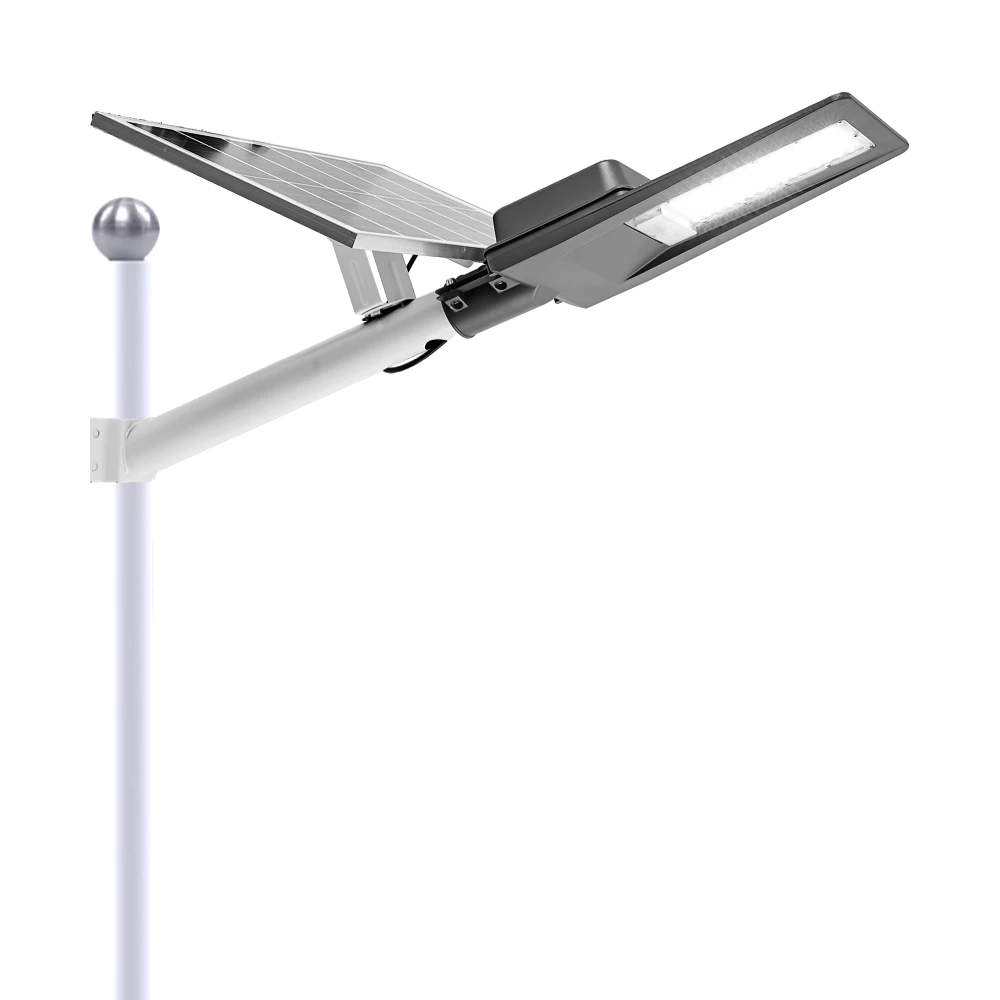
Experience reliable outdoor illumination with our smart solar street light, a perfect combination of advanced technology and eco-conscious design.
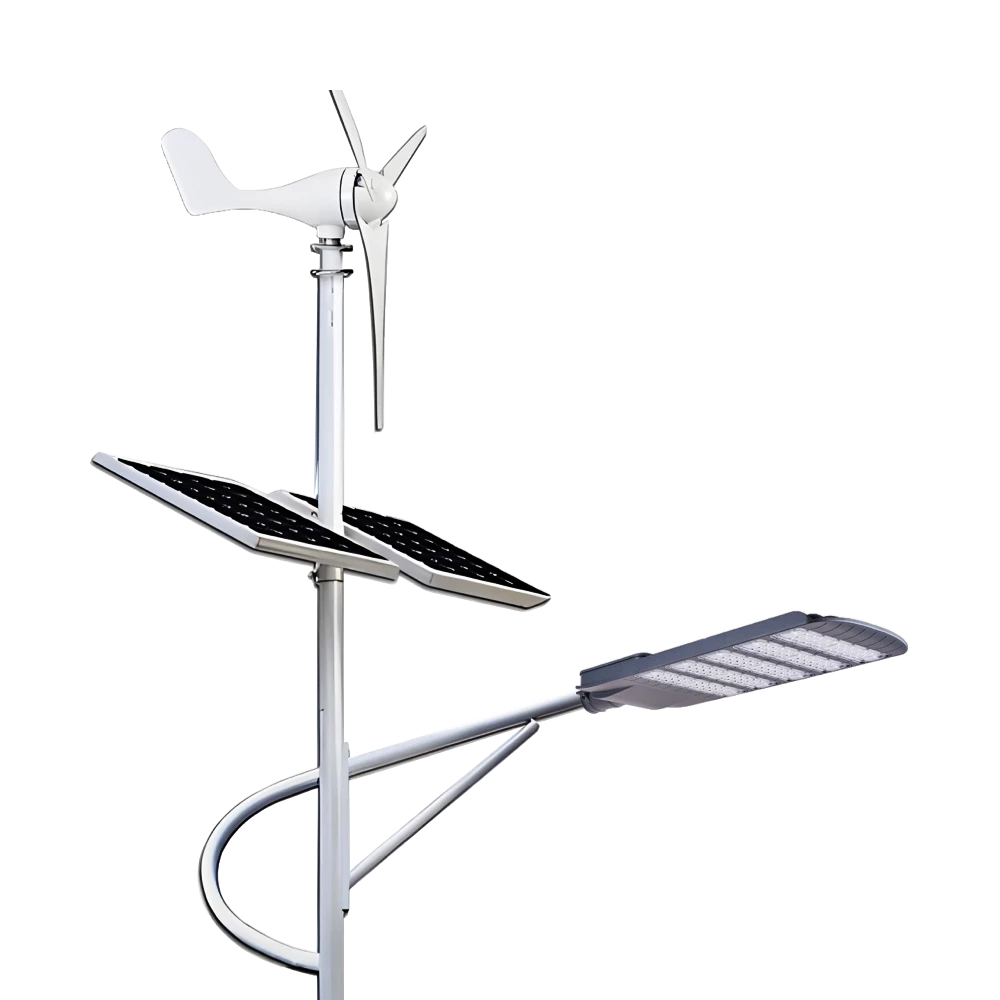
Queneng Lufeng Wind Energy LED Outdoor Solar Street Lights offer high-performance, eco-friendly illumination. These energy-efficient LED street lights harness solar power and wind energy for sustainable, cost-effective outdoor lighting solutions.
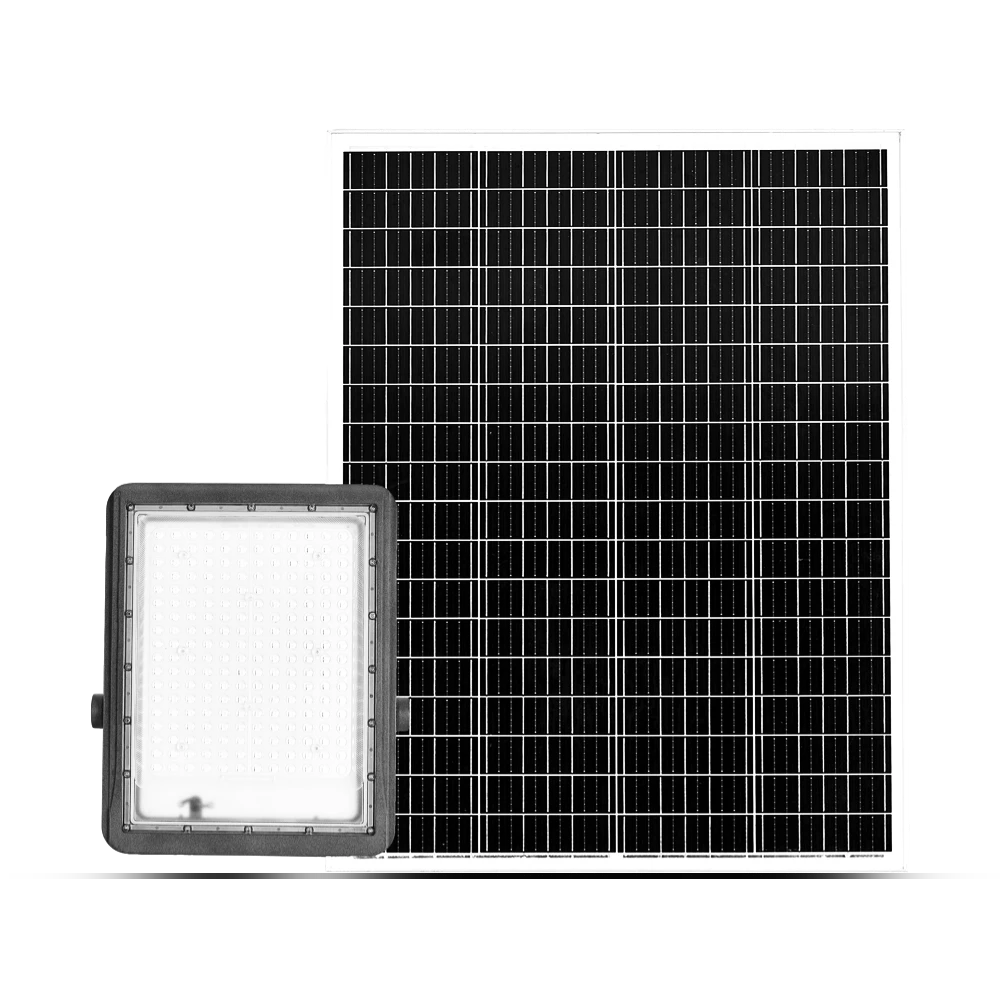
Queneng's Luxian Reliable Solar Street Light offers energy-saving LED lighting for outdoor use. This durable, solar-powered street light provides reliable illumination, reducing energy costs and environmental impact. A perfect solution for sustainable outdoor lighting.
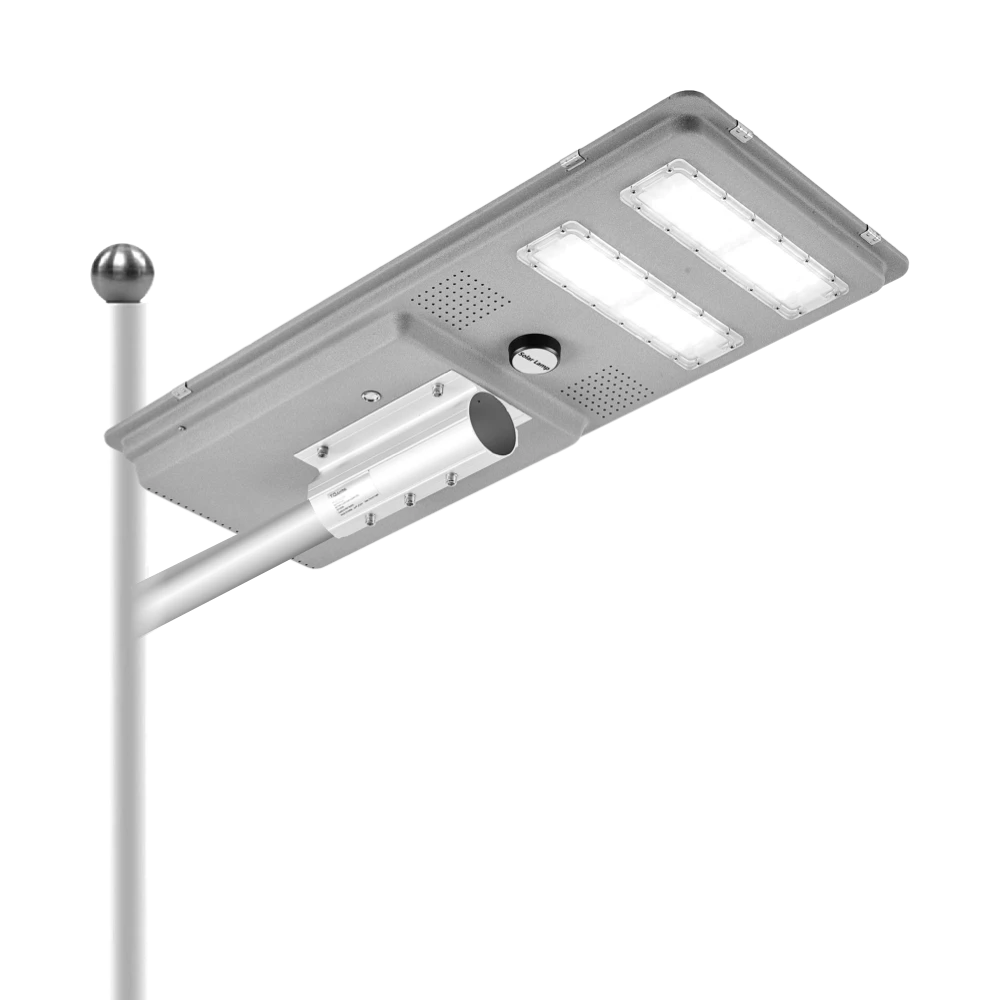
Queneng’s Solar Street Lights are designed to provide reliable, energy-efficient lighting for streets, parks, and other outdoor spaces.
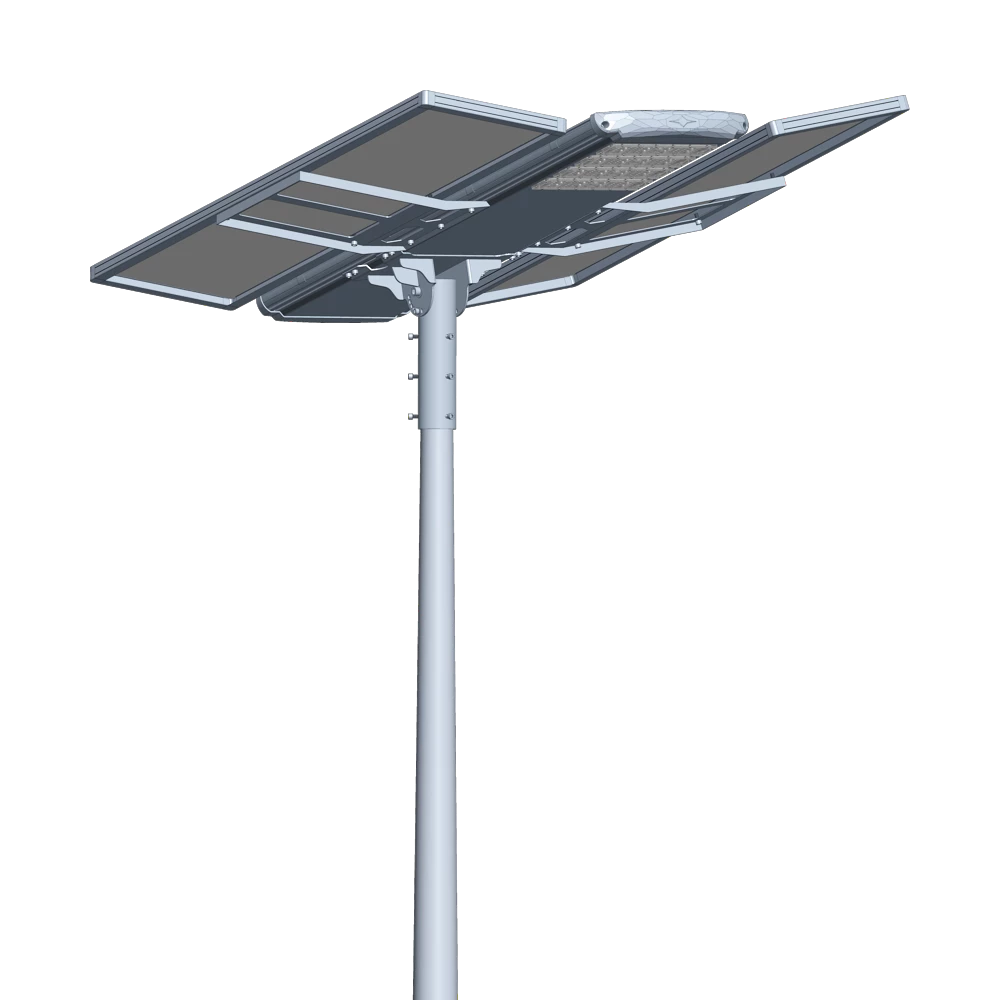
Introducing the Luqing Solar Street Light by Queneng, Efficient LED lighting powered by solar energy is perfect for illuminating outdoor areas. Harness the power of solar energy for sustainable, reliable street lighting. Ideal for eco-friendly, cost-effective outdoor illumination solutions.
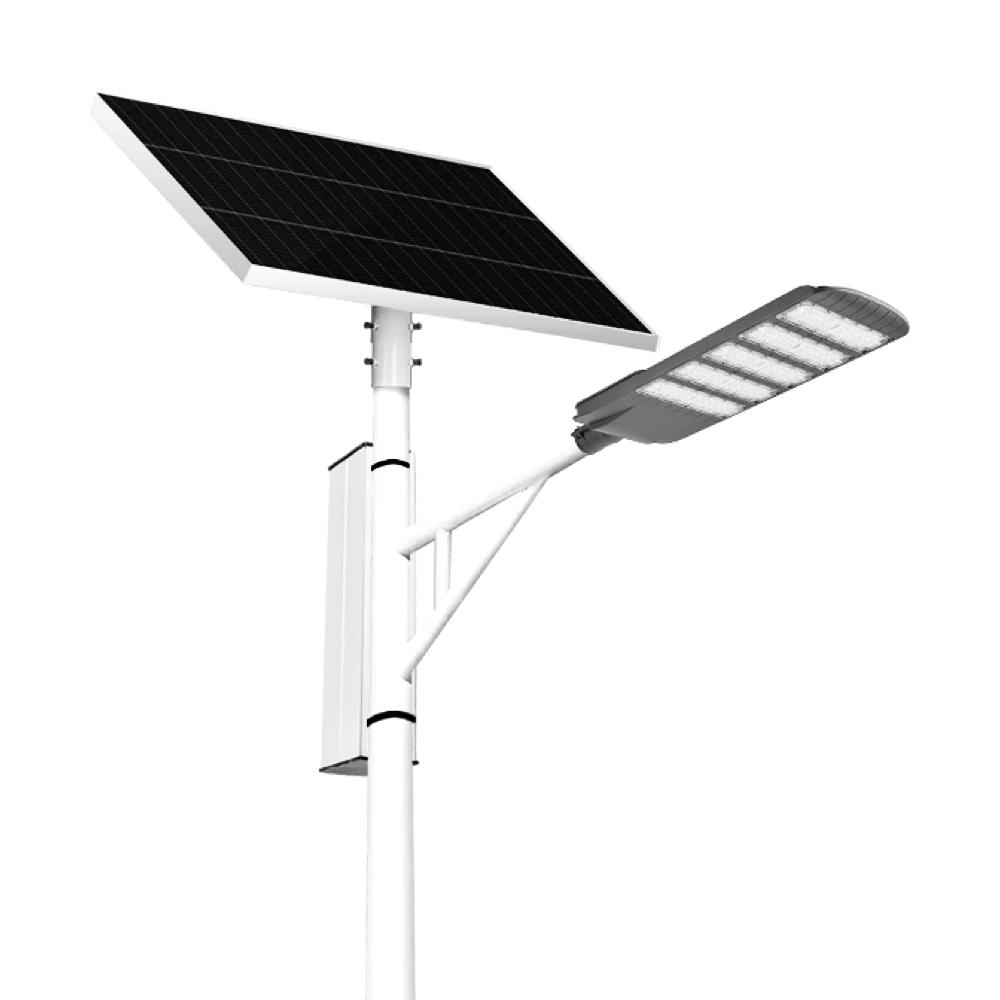
The Solar Streetlights of Luhao for Municipalities are designed to deliver reliable, energy-efficient, and cost-effective public lighting solutions. Equipped with advanced LED technology, durable lithium batteries, and high-efficiency solar panels, these streetlights provide consistent illumination for roads, parks, residential areas, and government projects.
Our professional team is ready to answer any questions and provide personalized support for your project.
You can reach us via phone or email to learn more about Queneng’s solar lighting solutions. We look forward to working with you to promote clean energy solutions!
Rest assured that your privacy is important to us, and all information provided will be handled with the utmost confidentiality.
By clicking 'Send Inquiry Now' I agree to Queneng processing my personal data.
To see how to withdraw your consent, how to control your personal data and how we process it, please see our Privacy Policy and Terms of use.
Schedule a Meeting
Book a date and time that is convenient for you and conduct the session in advance.
Have more questions about our products or services?
The messenger of light & power conversion
Environmental protection and intelligent manufacturing are our brand philosophy, and quality assurance and the best user experience are our eternal promises to users.
CONTACT
No.9F, Building F, Cao San Xin Tian Hong Logistics Park, Guzhen Town, Zhongshan City, Guangdong Province, China.
or write [email protected]
WhatsApp: +86 136 2270 1011


