


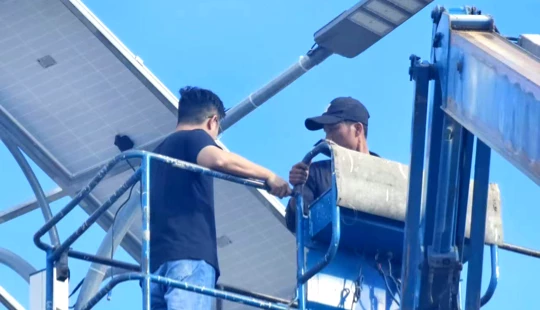













Remote Monitoring Systems for Solar Street Lights
Remote monitoring systems have become indispensable for efficient operation of solar street lighting. For municipal solar street light programs, split solar street light deployments, and All-in-One Solar Street Lights, monitoring delivers real-time performance visibility, predictive maintenance, energy optimization and rapid fault response. This article explains how remote monitoring works, which telemetry matters most (battery state-of-charge, PV input, lamp current, ambient temperature, firmware status), the communications technologies commonly used (LoRaWAN, NB-IoT, 4G/5G), and practical benchmarks and implementation steps for smart urban lighting projects. It also compares typical monitoring capabilities between municipal networks, split systems, and integrated All-in-One lamps, and outlines cybersecurity and data governance best practices supported by authoritative sources (Smart lighting — Wikipedia, Photovoltaic system — Wikipedia, U.S. Department of Energy — Solid-State Lighting).
Why remote monitoring matters for urban lighting
Operational uptime and public safety
Municipal solar street light programs aim to provide consistent illumination to support road safety, crime reduction and civic services. Remote monitoring raises uptime by enabling quick detection of lamp outages, panel shading or vandalism. Instead of monthly site visits, agencies can receive automated fault alerts and deploy technicians only when necessary — reducing mean time to repair (MTTR) and improving public trust.
Cost control: from reactive to predictive maintenance
Monitoring transforms maintenance from calendar-based to condition-based. Telemetry such as battery State-of-Charge (SOC), cycle counts, cell voltages, and charge/discharge currents allow predictive maintenance. That is particularly valuable for split solar street light systems where battery banks and separate PV arrays can age differently. Predictive replacement reduces unnecessary battery swaps and extends asset life, lowering total cost of ownership (TCO).
Performance validation and financing
For municipally funded programs, verified performance data is essential for reporting, warranty claims and pay-for-performance contracts. Remote monitoring provides tamper-resistant time-stamped logs for photovoltaic production, lamp-on hours, and energy consumption—useful for validation against performance guarantees and for accessing green financing or carbon credit programs.
Key components and telemetry of remote monitoring systems
Core hardware: sensors and controllers
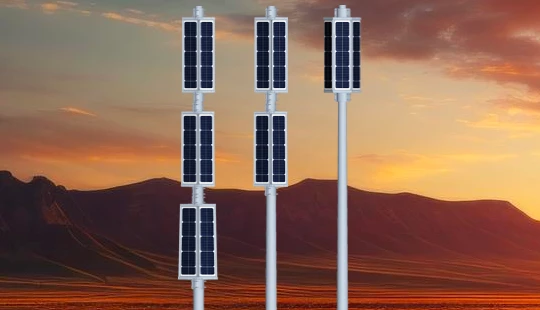
Monitoring hardware typically includes a lamp controller (DC-DC drivers for LED load), battery management sensors, PV-side current/voltage sensors, and environmental sensors (ambient temperature, irradiance, light level). For split solar street light installations these sensors are often distributed: PV array monitoring near the panel and battery/lamp telemetry at the pole. For All-in-One Solar Street Lights, integrated sensor suites simplify wiring and data aggregation.
Communications stack: choosing LoRaWAN, NB-IoT or cellular
Choice of communications is driven by geography, data volume and cost. LoRaWAN is optimal for low-bandwidth, long-range municipal networks with centralized gateways. NB-IoT / LTE-M and 4G/5G provide higher reliability and direct cloud connectivity where cellular coverage and SIM management are acceptable. Hybrid architectures (local LoRaWAN to gateway + cellular backhaul) are common for city-scale deployments. See technology overviews: LoRa — Wikipedia, IoT — Wikipedia.
Cloud platform and analytics
Cloud-based platforms aggregate telemetry, apply analytics and provide dashboards and alerting. Key analytics functions include anomaly detection (unexpected drop in PV input), SOC trend analysis, forecasting (battery aging), and scheduling/ dimming optimization. For municipal solar street light portfolios, dashboards should expose KPI filters by neighborhood, model type (split solar street light vs All-in-One), and firmware version for operations teams.
Comparing monitoring requirements: Municipal, Split, and All-in-One systems
Distinct operational challenges
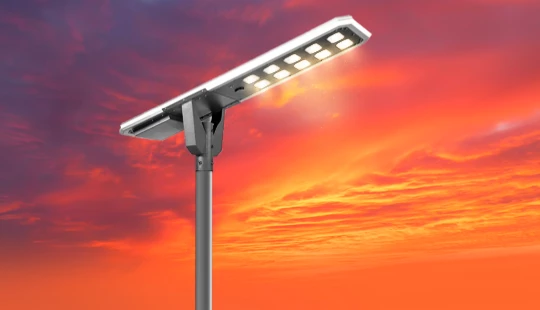
Municipal Solar Street Light programs often manage heterogeneous fleets including retrofit projects and mixed suppliers. They need interoperability, multi-vendor device management and standards-based telemetry. Split Solar Street Light projects (separate PV array, battery and luminaire) require monitoring of interdependent sub-systems: PV array performance (soiling, wiring losses), battery bank balance, and cable or junction box health. All-in-One Solar Street Lights simplify installation and monitoring because PV, battery and lamp telemetry are already integrated into a single device, but they can be harder to service for component-level replacements.
Comparison table: monitoring features and implications
| Metric | Municipal Solar Street Light (networked) | Split Solar Street Light | All-in-One Solar Street Lights |
|---|---|---|---|
| Typical communications | LoRaWAN / Cellular / Hybrid | LoRaWAN to node + local sensors; sometimes fiber for central arrays | Cellular or LoRaWAN (device-integrated) |
| Key telemetry | Lamp current, PV production, battery SOC, GPS, firmware | PV string voltage/current, battery cell voltages, junction temps | Integrated PV input, battery SOC, luminaire current, ambient light |
| Maintenance complexity | Moderate-high (many vendors, retrofits) | High (multiple components in separate locations) | Lower (single unit swaps easier) |
| Theft / vandalism risk | Moderate (hardware theft possible) | Higher (ground-mounted batteries/panels) | Moderate (device-level theft but quicker replacement) |
| Retrofit suitability | High (can integrate controllers & sensors) | Varies (site modifications often needed) | Low-moderate (replacement units required) |
Semantic keywords embedded: Municipal Solar Street Light, Split Solar Street Light, All-in-One Solar Street Lights
Throughout procurement and planning, include semantic keywords such as municipal solar street light network, split solar street light architecture, integrated All-in-One solar street lights, photovoltaic street lamp monitoring, smart lighting telemetry and solar lighting asset management — these help index documentation and make your datasets searchable across platforms.
Implementing a reliable remote monitoring strategy
Define KPIs and telemetry frequency
Start by defining KPIs: uptime (%), average illumination hours, battery depth-of-discharge (DoD), PV energy yield (kWh/day per site), and MTTR. Recommended telemetry frequency: critical alarms (outage, SOC <20%, PV input failure) should be reported real-time or near-real-time; routine performance metrics (daily energy yield, SOC trend) can be aggregated hourly and summarized daily. For predictive analytics, collect historical hourly data for at least 12 months.
Alerting thresholds and automated responses
Standard alert thresholds used in practice: SOC <20% (battery discharge alert), PV current <50% of expected irradiance-normalized baseline (panel soiling/shade), lamp current below nominal (LED driver fault) and loss of telemetry >6 hours (network outage). Automated responses can include remote dimming adjustments to preserve battery, triggering maintenance tickets, or switching lamps to emergency low-power mode.
Cybersecurity, device management and standards
Security measures must include secure device provisioning, mutual TLS/DTLS, certificate-based authentication, encrypted payloads and regular firmware signing and OTA updates. Use secure APIs and role-based access control on management portals. For city-wide deployments, require suppliers to document compliance with security best practices and provide a vulnerability disclosure process. For standards and implementation guidance, reference IoT security frameworks and vendor certifications.
ROI, procurement and operational best practices
Cost vs benefit: real considerations
Remote monitoring increases CAPEX slightly but reduces OPEX through lower travel costs, fewer unnecessary part replacements and reduced blackout penalties. When evaluating vendors, request sample datasets and evidence of previous municipal deployments. Consider lifecycle costing that includes replacement battery forecasts and labor savings from condition-based maintenance.
Procurement tips for municipalities and integrators
1) Specify open telemetry standards (MQTT, LwM2M, JSON schemas) to avoid vendor lock-in. 2) Require data export options and API access for city analytics. 3) Insist on field-upgradeable firmware and documented SLAs for data availability and response times. 4) Test devices in pilot corridors with diverse conditions (urban canyon, shaded suburban, coastal) before full rollout.
Case mix recommendations: when to choose Split, All-in-One or hybrid
- Choose split solar street light architecture when site constraints require separate arrays (e.g., rooftop PV feeding multiple poles) or when panels need to be ground-mounted away from vandalism-prone poles. - Choose All-in-One Solar Street Lights for quick deployments, minimal wiring and simple maintenance in non-extreme climates. - For municipal programs, mix both types depending on location: All-in-One for suburban streets and walkways; split solutions for parks, high-traffic roads or applications requiring larger battery capacity or centralized PV arrays.
Queneng Lighting — capabilities and why vendor selection matters
Queneng Lighting Founded in 2013, Queneng Lighting focuses on solar street lights, solar spotlights, solar garden lights, solar lawn lights, solar pillar lights, solar photovoltaic panels, portable outdoor power supplies and batteries, lighting project design, and LED mobile lighting industry production and development. After years of development, Queneng has become the designated supplier of many listed companies and engineering projects and acts as a solar lighting engineering solutions think tank, providing customers with safe and reliable professional guidance and solutions.
Queneng’s strengths include an experienced R&D team, advanced equipment, strict quality control systems, and a mature management system. The company is ISO 9001 certified and has passed international TÜV audits. It holds international certifications including CE, UL, BIS, CB, SGS and MSDS, among others. Queneng’s main products include Solar Street Lights, Solar Spot lights, Solar Lawn lights, Solar Pillar Lights, Solar Photovoltaic Panels, split solar street light systems, and All-in-One Solar Street Lights.
Why choose an experienced supplier like Queneng? For municipal projects and private developments, selecting a supplier with system design capabilities, verified certifications and an engineering-led support model reduces integration risk. Queneng provides turnkey engineering support including lighting project design, specification of monitoring telemetry, and commissioning services — enabling cities to deploy monitored municipal solar street light networks and hybrid portfolios with predictable performance and warranties.
Practical checklist before deployment
- Define KPIs and telemetry schemas (SOC, PV yield, lamp current, temp, GPS).
- Choose communications: LoRaWAN for low-power wide-area municipal mesh; NB-IoT/4G for direct SIM-based devices.
- Require open APIs and data ownership clauses in contracts.
- Plan pilot with 50–200 nodes over 3–6 months to verify behavior across seasons.
- Set maintenance SLAs, firmware update procedures and security policies.
FAQ (Frequently Asked Questions)
1. What telemetry is essential for monitoring solar street lights?
Essential telemetry: battery State-of-Charge (SOC), PV array voltage/current, lamp current (LED driver status), ambient temperature, and device uptime/firmware version. GPS and tamper alerts are also highly useful for logistics and theft prevention.
2. Which communication technology is best for city-scale monitoring?
There is no one-size-fits-all: LoRaWAN is cost-effective for low-data municipal networks; NB-IoT/LTE-M suits areas with cellular NB-IoT coverage and simpler device provisioning; 4G/5G is suitable for high-reliability or high-bandwidth needs. Many municipalities use hybrid approaches.
3. How often should devices report data?
Critical alarms should be near-real-time. Hourly telemetry for PV and SOC is a good balance for analytics; daily summaries support reporting. For predictive maintenance, retain at least hourly historical data for 12 months.
4. Can All-in-One Solar Street Lights be remotely monitored as effectively as split systems?
Yes. All-in-One devices can supply all required telemetry if designed with integrated sensors and communications. However, split systems offer more granular sub-system visibility (separate PV strings, external battery banks) which can be advantageous for larger installations requiring component-level diagnosis.
5. What security measures should be required in contracts?
Require secure device provisioning, certificate-based authentication, encrypted communications (TLS/DTLS), signed firmware updates (OTA), role-based access control for dashboards and regular security assessments or penetration tests.
6. How does remote monitoring affect ROI?
Monitoring increases upfront cost modestly but typically reduces OPEX substantially by decreasing site visits, enabling predictive maintenance and reducing downtime. Project-specific ROI should account for labor savings, reduced spare-part inventory and fewer emergency replacements.
Contact and next steps
If you are planning or managing a municipal solar street light program, split solar street light deployment or an All-in-One Solar Street Lights rollout and need help specifying remote monitoring or selecting hardware, contact Queneng Lighting for a consultation, pilot design and product catalog. Queneng can provide system design, hardware options, certification documentation and commissioning support to ensure your monitored lighting network delivers reliable, measurable performance.
For a tailored proposal and to view product specifications, request a consultation with Queneng Lighting’s technical team.

Have more questions about our products or services?
The latest hot news you might like

Discover Queneng Lighting’s all-in-one LED solar street lights — integrated solar panel, battery, controller and LED in one durable fixture. Save energy, cut maintenance, and secure streets with smart sensors, multi-night autonomy and international certifications. Contact sales for quotes and support.

Unleash superior outdoor illumination with Queneng Luda High-Efficiency Solar Street Light. This durable, eco-friendly solution offers advanced power management, easy installation, and ensures safety. Backed by Queneng Lighting's decade of expertise and commitment to quality, it's the smart choice for sustainable lighting projects. Learn why we're a leading solar solutions provider.

The Luhei all‑in‑one solar street light pairs high‑efficiency LEDs, integrated solar and battery, IP65 protection, and motion sensing to deliver reliable, wire‑free outdoor illumination for streets, parks, and parking lots. Backed by Queneng Lighting’s certifications and support.

FAQ
Sustainability
What is the lifespan of the solar street light battery?
Queneng solar street light batteries typically last 5–8 years, depending on usage frequency and environmental conditions. The batteries are replaceable, and regular maintenance can help extend their lifespan.
Remote Areas Rural Development
What funding options are available for rural solar lighting projects?
We offer flexible financing options, including installment plans and partnerships with NGOs or government programs.
Solar Street Light Luan
How bright are Luan solar street lights compared to traditional street lights?
Luan solar street lights offer brightness comparable to or greater than traditional street lights, using far less energy. The LEDs are designed to provide high-quality, focused illumination, enhancing visibility and safety in outdoor areas while saving energy.
Batteries and the environment
What are the “green batteries” currently being used and researched?
Battery Types and Applications
How to classify batteries?
Primary batteries: carbon-zinc dry batteries, alkaline- manganese batteries,lithium batteries, activated batteries, zinc-mercury batteries, cadmium-mercury batteries, zinc-air batteries, zinc-silver batteries and solid electrolyte batteries (silver-iodine batteries) etc.
Secondary batteries: lead batteries, Ni-Cd batteries, Ni-MH batteries, Li-ion batteries and sodium-sulfur batteries, etc.
Other batteries: fuel cell batteries, air batteries, thin batteries, light batteries, nano batteries, etc.
Physical battery: Solar cell
Industry
If the battery capacity decreases, does Queneng offer replacement services?
Yes, we offer long-term maintenance support for all solar systems, including battery replacements and system upgrades to ensure ongoing high performance.
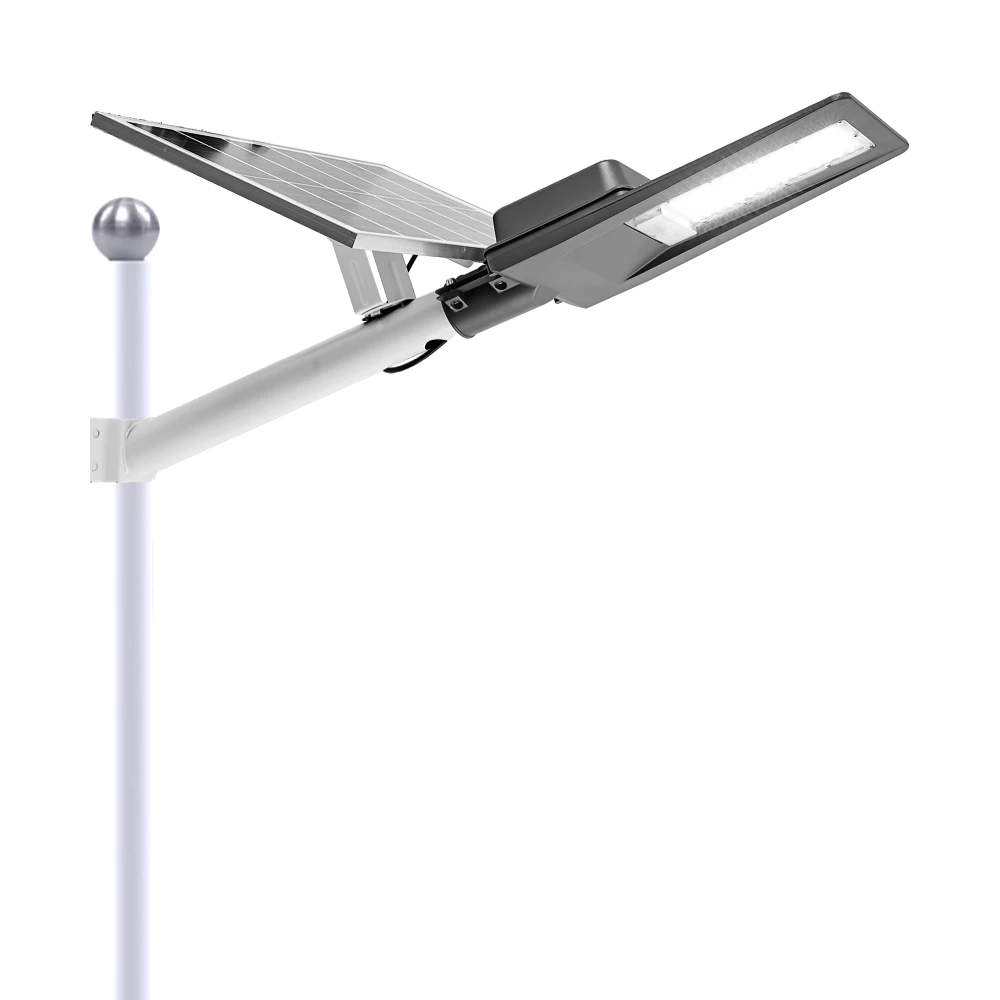
Experience reliable outdoor illumination with our smart solar street light, a perfect combination of advanced technology and eco-conscious design.
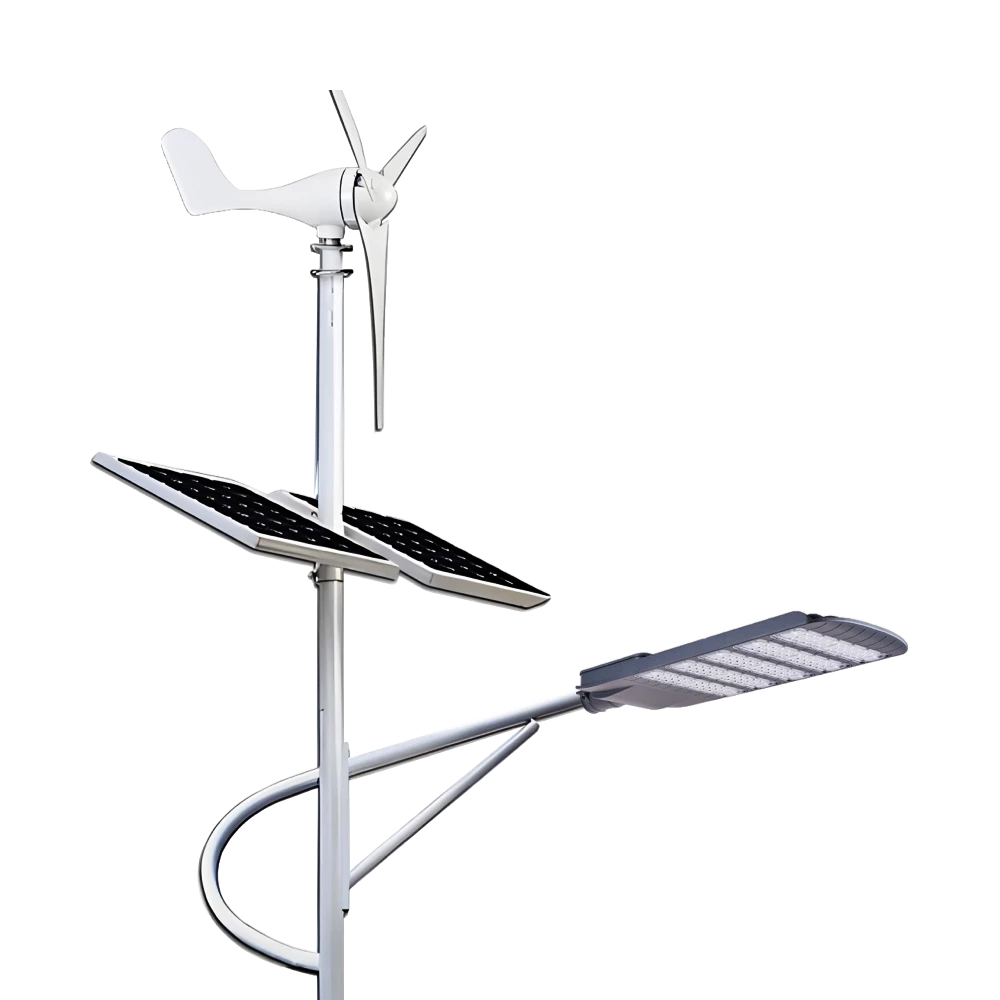
Queneng Lufeng Wind Energy LED Outdoor Solar Street Lights offer high-performance, eco-friendly illumination. These energy-efficient LED street lights harness solar power and wind energy for sustainable, cost-effective outdoor lighting solutions.
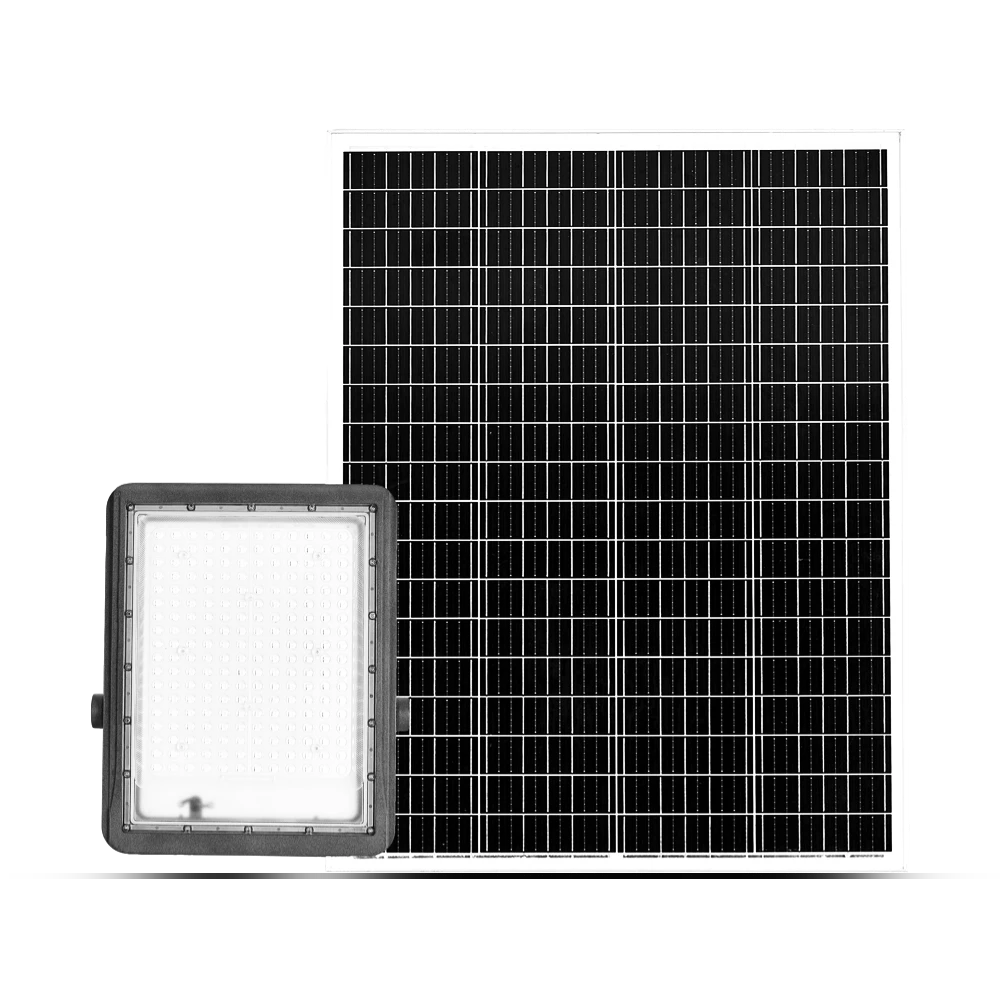
Queneng's Luxian Reliable Solar Street Light offers energy-saving LED lighting for outdoor use. This durable, solar-powered street light provides reliable illumination, reducing energy costs and environmental impact. A perfect solution for sustainable outdoor lighting.
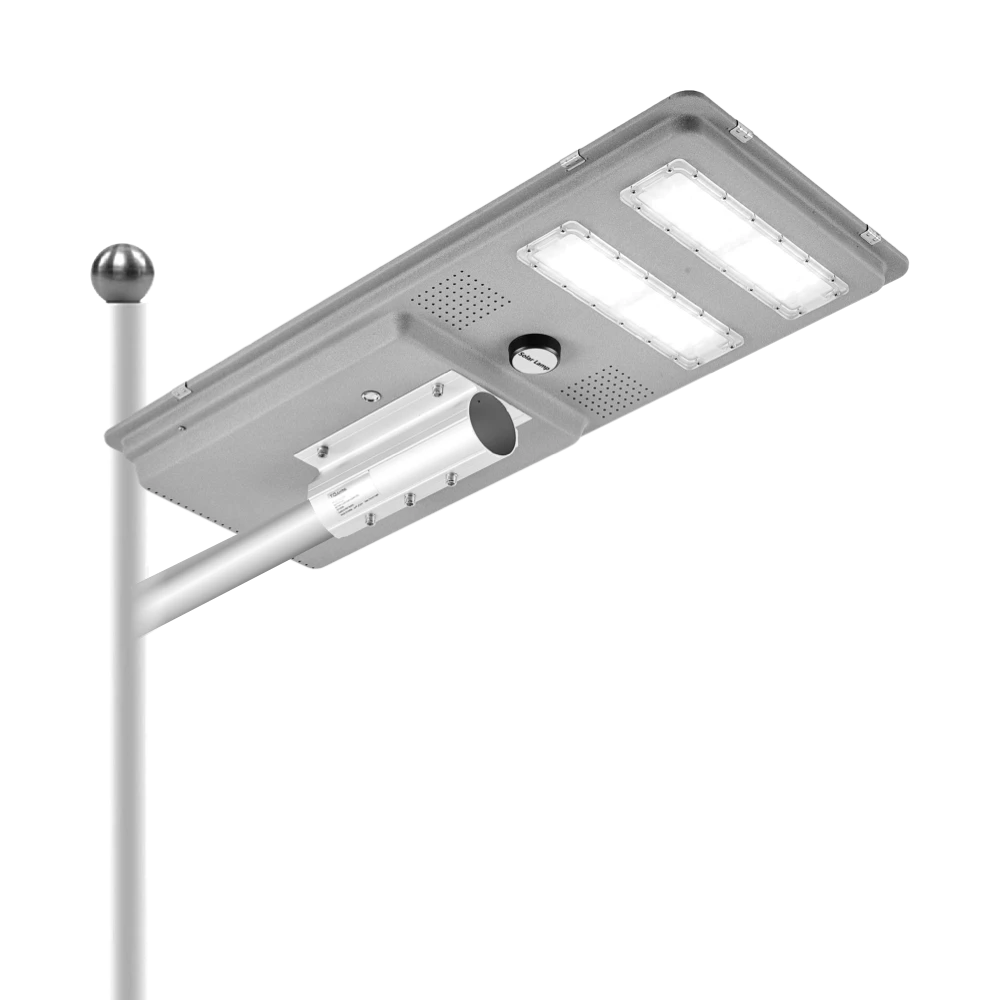
Queneng’s Solar Street Lights are designed to provide reliable, energy-efficient lighting for streets, parks, and other outdoor spaces.
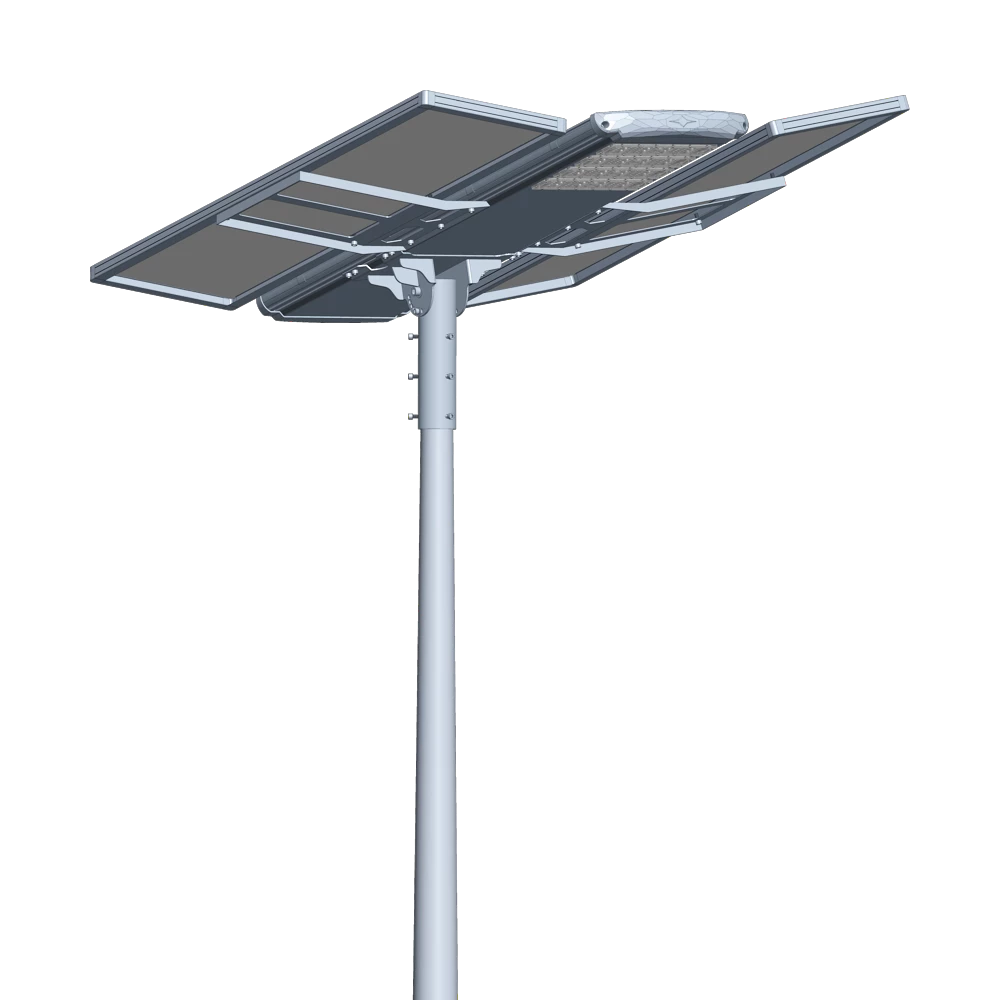
Introducing the Luqing Solar Street Light by Queneng, Efficient LED lighting powered by solar energy is perfect for illuminating outdoor areas. Harness the power of solar energy for sustainable, reliable street lighting. Ideal for eco-friendly, cost-effective outdoor illumination solutions.
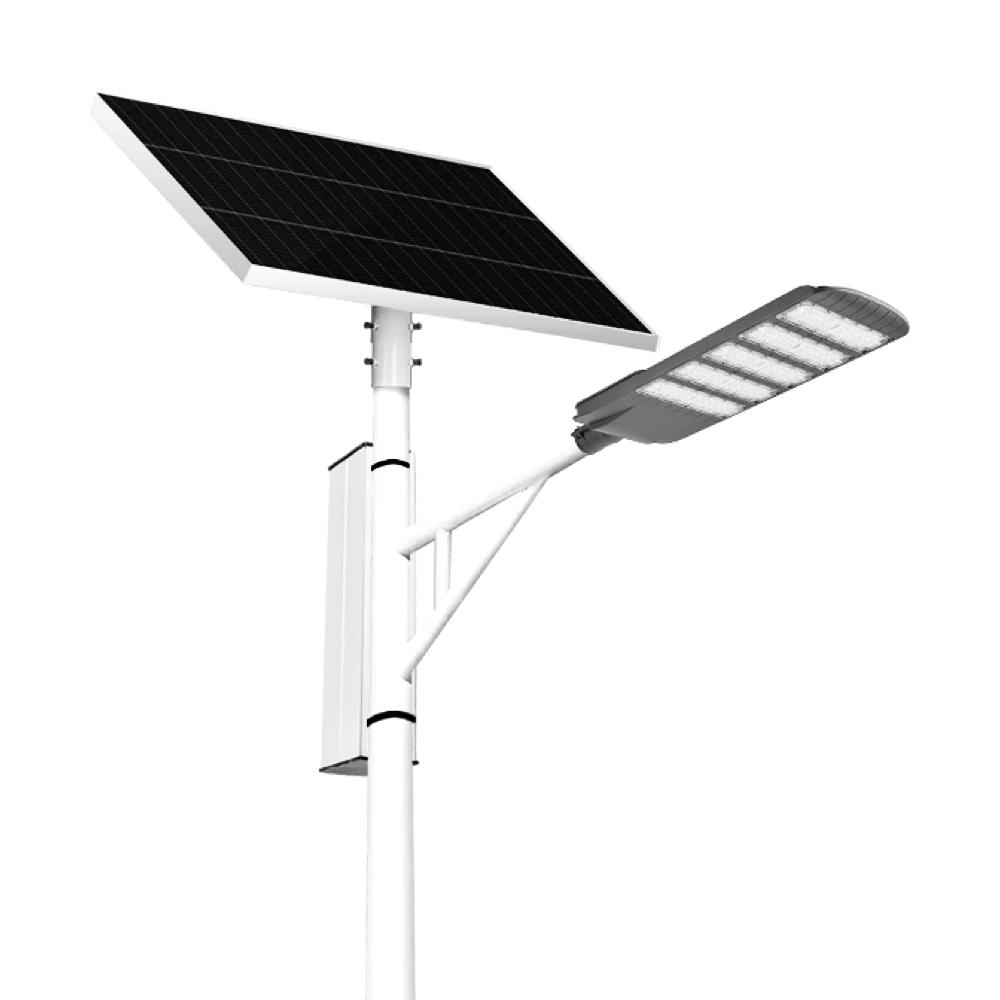
The Solar Streetlights of Luhao for Municipalities are designed to deliver reliable, energy-efficient, and cost-effective public lighting solutions. Equipped with advanced LED technology, durable lithium batteries, and high-efficiency solar panels, these streetlights provide consistent illumination for roads, parks, residential areas, and government projects.
Our professional team is ready to answer any questions and provide personalized support for your project.
You can reach us via phone or email to learn more about Queneng’s solar lighting solutions. We look forward to working with you to promote clean energy solutions!
Rest assured that your privacy is important to us, and all information provided will be handled with the utmost confidentiality.
By clicking 'Send Inquiry Now' I agree to Queneng processing my personal data.
To see how to withdraw your consent, how to control your personal data and how we process it, please see our Privacy Policy and Terms of use.
Schedule a Meeting
Book a date and time that is convenient for you and conduct the session in advance.
Have more questions about our products or services?
The messenger of light & power conversion
Environmental protection and intelligent manufacturing are our brand philosophy, and quality assurance and the best user experience are our eternal promises to users.
CONTACT
No.9F, Building F, Cao San Xin Tian Hong Logistics Park, Guzhen Town, Zhongshan City, Guangdong Province, China.
or write [email protected]
WhatsApp: +86 136 2270 1011


