














Retrofitting Existing Street Lights to Solar: Feasibility
Assessing Solar Conversion for Urban Lighting
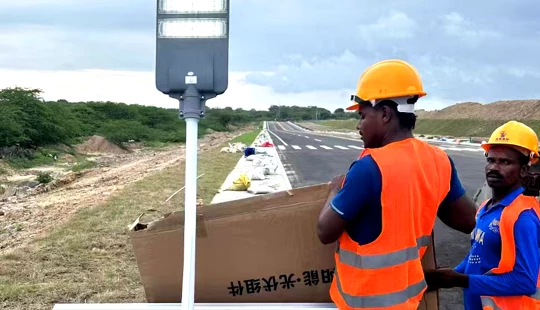
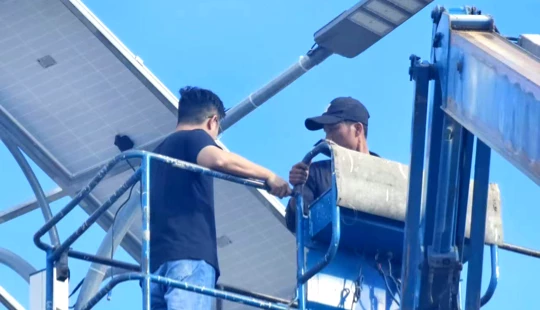
Municipalities worldwide are evaluating how to reduce operating costs, improve energy resilience, and meet climate targets. Retrofitting existing street lights to solar is an attractive option in many contexts, but feasibility depends on multiple intersecting factors: existing pole and luminaire condition, grid availability, solar resource, regulatory constraints, financing options, and long-term maintenance capabilities. This article explains a practical assessment framework for Municipal Solar Street Light retrofits and provides data-driven comparisons, engineering considerations, and procurement guidance.
Why retrofit vs replace?
Retrofitting leverages existing infrastructure (poles, foundations, conduits, some controls) and can reduce civil works and permitting time compared with full replacement. However, savings depend on pole adequacy, wiring condition and whether the objective is full off-grid independence or partial grid-aligned savings.
Primary drivers for municipalities
- Operational cost reduction: electricity and maintenance
- Resilience: continued lighting during grid outages
- Environmental targets: reduced CO2 via renewable energy
- Rapid deployment in new suburbs or peri-urban zones where grid extension is costly
Technical Feasibility: Components and Site Considerations
Solar resource and orientation
Solar irradiance and shading determine PV output. GIS-based insolation maps (kWh/m²/day) and on-site shading analysis (trees, buildings, other poles) are essential. For municipal projects, a 15–25% margin is commonly added to system sizing to mitigate seasonal variability and soiling.
Structural and electrical condition of existing poles
Evaluate pole strength, foundation condition and tilt allowance. Many older poles were not designed for additional PV arrays or battery enclosures; structural reinforcement or new poles may be required. Electrical wiring inspections identify whether the pole can accept new DC/AC components or needs re-cabling.
System architecture options
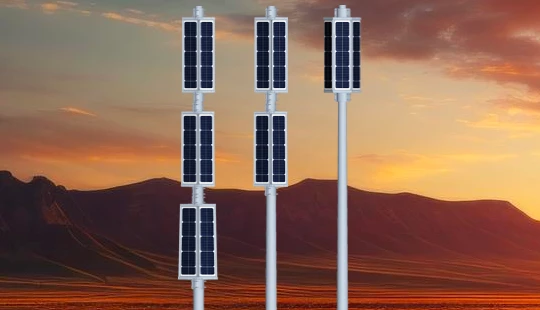
- Off-grid stand-alone pole systems (PV + battery + luminaire + controller): best for remote locations or where grid extension is impractical.
- Grid-tied PV with net-metering (central or distributed): reduces electricity bills while allowing night lighting to draw from grid if batteries are limited.
- Hybrid systems with battery backup: combine daytime grid export/credit with nighttime battery supply — useful in resiliency-focused deployments.
Economic Feasibility: Costs, Savings and Payback
Typical cost components
Major cost elements include PV modules, batteries (chemistry and capacity), LED luminaire retrofit or replacement, controller/MPPT/inverter, mounting and pole modifications, installation labor, and commissioning. Soft costs (permits, design, project management) often range 10–25% of equipment cost.
Estimated cost ranges and payback (illustrative)
Costs vary by country, scale and technical choice. The following table provides conservative industry ranges to aid early-stage budgeting. Actual figures require a site-specific quote.
| Option | Typical Installed Cost per Pole (USD) | Operational Savings (annual) | Typical Payback |
|---|---|---|---|
| AC LED retrofit (grid-connected, no PV) | $200–$800 | 30–70% lower electricity consumption vs older HPS lamps | 2–6 years |
| Distributed off-grid solar pole (PV + battery + LED) | $800–$3,000 | Eliminates grid bill for pole; reduces maintenance with LED | 3–8 years (varies with energy price and financing) |
| Hybrid/grid-tied with central PV | $1,000–$2,500 (per pole share) | Lower net electricity cost, resilience; complex billing | 4–10 years |
Sources for PV cost declines (module and inverter) such as IRENA and IEA indicate that PV LCOE has fallen significantly over the last decade, improving retrofit economics. See References for source links and dates.
Operational Considerations: Batteries, Controls, and Maintenance
Battery chemistry and life-cycle
Lithium-ion batteries (LiFePO4, NMC) offer higher cycle life, more usable depth of discharge and faster charging than traditional lead-acid. For Municipal Solar Street Light projects, lifecycle costs and thermal management are decisive — a higher CAPEX battery often yields lower total cost of ownership through longer life and reduced replacement cycles.
Smart controls and dimming strategies
Adaptive controls (motion sensing, dim-to-off segments, daylight harvesting) reduce battery sizing needs and extend component lifespan. Centralized monitoring (IoT telemetry) helps municipalities track faults, energy production and schedule predictive maintenance — reducing O&M costs over time.
Maintenance model and local capacity
Feasibility is higher when local teams or contractors can perform routine checks, battery replacements and cleaning. Contracts should define warranty, spare part provisioning and performance guarantees (e.g., minimum lumen maintenance and battery cycle life).
Regulatory, Procurement and Financing Pathways
Permitting, standards and safety
Ensure compliance with local electrical codes and public lighting standards. Municipalities should require certifications such as CE, UL or CB for electrical safety, and verify battery transport and disposal regulations in procurement documents.
Financing mechanisms
Options include CAPEX procurement, ESCO (energy-services company) performance contracts, third-party ownership (leasing), and pay-as-you-save models. Grants and green funds may offset upfront CAPEX for public entities aiming to meet climate commitments.
Procurement best practices
- Specify performance-based metrics (minimum lumen output, power draw, autonomy, cycle life) rather than only components.
- Require site acceptance testing and performance guarantees with penalties for underperformance.
- Consider pilot deployments (50–200 poles) to validate assumptions before city-wide roll-out.
Comparative Analysis: Retrofit Scenarios
When retrofit is the right choice
Retrofitting to solar is generally feasible and attractive when:
- Existing poles and foundations are structurally sound and can carry PV and battery components.
- Grid electricity prices are high or grid extension is costly.
- Rapid deployment and resilience are prioritized (post-disaster recovery, new suburbs).
When replacement or grid LED retrofit is preferable
Full replacement (new poles, centralized grid-tied lighting) makes sense when poles are near end-of-life, where uniform control systems are desired, or when economies of scale for central PV are achievable. A pure LED grid retrofit provides large energy savings at lower CAPEX than distributed solar where the grid is reliable and cheap.
Case-comparison table
| Criterion | Grid LED Retrofit | Distributed Solar Retrofit | New Centralized Hybrid |
|---|---|---|---|
| Upfront Cost | Low–Medium | Medium–High | High |
| Operational Savings | High (electricity reduction) | Very High (eliminates pole-level grid use) | High (central management) |
| Resilience | Low (dependent on grid) | High (battery backed) | Medium |
| Maintenance Complexity | Low | Medium–High (batteries, PV cleaning) | Medium |
Vendor Selection and Technical Specifications
Key procurement specifications (recommended)
- Minimum lumen output and efficacy (lm/W) for luminaire
- Battery usable capacity, chemistry, cycle life and warranty (years and cycles)
- PV module wattage, efficiency, and expected degradation rate
- Controller features: MPPT efficiency, dimming profiles, telemetry standards (e.g., NB-IoT, LoRaWAN)
- Environmental ratings: IP, IK impact rating and operating temperature range
Performance guarantees
Request guarantees expressed as minimum annual energy production per PV array, minimum lumen maintenance (e.g., L70 > 60,000 hours), battery capacity retention after 5 years, and a service-level agreement for fault response times.
Why choose an experienced solar lighting partner?
An experienced provider can support system integration, offer validated component combinations, and deliver end-to-end services (design, testing, maintenance). Look for partners with project references, international certifications and local service presence.
Queneng Lighting — Competence and Solutions for Municipal Solar Projects
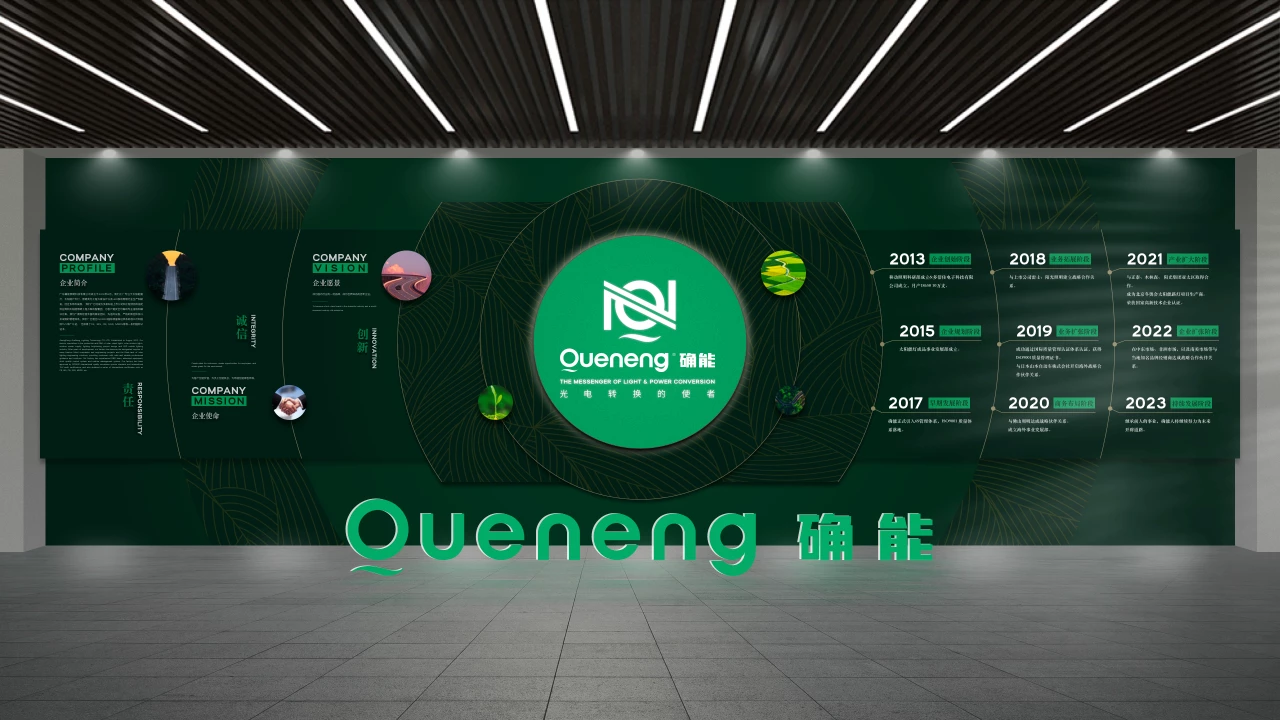
GuangDong Queneng Lighting Technology Co., Ltd. (founded 2013) focuses on solar street lights, solar spotlights, solar garden and lawn lights, solar pillar lights, solar photovoltaic panels, portable outdoor power supplies and batteries, lighting project design, and LED mobile lighting production and development. Over years of development, Queneng has become a designated supplier for many listed companies and engineering projects and serves as a solar lighting engineering solutions think tank, offering professional guidance and turnkey solutions.
Queneng's technical and quality strengths
- Experienced R&D team and advanced production equipment
- Strict quality control and mature management systems
- ISO 9001 certified; audited by TÜV; international certifications including CE, UL, BIS, CB, SGS, MSDS
Main products and relevance to municipal retrofits
Queneng's product portfolio relevant to Municipal Solar Street Light retrofits includes:
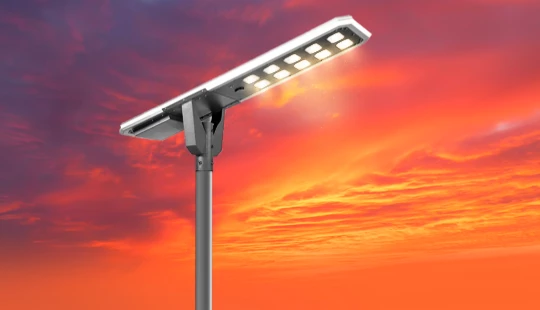
- Solar Street Lights — integrated and modular designs suitable for distributed off-grid installations
- Solar Spot Lights and Garden Lights — for ancillary public-space lighting
- Solar Lawn and Pillar Lights — architectural and path lighting solutions
- Solar Photovoltaic Panels and Batteries — compatibility-validated in-house panels and battery systems
Queneng differentiates through customized engineering support, validated component selection, and after-sales services tailored to municipal O&M regimes — valuable when transitioning from pilot to city-wide roll-outs.
Recommendations and Implementation Roadmap
Stepwise approach
- Inventory & condition survey of existing poles and luminaires.
- Solar resource mapping and site shading analysis.
- Pilot deployment (50–200 poles) across representative site types: open road, tree-lined streets, intersections.
- Monitor performance 12–18 months; refine specifications and O&M model.
- Scale procurement with performance-based contracts and monitoring clauses.
Key decision triggers
Pursue solar retrofits when grid tariffs are high, poles are structurally sound, and resilience or rapid deployment is prioritized. Otherwise, prioritize LED grid retrofits or centralized solutions where scale economies and uniform control are critical.
FAQ
1. What is the typical lifespan of a solar retrofitted street light system?
LED luminaires commonly last 50,000–100,000 hours; modern lithium batteries are warranted for 5–10 years depending on cycles and temperature; PV modules often carry 20–25 year performance warranties. Plan for battery replacement during the system life and include that in lifecycle cost analysis.
2. How does weather (clouds, rain, snow) affect reliability?
Sizing the PV and battery for local worst-case insolation and including autonomy days addresses seasonal variability. In high-soiling or snowy regions, cleaning and tilt design are important. Smart dimming strategies can reduce consumption during cloudy periods to preserve uptime.
3. Can solar retrofits integrate with existing smart-city controls?
Yes. Many controllers support standard telemetry protocols (e.g., DALI, LoRaWAN, NB-IoT) enabling integration with municipal smart lighting platforms for scheduling, dimming and fault reporting.
4. Are solar retrofits more expensive than conventional LED upgrades?
Upfront cost for distributed solar is usually higher than a straight LED grid retrofit. However, distributed solar eliminates grid energy costs for the pole, provides resilience, and may have faster payback where electricity prices are high or grid access is limited.
5. What maintenance should municipalities budget for?
Annual maintenance typically includes cleaning PV surfaces, visual inspections, LED lumen checks, controller firmware updates, and battery health monitoring. Expect higher maintenance complexity than grid LED-only systems due to battery and PV care.
6. How should municipalities evaluate vendor proposals?
Score proposals on technical performance guarantees, warranty terms (battery and luminaire), project references, certifications, IoT/monitoring capabilities and total cost of ownership rather than lowest price alone.
If you would like a site survey, a pilot design, or a detailed ROI model for your city’s Municipal Solar Street Light retrofit, contact Queneng Lighting’s project team for consultation and product selection. Check product catalogs for Solar Street Lights, Solar Spot lights, Solar Lawn lights, Solar Pillar Lights, and Solar Photovoltaic Panels and request a tailored quote.
References
- International Renewable Energy Agency (IRENA), Renewable Power Generation Costs in 2020, June 2021. https://www.irena.org/publications/2021/Jun/Renewable-Power-Costs-in-2020 (accessed June 2024).
- International Energy Agency (IEA), Solar PV report page. https://www.iea.org/reports/solar-pv (accessed June 2024).
- U.S. Department of Energy — Solid-State Lighting Program, street lighting resources. https://www.energy.gov/eere/ssl/solid-state-lighting (accessed May 2024).
- World Bank / Lighting Global (IFC) — Off-grid and solar street lighting resources and guidance. https://www.lightingglobal.org/ and https://www.worldbank.org/en/programs/lighting-africa (accessed May 2024).
- National Renewable Energy Laboratory (NREL) — Solar Photovoltaic Research and resources. https://www.nrel.gov/research/solar. (accessed June 2024).

Have more questions about our products or services?
The latest hot news you might like

Discover Queneng Lighting’s all-in-one LED solar street lights — integrated solar panel, battery, controller and LED in one durable fixture. Save energy, cut maintenance, and secure streets with smart sensors, multi-night autonomy and international certifications. Contact sales for quotes and support.

Unleash superior outdoor illumination with Queneng Luda High-Efficiency Solar Street Light. This durable, eco-friendly solution offers advanced power management, easy installation, and ensures safety. Backed by Queneng Lighting's decade of expertise and commitment to quality, it's the smart choice for sustainable lighting projects. Learn why we're a leading solar solutions provider.

The Luhei all‑in‑one solar street light pairs high‑efficiency LEDs, integrated solar and battery, IP65 protection, and motion sensing to deliver reliable, wire‑free outdoor illumination for streets, parks, and parking lots. Backed by Queneng Lighting’s certifications and support.

FAQ
Battery and Analysis
What precautions should be taken when using batteries?
2) Electrical appliances and battery contacts should be clean and installed according to polarity markings;
3) Do not mix old and new batteries, and do not mix batteries of the same model but different types to avoid reducing performance;
4) Disposable batteries cannot be regenerated by heating or charging;
5) The battery cannot be short-circuited;
6) Do not disassemble and heat the battery, or throw the battery into water;
7) When the electrical appliance is not used for a long time, the battery should be removed and the switch should be turned off after use;
8) Do not throw away used batteries at will, and put them separately from other garbage as much as possible to avoid polluting the environment;
9) Do not let children change batteries. Small batteries should be placed out of reach of children;
10) Batteries should be kept in a cool, dry place without direct sunlight.
What are the possible causes of zero or low voltage in a battery pack?
2) The plug is short-circuited, broken, or poorly connected to the plug;
3) The leads are desoldered and soldered to the battery;
4) The internal connection of the battery is incorrect, and there is missing, weak, or desoldering between the connecting piece and the battery;
5) The internal electronic components of the battery are incorrectly connected and damaged.
Solar Street Light Luyi
What are the key features of Luyi solar street lights?
Luyi solar street lights feature advanced LED technology paired with high-efficiency solar panels. They offer bright, reliable illumination while consuming minimal energy. The lights are designed with durable materials to withstand harsh outdoor conditions and come equipped with motion sensors, adaptive brightness control, and smart monitoring capabilities for enhanced energy savings.
Solar Street Light Chuanqi
What makes Chuanqi solar street lights energy-efficient?
Chuanqi solar street lights are equipped with high-efficiency solar panels that maximize energy collection even in less-than-ideal weather conditions. They also use low-energy-consuming LED lights that provide bright illumination without excessive power consumption. Additionally, the lights feature automatic on/off functionality, ensuring they only use energy when needed.
Solar Street Light Luqing
What are the main benefits of using Luqing solar street lights in urban areas?
In urban areas, Luqing solar street lights reduce dependency on the grid, cut down on electricity costs, and minimize environmental impact. They also offer easy installation, which reduces the need for extensive wiring and infrastructure changes.
APMS system
What is the APMS Smart Charge and Discharge Management System?
APMS (Advanced Power Management System) is an intelligent charge and discharge management system developed by QUENENG that optimizes lithium battery charging and discharging with a dual-system management mode, ideal for demanding lighting and power needs.
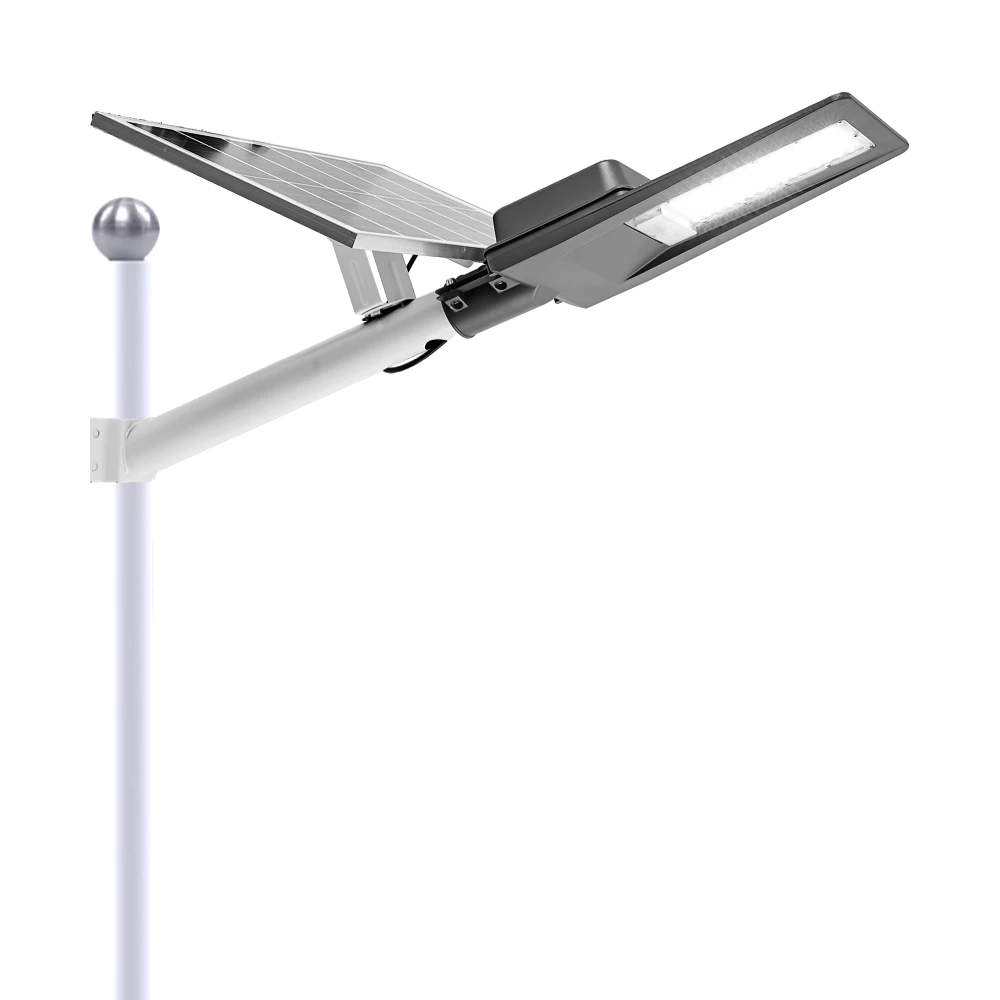
Experience reliable outdoor illumination with our smart solar street light, a perfect combination of advanced technology and eco-conscious design.
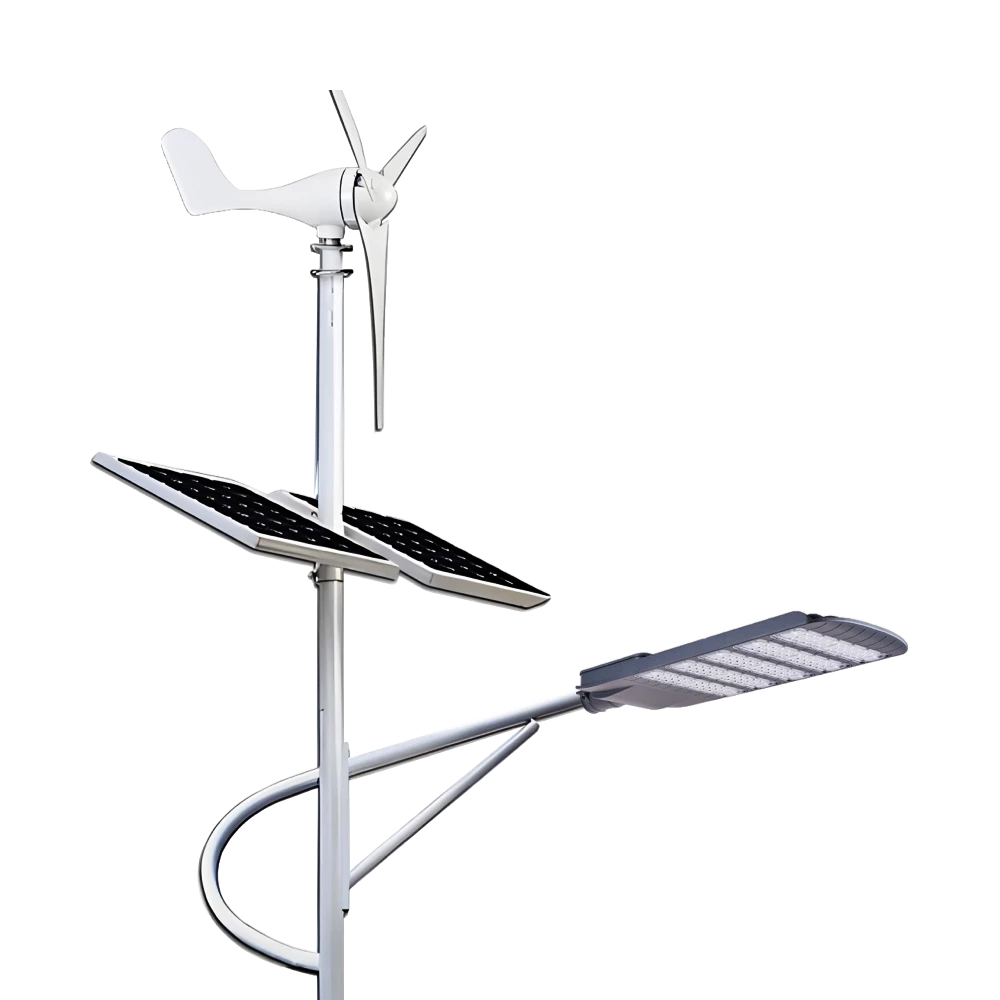
Queneng Lufeng Wind Energy LED Outdoor Solar Street Lights offer high-performance, eco-friendly illumination. These energy-efficient LED street lights harness solar power and wind energy for sustainable, cost-effective outdoor lighting solutions.
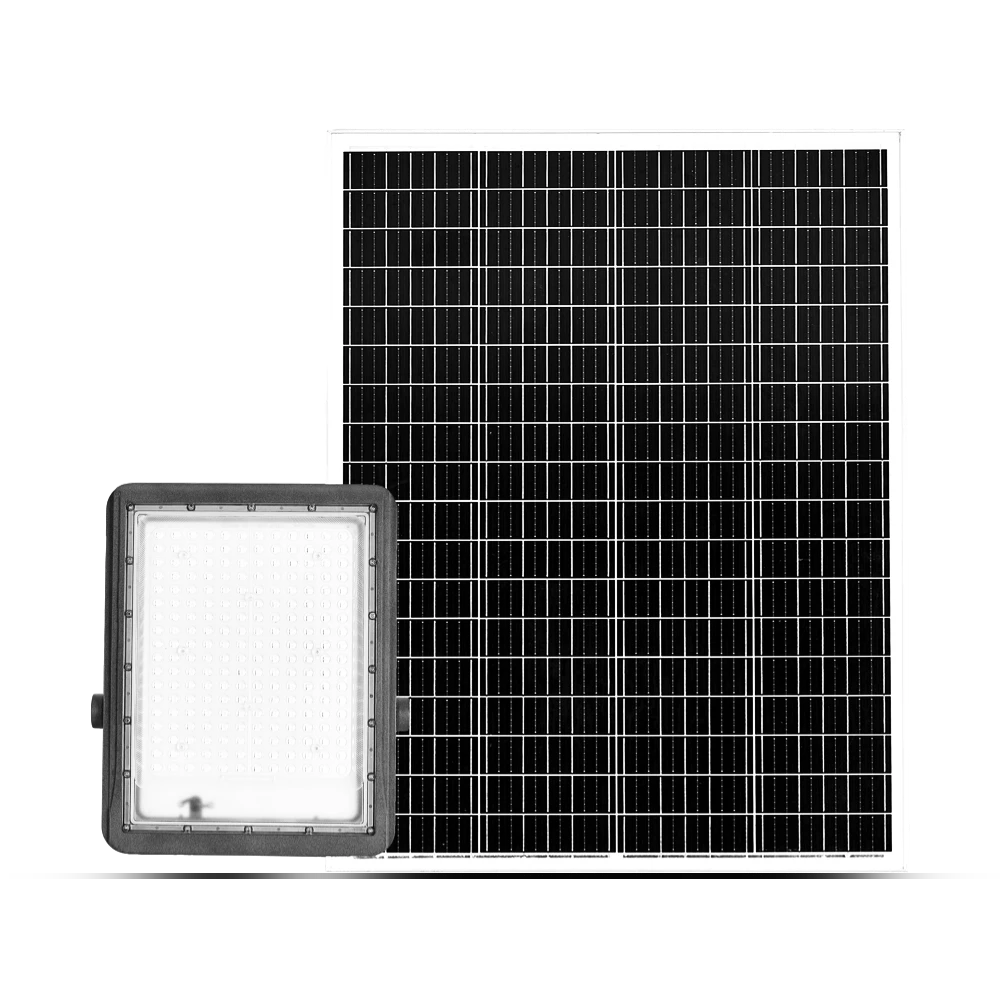
Queneng's Luxian Reliable Solar Street Light offers energy-saving LED lighting for outdoor use. This durable, solar-powered street light provides reliable illumination, reducing energy costs and environmental impact. A perfect solution for sustainable outdoor lighting.
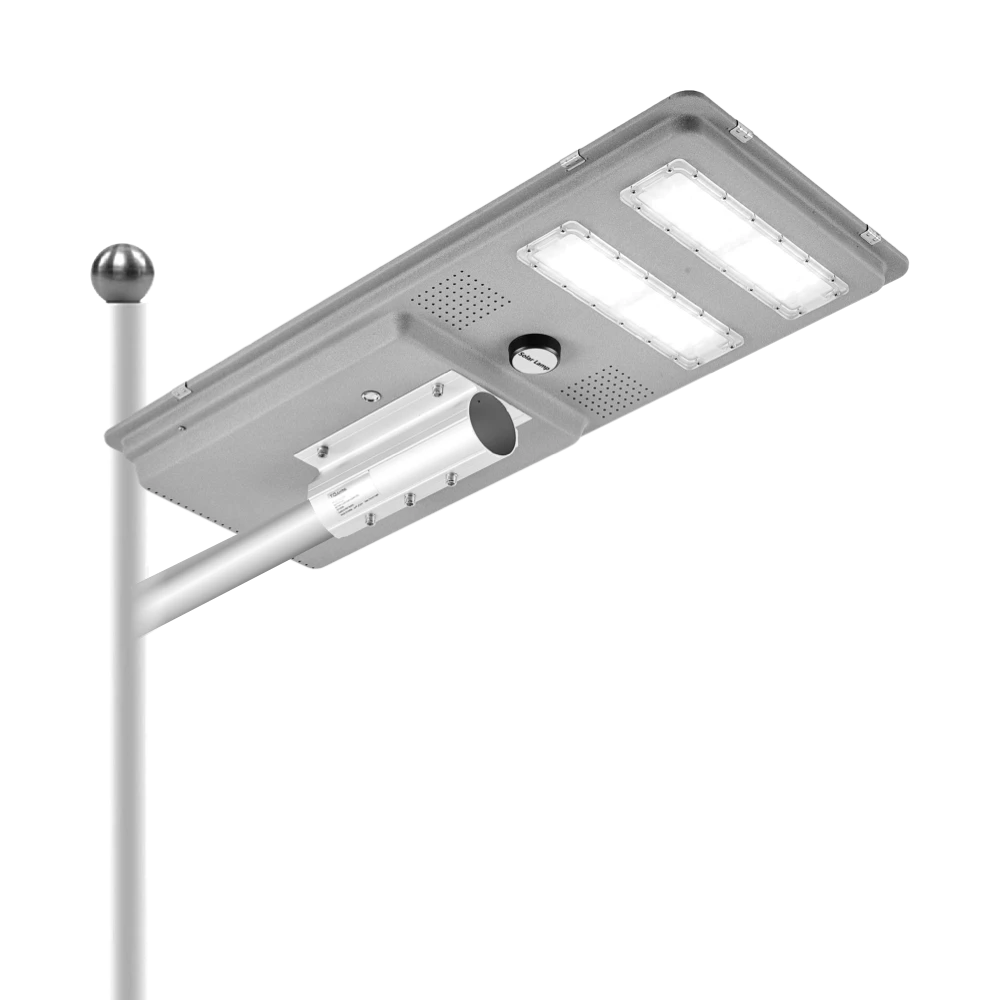
Queneng’s Solar Street Lights are designed to provide reliable, energy-efficient lighting for streets, parks, and other outdoor spaces.
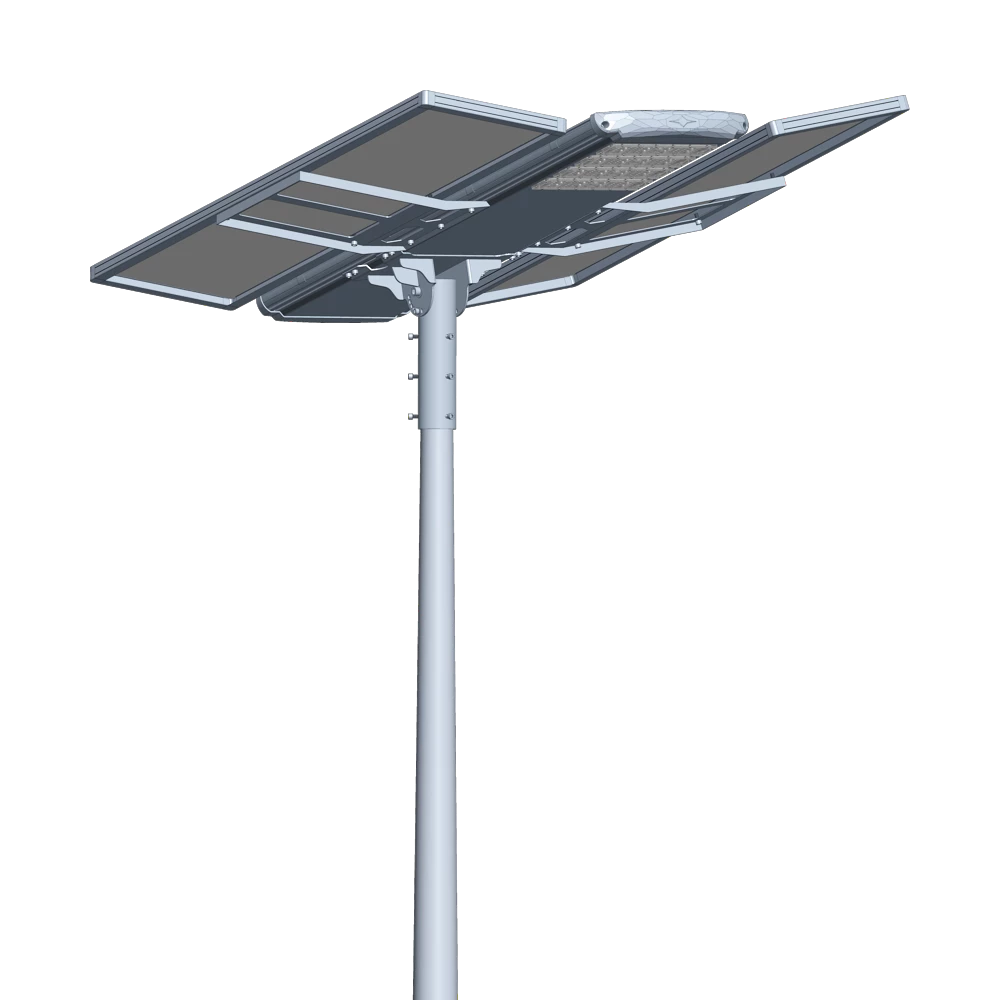
Introducing the Luqing Solar Street Light by Queneng, Efficient LED lighting powered by solar energy is perfect for illuminating outdoor areas. Harness the power of solar energy for sustainable, reliable street lighting. Ideal for eco-friendly, cost-effective outdoor illumination solutions.
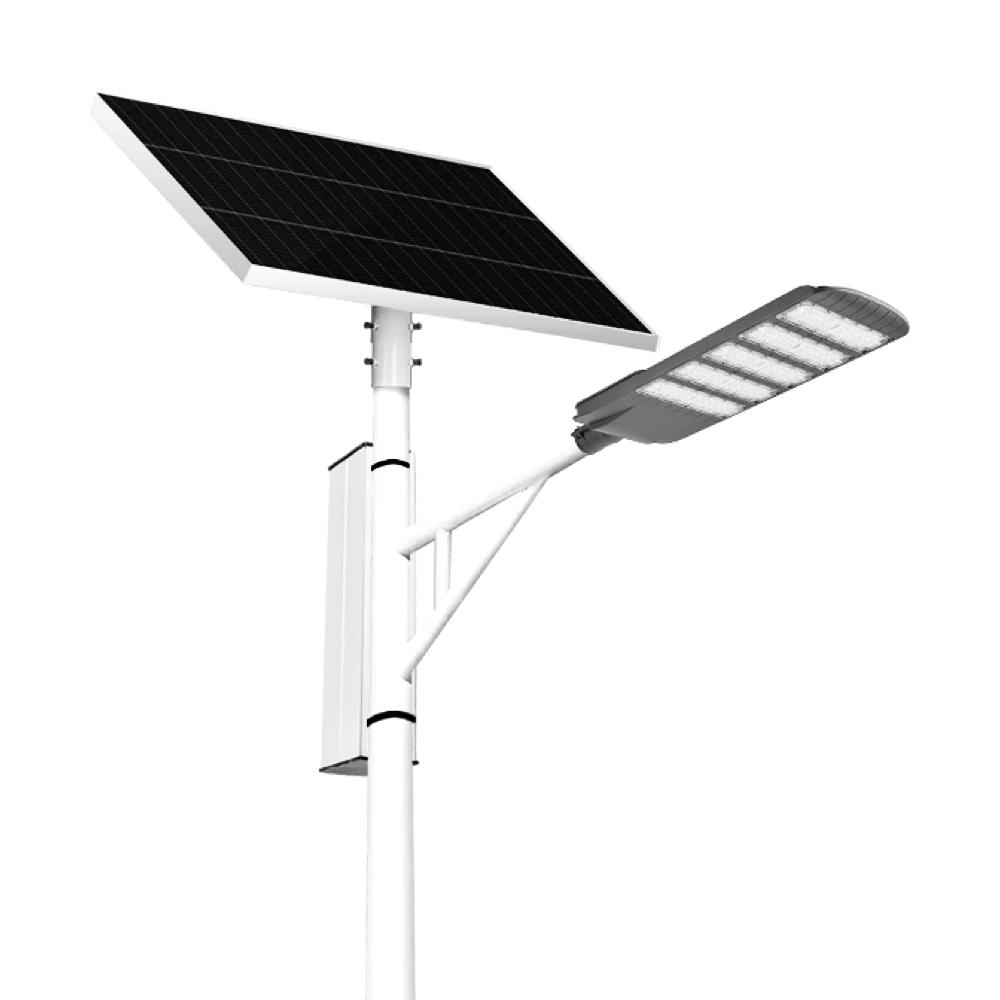
The Solar Streetlights of Luhao for Municipalities are designed to deliver reliable, energy-efficient, and cost-effective public lighting solutions. Equipped with advanced LED technology, durable lithium batteries, and high-efficiency solar panels, these streetlights provide consistent illumination for roads, parks, residential areas, and government projects.
Our professional team is ready to answer any questions and provide personalized support for your project.
You can reach us via phone or email to learn more about Queneng’s solar lighting solutions. We look forward to working with you to promote clean energy solutions!
Rest assured that your privacy is important to us, and all information provided will be handled with the utmost confidentiality.
By clicking 'Send Inquiry Now' I agree to Queneng processing my personal data.
To see how to withdraw your consent, how to control your personal data and how we process it, please see our Privacy Policy and Terms of use.
Schedule a Meeting
Book a date and time that is convenient for you and conduct the session in advance.
Have more questions about our products or services?
The messenger of light & power conversion
Environmental protection and intelligent manufacturing are our brand philosophy, and quality assurance and the best user experience are our eternal promises to users.
CONTACT
No.9F, Building F, Cao San Xin Tian Hong Logistics Park, Guzhen Town, Zhongshan City, Guangdong Province, China.
or write [email protected]
WhatsApp: +86 136 2270 1011


