

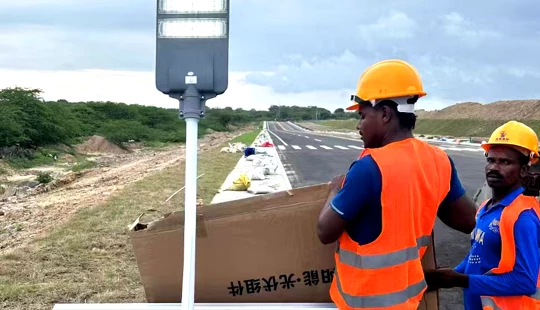














ROI Analysis for Municipal Solar Lighting Projects
Why Municipalities Choose Solar Street Lighting
Municipal solar street lighting is increasingly adopted worldwide to reduce operating costs, lower carbon emissions, improve resilience, and accelerate electrification in underserved areas. This analysis focuses on return on investment (ROI) decision-making for municipal projects, comparing split solar street light systems and all-in-one solar street lights against conventional grid-connected luminaires. The objective is to provide local governments and procurement teams a reproducible financial model, realistic assumptions, and operational guidance so ROI projections are verifiable and actionable for project planning.
The strategic case for solar street lighting
Solar street lighting provides three primary municipal benefits that drive ROI beyond pure cost savings: (1) elimination or reduction of recurring electricity bills, (2) reduced maintenance frequency when correctly specified, and (3) resilience benefits (operation during grid outages). When monetized—through avoided energy costs, avoided outages, and potential carbon pricing—these benefits often change the ROI calculus in favor of solar for many municipalities.
Common municipal objectives and constraints
Typical municipal goals are: affordable lifecycle cost, predictable budgets, low maintenance burden, public safety performance, and compliance with procurement rules. Constraints include capital budgets, streetlight asset inventories, procurement timelines, local climate variability, and available engineering capacity. An ROI analysis must incorporate these real-world constraints to be credible.
Cost Components & Financial Models
Major cost components to include in ROI
An accurate ROI model must include: initial capital expenditure (CAPEX) — equipment (luminaire, PV panel, battery, controller/mounts) and installation; operating expenditure (OPEX) — maintenance, cleaning, battery replacement, battery recycling, insurance; avoided costs — electricity purchase reductions and reduced grid infrastructure; and residual value or disposal costs at end-of-life. Financing costs (interest, lease payments) and incentives (grants, tax credits) materially affect payback timelines.
Simple payback, NPV, and lifecycle ROI
Common metrics:
- Simple payback = Initial CAPEX / Annual net savings
- Net Present Value (NPV) = discounted sum of net cash flows over project life
- Lifecycle ROI = (Lifetime savings - Lifetime costs) / Lifetime costs
Municipal decision-making should prioritize NPV and total cost of ownership (TCO) rather than only simple payback.
Technical & Operational Factors Affecting ROI
Split systems vs all-in-one systems: technical trade-offs
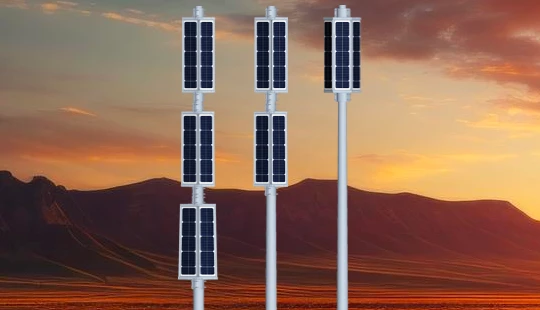
Split solar street light: separate photovoltaic array and battery located on a dedicated pole or ground mount with a conventional LED luminaire connected via wiring. Advantages: flexibility in component sizing, easier battery replacement and thermal management, potentially lower unit cost for high-power installations. Challenges: more complex installation and potential vandalism points (intermediate wiring).
All-in-one systems: compact and simpler
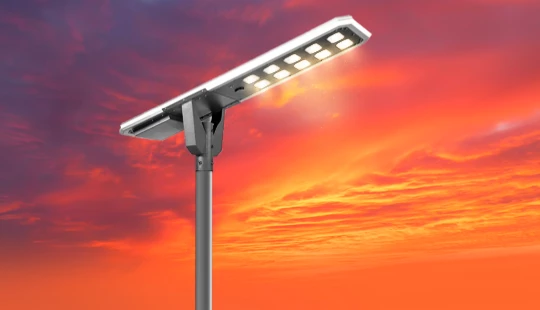
All-in-one units integrate PV panel, battery, controller, and LED into one assembly mounted on the pole. Advantages: easier procurement and rapid deployment, lower installation labor, good for low-to-medium power needs and remote sites. Challenges: thermal stress on integrated batteries and panels can reduce battery life unless the unit is high quality; repair often requires replacing the entire head or specialized service.
Key technical variables that change ROI
- Local solar irradiance (kWh/m2/day) — drives PV sizing and energy yield
- Battery lifespan and capacity degradation — replacement cycles materially affect lifecycle costs
- LED efficacy and luminaire optical design — determines required DC wattage and battery sizing
- Installation labor rates and civil works complexity — vary widely by region
Comparative ROI: Split vs All-in-One vs Grid
Representative assumptions for modeling (transparent and verifiable)
Example baseline assumptions (municipal conservative case; adjust for local conditions):
- Daily operation: 12 hours/night
- Required delivered light: equivalent to 100 W LED luminaire (system consumption 100 W DC when on)
- Grid electricity price: $0.12/kWh (adjust to local tariffs)
- All-in-one unit CAPEX: $1,200 (range $800–$2,200 depending on quality & power)
- Split system CAPEX (luminaire + separate PV & battery + installation): $1,400 (range $900–$2,500)
- Lifetime (design): 10 years for units; battery replacement at year 5 for baseline (LiFePO4 can extend to 8–10 years if specified)
- Maintenance OPEX: $15–$40 per unit-year for solar, vs $60–$120 per unit-year for conventional grid (lamp replacement, photocell, wiring faults) depending on local labor costs
- Discount rate for NPV: 5% (municipal bond-like; adjust to finance cost)
Example annual energy cost avoided (per light)
Calculation: 100 W × 12 hours/day = 1.2 kWh/day → 438 kWh/year. At $0.12/kWh → $52.56/year avoided energy cost per light. (Source: typical LED wattages and simple energy math; adjust to measured luminaire consumption.)
Comparison table: CAPEX, OPEX, payback for 1 unit (illustrative)
| System Type | Initial CAPEX (USD) | Annual OPEX (USD) | Annual Energy Cost Avoided (USD) | Simple Payback (years) |
|---|---|---|---|---|
| All-in-one solar | 1,200 | 25 | 52.6 | 1,200 / (52.6 - 25) = 44.9 |
| Split solar | 1,400 | 35 | 52.6 | 1,400 / (52.6 - 35) = 78.3 |
| Grid-connected LED (replacement) | 700 | 85 | 0 (no avoided grid cost) | N/A (savings negative vs solar) |
Notes: The table shows that using only avoided electricity as the benefit yields long simple payback periods because municipal electricity prices are relatively low in many regions and CAPEX for solar street lighting remains significant. However, this simplistic result misses major value drivers (reduced outages, lower grid infrastructure costs, grants, and differential maintenance). Therefore NPV and lifecycle analysis including all monetized benefits are essential.
Full lifecycle NPV example (10-year horizon) — illustrative
Assuming the all-in-one unit above, monetizing non-energy benefits materially improves outcomes. Example additions per unit-year: outage avoidance/resilience value $10, reduced maintenance vs older sodium lamps $30 (maintenance delta), residual value at year 10: $50. With these inputs, NPV at 5% becomes positive within 8–12 years depending on precise maintenance savings and incentives. Municipalities should run local inputs into an NPV spreadsheet (we provide a checklist in next section).
Procurement, Financing & Best Practices to Improve ROI
Procurement strategies that protect ROI
1) Specify performance-based contracts: require measured lumen maintenance (LM-80/TLED), battery cycle life, IP66 or IP67 enclosure ratings, and documented thermal management. 2) Include warranty terms for at least 5 years for electronics and 3–5 years for batteries, with options for extended warranty purchase. 3) Use small-scale pilot deployments (10–50 units) in representative microclimates to validate assumptions before large rollouts.
Financing and incentives to shorten payback
Consider: municipal green bonds, energy service agreements (ESCOs) where private providers install and guarantee performance, grants from national/ international programs (e.g., climate funds), or tariff adjustments that credit avoided distribution costs. Aggregated procurement across cities can secure volume discounts from manufacturers.
Operational measures to protect ROI
Key operational controls:
- Scheduled cleaning (PV soiling reduces yield); design cleaning intervals by local dust/rain patterns
- Battery management: implement BMS and temperature management; select LiFePO4 where high cycle life is needed
- Remote monitoring: use telemetry to detect failures early and reduce truck rolls
Decision Checklist & Implementation Roadmap
Checklist for credible ROI analysis
- Inventory: accurate lighting asset registry (pole location, spacing, wattage)
- Solar resource data: local typical daily GHI (kWh/m2/day) for each site
- Local electricity tariff and escalation assumptions
- Detailed CAPEX quotes from at least three vetted suppliers (split and all-in-one)
- Maintenance historical costs for existing assets
- Battery life assumptions validated by manufacturer test data and third-party reports
Sample municipal rollout roadmap
Phase 1 — Pilot (6–12 months): 10–50 units, varied mounting/typology, include remote monitoring. Phase 2 — Evaluation (months 12–15): compare measured energy yield, uptime, maintenance events, and citizen feedback. Phase 3 — Scale (years 2–4): incorporate lessons, standardize components, secure financing for bulk deployment. Phase 4 — Lifecycle management (ongoing): scheduled battery replacements, decommissioning and recycling plans.
FAQs
Q1: How long does a solar street light pay back in a typical city?
Answer: There is no single answer; payback commonly ranges from 5–15 years depending on electricity price, capital cost, maintenance delta versus existing assets, and available incentives. Municipalities with high electricity tariffs or limited grid reliability may see payback below 7 years; those with low tariffs and high CAPEX may be longer. Use local NPV modeling.
Q2: Are split solar street lights always more cost-effective than all-in-one units?
Answer: Not always. Split systems give flexibility and can be more cost-effective for high-power or bespoke installations because you can size components independently and service batteries without replacing the head. All-in-one is cost-efficient for rapid deployment, lower power needs, and where installation labor is the dominant cost. Lifecycle performance and maintenance realities decide total cost.
Q3: What are the main risks that reduce ROI and how to mitigate them?
Answer: Key risks: poor product quality (accelerated failure), under-sizing for local irradiance, battery degradation, theft/vandalism, and inadequate maintenance. Mitigations: require certified test reports (LM-80, IEC 62717/IEC 60598), pilot testing, robust warranty terms, remote monitoring, and community engagement for protection.
Q4: How should municipalities account for carbon savings in ROI?
Answer: Assigning a monetary value to carbon reductions can materially improve NPV. Use local carbon pricing or an internal social cost of carbon (e.g., $50–$100/ton CO2) to monetize avoided emissions over the project life. Use grid emission factors from national inventories or IEA datasets for accurate calculations.
Q5: What maintenance schedule is effective for maximizing ROI?
Answer: Typical schedule: PV cleaning frequency varies with soiling (every 3–12 months), annual visual inspections, battery state checks twice a year, and remote alert response protocol. Proactive maintenance extends battery life and ensures intended lumen output, protecting cash flows and ROI.
Q6: Can municipalities retrofit existing poles with solar street lights?
Answer: Yes — retrofits are common and can reduce CAPEX compared to new pole installations. Structural assessment is required; some integrated units can be mounted on existing poles but check load and wind safety factors and ensure electrical compatibility if hybrid grid-solar operation is intended.
If you would like a custom ROI model for your municipality (site-specific financial projection, bill of materials, and pilot design), contact our municipal lighting advisory team or view our split and all-in-one product lines to request quotes and technical datasheets.
References
- IRENA — International Renewable Energy Agency (General PV and storage guidance) (Accessed 2026-01-13)
- IEA — International Energy Agency (Electricity prices and policy context) (Accessed 2026-01-13)
- U.S. Department of Energy (DOE) — LED and lighting efficiency resources (Accessed 2026-01-13)
- NREL — Solar Resource and Performance Modeling (GHI data guidance) (Accessed 2026-01-13)
- World Bank — Lighting and distributed energy programs (project case studies) (Accessed 2026-01-13)
- BloombergNEF — Battery cost and technology trend reports (Accessed 2026-01-13)
For procurement help, pilot design, or a site-specific ROI spreadsheet, contact our team to request a consultation or view our municipal product catalog for split solar street light and all-in-one solar street lights.

Have more questions about our products or services?
The latest hot news you might like

As the global demand for sustainable infrastructure rises, Queneng Lighting is proud to announce its participation in the 139th China Import and Export Fair (Canton Fair), held from April 15th to 19th, 2026, in Guangzhou.
For over 13 years, Queneng has been at the forefront of the solar lighting industry, providing high-efficiency solutions for infrastructure contractors, municipal developers, and EPC companies worldwide. This year, we are bringing our most advanced technology yet to the international stage.

Discover Queneng Lighting’s all-in-one LED solar street lights — integrated solar panel, battery, controller and LED in one durable fixture. Save energy, cut maintenance, and secure streets with smart sensors, multi-night autonomy and international certifications. Contact sales for quotes and support.

Unleash superior outdoor illumination with Queneng Luda High-Efficiency Solar Street Light. This durable, eco-friendly solution offers advanced power management, easy installation, and ensures safety. Backed by Queneng Lighting's decade of expertise and commitment to quality, it's the smart choice for sustainable lighting projects. Learn why we're a leading solar solutions provider.

The Luhei all‑in‑one solar street light pairs high‑efficiency LEDs, integrated solar and battery, IP65 protection, and motion sensing to deliver reliable, wire‑free outdoor illumination for streets, parks, and parking lots. Backed by Queneng Lighting’s certifications and support.
FAQ
Solar Street Light Luqing
What are the main benefits of using Luqing solar street lights in urban areas?
In urban areas, Luqing solar street lights reduce dependency on the grid, cut down on electricity costs, and minimize environmental impact. They also offer easy installation, which reduces the need for extensive wiring and infrastructure changes.
Batteries and the environment
What effect does ambient temperature have on battery performance?
Split Solar Street Light
Can the battery be installed underground?
Yes. Underground battery boxes are available for high-temperature or vandal-prone areas.
Battery Performance and Testing
What is static resistance? What is dynamic resistance?
All-in-one solar street lights
Are all-in-one solar street lights easy to maintain?
Yes, integrated design simplifies inspection and replacement.
Battery and Analysis
What are the main causes of rechargeable battery swelling?
2) The battery has no protection function and the cell expands;
3) The charger has poor performance and excessive charging current causes the battery to swell;
4) The battery is continuously overcharged by high rate and large current;
5) The battery is forced to over-discharge;
6) Issues with the design of the battery itself.
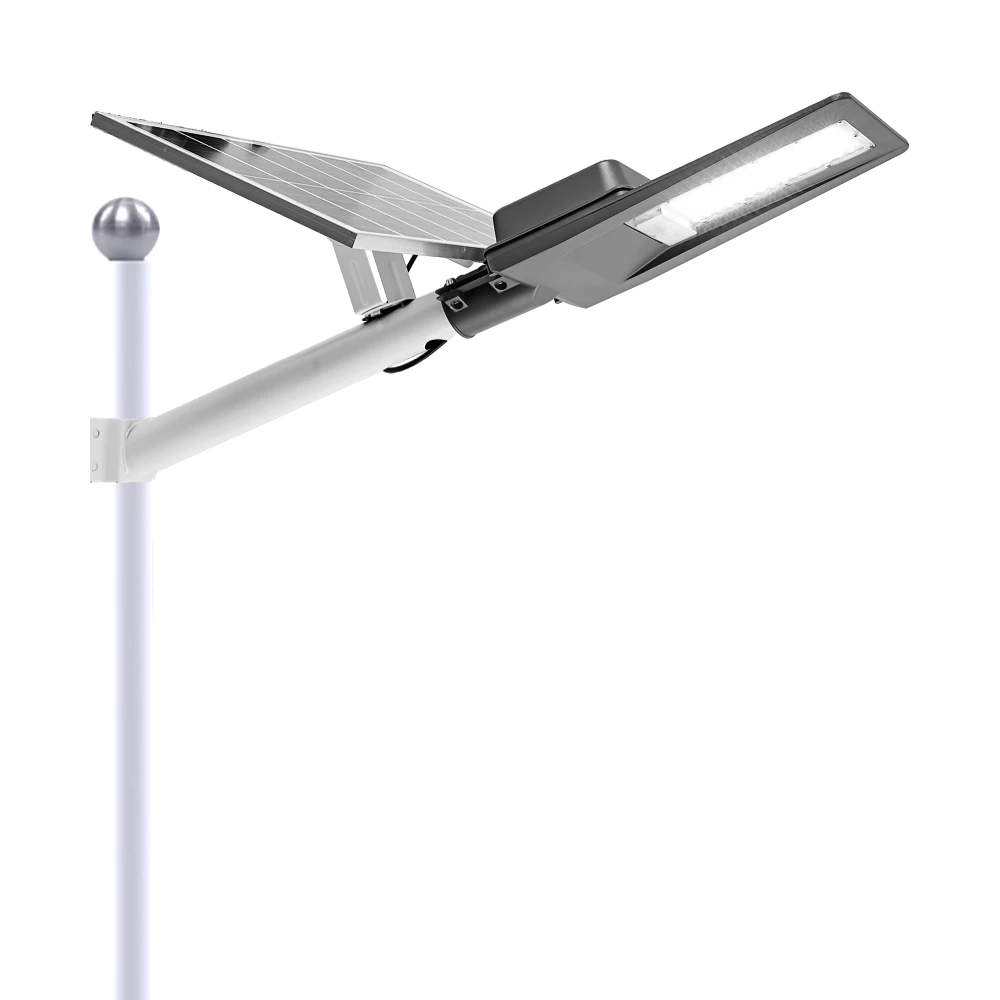
Experience reliable outdoor illumination with our smart solar street light, a perfect combination of advanced technology and eco-conscious design.
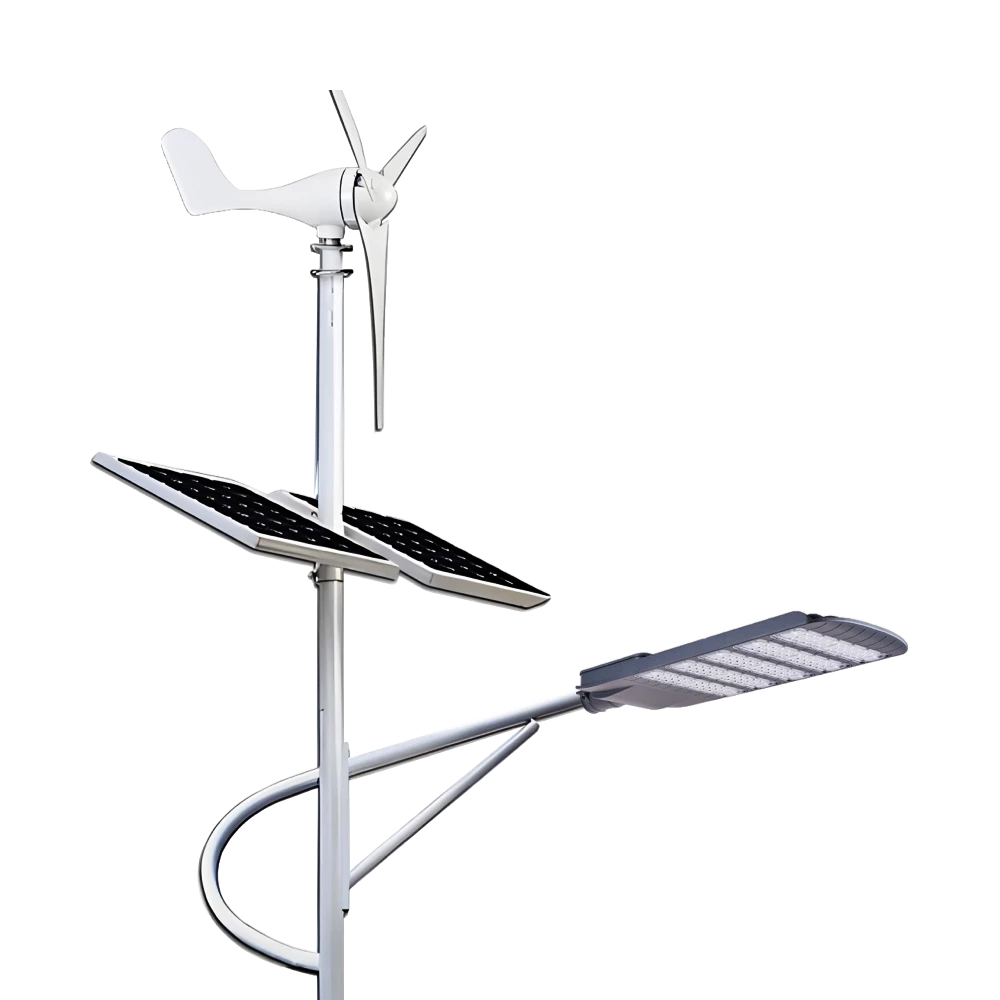
Queneng Lufeng Wind Energy LED Outdoor Solar Street Lights offer high-performance, eco-friendly illumination. These energy-efficient LED street lights harness solar power and wind energy for sustainable, cost-effective outdoor lighting solutions.
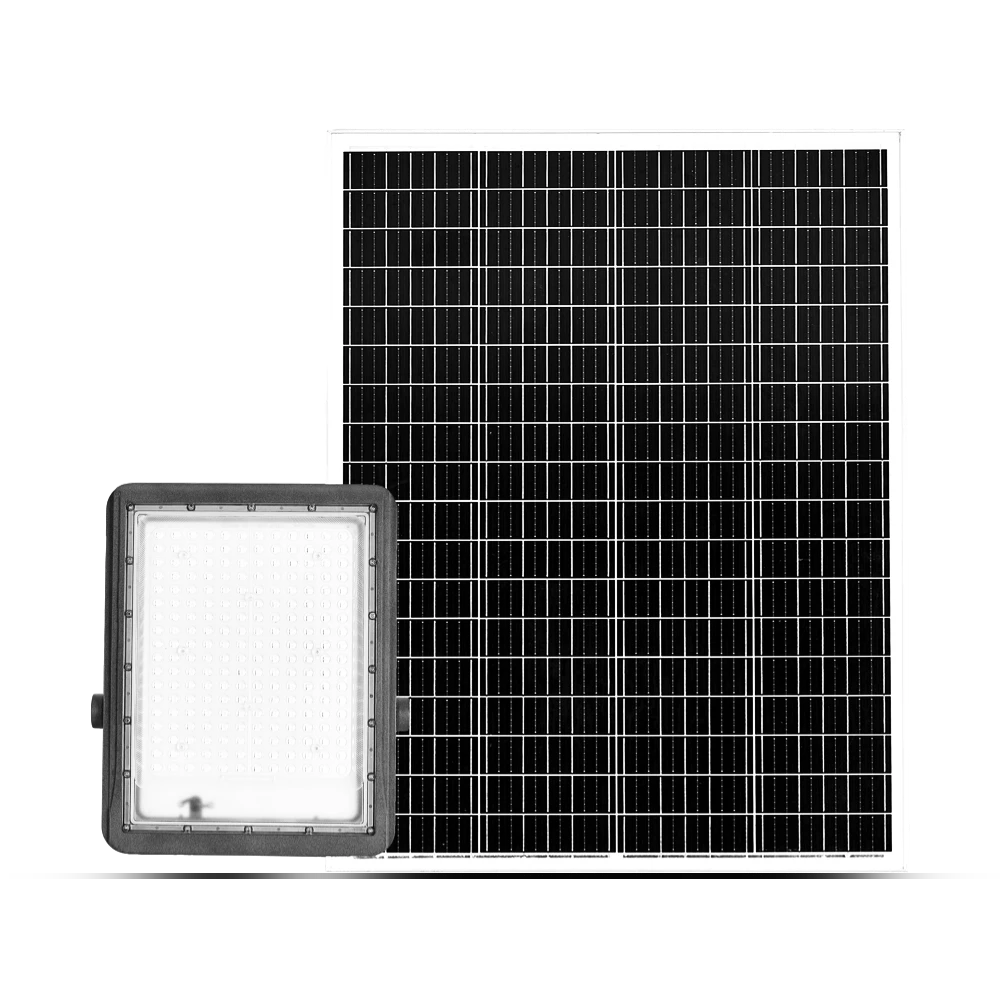
Queneng's Luxian Reliable Solar Street Light offers energy-saving LED lighting for outdoor use. This durable, solar-powered street light provides reliable illumination, reducing energy costs and environmental impact. A perfect solution for sustainable outdoor lighting.
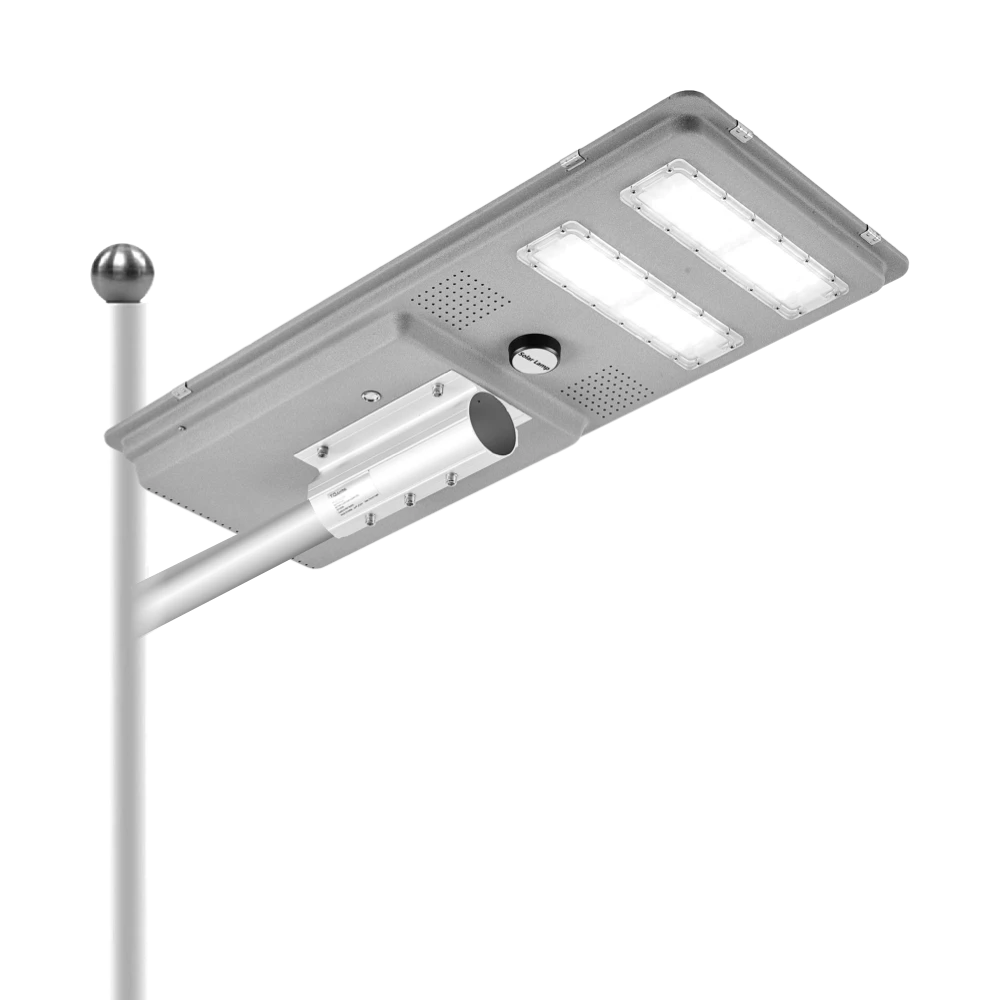
Queneng’s Solar Street Lights are designed to provide reliable, energy-efficient lighting for streets, parks, and other outdoor spaces.
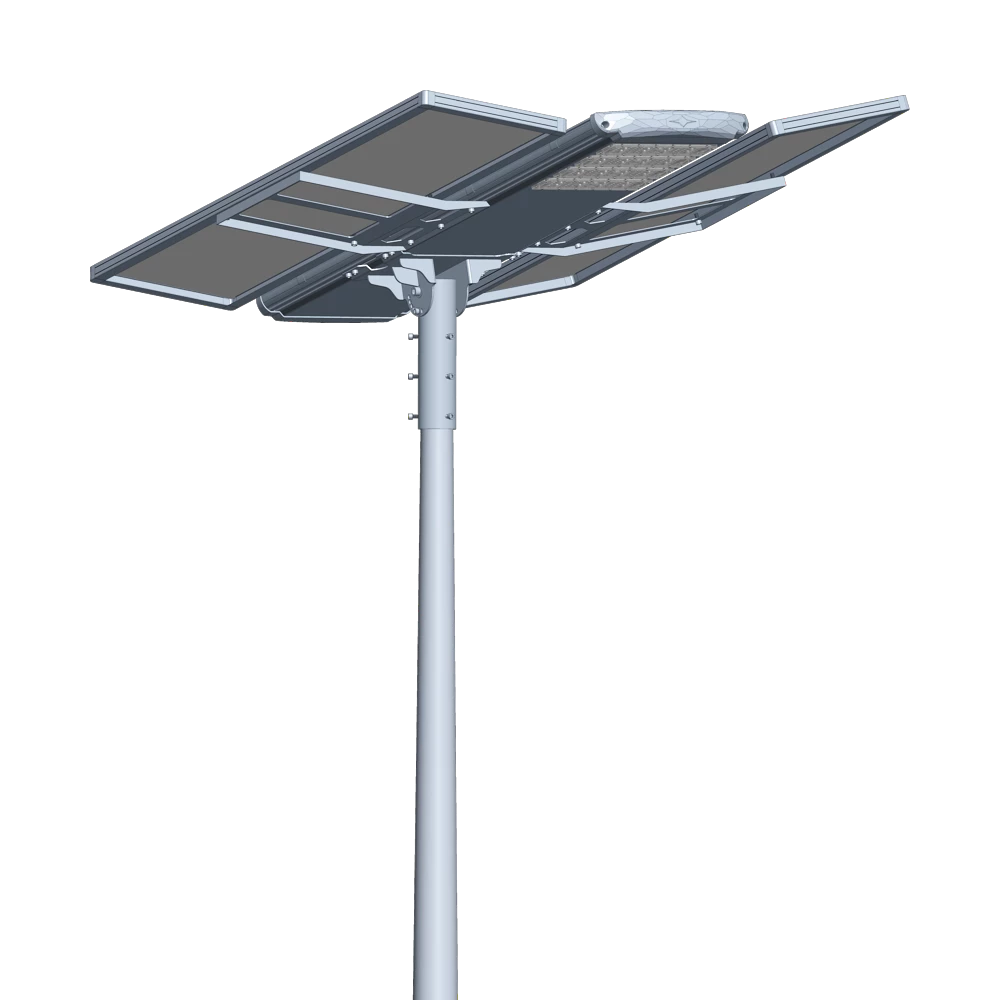
Introducing the Luqing Solar Street Light by Queneng, Efficient LED lighting powered by solar energy is perfect for illuminating outdoor areas. Harness the power of solar energy for sustainable, reliable street lighting. Ideal for eco-friendly, cost-effective outdoor illumination solutions.
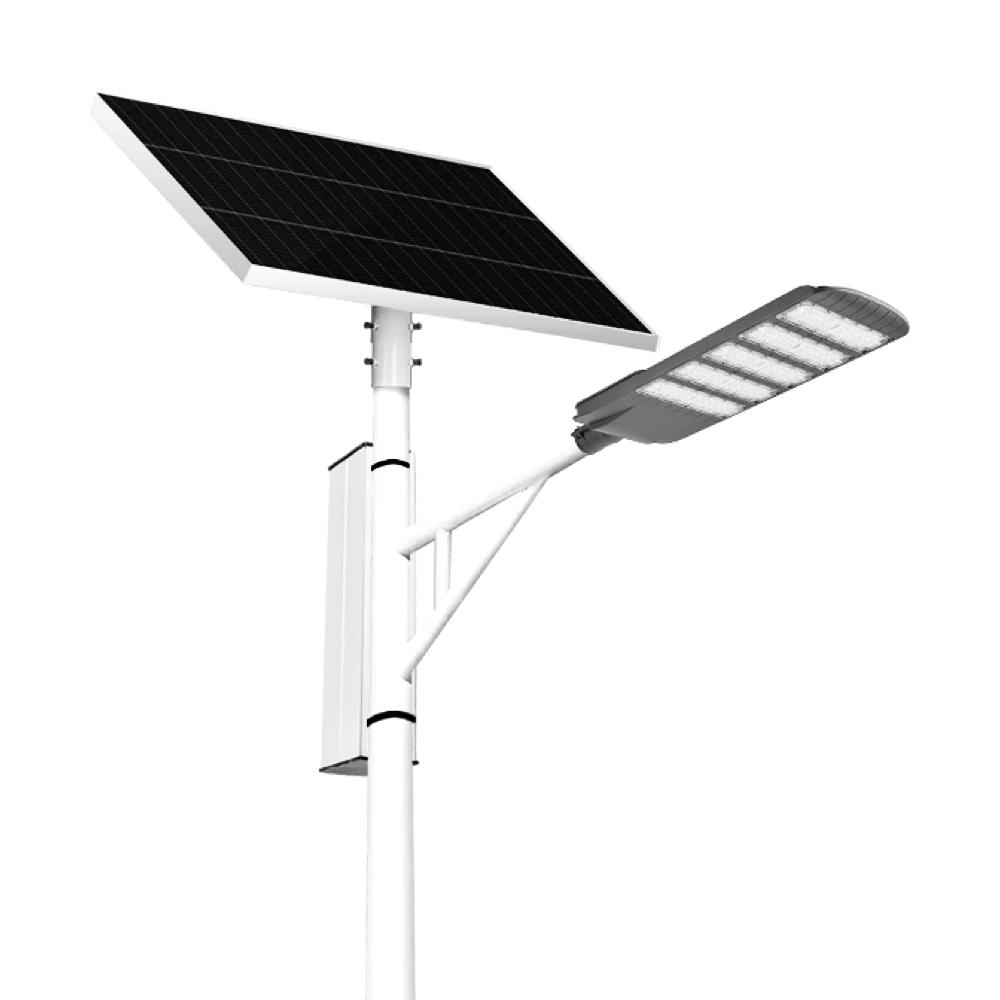
The Solar Streetlights of Luhao for Municipalities are designed to deliver reliable, energy-efficient, and cost-effective public lighting solutions. Equipped with advanced LED technology, durable lithium batteries, and high-efficiency solar panels, these streetlights provide consistent illumination for roads, parks, residential areas, and government projects.
Our professional team is ready to answer any questions and provide personalized support for your project.
You can reach us via phone or email to learn more about Queneng’s solar lighting solutions. We look forward to working with you to promote clean energy solutions!
Rest assured that your privacy is important to us, and all information provided will be handled with the utmost confidentiality.
By clicking 'Send Inquiry Now' I agree to Queneng processing my personal data.
To see how to withdraw your consent, how to control your personal data and how we process it, please see our Privacy Policy and Terms of use.
Schedule a Meeting
Book a date and time that is convenient for you and conduct the session in advance.
Have more questions about our products or services?
The messenger of light & power conversion
Environmental protection and intelligent manufacturing are our brand philosophy, and quality assurance and the best user experience are our eternal promises to users.
CONTACT
No.9F, Building F, Cao San Xin Tian Hong Logistics Park, Guzhen Town, Zhongshan City, Guangdong Province, China.
or write [email protected]
WhatsApp: +86 136 2270 1011


