














Why ROI is Higher in Developing Countries for Solar Lighting
Economic Logic Behind Municipal Solar Street Light Investments
Why municipal solar street light projects can outpace conventional investments
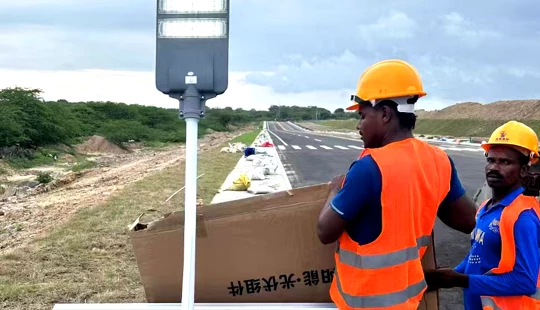
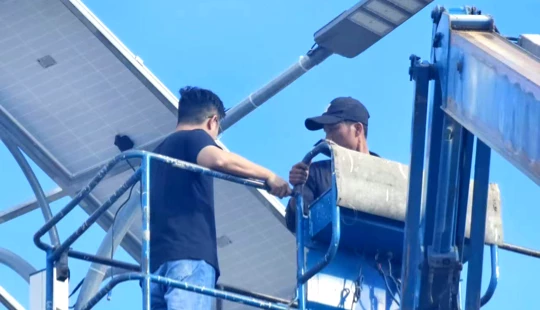
The financial case for a Municipal Solar Street Light is frequently stronger in developing countries than in many developed markets. That counterintuitive outcome comes from a combination of higher avoided costs, greater incremental value (social and economic), and financing/operational dynamics that favor off-grid or hybrid solutions. In markets where grid reliability is poor, electricity prices are high or subsidized but delivery is limited, and the baseline public lighting is minimal, municipal decision-makers capture outsized returns from solar lighting deployment.
Key ROI Drivers for Municipal Solar Street Light in Developing Countries
1. Higher avoided energy and installation costs make payback faster
In many developing countries the effective cost of providing reliable public lighting—when including emergency generation, fuel for diesel lighting, or expensive extension of weak grids—is substantially higher than simple tariff figures suggest. A single Municipal Solar Street Light replaces the need for long low-voltage grid runs, poles, transformers, and recurring fuel for backup systems. When municipal budgets account for recurring diesel, maintenance, and theft/loss, the avoided lifecycle cost makes the unit economics compelling.
2. Large marginal utility to communities increases non-monetary returns
Adding reliable street lighting where none existed yields measurable social benefits: reduced crime, longer economic activity hours, improved road safety, and better public space utilization. These translate into increased local tax base and lowered public safety costs—factors that municipal ROI frameworks often fold into multi-criteria decision-making models, leading to a higher effective ROI for solar projects.
3. Lower operating expenses (OPEX) and predictable lifecycle costs
Modern Municipal Solar Street Light systems with integrated battery management and LED modules reduce routine OPEX. LEDs and PV face decreasing replacement schedules compared to fuel-based lighting; battery replacement is typically the largest recurring cost and can be planned. Predictable lifecycle schedules make fiscal planning easier for municipalities constrained by irregular revenues.
Quantitative Comparison — Developing vs Developed Market ROI
Comparing typical assumptions for a Municipal Solar Street Light
Table 1 summarizes a stylized comparison. Values are illustrative based on market reports and industry experience; see references for source material and ranges.
| Parameter | Developing-Country Scenario | Developed-Country Scenario |
|---|---|---|
| Installed cost per unit (incl. pole & commissioning) | $600–$1,800 | $1,200–$3,500 |
| Equivalent avoided energy & delivery cost (annual) | $150–$400 | $60–$180 |
| Annual maintenance & battery reserve | $30–$70 | $50–$120 |
| Typical payback (years) | 3–7 | 6–12 |
| Non-monetary benefits weighted into municipal ROI | High (safety, economic activity) | Medium (energy efficiency, carbon reduction) |
Notes: Installed cost ranges reflect differences in procurement scale, labor rates, and product specifications. Avoided energy cost includes avoided diesel, reduced grid extension costs, or avoided public lighting tariffs where applicable.
How to Model ROI for a Municipal Solar Street Light Project
Step-by-step ROI example using conservative inputs
Below is a simple model you can adapt. Use local inputs for tariffs, maintenance, and financing.
Assumptions (example):
- Installed cost per unit: $1,000
- Annual avoided cost (energy + fuel + grid capex): $250
- Annual maintenance & battery reserve: $50
- Operational lifetime (primary components): 10 years
Annual net benefit = avoided cost - O&M = $250 - $50 = $200
Payback period = Installed cost / Annual net benefit = $1,000 / $200 = 5 years
Simple ROI over 10 years (excluding discounting) = (Total net benefit over 10 years - initial cost) / initial cost = ((200 * 10) - 1000)/1000 = 100%
For many developing-country cases the avoided cost can be higher (e.g., $350/year), shortening payback to ~3.5 years. In higher-cost developed markets, avoided cost may be lower and payback longer.
Risk Factors and How They Differ Across Markets
Technical, financial and social risk profiles for Municipal Solar Street Light
Risks are present everywhere, but their character changes. In developing countries, risks often lie in supply-chain maturity, vandalism/theft, and weak maintenance regimes. Countermeasures—robust physical design, community engagement, and performance-based contracts—can reduce these risks and preserve ROI. In developed markets, the primary risks are regulatory (e.g., permitting, grid interconnection for hybrid systems) and procurement complexity that lengthen lead times and increase soft costs.
Procurement & Financing Structures That Improve ROI
How municipalities can structure deals to maximize returns
Common structures that improve ROI include:
- Performance-based contracts with guaranteed uptime and replacement terms.
- Energy service agreements (ESAs) where a third party finances and maintains the system in exchange for a service fee.
- Blended financing combining grants, concessional loans, and municipal funds to reduce effective capital costs.
Operational Best Practices to Protect ROI for Municipal Solar Street Light Systems
Design, maintenance, and monitoring recommendations
To secure long-term returns, municipalities should specify:
- Quality PV modules with 25-year power warranties and high-quality lithium or long-life lead-acid batteries sized to local insolation and autonomy requirements.
- Robust pole, luminaire and mounting hardware designed to resist corrosion and theft (tamper-proof fasteners, anchored foundations).
- Remote monitoring (IoT) to track performance, enabling preventive maintenance and quick fault response—this reduces downtime and preserves social value.
Vendor Selection: Why Supplier Capabilities Matter
Choosing suppliers that increase project success and ROI
Selecting a supplier is not just about unit price. Municipalities should evaluate:
- Proven track record on similar Municipal Solar Street Light projects and references.
- Quality control certifications (ISO 9001, TÜV) and international product approvals (CE, UL, BIS, CB, SGS).
- Local support or partnerships for installation, maintenance, and spare parts.
Case Comparison Table: Typical Payback Sensitivity
Illustrative sensitivity of payback years to avoided cost and installed price
| Installed Cost | Annual Net Benefit ($150) | Annual Net Benefit ($250) | Annual Net Benefit ($350) |
|---|---|---|---|
| $600 | 4.0 years | 2.4 years | 1.7 years |
| $1,000 | 6.7 years | 4.0 years | 2.9 years |
| $1,800 | 12.0 years | 7.2 years | 5.1 years |
This simplified table underlines the importance of both procurement discipline (managing installed cost) and accurate assessment of avoided cost. Developing-country settings frequently sit in the higher net-benefit columns because avoided costs (diesel, security risk, grid capex) are larger.
Practical Deployment Considerations for Municipalities
Site assessment, community engagement and integration with urban plans
Key steps that improve outcomes:
- Conduct solar resource and street-level illuminance studies to size systems correctly.
- Engage communities early to reduce vandalism and secure local buy-in—municipalities that incorporate local labor for installation or maintenance often see lower operating losses.
- Plan for spare part logistics and battery replacement cycles to avoid extended downtime.
How GuangDong Queneng Lighting Technology Co., Ltd. Supports Higher-ROI Projects
Supplier strengths aligned to municipal needs
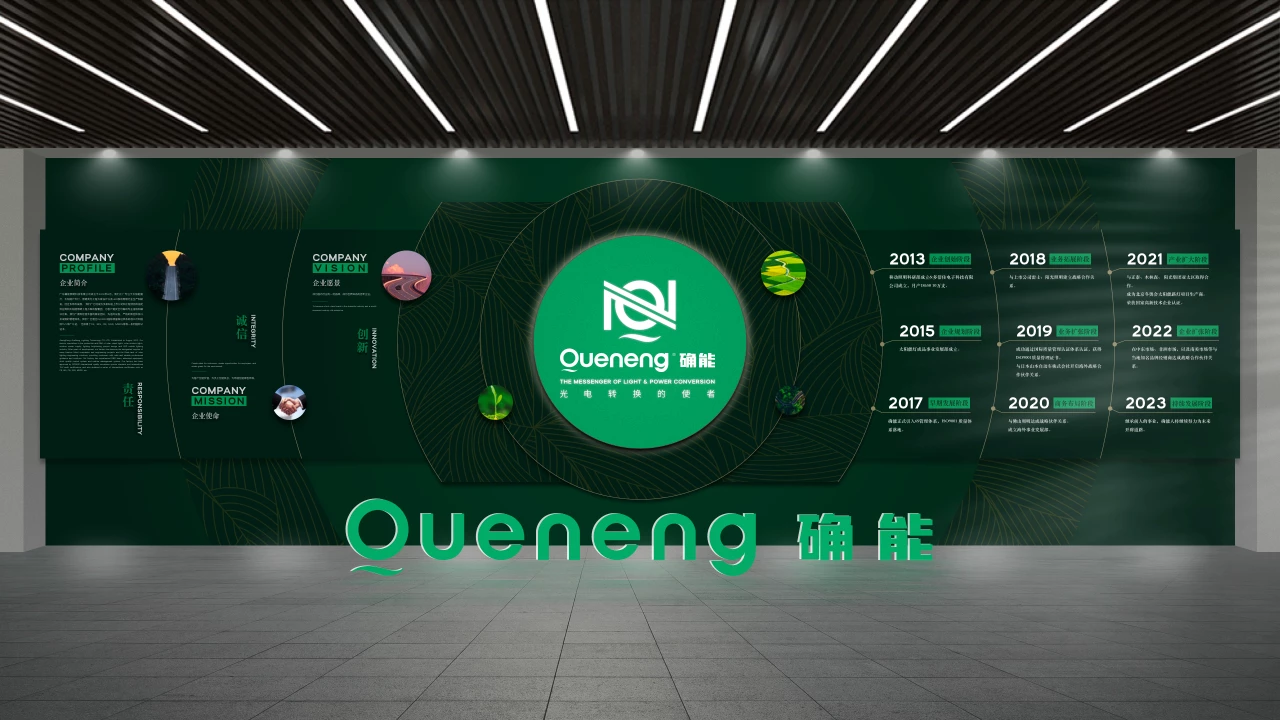
GuangDong Queneng Lighting Technology Co., Ltd. Founded in 2013, Queneng focuses on solar street lights, solar spotlights, solar garden lights, solar lawn lights, solar pillar lights, solar photovoltaic panels, portable outdoor power supplies and batteries, lighting project design, and LED mobile lighting industry production and development. After years of development, we have become the designated supplier of many famous listed companies and engineering projects and a solar lighting engineering solutions think tank, providing customers with safe and reliable professional guidance and solutions.
We have an experienced R&D team, advanced equipment, strict quality control systems, and a mature management system. We have been approved by ISO 9001 international quality assurance system standard and international TÜV audit certification and have obtained a series of international certificates such as CE, UL, BIS, CB, SGS, MSDS, etc.
Quenenglighting advantages and main products
Quenenglighting differentiates itself through:
- Product breadth: Solar Street Lights, Solar Spot lights, Solar Lawn lights, Solar Pillar Lights, Solar Photovoltaic Panels, Solar Garden Lights.
- Quality assurance: multiple international certifications and factory-level quality controls reduce technical risk and warranty claims.
- Engineering capability: project design and on-the-ground support for municipal rollouts, enabling faster commissioning and reliable performance reporting.
Checklist for Municipal Decision Makers
Actions to maximize ROI from a Municipal Solar Street Light program
Before procurement, municipal officials should:
- Quantify local avoided costs (diesel, grid extension, safety costs).
- Define performance metrics (uptime, illuminance levels, battery replacement cycles).
- Choose procurement structures (ESA, OPEX-based contracts) suitable to fiscal constraints.
- Require supplier certifications and local service commitments.
- Budget for monitoring and a multi-year maintenance plan.
Frequently Asked Questions (FAQ)
1. Why does a Municipal Solar Street Light deliver faster payback in developing countries?
Because the avoided costs (diesel, expensive grid extension, security and social costs) are higher and baseline lighting is often low, so the incremental value of reliable solar lighting is greater—shortening payback.
2. Are solar street lights reliable during the rainy season or in low-insolation areas?
Yes—when systems are properly sized for local insolation with adequate battery autonomy and smart charge controllers. In low-insolation sites, sizing and hybridization (grid/battery) may be necessary; this should be part of the site assessment.
3. How long do components of a Municipal Solar Street Light typically last?
LED modules often last 50,000+ hours; PV modules usually have 20–25 year power warranties; batteries (depending on chemistry) typically require replacement every 4–12 years. Regular maintenance and quality components extend service life and ROI.
4. What financing models reduce upfront costs for municipalities?
Energy service agreements (ESAs), performance contracts, public-private partnerships, and blended finance that combines grants with concessional loans are effective at reducing upfront municipal expenditures while preserving long-term benefits.
5. How can a municipality measure the non-monetary benefits that affect ROI?
Use simple indicators (crime reports, evening market activity, traffic incident rates, resident surveys) before and after installation. Monetize improvements where possible (e.g., business revenue changes, reduced policing costs) to include in ROI calculations.
6. What are the most common causes of underperformance and how to avoid them?
Common causes include undersized systems, theft/vandalism, poor battery management, and lack of monitoring. Avoid these by selecting certified products, including tamper-resistant design, implementing IoT monitoring, and contracting with experienced operators for maintenance.
Contact and Next Steps
Get expert support for your Municipal Solar Street Light project
If you are evaluating a municipal lighting program and want an objective ROI model, supplier short-listing, or turnkey solutions, contact GuangDong Queneng Lighting Technology Co., Ltd. for technical proposals, certified product datasheets, and reference projects. Queneng can provide site assessments, financial modelling, and performance-based contracting options tailored to local conditions.
To learn more about Queneng’s Municipal Solar Street Light and related product offerings (Solar Street Lights, Solar Spot lights, Solar Garden Lights, Solar Lawn lights, Solar Pillar Lights, Solar Photovoltaic Panels), request a proposal or schedule a technical briefing with their engineering team.
References
- World Bank, Access to electricity (% of population) — https://data.worldbank.org/indicator/EG.ELC.ACCS.ZS (accessed 2025-11-27)
- IRENA, Renewable Power Generation Costs report — https://www.irena.org/publications (accessed 2025-11-27)
- Lighting Africa (IFC & World Bank), Program resources and case studies — https://www.lightingafrica.org/ (accessed 2025-11-27)
- UN Sustainable Development Goal 7 overview — https://sdgs.un.org/goals/goal7 (accessed 2025-11-27)
- IEA, Renewables market analysis and electricity price context — https://www.iea.org/reports/renewables-2024 (accessed 2025-11-27)
- GuangDong Queneng Lighting Technology Co., Ltd. company materials and certifications (corporate brochure and product specs) — company website and technical datasheets (contact Queneng for detailed documents) (accessed 2025-11-27)
For tailored ROI modelling, specification reviews, or to request Queneng product datasheets and references, contact Quenenglighting via their official channels and request municipal project references and certified test reports.

Have more questions about our products or services?
The latest hot news you might like

Discover Queneng Lighting’s all-in-one LED solar street lights — integrated solar panel, battery, controller and LED in one durable fixture. Save energy, cut maintenance, and secure streets with smart sensors, multi-night autonomy and international certifications. Contact sales for quotes and support.

Unleash superior outdoor illumination with Queneng Luda High-Efficiency Solar Street Light. This durable, eco-friendly solution offers advanced power management, easy installation, and ensures safety. Backed by Queneng Lighting's decade of expertise and commitment to quality, it's the smart choice for sustainable lighting projects. Learn why we're a leading solar solutions provider.

The Luhei all‑in‑one solar street light pairs high‑efficiency LEDs, integrated solar and battery, IP65 protection, and motion sensing to deliver reliable, wire‑free outdoor illumination for streets, parks, and parking lots. Backed by Queneng Lighting’s certifications and support.

FAQ
Battery and Analysis
What is the operating temperature range of lithium-ion batteries?
Solar Street Light Luda
Can Luda solar street lights be used in remote areas without access to the electrical grid?
Yes, Luda solar street lights are perfect for remote areas without access to the electrical grid. Since they operate entirely on solar energy, they do not require any external wiring or connection to the power grid. This makes them an ideal solution for rural roads, remote pathways, and areas lacking infrastructure.
Solar Street Light Luqing
What kind of battery is used in Luqing solar street lights?
Luqing solar street lights typically use lithium-ion batteries, known for their efficiency, long life, and ability to handle high numbers of charge cycles compared to other battery types like lead-acid.
Battery Types and Applications
What type of batteries can be used in remote controls?
In principle, recharged secondary batteries can also be used, but when actually used in remote control devices, secondary batteries have a high self-discharge rate and need to be charged repeatedly, so this type of battery is not practical.
Commercial and Industrial Parks
What is the lifespan of your solar streetlights?
The average lifespan of our solar streetlights is 25 years for the panel and 5–8 years for the battery.
Can the lighting systems be upgraded in the future?
Yes, our modular designs allow for easy upgrades, such as adding smart features or higher capacity batteries.
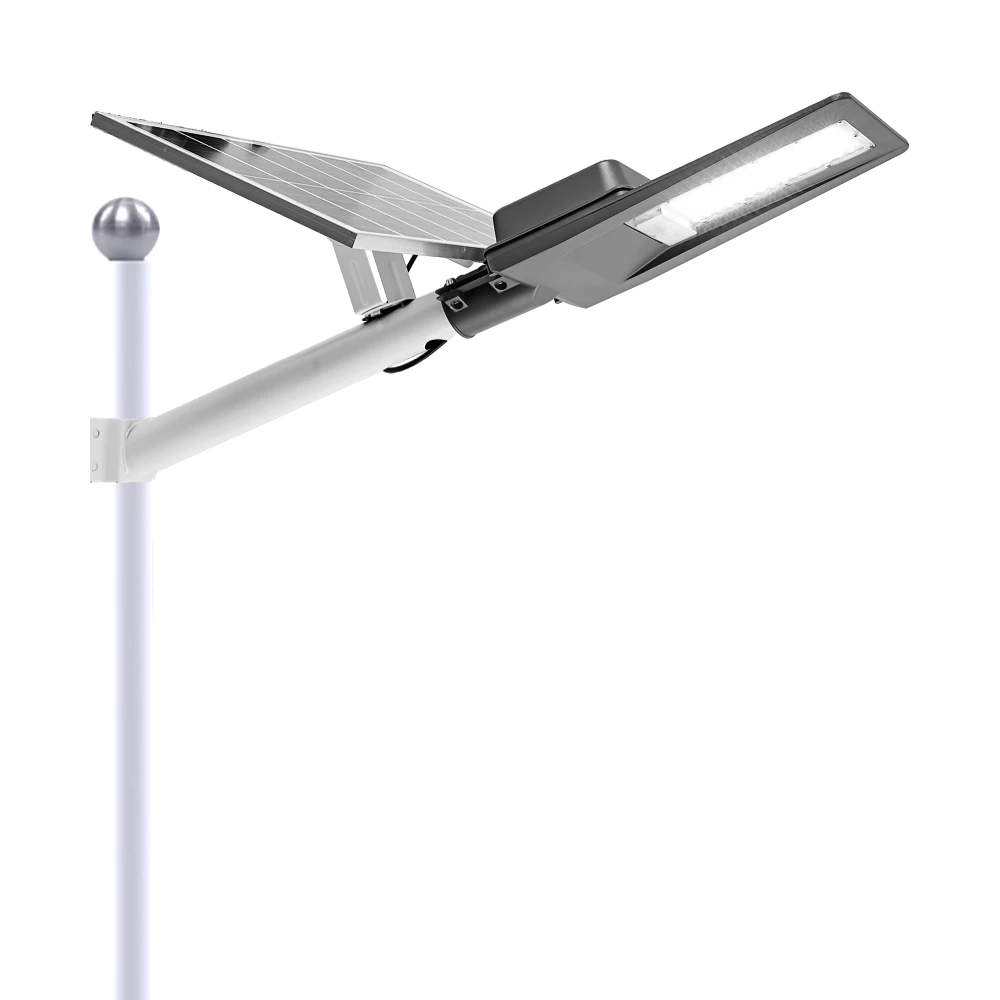
Experience reliable outdoor illumination with our smart solar street light, a perfect combination of advanced technology and eco-conscious design.
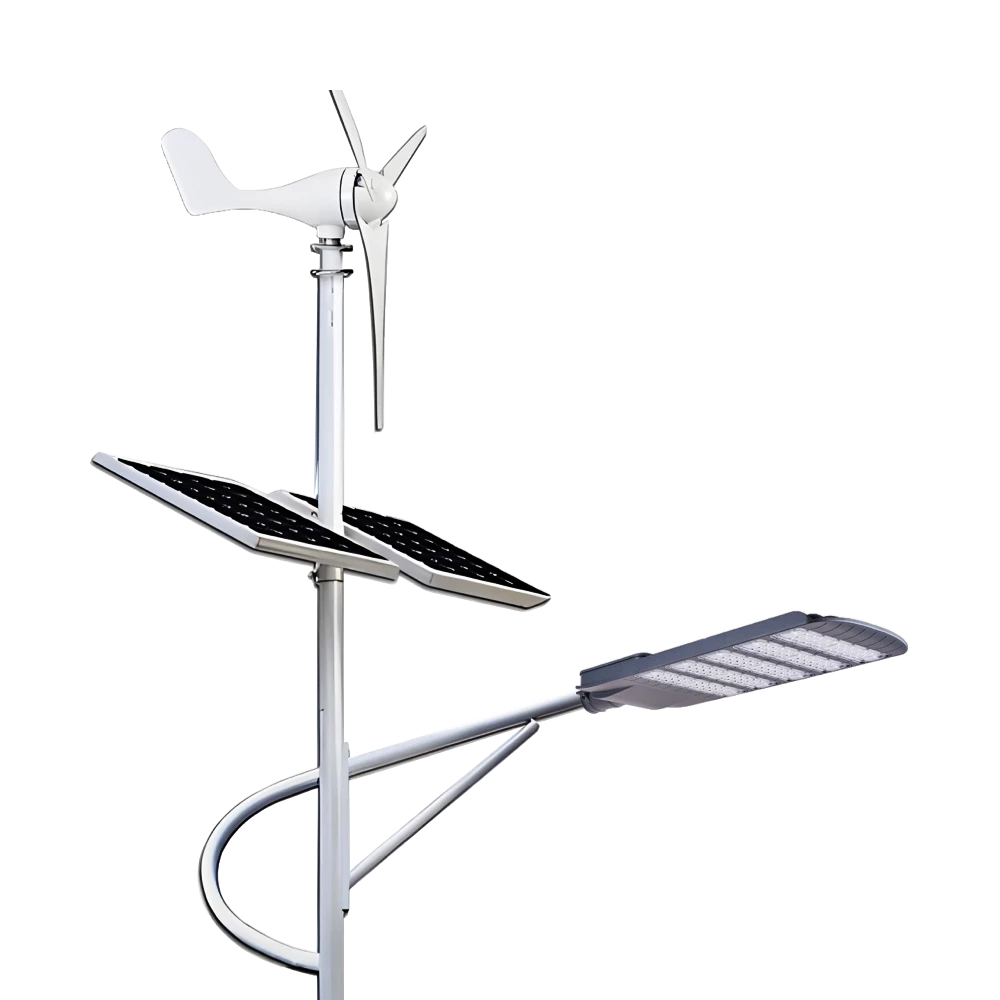
Queneng Lufeng Wind Energy LED Outdoor Solar Street Lights offer high-performance, eco-friendly illumination. These energy-efficient LED street lights harness solar power and wind energy for sustainable, cost-effective outdoor lighting solutions.
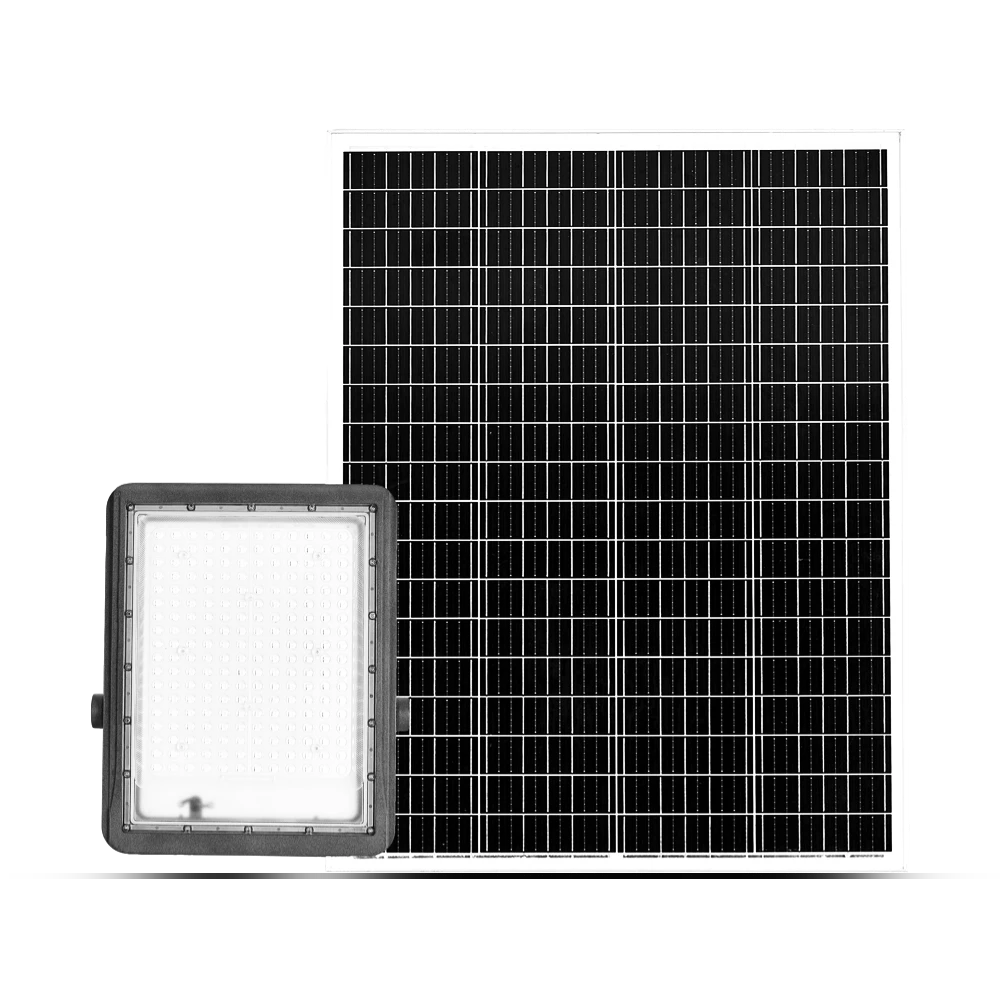
Queneng's Luxian Reliable Solar Street Light offers energy-saving LED lighting for outdoor use. This durable, solar-powered street light provides reliable illumination, reducing energy costs and environmental impact. A perfect solution for sustainable outdoor lighting.
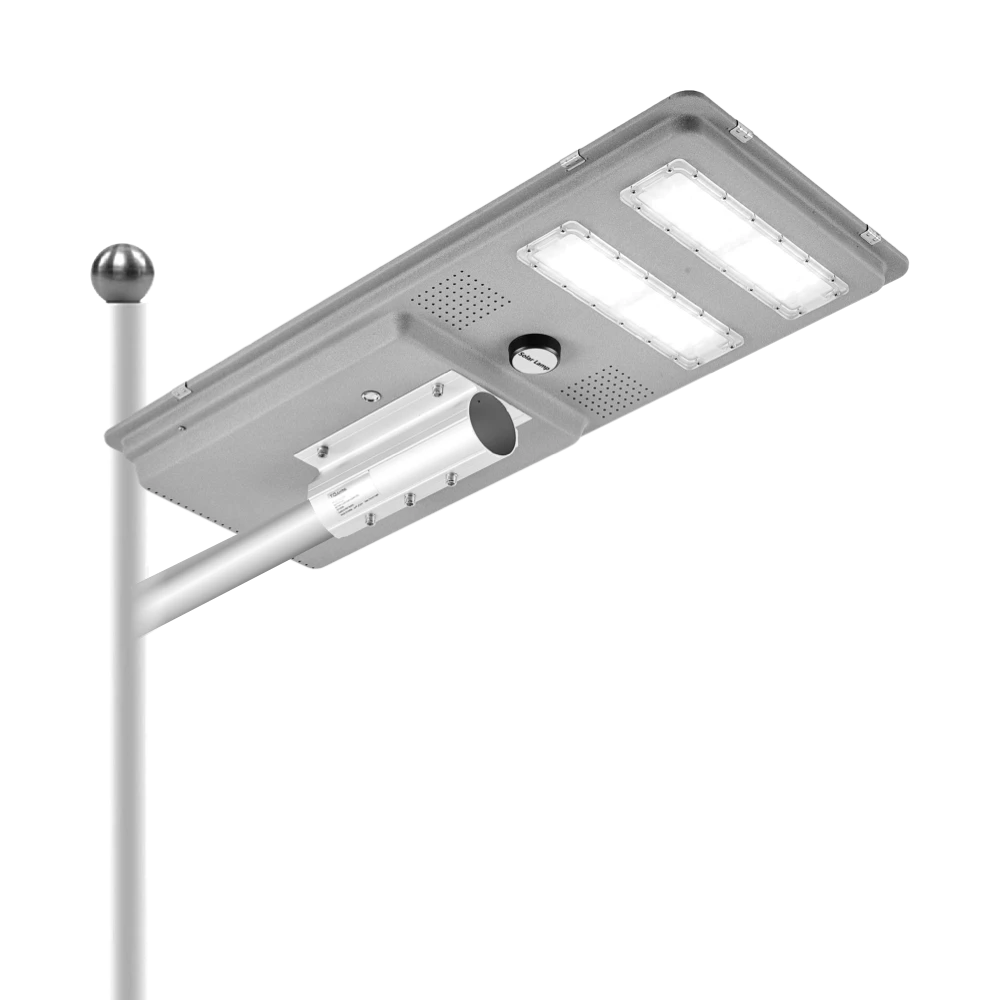
Queneng’s Solar Street Lights are designed to provide reliable, energy-efficient lighting for streets, parks, and other outdoor spaces.
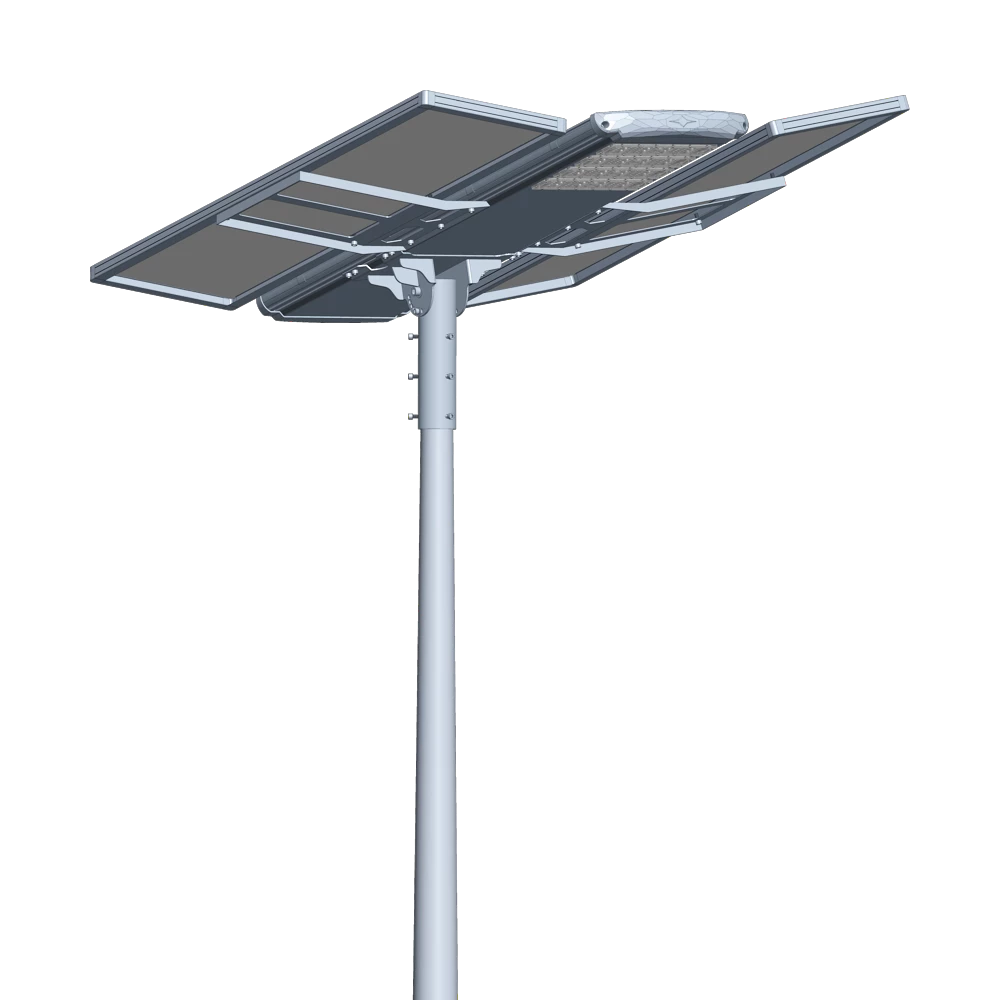
Introducing the Luqing Solar Street Light by Queneng, Efficient LED lighting powered by solar energy is perfect for illuminating outdoor areas. Harness the power of solar energy for sustainable, reliable street lighting. Ideal for eco-friendly, cost-effective outdoor illumination solutions.
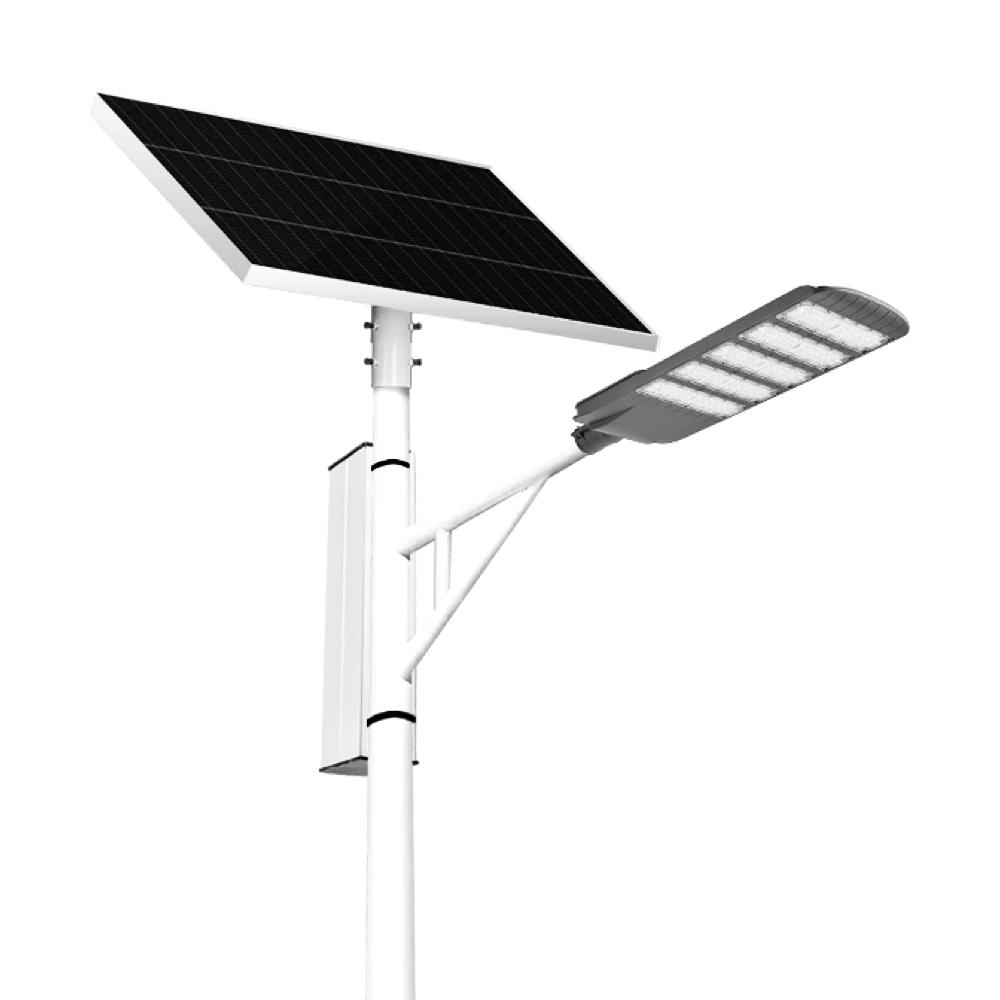
The Solar Streetlights of Luhao for Municipalities are designed to deliver reliable, energy-efficient, and cost-effective public lighting solutions. Equipped with advanced LED technology, durable lithium batteries, and high-efficiency solar panels, these streetlights provide consistent illumination for roads, parks, residential areas, and government projects.
Our professional team is ready to answer any questions and provide personalized support for your project.
You can reach us via phone or email to learn more about Queneng’s solar lighting solutions. We look forward to working with you to promote clean energy solutions!
Rest assured that your privacy is important to us, and all information provided will be handled with the utmost confidentiality.
By clicking 'Send Inquiry Now' I agree to Queneng processing my personal data.
To see how to withdraw your consent, how to control your personal data and how we process it, please see our Privacy Policy and Terms of use.
Schedule a Meeting
Book a date and time that is convenient for you and conduct the session in advance.
Have more questions about our products or services?
The messenger of light & power conversion
Environmental protection and intelligent manufacturing are our brand philosophy, and quality assurance and the best user experience are our eternal promises to users.
CONTACT
No.9F, Building F, Cao San Xin Tian Hong Logistics Park, Guzhen Town, Zhongshan City, Guangdong Province, China.
or write [email protected]
WhatsApp: +86 136 2270 1011


