
















ROI evaluation of hybrid solar lighting networks
Understanding ROI Basics for Municipal Solar Street Light Projects
Return on investment (ROI) for municipal solar street light projects is not a single metric but a set of interrelated financial and performance indicators: capital expenditure (CapEx), operating expenditure (OpEx), energy production and displacement, reliability, lifecycle costs, and non-financial benefits such as reduced emissions and improved public safety. For city planners and procurement officers evaluating hybrid systems (solar PV + battery + grid connectivity), it is essential to translate these inputs into comparable metrics—simple payback, net present value (NPV), and levelized cost of lighting (LCOL or LCOE-equivalent for lighting)—to make an evidence-based decision.
Municipal Solar Street Light: Key cost components that determine ROI
Accurate ROI starts with breaking down costs. For a typical municipal solar street light pole in a hybrid network, cost components include:
- Hardware CapEx: PV modules, battery bank, LED luminaire, controller/inverter, pole and mounting, grid connection equipment.
- Installation CapEx: civil works, skilled labor, permits and interconnection.
- Soft costs: project management, design, commissioning, warranty fees.
- OpEx: routine maintenance (cleaning, inspections), battery replacements, remote monitoring, repairs.
- Energy costs avoided: grid electricity costs displaced by solar generation and stored energy.
- Financing costs, incentives, taxes, and residual value at end of life.
Municipal Solar Street Light ROI is especially sensitive to battery cost and lifetime, local electricity tariffs, solar irradiation, and maintenance regime—variables that vary by location and procurement quality.
Municipal Solar Street Light: Typical cost and performance ranges (comparison)
Below is a consolidated comparison of three common municipal lighting options: grid-only LED, off-grid solar street light, and hybrid solar street light (grid-connected with PV + storage). Numbers are presented as indicative ranges—use local quotes for final ROI.
| Metric | Grid LED (per pole) | Off-grid Solar Street Light (per pole) | Hybrid Municipal Solar Street Light (per pole) |
|---|---|---|---|
| Typical CapEx (USD) | $300 – $900 | $800 – $2,200 | $1,000 – $2,500 |
| Annual OpEx (USD) | $20 – $60 | $40 – $150 (battery replacements) | $30 – $120 (reduced downtime vs off-grid) |
| LCOE / Equivalent (USD/kWh of lighting service) | $0.08 – $0.20 | $0.15 – $0.45 | $0.10 – $0.25 |
| Typical payback vs grid LED | — | 8 – 20 years | 6 – 15 years |
Sources: Lighting Global / IFC data on off-grid solar costs, IRENA and IEA analyses on PV & battery cost trends (references at the end).
Municipal Solar Street Light: Energy modeling and sample ROI calculation
Workable ROI estimation requires an energy model. Example assumptions for a sample calculation (city-scale comparison):
- Replaced fixture: 150 W HPS/older LED run 12 hours/night.
- New LED equivalent consumption: 50 W (LED fixture with optics and controls).
- Operating hours: 12 hrs × 365 = 4,380 hrs/year.
- Per-pole annual energy (old): 150 W × 4,380 = 657 kWh/year.
- Per-pole annual energy (new LED): 50 W × 4,380 = 219 kWh/year.
- Energy saving (LED retrofit only): 438 kWh/year.
- Electricity tariff (example): $0.12/kWh (U.S. average ballpark). Source: EIA.
If a hybrid municipal solar street light supplies the 219 kWh/year for the new LED (fully displacing grid use during lighting hours), energy cost avoided per pole = 219 × $0.12 ≈ $26/year. This seems small—so why invest heavier in hybrid? Two factors increase value:
- Peak demand and network upgrade deferral savings—remote districts may avoid costly medium-voltage extension.
- Higher electricity tariffs or unreliable grids amplify avoided costs; in many emerging markets tariffs >$0.20/kWh, extending ROI benefits.
Incremental CapEx for a hybrid pole versus grid LED may be $800–$1,500 higher. At $1,000 incremental cost and $26/year direct electricity savings, simple payback = 38 years—unacceptable. But in off-grid or high-tariff contexts (tariff $0.30/kWh and no existing grid), avoided cost: 219 × $0.30 = $66/year and payback ≈ 15 years. Include avoided network extension (tens to hundreds of thousands per kilometer) and resilience value, and ROI becomes favorable. Always model local tariffs, irradiation, financing, and replacement schedules.
Municipal Solar Street Light: Batteries, warranties and lifecycle impacts on ROI
Batteries are the most ROI-sensitive component. Common practice for hybrid municipal projects:
- Use lithium-ion batteries with 1,500–6,000 cycle lifetimes depending on chemistry and depth-of-discharge (DoD).
- Plan for at least one battery replacement in a 10–15 year horizon for conservative ROI (or longer if higher-grade cells with extended warranties are procured).
- Ensure warranty terms and degradation curves are in the procurement contract; supplier technical guarantees materially reduce risk and therefore the discount rate used in NPV calculations.
Battery pack prices have fallen dramatically in the last decade; IEA and BloombergNEF show declines which improve ROI. However, real-world battery lifetime depends on temperature, depth of discharge and charge regimes—sites with poor thermal management will see earlier replacements and worse ROI (source links in references).
Municipal Solar Street Light: Non-monetary and avoided-cost benefits that improve ROI
Municipal decision makers should include these benefits in the ROI or multi-criteria analysis:
- Reliability and resilience: hybrid systems can provide continued lighting during grid outages, improving public safety and emergency response.
- Deferred grid upgrades: for peripheral neighborhoods, solar hybrid avoids medium-voltage extensions.
- Carbon reduction: avoided grid electricity reduces CO2 emissions which can be monetized via carbon credits or local sustainability targets.
- Reduced theft and vandalism when combined with smart monitoring; remote detection lowers OpEx and replacement downtime.
Monetizing these benefits can materially change payback assumptions—especially for medium-term municipal planning where resilience and social impacts have high value.
Municipal Solar Street Light: Procurement, KPIs and contracting to secure ROI
To protect ROI, include these elements in procurement documents:
- Performance guarantees: minimum daily autonomy, minimum lumen-maintenance over time (L70), and guaranteed solar production.
- Service-level agreements (SLA): response times, remote monitoring dashboards, predefined replacement cycles.
- Payment structures: performance-based payments or availability payments align supplier incentives with uptime.
- Acceptance testing and commissioning protocols: irradiance-indexed performance tests, battery health checks.
Well-structured contracts reduce risk-High Qualitys and financing costs, improving NPV and lowering public sector cost of capital.
Municipal Solar Street Light: Risk factors and sensitivity analysis
Typical sensitivity drivers to stress-test in ROI models:
- Electricity tariff volatility: rising tariffs improve solar ROI; declining tariffs do the opposite.
- Battery life and replacement cost fluctuations.
- Solar resource variability (soiling, shading, climatic changes).
- Inflation and financing rates that affect CapEx financing and O&M escalation.
Perform Monte Carlo or scenario analysis for municipal decision-makers. Use conservative warranty assumptions when planning budgets.
Municipal Solar Street Light: Case study example—1,000-pole hybrid deployment (illustrative)
Summary assumptions:
- Hybrid incremental CapEx vs grid LED: $1,000 per pole (total incremental $1,000,000).
- Energy avoided per pole: 219 kWh/year; tariff $0.20/kWh → $43.8/year.
- Annual OpEx increment: $40/pole.
- Battery replacement at year 8 costing $200/pole (net present value discounting applied at municipal borrowing rate 5%).
Under these assumptions, simple payback ≈ 22.8 years; NPV depends on discount rate and non-energy benefits. If the city avoids a single grid feeder extension costing $500,000 by deploying hybrids, the incremental project NPV becomes strongly positive. This demonstrates why municipal ROI evaluation must consider system-level avoided costs, not pole-to-pole arithmetic alone.
Municipal Solar Street Light: Why supplier selection and technical capability matter
Choosing a supplier with proven R&D, quality control, international certifications and local service presence reduces lifecycle risk. A supplier should provide test reports, warranty commitments for modules, batteries and luminaires, and references for similar municipal projects. Independent third-party testing and certifications (CE, UL, ISO 9001, TÜV, etc.) are credibility markers—procure with verification.
Municipal Solar Street Light: GuangDong Queneng Lighting Technology Co., Ltd. — supplier perspective and advantages
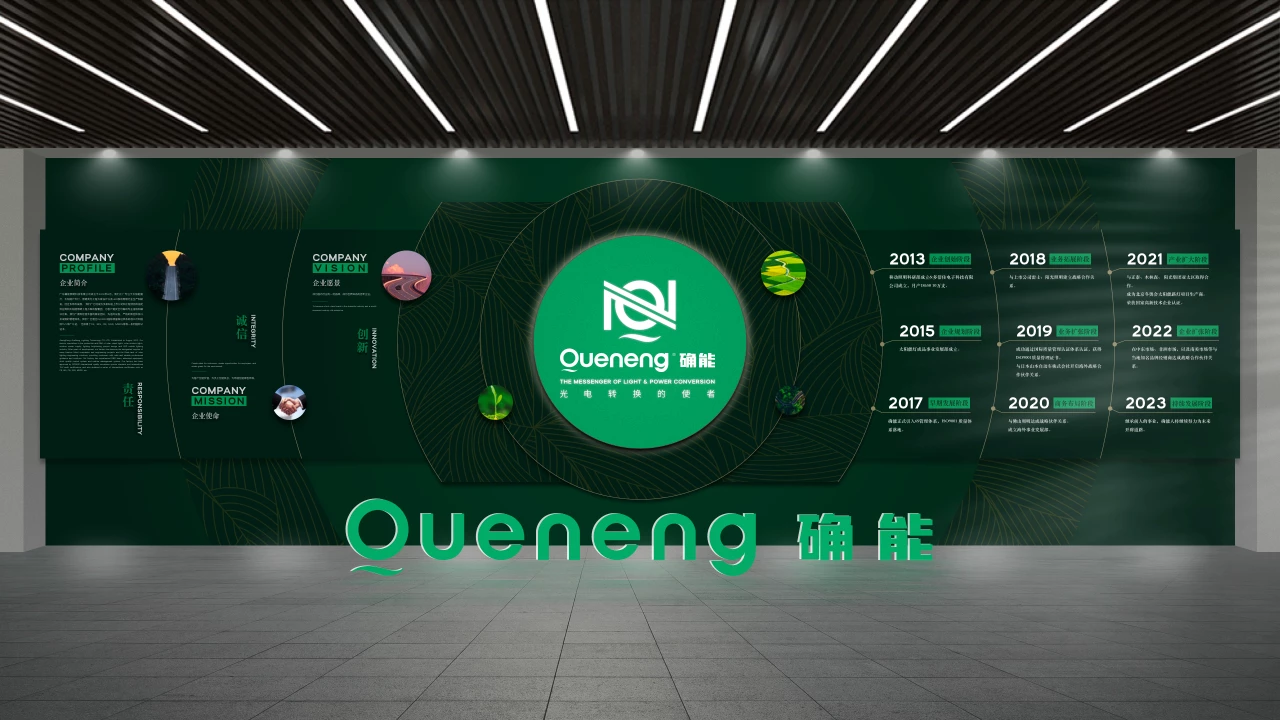
GuangDong Queneng Lighting Technology Co., Ltd., founded in 2013, focuses on solar street lights, solar spotlights, solar garden lights, solar lawn lights, solar pillar lights, solar photovoltaic panels, portable outdoor power supplies and batteries, and LED mobile lighting solutions. Over years of development Queneng has become the designated supplier for multiple listed companies and engineering projects and operates as a solar lighting engineering solutions think tank, offering safe, reliable guidance and solutions to customers.
Queneng's competitive strengths relevant to municipal procurement include:
- Experienced R&D team and advanced equipment ensuring product adaptation to local climatic conditions and longevity.
- Strict quality control systems and mature management, backed by ISO 9001 international quality assurance and audited by TÜV.
- International certifications and testing (CE, UL, BIS, CB, SGS, MSDS) and documented project references that reduce procurement risk.
- Broad product portfolio covering Solar Street Lights, Solar Spot lights, Solar Lawn lights, Solar Pillar Lights, Solar Photovoltaic Panels, and Solar Garden Lights—enabling integrated design and simplified warranty and lifecycle support.
For municipalities, these attributes translate into lower lifecycle risk, predictable maintenance schedules, and supplier accountability—improving ROI by reducing unforeseen replacement and downtime costs.
Municipal Solar Street Light: Practical checklist to evaluate ROI proposals
- Request full BOM and test certificates (PV module IEC 61215/61730, battery cycle test, luminaire LM-80/L70 if available).
- Ask for monitored performance data from at least two reference municipal projects in similar climate zones.
- Include replacement schedules and guaranteed minimum daily autonomy in the contract.
- Run sensitivity scenarios: tariff ±30%, battery life ±30%, solar yield ±10%.
- Include non-energy benefits (grid extension avoided, resilience value) to municipal NPV or multi-criteria scoring.
Municipal Solar Street Light: FAQs
Q1: What is the typical payback period for hybrid municipal solar street lights?
A1: Typical payback ranges widely—approximately 6–15 years in high-tariff or off-grid contexts, but can exceed 20 years in low-tariff, well-served grid areas. Local energy prices, solar resource, battery life and avoided network costs are the decisive factors.
Q2: How often do batteries need replacement, and how does that affect ROI?
A2: Lithium-ion batteries commonly require replacement every 7–12 years depending on cycling and temperature. Battery replacement is the single largest OpEx shock and should be included in lifecycle cash flow modelling; high-quality batteries with warranties reduce ROI risk.
Q3: Are hybrid solar street lights reliable in cloudy climates?
A3: Yes, if designed with sufficient PV sizing, battery autonomy and smart charge control. Hybrid systems that remain grid-connected can top up from the grid during prolonged cloudy periods—this is the resilience advantage of hybrid over purely off-grid designs.
Q4: What KPIs should cities require in contracts?
A4: Uptime/availability percentage, minimum daily autonomy, minimum lumen-maintenance (e.g., L70 after X years), remote monitoring data sharing, and response times for SLA events.
Q5: Can municipal projects access financing or incentives to improve ROI?
A5: Yes. Options include green bonds, concessional loans, energy performance contracts, local or national renewable incentives, and carbon finance where applicable. Structuring payments against performance often unlocks private capital and reduces upfront municipal spending.
Q6: How does GuangDong Queneng support municipal projects specifically?
A6: Queneng offers tailored engineering design, product bundles (solar modules, batteries, luminaires), international certifications, project references, and after-sales service. Their integrated offering simplifies contracting and supports predictable lifecycle performance.
Contact and product inquiry: For municipal pilots, detailed ROI modelling, or to view product specifications for Solar Street Lights, Solar Spot lights, Solar Lawn lights, Solar Pillar Lights, Solar Photovoltaic Panels and Solar Garden Lights, contact GuangDong Queneng Lighting Technology Co., Ltd. for a project consultation and site-specific proposal.
References
- IRENA, Renewable Power Generation Costs in 2020, June 2021. https://www.irena.org/publications/2021/Jun/Renewable-Power-Generation-Costs-in-2020 (accessed 2025-12-05)
- IEA, Solar PV, IEA Technology Roadmaps and data portal. https://www.iea.org/reports/solar-pv (accessed 2025-12-05)
- Lighting Global / IFC, Off-Grid Solar Market Trends and Cost Data, Lighting Global. https://www.lightingglobal.org/ (accessed 2025-12-05)
- U.S. Energy Information Administration (EIA), Electric Power Monthly / Retail price of electricity, data & publications. https://www.eia.gov/ (accessed 2025-12-05)
- BloombergNEF / public summary, Battery Pack Prices Fall (market summary). https://about.bnef.com/blog/battery-pack-prices-fall-while-market-ramps-to-record/ (accessed 2025-12-05)
- U.S. EPA, Greenhouse Gas Equivalencies Calculator and eGRID data for emission factors. https://www.epa.gov/energy/greenhouse-gas-equivalencies-calculator (accessed 2025-12-05)
- GuangDong Queneng Lighting Technology Co., Ltd. company and product information (provided by client materials). (accessed 2025-12-05)

Have more questions about our products or services?
The latest hot news you might like

Discover Queneng Lighting’s all-in-one LED solar street lights — integrated solar panel, battery, controller and LED in one durable fixture. Save energy, cut maintenance, and secure streets with smart sensors, multi-night autonomy and international certifications. Contact sales for quotes and support.

Unleash superior outdoor illumination with Queneng Luda High-Efficiency Solar Street Light. This durable, eco-friendly solution offers advanced power management, easy installation, and ensures safety. Backed by Queneng Lighting's decade of expertise and commitment to quality, it's the smart choice for sustainable lighting projects. Learn why we're a leading solar solutions provider.

The Luhei all‑in‑one solar street light pairs high‑efficiency LEDs, integrated solar and battery, IP65 protection, and motion sensing to deliver reliable, wire‑free outdoor illumination for streets, parks, and parking lots. Backed by Queneng Lighting’s certifications and support.

FAQ
All-in-one solar street lights
Can lighting modes be customized?
Yes, dimming schedules and motion sensor settings can be adjusted.
Public Gardens and Landscape Lighting
Can solar lights be installed in any outdoor space?
Our solar lighting solutions are versatile and can be installed in most outdoor areas, including public gardens, parks, pathways, streets, and recreational areas. As long as there is enough sunlight exposure during the day, solar lights can be installed almost anywhere.
Battery and Analysis
What are the main causes of rechargeable battery swelling?
2) The battery has no protection function and the cell expands;
3) The charger has poor performance and excessive charging current causes the battery to swell;
4) The battery is continuously overcharged by high rate and large current;
5) The battery is forced to over-discharge;
6) Issues with the design of the battery itself.
What conditions are best for batteries to be stored under?
Theoretically, there is always energy loss when a battery is stored. The inherent electrochemical structure of the battery determines that battery capacity will inevitably be lost, mainly due to self-discharge. Usually the size of self-discharge is related to the solubility of the cathode material in the electrolyte and its instability after heating (easy to self-decompose). Rechargeable batteries have a much higher self-discharge than primary batteries.
Solar Street Light Luqiu
How do the smart sensors in Luqiu solar street lights work?
Luqiu solar street lights are equipped with motion and ambient light sensors. The motion sensor detects movement and adjusts the brightness accordingly, while the ambient light sensor automatically turns the light on at dusk and off at dawn to optimize energy use.
How energy-efficient are Luqiu solar street lights?
Luqiu solar street lights are highly energy-efficient, using cutting-edge LED technology that consumes less power while providing brighter illumination compared to conventional street lights. This significantly reduces energy costs and environmental impact.
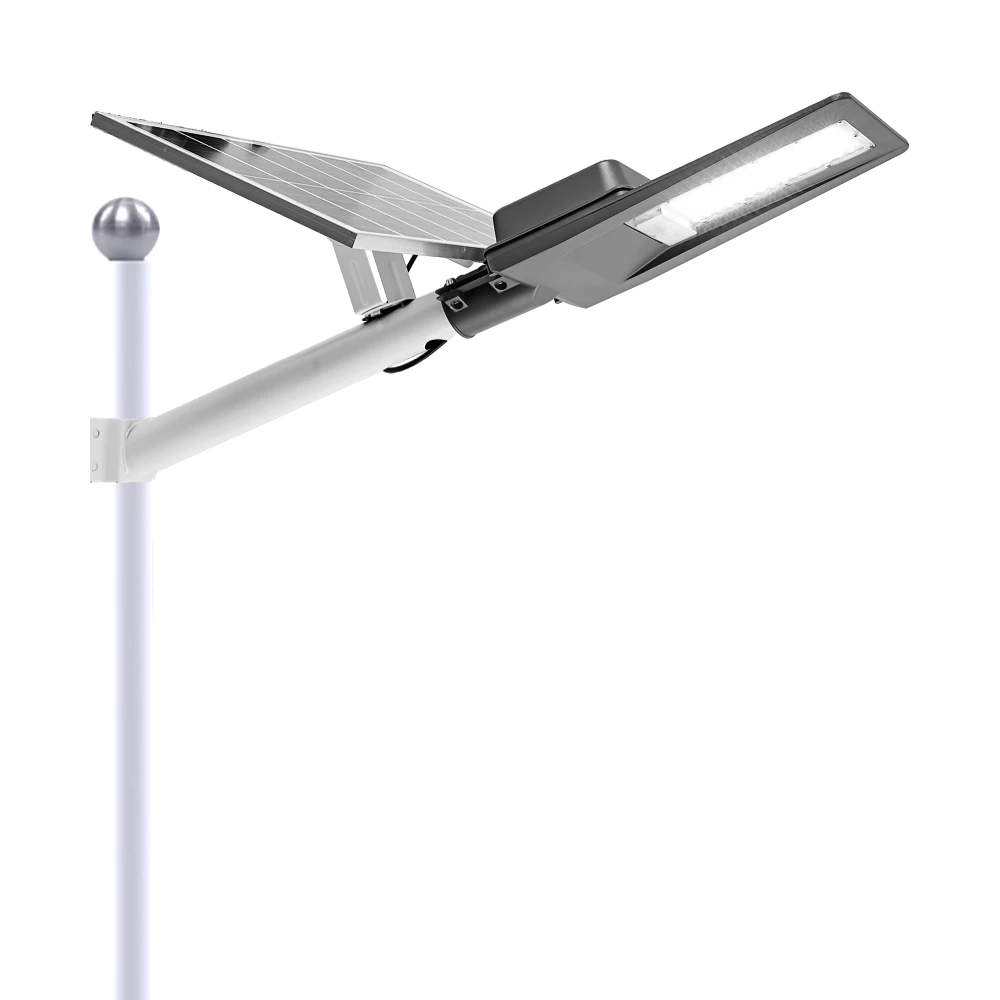
Experience reliable outdoor illumination with our smart solar street light, a perfect combination of advanced technology and eco-conscious design.
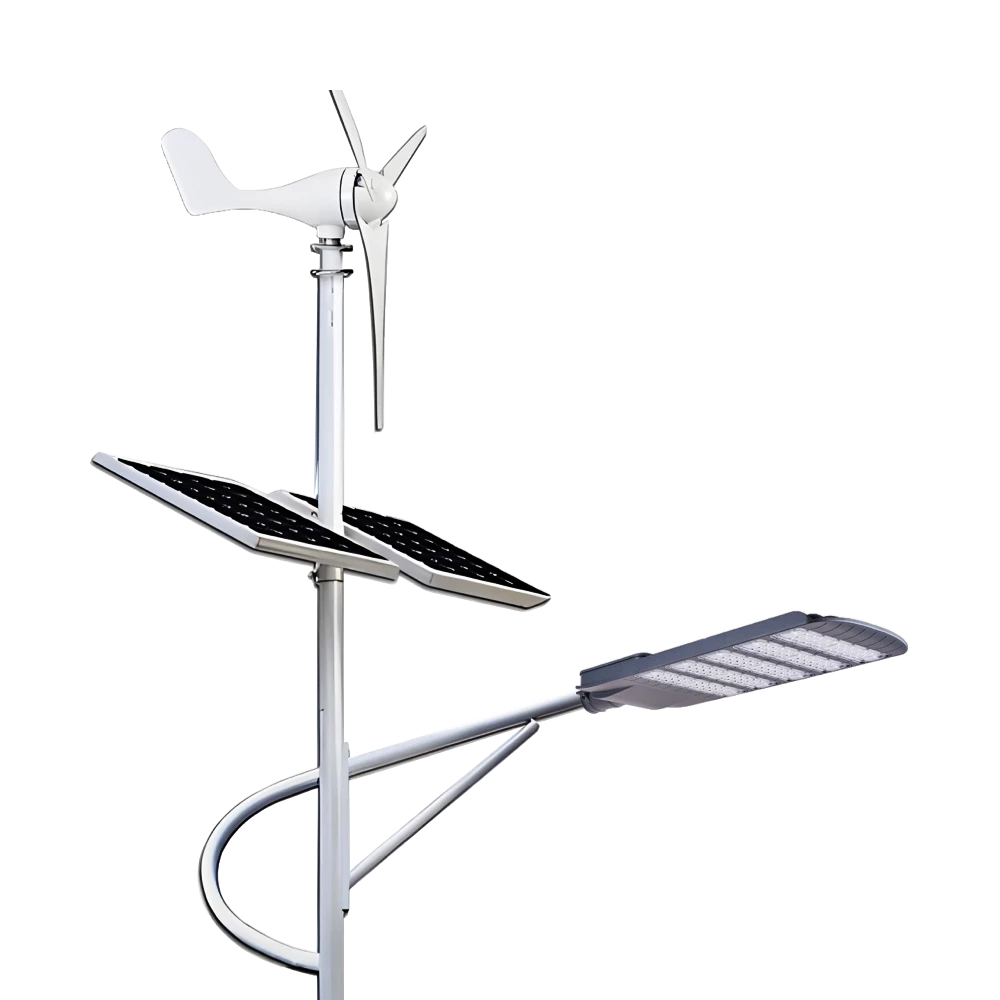
Queneng Lufeng Wind Energy LED Outdoor Solar Street Lights offer high-performance, eco-friendly illumination. These energy-efficient LED street lights harness solar power and wind energy for sustainable, cost-effective outdoor lighting solutions.
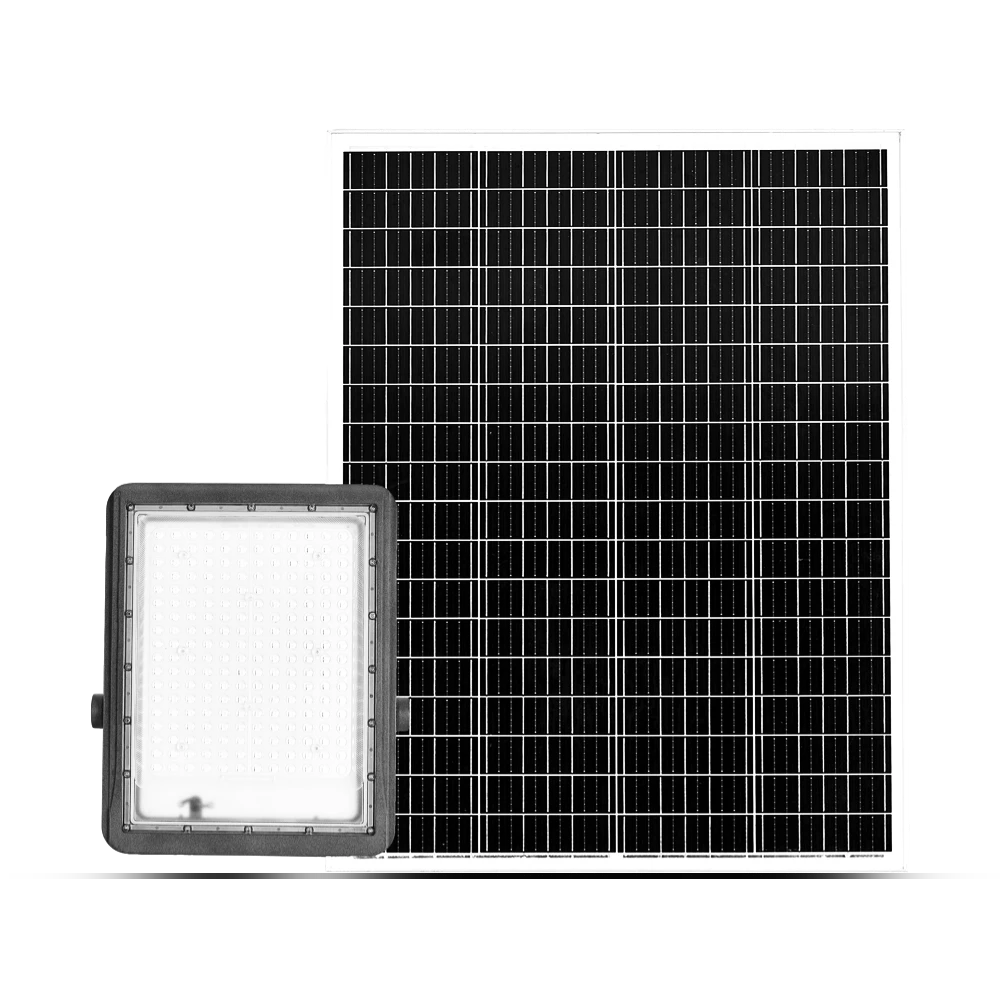
Queneng's Luxian Reliable Solar Street Light offers energy-saving LED lighting for outdoor use. This durable, solar-powered street light provides reliable illumination, reducing energy costs and environmental impact. A perfect solution for sustainable outdoor lighting.
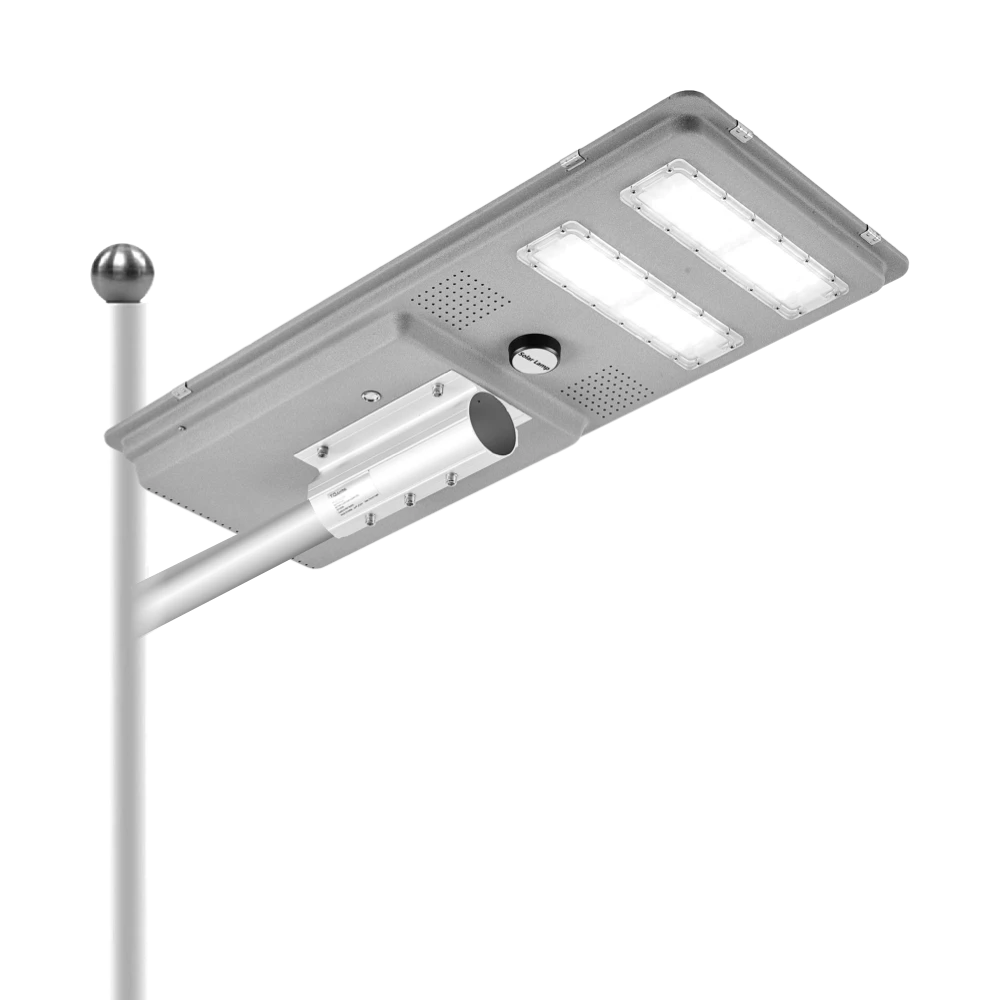
Queneng’s Solar Street Lights are designed to provide reliable, energy-efficient lighting for streets, parks, and other outdoor spaces.
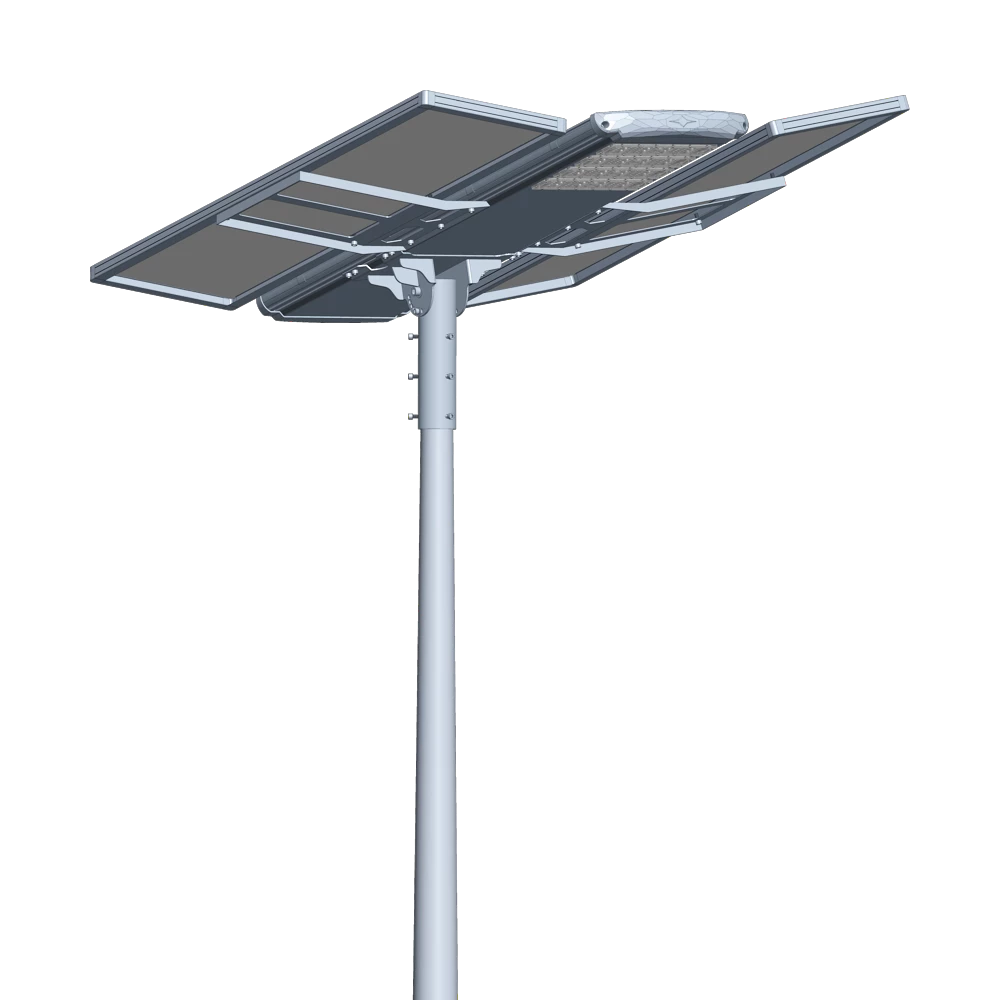
Introducing the Luqing Solar Street Light by Queneng, Efficient LED lighting powered by solar energy is perfect for illuminating outdoor areas. Harness the power of solar energy for sustainable, reliable street lighting. Ideal for eco-friendly, cost-effective outdoor illumination solutions.
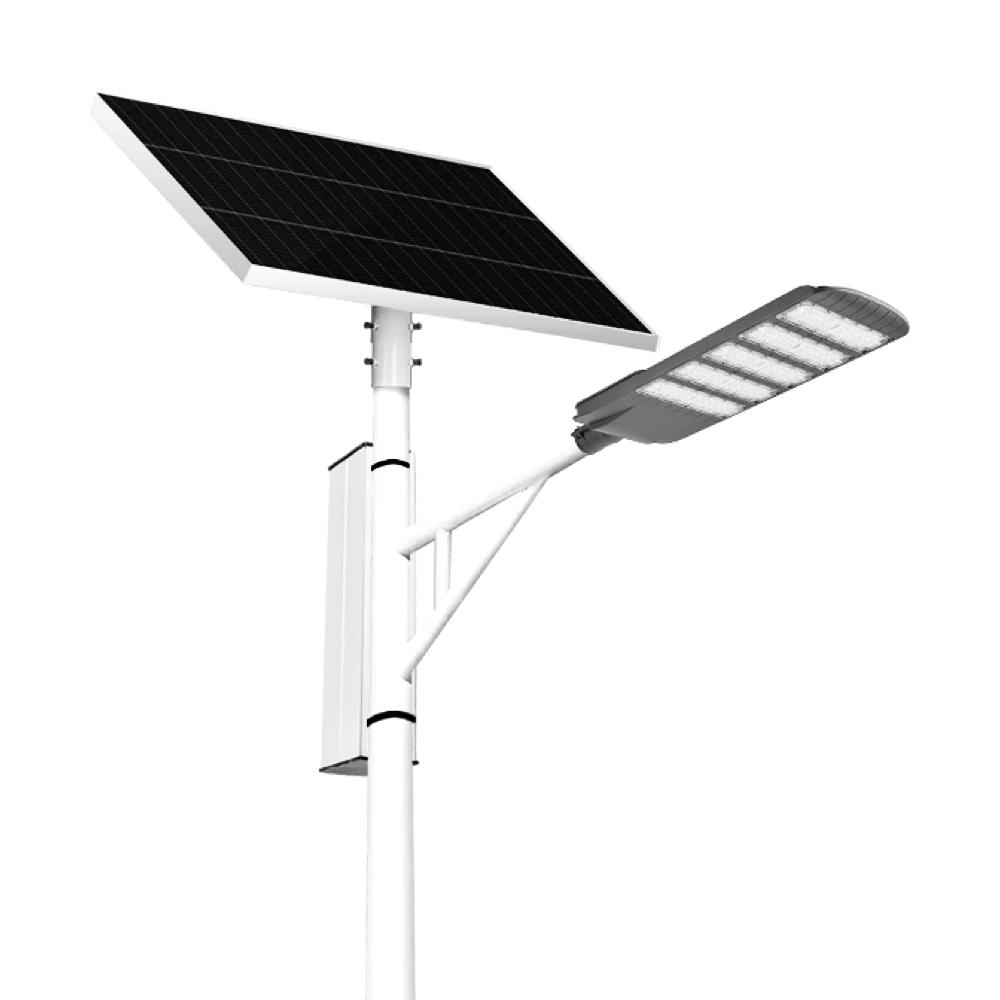
The Solar Streetlights of Luhao for Municipalities are designed to deliver reliable, energy-efficient, and cost-effective public lighting solutions. Equipped with advanced LED technology, durable lithium batteries, and high-efficiency solar panels, these streetlights provide consistent illumination for roads, parks, residential areas, and government projects.
Our professional team is ready to answer any questions and provide personalized support for your project.
You can reach us via phone or email to learn more about Queneng’s solar lighting solutions. We look forward to working with you to promote clean energy solutions!
Rest assured that your privacy is important to us, and all information provided will be handled with the utmost confidentiality.
By clicking 'Send Inquiry Now' I agree to Queneng processing my personal data.
To see how to withdraw your consent, how to control your personal data and how we process it, please see our Privacy Policy and Terms of use.
Schedule a Meeting
Book a date and time that is convenient for you and conduct the session in advance.
Have more questions about our products or services?
The messenger of light & power conversion
Environmental protection and intelligent manufacturing are our brand philosophy, and quality assurance and the best user experience are our eternal promises to users.
CONTACT
No.9F, Building F, Cao San Xin Tian Hong Logistics Park, Guzhen Town, Zhongshan City, Guangdong Province, China.
or write [email protected]
WhatsApp: +86 136 2270 1011


