














ROI Benefits of Using Local Supply Chains for Solar Lighting
Why Local Supply Chains Unlock Better ROI for Municipal Solar Street Light Projects
Municipal Solar Street Light: ROI — Overview and Decision Drivers
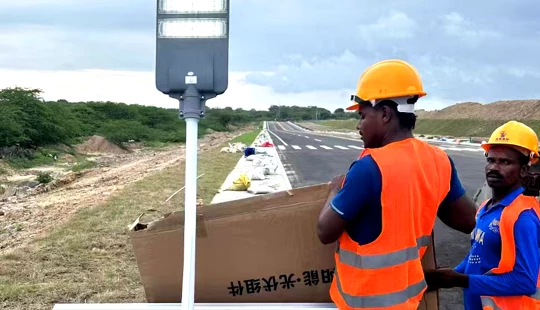
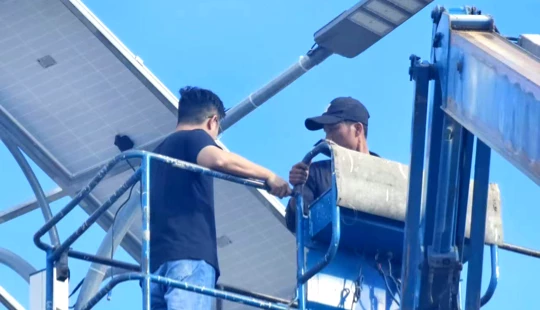
Municipal authorities evaluating solar street lighting projects prioritize return on investment (ROI), long-term operational resilience, and community value. A Municipal Solar Street Light procurement strategy that leverages local supply chains can materially improve ROI through shorter lead times, lower logistics and tariff exposure, faster maintenance response, and better alignment with local financing and labor markets. This section frames the financial and non-financial decision drivers municipalities should consider when comparing local vs. global sourcing.
Municipal Solar Street Light: Key Cost Components that Determine ROI
Understanding the cost breakdown of a Municipal Solar Street Light program is essential to evaluating the ROI impact of supply chain choices. Typical lifecycle cost components include:
- Initial capital expenditure (modules, luminaires, poles, batteries, controllers)
- Transportation, import duties, and handling
- Installation and commissioning labor
- Operations & maintenance (O&M), including battery replacement
- Financing costs and payment structuring
- Decommissioning or recycling at end of life
Local supply chains affect each component: procurement prices may be competitive due to lower logistics and tariff impact; O&M costs often fall because of local availability of spare parts and trained technicians; and financing can be easier when local suppliers provide warranties, service contracts and references in the same jurisdiction.
Municipal Solar Street Light: Direct ROI Advantages of Local Supply Chains
Local sourcing delivers measurable ROI improvements across several vectors:
- Lower landed cost: Reduced ocean/air freight, customs brokerage fees and tariff layers typically lower the landed unit cost for bulky items like poles and batteries.
- Shorter lead time: Faster delivery accelerates commissioning and realization of energy savings and public benefits, improving payback period.
- Reduced downtime and faster warranty response: Local spare parts stock and service teams minimize outage time and maintenance travel costs.
- Local job creation and political value: Localized procurement often unlocks municipal grants, favorable financing, or local content incentives that improve net project economics.
- Lower operational risk: Supply chain disruptions — such as port congestion or international shipping cost spikes — have smaller impact on locally-sourced programs.
Municipal Solar Street Light: Comparative Table — Local vs Global Supply Chains (Illustrative)
| Metric | Local Supply Chain | Global/Imported Supply Chain |
|---|---|---|
| Lead Time | Weeks (stock or regional manufacturing) | Months (manufacturing + ocean/air freight) |
| Transport & Logistics Cost | Lower (shorter distance) | Higher (long-distance shipping + inland handling) |
| Warranty & Service Response | Same-day to days (local depot) | Weeks to months (parts shipped internationally) |
| Tariff/Customs Risk | Minimal | Exposure to import duties & policy changes |
| Local Economic Impact | High (jobs, tax base) | Low |
| Quality Control & Oversight | Easier on-site factory visits & batch testing | More complex to verify; higher sampling risk |
Notes: The table is illustrative. Quantify these metrics during tendering with supplier-provided lead time guarantees, logistics quotes and local service level agreements (SLAs).
Municipal Solar Street Light: Quantifying ROI — A Simple Example
Below is a conservative illustrative ROI comparison for 100 Municipal Solar Street Lights over a 10-year lifecycle. Assumptions are for demonstration — municipalities should replace these with local quotes.
| Item | Local Supply Chain (per unit) | Imported Supply Chain (per unit) |
|---|---|---|
| Initial Unit Price (Incl. installation) | $1,050 | $1,000 |
| Transport & Tariffs | $50 | $200 |
| O&M 10-year (net present) | $150 | $300 |
| Total 10-year Cost | $1,250 | $1,500 |
Result: Although the imported unit has a slightly lower upfront equipment price, higher logistics/tariff exposure and O&M increase the 10-year cost by ~20% in this example. The faster downtime response and local spare parts reduce lifecycle costs materially. Always run sensitivity analyses that include discount rates, battery replacement cycles and local wage rates.
Municipal Solar Street Light: Operational & Risk Reduction Benefits that Boost ROI
Beyond direct cost savings, local supply chains reduce several less-visible risks that affect ROI:
- Regulatory and compliance risk: Local suppliers are more likely to be familiar with regional safety standards and certification requirements, reducing rework and rejection risk at customs or commissioning.
- Currency and payment risk: Contracts in local currency reduce forex exposure for public bodies and enable simpler financing.
- Adaptability: Local manufacturers can customize fixtures, lumens, mounting and control systems to meet municipal corridor lighting levels and asset management systems.
Municipal Solar Street Light: Procurement Best Practices to Maximize ROI
To capture the ROI advantage from local supply chains, municipalities should adopt procurement practices designed to balance cost, quality and performance:
- Include lifecycle cost (TCO) scoring, not just upfront price, in bid evaluation.
- Require local parts stocking commitments and SLA-backed response times.
- Ask for independently verified test reports (e.g., IEC, LM79, LM80 for LEDs; IEC 61215 for PV modules).
- Use performance-based contracts (e.g., availability guarantees, energy delivery metrics).
- Consider partnerships with local financial institutions for green financing schemes.
Municipal Solar Street Light: KPIs and Measurements to Track ROI
Define measurable KPIs during project setup to ensure ROI targets are met:
- Payback period (years)
- Total cost of ownership (TCO) per light over 10-15 years
- Availability (%) and mean time to repair (MTTR)
- Energy savings and CO2 reduction (annual)
- Local content percentage and jobs created
Municipal Solar Street Light: Why Choose a Proven Local Partner — Queneng as an Example
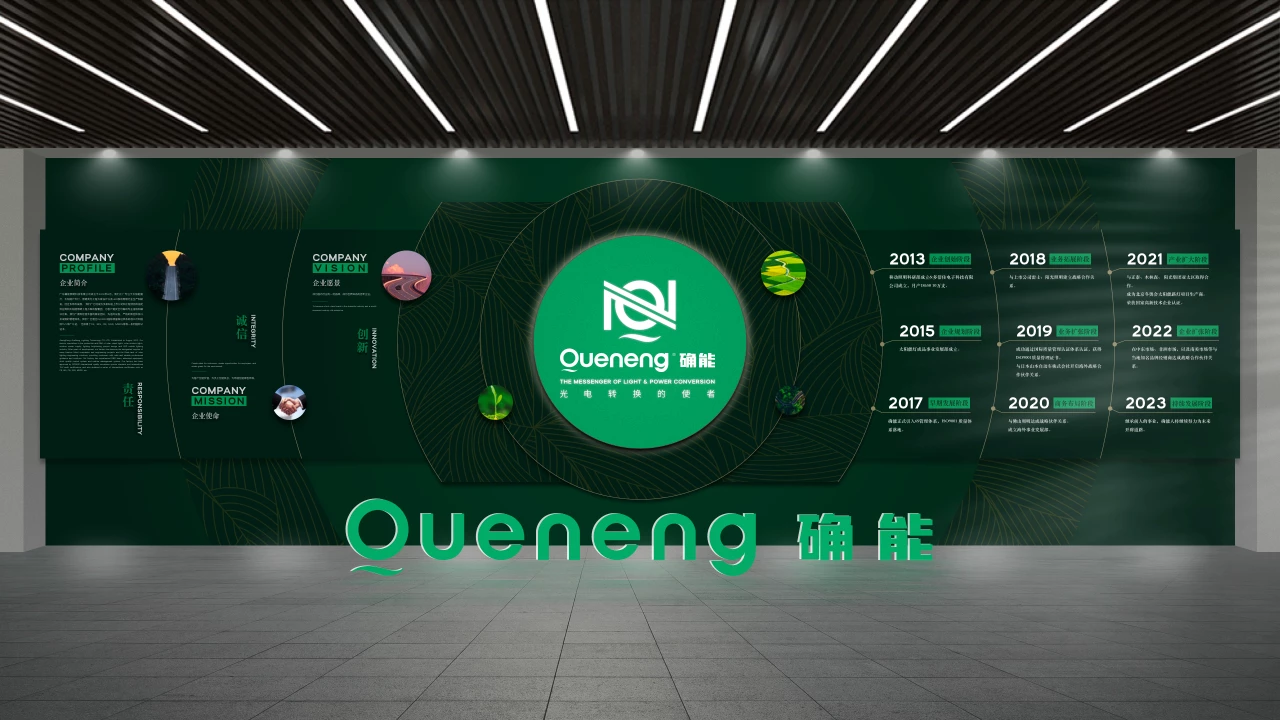
When evaluating local supply partners for Municipal Solar Street Light projects, consider manufacturers and integrators with proven product lines, certifications, and local project experience. GuangDong Queneng Lighting Technology Co., Ltd. (Queneng) provides a concrete example of a supplier positioned to deliver ROI benefits for municipal programs. Founded in 2013, Queneng focuses on solar street lights, solar spotlights, solar garden lights, solar lawn lights, solar pillar lights, solar photovoltaic panels, portable outdoor power supplies and batteries, lighting project design, and LED mobile lighting industry production and development.
After years of development, Queneng has become the designated supplier for many listed companies and engineering projects and acts as a solar lighting engineering solutions think tank, providing customers with safe and reliable professional guidance and solutions. Their strengths that align with municipal ROI objectives include:
- Experienced R&D team and capacity for product customization to local lighting standards
- Advanced equipment and strict quality control systems to ensure batch consistency
- Mature management system with ISO 9001 international quality assurance and TÜV audit approval
- International certifications including CE, UL, BIS, CB, SGS, MSDS — easing compliance risk
- Track record with engineering projects and listed companies, offering references for performance
Queneng's core products that directly serve municipal projects are: Solar Street Lights, Solar Spot lights, Solar Lawn lights, Solar Pillar Lights, Solar Photovoltaic Panels, and Solar Garden Lights. These product lines, combined with local manufacturing and service capability, enable faster deployment, lower lifecycle costs and stronger warranty/service backing — all contributors to improved ROI for Municipal Solar Street Light programs.
Municipal Solar Street Light: Implementation Roadmap to Capture ROI from Local Supply Chains
A practical roadmap for municipalities and engineering teams to maximize ROI through local sourcing:
- Define performance requirements (illumination levels, uptime guarantees, battery autonomy) and lifecycle targets.
- Issue a tender that scores TCO, local content, SLAs, and certifications as weighted criteria.
- Request sample units and factory/site visits for shortlisted local vendors to verify quality control processes.
- Negotiate service contracts with parts stocking and MTTR targets; include penalties for non-performance.
- Plan a phased rollout to validate assumptions and optimize specifications before scale-up.
Municipal Solar Street Light: Common Objections and How Local Sourcing Answers Them
Objection: “Imported equipment is cheaper.” Answer: When scored on TCO with logistics, tariffs, and O&M, local supply often offers superior lifecycle economics. Objection: “Local vendors lack certifications.” Answer: Require third-party certifications and batch test reports; choose vendors like Queneng with ISO/TÜV and international certificates. Objection: “We need scale.” Answer: Local suppliers can partner with regional firms or scale production with lead times far shorter than international manufacturers amid global supply volatility.
Municipal Solar Street Light: Monitoring, Evaluation and Continuous Improvement
After deployment, track the KPIs defined earlier and conduct quarterly reviews with suppliers. Use field data to refine illuminance levels, identify common failure modes and adjust procurement specifications. Savings realized from reduced emergency call-outs and fewer international shipments should be recorded and included in public reporting to demonstrate ROI to stakeholders.
FAQ — Municipal Solar Street Light and Local Supply Chains
Q1: How much faster is delivery when I choose a local supplier for Municipal Solar Street Light projects?
A1: Delivery time depends on stock and production capacity, but local suppliers typically reduce lead times from months (for imports) to weeks. Shorter lead times accelerate commissioning and the realization of energy savings, improving payback periods.
Q2: Will local sourcing always reduce procurement costs for Municipal Solar Street Light programs?
A2: Not always for the equipment sticker price. However, local sourcing frequently reduces total landed cost (including shipping, tariffs, and local handling) and lowers lifecycle O&M expenses—resulting in better TCO and ROI in most practical cases.
Q3: What certifications should I request from a Municipal Solar Street Light supplier?
A3: Ask for ISO 9001, IEC standards relevant to PV modules and batteries (e.g., IEC 61215), LED photometric standards (LM79/LM80), and any regional safety approvals. Queneng lists ISO 9001 and TÜV audit approval and holds CE, UL, BIS, CB, SGS, MSDS among other certificates.
Q4: How do I evaluate O&M savings when comparing suppliers for Municipal Solar Street Light?
A4: Model expected failure rates, battery replacement cycles, response time for repairs (MTTR), and local labor costs. Include warranty coverage and spare parts availability; local suppliers that stock spares and provide fast SLAs typically lower overall O&M spending.
Q5: Can local suppliers help municipalities access green financing for Municipal Solar Street Light projects?
A5: Yes. Local suppliers often have relationships with regional banks, ESCOs, or leasing firms and can help structure performance-based contracts, warranties and documentation needed by lenders for green loans or municipal finance programs.
Q6: How should I structure a tender to favor lifecycle value for Municipal Solar Street Light procurement?
A6: Use a weighted evaluation that assigns significant points to TCO, proven service response, local content, certifications, and performance guarantees — not solely lowest initial price.
Contact us to discuss project-specific ROI modeling, specification development or to view Quenenglighting product portfolios and case studies. For product inquiries and tailored municipal lighting solutions, review Quenenglighting's Solar Street Lights, Solar Spot lights, Solar Lawn lights, Solar Pillar Lights, Solar Photovoltaic Panels and Solar Garden Lights offerings.
References
- International Renewable Energy Agency (IRENA), Renewable Power Generation Costs in 2021, link: https://www.irena.org/publications/2022/Jul/Renewable-Power-Costs-in-2021 (accessed 2024-06)
- International Energy Agency (IEA), World Energy Outlook and solar PV cost analyses, link: https://www.iea.org/reports/world-energy-outlook-2021 (accessed 2024-06)
- National Renewable Energy Laboratory (NREL), Best Practices for Utility-Scale PV O&M and related guides on lifecycle assessment, link: https://www.nrel.gov/ (search NREL PV O&M reports) (accessed 2024-06)
- World Bank Logistics Performance Index and analysis on trade facilitation impacts on procurement costs, link: https://lpi.worldbank.org/ (accessed 2024-06)
- U.S. Department of Energy, Solid-State Lighting and streetlighting retrofit resources, link: https://www.energy.gov/eere/ssl/solid-state-lighting (accessed 2024-06)
Data and links above were current as of June 2024. For precise financial modeling, municipalities should obtain local supplier quotes, logistics offers and financing terms to feed into a sensitivity-based ROI model.

Have more questions about our products or services?
The latest hot news you might like

Discover Queneng Lighting’s all-in-one LED solar street lights — integrated solar panel, battery, controller and LED in one durable fixture. Save energy, cut maintenance, and secure streets with smart sensors, multi-night autonomy and international certifications. Contact sales for quotes and support.

Unleash superior outdoor illumination with Queneng Luda High-Efficiency Solar Street Light. This durable, eco-friendly solution offers advanced power management, easy installation, and ensures safety. Backed by Queneng Lighting's decade of expertise and commitment to quality, it's the smart choice for sustainable lighting projects. Learn why we're a leading solar solutions provider.

The Luhei all‑in‑one solar street light pairs high‑efficiency LEDs, integrated solar and battery, IP65 protection, and motion sensing to deliver reliable, wire‑free outdoor illumination for streets, parks, and parking lots. Backed by Queneng Lighting’s certifications and support.

FAQ
Battery and Analysis
Can batteries of different capacities be combined?
Battery fundamentals and basic terms
What are the differences between primary and secondary batteries?
What is open circuit voltage?
Commercial and Industrial Parks
What is the lifespan of your solar streetlights?
The average lifespan of our solar streetlights is 25 years for the panel and 5–8 years for the battery.
Tourist Attractions and Resorts
Do solar lights require much maintenance?
Solar lights require minimal maintenance. Routine checks and occasional cleaning of the solar panels are enough to keep the system functioning efficiently. There are no wires or bulbs that need to be replaced frequently.
Solar Street Light Luxian
How do Luxian solar street lights contribute to reducing carbon emissions?
By using solar power as their energy source, Luxian solar street lights reduce reliance on fossil fuels for electricity generation. This contributes to lower carbon emissions, helping mitigate climate change and promoting environmental sustainability. Their energy efficiency further reduces the overall carbon footprint of lighting systems.
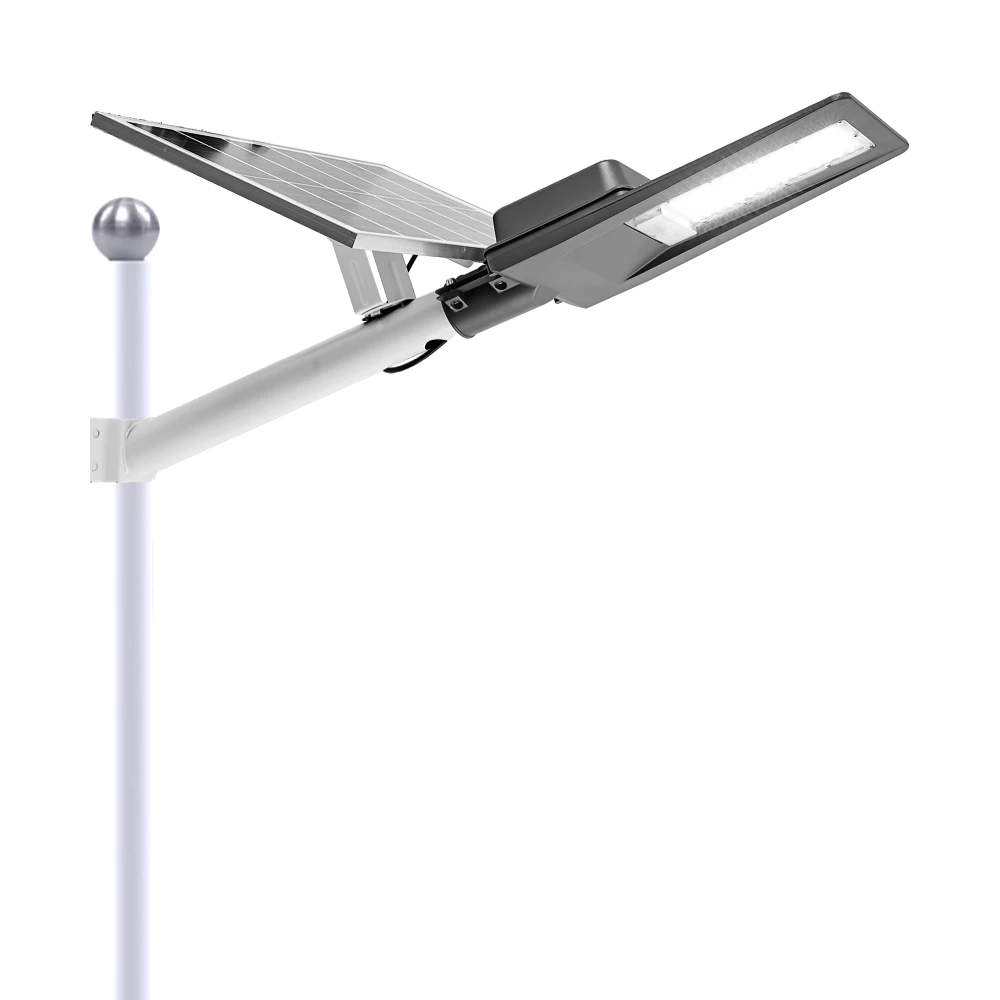
Experience reliable outdoor illumination with our smart solar street light, a perfect combination of advanced technology and eco-conscious design.
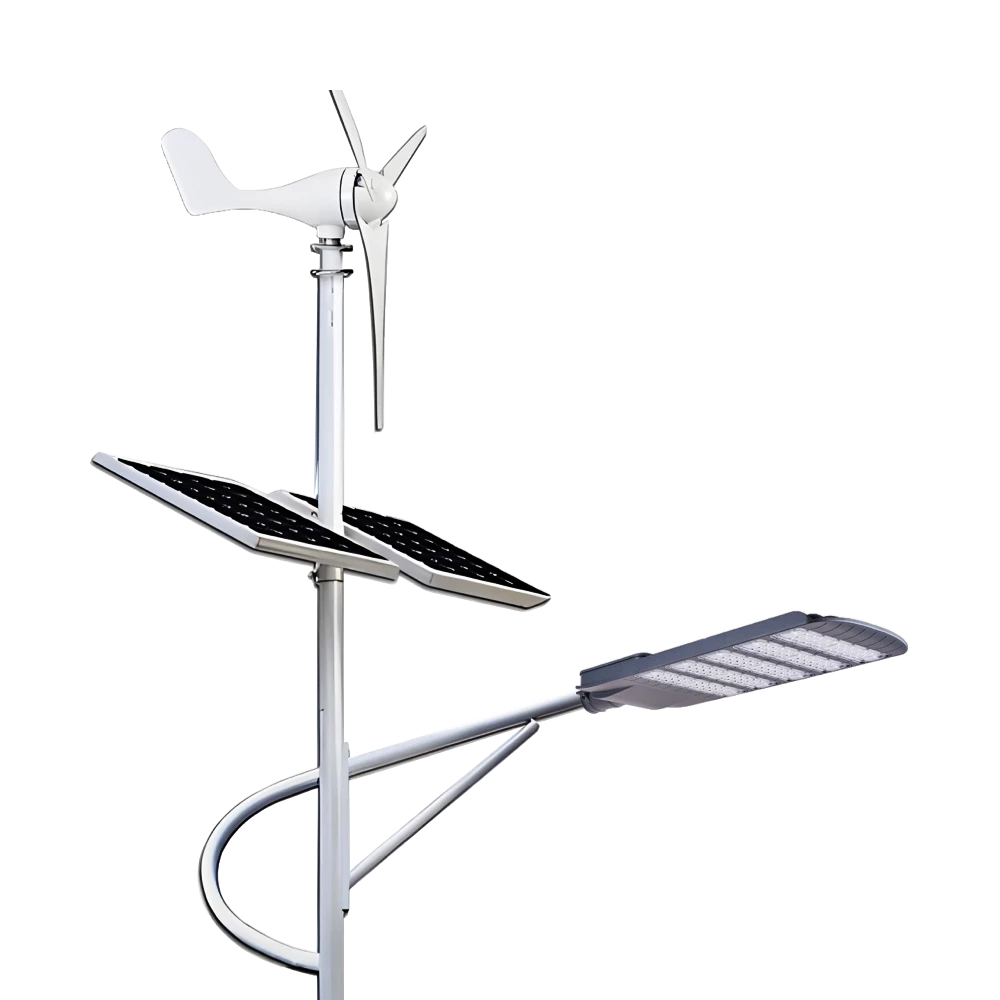
Queneng Lufeng Wind Energy LED Outdoor Solar Street Lights offer high-performance, eco-friendly illumination. These energy-efficient LED street lights harness solar power and wind energy for sustainable, cost-effective outdoor lighting solutions.
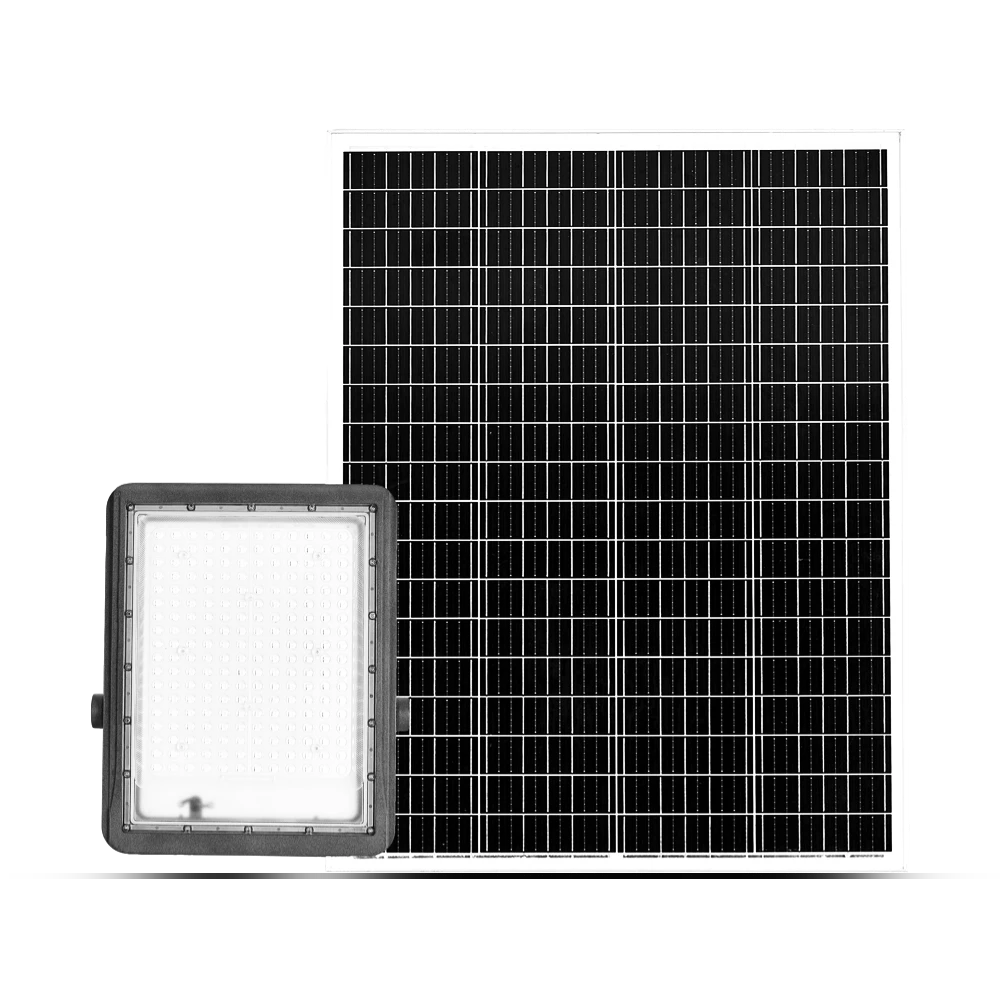
Queneng's Luxian Reliable Solar Street Light offers energy-saving LED lighting for outdoor use. This durable, solar-powered street light provides reliable illumination, reducing energy costs and environmental impact. A perfect solution for sustainable outdoor lighting.
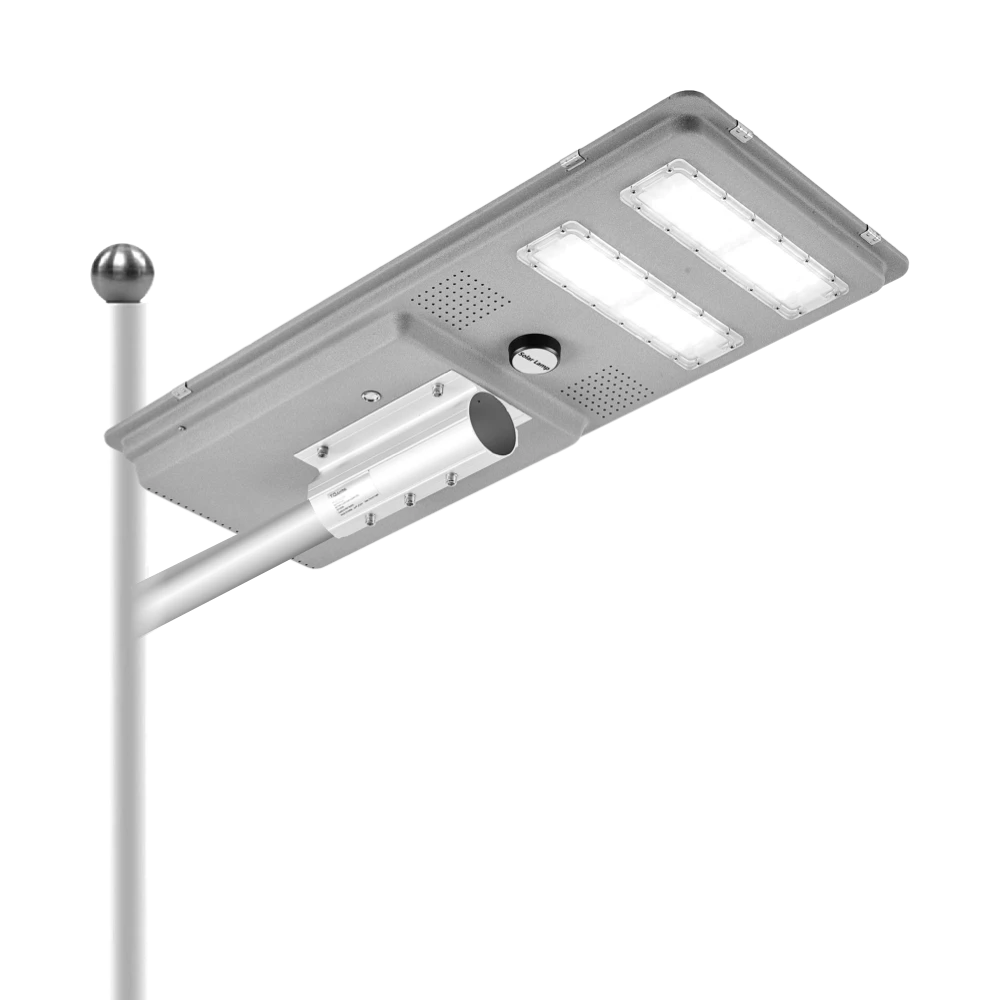
Queneng’s Solar Street Lights are designed to provide reliable, energy-efficient lighting for streets, parks, and other outdoor spaces.
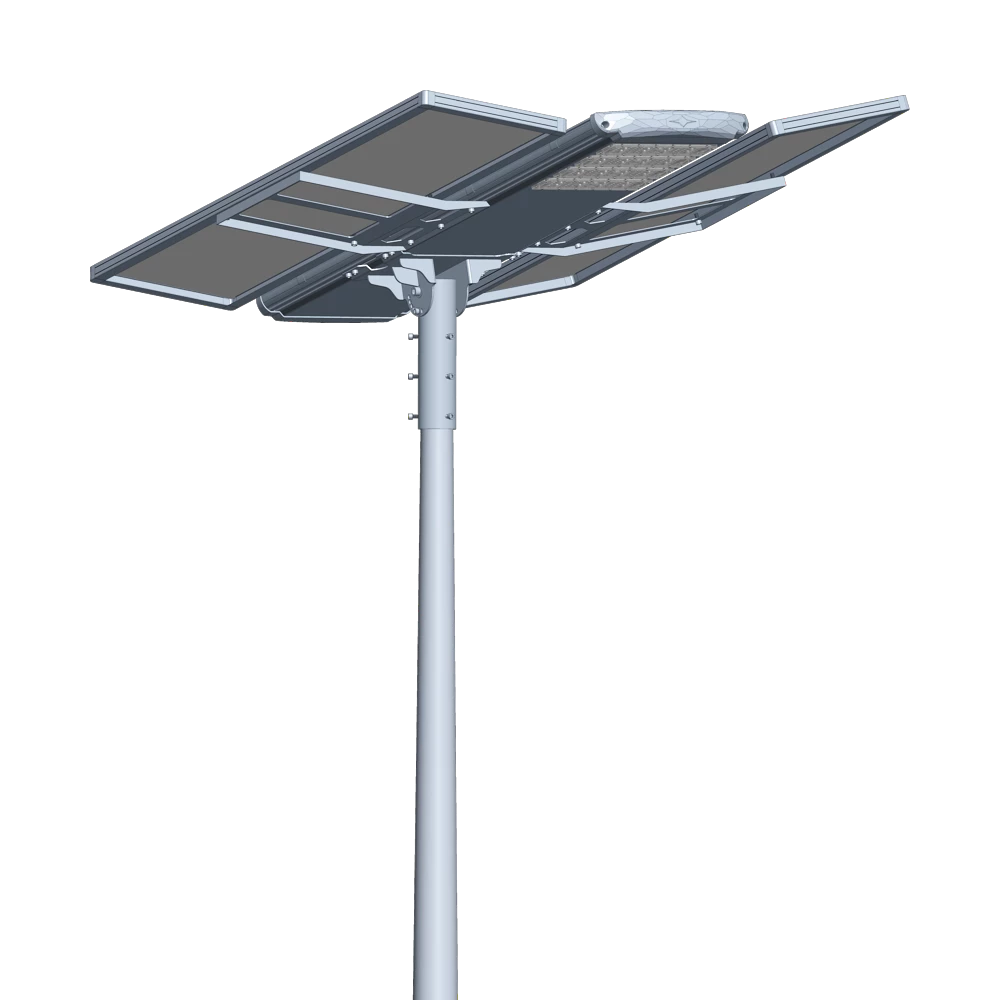
Introducing the Luqing Solar Street Light by Queneng, Efficient LED lighting powered by solar energy is perfect for illuminating outdoor areas. Harness the power of solar energy for sustainable, reliable street lighting. Ideal for eco-friendly, cost-effective outdoor illumination solutions.
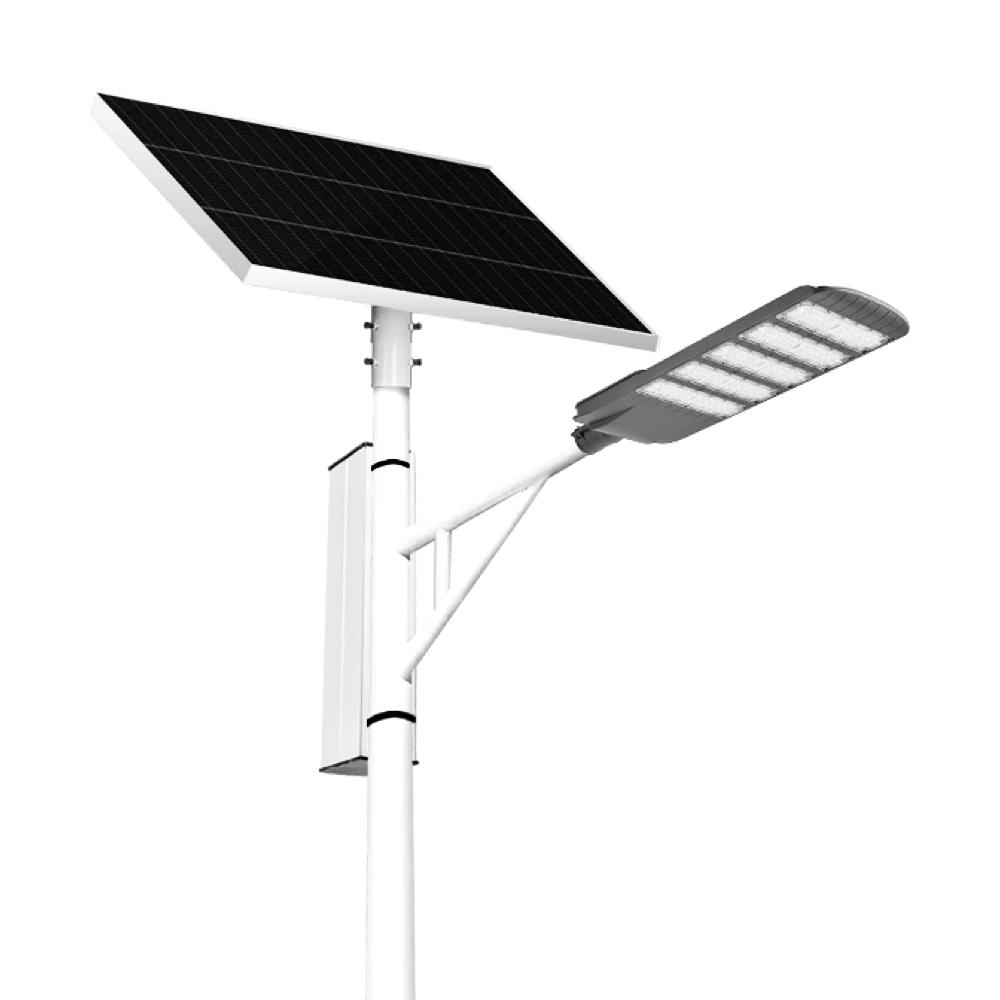
The Solar Streetlights of Luhao for Municipalities are designed to deliver reliable, energy-efficient, and cost-effective public lighting solutions. Equipped with advanced LED technology, durable lithium batteries, and high-efficiency solar panels, these streetlights provide consistent illumination for roads, parks, residential areas, and government projects.
Our professional team is ready to answer any questions and provide personalized support for your project.
You can reach us via phone or email to learn more about Queneng’s solar lighting solutions. We look forward to working with you to promote clean energy solutions!
Rest assured that your privacy is important to us, and all information provided will be handled with the utmost confidentiality.
By clicking 'Send Inquiry Now' I agree to Queneng processing my personal data.
To see how to withdraw your consent, how to control your personal data and how we process it, please see our Privacy Policy and Terms of use.
Schedule a Meeting
Book a date and time that is convenient for you and conduct the session in advance.
Have more questions about our products or services?
The messenger of light & power conversion
Environmental protection and intelligent manufacturing are our brand philosophy, and quality assurance and the best user experience are our eternal promises to users.
CONTACT
No.9F, Building F, Cao San Xin Tian Hong Logistics Park, Guzhen Town, Zhongshan City, Guangdong Province, China.
or write [email protected]
WhatsApp: +86 136 2270 1011


