













ROI-focused guide for solar-powered lighting budget planning
How to Maximize ROI on Solar Street Lighting Projects
Why choose a Municipal Solar Street Light solution?
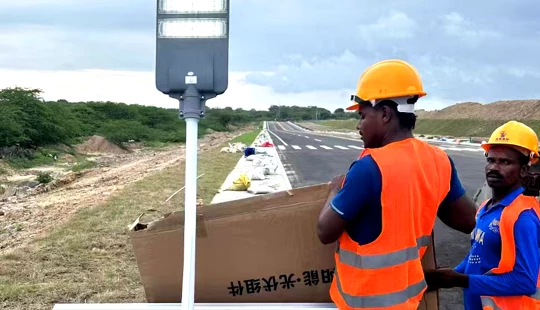
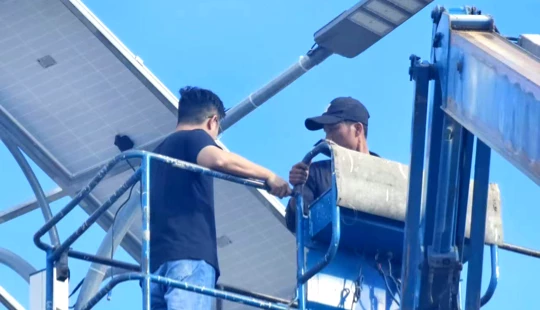
Municipal Solar Street Light systems combine photovoltaic panels, batteries, LED luminaires and intelligent controls to provide off-grid or hybrid street lighting. For cities and municipalities, they offer resilience, lower operating costs, faster deployment, and reduced carbon emissions compared with many grid-dependent alternatives. Using 'Municipal Solar Street Light' systems strategically turns a recurring operating expense (electricity and maintenance) into a capital investment with measurable lifecycle savings and social benefits such as improved safety, reduced outages, and visible sustainability commitments.
Core ROI drivers for a Municipal Solar Street Light project
To plan a budget with ROI in mind, you must separate and quantify the variables that drive value. The main drivers are:
- Capital expenditure (CapEx): modules, batteries, LED luminaire, controller, mounting, civil work, and installation labor.
- Operating expenditure (OpEx): maintenance, cleaning, battery replacements, and occasional component failures.
- Energy displacement: avoided grid electricity costs and demand charges when replacing grid-powered lights.
- System uptime & performance: higher reliability reduces public complaints and indirect costs (e.g., accident risk).
- Financing & incentives: grants, concessional loans, or energy performance contracts materially affect payback.
Quantifying each driver and converting them into a common financial metric (Net Present Value, Payback Period, or Levelized Cost of Light) is the first step toward a defensible budget.
Typical cost components and expected lifetimes for Municipal Solar Street Light
Understanding realistic unit lifetimes is critical to ROI modeling:
- Solar PV module: 20–25 years (performance warranty ~80% at 25 years).
- LED luminaire: 50,000–100,000 hours (typically 10–20 years depending on duty cycle and environment).
- Batteries: 3–8 years for lead-acid; 5–10+ years for LiFePO4 depending on cycles and depth-of-discharge.
- Controller and electronics: 7–15 years depending on quality and environmental protection.
These lifetimes influence replacement schedules and lifecycle cost modeling. For municipal procurement, insist on clear performance warranties and on-site commissioning records.
Practical payback model and sample comparison
Below is a conservative example that municipalities can adapt. Assumptions are explicit so you can see which variables change the ROI.
| Item (per pole) | Conventional Grid LED Street Light | Municipal Solar Street Light (off-grid) |
|---|---|---|
| Installed CapEx | $350 (LED luminaire + wiring + pole) | $1,400 (panel $200 + battery $400 + luminaire $300 + pole & controller & install $500) |
| Average energy usage | 40 W LED x 12 h/day = 0.48 kWh/day | 0 kWh grid cost (solar generation supplies) |
| Electricity cost | $0.15/kWh (municipal tariff) | $0.00/kWh |
| Annual energy cost | 0.48 kWh/day x 365 x $0.15 = $26/year | $0/year |
| Maintenance & replacements (10-yr) | $150 total (lamp replacement, cleaning) | $600 (battery replacement at year 5 + periodic checks) |
| Estimated 10-year total cost (CapEx + OpEx) | $350 + $26x10 + $150 = $810 | $1,400 + $0x10 + $600 = $2,000 |
| Simple payback vs grid | Baseline | Payback depends on avoided energy & grid expansion costs; in this model extra CapEx is not paid back purely by energy savings (simple arithmetic shows >10 years) |
Notes: this illustrative table highlights that for low-consumption LED fixtures and low grid tariffs, pure energy cost savings alone may not justify the incremental CapEx of off-grid solar in every location. However, Municipal Solar Street Light projects often deliver additional value streams that shorten payback:
- Grid extension avoidance: in remote or newly developing areas, avoiding trenching and feeders saves substantial CapEx per pole (often $2,000–$10,000 per km depending on terrain).
- Resilience and outage reduction: no monthly electricity bills and immunity to local outages.
- Reduced operation overhead: decentralized systems can be faster to deploy and easier to scale.
- Available grants or green finance that reduces effective CapEx.
How to run a project-level ROI calculation (step-by-step)
- Define scope: number of poles, lumen requirements, night-time operation hours, mounting heights, and target uniformity and lux levels.
- Collect local data: municipal electricity tariffs, diesel generator costs (if any), labor rates, vandalism risk, solar irradiance (kWh/m2/day), and regulatory incentives.
- Component sizing: choose LED lumen package, PV panel wattage (using local irradiance), battery capacity (days of autonomy), and charge controller/specs. Use conservative derating factors (module derate 0.75–0.85 to account for soiling and temperature).
- CapEx and OpEx line items: equipment, civil work, installation, warranty, projected battery replacements, cleaning schedule and labor.
- Compute cashflows: include any grants, tax credits, or subsidized financing. Discount future costs at a municipal discount rate (commonly 4%–8%).
- Key outputs: payback period, Net Present Value (NPV), Internal Rate of Return (IRR), and Levelized Cost of Light (LCOL) per delivered lumen-hour.
Municipal procurement should require suppliers to provide standardized output such as expected annual uptime, L90 or L70 lumen maintenance curves, battery cycle life tests, and a bill-of-materials to allow fair comparison.
Procurement and technical evaluation criteria for Municipal Solar Street Light
When evaluating quotes, score suppliers against technical, commercial, and service criteria. Typical weighted criteria include:
- Component quality & certifications (PV IEC 61215, batteries UN38.3 shipping & manufacturer specs, LED LM-80/ISTMT reports)
- System performance guarantees (minimum daily autonomy, ≥95% uptime, power management strategy)
- Warranty terms (panels 10–25 years, LEDs 5–10 years, batteries 2–8 years)
- Local support & spare-part availability
- Reference projects and financial stability of the supplier
Risk factors and how to mitigate them
Key risks include under-sizing, theft/vandalism, poor maintenance, inaccurate irradiance assumptions, and low-quality batteries. Mitigations:
- Use conservative PV sizing and specify LID/soiling factors and seasonal variances.
- Choose tamper-proof hardware design and consider community engagement to reduce theft.
- Specify battery management systems (BMS) and prefer high-cycle-life chemistries (e.g., LiFePO4) where budget allows.
- Include performance-based payment milestones (commissioning, 6-month performance validation).
Financing and funding options to improve ROI for Municipal Solar Street Light projects
Common mechanisms municipalities use to make solar street lighting financially attractive:
- Green bonds or municipal energy performance contracts where savings fund debt service.
- Grants from development banks, climate funds, or national programs that subsidize CapEx.
- Public-private partnerships (PPP) and concession models where an ESCO installs and maintains systems for a contracted term.
- Bulk procurement to reduce unit costs and standardize maintenance.
Metrics to monitor during operations
To protect ROI track these KPIs:
- System uptime (% of nights with required illumination)
- Battery state-of-health (SOH) and cycle counts
- Average daily energy generation & consumption
- Maintenance response times and cost per intervention
- Light output uniformity and lumen maintenance tests
Supplier highlight: Why choose Guangdong Queneng Lighting for Municipal Solar Street Light projects
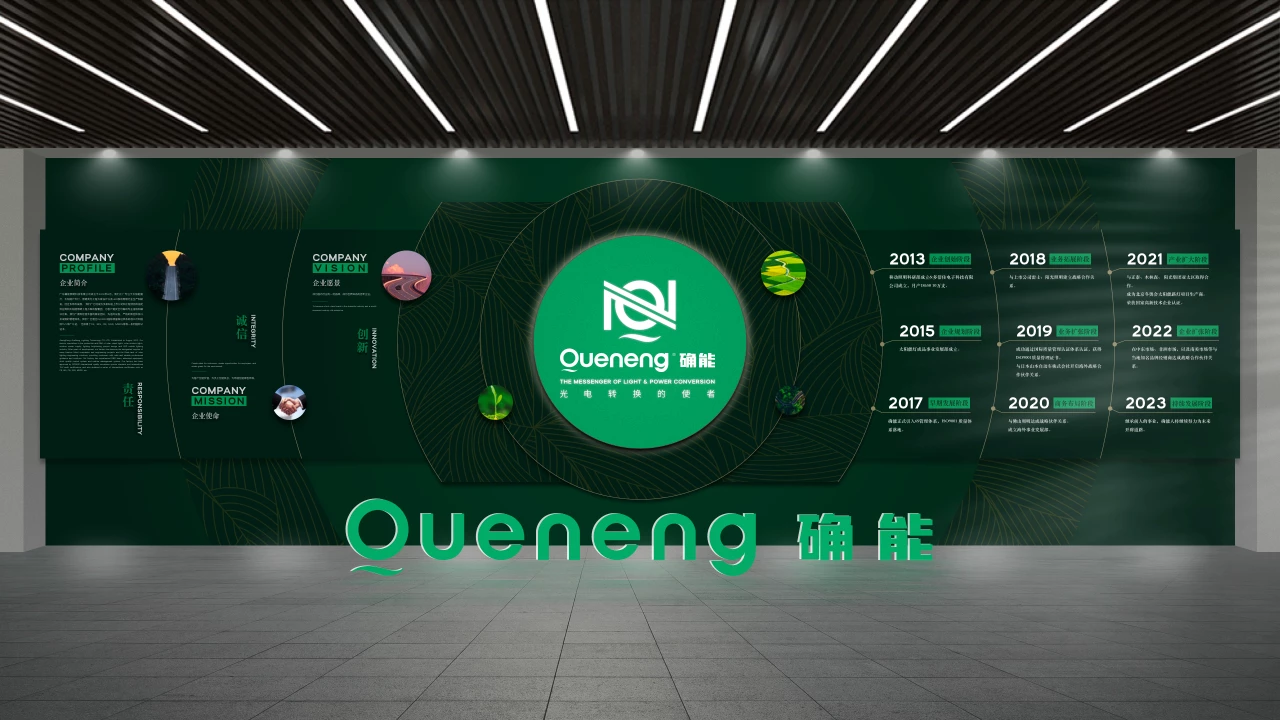
GuangDong Queneng Lighting Technology Co., Ltd. (founded in 2013) specializes in Municipal Solar Street Light systems as well as solar spotlights, solar garden lights, solar lawn lights, solar pillar lights, solar photovoltaic panels, portable outdoor power supplies and batteries, and LED mobile lighting. With years of experience Queneng has become a designated supplier for listed companies and major engineering projects and serves as a solar lighting engineering solutions think tank.
Competitive advantages and proof points:
- Experienced R&D team with project engineering capability and on-the-ground commissioning support.
- Advanced manufacturing equipment, strict quality control and ISO 9001 certified management systems.
- International certifications: TÜV audit, CE, UL, BIS, CB, SGS, MSDS, supporting cross-border procurement and compliance.
- Full product range that allows integrated procurement: Solar Street Lights, Solar Spot lights, Solar Lawn lights, Solar Pillar Lights, Solar Photovoltaic Panels, Solar Garden Lights.
- Track record in supplying engineering projects for large clients and public sector tenders, enabling reliable references and measurable performance history.
For municipalities evaluating suppliers, Queneng presents a package of product breadth, quality system certifications, and engineering services that simplify warranty management and lifecycle planning.
Checklist for a Municipality Tender for Solar Street Lighting
Include the following in RFPs to ensure ROI-oriented procurement:
- Clear lighting performance specs: target lux levels, uniformity, CCT, glare control.
- System sizing tables and minimum autonomy days (e.g., 3–5 days cloudy autonomy).
- Warranty and performance guarantees with liquidated damages for underperformance.
- Requirement for third-party test reports (LED LM-80, PV IEC 61215, battery cycle test).
- Maintenance plan and spare part supply timeframes.
- Commissioning & acceptance testing procedures and data logging requirements.
Conclusion: Balancing CapEx and long-term value
Municipal Solar Street Light projects deliver clear strategic and environmental advantages, but maximizing ROI requires disciplined budgeting, realistic sizing, procurement of certified components, and long-term maintenance planning. In locations with high grid costs, frequent outages, or expensive grid extension needs, solar solutions often show rapid payback. In dense urban areas with cheap grid electricity, focus on hybrid or smart-microgrid strategies and negotiate financing or guarantees to drive ROI.
FAQ — Municipal Solar Street Light
- Q: What is the typical payback period for a Municipal Solar Street Light?
A: Payback varies widely. In remote or off-grid contexts avoiding grid extension can yield paybacks of 2–7 years. In urban settings with low electricity prices, simple energy-only payback may exceed 10 years. Use a project-level NPV/IRR model that includes avoided grid CapEx and any grants for an accurate estimate.
- Q: How often do batteries need replacement?
A: Depends on chemistry and cycling. Lead-acid batteries commonly need replacement every 3–5 years under heavy cycling; LiFePO4 batteries typically last 5–10 years or more. Proper BMS and conservative depth-of-discharge extend life.
- Q: What certifications should I require from suppliers?
A: Ask for PV IEC 61215/61730, LED LM-80 and driver compliance, battery safety and cycle test data, and supplier quality certifications like ISO 9001. International marks such as CE, UL, TÜV, CB, and SGS reports increase confidence.
- Q: Are solar street lights theft-prone?
A: Vandalism and theft are risks. Mitigations include tamper-resistant hardware, pole-top locking structures, community engagement, GPS tracking of critical components, and procurement of units with anti-theft mounting.
- Q: How do I size a system for local climate?
A: Use local solar irradiance data (kWh/m2/day), specify autonomy days (commonly 3 days), apply system derating factors for temperature and soiling (0.75–0.85), and size PV and battery accordingly. Suppliers and consultants use site-specific simulation tools — request the inputs and results as part of the bid.
- Q: What monitoring is recommended?
A: Remote monitoring of energy generation, battery SOH, daily consumption and alerts for faults is highly recommended. It reduces OpEx and improves performance tracking for ROI analytics.
Ready to plan a Municipal Solar Street Light project that balances budget constraints and long-term ROI? Contact our solutions team to request a site assessment, sample ROI model, or product datasheets. Explore Queneng's product catalog and project references to compare specifications and warranty offers.
Contact / View products: For tailored proposals and product details, visit Queneng Lighting or contact their municipal sales team for commissioning support and lifecycle planning.
References
- International Energy Agency (IEA) – Solar PV Report, https://www.iea.org/reports/solar-pv (accessed 2025-11-20)
- National Renewable Energy Laboratory (NREL) – Solar and battery technical resources, https://www.nrel.gov (accessed 2025-10-15)
- Lighting Global / IFC – Off-grid market reports and supplier guidelines, https://www.lightingglobal.org (accessed 2025-09-02)
- U.S. Department of Energy – LED lighting basics and longevity, https://www.energy.gov/energysaver/led-lighting (accessed 2025-08-10)
- World Bank – Guidelines on public lighting and energy efficiency (various publications), https://www.worldbank.org (accessed 2025-07-30)
- GuangDong Queneng Lighting Technology Co., Ltd. Company Profile and product certifications, internal company information (company-provided summary, 2013–2025)

Have more questions about our products or services?
The latest hot news you might like

Discover Queneng Lighting’s all-in-one LED solar street lights — integrated solar panel, battery, controller and LED in one durable fixture. Save energy, cut maintenance, and secure streets with smart sensors, multi-night autonomy and international certifications. Contact sales for quotes and support.

Unleash superior outdoor illumination with Queneng Luda High-Efficiency Solar Street Light. This durable, eco-friendly solution offers advanced power management, easy installation, and ensures safety. Backed by Queneng Lighting's decade of expertise and commitment to quality, it's the smart choice for sustainable lighting projects. Learn why we're a leading solar solutions provider.

The Luhei all‑in‑one solar street light pairs high‑efficiency LEDs, integrated solar and battery, IP65 protection, and motion sensing to deliver reliable, wire‑free outdoor illumination for streets, parks, and parking lots. Backed by Queneng Lighting’s certifications and support.

FAQ
Battery fundamentals and basic terms
What is the electrochemistry of NiMH batteries?
Nickel-metal hydride batteries use Ni oxide as the positive electrode, hydrogen storage metal as the negative electrode, and alkaline solution (mainly KOH) as the electrolyte, when charging nickel-metal hydride batteries:
Positive reaction: Ni(OH)2 + OH- → NiOOH + H2O-e-
Negative reaction: M+H2O +e-→ MH+ OH-
Nickel-metal hydride battery discharge:
Positive pole reaction: NiOOH + H2O + e- → Ni(OH)2 + OH-
Negative reaction: MH+OH- → M+H2O+e-
Solar Street Light Luhua
Can Luhua solar street lights work in areas with limited sunlight?
Yes, Luhua solar street lights are designed to perform well in areas with limited sunlight. The high-efficiency solar panels can still generate enough energy even in cloudy or rainy weather. The system is equipped with batteries that store excess energy during the day, ensuring the lights operate throughout the night, regardless of weather conditions.
Transportation and Highways
Are the lights compliant with transportation safety standards?
Yes, our products meet international standards such as CE, RoHS, and ISO certifications.
What maintenance is required for highway solar lighting systems?
Routine maintenance includes cleaning the solar panels, checking the battery status, and inspecting the light fixtures every 6-12 months.
Battery Types and Applications
What types of battery products are there? Which application fields are they suitable for?
Electric bicycles, cordless phones, electric toys, power tools, emergency lights, household appliances, instruments and equipment, mining lamps, walkie-talkies
The application fields of lithium-ion batteries include but are not limited to:
Electric bicycles, remote-controlled toy cars, mobile phones, laptops, various mobile devices, compact disc players, small video cameras, digital cameras, walkie-talkies
Solar Street Light Lulin
How durable are Lulin solar street lights?
Lulin solar street lights are built to last. They are constructed using corrosion-resistant aluminum and high-strength tempered glass, making them durable enough to withstand harsh weather conditions, including rain, snow, and extreme temperatures. The lights are also designed to resist UV rays, dust, and other environmental factors, offering a long service life in both urban and rural settings.
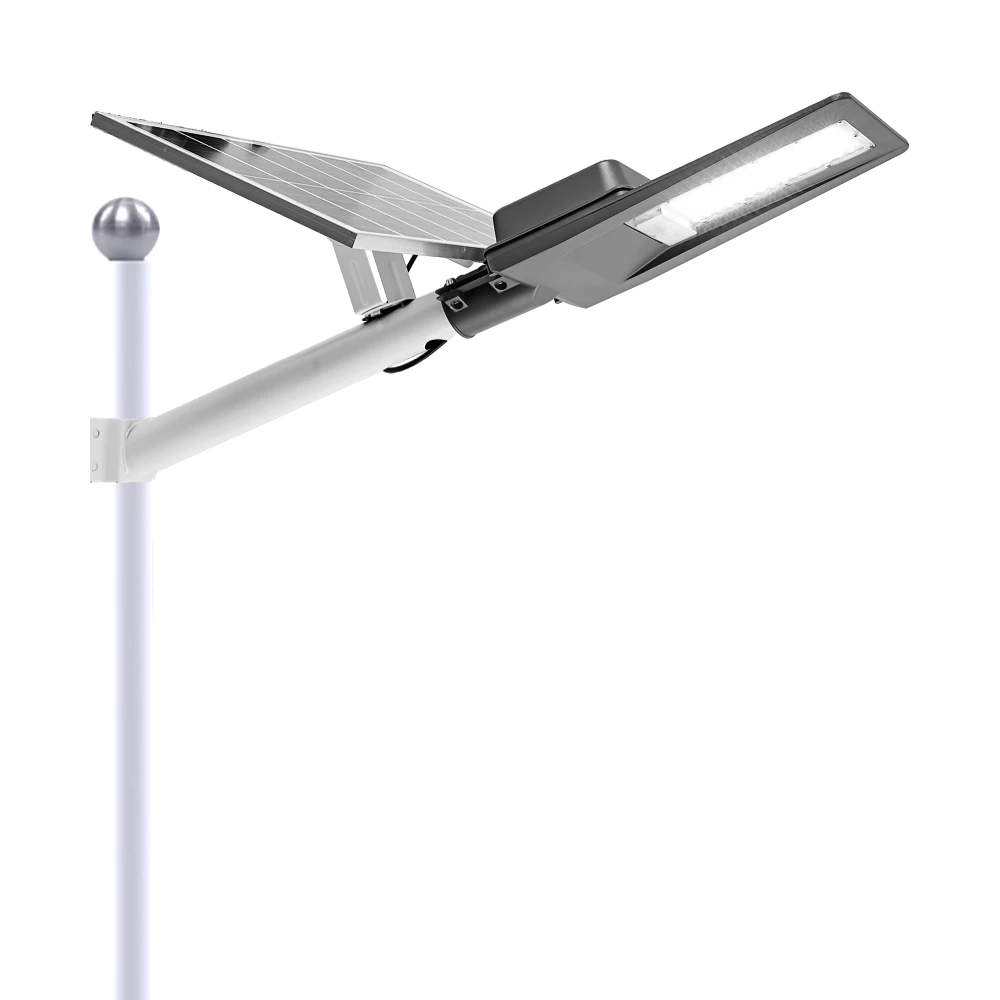
Experience reliable outdoor illumination with our smart solar street light, a perfect combination of advanced technology and eco-conscious design.
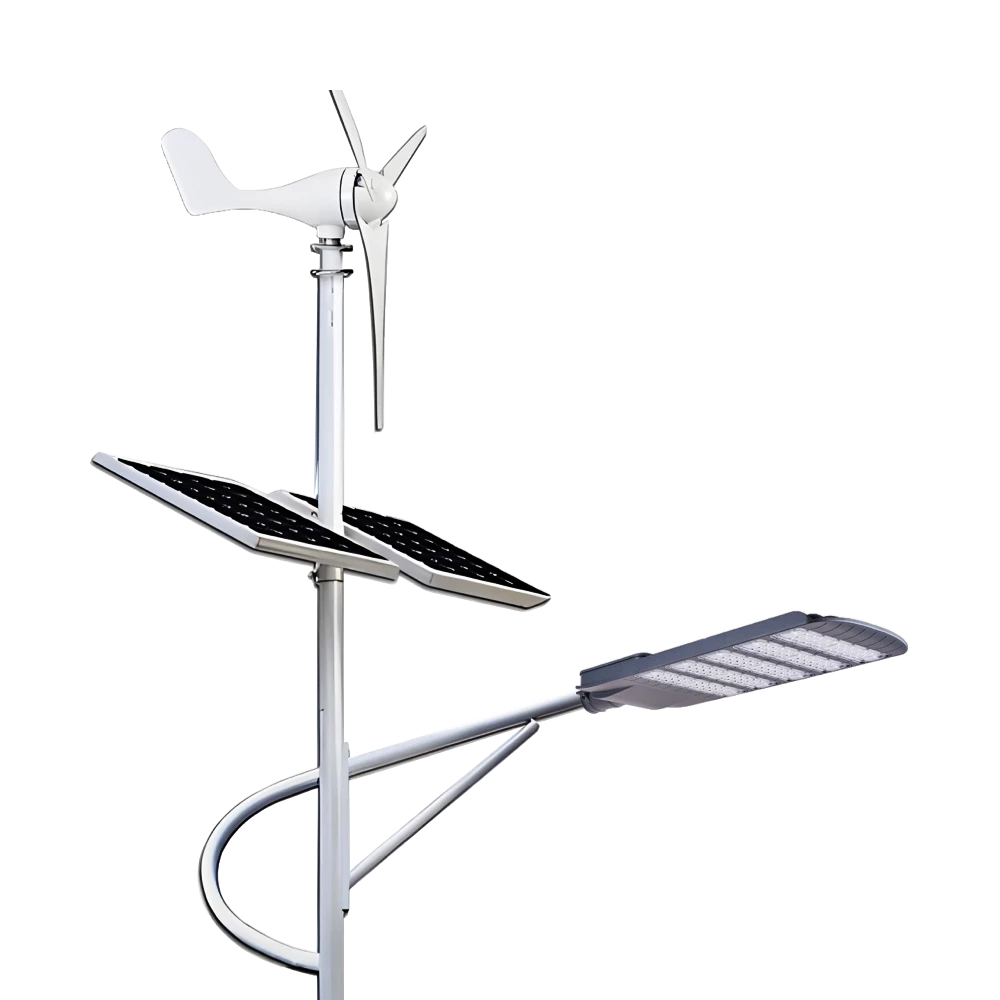
Queneng Lufeng Wind Energy LED Outdoor Solar Street Lights offer high-performance, eco-friendly illumination. These energy-efficient LED street lights harness solar power and wind energy for sustainable, cost-effective outdoor lighting solutions.
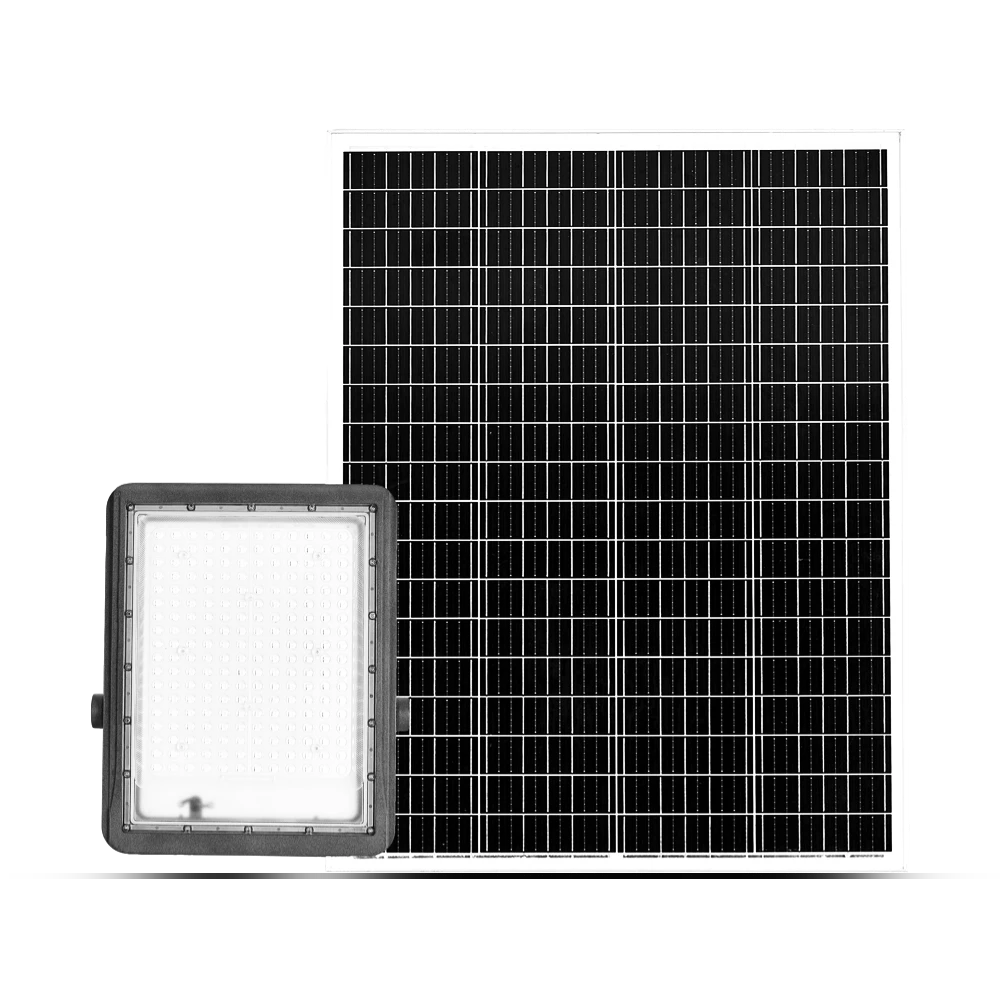
Queneng's Luxian Reliable Solar Street Light offers energy-saving LED lighting for outdoor use. This durable, solar-powered street light provides reliable illumination, reducing energy costs and environmental impact. A perfect solution for sustainable outdoor lighting.
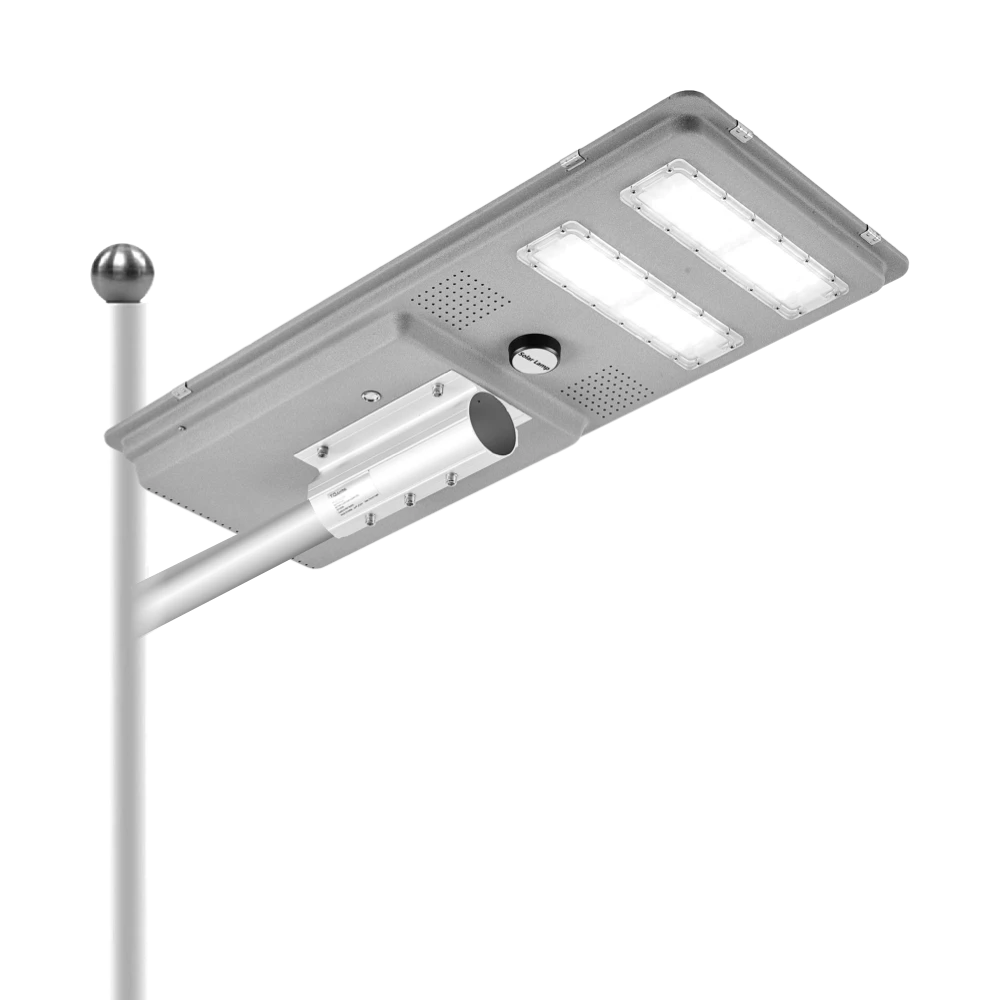
Queneng’s Solar Street Lights are designed to provide reliable, energy-efficient lighting for streets, parks, and other outdoor spaces.
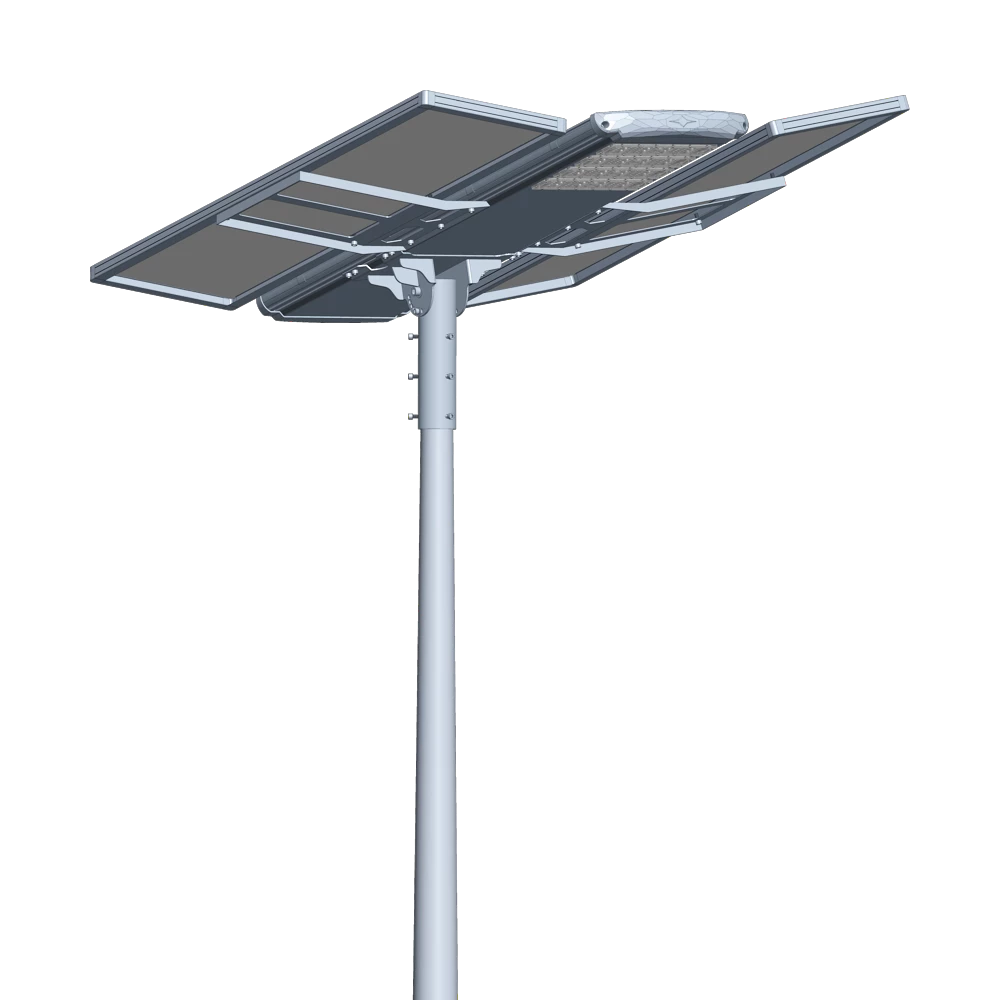
Introducing the Luqing Solar Street Light by Queneng, Efficient LED lighting powered by solar energy is perfect for illuminating outdoor areas. Harness the power of solar energy for sustainable, reliable street lighting. Ideal for eco-friendly, cost-effective outdoor illumination solutions.
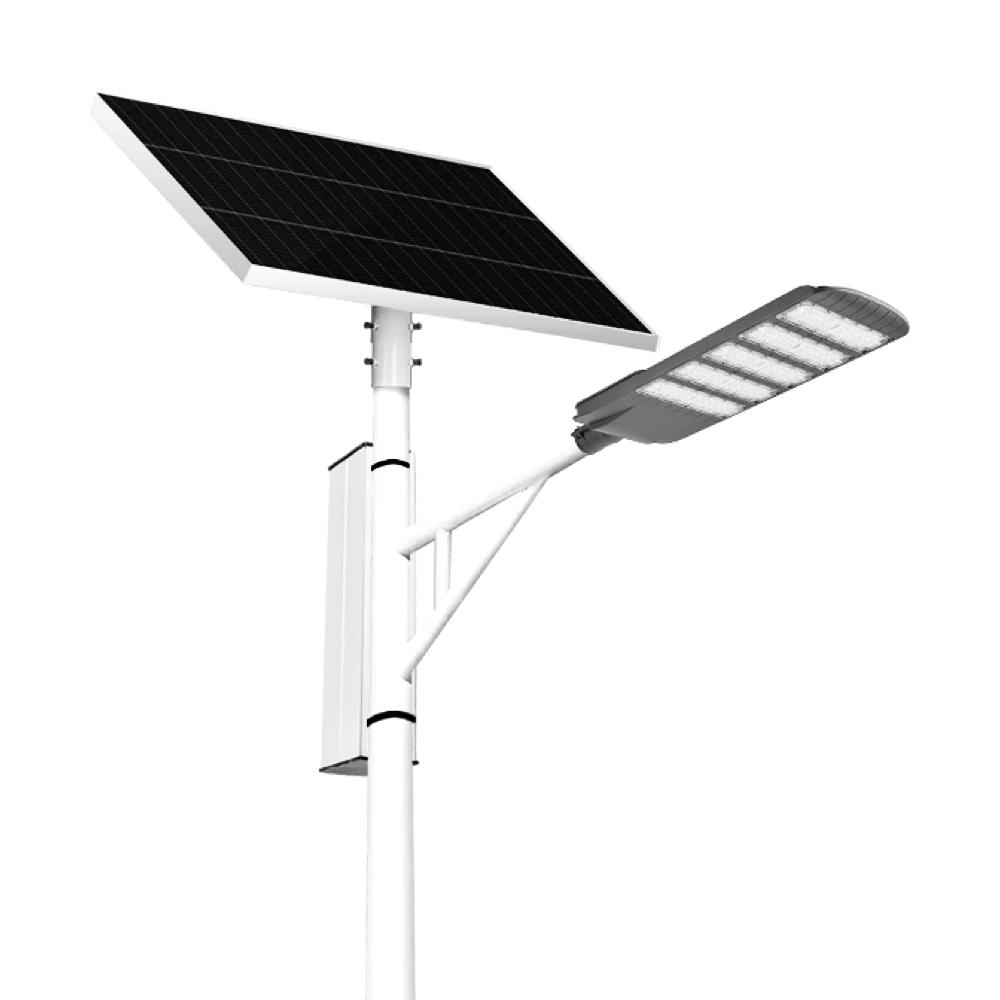
The Solar Streetlights of Luhao for Municipalities are designed to deliver reliable, energy-efficient, and cost-effective public lighting solutions. Equipped with advanced LED technology, durable lithium batteries, and high-efficiency solar panels, these streetlights provide consistent illumination for roads, parks, residential areas, and government projects.
Our professional team is ready to answer any questions and provide personalized support for your project.
You can reach us via phone or email to learn more about Queneng’s solar lighting solutions. We look forward to working with you to promote clean energy solutions!
Rest assured that your privacy is important to us, and all information provided will be handled with the utmost confidentiality.
By clicking 'Send Inquiry Now' I agree to Queneng processing my personal data.
To see how to withdraw your consent, how to control your personal data and how we process it, please see our Privacy Policy and Terms of use.
Schedule a Meeting
Book a date and time that is convenient for you and conduct the session in advance.
Have more questions about our products or services?
The messenger of light & power conversion
Environmental protection and intelligent manufacturing are our brand philosophy, and quality assurance and the best user experience are our eternal promises to users.
CONTACT
No.9F, Building F, Cao San Xin Tian Hong Logistics Park, Guzhen Town, Zhongshan City, Guangdong Province, China.
or write [email protected]
WhatsApp: +86 136 2270 1011


