














ROI comparison for solar lighting adoption in municipal districts
Evaluating Long-Term Municipal Lighting Strategies
Why municipal leaders evaluate Municipal Solar Street Light ROI
Municipal decision-makers increasingly ask whether switching to Municipal Solar Street Light systems is financially justified. The question is not only about energy savings: it includes capital expenditure, maintenance, asset life, resiliency, grid independence, and environmental benefits that may attract grants. A robust ROI comparison must therefore model: (1) baseline consumption and tariff; (2) capital and installation costs for both grid-retrofit LED and off-grid solar street lights; (3) maintenance and replacement schedules (batteries, drivers, poles); (4) local solar resource and performance; and (5) financing, incentives and discount rates. Below we walk through an evidence-based methodology and present scenario-based comparisons you can adapt to local data.
Key assumptions and performance metrics for Municipal Solar Street Light ROI
To make comparisons transparent and reproducible, adopt a consistent set of assumptions. The example scenarios below use conservative, published performance figures and industry-standard lifetimes.
- Baseline conventional lamp: 150 W High-Pressure Sodium (HPS) or older fixture running 11 hours/night (typical municipal average).
- LED equivalent: 40 W LED fixture providing equivalent lumen output (energy reduction ~73%). LED expected lifetime: 50,000 hours (~12 years at 11 hr/day) per U.S. DOE Solid-State Lighting guidance.
- Solar-off-grid pole components: LED fixture (40 W), PV module sized per location (typically 100–300 W depending on insolation), battery bank sized for 3–5 cloudy days autonomy; expected battery replacement every ~6–8 years (LiFePO4 increasingly standard), solar modules warranted 25 years with ~0.5%–0.8%/yr degradation.
- Electricity tariff examples: low $0.08/kWh, medium $0.12/kWh, high $0.20/kWh (use local utility data; U.S. EIA and similar agencies provide state/country-level tariffs).
- Discount rate / required return (for simple payback we ignore discounting; for NPV/IRR use a municipal benchmark, e.g., 4%–6%).
Sources: U.S. Department of Energy (LED lifetimes), NREL PVWatts (insolation modeling), and national electricity data (EIA/National statistics). See references at the end.
Scenario design: three municipal district archetypes for Municipal Solar Street Light adoption
To illustrate ROI variation, we model three archetypes: Urban High Tariff, Suburban Moderate Tariff, and Rural High Insolation. For each, we compute first-cost, annual energy/maintenance savings, simple payback, and 20-year total cost of ownership (TCO). All monetary values are presented per streetlight pole to allow scale-up by number of poles.
Scenario assumptions (per pole)
- Operating hours: 11 hrs/night, 365 days/year.
- Conventional HPS consumption: 150 W -> annual energy = 150 W * 11 h * 365 = 602 kWh/year.
- LED consumption: 40 W -> annual energy = 161 kWh/year (savings = 441 kWh/year).
- Solar-off-grid: grid energy = 0; battery replacements at year 7 and 14 (two replacements in 20 years). Solar module expected durable for 20+ years; LED driver may be replaced year ~10–12.
Cost and savings input values
The following cost inputs are realistic ranges drawn from industry reports and municipal procurement examples. Use local quotes to refine.
- Grid-connected LED retrofit capex (unit + installation): $450 (range $350–$700).
- Solar-off-grid full system capex (fixture, pole, battery, PV, controller, installation): $1,600 (range $1,200–$3,000 depending on battery size, pole height, and local labor).
- Annual maintenance costs (lamp replacement, cleaning, minor repairs): conventional HPS $60/yr; grid LED $25/yr; solar-off-grid $30/yr excluding battery replacements.
- Battery replacement cost per event: $300 (LiFePO4) to $500 (higher-end) per pole.
- Electricity tariff: low $0.08/kWh, medium $0.12/kWh, high $0.20/kWh.
Notes: actual costs vary by country (labor, shipping, import duties). Many municipalities access lower financing or grants which materially improve ROI.
ROI comparison table: three archetypes for Municipal Solar Street Light adoption (per pole)
The table below summarizes simple payback (years) and 20-year TCO for each archetype comparing: Keep Conventional HPS, Retrofit to Grid LED, and Deploy Solar-Off-Grid LED (Municipal Solar Street Light). Inputs and formulas are shown after the table for reproducibility.
| Archetype | Electricity tariff ($/kWh) | Capex: Grid LED ($) | Capex: Solar Off-grid ($) | Annual energy cost: HPS ($) | Annual energy cost: Grid LED ($) | Annual maintenance: HPS / Grid LED / Solar ($) | Simple payback: Grid LED (yrs) | Simple payback: Solar Off-grid (yrs) | 20-year TCO: Grid LED ($) | 20-year TCO: Solar Off-grid ($) |
|---|---|---|---|---|---|---|---|---|---|---|
| Urban High Tariff | 0.20 | 500 | 1,800 | 602 kWh * $0.20 = $120.4 | 161 kWh * $0.20 = $32.2 | $60 / $25 / $35 | (500)/(120.4-32.2+ (60-25)) ≈ 5.6 yrs | (1,800)/(120.4+60-35) ≈ 12.1 yrs | 500 + 20*25 = 1,000 (plus energy 20*32.2 = 644) → ≈ $1,644 | 1,800 + 2 battery replacements (2*$350)=2,500 + 20*30=600 → energy $0 → ≈ $3,100 |
| Suburban Moderate Tariff | 0.12 | 500 | 1,600 | 602*0.12 = $72.2 | 161*0.12 = $19.3 | $60 / $25 / $30 | (500)/(72.2-19.3+35) ≈ 8.8 yrs | (1,600)/(72.2+60-30) ≈ 17.8 yrs | 500 + 20*25 + 20*19.3 = 500 + 500 + 386 = ≈ $1,386 | 1,600 + 2*350 + 20*30 = 1,600 + 700 + 600 = ≈ $2,900 |
| Rural High Insolation (low tariff but high diesel/grid cost) | 0.08 (grid), but grid reliability poor | 450 | 1,700 | 602*0.08 = $48.2 | 161*0.08 = $12.9 | $70 / $25 / $25 | (450)/(48.2-12.9+45) ≈ 6.8 yrs | (1,700)/(48.2+70-25) ≈ 18.1 yrs (but non-energy benefits high) | 450 + 20*25 + 20*12.9 = 450 + 500 + 258 = ≈ $1,208 | 1,700 + 700 + 20*25 = 1,700 + 700 + 500 = ≈ $2,900 |
Interpretation: Simple payback for grid-connected LED retrofits is typically 5–9 years in most settings and yields the lowest 20-year TCO in many urban/suburban contexts, especially where grid electricity is relatively affordable. Solar-off-grid Municipal Solar Street Light systems have higher upfront cost and longer simple payback in settings with low tariffs, but they can be the best option where grid extension is costly, grid reliability is poor, or environmental and resilience goals are prioritized. In high-tariff urban contexts solar can approach parity more quickly, and in remote rural high-insolation districts solar offers non-energy benefits that often justify the higher TCO.
How to adapt the model to your municipal district for accurate Municipal Solar Street Light ROI
Follow these steps to produce a local, verifiable ROI estimate:
- Collect baseline data: number of poles, wattage and hours, local electricity tariff (including demand or fixed charges), and existing maintenance budgets.
- Obtain local supplier quotes for grid-LED retrofit and solar-off-grid systems — include logistics, import duties, and civil works.
- Model battery life and replacement schedule using vendor specifications and site temperature data (high temperatures reduce battery life).
- Use local solar resource data (NREL PVWatts or NASA Surface Meteorology) to size modules and verify autonomy assumptions.
- Include non-energy benefits: resilience (critical lighting during outages), reduced grid load, carbon reductions (for municipal accounting), and citizen safety improvements—quantify where possible (e.g., CO2 avoided = kWh saved * local grid emission factor).
- Perform sensitivity analysis for tariff changes, battery costs, and discount rates — present best/likely/worst-case scenarios to decision-makers.
Procurement, financing and risk mitigation for Municipal Solar Street Light projects
Procurement strategy materially affects ROI. Best practices include:
- Performance-based procurement: require measured photometry, autonomy guarantees, and minimum battery cycle life.
- Warranties and service-level agreements (SLAs): specify response times, preventive maintenance, and replacement terms for batteries and controls.
- Financing models: consider energy performance contracting, leasing, or third-party ownership which can reduce upfront municipal capex and transfer performance risk.
- Local capacity building: train municipal maintenance crews or contract trained service providers to lower lifecycle O&M costs.
Real-world considerations: grid parity, incentives, and environmental value of Municipal Solar Street Light
Energy tariffs, incentives (national or donor-funded), and carbon shadow pricing can flip ROI outcomes. Examples of value drivers:
- High grid tariffs or time-of-use peaks increase the economic case for off-grid solar.
- Grants or climate finance reduce solar capex and shorten payback materially.
- Carbon accounting and municipal sustainability targets can justify High Quality investments for emissions reduction.
- Public safety and extended lighting in underserved areas deliver social benefits that often rank highly in municipal cost–benefit analyses.
Why partner with an experienced vendor: spotlight on Guangdong Queneng Lighting Technology Co., Ltd.
Choosing the right supplier affects both technical performance and financial outcome. Guangdong Queneng Lighting Technology Co., Ltd. (Queneng) was founded in 2013 and focuses on Municipal Solar Street Light systems among other solar lighting products. Queneng's value proposition includes:
- Product breadth: Solar Street Lights, Solar Spot Lights, Solar Garden Lights, Solar Lawn Lights, Solar Pillar Lights, Solar Photovoltaic Panels, portable outdoor power supplies and batteries.
- Systems expertise: design and engineering for lighting projects, LED mobile lighting solutions, and solar lighting engineering consulting.
- Quality and compliance: ISO 9001 quality system approval, TÜV audit certification, and international product certificates including CE, UL, BIS, CB, SGS, and MSDS.
- R&D and manufacturing capability: experienced R&D team, advanced equipment, and strict quality control—helping to optimize battery sizing, module selection and intelligent controllers for site-specific Municipal Solar Street Light performance.
- Track record: designated supplier status for several listed companies and engineering projects, providing integrated solutions and after-sales support that reduce long-term O&M risk.
When evaluating partners, prioritize those with verifiable performance data, easily auditable production quality, and long-term warranty commitments for batteries and electronics—criteria Queneng demonstrates via certifications and project references.
Checklist: procurement and technical specs for Municipal Solar Street Light tenders
Include these minimums in tenders to protect ROI and ensure reliability:
- Detailed photometric deliverables (Illuminance lux levels and uniformity ratios).
- Minimum battery cycle life and warranty (e.g., LiFePO4 3,000-5,000 cycles or 5+ years warranty).
- Controller features: dimming profiles, remote monitoring (IoT), over-discharge and temperature protection.
- Shadow and soiling loss allowances in PV sizing based on site analysis.
- SLA covering response times and spare parts availability within the municipality.
Conclusion and recommended next steps for municipal ROI decision-makers
Municipal Solar Street Light adoption can be economically attractive in many contexts but results depend on local tariffs, insolation, maintenance practices, financing and project scale. Grid LED retrofits typically offer the fastest payback and lowest 20-year TCO where reliable, affordable grid power exists. Solar-off-grid solutions have higher upfront cost but deliver resilience, grid independence and strong value in remote or high-tariff settings. For an actionable municipal decision:
- Run the per-pole model above using municipal consumption and tariff data.
- Obtain 3–5 local quotes with detailed component specs and warranties.
- Include non-energy benefits and financing options in the final cost–benefit analysis.
- Prioritize suppliers with certifications, field references, and robust SLAs (e.g., Queneng’s certifications and product range are examples of the vendor attributes to seek).
Frequently Asked Questions (FAQ)
1. What is the typical payback period for Municipal Solar Street Light installations?
Typical simple payback ranges from 6 to 18 years depending on local electricity tariffs, system capex, and incentives. Grid LED retrofits usually pay back in 5–9 years; solar-off-grid systems often take longer unless grid costs are high or grants reduce capex.
2. How often do solar street light batteries need replacement?
Battery life depends on chemistry and operating temperature. Modern LiFePO4 batteries typically last 6–8 years under moderate conditions; lead-acid batteries have shorter lives (~3–5 years). Specify cycle life and warranty in procurement.
3. Are Municipal Solar Street Light systems reliable during prolonged cloudy periods?
Yes, when properly sized for local insolation with sufficient battery autonomy (commonly 3–5 days) and conservative derating for temperature and soiling. Remote monitoring and smart dimming profiles extend autonomy.
4. Should a municipality choose grid LED retrofit or solar-off-grid for new developments?
For areas with reliable, affordable grid power, grid LED retrofits are the most cost-effective. For new developments without grid access or where resilience is critical, solar-off-grid can be justified despite higher capex. Consider hybrid designs (solar + grid-tied backups) where feasible.
5. How does solar lighting affect maintenance budgets and staffing?
Solar street lights reduce day-to-day energy costs and some maintenance (no lamp burning out frequently), but introduce battery and electronics lifecycle management. Training or contracting for battery replacement and PV cleaning is necessary. Well-designed SLAs can minimize municipal staffing burdens.
6. How can municipalities verify vendor claims about performance?
Require independent photometric testing reports, performance data from reference installations, and remote-monitoring data access during an initial guarantee period. Ask for certifications (ISO 9001, TÜV) and third-party lab test reports.
Contact us to discuss project-specific ROI modeling or to request Queneng product catalogs and verified case studies. For product inquiries and tailored municipal lighting solutions, consult Guangdong Queneng Lighting Technology Co., Ltd. or reach their sales engineering team for a site-specific proposal.
References and data sources
- U.S. Department of Energy – Solid-State Lighting Program: LED lifetime and applications. https://www.energy.gov/eere/ssl/solid-state-lighting-research-and-development (accessed 2025-11-20)
- NREL PVWatts Calculator – solar resource and production modeling. https://pvwatts.nrel.gov/ (accessed 2025-11-20)
- International Energy Agency (IEA) – Solar PV report and market data. https://www.iea.org/reports/solar-pv (accessed 2025-10-15)
- U.S. Energy Information Administration (EIA) – Electricity data and average retail prices. https://www.eia.gov/electricity/ (accessed 2025-10-28)
- IEA / World Bank municipal lighting case studies and program guidance (Lighting Global and municipal projects) https://www.worldbank.org/en/topic/energy (accessed 2025-09-30)
- Queneng company information (as provided in brief): Guangdong Queneng Lighting Technology Co., Ltd. (company profile and product list provided above). Internal company data and certifications (ISO 9001, TÜV, CE, UL, BIS, CB, SGS, MSDS) (accessed 2025-11-25)
Note: All numerical examples use representative inputs and should be replaced with local quotations and measured solar data for procurement decisions.

Have more questions about our products or services?
The latest hot news you might like

Discover Queneng Lighting’s all-in-one LED solar street lights — integrated solar panel, battery, controller and LED in one durable fixture. Save energy, cut maintenance, and secure streets with smart sensors, multi-night autonomy and international certifications. Contact sales for quotes and support.

Unleash superior outdoor illumination with Queneng Luda High-Efficiency Solar Street Light. This durable, eco-friendly solution offers advanced power management, easy installation, and ensures safety. Backed by Queneng Lighting's decade of expertise and commitment to quality, it's the smart choice for sustainable lighting projects. Learn why we're a leading solar solutions provider.

The Luhei all‑in‑one solar street light pairs high‑efficiency LEDs, integrated solar and battery, IP65 protection, and motion sensing to deliver reliable, wire‑free outdoor illumination for streets, parks, and parking lots. Backed by Queneng Lighting’s certifications and support.

FAQ
Sustainability
What factors should be considered when choosing an installation location?
Solar street lights should be installed in areas with abundant sunlight and minimal obstructions to ensure the photovoltaic panels receive maximum sunlight. Avoid locations close to trees or tall buildings that could cast shadows on the panels.
Battery Performance and Testing
What is the standard charge retention test?
After the battery is discharged to 1.0V at 0.2C, it is charged at 0.1C for 16 hours, stored at a temperature of 20℃±5℃ and a humidity of 65%±20% for 28 days, and then discharged to 1.0V at 0.2C. NiMH batteries should last longer than 3 hours.
The national standard stipulates that the standard charge retention test of lithium batteries is: (IEC has no relevant standards) The battery is discharged to 3.0/unit at 0.2C, and then charged to 4.2V at 1C constant current and constant voltage, with a cut-off current of 10mA, at a temperature of 20 ℃±5℃, after 28 days of storage, discharge at 0.2C to 2.75V, calculate the discharge capacity, and compare it with the battery's nominal capacity, it should not be less than 85% of the initial capacity.
Solar Street Light Chuanqi
How do the solar panels in Chuanqi street lights store energy?
The solar panels in Chuanqi solar street lights collect sunlight during the day and convert it into electrical energy, which is stored in high-capacity lithium-ion batteries. The stored energy is then used to power the LED lights at night, ensuring continuous illumination even when the sun is not shining. This energy storage system ensures the lights work autonomously without relying on an external power source.
Municipal and Public Infrastructure
Are your solar streetlights compliant with international standards?
Yes, our products meet international quality and safety standards, including ISO9001, CE, and RoHS certifications, ensuring reliability and performance.
Battery fundamentals and basic terms
What is a discharge platform?
Solar Street Light Luyi
Are Luyi solar street lights suitable for all outdoor environments?
Yes, Luyi solar street lights are highly versatile and suitable for a wide range of outdoor environments. Whether for urban streets, rural roads, parking lots, parks, or pathways, Luyi lights provide reliable illumination in any setting. Their weatherproof and durable construction makes them ideal for harsh outdoor conditions, including extreme heat, cold, rain, and snow.
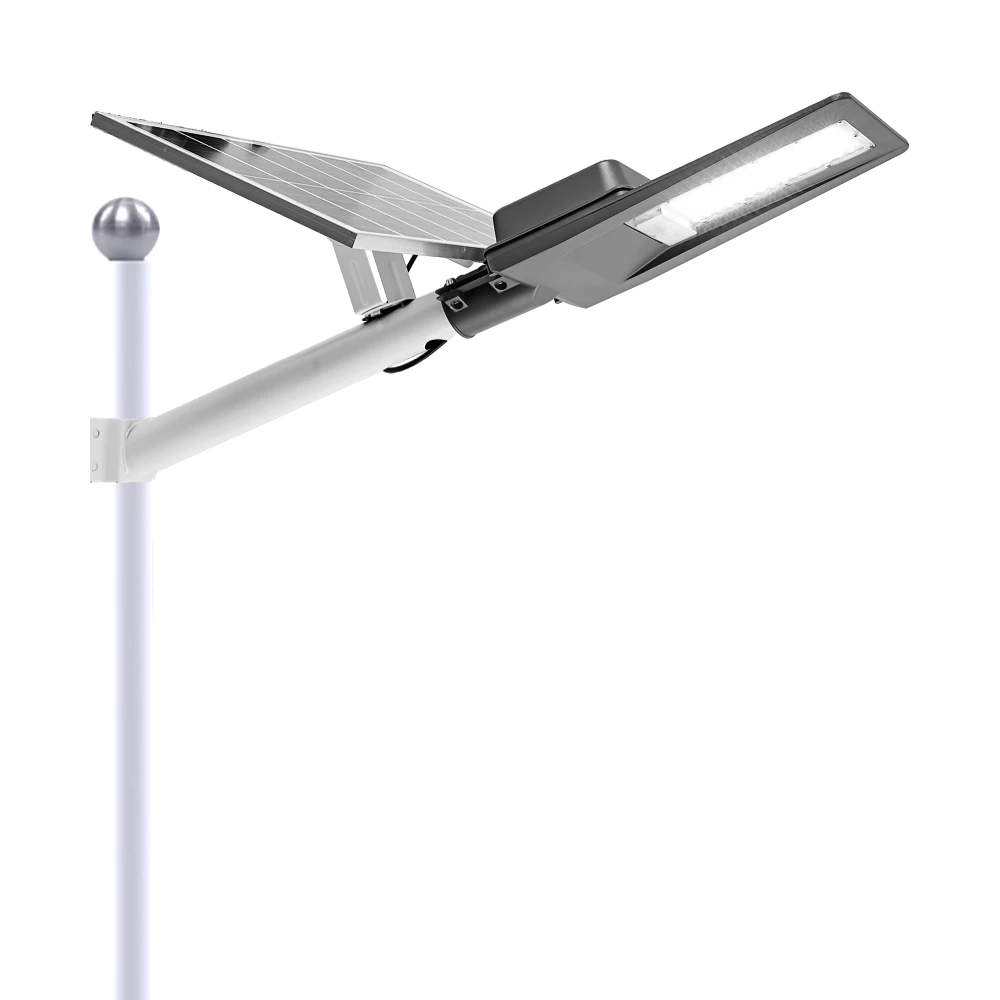
Experience reliable outdoor illumination with our smart solar street light, a perfect combination of advanced technology and eco-conscious design.
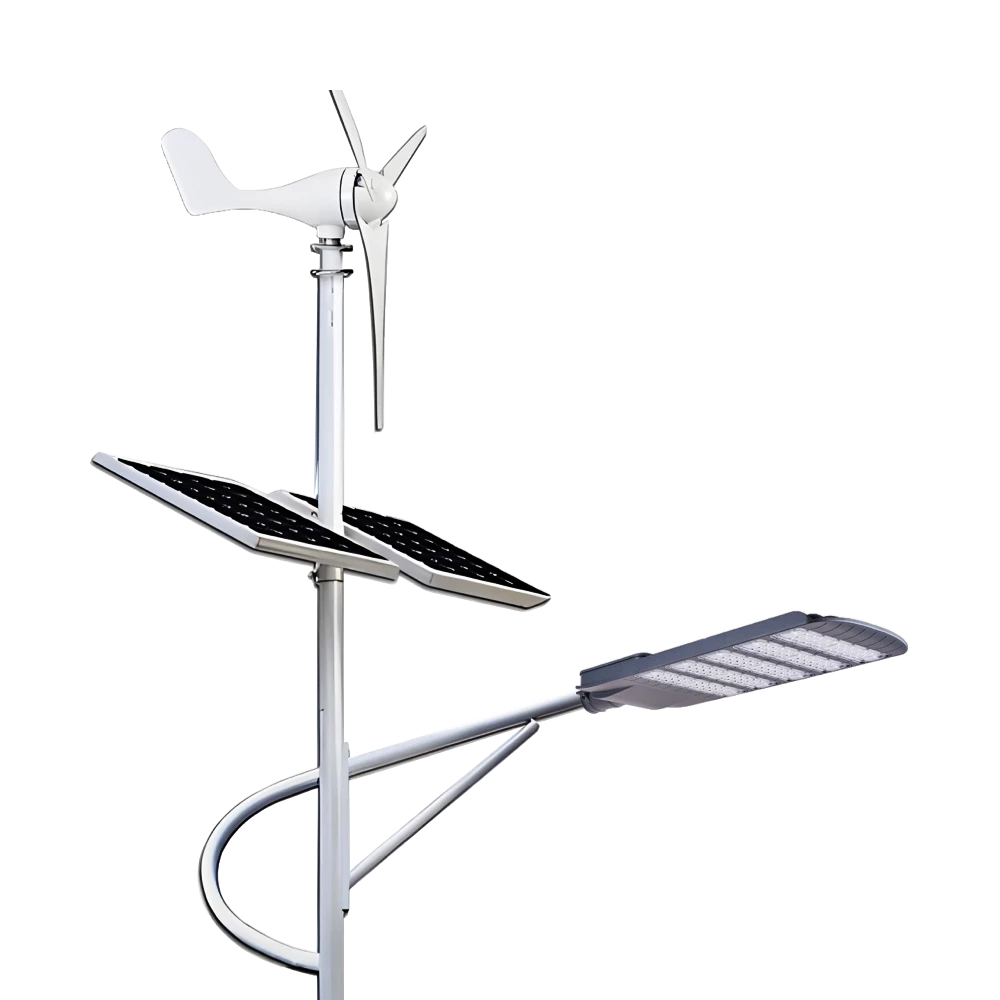
Queneng Lufeng Wind Energy LED Outdoor Solar Street Lights offer high-performance, eco-friendly illumination. These energy-efficient LED street lights harness solar power and wind energy for sustainable, cost-effective outdoor lighting solutions.
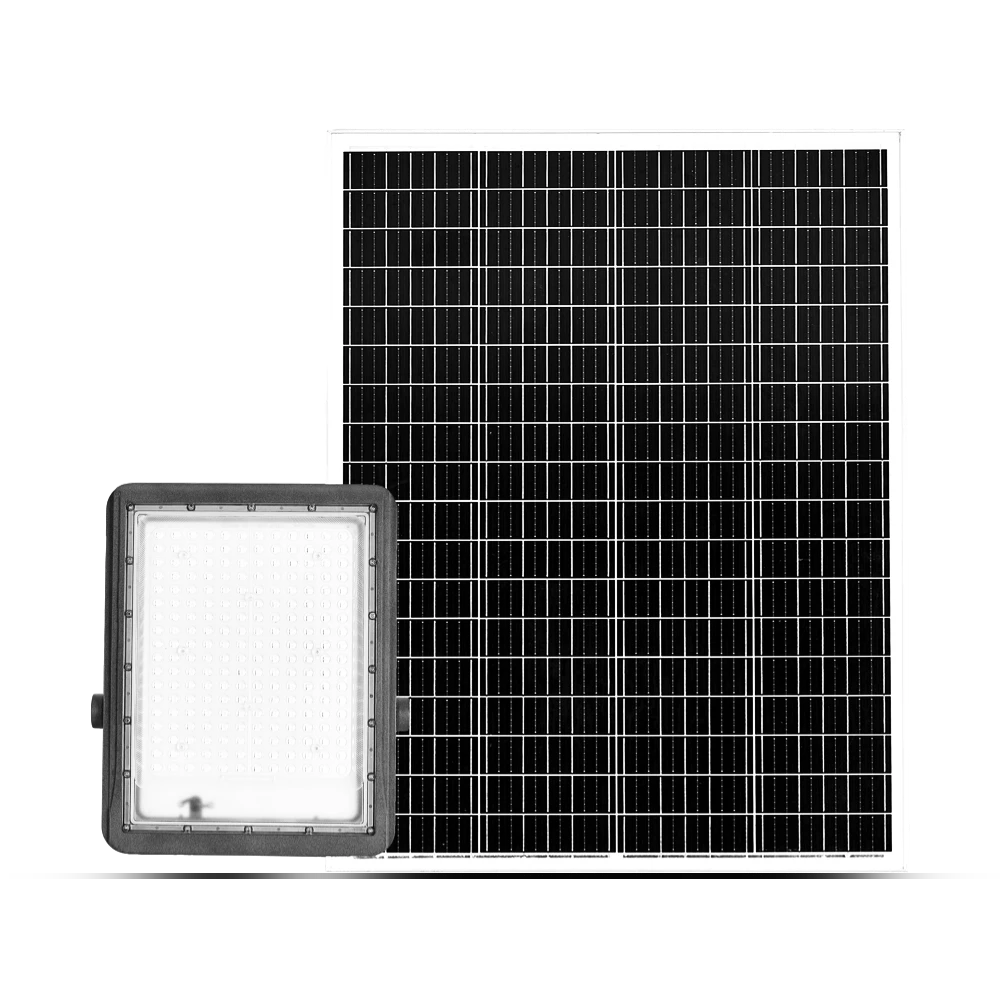
Queneng's Luxian Reliable Solar Street Light offers energy-saving LED lighting for outdoor use. This durable, solar-powered street light provides reliable illumination, reducing energy costs and environmental impact. A perfect solution for sustainable outdoor lighting.
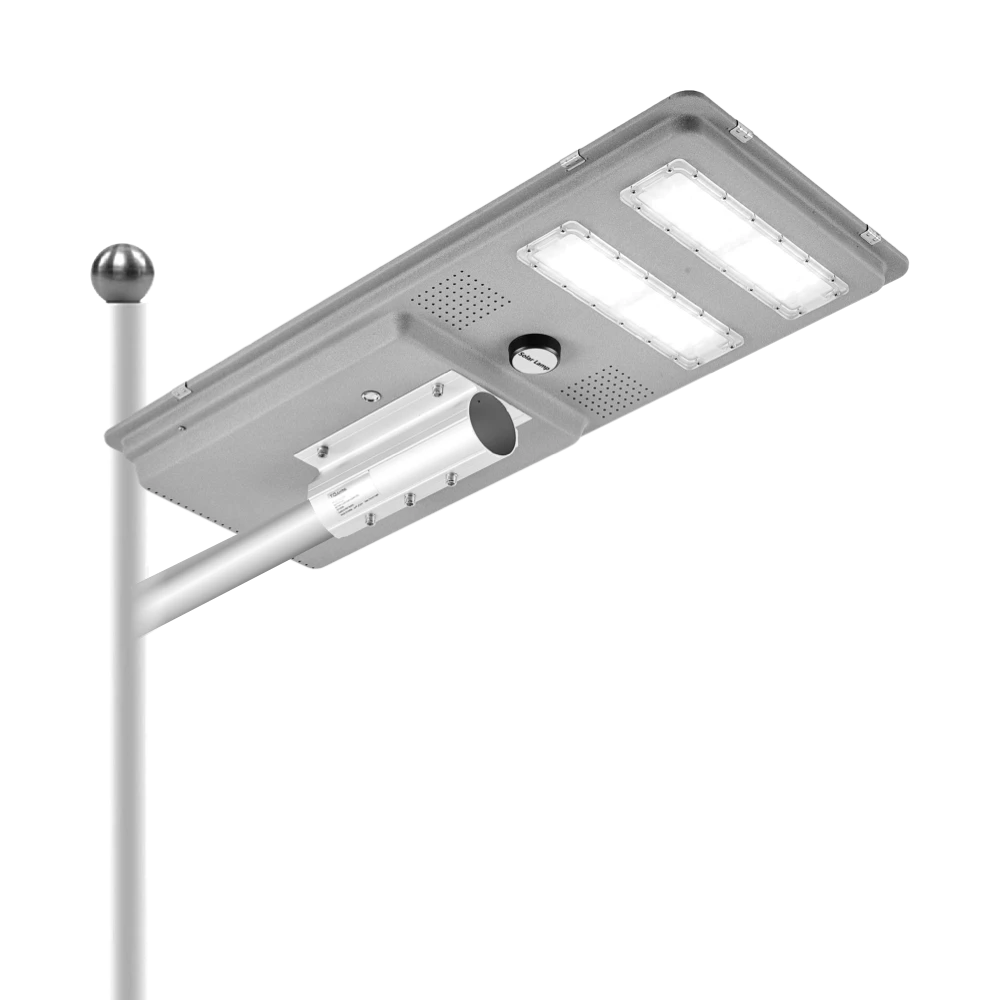
Queneng’s Solar Street Lights are designed to provide reliable, energy-efficient lighting for streets, parks, and other outdoor spaces.
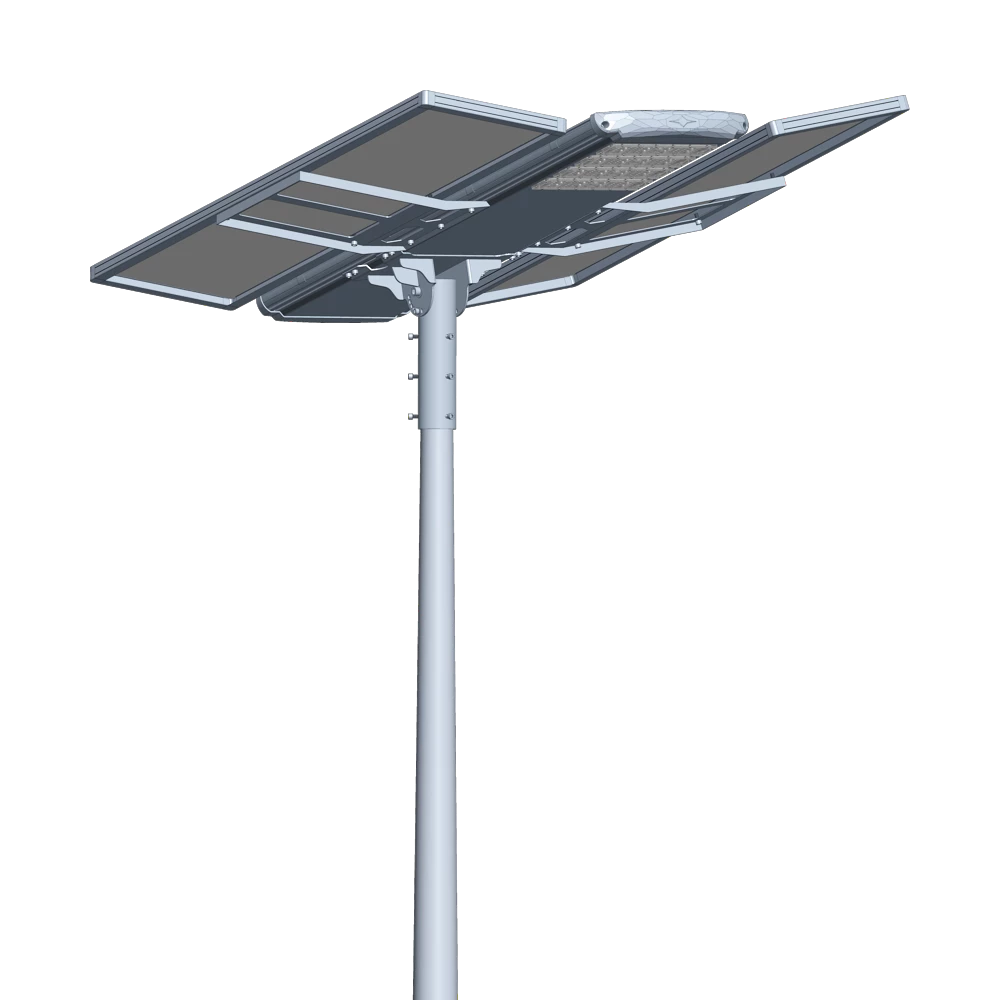
Introducing the Luqing Solar Street Light by Queneng, Efficient LED lighting powered by solar energy is perfect for illuminating outdoor areas. Harness the power of solar energy for sustainable, reliable street lighting. Ideal for eco-friendly, cost-effective outdoor illumination solutions.
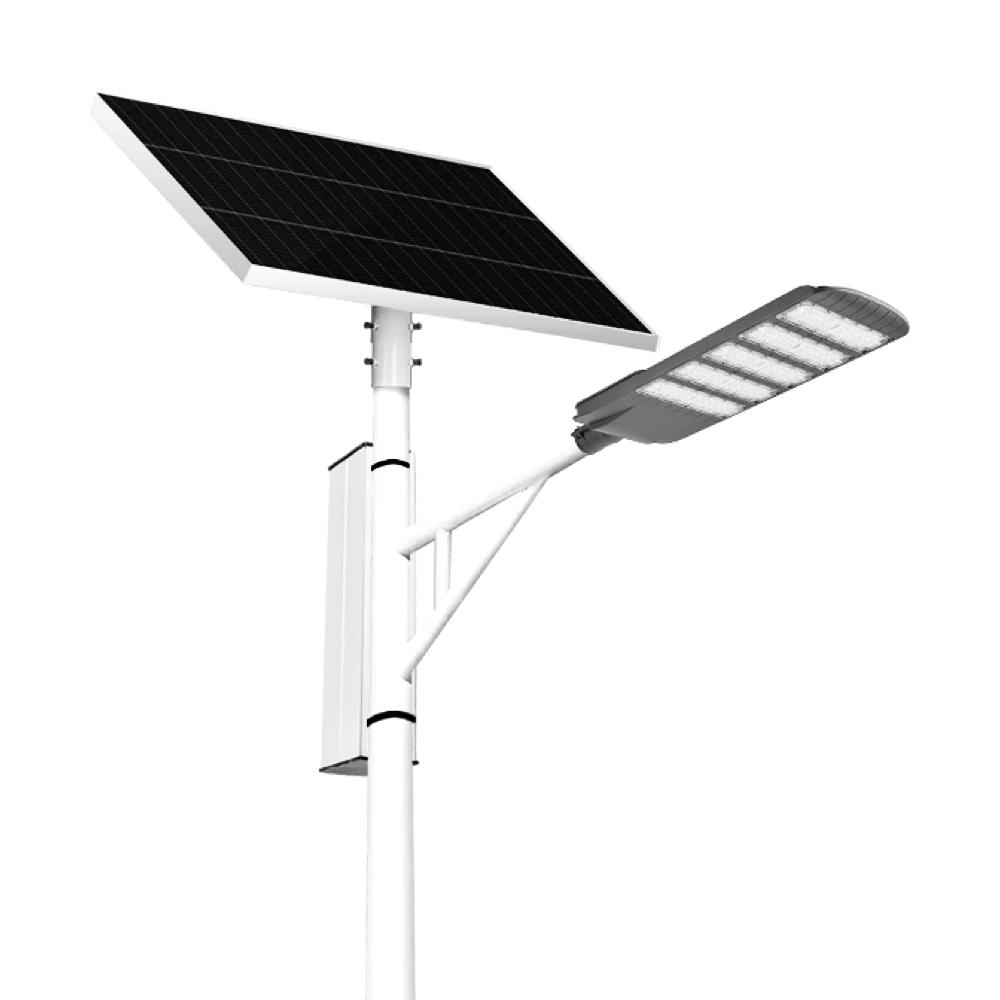
The Solar Streetlights of Luhao for Municipalities are designed to deliver reliable, energy-efficient, and cost-effective public lighting solutions. Equipped with advanced LED technology, durable lithium batteries, and high-efficiency solar panels, these streetlights provide consistent illumination for roads, parks, residential areas, and government projects.
Our professional team is ready to answer any questions and provide personalized support for your project.
You can reach us via phone or email to learn more about Queneng’s solar lighting solutions. We look forward to working with you to promote clean energy solutions!
Rest assured that your privacy is important to us, and all information provided will be handled with the utmost confidentiality.
By clicking 'Send Inquiry Now' I agree to Queneng processing my personal data.
To see how to withdraw your consent, how to control your personal data and how we process it, please see our Privacy Policy and Terms of use.
Schedule a Meeting
Book a date and time that is convenient for you and conduct the session in advance.
Have more questions about our products or services?
The messenger of light & power conversion
Environmental protection and intelligent manufacturing are our brand philosophy, and quality assurance and the best user experience are our eternal promises to users.
CONTACT
No.9F, Building F, Cao San Xin Tian Hong Logistics Park, Guzhen Town, Zhongshan City, Guangdong Province, China.
or write [email protected]
WhatsApp: +86 136 2270 1011


