














ROI analysis toolkit for solar streetlight manufacturers
Why ROI Matters for Municipal Solar Street Light Projects
Municipal Solar Street Light projects are evaluated primarily on lifecycle cost, reliability, and public value. For manufacturers, presenting a robust, verifiable ROI analysis is the difference between being a vendor and being a trusted project partner. This article provides a practical toolkit — formulas, inputs, scenario tables and procurement tips — to build defensible ROI proposals that municipal buyers and financiers can trust.
Key financial metrics every Municipal Solar Street Light proposal must include
To meet municipal decision-makers’ expectations, every bid should explicitly calculate: payback period, Net Present Value (NPV), Internal Rate of Return (IRR), and Levelized Cost of Energy (LCOE) for the lighting asset. Embed municipal benefits (grid avoidance, resiliency, reduced O&M) into cash flows and provide sensitivity ranges for critical variables (solar yield, battery life, discount rate).
Formulas and what they capture
- Payback (years) = Initial CapEx / Annual net cash benefit (energy + O&M savings + avoided capital).
- NPV = Σ (Net cash flow_t / (1 + r)^t) – CapEx (discount rate r reflects municipal borrowing or cost of capital).
- IRR = discount rate that sets NPV = 0 (used by financiers to compare projects).
- LCOE ($/kWh) = (Σ Annualized costs over life) / (Σ Energy produced over life). For solar streetlights LCOE helps compare against grid-supplied lighting energy.
Breakdown of typical cost and performance inputs for Municipal Solar Street Light ROI
Accurate inputs create credible ROI. Categories below are essential to document and justify:
- CapEx: luminaire, solar PV (panel or all-in-one), battery pack, pole/mounting, controller, shipping & installation, commissioning.
- Operating expenses: scheduled O&M, unscheduled repairs, battery replacements (frequency), insurance, software/monitoring subscriptions.
- Performance: nominal LED wattage, system losses, average annual solar insolation (kWh/m2/day), autonomy days, hours of operation per year.
- Revenue/benefit items: avoided grid electricity cost, reduced municipal electricity demand charges, reduced maintenance crew visits, safety/service-level benefits (if monetized), incentives/subsidies.
- Financing/Tax: loan rate, term, municipal bond yields, depreciation or tax incentives (where applicable).
Data-driven assumptions and benchmarks for Municipal Solar Street Light modeling
Baseline assumptions should be referenced and defensible. Example benchmark inputs (adjust to local context):
- Average LED system consumption: 30–60 W (typical municipal LED luminaire replacement).
- Annual operating hours: 4,000–4,380 h (11–12 h/night average).
- Average insolation for design: 3.5–6.0 kWh/m2/day depending on location (use PVWatts or local solar atlas).
- Battery cycle life design: 3–8 years (LiFePO4 often 4–8 years on calendar life).
- Typical all-in-one solar streetlight CapEx: $400–$1,800/unit; centralized solar + grid hybrid systems are higher.
Sources for these benchmarks: NREL PVWatts and international reports (see References).
Comparison: Grid LED vs. Municipal Solar Street Light — direct lifecycle comparison
| Metric | Grid‑connected LED (per pole) | Municipal Solar Street Light (all‑in‑one) |
|---|---|---|
| Typical Initial CapEx | $300 – $800 (luminaire + installation) | $500 – $1,800 (PV, battery, luminaire, pole, installation) |
| Annual energy cost | $30 – $150 (depends on tariff and hours) | $0 – $20 (grid backup or replacement battery costs) |
| O&M (annual) | $10 – $30 | $15 – $60 (battery replacement amortized) |
| Typical payback (vs. grid LED) | — | 3 – 8 years (heavily location-dependent) |
Note: The municipal decision often includes non-financial benefits (resilience during outages, electrification of remote streets) which should be quantified when possible.
Worked example: ROI scenarios for three Municipal Solar Street Light deployments
Below are three simplified scenarios using conservative, real-world assumptions. All values are illustrative; replace with project-specific quotes and local solar data.
| Input / Scenario | Small (rural) | Medium (suburban) | Large (urban avenue) |
|---|---|---|---|
| LED demand (W) | 30 | 45 | 60 |
| Annual hours | 4,200 | 4,200 | 4,200 |
| Annual energy (kWh) | 126 | 189 | 252 |
| All‑in‑one CapEx per pole | $600 | $900 | $1,400 |
| Annual O&M | $25 | $35 | $50 |
| Electricity price avoided ($/kWh) | $0.12 | ||
| Annual avoided energy cost | $15 | $23 | $30 |
| Net annual cash benefit (avoided energy + O&M differential) | $15 (conservative) | $25 | $40 |
| Simple payback (years) | 40 | 36 | 35 |
Interpretation: Pure energy savings alone often produce long paybacks for off-grid all-in-one units if CapEx is high and grid tariffs are low. To build competitive ROI, manufacturers and municipalities must include avoided infrastructure (trenching), outage resilience value, subsidies, and lower long-term O&M when batteries and hardware are optimized. In many developing or remote contexts, avoided grid extension capex shifts the math strongly in favor of solar.
How to improve ROI — levers manufacturers can control
Manufacturers should present a clear plan that reduces total cost of ownership and increases delivered value:
- Engineering for reliable battery life: specify LiFePO4 modules with proven cycle life and include warranty terms tied to calendar and cycle metrics.
- Modular, serviceable designs: lower field failure downtime and reduce replacement costs.
- Integrated monitoring: remote diagnostics reduce truck rolls and speed maintenance response.
- Optimized BOM: select PV and battery sizes matched to local insolation and autonomy needs, avoiding oversizing.
- Financing packages: offer leasing or PPA models so municipalities can convert CapEx into Opex.
Procurement and contracting recommendations for Municipal Solar Street Light tenders
Municipal procurement officers and manufacturers will both benefit if tenders require:
- Lifecycle cost bids (total cost over 10–15 years) not just unit price.
- Performance guarantees: minimum autonomy days, minimum lumen maintenance (L70), and monitoring SLA.
- Third‑party testing and certifications: IEC, CE, UL, and battery safety reports.
- Clarity on warranty and replacement obligations with defined KPIs and servicing timelines.
Risk, sensitivity analysis and presenting defensible ranges for Municipal Solar Street Light ROI
Include tornado charts or sensitivity tables showing which inputs drive ROI changes. Typical high-impact variables: solar insolation (±20%), battery replacement timing (±2–4 years), CapEx (±15%), and discount rate. Present best-case, base-case, and worst-case scenarios with explicit assumptions to help municipal reviewers understand the risk profile.
How manufacturers can package financial offers to win municipal contracts
Consider offering:
- Guaranteed energy performance contracts tied to monitoring data.
- Battery-as-a-service or maintenance contracts to reduce municipal Opex variability.
- Local training and spare-part guarantees to shorten repair times and improve trust.
- Hybrid solutions and integration with smart-city platforms that produce additional non-energy value.
Case study integration: GuangDong Queneng Lighting’s capabilities for Municipal Solar Street Light projects
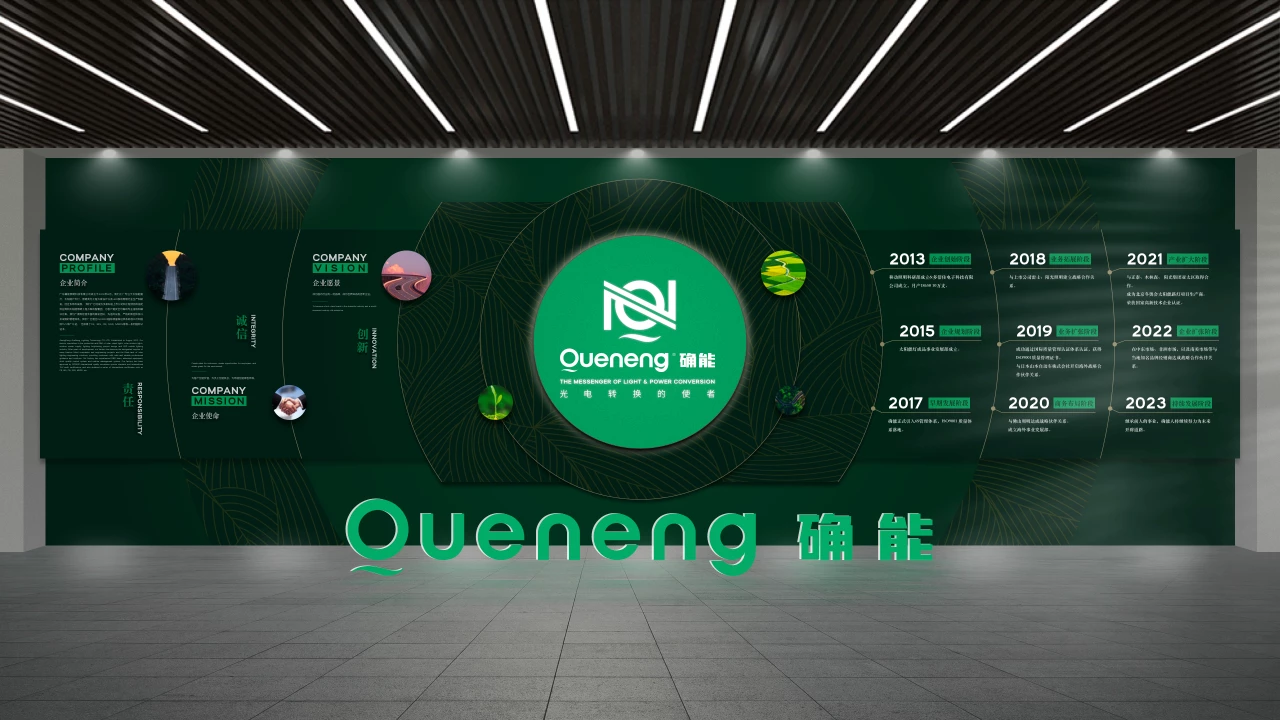
GuangDong Queneng Lighting Technology Co., Ltd. Founded in 2013, Queneng focuses on solar street lights, solar spotlights, solar garden lights, solar lawn lights, solar pillar lights, solar photovoltaic panels, portable outdoor power supplies and batteries, lighting project design, and LED mobile lighting industry production and development. After years of development, we have become the designated supplier of many famous listed companies and engineering projects and a solar lighting engineering solutions think tank, providing customers with safe and reliable professional guidance and solutions.
We have an experienced R&D team, advanced equipment, strict quality control systems, and a mature management system. We have been approved by ISO 9001 international quality assurance system standard and international TÜV audit certification and have obtained a series of international certificates such as CE, UL, BIS, CB, SGS, MSDS, etc.
Queneng’s product portfolio and differentiators aligned to municipal ROI drivers:
- Products: Solar Street Lights, Solar Spot lights, Solar Lawn lights, Solar Pillar Lights, Solar Photovoltaic Panels, Solar Garden Lights.
- Competitive advantages: strong R&D and manufacturing vertical integration (control of PV and luminaire BOM), international certifications that reduce procurement risk, and proven engineering services to design site-optimized PV/battery sizing to minimize lifecycle costs.
- Service and financing: Queneng provides project-level design, O&M guidance, and can support tender documentation to present robust lifecycle and warranty commitments that municipalities need to justify investment.
Practical checklist: what to deliver in an ROI proposal for Municipal Solar Street Light tenders
Make sure your proposal includes:
- Detailed CapEx breakdown (unit, installation, shipping, customs).
- Modeled cash flows for at least 10 years, including battery replacement schedule and costs.
- Sensitivity analysis and scenario tables (best/base/worst).
- Third‑party test reports and certifications for PV, battery, and luminaire.
- Warranty terms and SLA for monitoring & maintenance.
- References to completed municipal projects and sample maintenance records.
FAQs — Municipal Solar Street Light ROI
1. What is a realistic payback period for municipal solar street lights?
Answer: Payback varies widely: in high electricity price regions or where grid extension costs are avoided, payback can be 3–8 years. In areas with low tariffs and no avoided infrastructure costs, simple paybacks based solely on energy savings can exceed 10–20 years. Always include avoided infrastructure and resilience value to produce a fair comparison.
2. How should battery replacement be modeled in ROI calculations?
Answer: Model battery replacement explicitly (e.g., a LiFePO4 pack replaced at year 5–8), include replacement CapEx, and account for declining battery costs if you plan to assume future price improvements. Provide warranty-backed replacement guarantees to reduce municipal perceived risk.
3. What discount rate should municipalities use for NPV?
Answer: Use the municipality’s borrowing cost or a social discount rate if required by procurement rules. Typical municipal rates range from 3% (low, subsidized finance) to 8–10% (commercial financing). Present NPV at multiple discount rates to show sensitivity.
4. How accurate is energy production modeling for individual streetlight sites?
Answer: Use local solar insolation tools (NREL PVWatts, Meteonorm, or national solar atlas) and account for tilt, orientation, shading, and system losses (typically 0.8–0.9 performance factor). For single-pole PV integrated units, onsite shading can significantly reduce yield — include photos or drone surveys in proposals.
5. What certifications and tests should municipalities require?
Answer: Require IEC, CE or UL for electrical safety, IP rating for ingress protection, battery safety tests (UN38.3 for transport, cell-level test reports), and independent performance testing for lumen output and lumen maintenance (e.g., LM-79/LM-80 reports where applicable).
6. Can manufacturers offer financing or PPAs for municipal projects?
Answer: Yes. Offering financing, leasing or performance-based contracts (PPA or EPC models) can make solar solutions more attractive by converting CapEx to Opex and aligning payments with realized savings.
Contact & next steps
To discuss a tailored ROI model for your municipal tender or to review site-specific inputs and product options, contact our solutions team. For manufacturers seeking a reliable supplier or engineering partner, consider GuangDong Queneng Lighting for procurement, design and O&M collaboration. Request a project quote or detailed ROI workbook to validate your tender strategy.
References
- NREL PVWatts Calculator — National Renewable Energy Laboratory. https://pvwatts.nrel.gov/ (accessed 2025-11-30).
- IRENA, Renewable Power Generation Costs in 2023. https://www.irena.org/publications (accessed 2025-11-30).
- U.S. Department of Energy, Solid-State Lighting Program — facts and benchmarks. https://www.energy.gov/eere/ssl/solid-state-lighting (accessed 2025-11-30).
- Lighting Global / World Bank, Off-Grid Lighting Market Trends and Performance Reports. https://www.lightingglobal.org/resources/ (accessed 2025-11-30).
- ISO 9001 — Quality management systems. https://www.iso.org/iso-9001-quality-management. (accessed 2025-11-30).
Note: All financial examples are illustrative; substitute local CapEx, insolation and tariff inputs for project-level analysis.

Have more questions about our products or services?
The latest hot news you might like

Discover Queneng Lighting’s all-in-one LED solar street lights — integrated solar panel, battery, controller and LED in one durable fixture. Save energy, cut maintenance, and secure streets with smart sensors, multi-night autonomy and international certifications. Contact sales for quotes and support.

Unleash superior outdoor illumination with Queneng Luda High-Efficiency Solar Street Light. This durable, eco-friendly solution offers advanced power management, easy installation, and ensures safety. Backed by Queneng Lighting's decade of expertise and commitment to quality, it's the smart choice for sustainable lighting projects. Learn why we're a leading solar solutions provider.

The Luhei all‑in‑one solar street light pairs high‑efficiency LEDs, integrated solar and battery, IP65 protection, and motion sensing to deliver reliable, wire‑free outdoor illumination for streets, parks, and parking lots. Backed by Queneng Lighting’s certifications and support.

FAQ
Battery and Analysis
Can a rechargeable 1.2V portable battery be used instead of a 1.5V alkaline manganese battery?
What are the possible reasons why batteries and battery packs cannot be discharged?
2) Insufficient charging or no charging;
3) The ambient temperature is too low;
4) The discharge efficiency is low. For example, when a large current is discharged, an ordinary battery cannot discharge electricity because the internal material diffusion speed cannot keep up with the reaction speed, causing the voltage to drop sharply.
Battery Performance and Testing
What is the IEC standard cycle life test?
After the battery is discharged to 1.0V/support at 0.2C
1. Charge at 0.1C for 16 hours, then discharge at 0.2C for 2 hours and 30 minutes (one cycle)
2. Charge at 0.25C for 3 hours and 10 minutes, discharge at 0.25C for 2 hours and 20 minutes (2-48 cycles)
3. Charge at 0.25C for 3 hours and 10 minutes, then discharge to 1.0V at 0.25C (49th cycle)
4. Charge at 0.1C for 16 hours, leave for 1 hour, discharge at 0.2C to 1.0V (50th cycle). For nickel-metal hydride batteries, after repeating 1-4 for a total of 400 cycles, the 0.2C discharge time should be greater than 3 hours; for nickel-cadmium batteries, repeating 1-4 for a total of 500 cycles, the 0.2C discharge time should be greater than 3 hours.
Schools and Educational Institutions
Do the solar lights come with a timer or automatic on/off function?
Yes, many of our solar lighting systems come with built-in timers or automatic sensors, allowing them to turn on at dusk and off at dawn, or based on a set schedule.
APMS system
Does the APMS system require regular maintenance?
Yes, regular inspections and maintenance are recommended to ensure optimal operation. QUENENG offers remote technical support and maintenance services to help clients maintain system performance.
OEM&ODM
Do you offer warranty and technical support?
Yes. All our products come with a 3–5 year warranty. We provide full after-sales guidance, documentation, and video support.
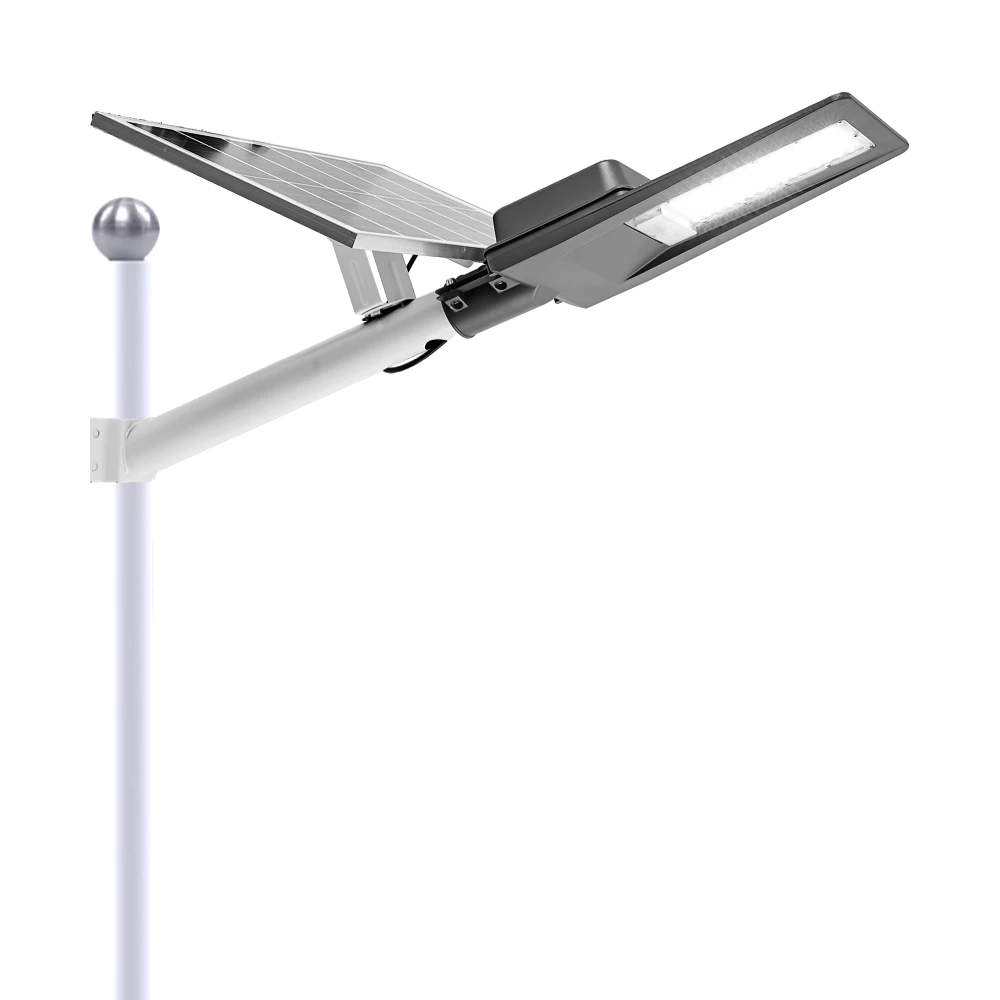
Experience reliable outdoor illumination with our smart solar street light, a perfect combination of advanced technology and eco-conscious design.
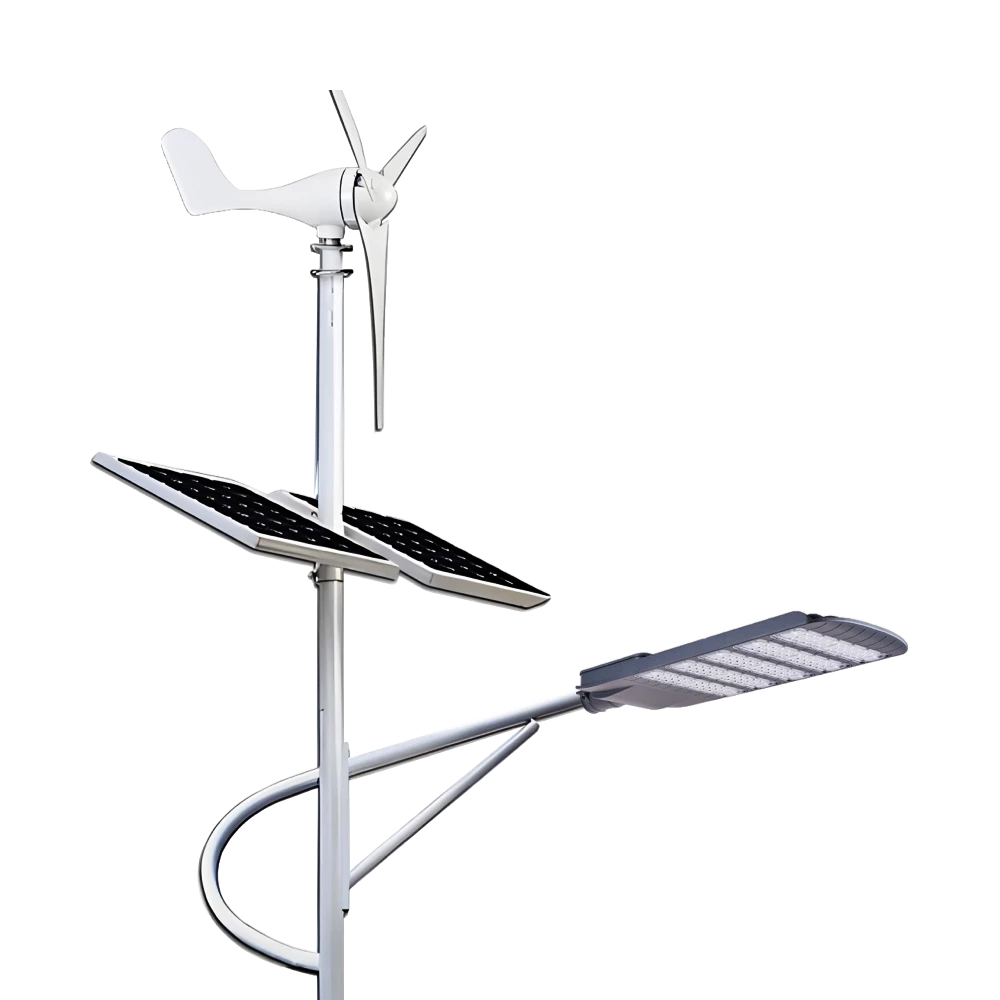
Queneng Lufeng Wind Energy LED Outdoor Solar Street Lights offer high-performance, eco-friendly illumination. These energy-efficient LED street lights harness solar power and wind energy for sustainable, cost-effective outdoor lighting solutions.
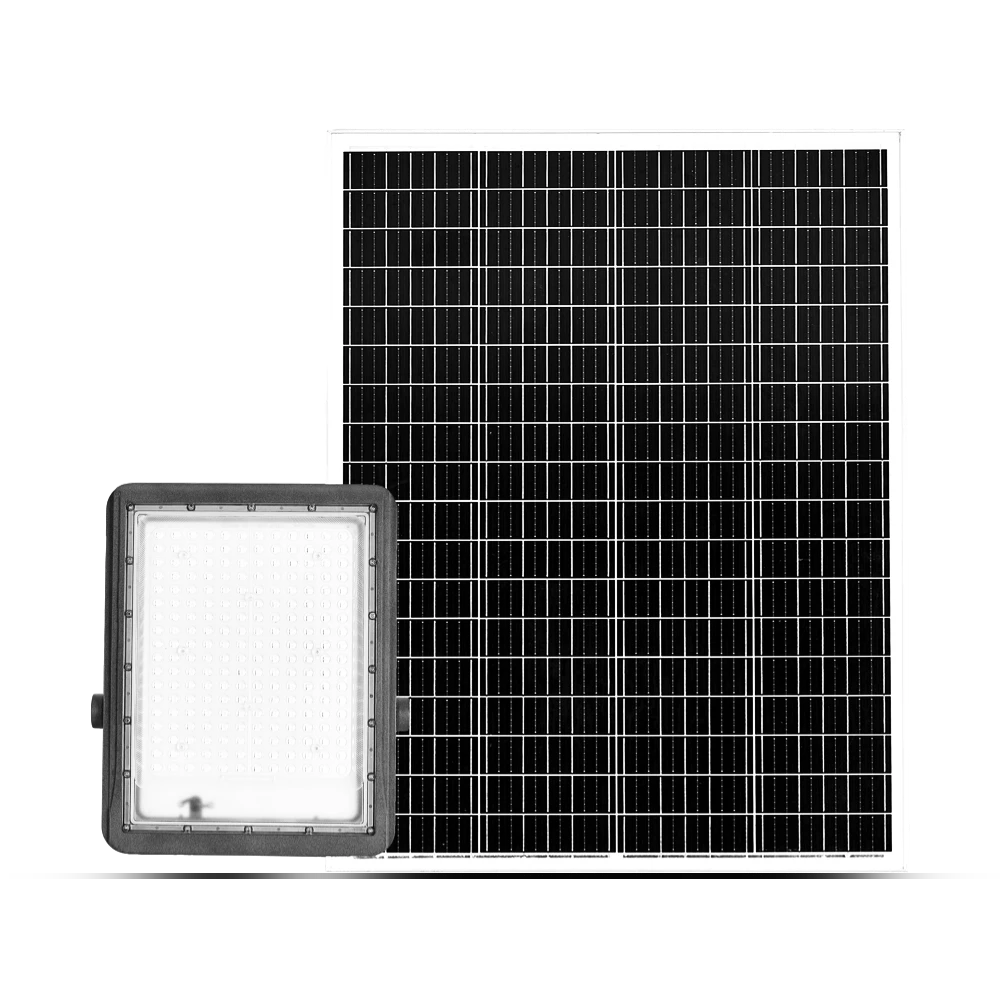
Queneng's Luxian Reliable Solar Street Light offers energy-saving LED lighting for outdoor use. This durable, solar-powered street light provides reliable illumination, reducing energy costs and environmental impact. A perfect solution for sustainable outdoor lighting.
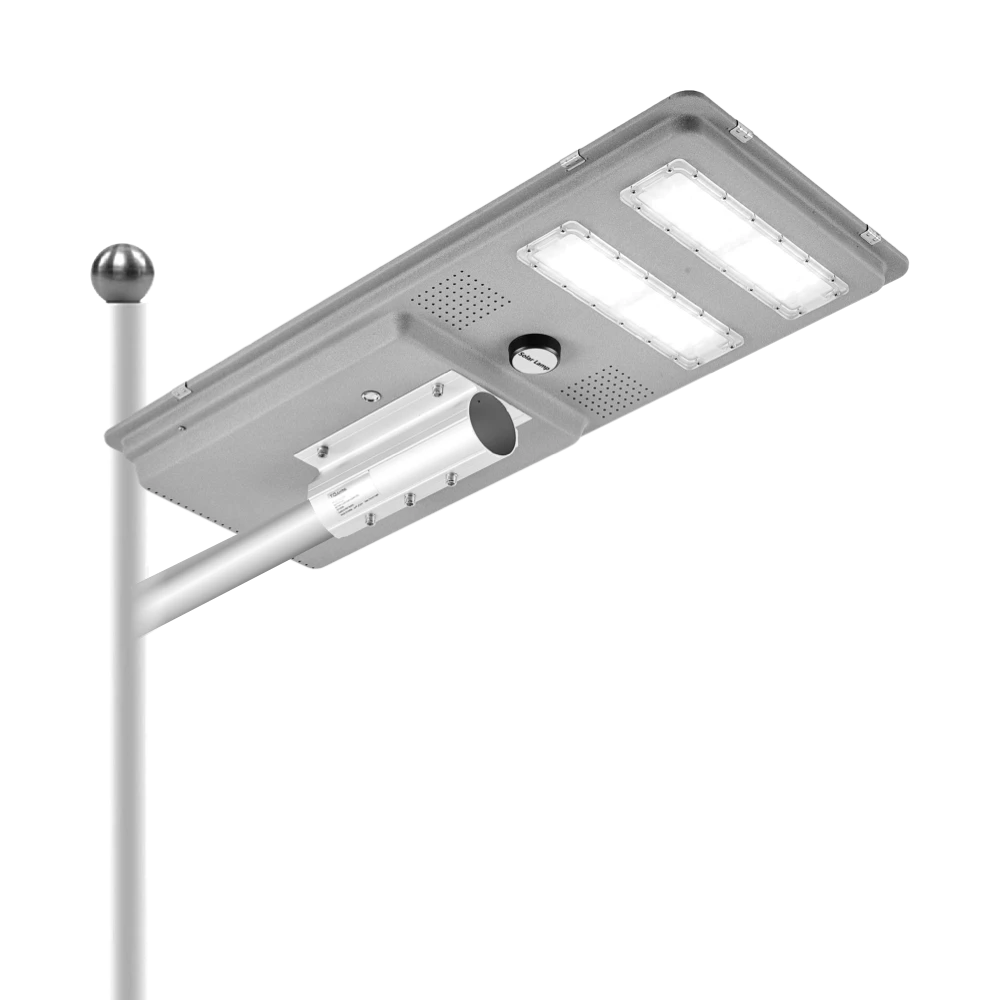
Queneng’s Solar Street Lights are designed to provide reliable, energy-efficient lighting for streets, parks, and other outdoor spaces.
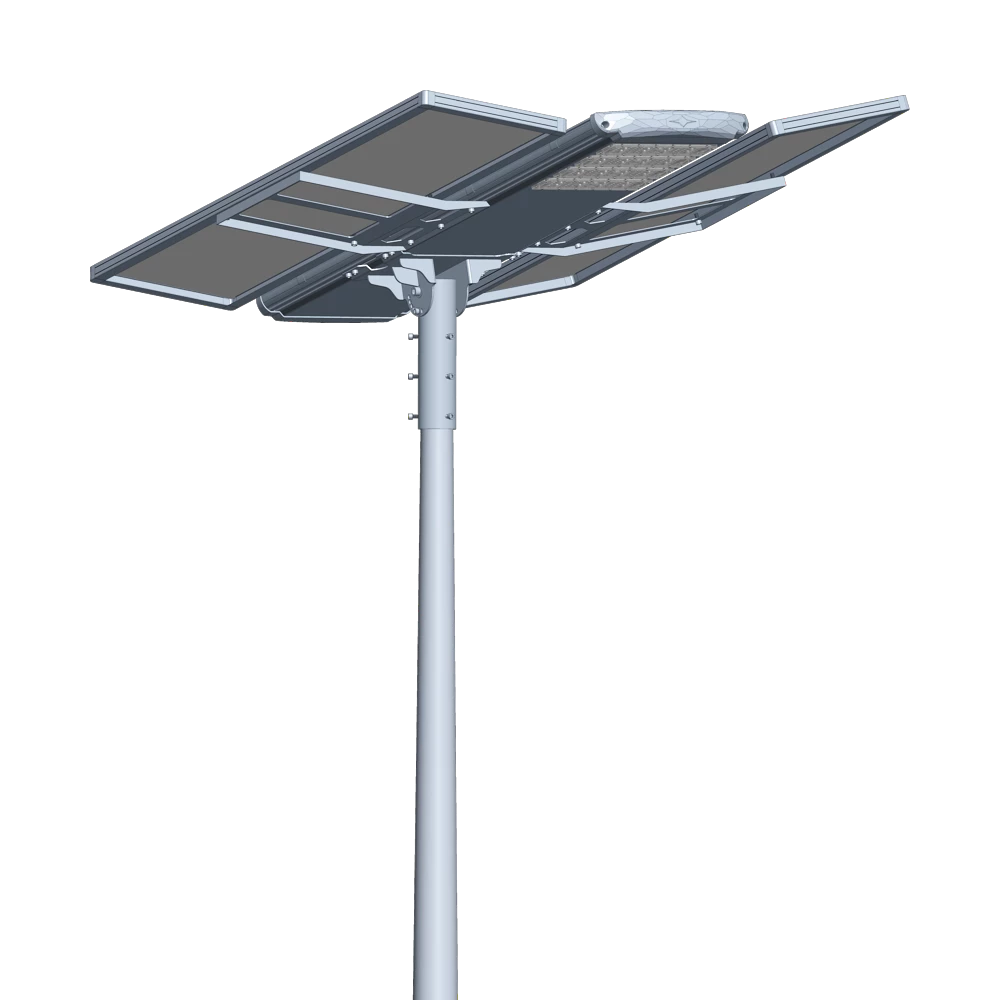
Introducing the Luqing Solar Street Light by Queneng, Efficient LED lighting powered by solar energy is perfect for illuminating outdoor areas. Harness the power of solar energy for sustainable, reliable street lighting. Ideal for eco-friendly, cost-effective outdoor illumination solutions.
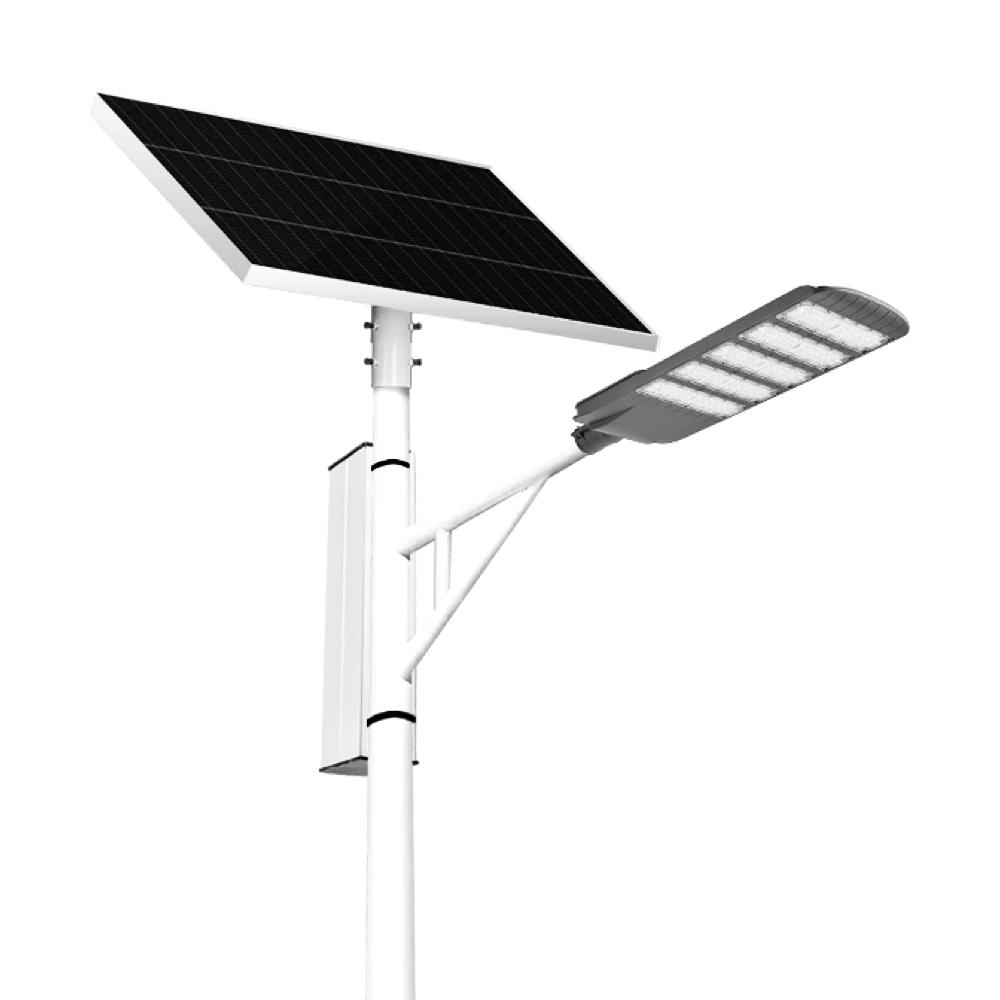
The Solar Streetlights of Luhao for Municipalities are designed to deliver reliable, energy-efficient, and cost-effective public lighting solutions. Equipped with advanced LED technology, durable lithium batteries, and high-efficiency solar panels, these streetlights provide consistent illumination for roads, parks, residential areas, and government projects.
Our professional team is ready to answer any questions and provide personalized support for your project.
You can reach us via phone or email to learn more about Queneng’s solar lighting solutions. We look forward to working with you to promote clean energy solutions!
Rest assured that your privacy is important to us, and all information provided will be handled with the utmost confidentiality.
By clicking 'Send Inquiry Now' I agree to Queneng processing my personal data.
To see how to withdraw your consent, how to control your personal data and how we process it, please see our Privacy Policy and Terms of use.
Schedule a Meeting
Book a date and time that is convenient for you and conduct the session in advance.
Have more questions about our products or services?
The messenger of light & power conversion
Environmental protection and intelligent manufacturing are our brand philosophy, and quality assurance and the best user experience are our eternal promises to users.
CONTACT
No.9F, Building F, Cao San Xin Tian Hong Logistics Park, Guzhen Town, Zhongshan City, Guangdong Province, China.
or write [email protected]
WhatsApp: +86 136 2270 1011


