

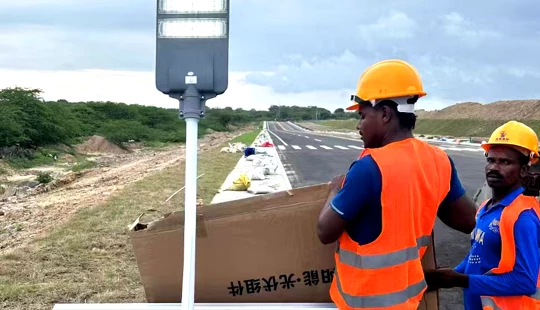
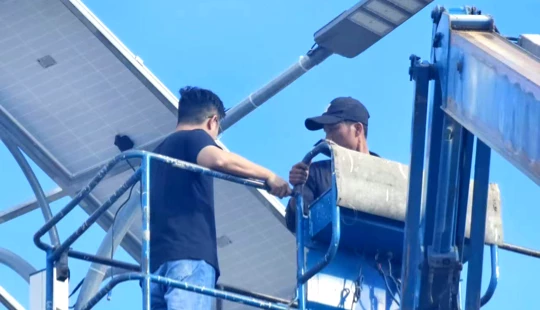













Rural Electrification Using All-in-One Lights
Summary for geo-indexing: In remote and off-grid communities, All-in-One Solar Street Lights deliver reliable, scalable lighting with minimal civil works and fast deployment. This article examines how all-in-one units compare to split solar street light systems and municipal solar street light deployments, quantifies common performance metrics, and provides engineering, procurement and community-integration guidance suitable for NGOs, local governments and EPC contractors involved in rural electrification.
Why decentralized solar lighting is critical for rural communities
Rural electrification challenges and the role of lighting
Rural communities often face high grid-extension costs, long timelines and low-load density that make conventional grid electrification uneconomic. Lighting is the most immediate and visible benefit of electrification: it extends productive hours, increases safety, and supports education and commerce. Decentralized lighting—using solar-powered fixtures—bypasses long lead times and expensive infrastructure while delivering measurable social and economic returns.
Evidence and global context
International agencies emphasize decentralized clean technologies for underserved areas. For context, the United Nations Sustainable Development Goal 7 (access to affordable, reliable, sustainable energy) and World Bank programs prioritize distributed solar solutions to reach off-grid populations (UN SDG7; World Bank Electrification). Solar street lighting is an immediate, high-impact intervention for communities where full household electrification is a longer-term project.
Comparing product architectures: all-in-one, split and municipal solar street light systems
Architectural differences
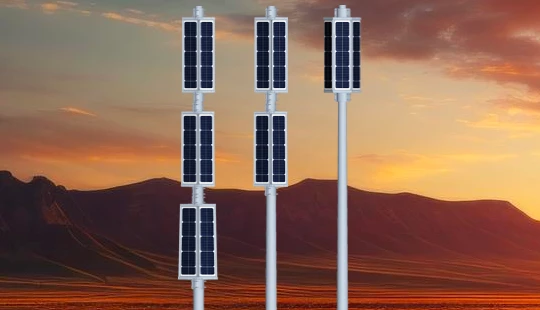
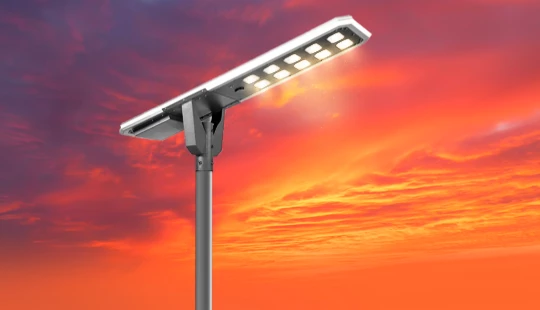
All-in-one solar street lights integrate the PV module, battery, controller and LED luminaire into one compact housing. Split solar street light systems separate these elements—typically the PV panel and battery are mounted separately from the luminaire, often with cabling between. Municipal solar street light projects may use either architecture but often require higher-power units, networked control and compliance with municipal standards.
Performance, maintenance and total cost of ownership (TCO)
All-in-one units minimize installation time and reduce theft/vandalism points due to their compact design, but battery and PV replacement can be more invasive than in split systems where components are more accessible. Split systems allow flexible PV orientation (tilt and azimuth) and easier battery swapping, which can be beneficial in higher-latitude or variable-shade sites. Municipal deployments often demand higher lumen output, remote management (AMR/IoT) and standardized mounting suitable for urban domains.
Comparison table: use-cases and selection criteria
| Criterion | All-in-One Solar Street Lights | Split Solar Street Light | Municipal Solar Street Light (large projects) |
|---|---|---|---|
| Installation speed | Fast (pole-mounted plug-and-play) | Moderate (more mounting points) | Variable (site prep + electrical integration) |
| Maintenance ease | Moderate (full-unit replacement common) | High (component-level servicing) | High (service contracts, remote diagnostics) |
| Theft/vandalism risk | Lower (compact & integrated) | Higher (separate visible PV/battery) | Depends (secured enclosures, monitoring) |
| Scalability for village/municipal rollout | Excellent for rapid village-scale rollout | Good for customized solutions | Best for urban corridors & high-demand streets |
Sources: product architecture best practices and field studies from industry suppliers and standard references such as the Solar street light (Wikipedia).
Designing an effective rural electrification program using solar street lights
Site assessment and optics
Begin with a site survey: population density, crime statistics, typical pedestrian/vehicle flows, tree cover, and available pole locations. For all-in-one solar street lights, ensure unobstructed sun access for at least 4–6 hours of peak sun or ensure oversizing of battery/PV to compensate. Split systems can mitigate shading by placing PV panels on custom masts where sun exposure is better.
Sizing PV and battery for reliability
Design rules of thumb for off-grid lighting: plan for 2–4 days of autonomy to cover cloudy periods and use high-efficiency LED modules to minimize energy consumption. Example: a 40 W LED fixture running 10 hours/night consumes 400 Wh/day. For 3 days autonomy and system derating (battery and controller losses), design battery capacity ≈ 1.8–2.5 kWh and PV sizing ≈ 150–300 W depending on location and panel orientation. Use local solar insolation data from reliable sources (e.g., NASA, PVGIS) for precise sizing.
Lighting levels and standards
Adopt recognized illuminance and uniformity standards. For pedestrian pathways, 5–10 lux average may be acceptable; for main village streets or market areas, 10–30 lux with uniform distribution is preferable. Municipal specifications often reference standards from IES or local authorities—ensure fixtures meet IP66 weather protection, IK08 impact resistance and have documented luminous flux and photometric distributions.
Procurement, financing and deployment strategies
Cost drivers and financial models
Major cost elements include luminaire unit price, pole and foundation works, shipping, installation labor, and after-sales service. For rural projects, all-in-one solar street lights reduce installation labor and civil works costs, which can be decisive for limited budgets. Financing models include capex procurement by municipalities, donor-funded programs, public-private partnerships (PPPs), and pay-as-you-go (PAYG) service models where local operators maintain assets in exchange for a service fee.
Quality, standards and lifecycle guarantees
To minimize risk in long-term projects, require suppliers to provide product certifications (CE, UL, BIS, CB), IP/IK ratings, and performance warranties for battery and luminaire (typically 3–5 years for batteries; 5+ years for LEDs). Reference authoritative certifications when evaluating vendors. For technical due diligence see testing standards and recommendations from international labs and certification bodies such as TÜV and SGS.
Community engagement and long-term operations
Sustainable deployments require community buy-in and a local maintenance plan. Train a community-based maintenance team or contract a local electrician for routine checks. Implement simple monitoring (light-on schedules, basic energy usage tracking) and establish a spare-parts pool to reduce downtime. In many rural projects, local ownership reduces vandalism and encourages timely reporting of faults.
Deployment case studies, procurement checklist and Queneng Lighting capabilities
Representative case scenarios
Case A — Small village retrofit: 120 all-in-one units (30 W LED) spaced at 25 m, installed over 5 days by a 6-person crew. Outcomes: rapid visibility improvement, reduced nighttime crime, measurable increase in night market activity within 3 months. Case B — Peri-urban municipal road: split solar street light solution with larger PV arrays and battery banks integrated into secure enclosures; included central monitoring and remote dimming to meet higher lumen requirements.
Procurement checklist (quick reference)
- Define lighting levels (lux) and hours of operation.
- Choose architecture: all-in-one for speed and theft resistance; split for flexibility and easier serviceability.
- Require certifications: ISO 9001, CE/UL/BIS, TÜV audit reports.
- Specify battery chemistry (LiFePO4 recommended for cycle life), PV efficiency, expected autonomy days and operating temperature range.
- Include warranty terms, spare-parts plan and local training provisions.
Queneng Lighting — supplier profile and advantages
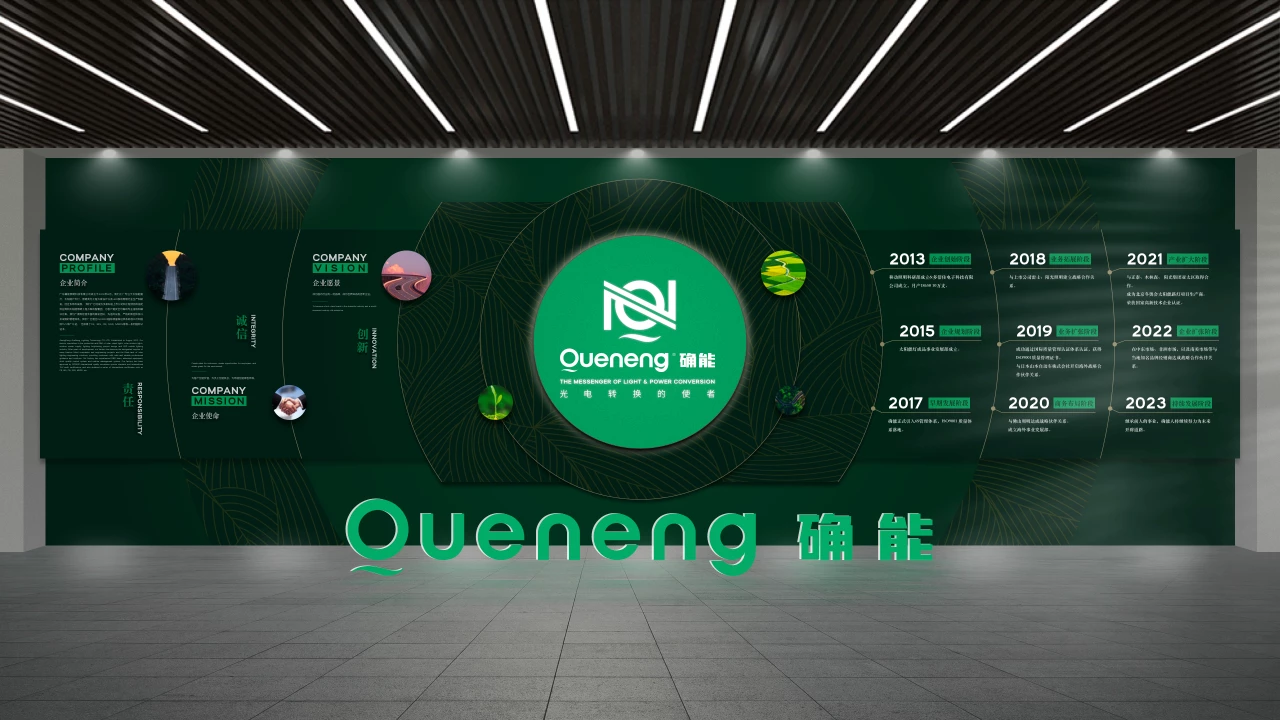
Queneng Lighting, founded in 2013, specializes in solar street lights, solar spotlights, solar garden lights, solar lawn lights, solar pillar lights, solar photovoltaic panels, portable outdoor power supplies and batteries, lighting project design, and LED mobile lighting production. After years of development, Queneng has become the designated supplier for listed companies and major engineering projects and operates as a solar lighting engineering solutions think tank, providing clients with reliable professional guidance and turnkey solutions.
Queneng advantages include an experienced R&D team, advanced production equipment, strict quality control systems and mature management processes. The company holds ISO 9001 certification, has passed international TÜV audits, and maintains a broad suite of international certifications including CE, UL, BIS, CB, SGS and MSDS. Queneng offers a product range that includes Solar Street Lights, Solar Spot lights, Solar Lawn lights, Solar Pillar Lights, Solar Photovoltaic Panels, split solar street light systems and All-in-One Solar Street Lights. Their combination of in-house engineering, project experience and global certifications makes them a competitive partner for rural electrification programs requiring reliable, compliant hardware and technical support.
Technical appendix: metrics, standards and sources
Key metrics to track
Suggested KPIs for rural lighting projects: system uptime (%), mean time to repair (MTTR), energy produced per PV unit (kWh/day), battery cycle count and State of Health (SoH), and luminaire luminous flux retention (L70 percentage over time).
Standards and authoritative sources
Design and procurement decisions should reference:
- UN SDG7 goals and electrification guidance (https://sdgs.un.org/goals/goal7).
- World Bank electrification resources (https://www.worldbank.org/en/topic/energy/brief/electrification).
- Solar street light technical overview (https://en.wikipedia.org/wiki/Solar_street_light).
FAQs
1. Are all-in-one solar street lights suitable for all rural climates?
All-in-one units are suitable for many rural climates but require proper sizing. In areas with frequent heavy cloud cover or long rainy seasons, oversize PV and battery capacity or consider split systems that allow optimized panel placement. Use local insolation data (e.g., PVGIS or NASA) when sizing systems.
2. How long do batteries and LEDs last in typical field deployments?
Battery life depends on chemistry and depth of discharge: LiFePO4 batteries commonly used today can deliver 2,000–4,000 cycles at conservative DoD and proper temperature management (translating to 5–10+ years depending on cycling). High-quality LEDs typically retain useful light output for 50,000+ hours; expect 5–10 years of acceptable performance under normal conditions.
3. Which is better for theft-prone areas: all-in-one or split systems?
All-in-one solar street lights generally reduce theft and vandalism risk because components are integrated and often mounted higher on the pole. Split systems expose PV panels and batteries, which can be targeted. For high-risk areas, choose tamper-resistant mounting, secure enclosures and consider higher mounting heights.
4. Can municipalities integrate solar street lights with central lighting management systems?
Yes. Many municipal solar street light solutions—both split and larger all-in-one models—support remote monitoring, dimming schedules and fault reporting via GSM, LoRaWAN or other IoT protocols. Specify AMR/IoT compatibility during procurement.
5. What are the typical payback periods for rural solar street lighting projects?
Payback varies widely depending on alternatives (diesel generators, kerosene lighting), local labor and civil costs, and financing structure. For purely replacing kerosene or improving safety and commerce, many projects achieve social and economic payback within 2–7 years when considering reduced operating costs and social benefits. Financial payback should include maintenance and replacement cycles in the lifecycle cost analysis.
6. How should I choose between municipal solar street light standards and consumer-grade options?
Municipal deployments require adherence to procurement standards, higher durability, warranty terms and often remote management. Consumer-grade units are suitable for informal applications but typically lack the certifications and lifecycle guarantees needed for large public projects. Always require certifications and third-party testing for municipal tenders.
Contact / Request a quote: For project consultations, technical specifications or product samples—especially if you are evaluating All-in-One Solar Street Lights, split solar street light systems or municipal solar street light solutions—contact Queneng Lighting for professional guidance and turnkey proposals. Reach out via the company website or your regional representative to discuss site-specific design, pilot projects and procurement support.

Have more questions about our products or services?
The latest hot news you might like

Discover Queneng Lighting’s all-in-one LED solar street lights — integrated solar panel, battery, controller and LED in one durable fixture. Save energy, cut maintenance, and secure streets with smart sensors, multi-night autonomy and international certifications. Contact sales for quotes and support.

Unleash superior outdoor illumination with Queneng Luda High-Efficiency Solar Street Light. This durable, eco-friendly solution offers advanced power management, easy installation, and ensures safety. Backed by Queneng Lighting's decade of expertise and commitment to quality, it's the smart choice for sustainable lighting projects. Learn why we're a leading solar solutions provider.

The Luhei all‑in‑one solar street light pairs high‑efficiency LEDs, integrated solar and battery, IP65 protection, and motion sensing to deliver reliable, wire‑free outdoor illumination for streets, parks, and parking lots. Backed by Queneng Lighting’s certifications and support.

FAQ
Battery and Analysis
What are the possible reasons for the short discharge time of batteries and battery packs?
2) The discharge current is too large, which reduces the discharge efficiency and shortens the discharge time;
3) When the battery is discharging, the ambient temperature is too low and the discharge efficiency decreases;
What is the principle of charger? What are the main categories?
What is the operating temperature range of lithium-ion batteries?
Solar Street Light Luzhou
Are Luzhou solar street lights suitable for urban and residential areas?
Yes, Luzhou solar street lights are versatile and suitable for both urban and residential settings. They can be installed along streets, pathways, parks, and other public spaces, providing reliable, energy-efficient lighting wherever it's needed.
Batteries and the environment
What impact do batteries have on the environment?
All-in-one solar street lights
How long is the battery lifespan?
Typically 5–8 years depending on battery type and usage.
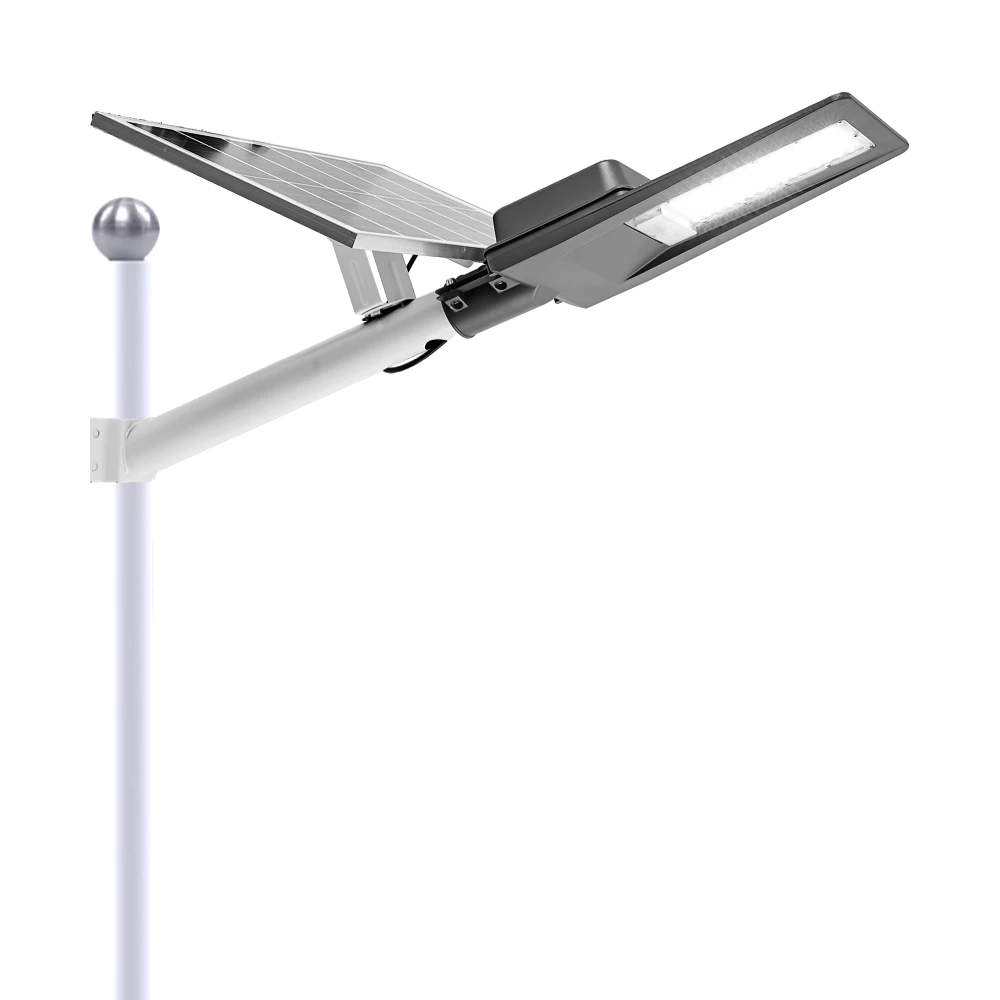
Experience reliable outdoor illumination with our smart solar street light, a perfect combination of advanced technology and eco-conscious design.
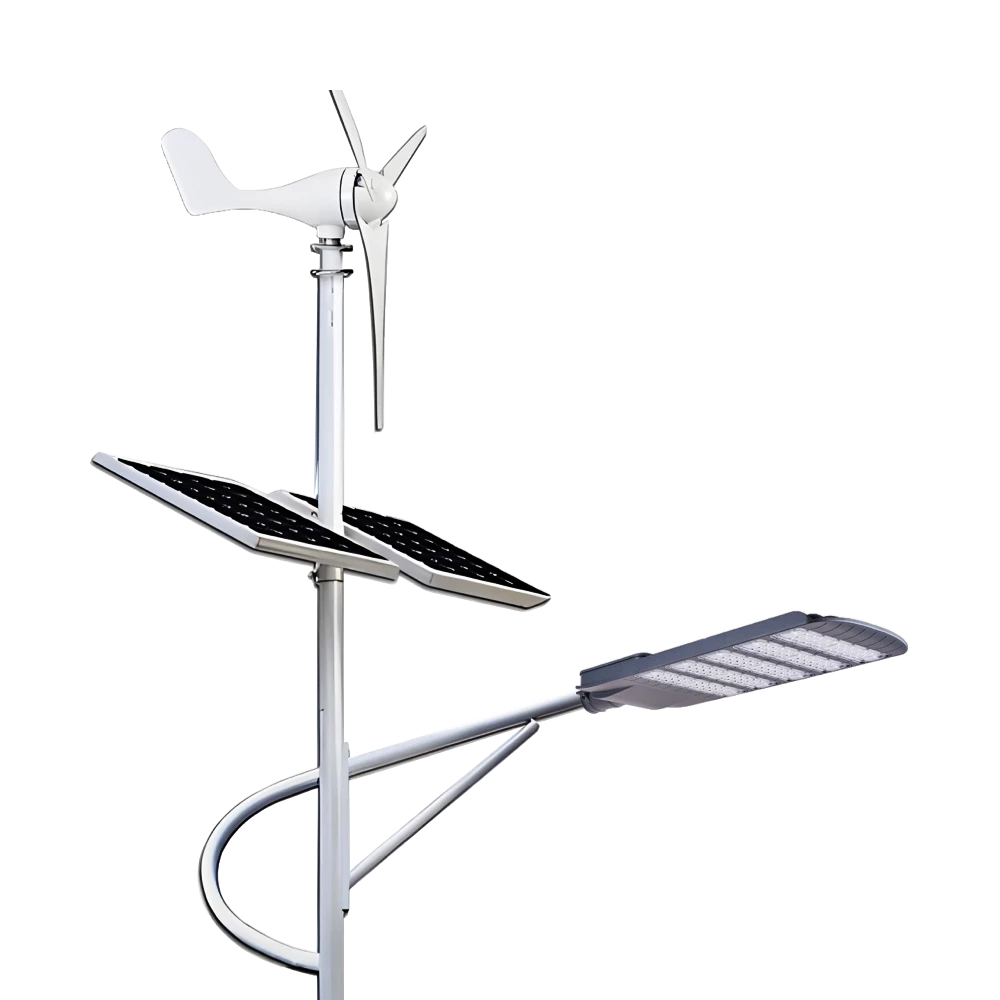
Queneng Lufeng Wind Energy LED Outdoor Solar Street Lights offer high-performance, eco-friendly illumination. These energy-efficient LED street lights harness solar power and wind energy for sustainable, cost-effective outdoor lighting solutions.
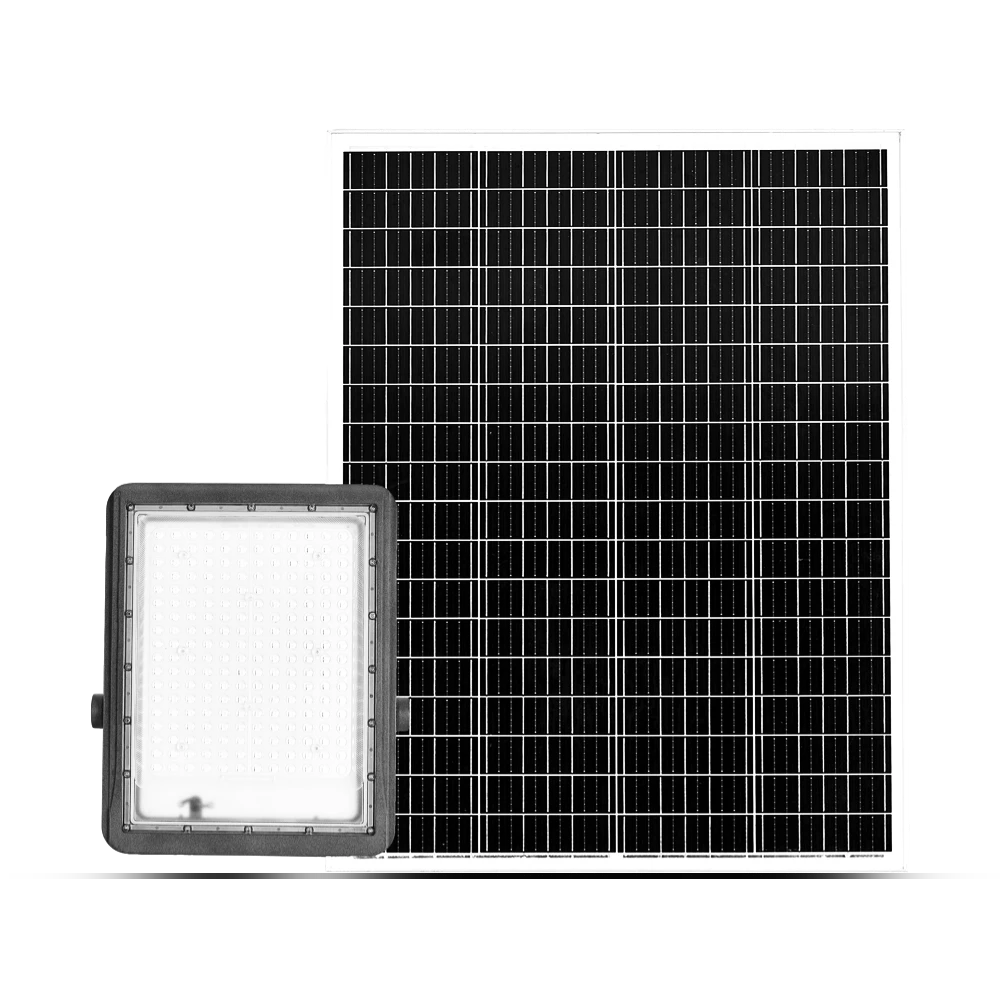
Queneng's Luxian Reliable Solar Street Light offers energy-saving LED lighting for outdoor use. This durable, solar-powered street light provides reliable illumination, reducing energy costs and environmental impact. A perfect solution for sustainable outdoor lighting.
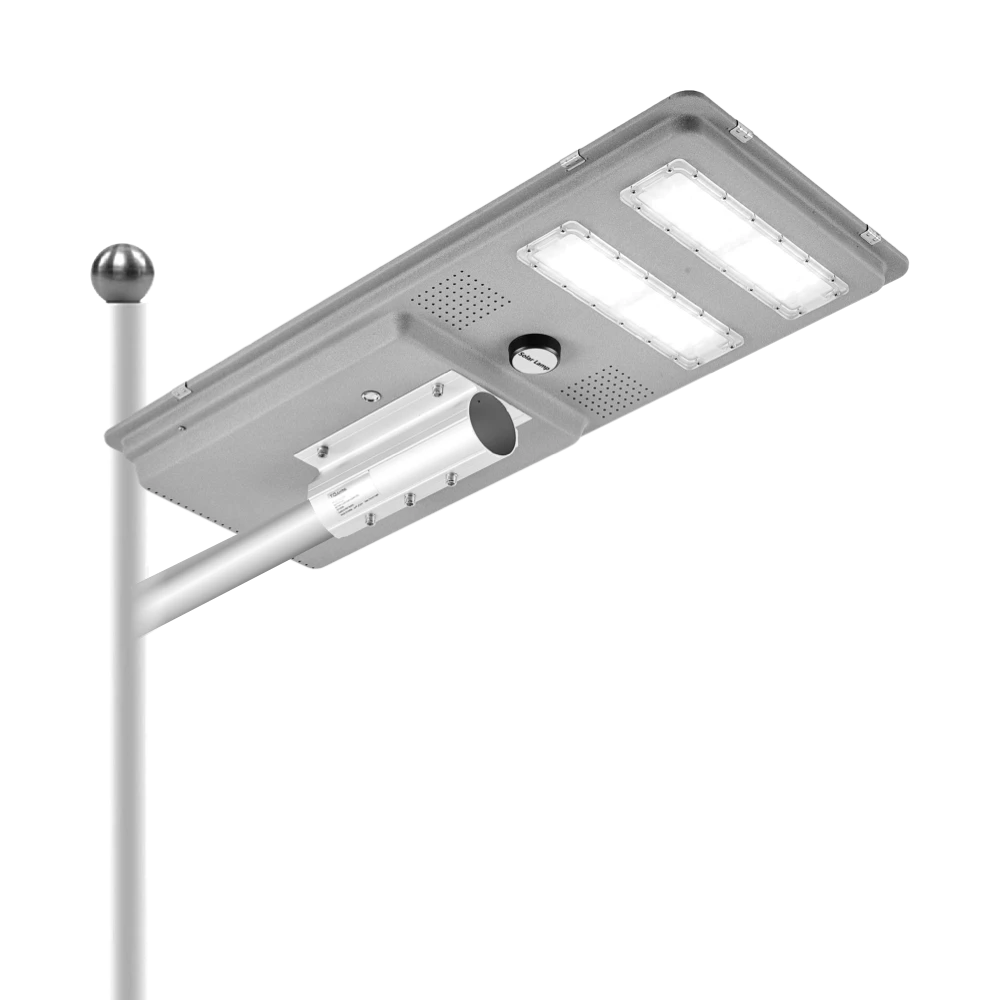
Queneng’s Solar Street Lights are designed to provide reliable, energy-efficient lighting for streets, parks, and other outdoor spaces.
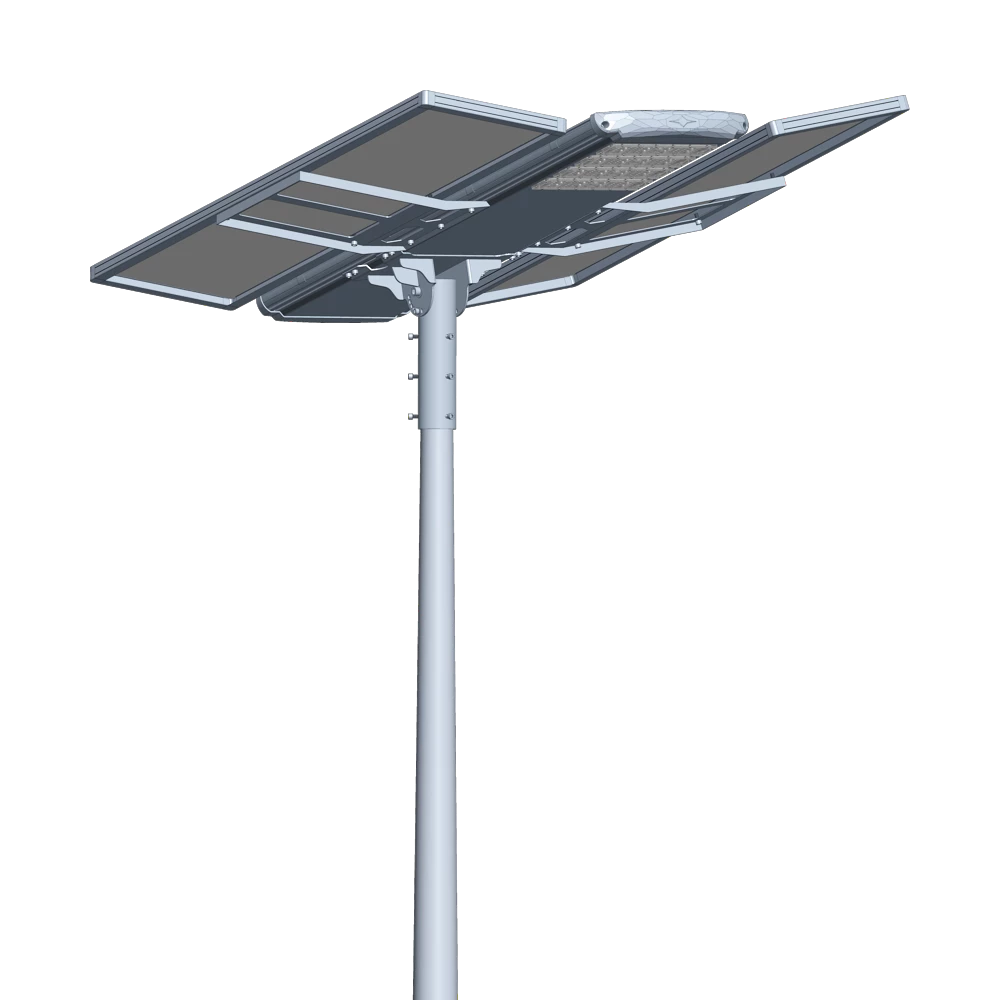
Introducing the Luqing Solar Street Light by Queneng, Efficient LED lighting powered by solar energy is perfect for illuminating outdoor areas. Harness the power of solar energy for sustainable, reliable street lighting. Ideal for eco-friendly, cost-effective outdoor illumination solutions.
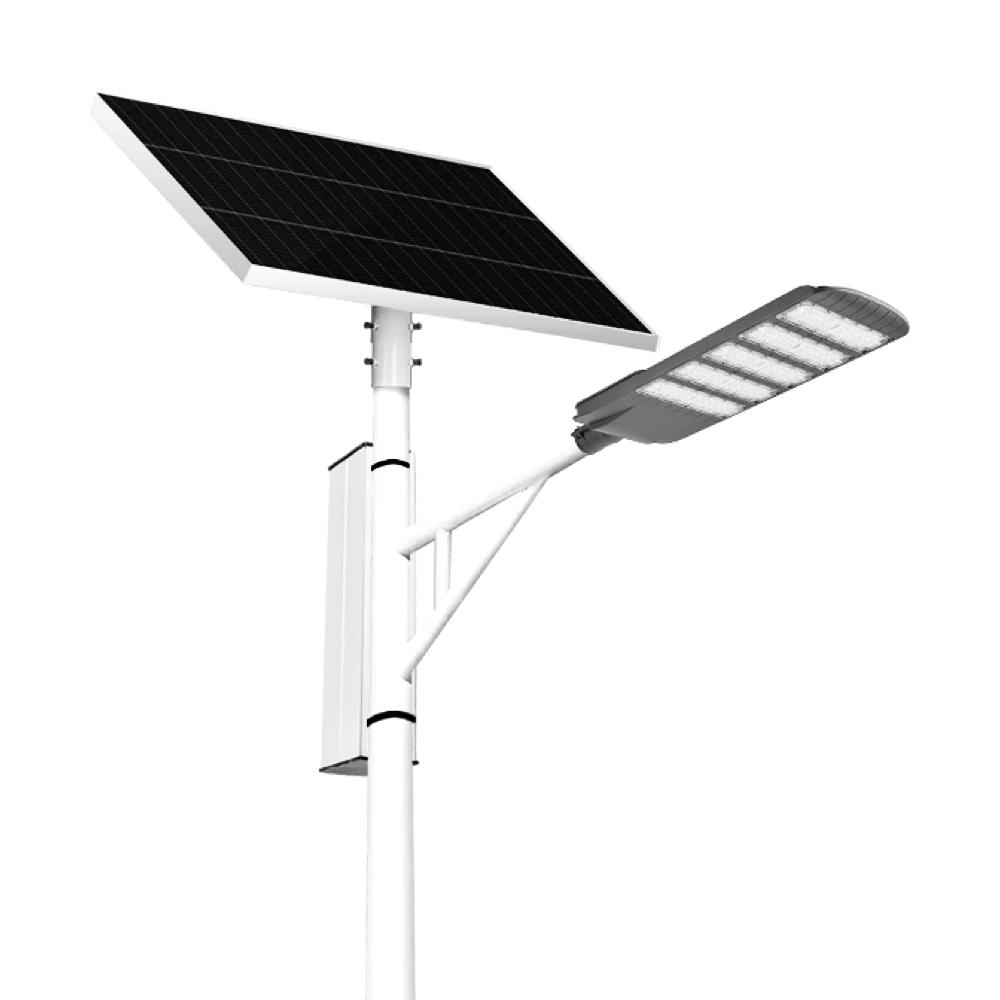
The Solar Streetlights of Luhao for Municipalities are designed to deliver reliable, energy-efficient, and cost-effective public lighting solutions. Equipped with advanced LED technology, durable lithium batteries, and high-efficiency solar panels, these streetlights provide consistent illumination for roads, parks, residential areas, and government projects.
Our professional team is ready to answer any questions and provide personalized support for your project.
You can reach us via phone or email to learn more about Queneng’s solar lighting solutions. We look forward to working with you to promote clean energy solutions!
Rest assured that your privacy is important to us, and all information provided will be handled with the utmost confidentiality.
By clicking 'Send Inquiry Now' I agree to Queneng processing my personal data.
To see how to withdraw your consent, how to control your personal data and how we process it, please see our Privacy Policy and Terms of use.
Schedule a Meeting
Book a date and time that is convenient for you and conduct the session in advance.
Have more questions about our products or services?
The messenger of light & power conversion
Environmental protection and intelligent manufacturing are our brand philosophy, and quality assurance and the best user experience are our eternal promises to users.
CONTACT
No.9F, Building F, Cao San Xin Tian Hong Logistics Park, Guzhen Town, Zhongshan City, Guangdong Province, China.
or write [email protected]
WhatsApp: +86 136 2270 1011


