

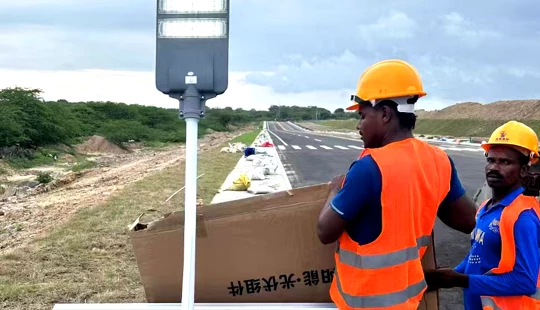
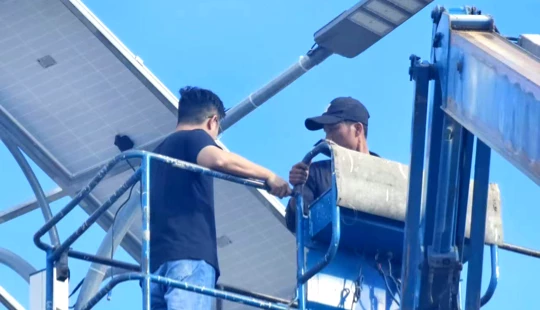













Scalability Planning for City-Wide Deployments
Effective scalability planning for city-wide solar street lighting ensures safe, resilient, and cost-effective public illumination while enabling rapid deployment and long-term performance monitoring. This guide focuses on municipal solar street light planning and contrasts split solar street light and all-in-one solar street lights options, covering urban load forecasting, modular design, procurement, installation, operations, and measurable KPIs so city engineers and project managers can make verifiable, low-risk decisions that align with local regulations and sustainability goals.
Why scalable lighting matters for modern cities
Urban growth, electrification, and public safety
Rapid urbanization increases demand for reliable public lighting. Well-planned municipal solar street light deployments reduce reliance on grid expansion, deliver consistent illumination in peri-urban and informal settlements, and improve road and pedestrian safety. According to global urbanization trends and energy transition analyses, distributed solar solutions are increasingly cost-competitive for off-grid or weak-grid areas (IEA Net Zero by 2050).
Energy resilience and grid independence
Deploying solar street lights across a city enhances energy resilience: solar + battery systems provide continuous lighting during grid outages and reduce peak load pressure. Municipal planning should treat lighting as a critical infrastructure element with redundancy, remote monitoring, and clear service-level targets.
Regulatory, safety, and environmental drivers
Local regulations and sustainability targets increasingly require low-carbon public works. Compliance with international quality and safety standards (for example, ISO 9001) and relevant electrical and photometric norms reduces procurement risk and supports long-term ROI.
Technical strategies for scalable municipal solar deployments
Choosing between split and all-in-one solar street lights
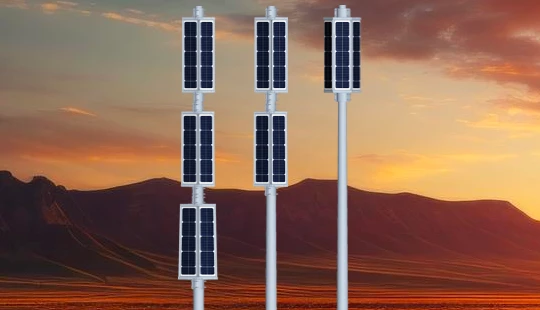
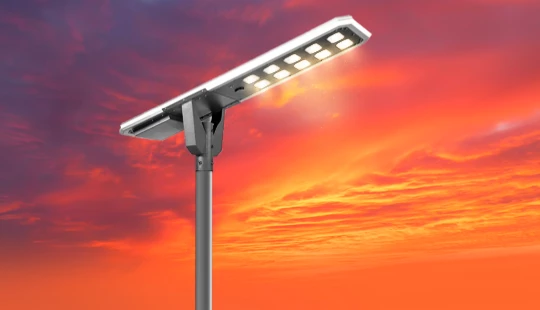
Two dominant hardware architectures exist: split solar street light systems, where the photovoltaic (PV) module, battery storage, and control electronics are mounted separately (often with batteries at pole base), and all-in-one solar street lights that integrate PV, battery, driver, and LED in a single luminaire. Each has trade-offs:
| Characteristic | Split Solar Street Light | All-in-One Solar Street Lights |
|---|---|---|
| Scalability | Highly modular; easier battery replacement and larger capacities possible | Easier plug-and-play deployment; simpler inventory but limited battery upsizing |
| Maintenance | Easier thermal management; batteries accessible at base for O&M | Component replacement can require ladder/crane work; compact design may limit serviceability |
| Security & Vandalism | Batteries can be secured at ground level with enclosures | Higher risk of theft if not well-secured due to rooftop battery location |
| Initial Cost & Deployment Speed | Usually higher installation effort; flexible configurations | Lower per-unit installation time; faster pilot-to-rollout cycle |
| Typical Use Cases | High-capacity corridors, heavy-load sites, longer autonomy requirements | Residential streets, parks, rapid area coverage projects |
References: general architectural comparison and field reports of solar luminaire types are discussed in lighting industry resources and technical briefs (see industry overviews such as Solar street light — Wikipedia).
Energy modeling and battery management
Scalability requires robust energy modeling across seasons. Key inputs include local irradiance data, luminaire consumption (LED drive currents, dimming profiles), autonomy requirements (days of backup), and temperature derating for batteries. Use satellite irradiance datasets (e.g., NASA or Meteonorm) for baseline modeling, and pilot field metering for calibration. Battery chemistry selection (LiFePO4 vs. lead-acid) impacts cycle life, temperature tolerance, and O&M. LiFePO4 typically offers higher cycle life and better depth-of-discharge performance for municipal deployments.
Modular mounting, pole infrastructure and civil works
Standardize pole foundations, anchor bolts, and conduits to simplify mass deployment. For split solar street light systems, specify secure battery housings, tamper-proof enclosures, and cable runs to reduce vandalism risk. Design modular brackets and pre-assembled harnesses to reduce per-unit installation time and training requirements for crews.
Implementation, procurement and operations at city scale
Pilot-to-phased rollout methodology
Start with a representative pilot: mix urban arterial roads, residential streets, and peri-urban segments. Define clear KPIs (uptime, lux levels, energy harvested, mean time to repair). Use pilot data to refine procurement specs (module wattage, battery autonomy, lumens per watt) and finalize acceptance tests before mass procurement.
Procurement, financing and performance contracting
Municipal projects often use performance-based contracts (ESCO/PPA models) to shift technical risk to vendors. Consider warranties for PV modules (25 years linear power warranty), battery warranties (cycle-based), and comprehensive O&M contracts. Financial options include capital expenditure, energy-as-a-service, or blended financing with climate funds. Ensure procurement documents require third-party certifications (CE, UL, BIS, TÜV) and factory audits.
O&M, monitoring, and digital integration
Remote monitoring platforms (IoT) are essential for scalable operations. Real-time data on energy generation, battery state-of-charge, lamp status, and fault alerts reduce truck rolls and mean time to repair. For interoperability and data analysis, require open APIs and standard telemetry formats. IEEE and city smart lighting frameworks outline communication and cybersecurity best practices for municipal lighting systems (IEEE Standards).
Case metrics, comparative analysis and ROI
KPIs and monitoring frameworks
Key performance indicators for scalable municipal solar projects include:
- System Availability (% uptime)
- Average Daily Energy Harvest (Wh/day)
- Average Autonomy (days)
- Maintenance Frequency (calls per 100 luminaires per year)
- Total Cost of Ownership (TCO) per lumen-hour over 10–15 years
Define KPI measurement windows and acceptance thresholds in procurement documentation.
Comparative cost and performance (example matrix)
The following illustrative table compares typical attributes for planning. For financial modeling, substitute local labor, transport, and component costs validated by quotes.
| Metric | Split Solar System | All-in-One Solar Light | Notes |
|---|---|---|---|
| Typical deployment time per unit | 3–6 hrs | 1–2 hrs | Depends on civil works and training |
| Expected battery life | 5–8 years (LiFePO4 varies) | 3–6 years (varies by design) | Warranty terms vary by manufacturer |
| Scalability index* | High | Medium-High | *qualitative index for adaptability |
| Vulnerability to theft/vandalism | Lower with ground enclosures | Higher unless anti-theft measures used | Security planning essential |
Sources for lifecycle and warranty norms: industry standards and module warranty norms (for PV: 25-year linear warranty typical), and battery supplier datasheets. Always validate with vendor-provided test reports and third-party laboratory certifications.
Lessons from large deployments
Common lessons from municipal projects: invest in pilot measurement, require field-repairable designs, prioritize remote telemetry, contract for spare-part logistics, and ensure clear warranty SLA penalties. Cities that achieved high uptime standardized on a single hardware family to simplify spare parts and training.
Vendor selection, quality assurance, and certifications
Specification and factory audit checklist
Include the following in supplier evaluation: factory quality management (ISO 9001), independent laboratory reports for PV and battery, photometric reports (IES files), and live production audits. Require third-party test reports (e.g., TÜV, SGS) to reduce procurement risk.
Performance verification and acceptance testing
Acceptance testing should include: PV open-circuit voltage and short-circuit current under STC comparison, full-luminaire photometric verification, battery capacity and charge/discharge verification, and site-level integration tests. Maintain digital logs for warranty claims.
Queneng Lighting: partner profile and capabilities
Queneng Lighting Founded in 2013, Queneng Lighting focuses on solar street lights, solar spotlights, solar garden lights, solar lawn lights, solar pillar lights, solar photovoltaic panels, portable outdoor power supplies and batteries, lighting project design, and LED mobile lighting industry production and development. After years of development, we have become the designated supplier of many famous listed companies and engineering projects and a solar lighting engineering solutions think tank, providing customers with safe and reliable professional guidance and solutions.
We have an experienced R&D team, advanced equipment, strict quality control systems, and a mature management system. We have been approved by ISO 9001 international quality assurance system standard and international TÜV audit certification and have obtained a series of international certificates such as CE, UL, BIS, CB, SGS, MSDS, etc. Queneng Lighting's product range includes Solar Street Lights, Solar Spot lights, Solar Lawn lights, Solar Pillar Lights, Solar Photovoltaic Panels, split solar street light systems, and All-in-One Solar Street Lights.
Competitive strengths: integrated project design capability for municipal-scale rollouts, factory-level quality controls, and a documented history of supplying large engineering projects. Their modular design options support split-system architectures for high-autonomy corridors and compact all-in-one units for rapid neighborhood coverage. For procurement teams looking for certified suppliers with performance-backed warranties and O&M frameworks, Queneng Lighting offers end-to-end solutions and can provide factory audits, test reports, and tailored maintenance contracts.
FAQs — common questions about city-wide solar street lighting scalability
1. What is the fastest way to scale a municipal solar street light program?
Start with a well-instrumented pilot, standardize on 2–3 approved product configurations (e.g., an all-in-one for residential and a split system for high-demand corridors), establish remote telemetry, and procure using performance-based contracts to align supplier incentives with uptime targets.
2. How do split solar street light and all-in-one systems affect long-term costs?
All-in-one systems often reduce initial installation time and labor costs, while split systems can reduce lifecycle costs in high-autonomy applications due to easier battery servicing and upgradeability. Total cost of ownership should include procurement, installation, maintenance, replacement cycles, and downtime impacts.
3. What KPIs should a city track to measure success?
Track system availability, average daily energy harvested, mean time to repair, lumens delivered per energy consumed, and TCO over a 10–15 year horizon. Use these KPIs in service-level agreements with suppliers.
4. How important is remote monitoring and IoT integration?
Essential for scalable projects. Remote monitoring reduces truck rolls, speeds fault detection, and provides the data needed to validate warranties and performance. Require open APIs and cybersecurity measures in vendor contracts.
5. What certifications and tests should we require from suppliers?
Require ISO 9001 factory management, independent PV and battery test reports, photometric IES reports, and safety standards (CE/UL/BIS/CB as relevant). Factory audits and third-party lab reports (TÜV/SGS) are recommended for large procurements.
6. How to mitigate theft and vandalism risks in city rollouts?
Use tamper-proof enclosures, ground-level locked battery cabinets for split systems, anti-theft bolts, and community engagement programs. Design procurement specs to include security features and a rapid replacement plan.
Contact & next steps
If you are planning a city-wide deployment and need a scalable technical partner, contact Queneng Lighting for detailed proposals, factory audit documentation, pilot program design, and turnkey procurement packages. View product catalogs and request site-specific performance models by contacting [email protected] or visiting the Queneng Lighting website to review Solar Street Lights, split solar street light systems, and All-in-One Solar Street Lights options.

Have more questions about our products or services?
The latest hot news you might like

Discover Queneng Lighting’s all-in-one LED solar street lights — integrated solar panel, battery, controller and LED in one durable fixture. Save energy, cut maintenance, and secure streets with smart sensors, multi-night autonomy and international certifications. Contact sales for quotes and support.

Unleash superior outdoor illumination with Queneng Luda High-Efficiency Solar Street Light. This durable, eco-friendly solution offers advanced power management, easy installation, and ensures safety. Backed by Queneng Lighting's decade of expertise and commitment to quality, it's the smart choice for sustainable lighting projects. Learn why we're a leading solar solutions provider.

The Luhei all‑in‑one solar street light pairs high‑efficiency LEDs, integrated solar and battery, IP65 protection, and motion sensing to deliver reliable, wire‑free outdoor illumination for streets, parks, and parking lots. Backed by Queneng Lighting’s certifications and support.

FAQ
Battery Performance and Testing
What is the internal resistance in charging state and what is the difference between internal resistance in discharging state?
What is a penetration test?
Battery fundamentals and basic terms
What is the electrochemistry of lithium-ion batteries?
The main component of the positive electrode of lithium-ion battery is LiCoO2 and the negative electrode is mainly C. When charging,
Anode reaction: LiCoO2 → Li1-xCoO2 + xLi+ + xe-
Negative reaction: C + xLi+ + xe- → CLix
Total battery reaction: LiCoO2 + C → Li1-xCoO2 + CLix
The reverse reaction of the above reaction occurs during discharge.
Solar Street Light Luxian
What are the primary benefits of using Luxian solar street lights for outdoor lighting?
Luxian solar street lights offer several key benefits, including energy savings, environmental friendliness, and independence from the electrical grid. They use solar energy to power LED lights, reducing electricity costs while providing reliable, high-quality lighting for outdoor spaces. The durable construction and low maintenance needs make them ideal for long-term use in various outdoor environments.
APMS system
How does the dual-system management mode in the APMS system work?
The APMS system uses intelligent algorithms to automatically charge during the day and discharge at night. The dual-system management mode monitors battery status in real-time and adjusts the charge/discharge mode to ensure optimal efficiency under any condition.
Transportation and Highways
What support do you offer for large-scale highway projects?
We provide end-to-end services, including project design, technical consulting, installation supervision, and after-sales support.
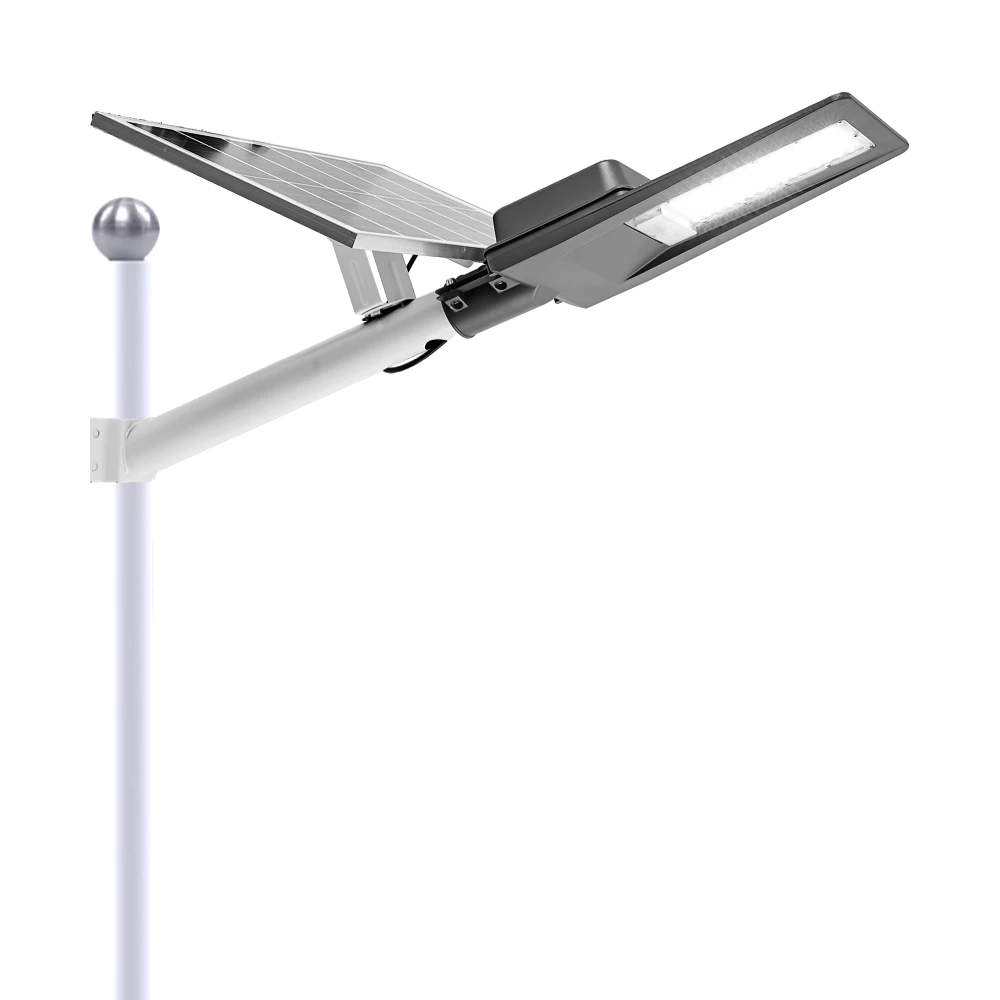
Experience reliable outdoor illumination with our smart solar street light, a perfect combination of advanced technology and eco-conscious design.
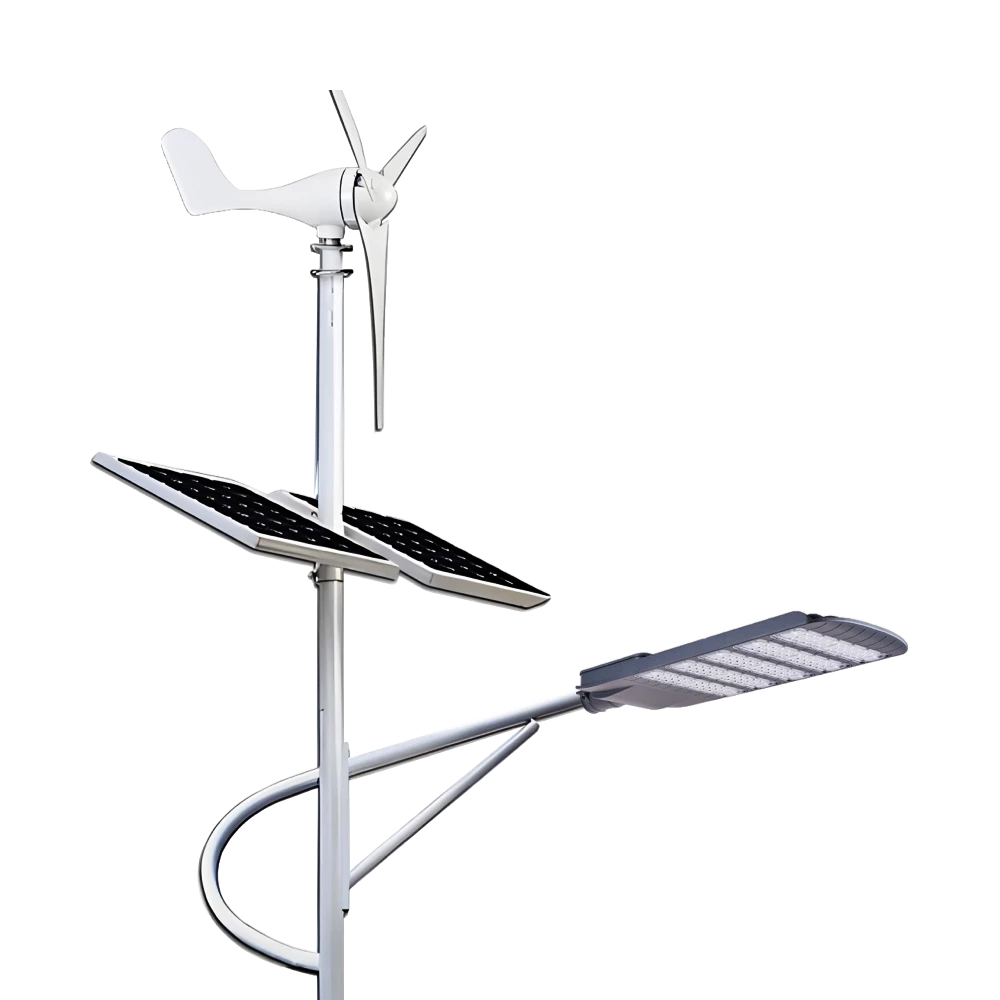
Queneng Lufeng Wind Energy LED Outdoor Solar Street Lights offer high-performance, eco-friendly illumination. These energy-efficient LED street lights harness solar power and wind energy for sustainable, cost-effective outdoor lighting solutions.
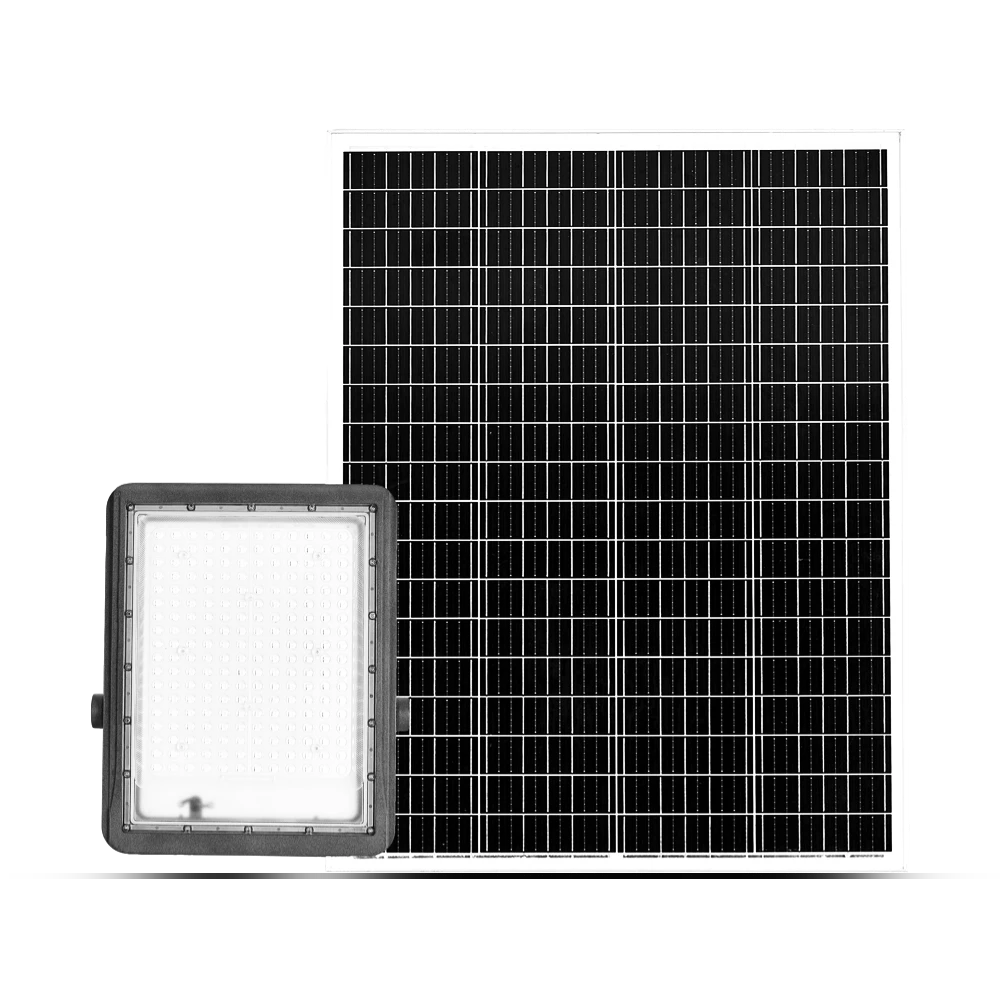
Queneng's Luxian Reliable Solar Street Light offers energy-saving LED lighting for outdoor use. This durable, solar-powered street light provides reliable illumination, reducing energy costs and environmental impact. A perfect solution for sustainable outdoor lighting.
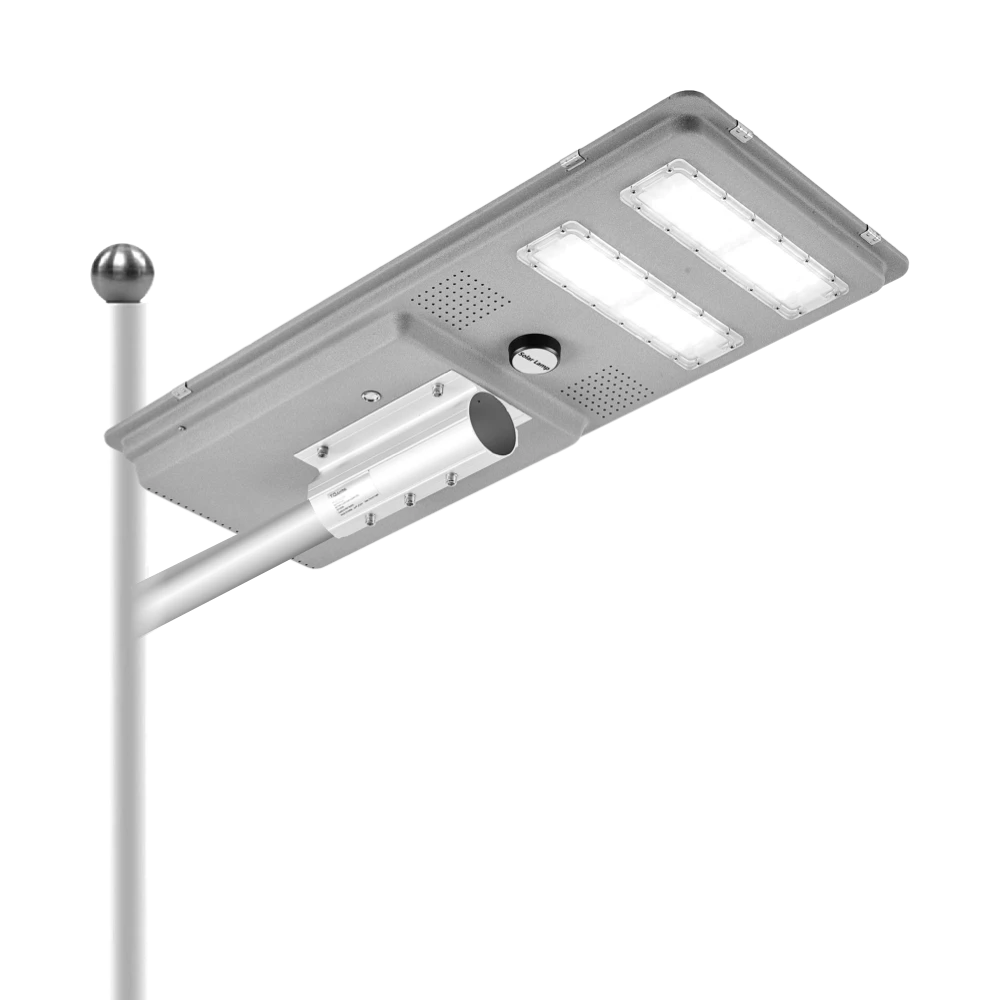
Queneng’s Solar Street Lights are designed to provide reliable, energy-efficient lighting for streets, parks, and other outdoor spaces.
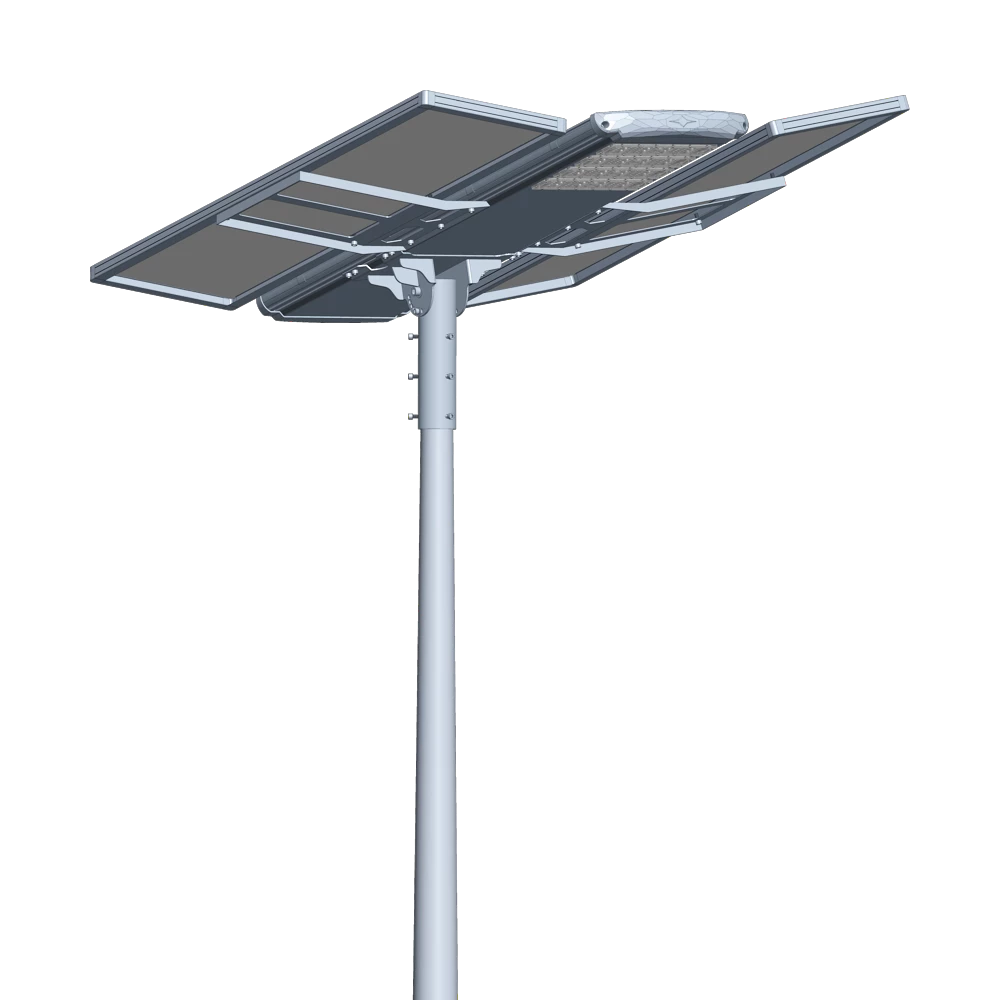
Introducing the Luqing Solar Street Light by Queneng, Efficient LED lighting powered by solar energy is perfect for illuminating outdoor areas. Harness the power of solar energy for sustainable, reliable street lighting. Ideal for eco-friendly, cost-effective outdoor illumination solutions.
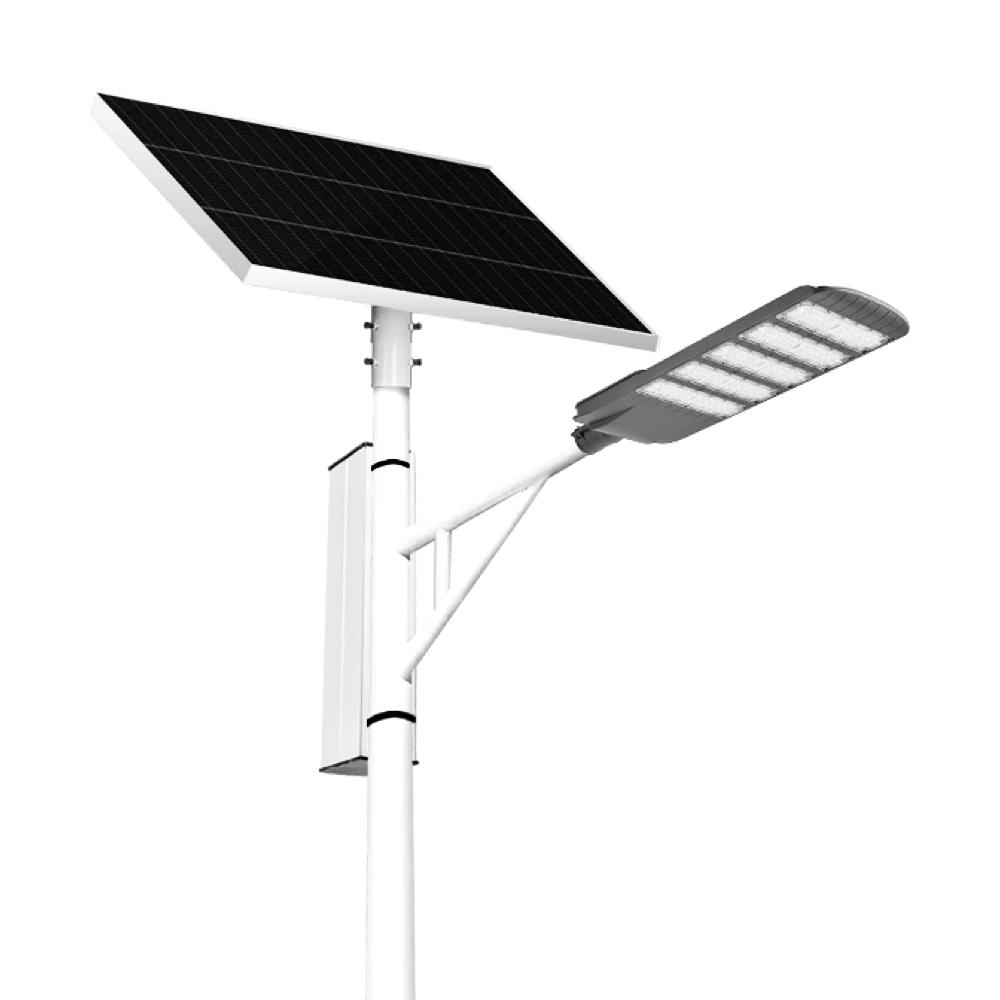
The Solar Streetlights of Luhao for Municipalities are designed to deliver reliable, energy-efficient, and cost-effective public lighting solutions. Equipped with advanced LED technology, durable lithium batteries, and high-efficiency solar panels, these streetlights provide consistent illumination for roads, parks, residential areas, and government projects.
Our professional team is ready to answer any questions and provide personalized support for your project.
You can reach us via phone or email to learn more about Queneng’s solar lighting solutions. We look forward to working with you to promote clean energy solutions!
Rest assured that your privacy is important to us, and all information provided will be handled with the utmost confidentiality.
By clicking 'Send Inquiry Now' I agree to Queneng processing my personal data.
To see how to withdraw your consent, how to control your personal data and how we process it, please see our Privacy Policy and Terms of use.
Schedule a Meeting
Book a date and time that is convenient for you and conduct the session in advance.
Have more questions about our products or services?
The messenger of light & power conversion
Environmental protection and intelligent manufacturing are our brand philosophy, and quality assurance and the best user experience are our eternal promises to users.
CONTACT
No.9F, Building F, Cao San Xin Tian Hong Logistics Park, Guzhen Town, Zhongshan City, Guangdong Province, China.
or write [email protected]
WhatsApp: +86 136 2270 1011


