














Seasonal Tilt Adjustment Strategies for Panels
Seasonal tilt adjustment for solar panels is a high-impact but often misunderstood lever for optimizing energy yield on street lighting projects. For municipal solar street light deployments, split solar street light designs, and All-in-One solar street lights, choosing the right tilt strategy can improve winter performance, reduce battery sizing, and lower operational costs. This guide combines technical principles, rule-of-thumb adjustments, product-specific recommendations, and cost/benefit analysis to help engineers, procurement teams, and city planners decide when and how to adjust tilt seasonally.
Why Tilt Matters for Municipal Solar Projects
Energy yield vs. tilt angle
Panel tilt controls the incident angle of sunlight on the module and therefore directly affects daily and seasonal energy capture. For fixed systems, a tilt equal to the installation latitude is commonly recommended to maximize annual energy production. Seasonal adjustments (e.g., adding or subtracting 10-15 degrees) can shift yield toward winter or summer months depending on operational priorities such as nighttime lighting demand.
Authoritative tools and models such as NREL PVWatts and industry references show that small tilt changes produce measurable but bounded changes in annual energy production; the largest benefits are seasonal, not annual, unless you use a tracker system (Wikipedia: Solar tracker).
Urban constraints and shading
Municipal installations must consider pole heights, urban canyons, tree canopy, and road-facing orientation. Increasing tilt to favor winter sun can be counterproductive if low-angle winter sun is blocked by buildings or trees. A shading analysis (sun-path and obstructions) is essential before implementing seasonal tilt policies, especially for dense city corridors.
Regulatory and maintenance considerations
Manual seasonal adjustments require safe, repeatable access and labor scheduling, which in municipal contexts must conform to workplace safety, traffic control, and municipal procurement rules. Automated solutions reduce recurring labor but introduce complexity in procurement, warranty, and long-term maintenance.
Seasonal Tilt Adjustment Strategies
Manual seasonal adjustments: low-cost, predictable
Manual tilt adjustment is the simplest strategy: technicians change the tilt twice or four times a year (e.g., winter, spring, summer, fall) using adjustable brackets. Typical rule-of-thumb adjustments are:
- Winter: latitude + 10 to 15 degrees
- Spring/Autumn: latitude
- Summer: latitude - 10 to 15 degrees
Benefits: low upfront cost, simple hardware. Drawbacks: recurring labor, potential safety exposures, and inconsistent execution across a network. For many municipal street-light fleets, manual adjustment is viable when the number of poles is limited or when seasonal energy shortfalls are critical.
Automated tilt mechanisms and trackers
Active tilt systems range from simple motorized single-axis actuators to fully automated dual-axis trackers. Trackers can increase annual energy yield substantially: single-axis trackers often boost output by roughly 10-25%, while dual-axis systems can approach 20-40% improvements depending on location and weather (source).
For street lighting, where panels are small and dispersed, full trackers may be cost-prohibitive. However, automated tilt for clusters or larger remote lighting zones can deliver reliability improvements in winter months and reduce battery sizing requirements.
Design-for-adjustability: best fit for split and All-in-One systems
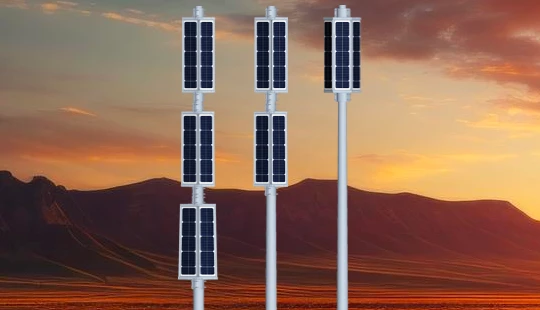
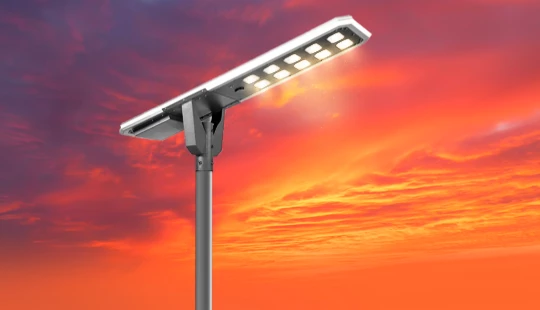
Split solar street light systems, with a separate panel mounted on the pole or a nearby mast, offer the most straightforward access for tilt adjustments. All-in-One solar street lights typically integrate panel, battery, and luminaire in one housing — their tilt options are limited by design and often rely on the mounting bracket angle. When planning, select split systems if seasonal tilting or future tracking is anticipated; choose All-in-One for simplified deployments where fixed tilt and low maintenance are prioritized.
Implementation Guidance by Product Type
Municipal Solar Street Light projects
For large municipal rollouts, standardize on a tilt approach during procurement. Use the following decision flow:
- Perform site-level solar resource and shading analysis using tools such as PVWatts or GIS solar mapping.
- Determine seasonal load sensitivity: are winter weeks the limiting factor for autonomy?
- Select hardware: adjustable brackets for low-budget projects, or split systems with larger panels for more flexibility.
Standardization reduces spare-part complexity and simplifies maintenance contracts.
Split Solar Street Light installations
Split systems decouple panel placement from the pole, allowing optimal tilt and azimuth independent of luminaire mounting. This is particularly valuable when aiming to tilt panels toward unobstructed sky views. Key recommendations:
- Use an adjustable mounting plate with locking detents for seasonal adjustments.
- Ensure wiring length and conduit ratings account for tilt range and service access.
- Document approved tilt positions in maintenance manuals and include a simple tilt gauge on the mounting bracket.
All-in-One Solar Street Lights considerations
All-in-One units simplify logistics and reduce initial costs, but their integrated nature constrains tilt. Recommendations:
- Choose units with a mounting bracket adjustable within a ±15° range if seasonal adjustment is required.
- Prefer higher-capacity batteries and slightly oversized panels if tilt cannot be adjusted and winter performance is critical.
- For retrofit projects, evaluate whether pole-mounted split panels can be added to supplement All-in-One units in high-risk locations.
Cost-Benefit, Yield Impacts and Operational Considerations
Yield improvements and payback analysis
To make data-driven procurement decisions, compare incremental energy gains against added CAPEX and OPEX. The table below summarizes approximate performance and cost implications for typical tilt strategies and tracking options. All numbers are indicative; use site-specific modeling for final budgets.
| Strategy | Typical Annual Yield Change | Relative CAPEX | Maintenance Complexity |
|---|---|---|---|
| Fixed tilt = latitude | Baseline | Low | Low |
| Seasonal manual adjustment (±10-15°) | Seasonal shift; small net annual gain (~1-3% typical) | Low (adjustable brackets) | Medium (labor) |
| Automated tilt (motorized) | Seasonal optimization; depends on control strategy | Medium | Medium-High |
| Single-axis tracker | +10-25% (site dependent) (ref) | High | High |
| Dual-axis tracker | +20-40% (site dependent) (ref) | Very High | Very High |
Note: Yield improvements for trackers are based on generalized studies; use localized irradiance and soiling models when calculating payback for municipal budgets (NREL PVWatts).
Maintenance, monitoring and operational best practices
Whether manual or automated, tilt strategies should be integrated with monitoring (remote telemetry) and maintenance workflows:
- Log tilt changes and energy harvest data to assess effectiveness.
- Schedule inspections after seasonal adjustments to verify fasteners and cable strain reliefs.
- Standardize spare parts for adjustable brackets, actuators, and controllers across fleets.
Case studies, standards and references
Public sector projects benefit from documented case studies and standards. For baseline modeling, use tools like NREL PVWatts and follow local electrical and lighting standards (for example, municipal lighting standards or national lighting codes). For technical background on orientation and tilt, see the solar panel orientation section on Wikipedia.
Queneng Lighting: Capabilities and How We Can Help
Queneng Lighting Founded in 2013, Queneng Lighting focuses on solar street lights, solar spotlights, solar garden lights, solar lawn lights, solar pillar lights, solar photovoltaic panels, portable outdoor power supplies and batteries, lighting project design, and LED mobile lighting industry production and development. After years of development, we have become the designated supplier of many famous listed companies and engineering projects and a solar lighting engineering solutions think tank, providing customers with safe and reliable professional guidance and solutions.
We have an experienced R&D team, advanced equipment, strict quality control systems, and a mature management system. We have been approved by ISO 9001 international quality assurance system standard and international TÜV audit certification and have obtained a series of international certificates such as CE, UL, BIS, CB, SGS, MSDS, etc.
Queneng Lighting manufactures a broad portfolio including Solar Street Lights, Solar Spot lights, Solar Lawn lights, Solar Pillar Lights, Solar Photovoltaic Panels, split solar street light solutions, and All-in-One Solar Street Lights. Our competitive advantages include:
- Project-level engineering support for municipal rollouts and complex site constraints.
- Modular split-system designs that make seasonal tilt adjustments straightforward and safe.
- Integrated All-in-One products for rapid deployment and low-maintenance corridors.
- Strict quality controls and international certifications that facilitate procurement for public-sector projects.
For cities considering seasonal tilt strategies, Queneng provides site assessments, tilt and yield modeling, and pilot deployments to quantify benefits before network-wide adoption.
FAQ
1. How often should tilt be adjusted for street lighting panels?
Common practice is to adjust twice per year (winter vs. summer) or four times (quarterly) if seasonal energy shaping is important. Twice-yearly adjustments balance labor cost with meaningful seasonal performance improvements for most latitudes.
2. What is the simple rule for seasonal tilt by latitude?
A practical rule-of-thumb: winter tilt = latitude + 10–15°, summer tilt = latitude - 10–15°, and spring/fall ≈ latitude. This optimizes seasonal incident energy but yields only small net annual gains compared with a fixed latitude tilt.
3. Are split solar street light panels better for seasonal tilt than All-in-One units?
Yes. Split systems separate the panel from the luminaire and allow easier access and wider adjustment ranges. All-in-One systems are convenient and compact but usually offer limited tilt flexibility.
4. Do trackers make sense for municipal street lighting?
Trackers can significantly increase energy yield but are often not cost-effective for widely dispersed small panels typical of street lighting. They may be justifiable for centralized clusters or where winter autonomy requirements are critical; perform a site-specific financial and reliability analysis before choosing trackers.
5. How should a municipality decide between manual and automated tilt?
Consider scale, labor costs, safety, and expected benefit. Small pilot areas can validate manual adjustments first. If labor or safety costs are high and energy gains justify automation, consider motorized options for selected critical sites.
6. How to quantify the benefit of seasonal tilt for a specific site?
Use irradiance modeling tools (e.g., PVWatts) and local weather/soiling data. Simulate energy yield for fixed vs. seasonal tilt profiles and compare against battery sizing and night-time load to determine practical gains.
Interested in a site assessment or pilot program? Contact Queneng Lighting for product information, engineering support, and project quotes. View our product range or request a customized proposal to evaluate seasonal tilt strategies for your municipal solar street light, split solar street light, or All-in-One Solar Street Lights deployments.
Contact: Queneng Lighting — Professional solar lighting solutions and project support.

Have more questions about our products or services?
The latest hot news you might like

Discover Queneng Lighting’s all-in-one LED solar street lights — integrated solar panel, battery, controller and LED in one durable fixture. Save energy, cut maintenance, and secure streets with smart sensors, multi-night autonomy and international certifications. Contact sales for quotes and support.

Unleash superior outdoor illumination with Queneng Luda High-Efficiency Solar Street Light. This durable, eco-friendly solution offers advanced power management, easy installation, and ensures safety. Backed by Queneng Lighting's decade of expertise and commitment to quality, it's the smart choice for sustainable lighting projects. Learn why we're a leading solar solutions provider.

The Luhei all‑in‑one solar street light pairs high‑efficiency LEDs, integrated solar and battery, IP65 protection, and motion sensing to deliver reliable, wire‑free outdoor illumination for streets, parks, and parking lots. Backed by Queneng Lighting’s certifications and support.

FAQ
APMS system
Does the APMS system support extremely cold environments?
Yes, APMS has ultra-low temperature control capability, allowing it to operate normally at temperatures as low as -50°C, ideal for high-latitude regions and extreme climates.
Battery Performance and Testing
What is high temperature and high humidity test?
After the battery is fully charged, store it under certain temperature and humidity conditions for several days. During the storage process, observe whether there is any leakage.
The high temperature and humidity test for lithium batteries is: (national standard)
Charge the battery with 1C constant current and constant voltage to 4.2V, with a cut-off current of 10mA, and then put it in a constant temperature and humidity box at (40±2)℃ and a relative humidity of 90%-95%. After leaving it for 48h, take the battery out and put it in (20 Leave it aside for 2 hours at ±5)°C. Observe that there should be no abnormality in the appearance of the battery. Then discharge it to 2.75V at a constant current of 1C, and then perform a 1C charge and 1C discharge cycle at (20±5)°C until the discharge capacity Not less than 85% of the initial capacity, but the number of cycles should not be more than 3 times.
Batteries and the environment
What effect does ambient temperature have on battery performance?
Solar Street Light Lufei
What is the warranty on the solar street light?
Queneng offers a warranty of 2-5 years on our solar street lights, covering defects in material and workmanship. The warranty duration may vary based on the model and product components.
Solar Street Light Luhao
How does the Luhao solar street light contribute to sustainability?
The Luhao solar street light reduces carbon emissions by utilizing solar power instead of electricity from non-renewable sources. It provides a clean, green alternative to traditional lighting, helping to lower environmental impact and promote sustainability in outdoor lighting.
Solar Street Light Lufeng
Can Lufeng solar street lights be integrated with other smart systems?
Yes, Lufeng solar street lights can be integrated with smart systems for more advanced functionality. Some models can be connected to remote control units or smart city systems, allowing for real-time monitoring, remote management, and automated control of lighting schedules. This integration enhances efficiency and ease of use.
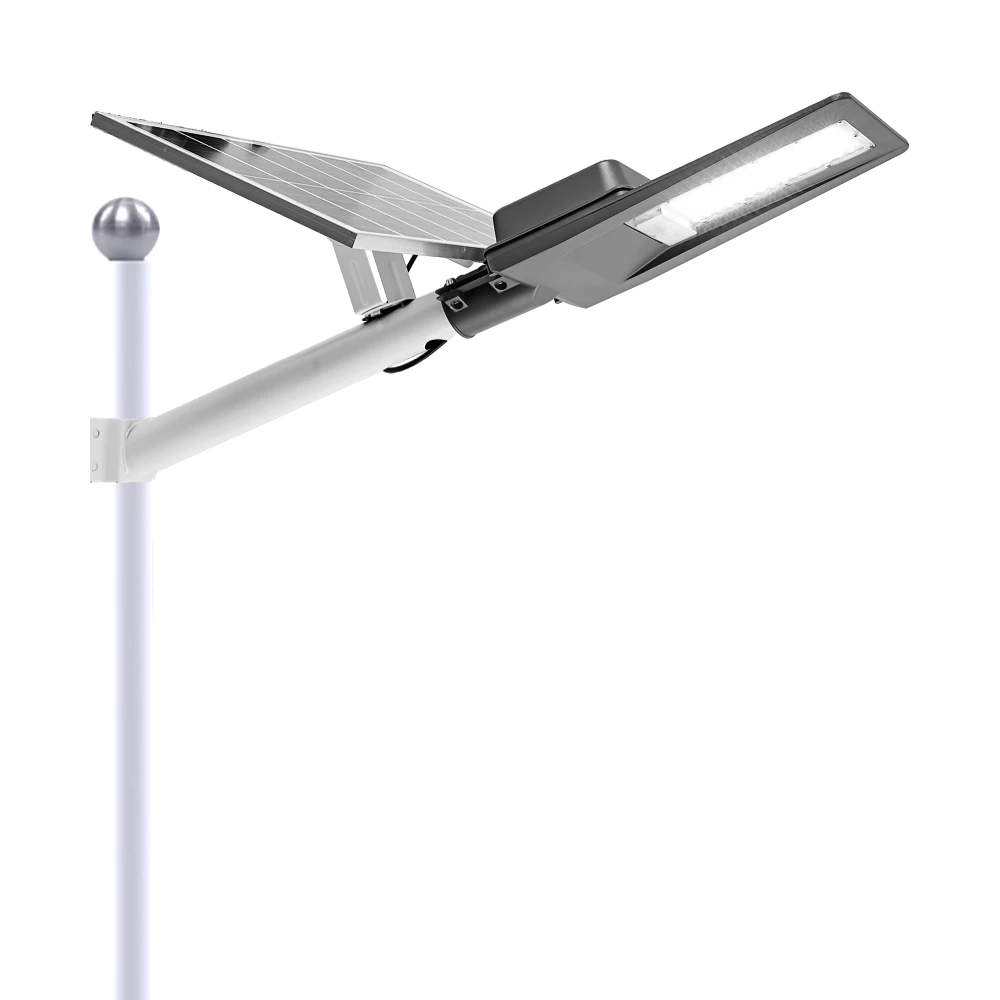
Experience reliable outdoor illumination with our smart solar street light, a perfect combination of advanced technology and eco-conscious design.
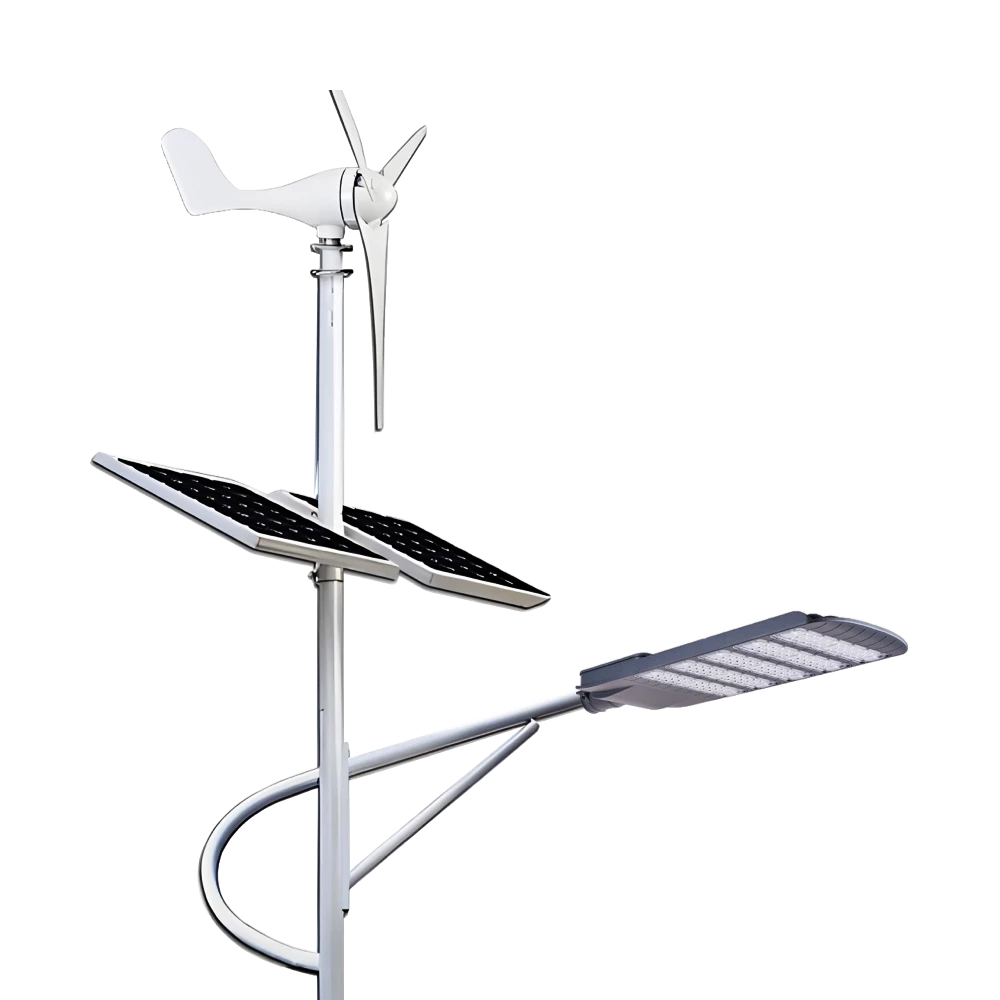
Queneng Lufeng Wind Energy LED Outdoor Solar Street Lights offer high-performance, eco-friendly illumination. These energy-efficient LED street lights harness solar power and wind energy for sustainable, cost-effective outdoor lighting solutions.
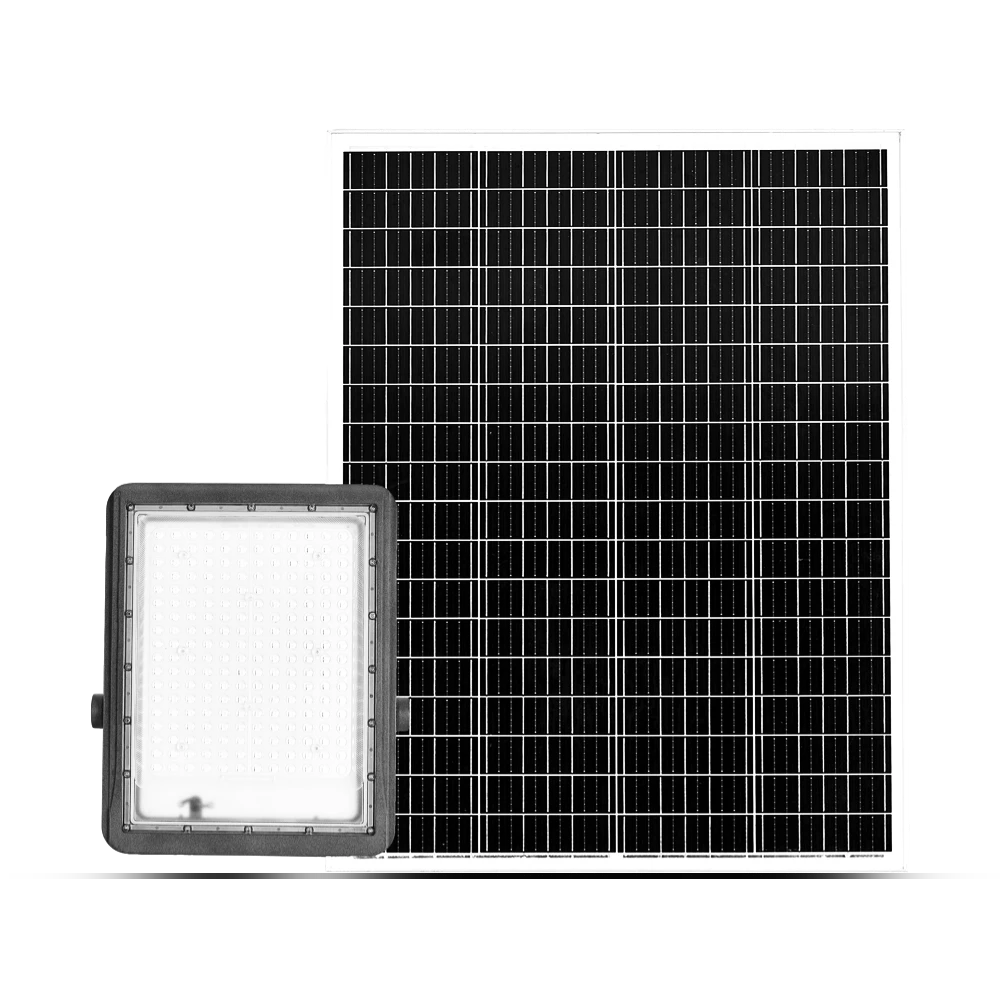
Queneng's Luxian Reliable Solar Street Light offers energy-saving LED lighting for outdoor use. This durable, solar-powered street light provides reliable illumination, reducing energy costs and environmental impact. A perfect solution for sustainable outdoor lighting.
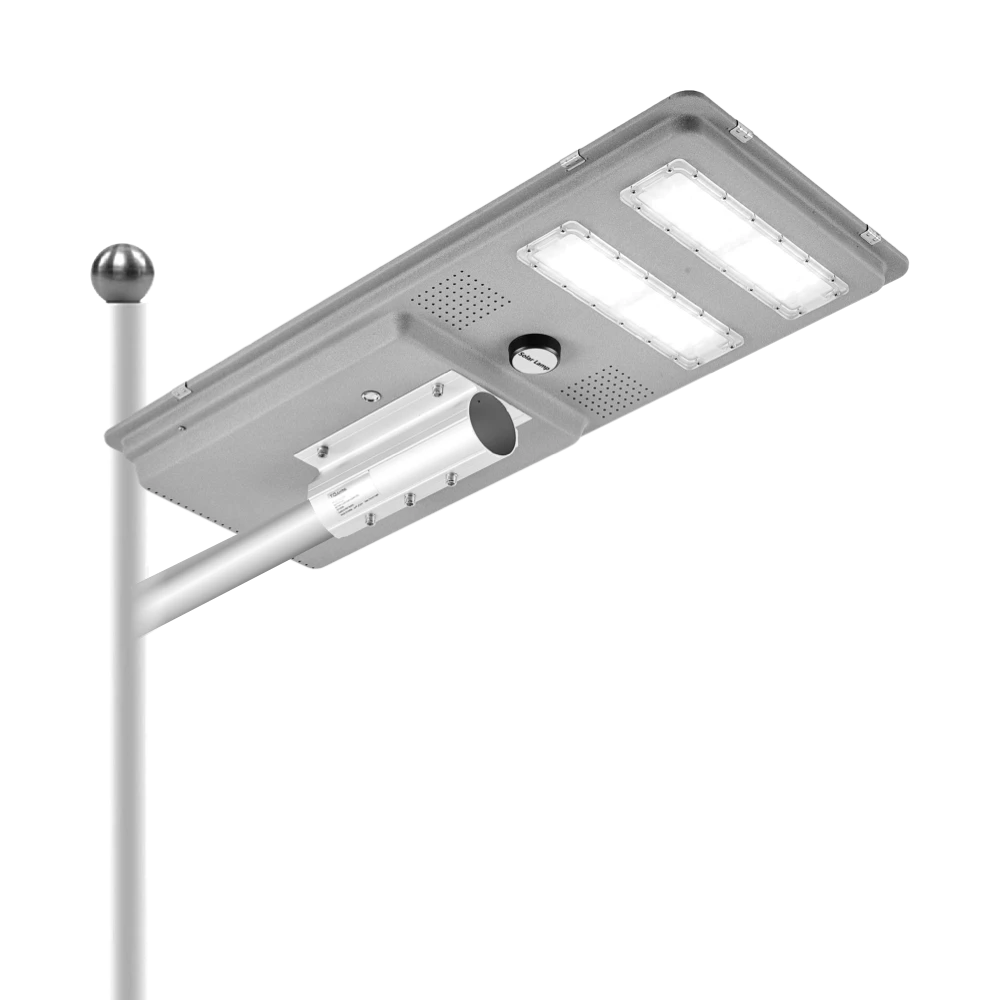
Queneng’s Solar Street Lights are designed to provide reliable, energy-efficient lighting for streets, parks, and other outdoor spaces.
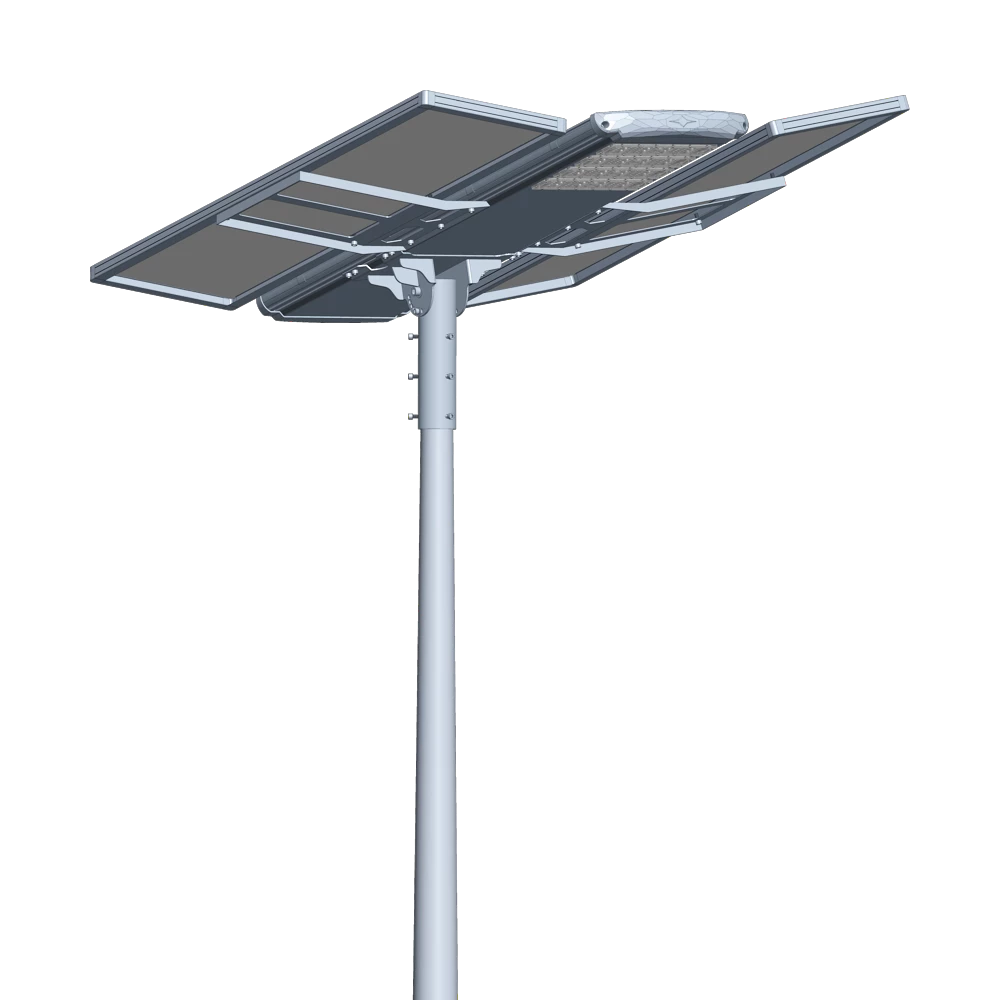
Introducing the Luqing Solar Street Light by Queneng, Efficient LED lighting powered by solar energy is perfect for illuminating outdoor areas. Harness the power of solar energy for sustainable, reliable street lighting. Ideal for eco-friendly, cost-effective outdoor illumination solutions.
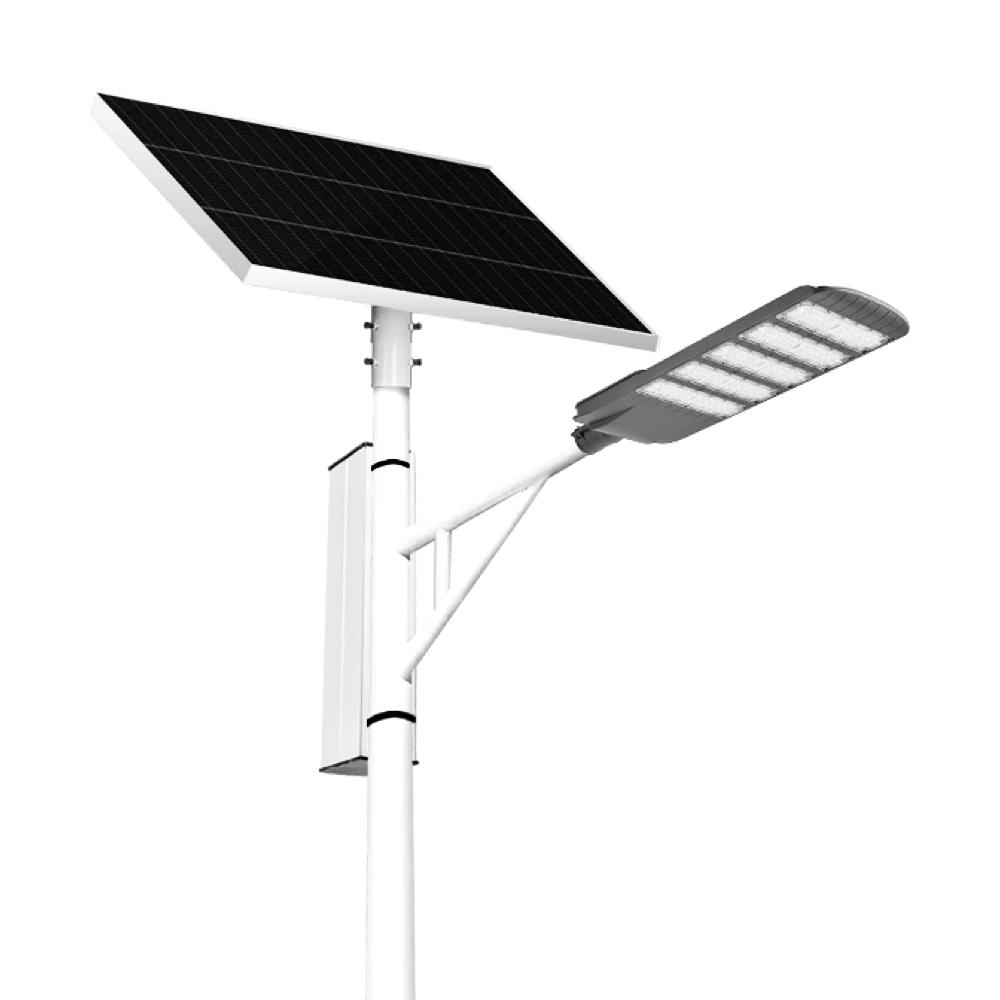
The Solar Streetlights of Luhao for Municipalities are designed to deliver reliable, energy-efficient, and cost-effective public lighting solutions. Equipped with advanced LED technology, durable lithium batteries, and high-efficiency solar panels, these streetlights provide consistent illumination for roads, parks, residential areas, and government projects.
Our professional team is ready to answer any questions and provide personalized support for your project.
You can reach us via phone or email to learn more about Queneng’s solar lighting solutions. We look forward to working with you to promote clean energy solutions!
Rest assured that your privacy is important to us, and all information provided will be handled with the utmost confidentiality.
By clicking 'Send Inquiry Now' I agree to Queneng processing my personal data.
To see how to withdraw your consent, how to control your personal data and how we process it, please see our Privacy Policy and Terms of use.
Schedule a Meeting
Book a date and time that is convenient for you and conduct the session in advance.
Have more questions about our products or services?
The messenger of light & power conversion
Environmental protection and intelligent manufacturing are our brand philosophy, and quality assurance and the best user experience are our eternal promises to users.
CONTACT
No.9F, Building F, Cao San Xin Tian Hong Logistics Park, Guzhen Town, Zhongshan City, Guangdong Province, China.
or write [email protected]
WhatsApp: +86 136 2270 1011


