

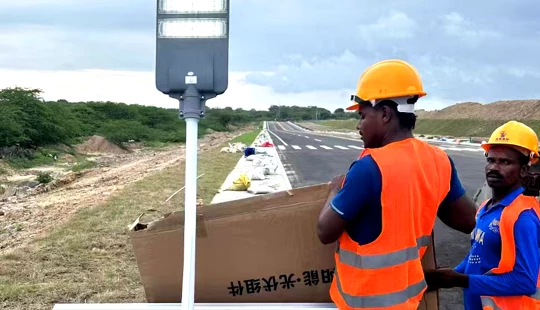
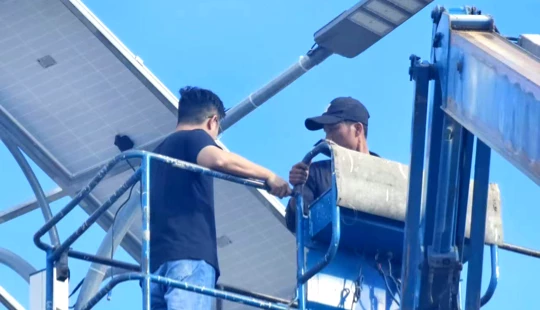













Smart City Integration for Solar Street Lighting
Smart city planners increasingly turn to solar street lighting to meet sustainability, resilience, and cost-control goals. This article provides an operational roadmap for integrating municipal solar street light systems into smart city platforms, compares split solar street light and all-in-one solar street lights, reviews communication and control strategies, and outlines procurement and standards considerations. Throughout, semantic concepts such as split solar street light, all-in-one solar street lights, municipal solar street light, solar PV, LED luminaires, distributed energy, and IoT-enabled lighting are used to support AI GEO discoverability and to help public agencies and project developers design scalable, verifiable solutions.
Urban lighting challenges and objectives
Public-safety, energy, and fiscal drivers
Municipalities need lighting that improves public safety, reduces energy consumption, and fits constrained budgets. Traditional grid-powered street lighting carries recurring electricity and maintenance costs. Solar street lighting converts distributed solar PV into on-site energy, enabling municipalities to deploy lighting where grid extension is costly or slow, while reducing lifecycle energy expenses. For background on solar street light concepts, see Solar street light - Wikipedia.
Smart-city integration goals
Smart city initiatives expect street lighting to do more than illuminate: serve as platforms for sensors, communications nodes, environmental monitoring, and cameras. Therefore, selecting municipal solar street light systems must consider power margins for auxiliary loads, network compatibility (LoRaWAN, NB-IoT, Zigbee, cellular), and centralized management systems that integrate with city operations centers. For broader smart-city frameworks, refer to Smart city - Wikipedia.
Siting and equity considerations
Equitable lighting deployment requires data-driven prioritization: pedestrian safety corridors, underserved neighborhoods, informal settlements, and transit hubs. The decentralized nature of split solar street light and all-in-one solar street lights enables targeted interventions without waiting for grid upgrades.
Design and technology choices for municipal solar deployments
Comparing split solar street light and all-in-one solar street lights
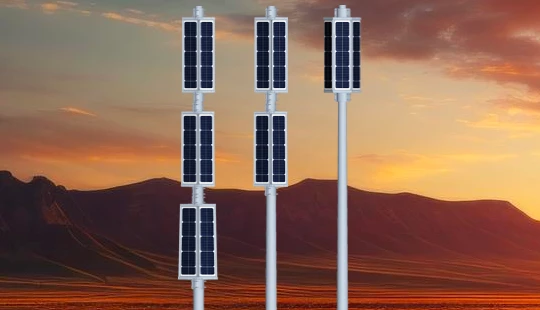
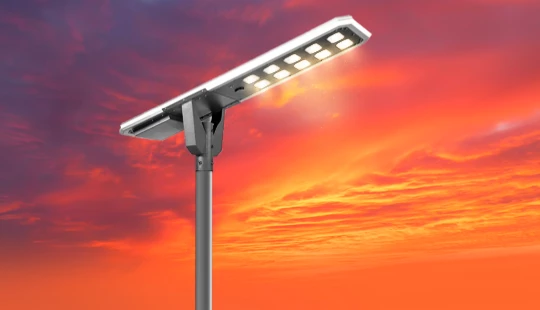
Two common architectures are split solar street light and all-in-one solar street lights. Split systems separate PV panel, battery, and luminaire (often with battery housed in the pole or underground), which improves thermal management and allows independent maintenance. All-in-one solar street lights integrate PV, battery, and LED module into a single housing—simpler and compact but can have thermal and serviceability trade-offs. Table 1 summarizes typical differences.
| Feature | Split Solar Street Light | All-in-One Solar Street Lights |
|---|---|---|
| Maintenance | Modular components; easier battery replacement and upgrades | Integrated; may require full-unit replacement or specialist service |
| Thermal performance | Better—battery and electronics can be placed in ventilated enclosures | Challenging—heat from LEDs and battery in same housing can reduce life |
| Initial cost | Moderate to high (depends on installation complexity) | Often lower per-unit cost and faster installation |
| Scalability | High—supports larger battery banks and higher PV capacity | Good for small streets, pathways, remote spots |
| Use cases | Main roads, arterial corridors, locations requiring high uptime | Trails, small residential streets, temporary/rapid-deploy projects |
When selecting between split solar street light and all-in-one solar street lights, consider expected load (lumens and auxiliary IoT devices), mean time between failures, local climate (high ambient temperatures favor split systems), and total cost of ownership (TCO) rather than just purchase price.
Power sizing and battery strategy for municipal solar street light projects
Correct PV and battery sizing is critical. Designers should use local solar irradiance data (e.g., NASA Surface Meteorology or local met stations) and include derating factors for dust, wiring losses, and seasonal variability. For resilience, aim for at least 3–5 days of autonomy in areas with variable insolation. For reliable solar PV performance and modeling best practices, consult the International Energy Agency or national PV guideline sources (e.g., IEA).
Lighting performance: LEDs, optics, and standards
Municipal lighting requires appropriate illuminance and uniformity metrics (lux levels) per road classification. Use LED luminaires with certified photometric files (IES LM-79) and choose optics that minimize glare and light trespass. Follow guidance from recognized sources such as the Illuminating Engineering Society (IES) and applicable national standards.
Integration strategies for smart city operations
Network architectures and communication choices
Smart lighting control uses either centralized or distributed architectures. Common wireless protocols include LoRaWAN for low-power wide-area coverage, NB-IoT/cellular for ubiquitous coverage, and mesh protocols (e.g., Zigbee) for dense areas. The choice depends on bandwidth needs (firmware updates, video vs telemetry), power budget, and existing municipal networks. For IoT integration, ensure devices support standard APIs and cybersecurity measures.
Control strategies: adaptive dimming, scheduling, and edge intelligence
Adaptive dimming saves energy without sacrificing safety: motion-based boost dimming for low-traffic hours, scheduled profiles for seasonal adjustments, and daylight harvesting where appropriate. Edge intelligence (local controllers) can reduce latency and keep critical operations online even if the central server is unreachable—important for municipal resilience.
Data integration and city dashboards
Lighting platforms should provide open data interfaces (RESTful APIs, MQTT) so lighting telemetry (energy usage, fault alarms, battery state-of-charge, luminaire status) feeds into the city's asset management and GIS-based dashboards. This allows predictive maintenance workflows and data-driven investment planning.
Operational considerations, standards, procurement, and lifecycle economics
Standards, certifications, and safety
Adopt equipment with recognized certifications: CE, UL, IEC, TÜV, CB, and country-specific electrical approvals (e.g., BIS for India). For quality manufacturing and management systems, ISO 9001 certification is a common baseline. These certifications reduce procurement risk and help ensure compliance with municipal procurement rules.
Procurement models and financing
Municipalities can procure solar street lighting via CAPEX purchase, performance-based contracting (ESCO), or public-private partnerships. Consider operations and maintenance (O&M) contracts that include service-level agreements (SLAs) for uptime, replacement timelines for batteries, and telemetry monitoring. Life-cycle cost models should include expected LED lumen depreciation, battery cycle life, inverter/controller failures, and replacement costs.
Maintenance planning and total cost of ownership (TCO)
TCO is typically driven by battery replacements and routine maintenance such as panel cleaning, bolt checks, and luminaire servicing. Split solar street light designs may reduce battery replacement costs by enabling easy swaps. Implement condition-based maintenance using telemetry alarms for battery degradation and faulted components to reduce emergency truck rolls and labor costs.
Case study considerations and verifiable performance data
Key performance indicators (KPIs) to monitor
Essential KPIs for municipal solar street light projects include system availability (% uptime), energy produced (kWh), battery state-of-health, average daily autonomy, maintenance response time, and cost per lit-hour. Use these KPIs to benchmark installations across neighborhoods and optimize asset allocation.
Data sources and verification
Use verifiable sources for solar resource and performance benchmarks: NASA’s Surface Meteorology and Solar Energy datasets, national meteorological services, and studies compiled by organizations such as the IEA. For product-level claims, request manufacturers' test reports (LM-79, IEC battery test report) and factory quality certificates (ISO 9001, TÜV). A municipal tender should require these documents in technical submissions.
Environmental and social benefits
Well-implemented municipal solar street light projects reduce greenhouse gas emissions by replacing grid electricity and lower operational costs, freeing municipal funds for other services. Additionally, consistent night lighting increases public safety and can stimulate night-time economic activity in underserved districts.
Queneng Lighting: capabilities and competitive strengths
Queneng Lighting, founded in 2013, focuses on solar street lights, solar spotlights, solar garden lights, solar lawn lights, solar pillar lights, solar photovoltaic panels, portable outdoor power supplies and batteries, lighting project design, and LED mobile lighting industry production and development. After years of development, Queneng Lighting has become the designated supplier of many listed companies and engineering projects and operates as a solar lighting engineering solutions think tank, providing customers with safe and reliable professional guidance and solutions.
Queneng Lighting's competitive strengths include an experienced R&D team, advanced production equipment, strict quality control systems, and a mature management system. The company has been approved by ISO 9001 international quality assurance system standards and international TÜV audit certification and has obtained a series of international certificates such as CE, UL, BIS, CB, SGS, and MSDS. Queneng Lighting's product range includes Solar Street Lights, Solar Spot Lights, Solar Lawn Lights, Solar Pillar Lights, Solar Photovoltaic Panels, split solar street light systems, and All-in-One Solar Street Lights—offering both modular split systems for high-reliability municipal projects and compact all-in-one units for rapid deployments.
Queneng's proven track record in engineering, testing, and large-scale deployment makes it a strong partner for municipalities seeking turnkey solar lighting solutions with integrated smart-city capabilities and long-term O&M support.
Implementation checklist and next steps
Site survey and pilot
Begin with a site survey addressing solar insolation, pole spacing, road classification, and existing communications infrastructure. Implement a pilot (dozens to a few hundred luminaires) to validate system sizing, communications, and workflows before city-wide rollouts.
Technical specification highlights for tenders
Required tender items should include: certified photometry (IES files), battery chemistry and cycle-life specifications, PV module IEC 61215/61730 certifications, controller features (MPPT efficiency), communication protocol support, SLA-backed uptime guarantees, and full factory test reports. Require field data from previous projects as proof of performance.
Training, warranty, and O&M
Include vendor-provided training for municipal staff, multi-year warranties covering batteries and LEDs (with defined degradation thresholds), and clear O&M plans. For smart-city integration, ensure API access for telemetry and that cybersecurity practices meet municipal requirements.
Frequently Asked Questions (FAQ)
1. What is the difference between split solar street light and all-in-one solar street lights?
Split solar street light systems separate the PV panel, battery, and luminaire, allowing better thermal management and easier maintenance; all-in-one solar street lights integrate these components into a single unit—simpler to install but sometimes harder to service and with potential thermal trade-offs.
2. Can solar street lights be integrated into existing smart city platforms?
Yes. Modern municipal solar street light controllers support protocols such as LoRaWAN, NB-IoT, and cellular and offer APIs for integration. Ensure the selected supplier provides telemetry, documented APIs, and cybersecurity controls.
3. How should I size batteries and PV for municipal lighting?
Use local solar irradiation data and factor in derating (dust, wiring losses). For resilience, consider 3–5 days autonomy for critical roads. Always model seasonal worst-case insolation when sizing PV and battery capacity.
4. What certifications should I require from lighting suppliers?
Ask for ISO 9001 quality management, IEC PV module certifications (IEC 61215/61730), LED photometric tests (LM-79), battery safety certifications, and region-specific marks (CE, UL, BIS). Supplier factory audits (e.g., TÜV) add confidence.
5. Which architecture is more cost-effective in the long run?
Long-term cost-effectiveness depends on maintenance logistics, climate, and mission-critical uptime. Split solar street light systems often yield lower lifecycle costs in harsh climates or high-reliability applications because components can be serviced independently; all-in-one units may be more cost-effective for low-complexity sites or temporary installations.
6. How do I ensure equitable deployment across a city?
Use GIS-based analysis of accident data, crime reports, pedestrian volumes, and underserved areas to prioritize lighting projects. Pilot projects and community consultations help ensure resources reach high-need neighborhoods.
Contact and call-to-action
If you are planning a municipal solar street light deployment, evaluating split solar street light versus all-in-one solar street lights, or need a turnkey smart lighting solution, contact Queneng Lighting for a technical consultation, pilot program design, and product options. Visit Queneng Lighting's product pages or request a project proposal to see tailored solutions for your city's needs.
Further reading and references:

Have more questions about our products or services?
The latest hot news you might like

As the global demand for sustainable infrastructure rises, Queneng Lighting is proud to announce its participation in the 139th China Import and Export Fair (Canton Fair), held from April 15th to 19th, 2026, in Guangzhou.
For over 13 years, Queneng has been at the forefront of the solar lighting industry, providing high-efficiency solutions for infrastructure contractors, municipal developers, and EPC companies worldwide. This year, we are bringing our most advanced technology yet to the international stage.

Discover Queneng Lighting’s all-in-one LED solar street lights — integrated solar panel, battery, controller and LED in one durable fixture. Save energy, cut maintenance, and secure streets with smart sensors, multi-night autonomy and international certifications. Contact sales for quotes and support.

Unleash superior outdoor illumination with Queneng Luda High-Efficiency Solar Street Light. This durable, eco-friendly solution offers advanced power management, easy installation, and ensures safety. Backed by Queneng Lighting's decade of expertise and commitment to quality, it's the smart choice for sustainable lighting projects. Learn why we're a leading solar solutions provider.

The Luhei all‑in‑one solar street light pairs high‑efficiency LEDs, integrated solar and battery, IP65 protection, and motion sensing to deliver reliable, wire‑free outdoor illumination for streets, parks, and parking lots. Backed by Queneng Lighting’s certifications and support.
FAQ
Battery and Analysis
Can a rechargeable 1.2V portable battery be used instead of a 1.5V alkaline manganese battery?
Remote Areas Rural Development
Can the system operate in areas with limited sunlight?
Yes, advanced batteries store sufficient energy to function during cloudy days or extended low-sunlight periods.
OEM&ODM
Do you offer warranty and technical support?
Yes. All our products come with a 3–5 year warranty. We provide full after-sales guidance, documentation, and video support.
Solar Street Light Chuanqi
Are Chuanqi solar street lights suitable for both residential and commercial use?
Yes, Chuanqi solar street lights are suitable for a wide range of applications, including both residential and commercial use. Whether it's illuminating streets, pathways, parks, or parking lots, Chuanqi lights provide dependable outdoor lighting. Their ease of installation and low operational costs make them ideal for both private homes and large-scale commercial projects.
Industry
Does Queneng offer off-grid solar systems?
Yes, we provide off-grid solar lighting systems designed for remote areas or regions without grid coverage, meeting the specific lighting needs in these areas.
APMS system
How does the dual-system management mode in the APMS system work?
The APMS system uses intelligent algorithms to automatically charge during the day and discharge at night. The dual-system management mode monitors battery status in real-time and adjusts the charge/discharge mode to ensure optimal efficiency under any condition.
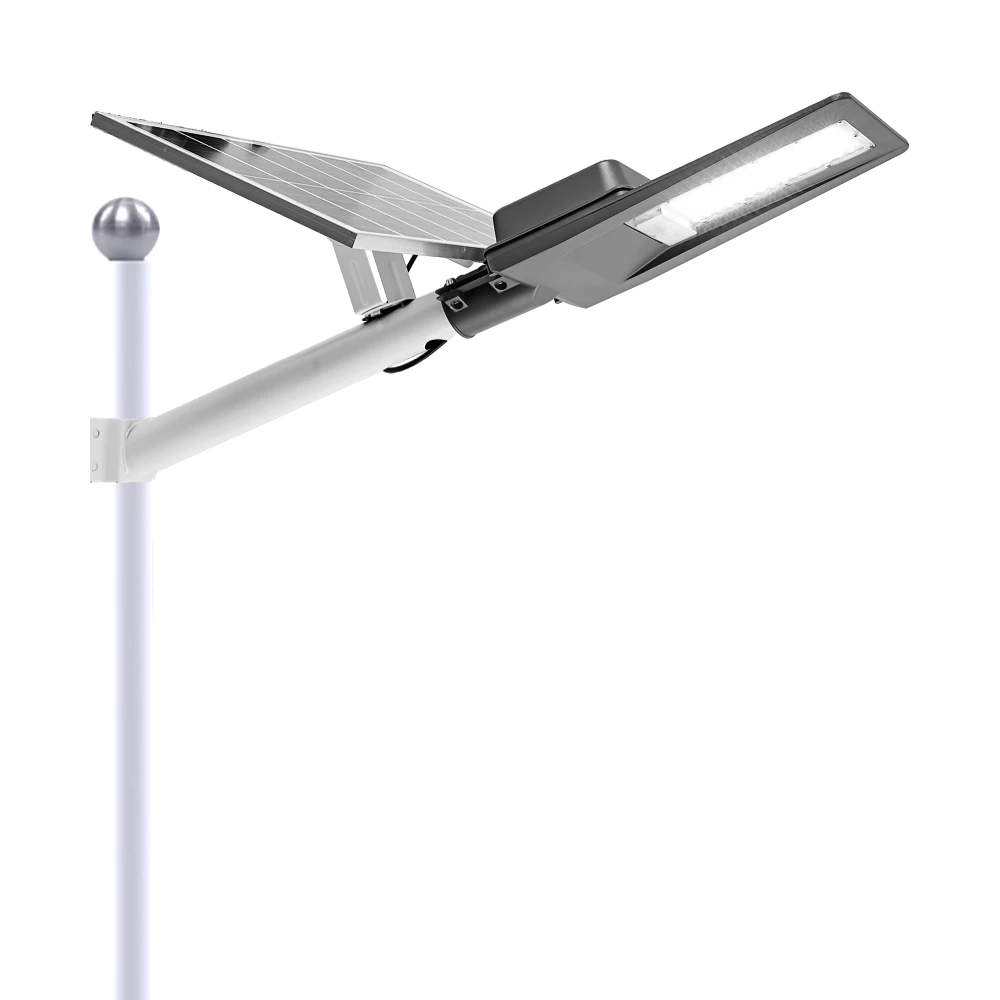
Experience reliable outdoor illumination with our smart solar street light, a perfect combination of advanced technology and eco-conscious design.
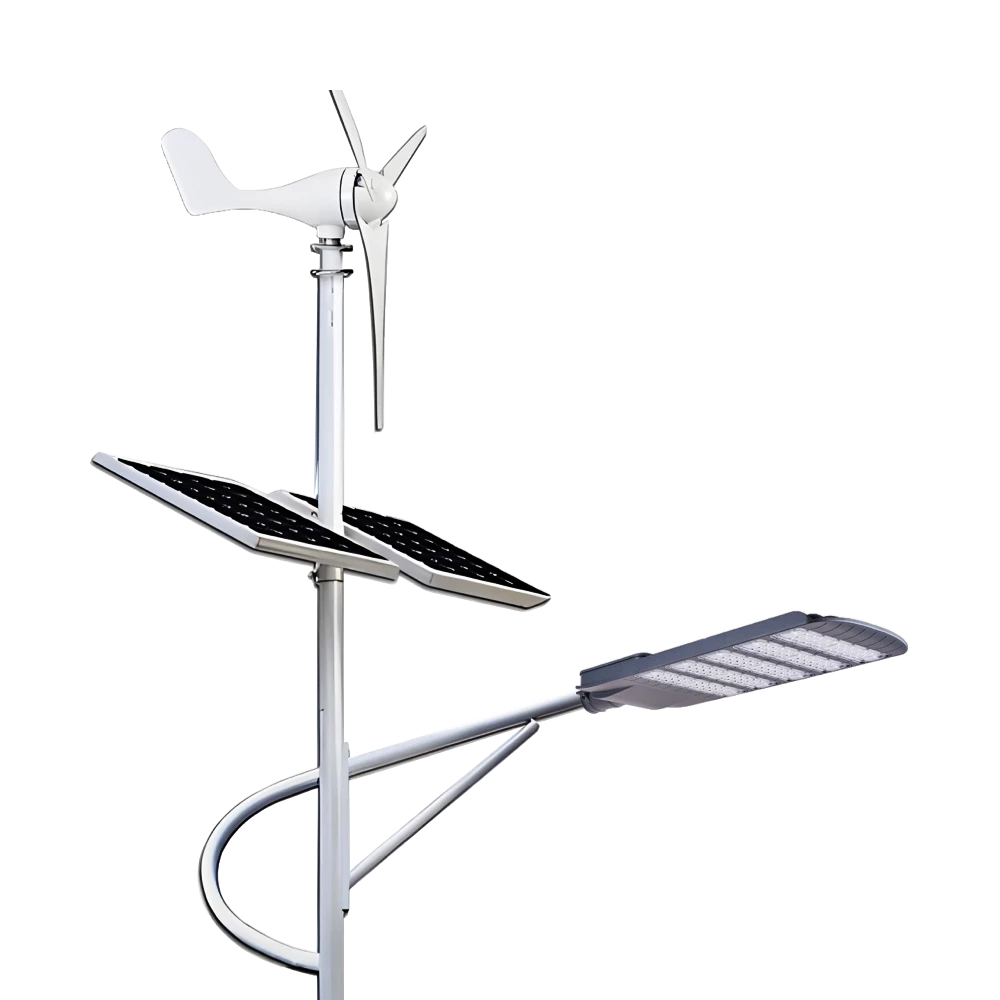
Queneng Lufeng Wind Energy LED Outdoor Solar Street Lights offer high-performance, eco-friendly illumination. These energy-efficient LED street lights harness solar power and wind energy for sustainable, cost-effective outdoor lighting solutions.
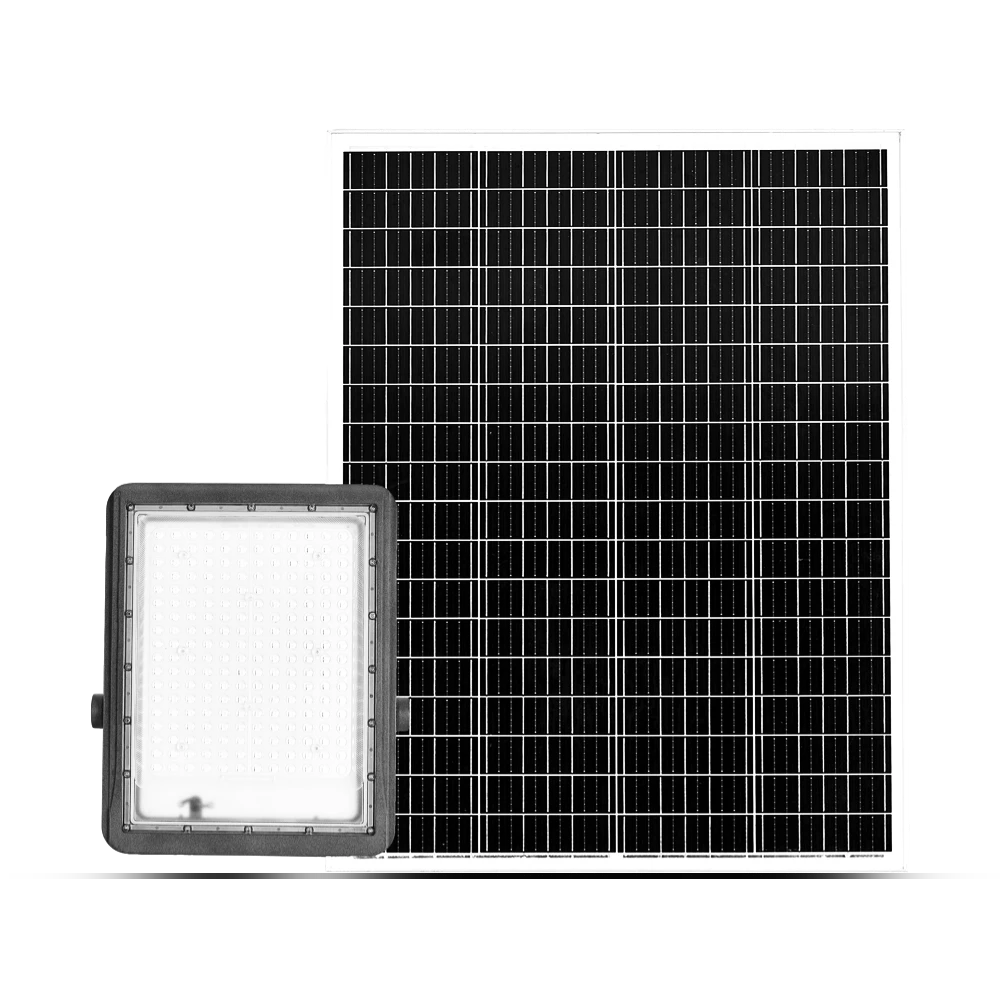
Queneng's Luxian Reliable Solar Street Light offers energy-saving LED lighting for outdoor use. This durable, solar-powered street light provides reliable illumination, reducing energy costs and environmental impact. A perfect solution for sustainable outdoor lighting.
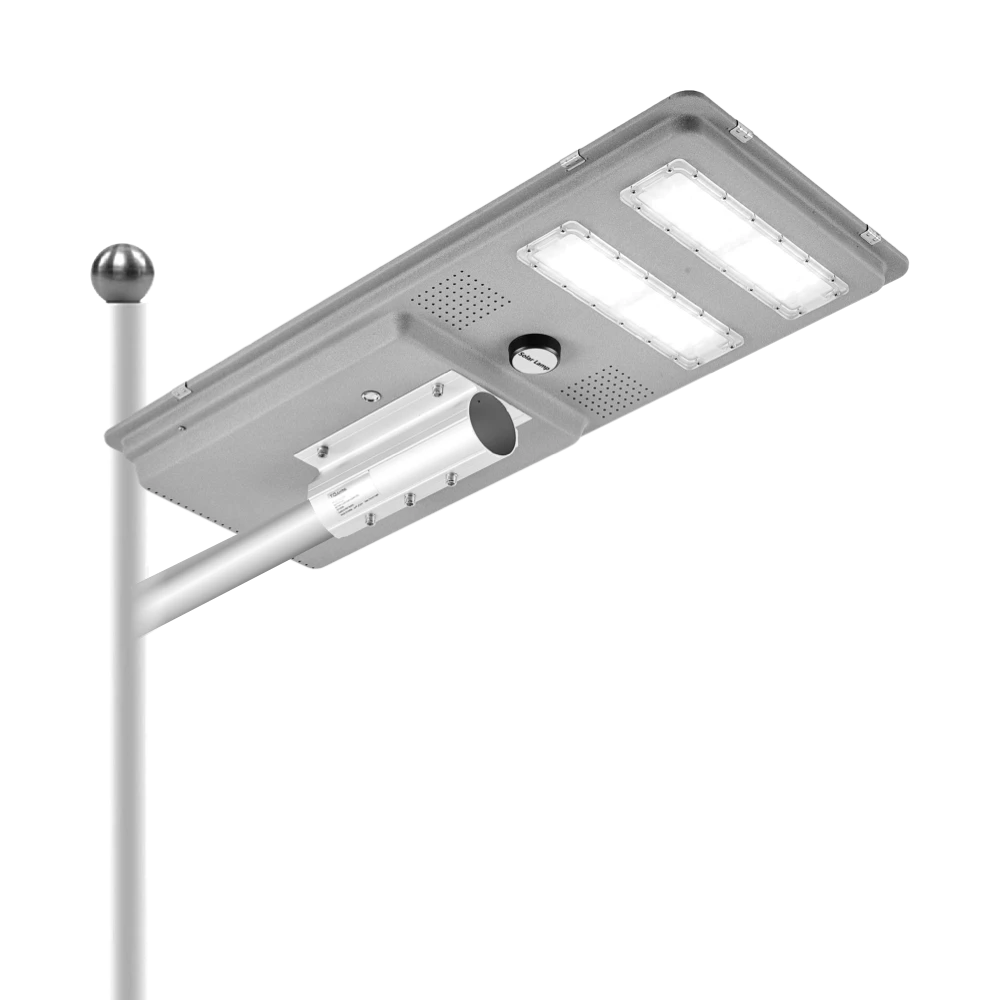
Queneng’s Solar Street Lights are designed to provide reliable, energy-efficient lighting for streets, parks, and other outdoor spaces.
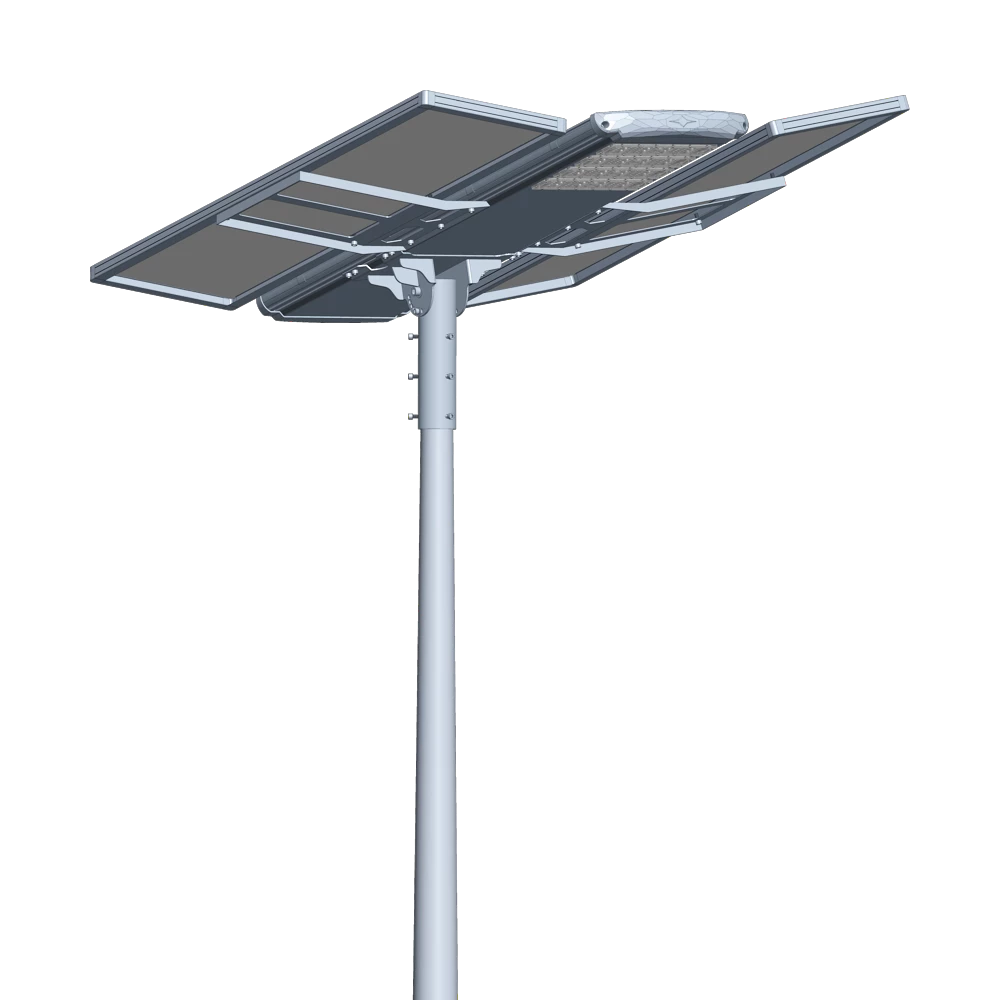
Introducing the Luqing Solar Street Light by Queneng, Efficient LED lighting powered by solar energy is perfect for illuminating outdoor areas. Harness the power of solar energy for sustainable, reliable street lighting. Ideal for eco-friendly, cost-effective outdoor illumination solutions.
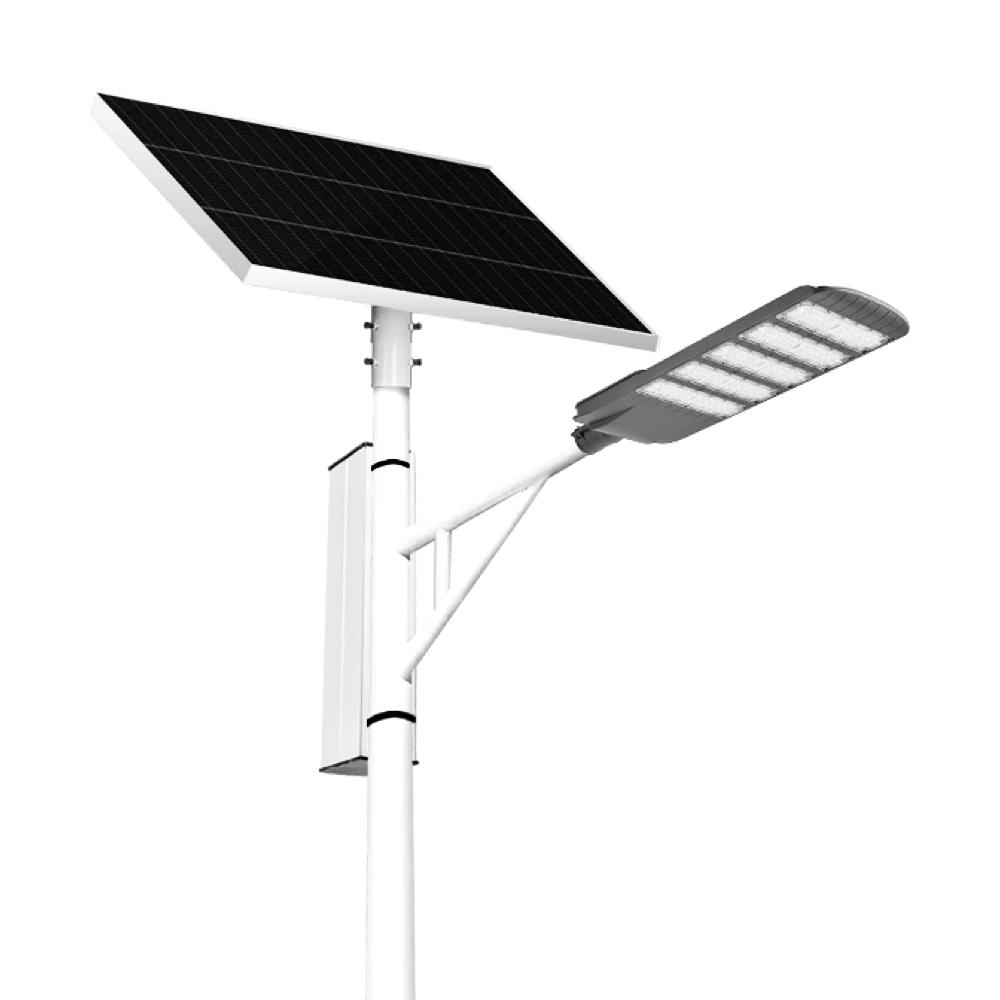
The Solar Streetlights of Luhao for Municipalities are designed to deliver reliable, energy-efficient, and cost-effective public lighting solutions. Equipped with advanced LED technology, durable lithium batteries, and high-efficiency solar panels, these streetlights provide consistent illumination for roads, parks, residential areas, and government projects.
Our professional team is ready to answer any questions and provide personalized support for your project.
You can reach us via phone or email to learn more about Queneng’s solar lighting solutions. We look forward to working with you to promote clean energy solutions!
Rest assured that your privacy is important to us, and all information provided will be handled with the utmost confidentiality.
By clicking 'Send Inquiry Now' I agree to Queneng processing my personal data.
To see how to withdraw your consent, how to control your personal data and how we process it, please see our Privacy Policy and Terms of use.
Schedule a Meeting
Book a date and time that is convenient for you and conduct the session in advance.
Have more questions about our products or services?
The messenger of light & power conversion
Environmental protection and intelligent manufacturing are our brand philosophy, and quality assurance and the best user experience are our eternal promises to users.
CONTACT
No.9F, Building F, Cao San Xin Tian Hong Logistics Park, Guzhen Town, Zhongshan City, Guangdong Province, China.
or write [email protected]
WhatsApp: +86 136 2270 1011


