














Smart Dimming Strategies for Energy Optimization
Smart dimming is a cornerstone of energy optimization for modern solar street lighting. For municipalities and private projects deploying Municipal Solar Street Light systems, Split Solar Street Light solutions or All-in-One Solar Street Lights, intelligently reducing lumen output when full brightness is unnecessary extends battery autonomy, lowers component stress, improves lifecycle costs, and reduces light pollution. This article presents proven dimming strategies, the enabling technologies, practical design approaches, a comparative evaluation of solar street light architectures, and an implementation checklist to help engineers and procurement teams realize measurable energy and cost savings.
Why intelligent dimming matters for solar street lighting
Energy, battery life and lifecycle costs
In solar-powered street lighting, energy harvested during daytime must supply nighttime loads plus system losses. Dimming directly reduces nighttime load, improving the state-of-charge (SoC) profile of the battery and reducing depth-of-discharge (DoD) cycles. Lower DoD and reduced peak currents translate to longer battery life and lower replacement costs over the system lifetime. The U.S. Department of Energy (DOE) and lighting industry studies show that LED-based systems combined with controls can reduce lighting energy use significantly compared to legacy technologies (DOE - Solid-State Lighting).
Operational resilience and autonomy
Smart dimming increases autonomy (days of operation without sufficient solar input) by lowering average nighttime consumption. For municipal deployments where insolation varies seasonally, adaptive dimming strategies help maintain minimum safety lighting while protecting battery SoC during stretches of low sun. This is especially relevant for Municipal Solar Street Light networks designed to meet multi-day autonomy requirements.
Environmental, regulatory and social benefits
Appropriate dimming reduces light pollution and glare, supports compliance with dark-sky regulations, and improves community acceptance. Adaptive dimming also allows municipalities to balance security and environment objectives — keeping high brightness during peak pedestrian hours and reducing output during late-night low-traffic periods.
Dimming strategies and enabling technologies
Time-based and schedule dimming
Time-based dimming follows pre-programmed schedules (for example 100% from dusk to 22:00, 60% from 22:00 to 04:00, 30% until dawn). It's simple to implement in All-in-One Solar Street Lights with integrated controllers and is effective where traffic and activity patterns are predictable. Schedules can be optimized seasonally to account for changing sunset/sunrise times.
Sensor-driven adaptive dimming (motion & ambient sensors)
Motion (PIR, radar) and ambient-light sensors enable reactive dimming: luminaires operate at a reduced level and momentarily increase brightness on detection of pedestrians, vehicles or events. This strategy offers high energy savings while preserving perceived safety. For Split Solar Street Light installations, remote sensors can be networked independently of the luminaire for flexibility in retrofits.
Predictive and AI-enabled dimming
Using historical usage patterns, weather forecasts and solar generation predictions, predictive controllers can optimize dimming profiles for both energy efficiency and grid/ battery health. Cloud-based analytics can adjust dimming curves to maximize autonomy during multi-day cloudy forecasts and capitalize on days with strong solar generation. These advanced strategies are increasingly supported by smart controllers and IoT platforms compliant with open standards.
System architecture and comparative considerations
Comparing municipal, split and all-in-one solar street light types
Choosing the right architecture affects the ease of implementing smart dimming and long-term operational costs. The table below summarizes common traits of Municipal Solar Street Light projects, Split Solar Street Light systems and All-in-One Solar Street Lights with a focus on dimming and energy optimization suitability.
| Characteristic | Municipal Solar Street Light (networked) | Split Solar Street Light | All-in-One Solar Street Lights |
|---|---|---|---|
| Control & Connectivity | Centralized/mesh control, easy OTA updates | Flexible placement of panel & battery; moderate remote control complexity | Integrated controller, compact — good for plug-and-play schedules |
| Dimming Implementation | Best: advanced adaptive & predictive dimming | Good: allows optimized panel orientation and larger batteries | Good: simple schedules and sensor-driven dimming |
| Maintenance | Higher up-front engineering, lower network O&M | Maintenance advantage: easier battery access | Lower initial cost, often higher replacement rate for batteries |
| Typical Use Cases | City streets, boulevards, smart city projects | Rural roads, long corridors, remote sites | Parks, small communities, retrofits |
Communication protocols and interoperability
Reliable wireless communications are essential for networked dimming. Common protocols include LoRaWAN for long-range low-power communications, NB-IoT for cellular-backed reliability, and Zigbee/Thread for denser mesh networks. Refer to the LoRa Alliance for deployment examples and interoperability guidance. Protocol choice affects latency, security, update paths and total cost of ownership.
Power electronics: drivers, MPPT and battery management
Dimmed LED drivers must provide stable current at partial outputs to avoid flicker and color shift. Integrated Maximum Power Point Tracking (MPPT) maximizes energy harvested during the day, and battery management systems (BMS) maintain safe charging profiles. For Split Solar Street Light designs, separate MPPT for array and robust BMS for remote batteries are recommended to optimize system efficiency.
Designing optimized dimming schedules: calculations and best practices
Baseline analysis and KPIs
Start with a baseline energy audit: measure average nightly energy demand (Wh), battery capacity (Ah and usable Wh), panel generation (Wh/day), and required autonomy (days). Key KPIs include required autonomy (days), average SoC at dawn, expected battery cycle life and total luminaire operating hours. Use these KPIs to size dimming targets.
Example calculation: estimating savings from dimming
Example assumptions (illustrative): a luminaire draws 50 W at 100% and is on for 12 hours/night = 600 Wh/night. If a dimming schedule reduces output to 60% for 8 hours and 30% for 4 hours, nightly consumption becomes:
Energy = 50W * 0.6 * 8h + 50W * 0.3 * 4h = 240 Wh + 60 Wh = 300 Wh/night
This is a 50% reduction compared with the 600 Wh baseline. The practical impact: if the battery usable capacity is 1800 Wh, autonomy increases from 3 nights to 6 nights under the same generation profile.
These calculations should be adjusted with local solar resource data (insolation) — NASA POWER provides reliable meteorological and solar radiation data suitable for system sizing (NASA POWER).
Balancing illumination standards and energy savings
Municipal lighting often must meet illuminance (lux) and uniformity standards. Dimming strategies should preserve minimum illuminance for safety and signage visibility. Use photometric modeling (IES files, DIALux/AGi32) to validate that dimmed states still meet local street lighting standards and that motion-triggered boosts restore necessary lux levels when needed.
Implementation, monitoring and ROI
Pilot projects and phased rollouts
Begin with pilot corridors to validate dimming schedules, sensor reliability and communication stability. Collect at least 3-6 months of telemetry across seasons to calibrate predictive models. Pilots reduce risk and provide empirical data to support procurement decisions for municipal-scale rollouts.
Monitoring, analytics and maintenance
Real-time monitoring of SoC, solar production, consumption and event logs enables persistent optimization. Analytics platforms can identify failing components early, suggest firmware updates, and automatically adapt dimming profiles. For large Municipal Solar Street Light networks, cloud-based dashboards with alarms are essential.
Estimating ROI
ROI depends on energy savings, battery life extension, maintenance savings and upfront costs of smart controllers and sensors. Typical drivers include:
- Energy saving from dimming (often 30–60% vs non-dimmed operation depending on baseline)
- Battery lifespan extension by reducing average DoD and peak currents
- Lower replacement and labor costs due to predictive maintenance
Use conservative assumptions in financial models and validate with pilot data. Documented LED conversions and smart controls deployed in cities frequently demonstrate payback periods in the range of 3–6 years depending on local electricity costs and maintenance regimes (Wikipedia: Street light provides context on lighting transition trends).
Case-specific considerations: Split vs All-in-One for dimming
Split Solar Street Light advantages for optimization
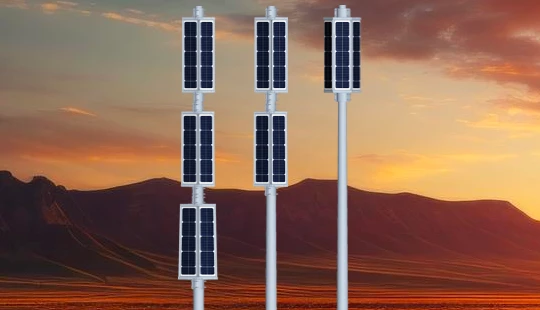
Split Solar Street Light architectures allow separate optimization of panel mounting angles and battery enclosures. This flexibility makes them ideal for locations with shading constraints or where theft/ vandalism risk is high for integrated units. Larger, remotely housed batteries can enable deeper energy management strategies, including time-of-night ramping and predictive shedding.
All-in-One Solar Street Lights: simplicity and tradeoffs
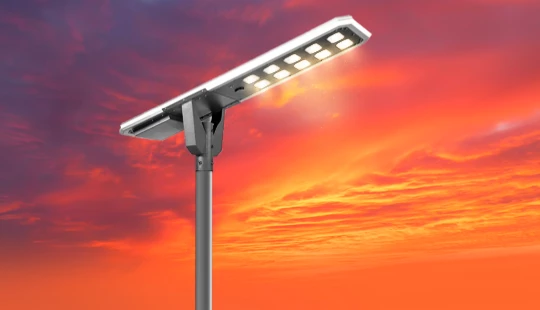
All-in-One Solar Street Lights combine module, battery and luminaire into a single enclosure which simplifies installation and reduces initial costs. They are well-suited for fast deployments and park or pathway lighting with predictable usage patterns. However, battery replacements and upgrades are more disruptive compared to Split systems.
Municipal fleet strategies
For a city-wide rollout, mixing product types may be optimal: use All-in-One units for low-risk, low-maintenance areas and Split systems where higher autonomy, larger arrays or advanced battery systems are necessary. Centralized control platforms should be chosen to manage heterogeneous fleets and enable consistent dimming policies across device types.
Queneng Lighting: capabilities and product fit
Queneng Lighting Founded in 2013, Queneng Lighting focuses on solar street lights, solar spotlights, solar garden lights, solar lawn lights, solar pillar lights, solar photovoltaic panels, portable outdoor power supplies and batteries, lighting project design, and LED mobile lighting industry production and development. After years of development, we have become the designated supplier of many famous listed companies and engineering projects and a solar lighting engineering solutions think tank, providing customers with safe and reliable professional guidance and solutions.
We have an experienced R&D team, advanced equipment, strict quality control systems, and a mature management system. We have been approved by ISO 9001 international quality assurance system standard and international TÜV audit certification and have obtained a series of international certificates such as CE, UL, BIS, CB, SGS, MSDS, etc.
Queneng Lighting's product offering — including Solar Street Lights, Solar Spot lights, Solar Lawn lights, Solar Pillar Lights, Solar Photovoltaic Panels, split solar street light, All-in-One Solar Street Lights — maps directly to the strategies described above. The company emphasizes modular designs for Split Solar Street Light systems where battery accessibility and panel optimization are required, and robust All-in-One Solar Street Lights for rapid municipal or community deployments. Queneng's strengths include:
- Certified quality systems (ISO 9001, TÜV, CE, UL etc.) ensuring product reliability
- In-house R&D to integrate MPPT, robust LED drivers and smart controllers
- Experience delivering engineering solutions and serving large-scale projects
Practical checklist for adopting smart dimming
Pre-deployment
- Conduct a baseline energy audit of current lighting
- Select the architectural type (Municipal networked, Split or All-in-One) based on maintenance, theft risk and autonomy requirements
- Assess local solar resource (use NASA POWER or similar datasets)
Deployment
- Start with a pilot and collect seasonal data
- Use photometric modeling to validate dimmed states
- Choose communication protocols to match coverage and latency needs
Operation
- Monitor SoC, production and consumption remotely
- Adjust dimming schedules and thresholds with data-driven feedback
- Plan preventive maintenance informed by analytics
Frequently Asked Questions (FAQ)
1. How much energy can smart dimming save in solar street lights?
Savings depend on baseline usage and dimming aggressiveness. Typical implementations report 30–60% reduction in nighttime energy consumption when combining schedule-based dimming with sensor-triggered boosts. Exact figures should be validated with pilot data and local conditions; the DOE provides background on LED savings and strategies (DOE - Solid-State Lighting).
2. Which is better for smart dimming: Split Solar Street Light or All-in-One?
Both can support smart dimming. Split Solar Street Light systems offer greater flexibility for panel placement and larger batteries (better for challenging sites), while All-in-One units are simpler to deploy and maintain. For municipal-scale, a mixed approach often provides the best balance.
3. Can dimming extend battery life?
Yes. By reducing average depth-of-discharge and peak currents, dimming reduces battery stress and can extend cycle life, lowering lifecycle costs. The magnitude depends on battery chemistry and the degree of dimming.
4. What communications protocol should a city choose for networked dimming?
Choice depends on coverage, density and cost. LoRaWAN is popular for long-range low-power networks; NB-IoT offers cellular reliability where available. Evaluate network coverage, power consumption, and security requirements before choosing (LoRa Alliance).
5. Are there standards or guidelines for acceptable dimming and lighting levels?
Yes. Many countries and municipalities follow illuminance and uniformity standards (CIE, local road lighting standards). Additionally, dark-sky guidelines and community ordinances influence acceptable nighttime levels. Photometric validation with IES files ensures compliance.
6. How should we validate performance after installation?
Monitor metrics: nightly energy consumption (Wh), dawn SoC, days of autonomy, motion event logs, and failure rates. Compare against pilot predictions and adjust dimming policies. Periodic field photometric checks verify that lighting meets safety standards.
Contact and next steps
If you are planning a municipal or commercial solar lighting project and want to evaluate smart dimming strategies or product options, contact Queneng Lighting for a consultation. Our engineering team can provide site assessment, photometric modeling, controller selection and ROI analysis to help you choose between split solar street light configurations and All-in-One Solar Street Lights, and implement adaptive dimming to maximize system performance.
For project inquiries and product details, visit Queneng Lighting or request a quote through our official channels to begin a pilot deployment and technical evaluation.

Have more questions about our products or services?
The latest hot news you might like

Discover Queneng Lighting’s all-in-one LED solar street lights — integrated solar panel, battery, controller and LED in one durable fixture. Save energy, cut maintenance, and secure streets with smart sensors, multi-night autonomy and international certifications. Contact sales for quotes and support.

Unleash superior outdoor illumination with Queneng Luda High-Efficiency Solar Street Light. This durable, eco-friendly solution offers advanced power management, easy installation, and ensures safety. Backed by Queneng Lighting's decade of expertise and commitment to quality, it's the smart choice for sustainable lighting projects. Learn why we're a leading solar solutions provider.

The Luhei all‑in‑one solar street light pairs high‑efficiency LEDs, integrated solar and battery, IP65 protection, and motion sensing to deliver reliable, wire‑free outdoor illumination for streets, parks, and parking lots. Backed by Queneng Lighting’s certifications and support.

FAQ
who we are
What products does Queneng offer?
We offer a wide range of solar energy products, including solar lighting fixtures (street lights, garden lights, etc.), high-performance solar photovoltaic panels, energy storage batteries, and custom solar systems for various applications. We also provide installation and after-sales support.
Solar Street Light Luhao
What type of battery is used in the Luhao solar street light?
The Luhao solar street light uses high-quality lithium-ion batteries that store solar energy efficiently. These batteries offer long-lasting performance and can typically last for 3 to 5 years before needing replacement.
Battery and Analysis
What is the rate of battery discharge? What is the battery's hourly discharge rate?
Transportation and Highways
Can the brightness be adjusted for different traffic conditions?
Yes, smart controls enable brightness adjustment based on traffic density.
Battery Types and Applications
What is a nanobattery?
Battery Performance and Testing
What is the IEC standard cycle life test?
After the battery is discharged to 1.0V/support at 0.2C
1. Charge at 0.1C for 16 hours, then discharge at 0.2C for 2 hours and 30 minutes (one cycle)
2. Charge at 0.25C for 3 hours and 10 minutes, discharge at 0.25C for 2 hours and 20 minutes (2-48 cycles)
3. Charge at 0.25C for 3 hours and 10 minutes, then discharge to 1.0V at 0.25C (49th cycle)
4. Charge at 0.1C for 16 hours, leave for 1 hour, discharge at 0.2C to 1.0V (50th cycle). For nickel-metal hydride batteries, after repeating 1-4 for a total of 400 cycles, the 0.2C discharge time should be greater than 3 hours; for nickel-cadmium batteries, repeating 1-4 for a total of 500 cycles, the 0.2C discharge time should be greater than 3 hours.
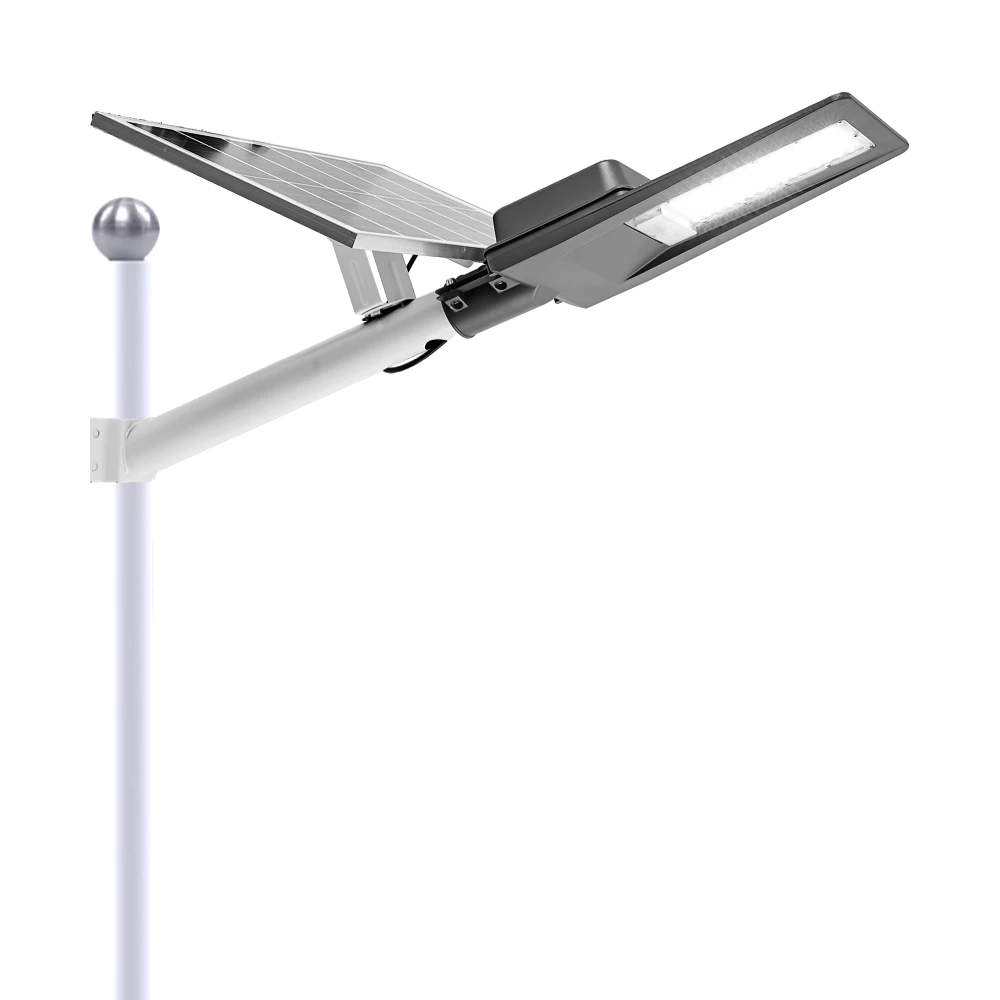
Experience reliable outdoor illumination with our smart solar street light, a perfect combination of advanced technology and eco-conscious design.
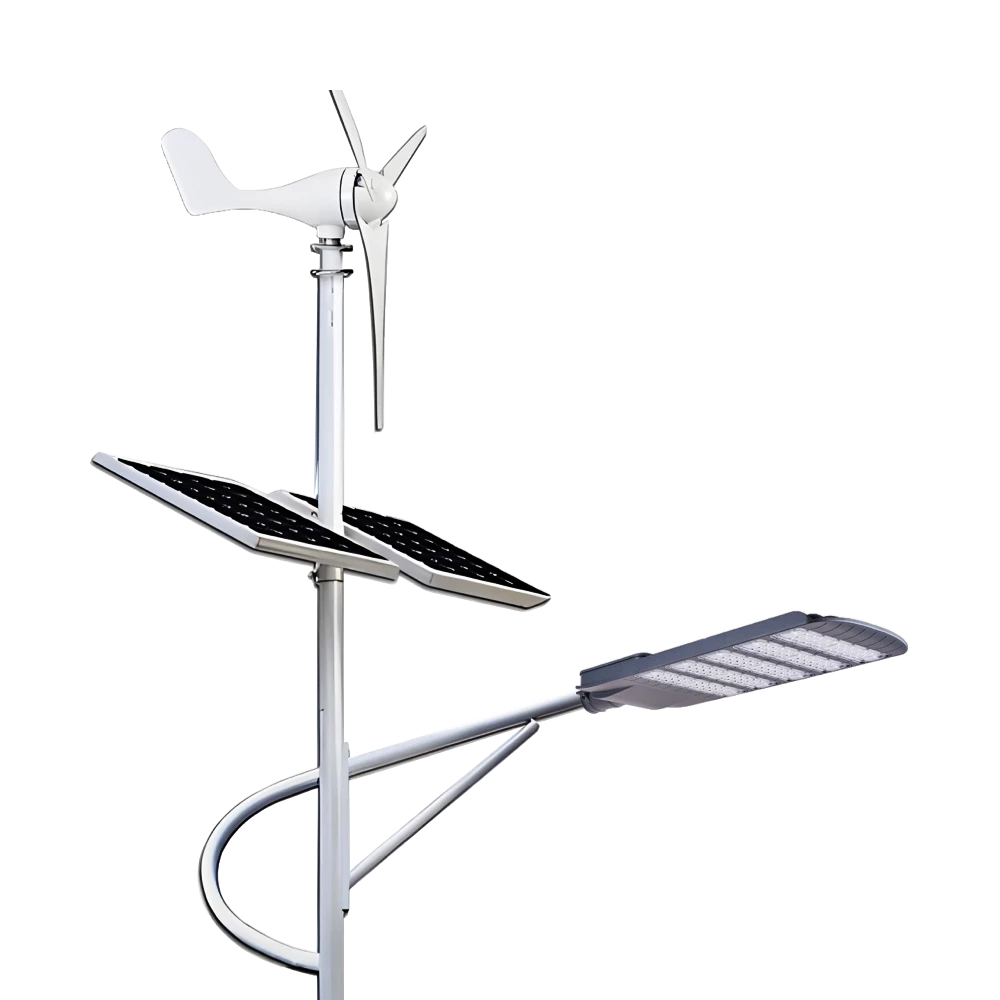
Queneng Lufeng Wind Energy LED Outdoor Solar Street Lights offer high-performance, eco-friendly illumination. These energy-efficient LED street lights harness solar power and wind energy for sustainable, cost-effective outdoor lighting solutions.
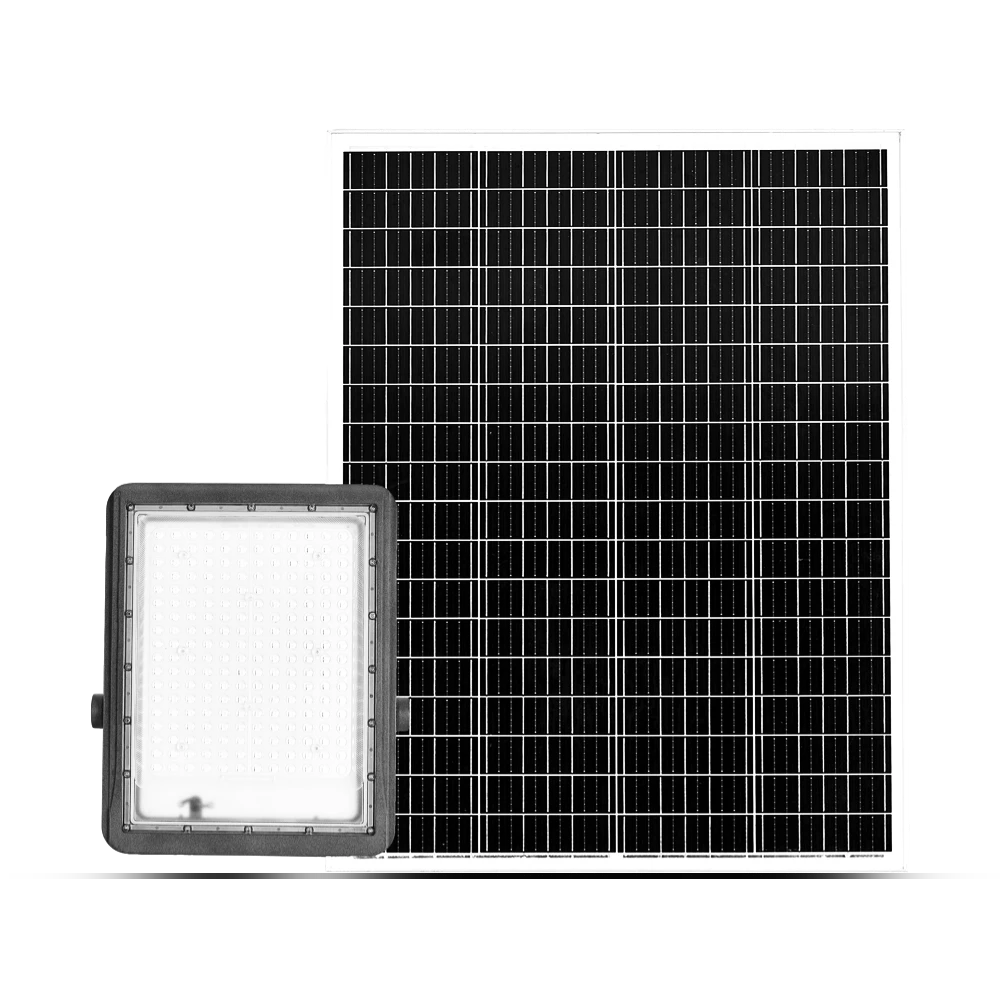
Queneng's Luxian Reliable Solar Street Light offers energy-saving LED lighting for outdoor use. This durable, solar-powered street light provides reliable illumination, reducing energy costs and environmental impact. A perfect solution for sustainable outdoor lighting.
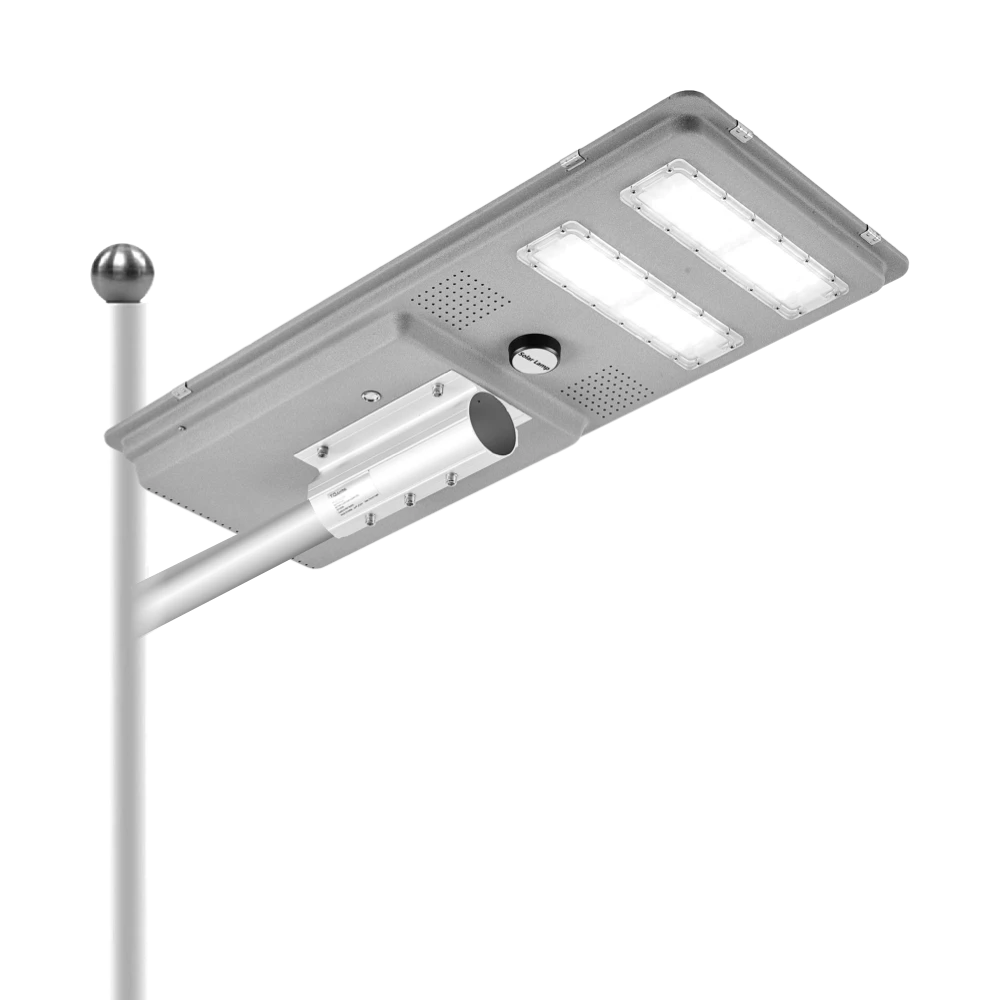
Queneng’s Solar Street Lights are designed to provide reliable, energy-efficient lighting for streets, parks, and other outdoor spaces.
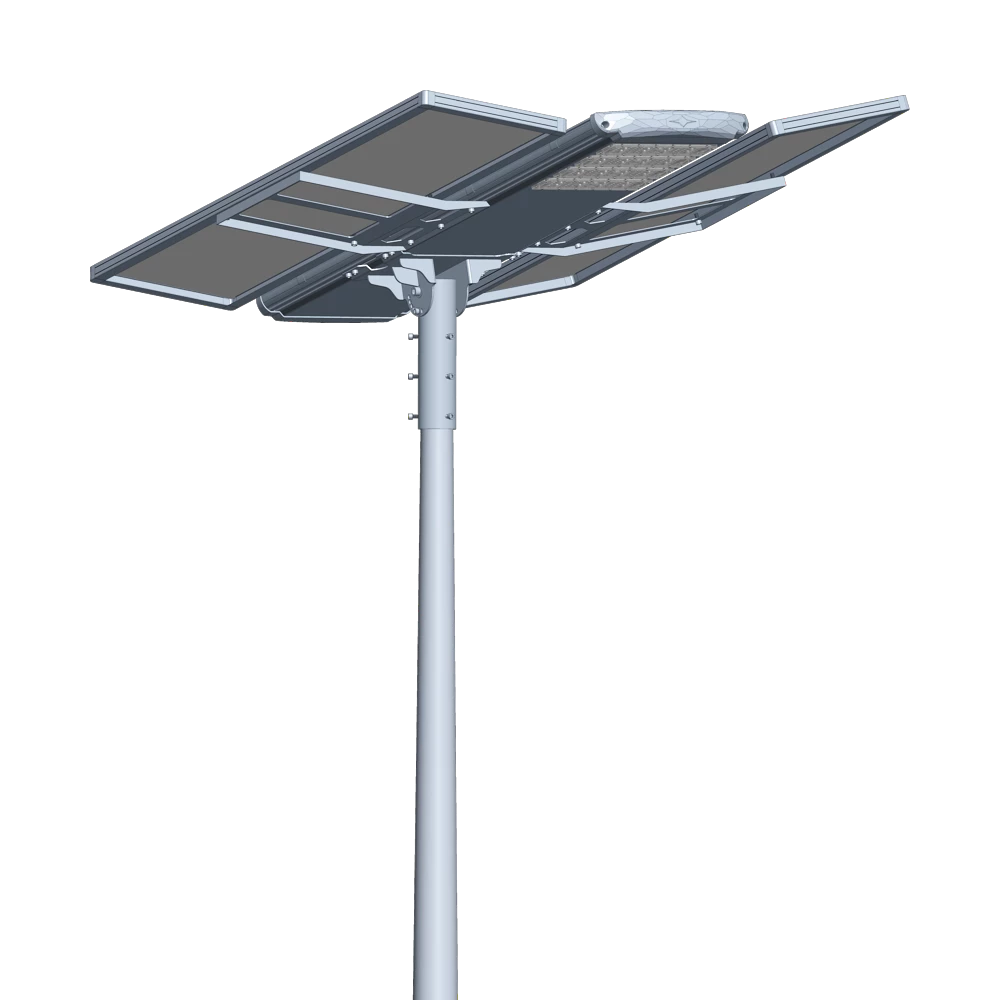
Introducing the Luqing Solar Street Light by Queneng, Efficient LED lighting powered by solar energy is perfect for illuminating outdoor areas. Harness the power of solar energy for sustainable, reliable street lighting. Ideal for eco-friendly, cost-effective outdoor illumination solutions.
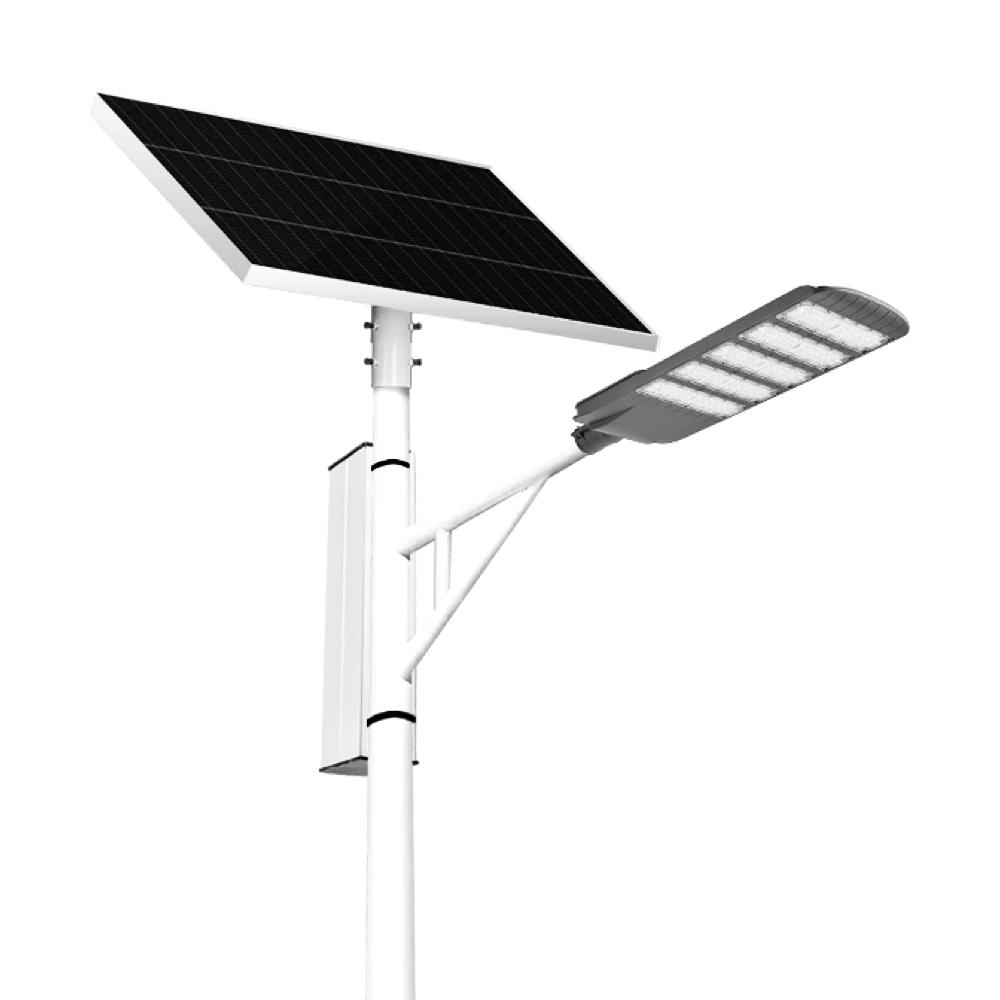
The Solar Streetlights of Luhao for Municipalities are designed to deliver reliable, energy-efficient, and cost-effective public lighting solutions. Equipped with advanced LED technology, durable lithium batteries, and high-efficiency solar panels, these streetlights provide consistent illumination for roads, parks, residential areas, and government projects.
Our professional team is ready to answer any questions and provide personalized support for your project.
You can reach us via phone or email to learn more about Queneng’s solar lighting solutions. We look forward to working with you to promote clean energy solutions!
Rest assured that your privacy is important to us, and all information provided will be handled with the utmost confidentiality.
By clicking 'Send Inquiry Now' I agree to Queneng processing my personal data.
To see how to withdraw your consent, how to control your personal data and how we process it, please see our Privacy Policy and Terms of use.
Schedule a Meeting
Book a date and time that is convenient for you and conduct the session in advance.
Have more questions about our products or services?
The messenger of light & power conversion
Environmental protection and intelligent manufacturing are our brand philosophy, and quality assurance and the best user experience are our eternal promises to users.
CONTACT
No.9F, Building F, Cao San Xin Tian Hong Logistics Park, Guzhen Town, Zhongshan City, Guangdong Province, China.
or write [email protected]
WhatsApp: +86 136 2270 1011


