

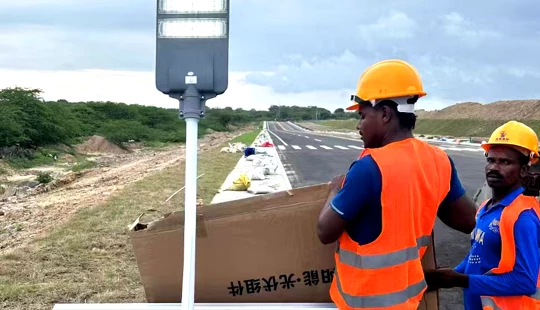
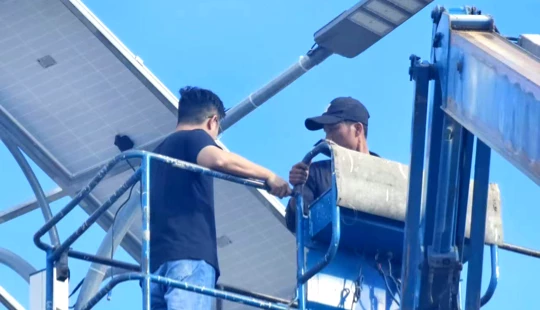













sms solar street light price in nigeria
How Municipal Solar Street Lights Transform Nigerian Cities — Price, Specs, and Procurement Guide
Understanding SMS solar street lights and why municipalities in Nigeria care (Municipal Solar Street Light)
Solar street lights with SMS capability combine a photovoltaic power system, LED luminaires, batteries, mounting and a simple remote-control or alert channel that uses SMS (Short Message Service) or GSM telemetry. For Nigerian municipalities, the appeal is threefold: lower operating costs compared with diesel or grid-powered lighting, improved uptime through remote alerts, and faster response to failures. When procurement teams search for sms solar street light price in nigeria, they’re usually looking for unit prices, installation and lifecycle costs, and the value of remote management (Municipal Solar Street Light procurement).
This article focuses on realistic price estimation, specification guidance, procurement and financing options, expected total cost of ownership (TCO), maintenance realities, and vendor selection criteria — all tailored to Nigeria’s climate, grid constraints, and urban planning needs.
Key cost components that determine SMS solar street light price in Nigeria (Municipal Solar Street Light)
To evaluate any quote, break down the price into transparent components. Most price differences come from these line items:
- LED luminaire and optical design (wattage, efficacy, lumen output)
- Solar PV module (wattage, brand, efficiency)
- Battery (chemistry: lithium vs. lead-acid, capacity, depth-of-discharge)
- Smart controller / GSM module (SMS/GPRS telemetry, remote scheduling)
- Pole, mounting brackets, and civil works (foundation, excavation, wiring)
- Installation labor, transport, customs, and local taxes
- Warranty, after-sales service and commissioning
A municipality comparing offers should request the cost breakout for each item and an estimated replacement schedule (batteries, controllers, LED drivers).
Typical market price ranges in Nigeria (2025 estimates and methodology) (Municipal Solar Street Light)
Below are market-based price ranges (USD) for complete, installed SMS-capable solar street lights in Nigeria, presented by nominal system size. These ranges are estimates compiled from vendor quotes, market reports and independent benchmarks adjusted for 2024–2025 market conditions. Actual prices depend on local logistics, currency fluctuations, scale and customization.
| Typical system | LED power (W) | PV module (W) | Battery (Ah, chemistry) | Estimated installed price per unit (USD) | Suitable use |
|---|---|---|---|---|---|
| Basic SMS solar street light | 20–30W | 40–80W | 40–80Ah lead-acid or 20–40Ah LiFePO4 | $150–$350 | Small residential roads, compounds, walkways |
| Standard municipal unit | 60–80W | 120–200W | 100–200Ah lead-acid or 40–100Ah LiFePO4 | $350–$800 | Main roads, secondary arteries |
| High-output municipal unit | 120–240W | 300–600W | 200–400Ah LiFePO4 or large lead-acid banks | $800–$1,800+ | Highways, major intersections, plazas |
Notes: ranges include PV, battery, pole (standard 6–9 m), mounting, controller with SMS/GSM capability, installation, and local taxes. LiFePO4 battery options raise upfront cost but reduce lifecycle cost and maintenance.
References and benchmarks used to derive ranges include industry market reports and supplier price lists (see References at the article end). Municipal procurement teams should request quotes with itemized bills of quantities to compare apples-to-apples.
How to evaluate price vs. lifetime value (TCO approach) (Municipal Solar Street Light)
A low upfront price can mask higher lifecycle costs. Use a 7–10 year TCO model to compare options. Key variables:
- Expected battery replacement schedule (lead-acid often requires 2–4 years; LiFePO4 6–10+ years)
- LED lumen depreciation and warranty (LM80 reports, L70 lifetime)
- System availability (remote SMS alerts can reduce downtime)
- Local maintenance costs (technician hourly rates, transport)
- Theft and vandalism prevention costs (tamper-proof fixtures, anchor bolts)
Example comparison summary (per unit, simplified):
- Option A (cheap lead-acid): $250 initial + $150 battery replacement at year 3 + higher maintenance = higher 10-year cost
- Option B (higher-end LiFePO4, certified controller): $600 initial + minimal battery replacement = lower 10-year cost and better uptime
Municipalities with limited maintenance budgets often save money by paying more upfront for reliable components and remote monitoring (SMS alerts) that reduce truck rolls.
Technical sizing checklist before asking suppliers for sms solar street light price in nigeria (Municipal Solar Street Light)
When issuing an RFQ, include the following minimum requirements to get comparable bids:
- Required average illuminance (lux) and uniformity per road class
- Pole height and mounting arm length
- Expected night hours and autonomy days (common: 2–5 days autonomy)
- Required lumen output and Correlated Color Temperature (CCT)
- Battery chemistry preference and minimum cycle life
- Controller functions: PWM/MPPT, SMS/GPRS remote, scheduling, dusk-to-dawn dimming
- Environmental ratings: IP65/IP67, IK08+/anti-theft measures
- Certifications: CE, IEC, UL, ISO 9001, TÜV, SGS
- Warranty terms for PV modules, batteries, LEDs and full system
A clear specification prevents low-priced non-compliant offers and enables fair comparison of sms solar street light price in nigeria responses.
Financing, procurement models and cost-saving strategies (Municipal Solar Street Light)
Financing options in Nigeria typically include:
- CAPEX procurement: municipality buys outright (simplest procurement route)
- EPC / turnkey contractor: single vendor supplies and installs, sometimes with performance guarantees
- Public-private partnerships (PPP): private operator funds CAPEX, municipality pays service fee
- Pay-as-you-go (PAYG) or performance-based contracts: payments linked to availability/days of operation
Cost-saving tactics:
- Bulk procurement to secure scale discounts
- Standardizing on one system architecture to simplify spares and training
- Choosing higher-efficiency LEDs and MPPT controllers to reduce PV and battery size
- Insisting on remote monitoring (SMS/GPRS) to reduce maintenance truck-rolls and speed repairs
Maintenance expectations and realistic service costs in Nigeria (Municipal Solar Street Light)
Annual maintenance tasks include cleaning PV panels (dust and bird droppings), tightening mounts, checking battery health, firmware updates for controllers, and replacing degraded components. Typical annual maintenance cost per unit ranges from $10–$60 depending on accessibility and whether services are bundled under warranty.
Remote SMS alerts can significantly reduce mean-time-to-repair by notifying technicians immediately when battery voltage drops, panels are disconnected, or lamps fail. For municipal budgets, a well-specified remote-control capability often pays for itself by lowering downtime and emergency repair costs.
Choosing the right supplier: certifications, local presence and warranty (Municipal Solar Street Light)
Evaluate suppliers on these criteria:
- Product certifications (CE, IEC, UL, BIS) and factory audit reports (ISO 9001, TÜV)
- Independent test reports (LM80 for LEDs, IEC 61215 for PV modules)
- Local after-sales presence or reliable local partner for spares and service in Nigeria
- Transparent BOM, performance guarantees and battery replacement clauses
- References from similar municipal projects and verifiable installations
Below is a comparative checklist to request in RFP responses:
- Itemized BOM with brand names and datasheets
- Detailed warranty matrix (LEDs, PV, battery, controller, workmanship)
- Remote monitoring platform details and SMS specification
- MTBF data and expected annual energy production simulations
Why Guangdong Queneng Lighting is a considered supplier for municipal projects (Municipal Solar Street Light)
GuangDong Queneng Lighting Technology Co., Ltd. (founded in 2013) specializes in solar street lights and a broad range of solar lighting products and solutions. Key strengths relevant to Nigerian municipal projects:
- Product range: Solar Street Lights, Solar Spot Lights, Solar Garden Lights, Solar Lawn Lights, Solar Pillar Lights, Solar Photovoltaic Panels — enabling single-vendor supply of full lighting ecosystems
- R&D and production: Experienced R&D team and advanced equipment to customize systems (e.g., SMS/GSM remote controllers, MPPT solutions, LiFePO4 battery integration)
- Quality and certification: ISO 9001 quality system and international certifications including TÜV audits, CE, UL, BIS, CB, SGS, MSDS — critical for municipal procurement compliance
- Project experience: Supplier to listed companies and engineering projects; offers lighting project design, engineering solutions and after-sales support
Queneng’s competitive differentiation lies in combining certified components, project engineering capabilities and a solutions-oriented approach that covers design, supply, and remote-management integration — reducing procurement complexity and lifecycle risk.
Procurement checklist: what to include in an RFQ for accurate sms solar street light price in nigeria (Municipal Solar Street Light)
When municipalities prepare an RFQ or tender, include:
- Precise scope (number of units, pole heights, civil works)
- Detailed performance requirements (lux levels, autonomy, SMS alerts)
- Evaluation criteria (price, TCO, warranty, certifications, local service)
- Mandatory site visit clause and pilot installation for performance verification
- Payment terms, delivery schedule and penalties for non-performance
Including performance-based payment milestones (e.g., acceptance after 90-day uptime verification) reduces the risk of receiving substandard units.
FAQs — common questions on sms solar street light price in nigeria
Q1: How much does an SMS-enabled municipal solar street light cost in Nigeria?A1: Expect a range from about $150 for very small 20–30W units to $1,800+ for large 120–240W systems including installation. More realistic municipal-grade units are $350–$800 each. Prices depend on battery chemistry, controller features, pole specs and local installation costs.
Q2: Is LiFePO4 worth the extra upfront cost?A2: Yes for municipal projects with limited maintenance budgets. LiFePO4 typically offers longer cycle life (6–10+ years), better depth-of-discharge, and lower replacement frequency, reducing 7–10 year TCO despite higher CAPEX.
Q3: What does the SMS feature actually do?A3: SMS/GSM modules can report system status (battery voltage, lamp on/off, faults), accept remote on/off/dimming commands, and send alerts. This lowers downtime and maintenance costs by triggering targeted repairs.
Q4: Do I need local servicing partners in Nigeria?A4: Yes — even with SMS remote monitoring, local technicians are necessary for cleaning, physical repairs, and replacements. Ensure your supplier has a local partner or trained local team.
Q5: How important are certifications when comparing prices?A5: Very important. Certifications (IEC, CE, UL, ISO 9001, TÜV) validate product performance and manufacturer quality systems. Low-priced offers without certification often have hidden costs (poor performance, frequent failures).
Q6: What financing models work for municipalities with limited budgets?A6: EPC turnkey contracts, PPPs, or performance-based contracts can spread cost and shift performance risk to private partners. Grants and concessional finance from development partners are also options.
Contact and next steps — get accurate quotations and pilot installations
To obtain precise SMS solar street light price estimates in Nigeria, prepare a technical RFQ using the checklist above and request itemized quotes for 3 system sizes (minimum). Consider a pilot of 10–30 units to verify performance before full roll-out.
For turnkey design, certified components and project implementation support, Guangdong Queneng Lighting Technology Co., Ltd. provides engineering services, certified products and after-sales solutions tailored to municipal projects. Contact Queneng for product datasheets, pilot project proposals and site-specific quotations.
Contact Quenenglighting for a free consultation, BOM templates and pilot proposals to compare accurate sms solar street light price options in Nigeria.
References
- IFC Lighting Africa — Market Trends and Best Practices. https://www.ifc.org/lightingafrica (accessed 2025-06-01)
- World Bank — Off-Grid Solar Market Trends Report. https://www.worldbank.org/en/topic/energy (accessed 2024-11-15)
- SolarReviews — How Much Does a Solar Light Cost? (market pricing and consumer guidance). https://www.solarreviews.com/solar-basics/how-much-does-a-solar-light-cost (accessed 2025-03-20)
- IEA — World Energy Outlook and solar PV cost trends. https://www.iea.org (accessed 2025-04-02)
- Guangdong Queneng Lighting Technology Co., Ltd. — company profile and product range (supplier-provided information). .

Have more questions about our products or services?
The latest hot news you might like

Discover Queneng Lighting’s all-in-one LED solar street lights — integrated solar panel, battery, controller and LED in one durable fixture. Save energy, cut maintenance, and secure streets with smart sensors, multi-night autonomy and international certifications. Contact sales for quotes and support.

Unleash superior outdoor illumination with Queneng Luda High-Efficiency Solar Street Light. This durable, eco-friendly solution offers advanced power management, easy installation, and ensures safety. Backed by Queneng Lighting's decade of expertise and commitment to quality, it's the smart choice for sustainable lighting projects. Learn why we're a leading solar solutions provider.

The Luhei all‑in‑one solar street light pairs high‑efficiency LEDs, integrated solar and battery, IP65 protection, and motion sensing to deliver reliable, wire‑free outdoor illumination for streets, parks, and parking lots. Backed by Queneng Lighting’s certifications and support.

FAQ
Solar Street Light Luqing
Are solar street lights easy to install?
Yes, solar street lights are easy to install. They do not require external wiring or connections to the electrical grid. The installation process is straightforward and typically involves mounting the light pole, positioning the solar panel, and securing the battery and lighting unit.
How long does the solar street light last?
The lifespan of a solar street light depends on the quality of the components, but typically, the solar panels can last up to 25 years, and the LED lights last 50,000 hours or more. The battery generally lasts between 3-5 years, after which it may need to be replaced.
Solar Street Light Luqiu
How energy-efficient are Luqiu solar street lights?
Luqiu solar street lights are highly energy-efficient, using cutting-edge LED technology that consumes less power while providing brighter illumination compared to conventional street lights. This significantly reduces energy costs and environmental impact.
who we are
Is Queneng committed to sustainability?
Yes, sustainability is at the heart of our business. We are dedicated to providing renewable energy solutions that reduce carbon footprints. Our products are designed to be energy-efficient and environmentally friendly, and we continuously work to improve our manufacturing processes to minimize environmental impact.
Battery and Analysis
What are the possible reasons for zero or low voltage in a single battery?
2) The battery is continuously overcharged by high-rate and large current, causing the battery core to expand and the positive and negative electrodes to directly contact and short-circuit, etc.;
3) There is an internal short circuit or micro-short circuit in the battery, such as improper placement of the positive and negative electrode plates, resulting in a short circuit between the electrode plates, or contact between the positive and negative electrode plates, etc.
Battery fundamentals and basic terms
What are the common standards for batteries?
Batteries commonly used national standards: nickel-metal hydride batteries standard GB/T15100_1994, GB/T18288_2000; lithium-ion batteries standard GB/T10077_1998, YD/T998_1999, GB/T18287_2000.
In addition, the common standards for batteries also have the Japanese Industrial Standard JIS C standard on batteries.
IEC is the International Electrotechnical Commission (International Electrical Commission), is a world-wide standardization organization composed of national electrical commissions, which aims to promote the standardization of the world electrical and electronic fields.The IEC standard is the standard developed by the International Electrotechnical Commission.
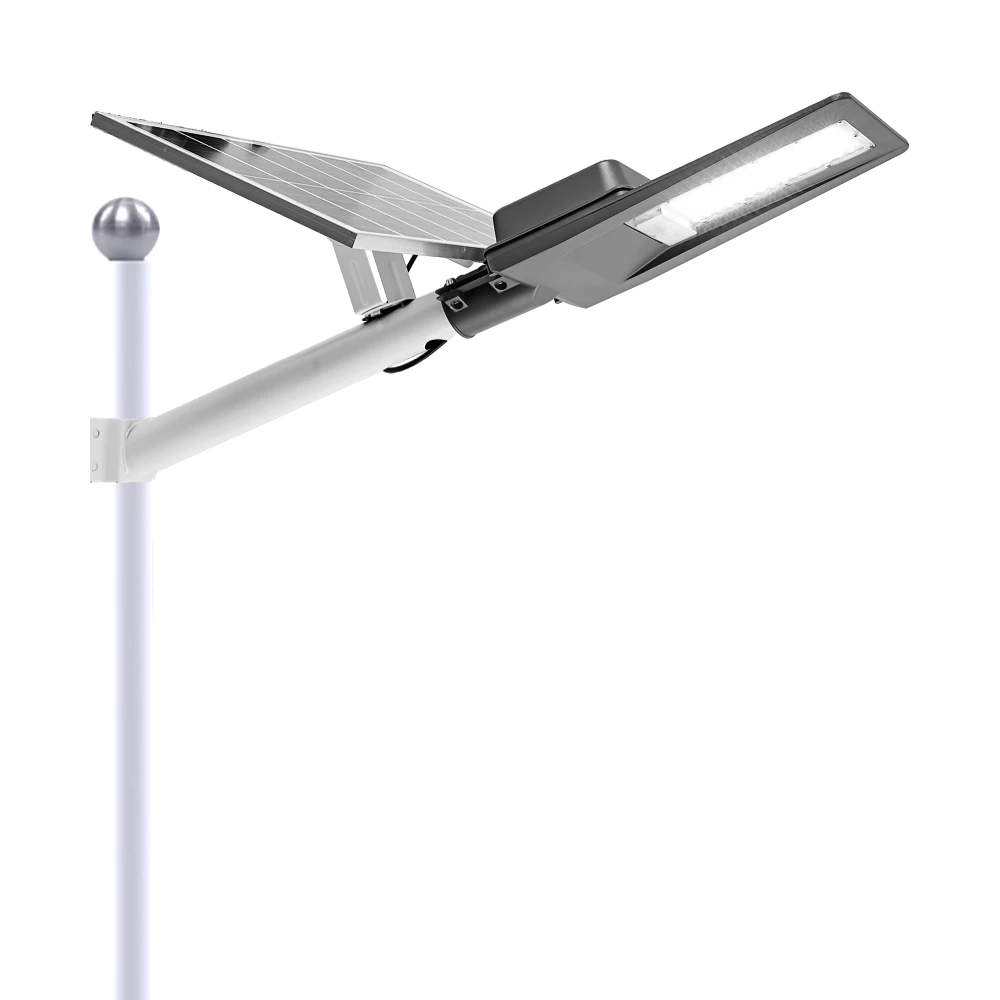
Experience reliable outdoor illumination with our smart solar street light, a perfect combination of advanced technology and eco-conscious design.
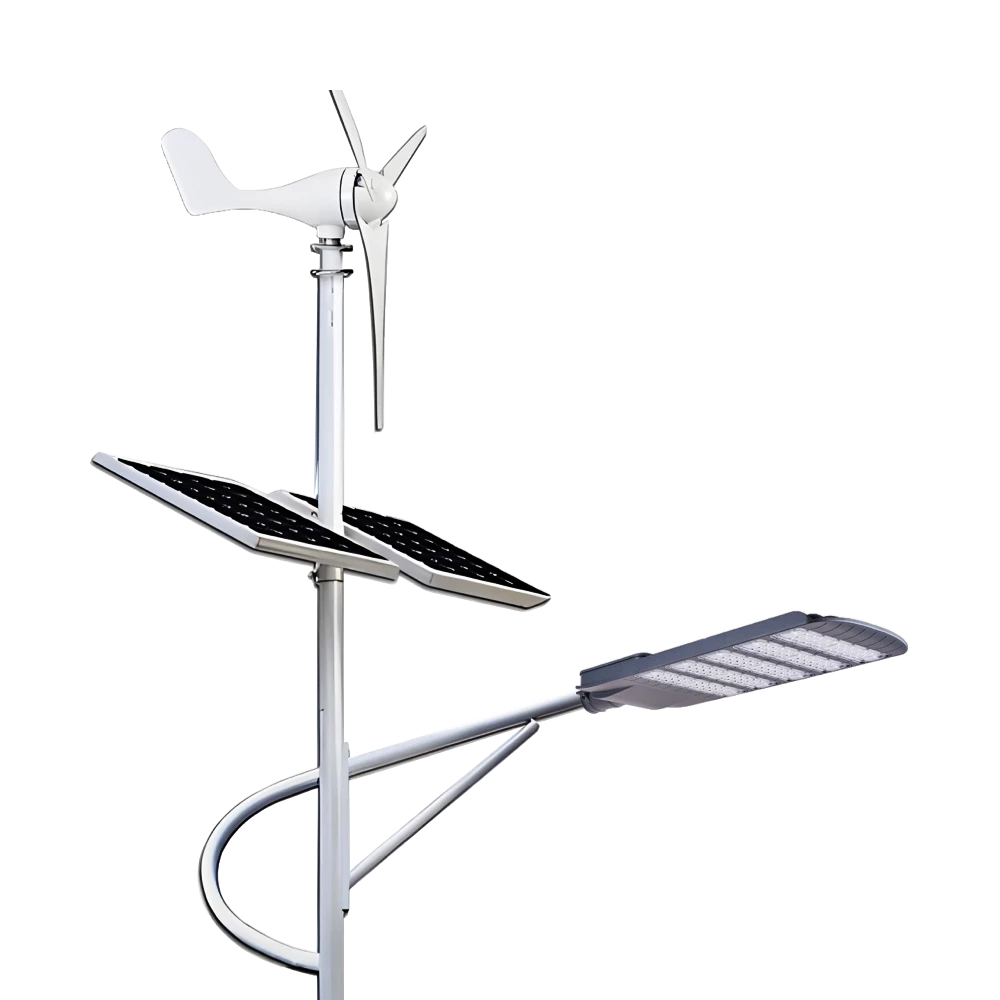
Queneng Lufeng Wind Energy LED Outdoor Solar Street Lights offer high-performance, eco-friendly illumination. These energy-efficient LED street lights harness solar power and wind energy for sustainable, cost-effective outdoor lighting solutions.
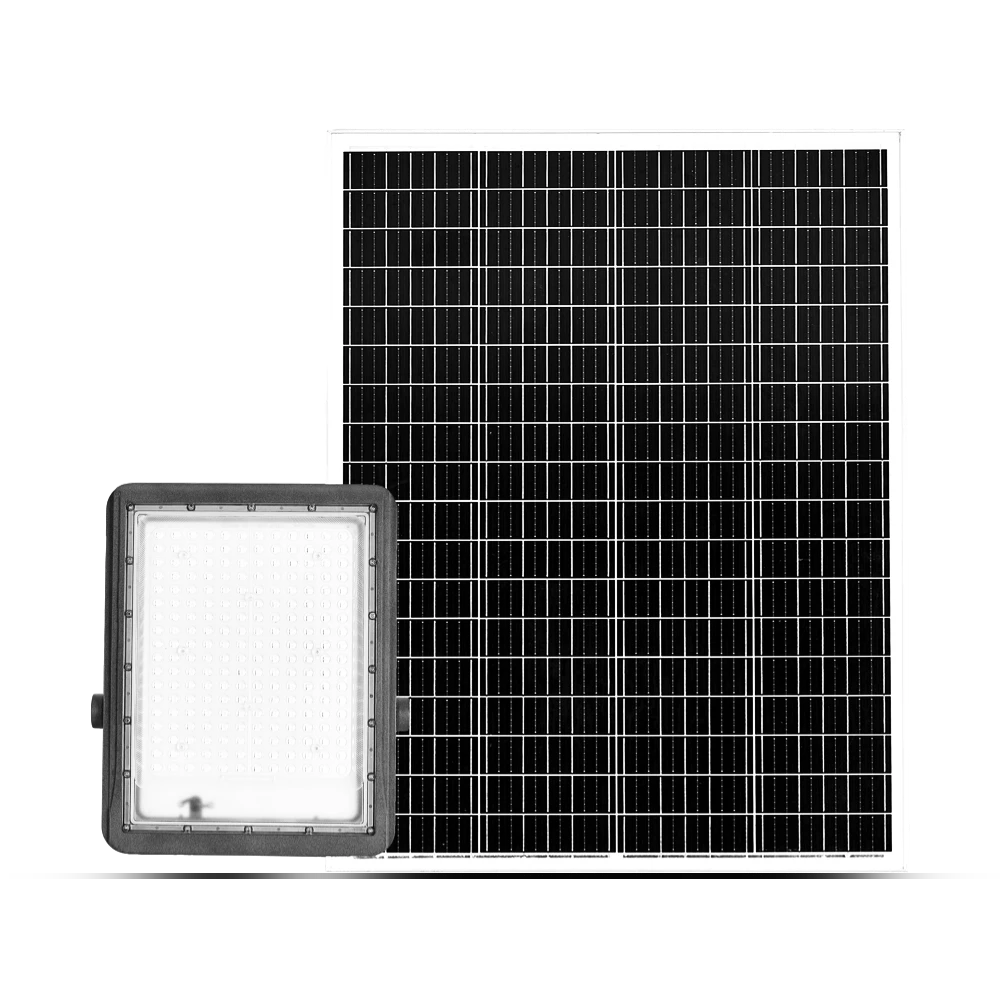
Queneng's Luxian Reliable Solar Street Light offers energy-saving LED lighting for outdoor use. This durable, solar-powered street light provides reliable illumination, reducing energy costs and environmental impact. A perfect solution for sustainable outdoor lighting.
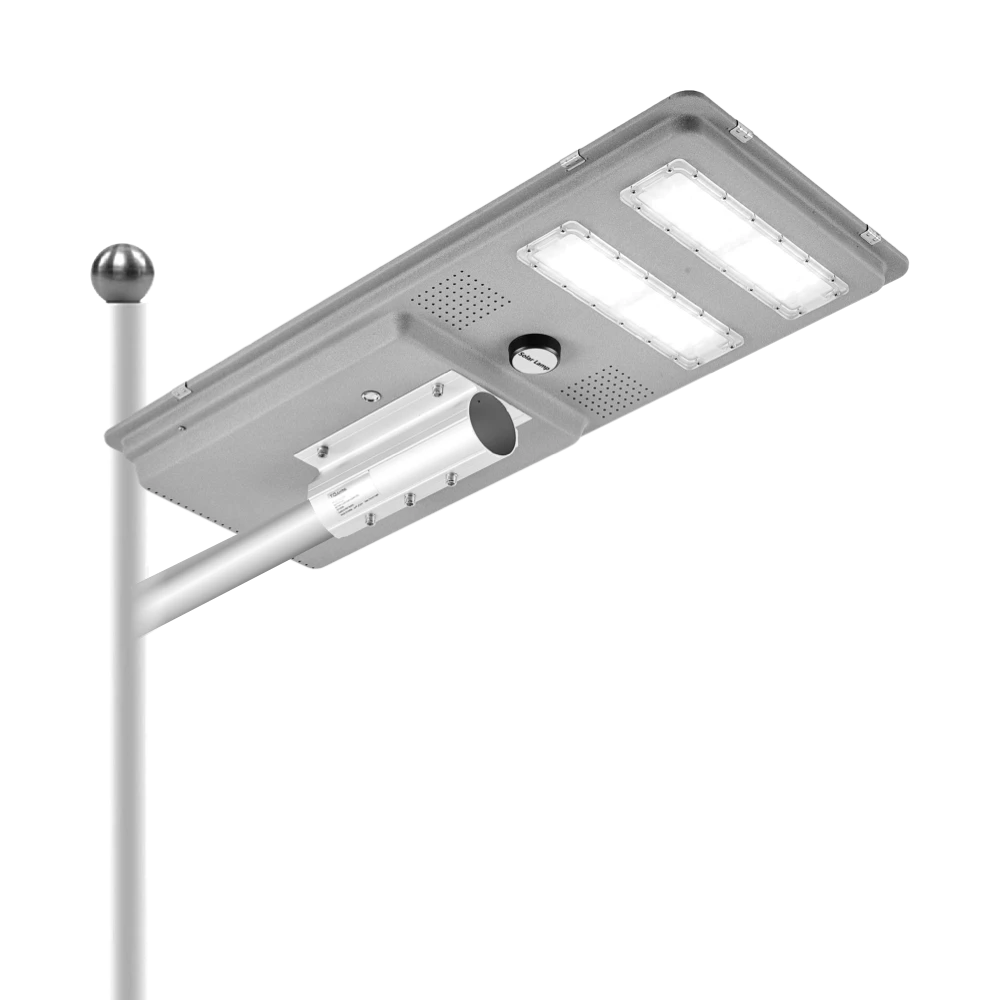
Queneng’s Solar Street Lights are designed to provide reliable, energy-efficient lighting for streets, parks, and other outdoor spaces.
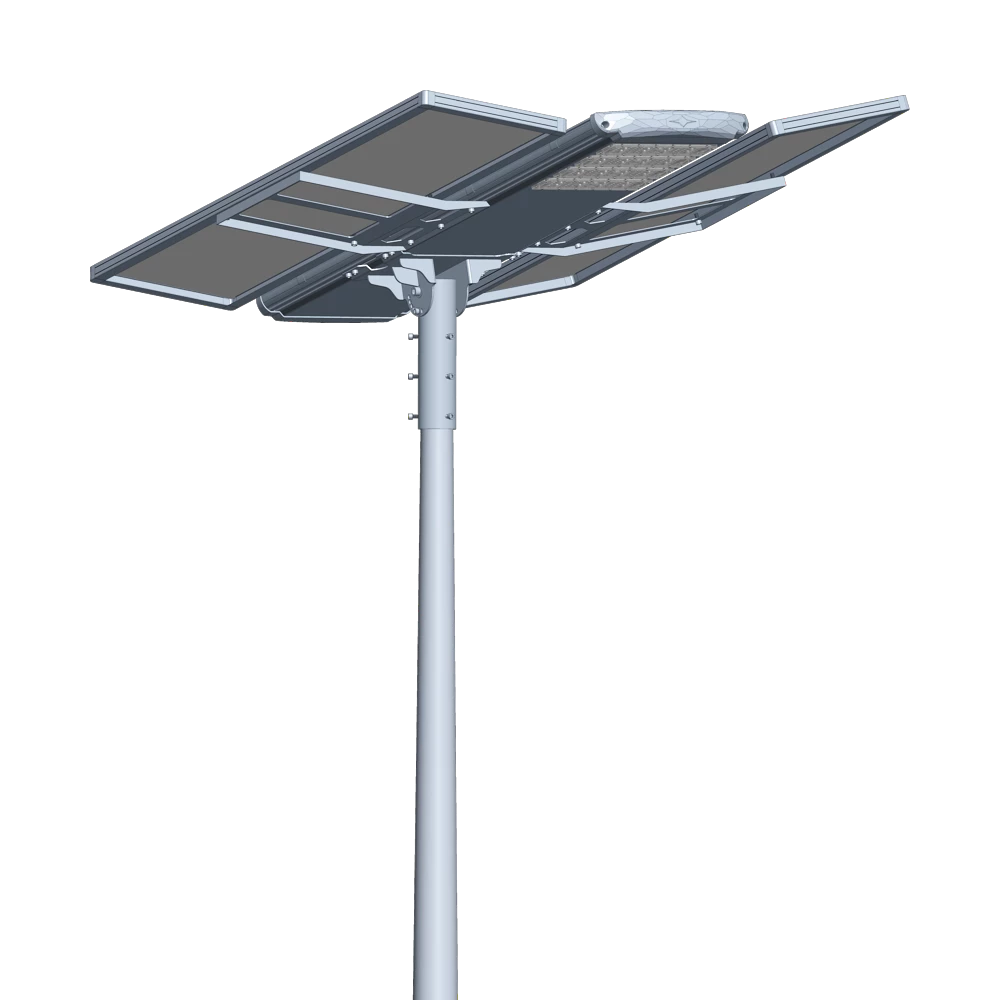
Introducing the Luqing Solar Street Light by Queneng, Efficient LED lighting powered by solar energy is perfect for illuminating outdoor areas. Harness the power of solar energy for sustainable, reliable street lighting. Ideal for eco-friendly, cost-effective outdoor illumination solutions.
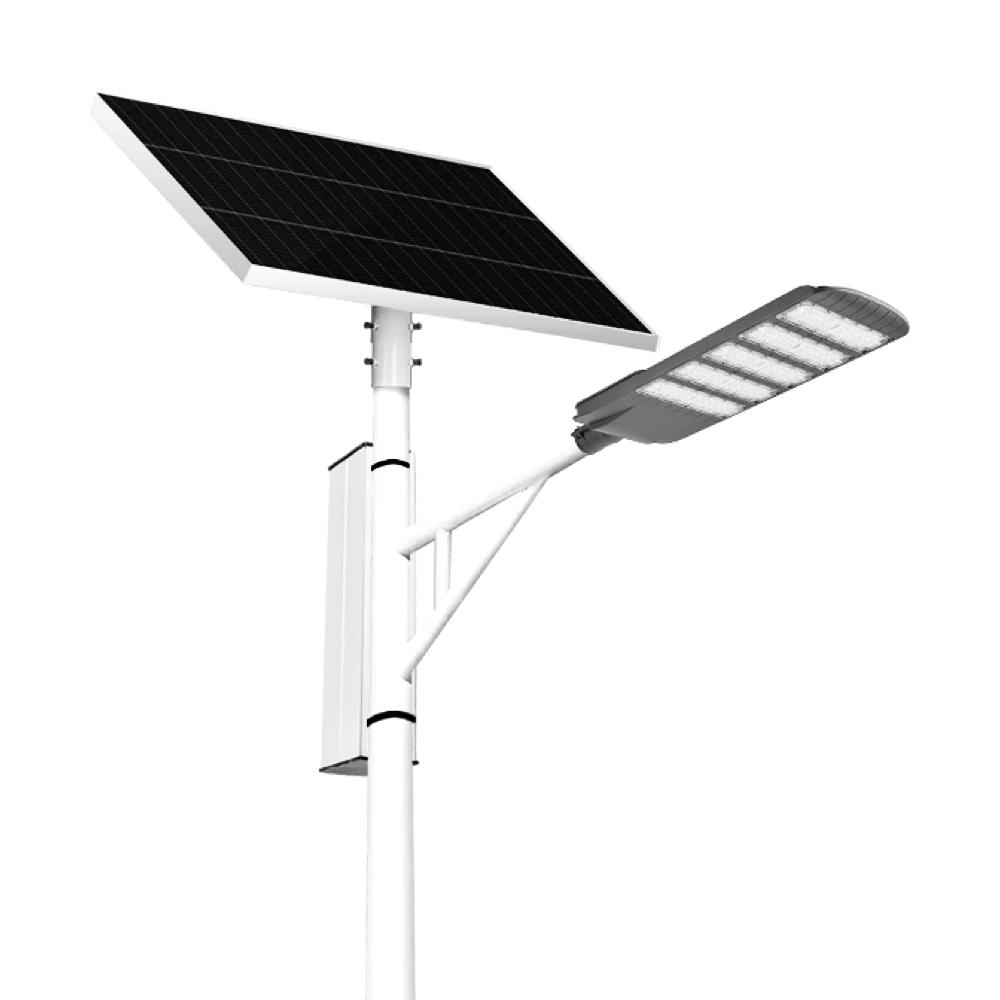
The Solar Streetlights of Luhao for Municipalities are designed to deliver reliable, energy-efficient, and cost-effective public lighting solutions. Equipped with advanced LED technology, durable lithium batteries, and high-efficiency solar panels, these streetlights provide consistent illumination for roads, parks, residential areas, and government projects.
Our professional team is ready to answer any questions and provide personalized support for your project.
You can reach us via phone or email to learn more about Queneng’s solar lighting solutions. We look forward to working with you to promote clean energy solutions!
Rest assured that your privacy is important to us, and all information provided will be handled with the utmost confidentiality.
By clicking 'Send Inquiry Now' I agree to Queneng processing my personal data.
To see how to withdraw your consent, how to control your personal data and how we process it, please see our Privacy Policy and Terms of use.
Schedule a Meeting
Book a date and time that is convenient for you and conduct the session in advance.
Have more questions about our products or services?
The messenger of light & power conversion
Environmental protection and intelligent manufacturing are our brand philosophy, and quality assurance and the best user experience are our eternal promises to users.
CONTACT
No.9F, Building F, Cao San Xin Tian Hong Logistics Park, Guzhen Town, Zhongshan City, Guangdong Province, China.
or write [email protected]
WhatsApp: +86 136 2270 1011


