














Business Case: Solar Lighting for Industrial Parks
Industrial parks are high-value, concentrated energy consumers with strict operational, safety and security lighting needs. Choosing the right solar lighting solution—whether municipal solar street light installations, split solar street light designs, or compact All-in-One Solar Street Lights—requires balancing capital cost, operational reliability, maintenance overhead, and regulatory compliance. This article provides a practical, evidence-based business case for solar lighting in industrial parks, with technical comparisons, design guidance, cost/ROI examples and procurement recommendations to help facility managers, engineers and municipal partners make informed decisions.
Why solar lighting now?
Market drivers and policy context
Global solar PV deployment continues to grow rapidly, driven by falling module costs and supportive policy frameworks. The International Energy Agency's Solar PV report documents consistent global capacity growth and decreasing levelized costs for solar generation (IEA – Solar PV).
For industrial parks, municipal solar street light projects can align with sustainability targets, emissions reductions and corporate social responsibility (CSR) goals—while providing visible, local climate action. Many jurisdictions also offer incentives, expedited permitting or public-private partnership frameworks for off-grid and grid-deferral lighting projects.
Energy and operational benefits
Replacing conventional grid-tied lighting with solar solutions reduces utility bills, lowers peak demand, and in many cases eliminates trenching and cabling costs. Well-designed solar lighting systems also enhance resilience—critical for industrial parks where power outages disrupt operations and compromise safety.
Safety, security and compliance considerations
Industrial parks must meet minimum illuminance and uniformity levels for vehicle movement, pedestrian safety and CCTV effectiveness. Modern solar street lights—both All-in-One Solar Street Lights and split systems—use LED modules and optics that can meet standards such as IES RP-8 for roadway and area lighting (local standards may also apply).
Technical options and comparison
Overview of configurations
Common solar street lighting configurations relevant to industrial parks include:
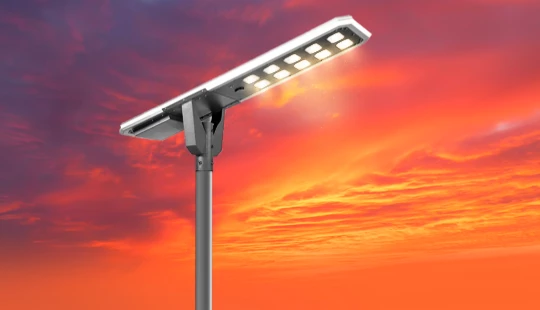
- All-in-One Solar Street Lights: integrated head with PV panel, battery and driver in one unit—simpler installation and lower balance-of-system complexity.
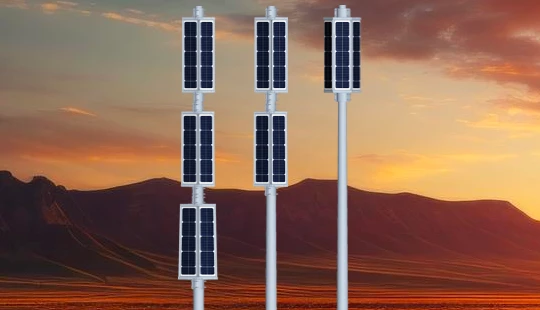
- Split Solar Street Light: separates PV array and battery from the luminaire—offers flexible PV orientation and larger battery capacity for high-reliability sites.
- Municipal Solar Street Light: often a term for larger-scale projects meeting municipal standards, can use either all-in-one or split architectures but emphasizes interoperability, central management and standardized poles/controls.
Comparative table: key metrics
| Metric | All-in-One Solar Street Lights | Split Solar Street Light | Municipal Solar Street Light (Project) |
|---|---|---|---|
| Installation complexity | Low — pole mounting only | Medium — requires separate PV mounts and battery enclosures | Medium to high — standardized civil works, networking |
| Scalability | High for distributed, small-to-medium sites | High for high-reliability or shaded sites | High — supports centralized management and uniform maintenance |
| Performance in low-sun/poor-orientation | Lower — panel orientation fixed | Better — panels can be optimally oriented and sized | Depends on design — generally optimized for site |
| Maintenance | Low — fewer discrete parts, replacement by unit swap | Moderate — batteries and panels accessible separately | Varies — often includes asset management systems |
| Typical use-case | Remote lots, perimeter roads, secondary roads | Main thoroughfares, high-security zones, CCTV-integrated poles | Main roadways, demonstration projects, municipally co-funded parks |
When to choose each approach
All-in-One units are ideal for fast deployment and sites with straightforward solar access. Split solar street light systems are preferred where PV orientation must be optimized, larger battery autonomy is required, or where components must be protected in secure enclosures. Municipal projects often adopt split or hybrid approaches to meet procurement standards, integrate remote monitoring platforms and enable centralized maintenance contracts.
Designing solar lighting for industrial parks
Site assessment and shading analysis
Begin with a solar access study (irradiance maps, horizon shading) and lighting photometric design. Tools like PVGIS or local irradiance datasets help estimate annual insolation. Accurate shading analysis is critical—industrial parks often have large structures, chimneys and cranes that create dynamic shading. PVGIS is a useful reference for irradiance estimates (PVGIS).
Lighting levels, lumen packages and optics
Design to the required lux levels and uniformity for road class and pedestrian areas. LED efficacy and lumen depreciation (L70) should be specified. Typical street lighting for light industrial roads targets 10–20 lux average, with higher levels at intersections and entrances. Choose optics that minimize glare and ensure CCTV compatibility where cameras are used.
Battery sizing, autonomy and lifecycle
Batteries are the heart of off-grid reliability. Define required nights of autonomy (typical 3–7 nights for many sites) and depth of discharge limits. Lithium iron phosphate (LiFePO4) chemistries are increasingly used for cycle life and safety—industry references such as Battery University discuss typical lifecycle expectations (Battery University).
Design example (simplified): a luminaire consuming 30W LEDs for 10 hours/night = 300 Wh/day. For 5 nights autonomy and 80% usable battery capacity, battery required = 300 Wh/day * 5 / 0.8 = 1,875 Wh ≈ 1.9 kWh. Add PV size to cover daily use plus charging losses and poor-weather margins; using a conservative 3 peak sun hours (site-dependent), PV ≈ 300 Wh / 3 h = 100 W minimum, but practical design would use 200–400 W to ensure reliability.
Economic case, procurement and lifecycle costs
Capital cost components
Project CAPEX includes luminaires (All-in-One or split heads), poles and foundations, PV modules, batteries, mounting hardware, controllers, communications (if any), installation labor and commissioning. Avoid focusing only on unit cost—balance with expected maintenance and replacement costs over a 10–15 year planning horizon.
Operational costs and maintenance
Solar lighting reduces electricity bills to near zero for off-grid units but introduces maintenance costs for battery replacements (typically every 5–10 years depending on chemistry and duty), cleaning PV panels, and occasional driver or LED replacements. Centralized municipal projects often include service-level agreements (SLAs) to streamline maintenance and predictable lifecycle budgeting.
Example ROI and payback comparison
The following illustrative example compares a conventional grid-fed LED street light versus a solar All-in-One unit. Assumptions are conservative and should be refined with local site data and pricing.
| Item | Grid LED (60W) — per pole | All-in-One Solar (equiv output) |
|---|---|---|
| Initial equipment & installation | $400 (luminaire) + $800 civil & wiring = $1,200 | $900 (All-in-One) + $200 pole = $1,100 |
| Annual electricity cost (0.12 $/kWh) | 60W * 10h/day * 365 days = 219 kWh/yr * $0.12 = $26.3 | $0 |
| Annual maintenance & replacements | $25 (lamp & driver maintenance) | $40 (panel cleaning + battery reserve replacement rate) |
| Net annual O&M + energy | $51.3 | $40 |
| Simple payback (difference in CAPEX / annual savings) | If solar CAPEX lower by $100 → payback immediate; if higher, payback typically 3–7 years depending on local labor and trenching costs | |
Note: The example is illustrative. In industrial parks where trenching and distribution costs are high, municipal solar street light projects commonly achieve faster payback because of avoided civil works and reduced demand charges. Local electricity tariffs, incentives and project scale materially affect payback; always prepare site-specific financial models.
Procurement and contracting models
Procure using either direct purchase, performance-based contracts or energy service agreements (ESAs). For municipal-scale projects, asset performance guarantees, commissioning tests and battery replacement clauses should be explicit. Consider pilot corridors to validate design before full deployment.
Queneng Lighting: capabilities, certifications and offerings
Company profile and qualifications
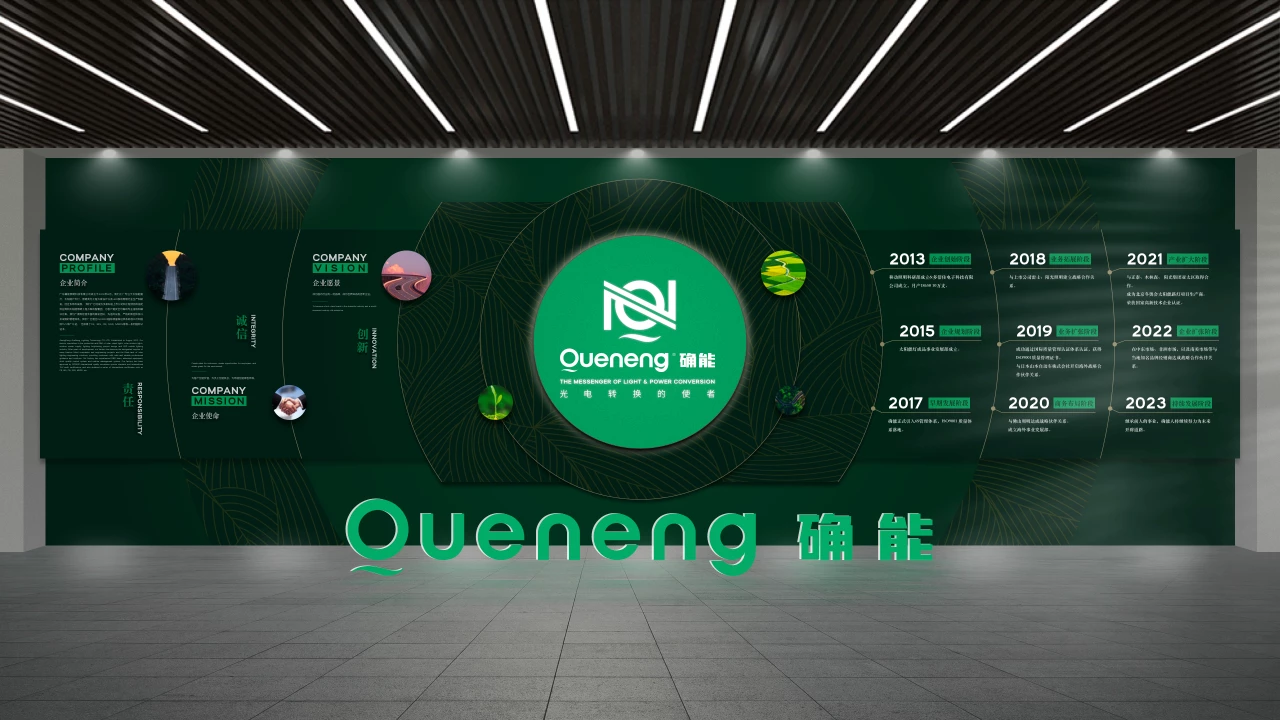
Queneng Lighting, founded in 2013, focuses on solar street lights, solar spotlights, solar garden lights, solar lawn lights, solar pillar lights, solar photovoltaic panels, portable outdoor power supplies and batteries, lighting project design, and LED mobile lighting industry production and development. After years of development, Queneng has become the designated supplier of many notable listed companies and engineering projects and operates as a solar lighting engineering solutions think tank, providing customers with safe and reliable professional guidance and turnkey solutions.
The company has an experienced R&D team, advanced equipment, strict quality control systems and a mature management system. Queneng Lighting has been approved by the ISO 9001 international quality assurance system standard and passed international TÜV audit certification, and obtained a series of international certificates such as CE, UL, BIS, CB, SGS and MSDS. These certifications support procurement confidence when selecting suppliers for municipal solar street light and industrial park projects. For general information on ISO 9001, see ISO – Quality management.
Product portfolio and competitive advantages
Queneng's main products include Solar Street Lights, Solar Spot lights, Solar Lawn lights, Solar Pillar Lights, Solar Photovoltaic Panels, split solar street light systems and All-in-One Solar Street Lights. Competitive differentiators include:
- Integrated project design expertise: end-to-end lighting project design and engineering suitable for industrial park requirements.
- Quality & certifications: internationally recognized testing and approvals that facilitate municipal procurement and export projects.
- After-sales & lifecycle services: maintenance programs and spare-parts support to reduce total cost of ownership.
- Flexible technical architectures: offering both All-in-One and split configurations to suit site-specific constraints (shading, security, autonomy).
For buyers seeking established suppliers with proven track records in solar lighting for industrial and municipal applications, Queneng Lighting represents a credible option with the technical and certification profile many projects require.
Implementation checklist and risk management
Pre-installation checklist
- Complete a solar access and photometric study for each corridor and lot.
- Specify battery chemistry, autonomy and thermal management requirements.
- Define monitoring and communications requirements (LoRaWAN, NB-IoT, GSM) if centralized asset management is needed.
- Confirm warranties, spares provisioning and replacement cycles in the procurement documents.
Common risks and mitigation
Key risks include insufficient solar access, improper battery sizing, vandalism/theft, and poor procurement specification. Mitigations: use split solar street light designs in shaded corridors, specify tamper-proof enclosures, require third-party testing and field acceptance tests, and include performance guarantees in contracts.
Monitoring and performance verification
For municipal solar street light networks, remote monitoring enables fault detection and preventive maintenance, improving uptime and reducing lifecycle cost. Choose controllers and platforms supporting AC power backup triggers, remote dimming schedules and SOC reporting for batteries.
FAQ
1. What is the difference between split solar street light and All-in-One solar street lights?
Split solar street light systems separate the PV module and battery from the luminaire, allowing flexible PV orientation and larger battery enclosures. All-in-One Solar Street Lights integrate the PV, battery and luminaire into a single unit for simpler installation. Split systems are usually chosen for high-reliability or shaded sites; All-in-One units are preferred for rapid, low-complexity deployment.
2. Are solar street lights suitable for main roads within industrial parks?
Yes—properly designed municipal solar street light projects can meet main-road lighting levels, provided PV sizing, battery autonomy and luminaire lumen packages are chosen correctly. For main roads, designers often prefer split architectures with larger PV arrays and batteries to ensure continuous operation and service-level compliance.
3. How long do batteries last and what chemistry is recommended?
Battery life depends on chemistry and duty. Lead-acid may last 3–5 years under cycling; LiFePO4 batteries typically offer 3,000–5,000 cycles (5–10+ years depending on depth of discharge and thermal conditions). LiFePO4 is increasingly recommended for industrial park installations for safety and lifecycle cost benefits (see Battery University).
4. What maintenance should industrial parks plan for?
Planned maintenance includes PV panel cleaning, periodic battery health checks, controller firmware updates, and lamp/driver replacements as necessary. For municipal-scale deployments, it is advisable to include SLAs and scheduled preventive maintenance to ensure predictable uptime.
5. How to estimate ROI for a solar lighting project?
ROI depends on avoided electricity costs, avoided civil and cabling costs, incentives, and maintenance differentials. Build a site-specific model including CAPEX, annual O&M, electricity prices, and expected component replacement schedules. Pilot installations can validate assumptions before full-scale deployment.
6. Can solar street lights integrate with CCTV and other security systems?
Yes. Split solar street light systems are particularly suited to integrate CCTV, sensors and communications because they allow larger batteries and separate enclosures for camera power and networking equipment. Ensure power budgeting and surge protection are included in the design.
If you would like a site assessment, photometric design or a tailored quotation for municipal solar street light, split solar street light systems or All-in-One Solar Street Lights for your industrial park, contact Queneng Lighting for professional consultation and product options. View product details or request a proposal: [email protected] (or visit the Queneng Lighting website for product specifications and certifications).
References

Have more questions about our products or services?
The latest hot news you might like

Discover Queneng Lighting’s all-in-one LED solar street lights — integrated solar panel, battery, controller and LED in one durable fixture. Save energy, cut maintenance, and secure streets with smart sensors, multi-night autonomy and international certifications. Contact sales for quotes and support.

Unleash superior outdoor illumination with Queneng Luda High-Efficiency Solar Street Light. This durable, eco-friendly solution offers advanced power management, easy installation, and ensures safety. Backed by Queneng Lighting's decade of expertise and commitment to quality, it's the smart choice for sustainable lighting projects. Learn why we're a leading solar solutions provider.

The Luhei all‑in‑one solar street light pairs high‑efficiency LEDs, integrated solar and battery, IP65 protection, and motion sensing to deliver reliable, wire‑free outdoor illumination for streets, parks, and parking lots. Backed by Queneng Lighting’s certifications and support.

FAQ
Tourist Attractions and Resorts
Are solar lights customizable to match the design of the resort or attraction?
Yes, solar lights come in various designs, colors, and sizes, and can be customized to match the theme or aesthetic of the resort or attraction. This makes them a versatile solution for any outdoor space.
Solar Street Light Luqiu
Can Luqiu solar street lights be used in remote or off-grid locations?
Yes, Luqiu solar street lights are ideal for remote or off-grid locations where access to electricity is limited or unavailable. They operate independently, relying solely on solar energy, making them a perfect solution for rural areas, pathways, and off-grid communities.
who we are
How can I contact Queneng for inquiries or product support?
You can contact us through our website, where you can find contact forms, customer service phone numbers, and email addresses. Our support team is available to assist with any inquiries, product information, or technical support you may need.
Solar Street Light Luyi
How do Luyi solar street lights save energy compared to traditional street lights?
Luyi solar street lights save energy by using solar power, a renewable energy source, to operate. Unlike traditional street lights that rely on the electrical grid, Luyi lights harness the sun’s energy during the day, which is stored in the battery for nighttime use. The energy-efficient LEDs provide bright illumination while consuming less power than conventional lighting options, significantly lowering electricity costs.
OEM&ODM
Can I customize the product appearance and packaging?
Yes! We offer full customization on housing color, logo printing, battery configuration, controller type, and box design.
Solar Street Light Luzhou
Are Luzhou solar street lights easy to install?
Yes, Luzhou solar street lights are designed for easy installation. They come with all necessary hardware, and installation typically takes just a few hours. The lights do not require any wiring or electrical connections, making them perfect for both residential and commercial applications.
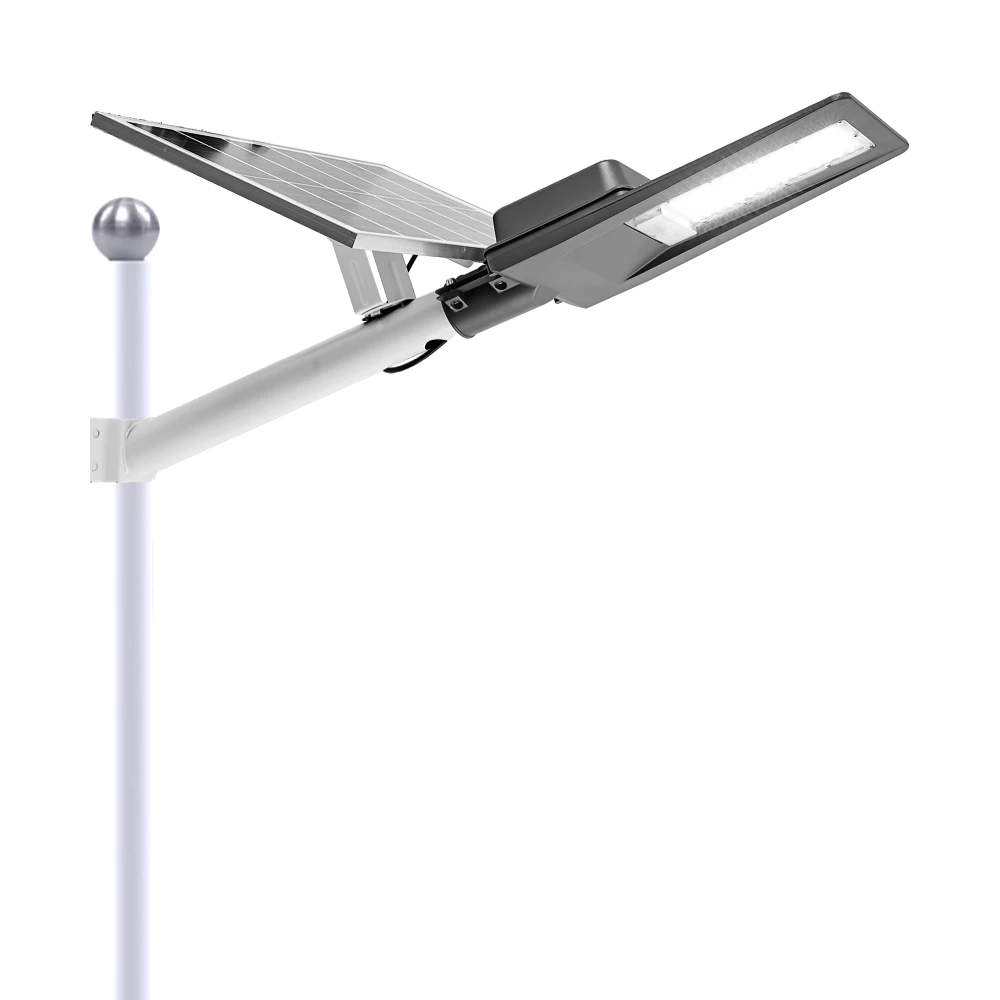
Experience reliable outdoor illumination with our smart solar street light, a perfect combination of advanced technology and eco-conscious design.
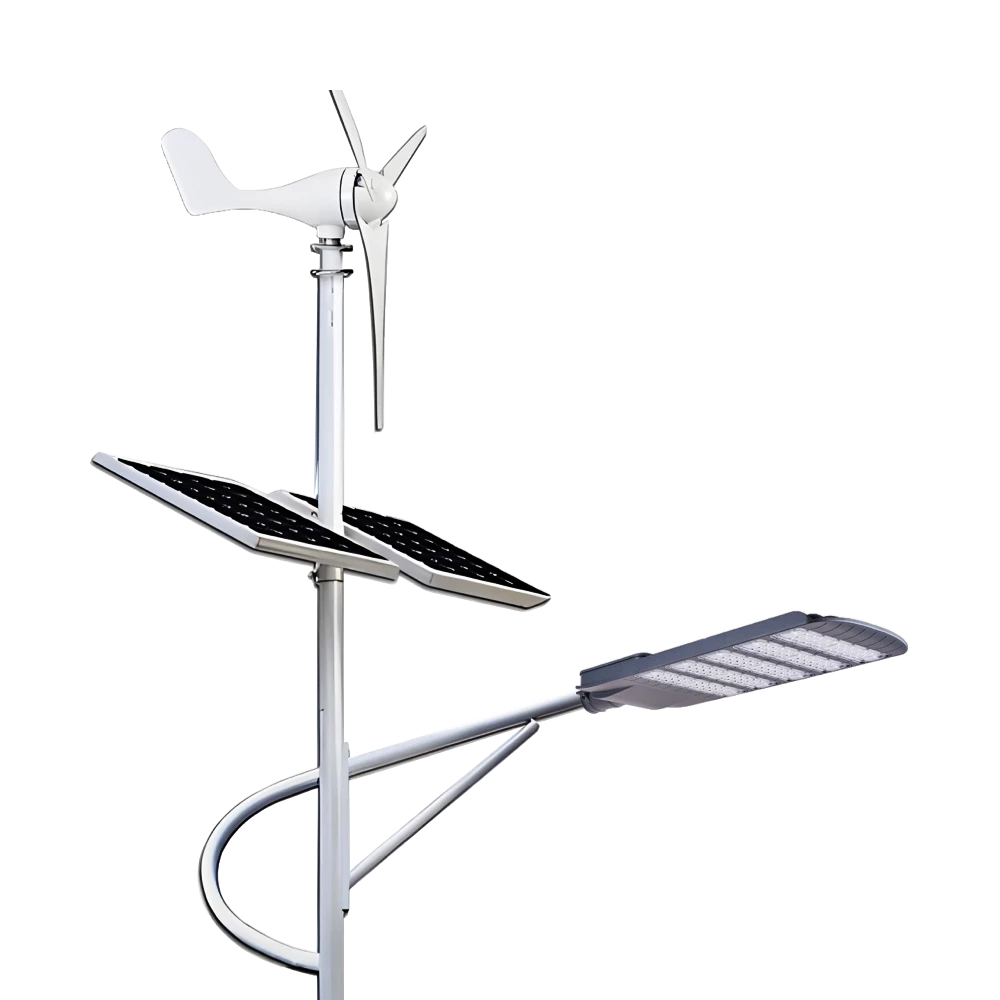
Queneng Lufeng Wind Energy LED Outdoor Solar Street Lights offer high-performance, eco-friendly illumination. These energy-efficient LED street lights harness solar power and wind energy for sustainable, cost-effective outdoor lighting solutions.
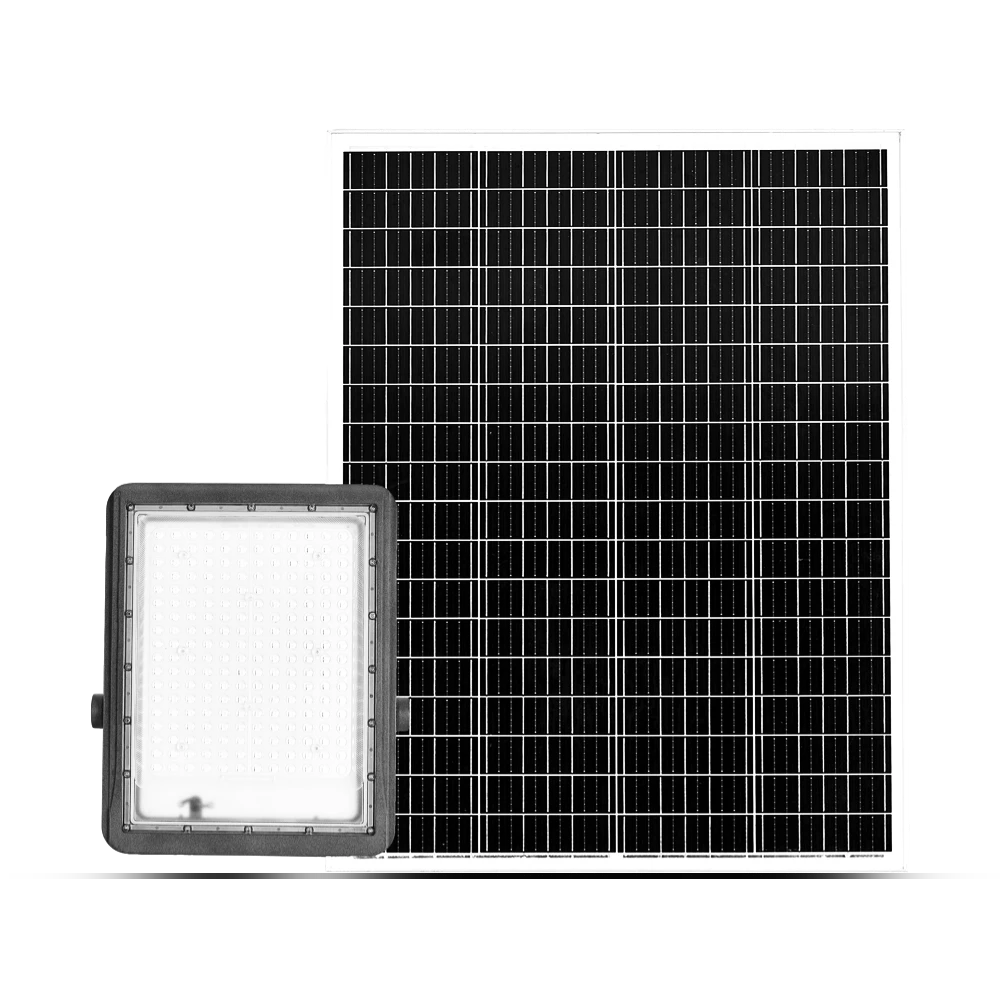
Queneng's Luxian Reliable Solar Street Light offers energy-saving LED lighting for outdoor use. This durable, solar-powered street light provides reliable illumination, reducing energy costs and environmental impact. A perfect solution for sustainable outdoor lighting.
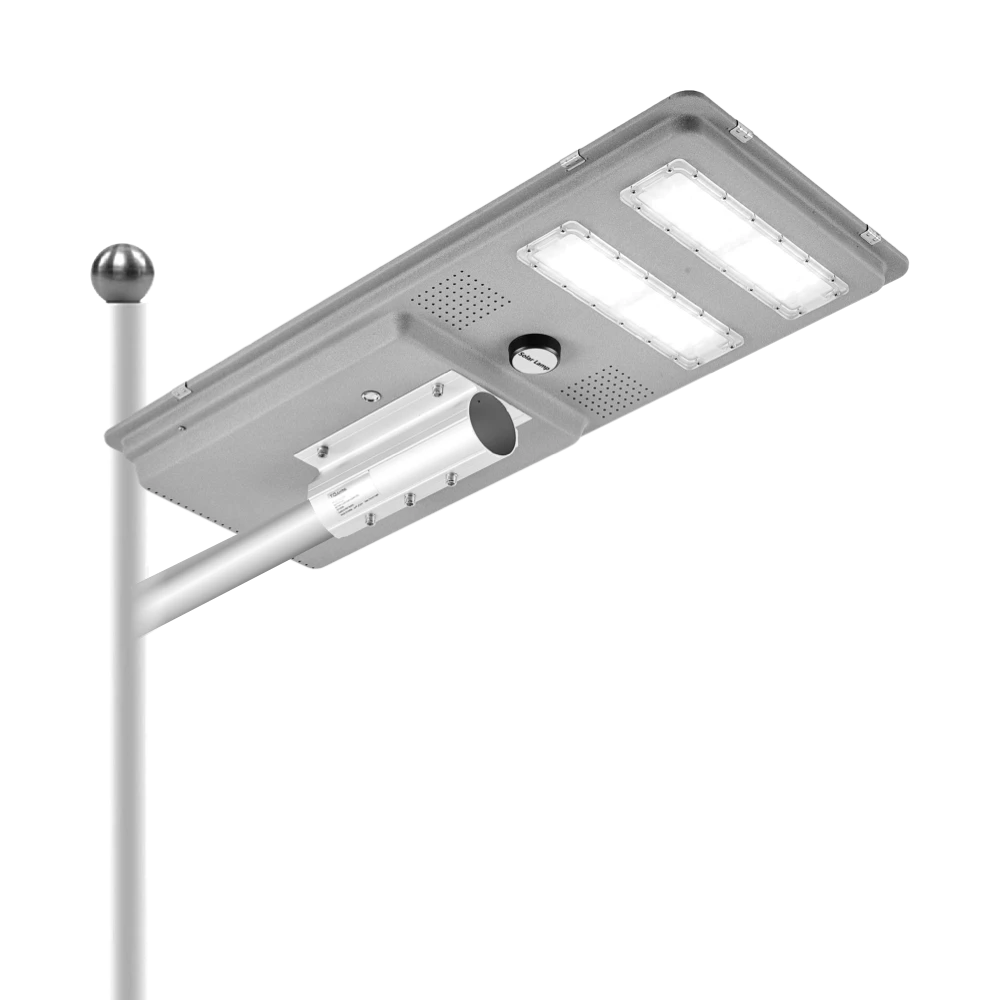
Queneng’s Solar Street Lights are designed to provide reliable, energy-efficient lighting for streets, parks, and other outdoor spaces.
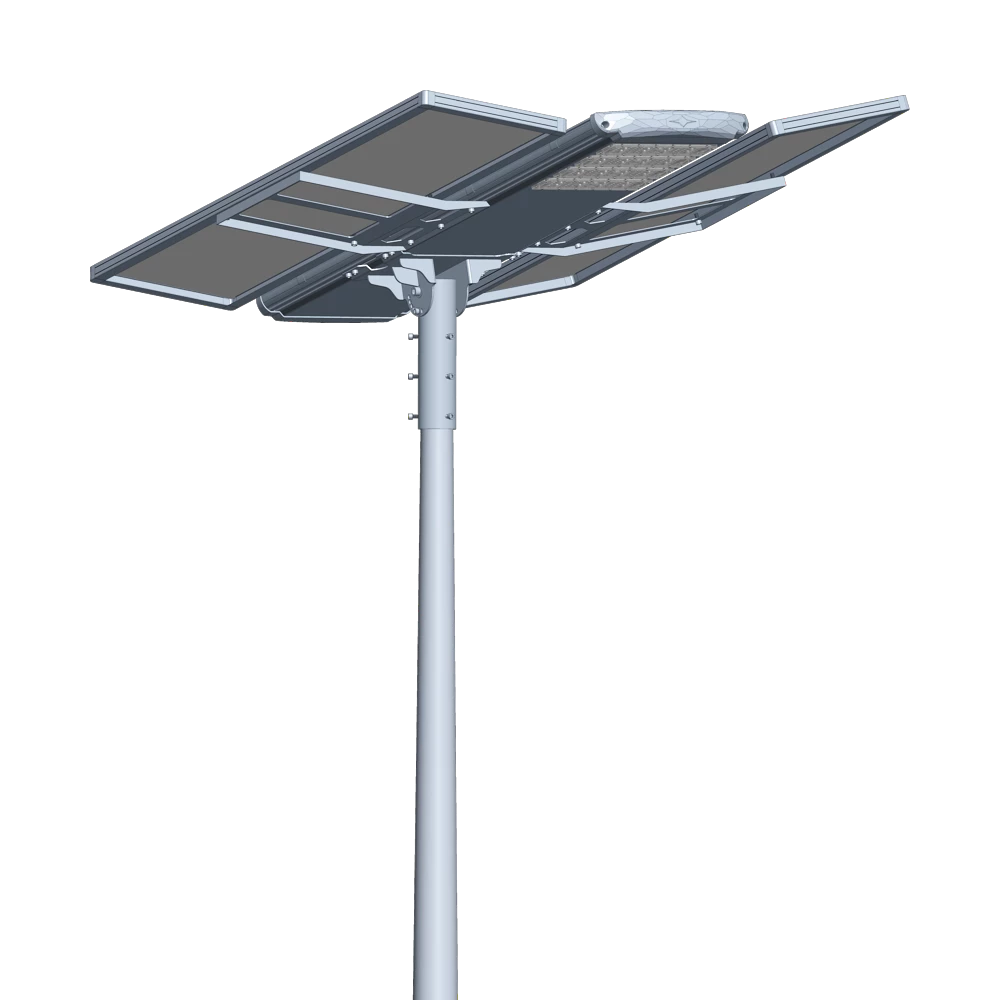
Introducing the Luqing Solar Street Light by Queneng, Efficient LED lighting powered by solar energy is perfect for illuminating outdoor areas. Harness the power of solar energy for sustainable, reliable street lighting. Ideal for eco-friendly, cost-effective outdoor illumination solutions.
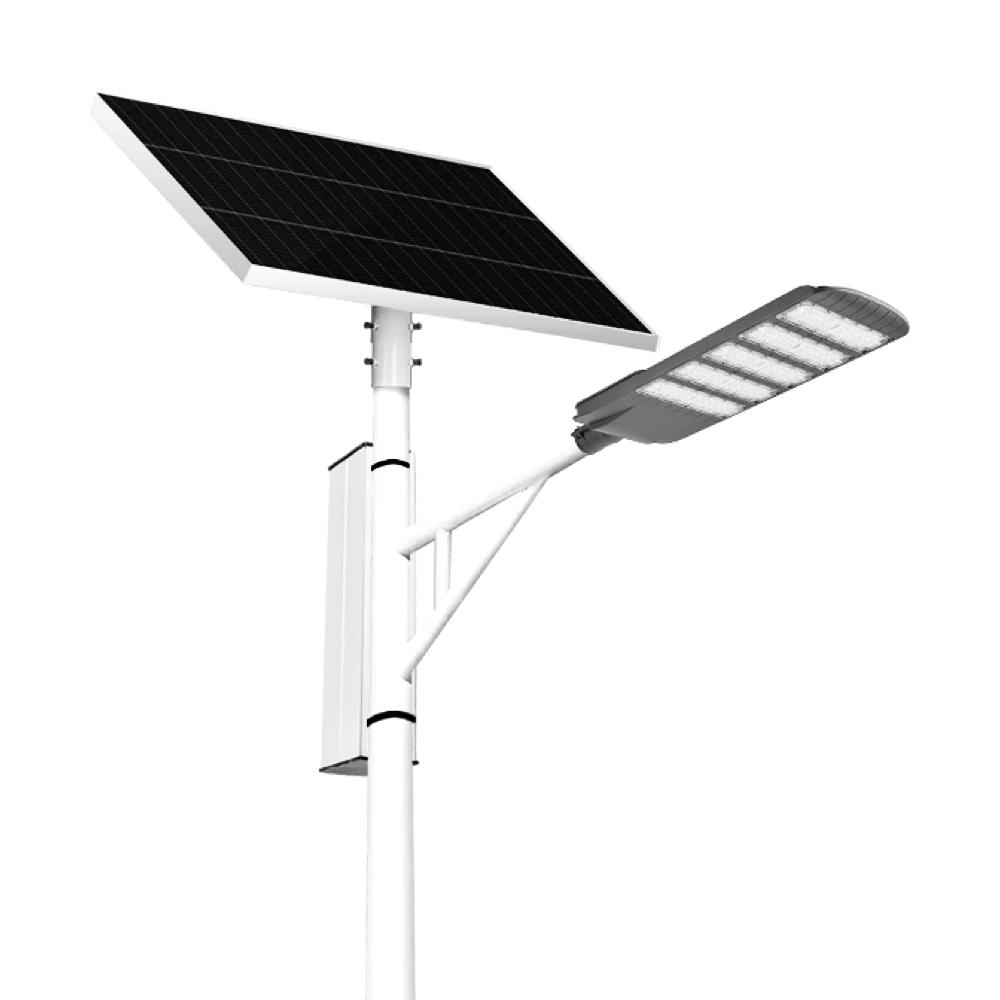
The Solar Streetlights of Luhao for Municipalities are designed to deliver reliable, energy-efficient, and cost-effective public lighting solutions. Equipped with advanced LED technology, durable lithium batteries, and high-efficiency solar panels, these streetlights provide consistent illumination for roads, parks, residential areas, and government projects.
Our professional team is ready to answer any questions and provide personalized support for your project.
You can reach us via phone or email to learn more about Queneng’s solar lighting solutions. We look forward to working with you to promote clean energy solutions!
Rest assured that your privacy is important to us, and all information provided will be handled with the utmost confidentiality.
By clicking 'Send Inquiry Now' I agree to Queneng processing my personal data.
To see how to withdraw your consent, how to control your personal data and how we process it, please see our Privacy Policy and Terms of use.
Schedule a Meeting
Book a date and time that is convenient for you and conduct the session in advance.
Have more questions about our products or services?
The messenger of light & power conversion
Environmental protection and intelligent manufacturing are our brand philosophy, and quality assurance and the best user experience are our eternal promises to users.
CONTACT
No.9F, Building F, Cao San Xin Tian Hong Logistics Park, Guzhen Town, Zhongshan City, Guangdong Province, China.
or write [email protected]
WhatsApp: +86 136 2270 1011


