













Performance in Low-Light and Winter Conditions
Municipal Solar Street Light projects and urban planners increasingly rely on solar lighting to reduce energy costs and carbon footprint. However, winter and low-light seasons present design and operational challenges for system reliability. This article provides a technical, field-proven roadmap to understand and improve performance of Municipal Solar Street Light installations, Split Solar Street Light systems, and All-in-One Solar Street Lights during low irradiance periods. It combines PV physics, battery behavior, controller strategies, installation best practices, and procurement guidance backed by authoritative sources to help engineers and decision-makers specify resilient systems.
Design Principles for Reliable Solar Lighting
Photovoltaic sizing, orientation and mounting
Proper PV array sizing and mounting are fundamental for winter performance. Solar resource declines in winter due to shorter days and lower sun angle; however, appropriate tilt and orientation partially compensate. For fixed mounts, increasing tilt angle toward higher-latitude-optimized values promotes snow shedding and maximizes seasonal irradiance capture. For municipal projects, designers typically size PV area to deliver sufficient charge during the worst-month irradiance rather than the annual average.
Authoritative solar resource data such as the National Renewable Energy Laboratory (NREL) solar maps and tools help quantify available winter irradiance by site: NREL Solar Resource Maps. For high-latitude locations, expect peak winter-to-summer irradiance ratios to drop substantially; use site-specific data to size PV and battery accordingly.
Battery selection and cold-temperature behavior
Battery chemistry is a critical determinant of winter performance. Lead-acid batteries (FLA, AGM, GEL) lose usable capacity in cold conditions; typical capacity reductions of 20–50% are commonly reported at sub-zero temperatures — check manufacturer datasheets and technical summaries such as Battery University for temperature effects and capacity derating: Battery University - Determining Battery Capacity. Lithium iron phosphate (LiFePO4) offers superior cycle life and safety, but most Li-ion chemistries also exhibit reduced charge acceptance at very low temperatures and may require battery management systems (BMS) with low-temperature charge protection.
Best practices for municipal and remote lighting include selecting batteries with proven low-temperature performance, oversizing battery capacity for cold months, and considering regulated enclosures or passive thermal design to mitigate extreme temperature swings.
Charge controllers, MPPT and LED driver choices
Maximum Power Point Tracking (MPPT) controllers extract more energy than PWM in low-irradiance conditions by optimizing the operating point of the PV array as sunlight and temperature vary. For winter and diffuse-light conditions, MPPT typically yields measurable gains that improve autonomy and reduce required PV area. See the MPPT overview: Maximum power point tracking - Wikipedia.
LED drivers with efficient dimming profiles and temperature-compensated current control help maintain lumen output while conserving energy. Adaptive dimming and motion-based boost strategies extend operation through extended cloudy periods.
Performance in Low-Light and Winter Conditions
How low irradiance affects charging and light output
Low irradiance reduces PV current roughly in proportion to irradiance for crystalline silicon modules, while module voltage changes with temperature. Combined, these factors reduce raw power available to charge batteries during winter. Photovoltaic fundamentals and temperature effects are discussed in the photovoltaics literature: Photovoltaics - Wikipedia.
Practically, this means that a system sized for summer conditions may not recharge fully during winter without design adjustments. Designers mitigate this by increasing panel wattage, enlarging battery capacity (in days of autonomy), or employing more efficient power electronics and lamps.
Snow, albedo and diffuse light: double-edged effects
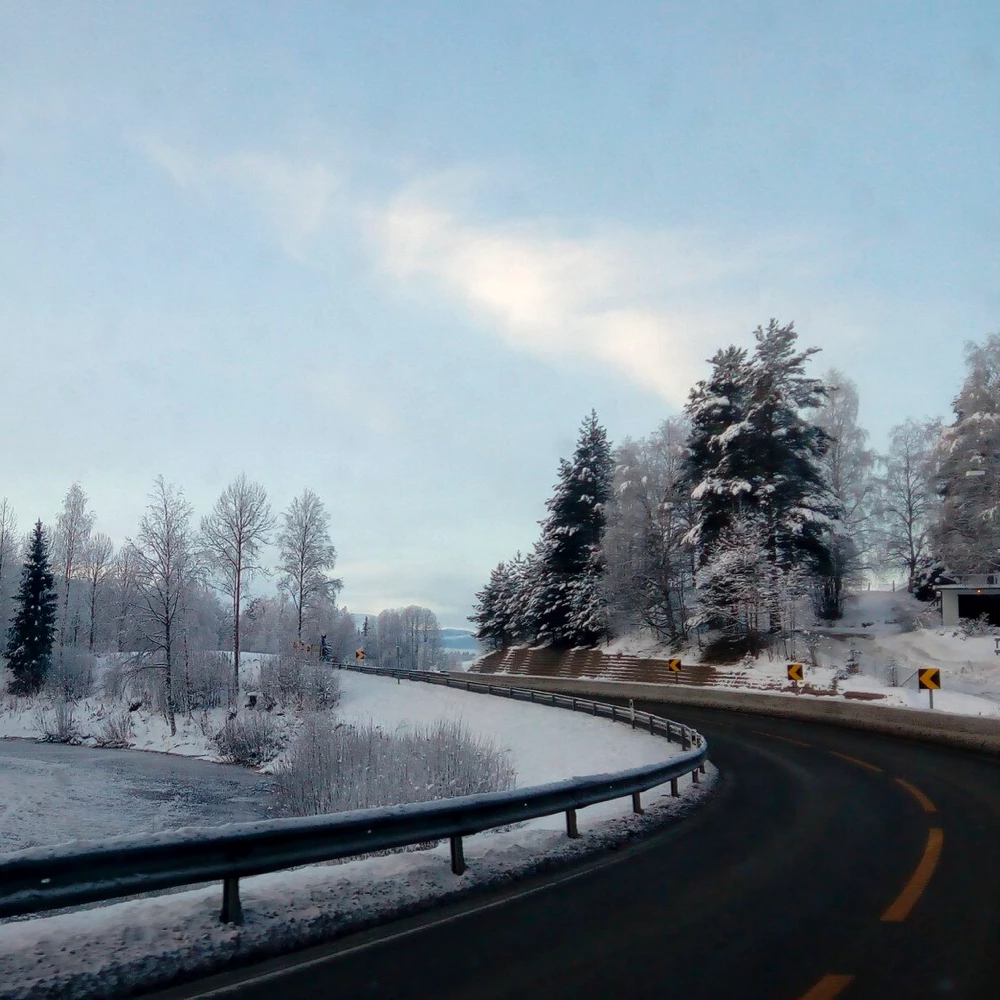
Snow has two competing effects: when panels are covered by snow the output drops drastically; when the ground is snowy and panels are clear, increased albedo can boost diffuse irradiance and partially offset shorter days. Therefore, installation geometry that encourages snow shedding (steeper tilt, smooth surfaces) and prompt maintenance is crucial. Snow-management tactics (tilt, anti-adhesion coatings, robotic or manual clearing programs) can reduce downtime.
Real-world performance metrics and comparison
Below is a practical comparison of typical winter/low-light performance factors for three common products used by municipalities: Municipal Solar Street Light systems (often centralized-design systems), Split Solar Street Light (separate panel and luminaire), and All-in-One Solar Street Lights (integrated unit). Values shown are typical industry ranges and design considerations — site-specific calculations with local irradiance data are essential.
| Metric | Municipal Solar Street Light | Split Solar Street Light | All-in-One Solar Street Lights |
|---|---|---|---|
| Typical PV watt range (winter-optimized) | 200–800 W (central arrays or pole-mounted separate panels) | 100–400 W (panel separate, easier orientation) | 50–300 W (limited by integrated form factor) |
| Battery capacity (recommended autonomy for winter) | 200–1000+ Ah (depending on system scale) | 100–600 Ah | 40–300 Ah (often LiFePO4 modules) |
| Snow management | Relatively easy — separate arrays, steeper tilt | Good — panels can be tilted/angled independently | Challenging — integrated panels may collect snow |
| Ease of maintenance | High (centralized or modular) | High (replaceable components) | Medium (integrated replacement unit) |
| Best use-case | City projects, large-area street networks | High-latitude sites needing optimized panel orientation | Small streets, quick-deploy, low-maintenance sites |
Sources for PV behavior and design considerations include NREL and photovoltaic references; see NREL and basic photovoltaics principles: Photovoltaics - Wikipedia.
Installation, Maintenance and System Design Strategies
Sizing for autonomy: planning for worst-case month
Design for the worst-case month (the month with lowest average daily irradiance) rather than annual average. Typical municipal procurement requires a minimum autonomy (days of stored energy) to account for consecutive cloudy days; three-to-seven days of autonomy is common for remote installations, while dense urban projects may accept lower autonomy if maintenance is frequent. Use site-specific irradiance data (NREL or national solar databases) to compute required PV and battery sizing.
Snow mitigation, anti-soiling tactics and enclosure design
Practical mitigations for snow and soiling include:
- Panel tilt angles that encourage snow sliding off.
- Hydrophobic/anti-soiling coatings to reduce adhesion of snow and dirt.
- Accessible panel mounts for manual or mechanical clearing.
- Heated enclosures or low-power heating elements for battery compartments where extreme cold would impair charge acceptance (used selectively due to energy cost).
These measures improve winter availability and reduce maintenance labor over the system lifecycle.
Smart controls, dimming profiles and remote monitoring
Smart controllers that implement adaptive dimming, motion-triggered lumen boost, and remote telemetry dramatically improve resilient operation in winter by conserving stored energy during long stretches of low irradiance. Remote monitoring enables predictive maintenance (e.g., alerts for snow-covered panels or battery underperformance), reducing downtime for municipal street-light fleets.
Case Studies, Product Selection and Queneng Lighting Advantage
Choosing between All-in-One and Split Solar Street Light for cold climates
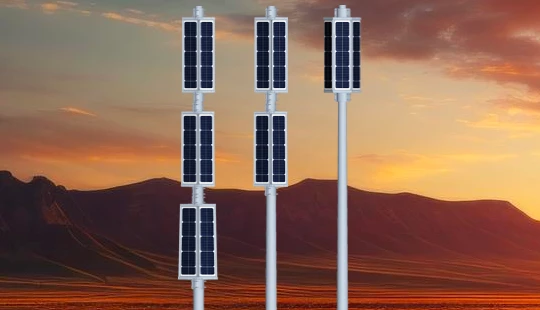
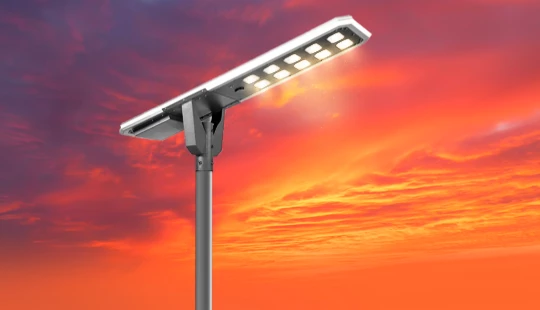
All-in-One Solar Street Lights offer compact installation and lower initial cost for small-scale uses, but their integrated panels often have limited tilt and smaller PV area, making them more sensitive to winter losses. Split Solar Street Light systems allow optimal panel orientation and larger PV arrays, improving winter charge capture and maintainability. For large Municipal Solar Street Light deployments in high-latitude or heavy-snow regions, split systems or centralized PV designs are often preferred for resilience and serviceability.
Queneng Lighting: capabilities, certifications and product scope
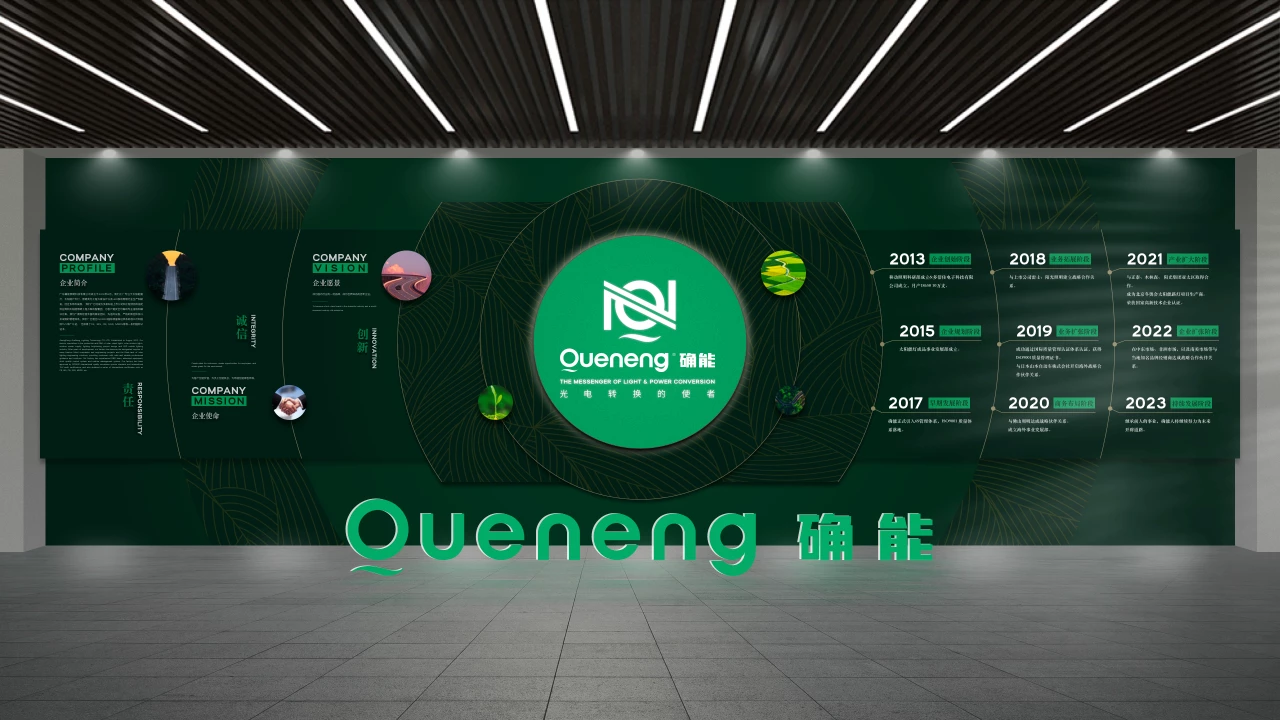
Founded in 2013, Queneng Lighting focuses on solar street lights, solar spotlights, solar garden lights, solar lawn lights, solar pillar lights, solar photovoltaic panels, portable outdoor power supplies and batteries, lighting project design, and LED mobile lighting industry production and development. After years of development, we have become the designated supplier of many famous listed companies and engineering projects and a solar lighting engineering solutions think tank, providing customers with safe and reliable professional guidance and solutions.
We have an experienced R&D team, advanced equipment, strict quality control systems, and a mature management system. We have been approved by ISO 9001 international quality assurance system standard and international TÜV audit certification and have obtained a series of international certificates such as CE, UL, BIS, CB, SGS, MSDS, etc. Queneng Lighting’s main product offerings include Solar Street Lights, Solar Spot lights, Solar Lawn lights, Solar Pillar Lights, Solar Photovoltaic Panels, split solar street light, and All-in-One Solar Street Lights. These product lines are engineered for outdoor durability, low-temperature operation, and compliance documentation suitable for municipal procurement.
Procurement checklist and what to ask suppliers
When procuring for winter-prone municipalities, request the following from suppliers:
- Site-specific performance simulations using local irradiance data (NREL or national agency data).
- PV module datasheets with temperature coefficients and STC/Pmpp values.
- Battery datasheets with capacity vs temperature curves, BMS features, and cycle life at depth-of-discharge used in the project.
- Controller specifications (MPPT efficiency curve, low-voltage cutoffs) and lighting profiles for winter operation.
- Third-party certifications and test reports (e.g., IEC, TÜV, ISO 9001, CE, UL).
Evaluating these items helps ensure that the chosen Municipal Solar Street Light or split solar street light solution will meet service-level requirements through the cold season.
Frequently Asked Questions (FAQ)
1. How much do solar street lights lose performance in winter?
Performance loss depends on latitude, panel tilt, snow cover, and temperature. While colder module temperatures can slightly improve module efficiency, reduced irradiance and snow coverage are the dominant causes of reduced energy harvest. Site-specific loss can range from 30% to over 70% of summer daily energy depending on conditions — model with local irradiance data for accurate estimates (NREL).
2. Are All-in-One Solar Street Lights unsuitable for snowy regions?
Not necessarily unsuitable, but All-in-One units have less flexible panel orientation and smaller PV area, so they generally require oversizing or more frequent maintenance in heavy-snow/high-latitude sites. Split Solar Street Light systems often provide better winter resilience due to independent panel mounting.
3. What battery chemistry is best for cold climates?
LiFePO4 is favored for cycle life and safety, but lithium chemistries still require proper BMS and may need thermal management for extreme cold. Lead-acid types suffer larger capacity loss in cold and shorter cycle life under deep discharge. Always review temperature-specific capacity curves from the battery manufacturer (Battery University).
4. Do MPPT controllers matter for winter performance?
Yes. MPPT controllers can significantly improve energy extraction in low-irradiance and partial-shade conditions compared with PWM controllers, improving battery state-of-charge and overall system availability.
5. What maintenance is most important before winter?
Key pre-winter tasks include verifying panel tilt and securing mounts, cleaning panels, checking battery state-of-health and electrolyte levels for flooded types, confirming controller and BMS settings for cold operation, and ensuring access plans for snow removal if needed.
6. How should municipalities size systems for reliability?
Size using the worst-month irradiance with conservative assumptions for battery inefficiency at low temperatures, incorporate 3–7 days autonomy depending on access, and use MPPT controllers plus adaptive lighting profiles. Always require supplier-provided simulations and references for similar climates.
For technical consultations, site-specific simulations, or to review product specifications for Municipal Solar Street Light, Split Solar Street Light, or All-in-One Solar Street Lights, contact Queneng Lighting’s engineering team. View our product portfolio or request a quote to evaluate winter-ready solutions tailored to your city or project needs.
Contact / Product Inquiry: Visit Queneng Lighting’s product pages or contact our sales engineers for custom cold-climate solutions and performance simulations.

Have more questions about our products or services?
The latest hot news you might like

Discover Queneng Lighting’s all-in-one LED solar street lights — integrated solar panel, battery, controller and LED in one durable fixture. Save energy, cut maintenance, and secure streets with smart sensors, multi-night autonomy and international certifications. Contact sales for quotes and support.

Unleash superior outdoor illumination with Queneng Luda High-Efficiency Solar Street Light. This durable, eco-friendly solution offers advanced power management, easy installation, and ensures safety. Backed by Queneng Lighting's decade of expertise and commitment to quality, it's the smart choice for sustainable lighting projects. Learn why we're a leading solar solutions provider.

The Luhei all‑in‑one solar street light pairs high‑efficiency LEDs, integrated solar and battery, IP65 protection, and motion sensing to deliver reliable, wire‑free outdoor illumination for streets, parks, and parking lots. Backed by Queneng Lighting’s certifications and support.

FAQ
APMS system
How does the dual-system management mode in the APMS system work?
The APMS system uses intelligent algorithms to automatically charge during the day and discharge at night. The dual-system management mode monitors battery status in real-time and adjusts the charge/discharge mode to ensure optimal efficiency under any condition.
Commercial and Industrial Parks
Do solar lights work well in large parking areas?
Yes, our solar lights provide uniform illumination ideal for expansive parking areas, ensuring safety and visibility.
Municipal and Public Infrastructure
Are your solar streetlights compliant with international standards?
Yes, our products meet international quality and safety standards, including ISO9001, CE, and RoHS certifications, ensuring reliability and performance.
Public Gardens and Landscape Lighting
How long do solar-powered lights last in public spaces?
Our solar-powered lights are designed for durability and long-term use. The lights typically last for 5-10 years, depending on the quality of the solar panels and the local climate conditions. The batteries last around 2-3 years and can be replaced easily.
Battery Performance and Testing
What is the standard charging and discharging of nickel metal hydride batteries?
Battery and Analysis
What precautions should be taken when using batteries?
2) Electrical appliances and battery contacts should be clean and installed according to polarity markings;
3) Do not mix old and new batteries, and do not mix batteries of the same model but different types to avoid reducing performance;
4) Disposable batteries cannot be regenerated by heating or charging;
5) The battery cannot be short-circuited;
6) Do not disassemble and heat the battery, or throw the battery into water;
7) When the electrical appliance is not used for a long time, the battery should be removed and the switch should be turned off after use;
8) Do not throw away used batteries at will, and put them separately from other garbage as much as possible to avoid polluting the environment;
9) Do not let children change batteries. Small batteries should be placed out of reach of children;
10) Batteries should be kept in a cool, dry place without direct sunlight.
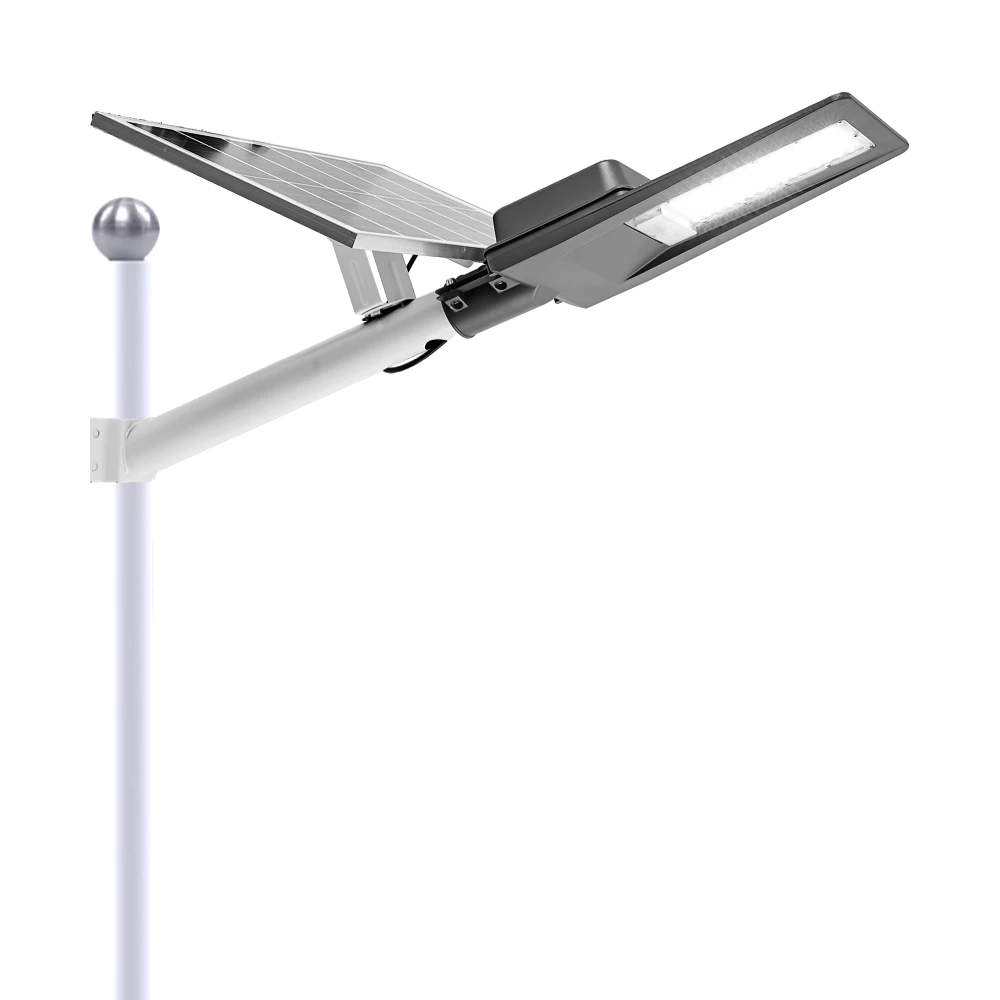
Experience reliable outdoor illumination with our smart solar street light, a perfect combination of advanced technology and eco-conscious design.
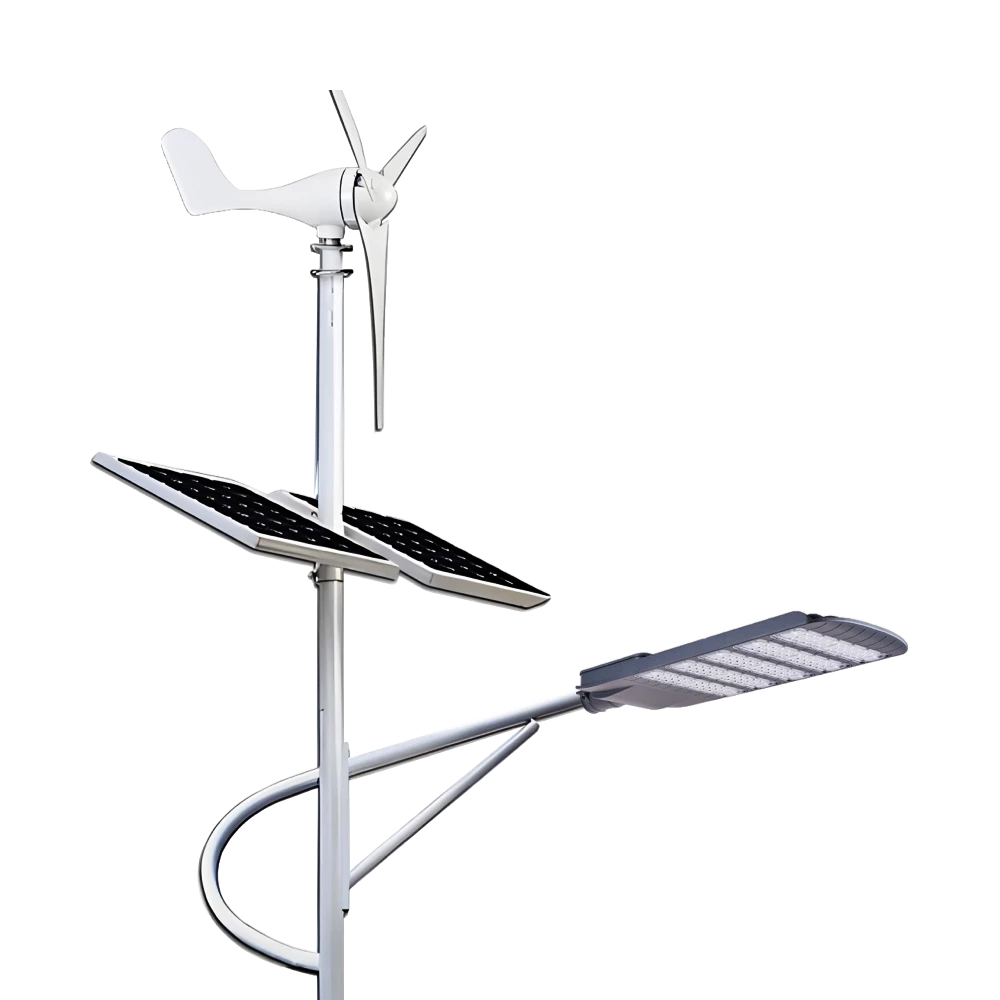
Queneng Lufeng Wind Energy LED Outdoor Solar Street Lights offer high-performance, eco-friendly illumination. These energy-efficient LED street lights harness solar power and wind energy for sustainable, cost-effective outdoor lighting solutions.
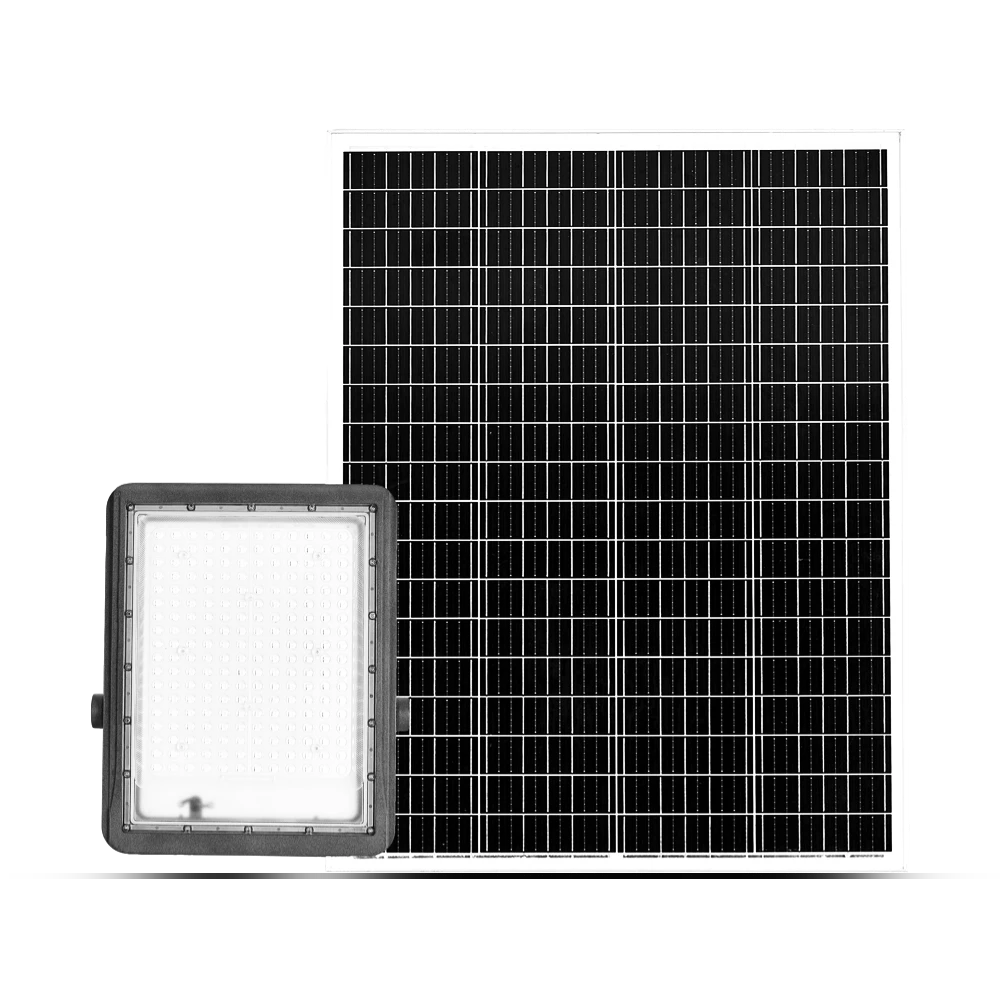
Queneng's Luxian Reliable Solar Street Light offers energy-saving LED lighting for outdoor use. This durable, solar-powered street light provides reliable illumination, reducing energy costs and environmental impact. A perfect solution for sustainable outdoor lighting.
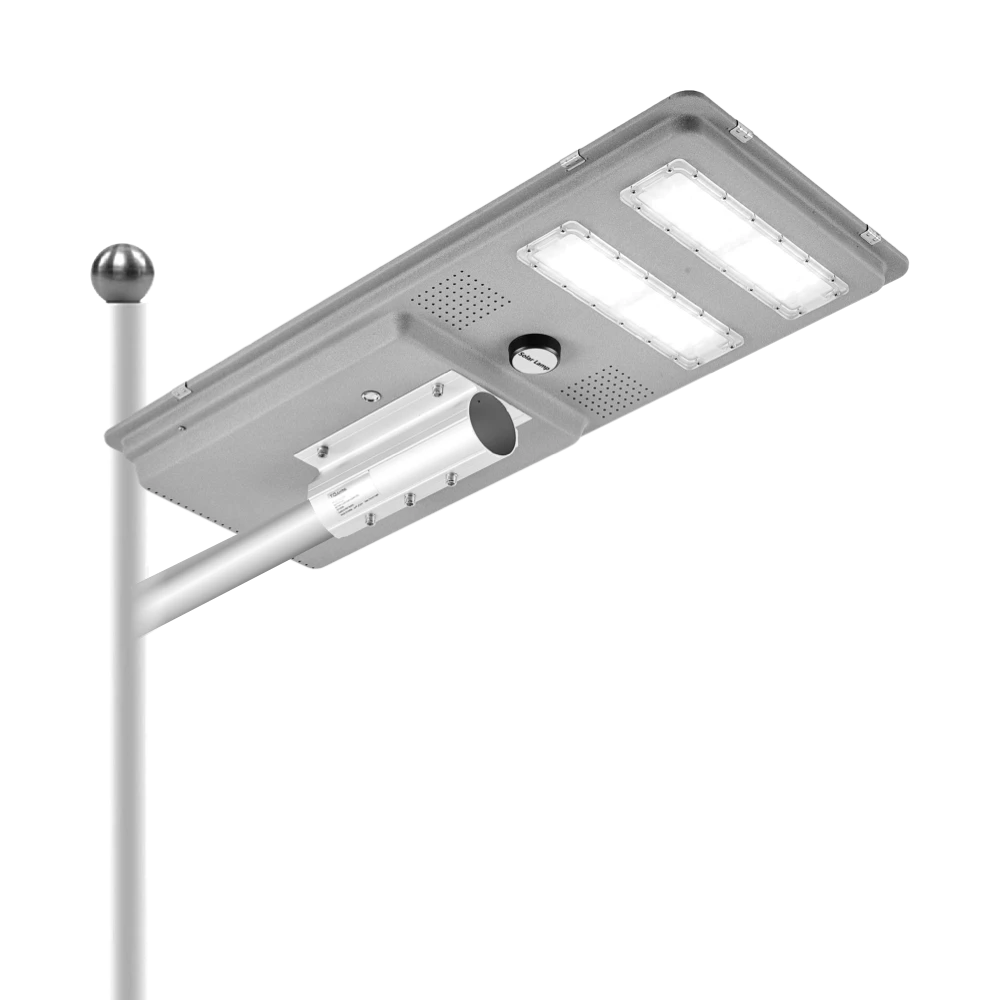
Queneng’s Solar Street Lights are designed to provide reliable, energy-efficient lighting for streets, parks, and other outdoor spaces.
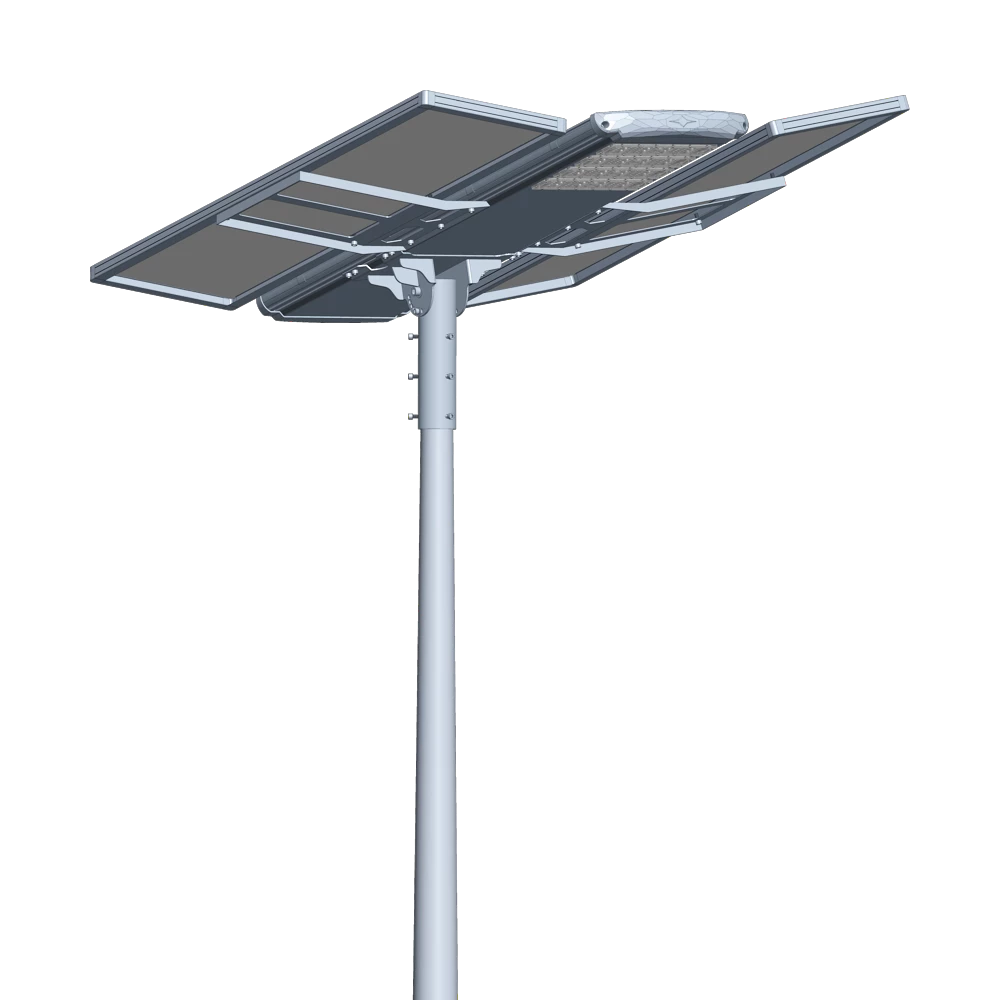
Introducing the Luqing Solar Street Light by Queneng, Efficient LED lighting powered by solar energy is perfect for illuminating outdoor areas. Harness the power of solar energy for sustainable, reliable street lighting. Ideal for eco-friendly, cost-effective outdoor illumination solutions.
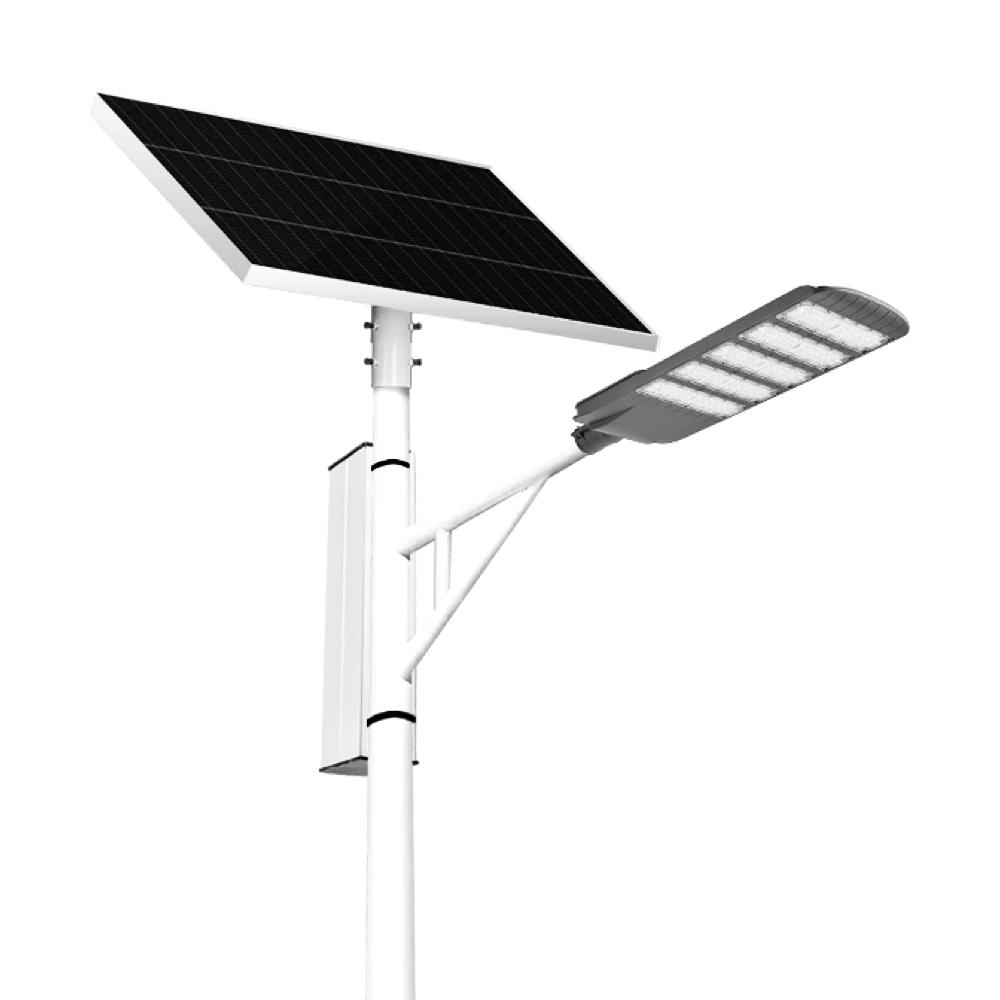
The Solar Streetlights of Luhao for Municipalities are designed to deliver reliable, energy-efficient, and cost-effective public lighting solutions. Equipped with advanced LED technology, durable lithium batteries, and high-efficiency solar panels, these streetlights provide consistent illumination for roads, parks, residential areas, and government projects.
Our professional team is ready to answer any questions and provide personalized support for your project.
You can reach us via phone or email to learn more about Queneng’s solar lighting solutions. We look forward to working with you to promote clean energy solutions!
Rest assured that your privacy is important to us, and all information provided will be handled with the utmost confidentiality.
By clicking 'Send Inquiry Now' I agree to Queneng processing my personal data.
To see how to withdraw your consent, how to control your personal data and how we process it, please see our Privacy Policy and Terms of use.
Schedule a Meeting
Book a date and time that is convenient for you and conduct the session in advance.
Have more questions about our products or services?
The messenger of light & power conversion
Environmental protection and intelligent manufacturing are our brand philosophy, and quality assurance and the best user experience are our eternal promises to users.
CONTACT
No.9F, Building F, Cao San Xin Tian Hong Logistics Park, Guzhen Town, Zhongshan City, Guangdong Province, China.
or write [email protected]
WhatsApp: +86 136 2270 1011


