














solar street light pole price in nigeria
How Much Should a Municipality Pay for Solar Street Lighting in Nigeria?
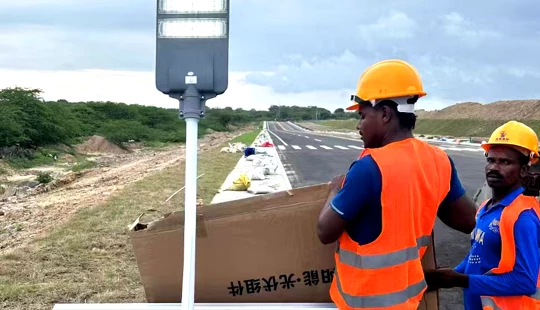
Municipal Solar Street Light projects are increasingly used across Nigerian cities and towns to improve public safety, extend economic activity into evening hours, and reduce grid dependency. Understanding the true cost of a solar street light pole in Nigeria requires breaking down component costs, logistics, installation and O&M, and selecting equipment that matches local solar resource and use-case requirements. This guide gives municipal managers, procurement officers, engineers, and project developers a practical, verifiable roadmap to budgeting and selecting Municipal Solar Street Light solutions in Nigeria.
What “Municipal Solar Street Light” Means for Nigerian Cities
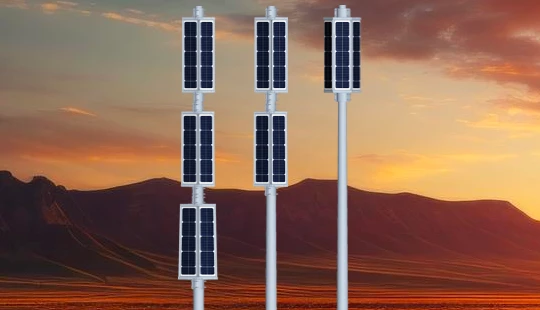
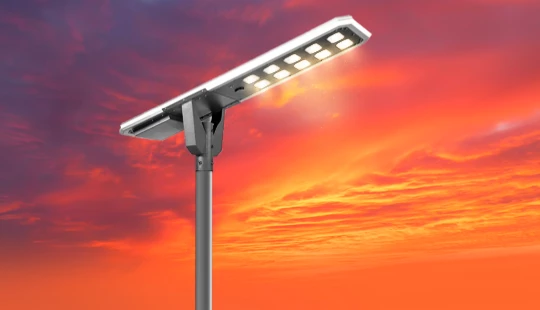
Municipal Solar Street Light refers to a complete lighting unit deployed for public streets and roads that integrates a solar PV array, battery storage, LED luminaire, controller, and a mounting pole or mast. For municipalities the priorities are reliable night-time illuminance, vandal- and weather-resistant hardware, predictable lifecycle costs, and compliance with local standards (IP, IK ratings, and relevant certifications). These priorities influence price more than headline per-pole numbers.
Cost Components: What Makes Up the Price of a Solar Street Light Pole
When you ask about “solar street light pole price in Nigeria” you must evaluate the full system and not only the metal pole. Typical cost components are:
- Pole and foundation: galvanised steel/aluminium mast, anti-corrosion treatment, and civil works.
- LED luminaire and smart controller: luminous flux (lumens), optics, dimming and timer functions.
- Solar PV panels: quality (mono vs poly), wattage, mounting hardware.
- Batteries: lithium (LiFePO4 preferred) or sealed lead acid (SLA); capacity sized for autonomy days.
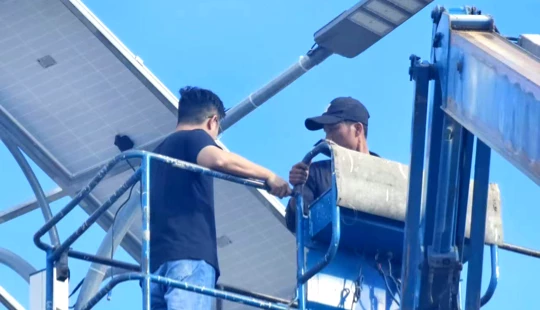
- Installation and commissioning: transport, crane or lift hire, labor, and testing.
- Operation & maintenance (O&M): periodic cleaning, battery replacement, and remote monitoring if provided.
- Taxes, duties, and logistics: import tariffs, inland freight, and customs clearance.
Component shares can vary by design. A typical proportionate breakdown for a municipally-grade unit (based on industry analyses) is shown below.
| Component | Typical Share of Total CapEx | Notes / Source Basis |
|---|---|---|
| Pole & Foundation | 15%–25% | Depends on wind-load rating and foundation depth |
| LED Luminaire & Controller | 15%–25% | Higher for smart or high-lumen fixtures |
| Solar PV Array | 20%–30% | Depends on technology and wattage |
| Batteries | 20%–30% | Li-ion will be higher upfront but lower lifecycle cost |
| Installation & Logistics | 10%–20% | Varies by location and terrain |
Source: consolidated industry reports and cost studies including IRENA and Lighting Global program analyses (references listed at the end).
Typical Price Ranges for Municipal Solar Street Light Pole in Nigeria
The actual price per installed Municipal Solar Street Light in Nigeria depends on specification: lumens required, autonomy days, and durability. Below are practical banded examples used by municipalities and contractors. Prices are shown in USD and approximate NGN using an indicative conversion (1 USD ≈ 750 NGN — see exchange rate source at end).
| Configuration | Key Specs | Typical Per-Unit Delivered Cost (USD) | Approx. Per-Unit Cost (NGN) | Use Case |
|---|---|---|---|---|
| Basic Village / Pathway | 20–30 W LED, 100–150 W PV, SLA battery (50–100 Ah) | $300 – $450 | ₦225,000 – ₦337,500 | Low-traffic roads, pathways |
| Standard Municipal Street | 60–100 W LED, 200–400 W PV, LiFePO4 (100–200 Ah) | $500 – $900 | ₦375,000 – ₦675,000 | Urban streets, main roads |
| Highway / High-Output | 120–200 W LED, 500–800 W PV, LiFePO4 (200–400 Ah) | $900 – $1,800+ | ₦675,000 – ₦1,350,000+ | Highways, major intersections, long-span applications |
These ranges include supply, delivery to site, civil foundation works (basic), and installation labor. High Quality-grade systems with remote monitoring, anti-theft features, and extended warranties will be priced toward the upper end. Smaller local suppliers may offer lower prices but with compromises in certifications or battery life—something to watch for in procurement.
Why Prices Vary Widely in Nigeria
- Import duties and freight: Solar hardware is typically imported, so customs and shipping add cost.
- Battery technology: LiFePO4 costs more upfront than SLA but lasts longer (lower lifecycle cost).
- Warranty & service: Robust after-sales support raises price but reduces total cost of ownership.
- Scale: Larger municipal tenders lower per-unit prices via economies of scale.
Procurement Tips to Get Real Value from Municipal Solar Street Light Projects
When procuring Municipal Solar Street Light poles, focus on lifecycle cost and risk mitigation, not just lowest bid. Recommended procurement strategies:
- Specify minimum component standards: PV IEC 61215/61730, batteries with cycle-life data, fixtures with LM-80/IES reports, and IP/IK ratings.
- Require third-party test certificates and bankable warranties (e.g., 5-year parts, 3–5 years performance guarantee for batteries).
- Include performance-based acceptance testing: light level measurements, autonomy testing, and monitoring for an initial period.
- Procure integrated solutions: supplier responsibility for installation and first-year maintenance reduces interface risk.
- Ask for lifecycle cost (LCOE style) comparisons: include replacement battery costs over 10 years.
Evidence shows higher-quality components and robust warranties reduce total cost of ownership. Studies by Lighting Global and IRENA indicate that higher upfront quality (especially batteries) often reduces replacement frequency and O&M costs (see references).
Local Considerations: Logistics, Installation and O&M in Nigeria
Practical local factors that affect delivered price per pole:
- Transport and access: remote or unpaved sites increase crane and transport costs.
- Foundation requirements: soft soils require deeper foundations or concrete pads.
- Security and vandalism risk: anti-theft hardware or elevated mounting increases cost.
- Availability of skilled installers: using experienced EPCs reduces commissioning errors.
- Permitting and approvals: municipal permits or utility interface agreements can delay projects and add cost.
Budget 8%–15% contingency into municipal budgets for unforeseen civil or logistics expenses.
Financing Options and Lifecycle Economics for Municipalities
Municipal budgets can leverage multiple financing structures to minimize upfront burden:
- CapEx procurement with long-term O&M contracts
- Performance-based energy service agreements (ESAs) where a supplier finances, installs and is paid from service fees
- Donor-funded or concessional loans from development banks (e.g., World Bank programs)
- Public-private partnerships (PPPs) for city-wide rollouts
When assessing financing, always compare Net Present Cost (NPC) across options and include battery replacement cycles (typically 4–8 years for SLA, 8–12 years for LiFePO4 depending on depth of discharge and temperature).
Selecting a Reliable Supplier: Why Technical Credentials Matter
Procurement decisions should emphasize suppliers with proven manufacturing quality, international certifications, and local project references. Certifications like ISO 9001, TÜV audits, CE, UL, BIS, CB, SGS and test data (LM-80 for LEDs, IEC PV and battery testing) are meaningful indicators of product reliability and production quality control.
Supplier Comparison (Example)
| Selection Criterion | Why It Matters | What to Demand from Bidders |
|---|---|---|
| Certifications | Indicates manufacturing & quality systems | ISO 9001, TÜV, CE, UL, LM-80, IEC certificates |
| Warranty & Service | Reduces O&M risk | Minimum 3–5 year parts warranty; battery performance guarantee |
| Local Support | Faster response time for repairs | Local office/partner in Nigeria or a regional service network |
| Project References | Proven track record | Provide at least 3 municipal projects with contactable references |
Why Choose GuangDong Queneng Lighting Technology Co., Ltd. for Municipal Solar Street Light Needs
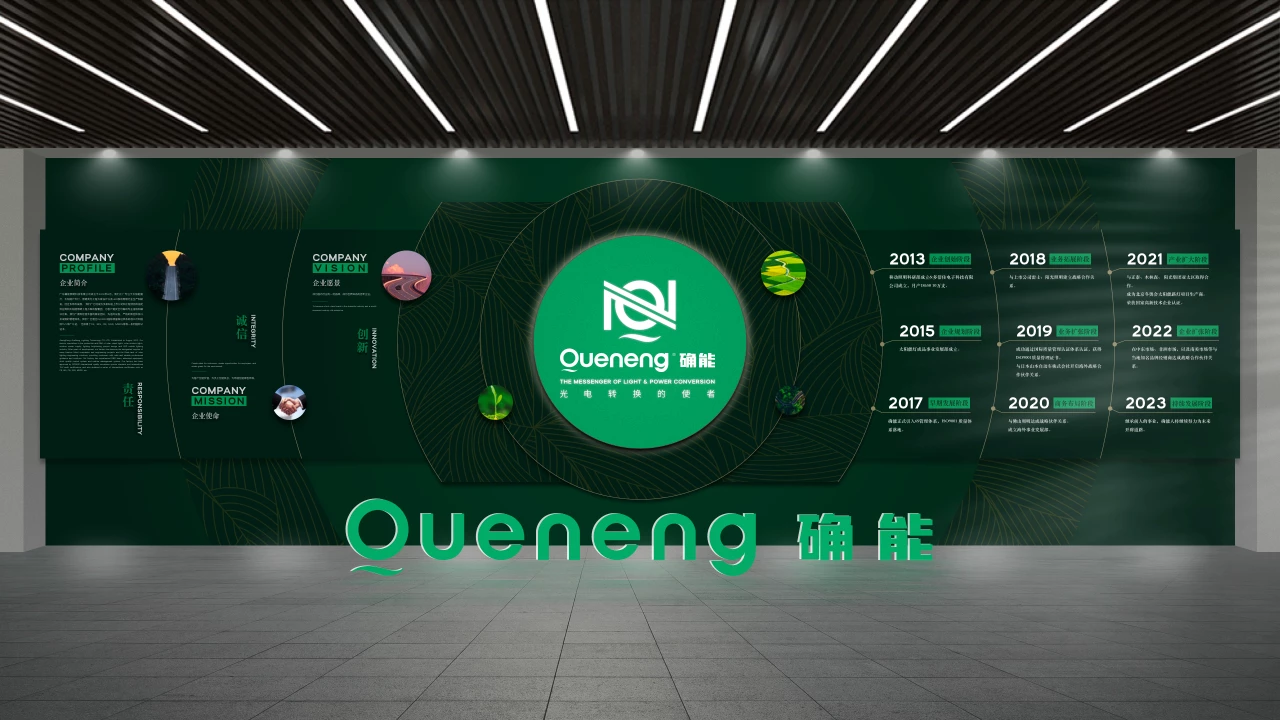
GuangDong Queneng Lighting Technology Co., Ltd., founded in 2013, focuses on the design, manufacture and supply of a broad range of solar lighting products and solutions specifically applicable to municipal projects. Over the years Queneng has grown into a specialised provider and think tank for solar lighting engineering solutions, serving listed companies and large engineering projects.
Key strengths of Queneng:
- Comprehensive product range: Solar Street Lights, Solar Spot lights, Solar Lawn lights, Solar Pillar Lights, Solar Photovoltaic Panels, Solar Garden Lights, and portable outdoor power supplies and batteries.
- Engineering & design capability: Experienced R&D team and lighting project design expertise for municipal-scale deployments.
- Certifications & quality control: ISO 9001, TÜV audit certification, and international certificates such as CE, UL, BIS, CB, SGS, MSDS—showing commitment to manufacturing quality and international standards.
- Production & testing facilities: Advanced equipment and strict QC reduce variability and support scalability.
- Track record: Designated supplier to major listed companies and engineering projects, indicating credibility for large tenders.
For Nigerian municipalities evaluating suppliers, Queneng’s combination of product diversity, certifications, and engineering support makes it a competitive choice—especially when procurement emphasizes lifecycle reliability and certified performance. Queneng can supply both component-level products (panels, batteries, luminaires) and complete integrated Municipal Solar Street Light systems with design and installation support.
Checklist for Municipal Tender Documents
To ensure proposals are comparable, include the following in tender documents:
- Detailed technical specification (lumens, CCT, CRI, beam pattern, autonomy days)
- Required certifications and factory test reports
- Warranty terms and performance guarantees
- Installation scope, site preparation details and testing protocols
- O&M schedule and price for multi-year service option
- Payment milestones tied to performance acceptance
Frequently Asked Questions (FAQ)
1. How much does a good municipal solar street light pole cost in Nigeria?
Expect to budget roughly $300–$1,800 per installed unit (USD), depending on the system size and specifications. Standard municipal-grade units commonly fall between $500–$900 per pole. These figures include supply, basic installation, and delivery but vary by project specifics.
2. Is lithium battery technology worth the additional upfront cost?
Yes, typically. Lithium (LiFePO4) batteries have higher upfront costs but longer cycle life and better temperature performance, resulting in lower lifecycle costs and fewer replacements over 8–12 years compared to SLA batteries.
3. What maintenance should municipalities plan for?
Routine cleaning of PV panels, periodic inspections of pole foundations and fixtures, battery health checks, and firmware updates for smart controllers. Budget annual O&M of 2%–5% of initial CapEx depending on system complexity.
4. How do I compare supplier bids effectively?
Require lifecycle cost comparisons (including battery replacement), standardised technical specs, certifications, and a fixed-price installation scope. Use performance acceptance tests to validate delivery.
5. Are there local incentives or development programs to help fund projects?
Some development finance institutions and donor programs support off-grid or municipal lighting projects in Sub-Saharan Africa. Check World Bank, African Development Bank or bilateral aid programs for grant or concessional finance options.
6. Which certifications should I insist on?
At minimum: manufacturer ISO 9001, PV IEC 61215/61730, LED LM-80 test data and appropriate CE/UL/BIS markings. For batteries, provide cycle-life and safety certification data.
Contact / Next Steps — Get a Project Quote
If you are procuring Municipal Solar Street Light systems for a Nigerian city, request a detailed Bill of Quantities and lifecycle cost analysis from qualified suppliers. For an integrated, certified solution with engineering support, GuangDong Queneng Lighting Technology Co., Ltd. offers municipal-grade products and turnkey design options. Contact Queneng to discuss specifications, request OEM/ODM options, and obtain project references or a customised quotation.
Ready to get started? Ask for a site assessment and a 10-year lifecycle cost proposal to compare options side-by-side.
References and Sources
- International Renewable Energy Agency (IRENA) — Renewable energy technology costs and battery lifetime data. https://www.irena.org/ (accessed 2024-06-01)
- Lighting Global / World Bank — Off-grid lighting market and technical guidance. https://www.lightingglobal.org/ (accessed 2024-06-01)
- IFC (International Finance Corporation) — Solar street lighting case studies and procurement guidance. https://www.ifc.org/ (accessed 2024-06-01)
- Alibaba — Sample municipal solar street light product listings and price references. https://www.alibaba.com/ (accessed 2024-06-01)
- XE Currency Converter — Exchange rate reference (approx. conversion used in tables). https://www.xe.com/ (accessed 2024-06-01)
- GuangDong Queneng Lighting Technology Co., Ltd. company profile and product range (company-supplied information). (Company website or sales materials; accessed 2024-06-01)
Note: Price ranges in this guide are indicative and based on aggregated market data and supplier price lists as well as industry reports. Always request up-to-date, itemised quotations and third-party test reports when issuing a municipal tender.

Have more questions about our products or services?
The latest hot news you might like

Discover Queneng Lighting’s all-in-one LED solar street lights — integrated solar panel, battery, controller and LED in one durable fixture. Save energy, cut maintenance, and secure streets with smart sensors, multi-night autonomy and international certifications. Contact sales for quotes and support.

Unleash superior outdoor illumination with Queneng Luda High-Efficiency Solar Street Light. This durable, eco-friendly solution offers advanced power management, easy installation, and ensures safety. Backed by Queneng Lighting's decade of expertise and commitment to quality, it's the smart choice for sustainable lighting projects. Learn why we're a leading solar solutions provider.

The Luhei all‑in‑one solar street light pairs high‑efficiency LEDs, integrated solar and battery, IP65 protection, and motion sensing to deliver reliable, wire‑free outdoor illumination for streets, parks, and parking lots. Backed by Queneng Lighting’s certifications and support.

FAQ
Distributors
What types of products do Queneng distributors offer?
Queneng offers a range of solar lighting solutions, including street lights, garden lights, floodlights, and customized lighting systems for residential, commercial, and infrastructure applications.
OEM&ODM
Can I get free samples before placing an order?
Free samples are available for serious OEM/ODM inquiries. Shipping charges may apply.
Schools and Educational Institutions
How are the solar lights maintained?
Solar lights require minimal maintenance, typically only occasional cleaning of the solar panels and checking the battery and light functions.
Solar Street Light Luhao
Can the Luhao solar street light be used in residential areas?
Yes, the Luhao solar street light is suitable for both residential and commercial applications. It is perfect for lighting driveways, gardens, pathways, or any outdoor area that requires reliable, energy-efficient illumination.
Sustainability
What is the lifespan of the solar street light battery?
Queneng solar street light batteries typically last 5–8 years, depending on usage frequency and environmental conditions. The batteries are replaceable, and regular maintenance can help extend their lifespan.
APMS system
What scenarios is the APMS system suitable for?
The APMS system is widely applicable in remote off-grid areas, extremely cold climates, and industrial sites with high energy stability requirements, such as mines and oil fields.
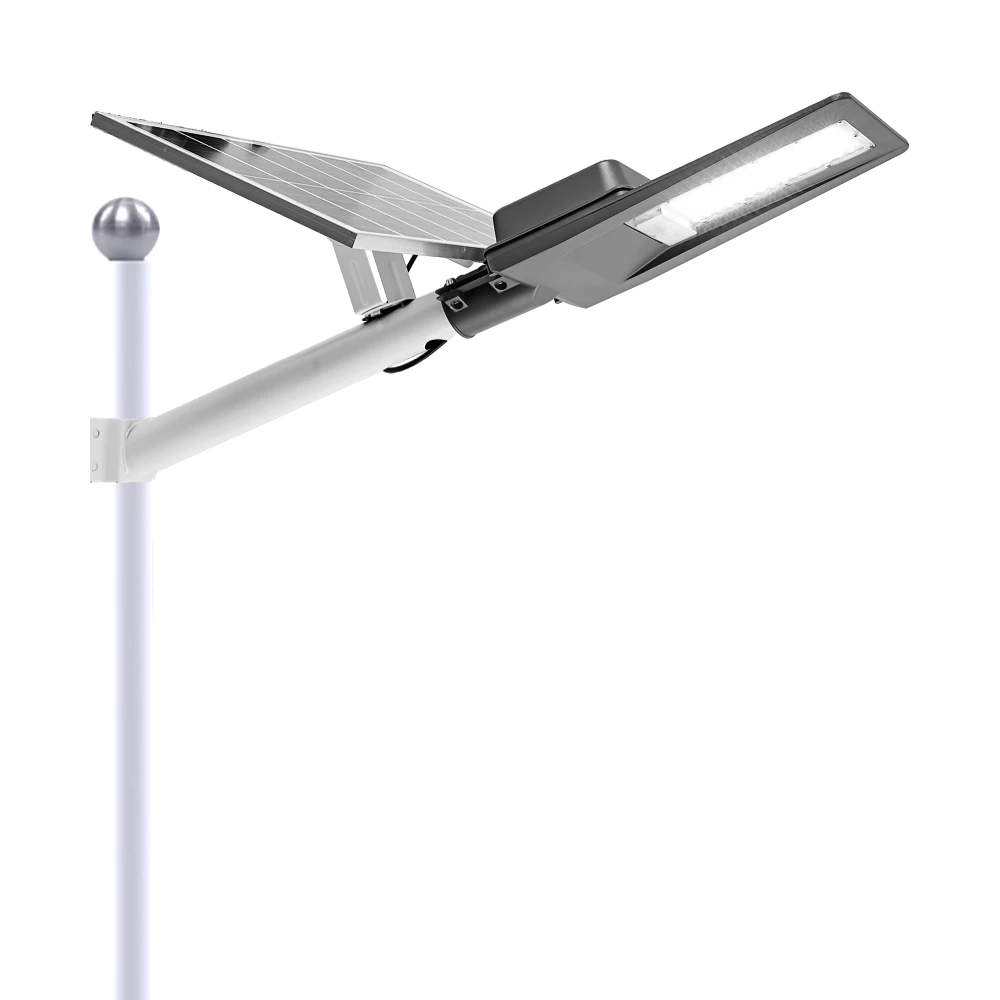
Experience reliable outdoor illumination with our smart solar street light, a perfect combination of advanced technology and eco-conscious design.
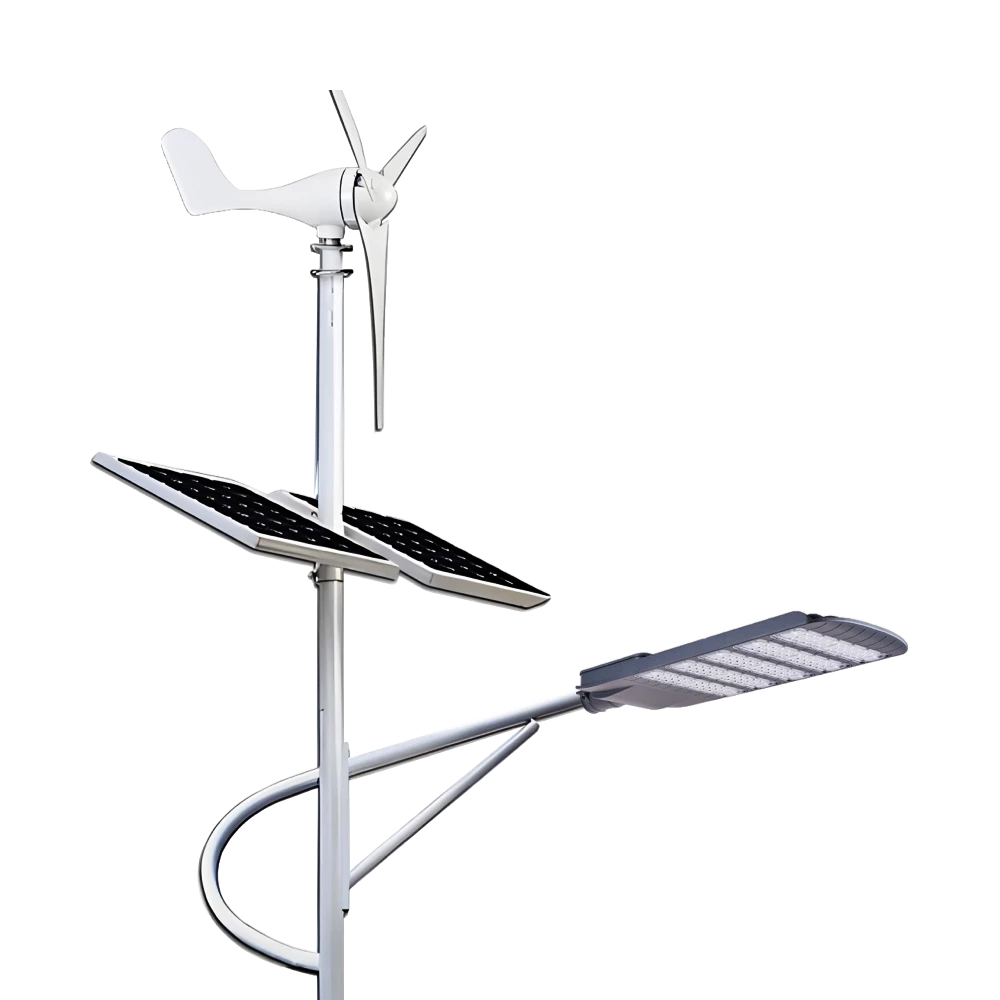
Queneng Lufeng Wind Energy LED Outdoor Solar Street Lights offer high-performance, eco-friendly illumination. These energy-efficient LED street lights harness solar power and wind energy for sustainable, cost-effective outdoor lighting solutions.
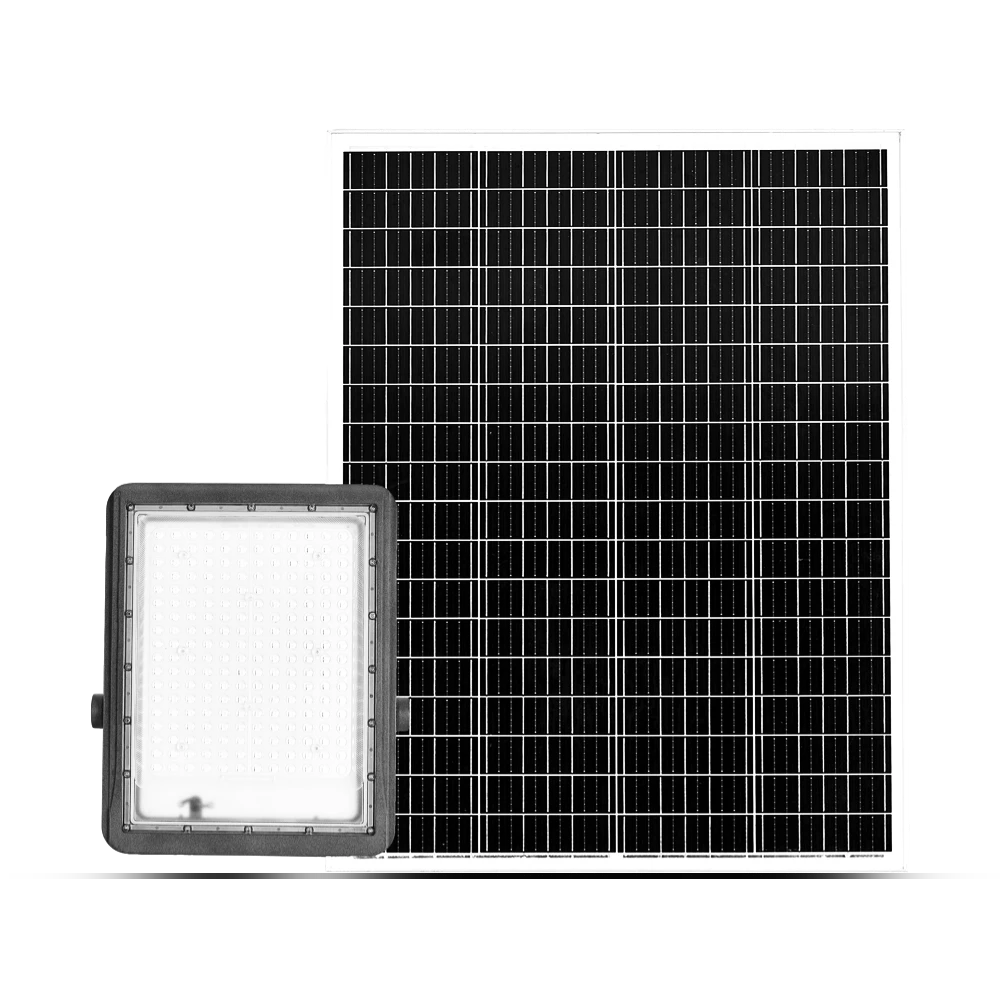
Queneng's Luxian Reliable Solar Street Light offers energy-saving LED lighting for outdoor use. This durable, solar-powered street light provides reliable illumination, reducing energy costs and environmental impact. A perfect solution for sustainable outdoor lighting.
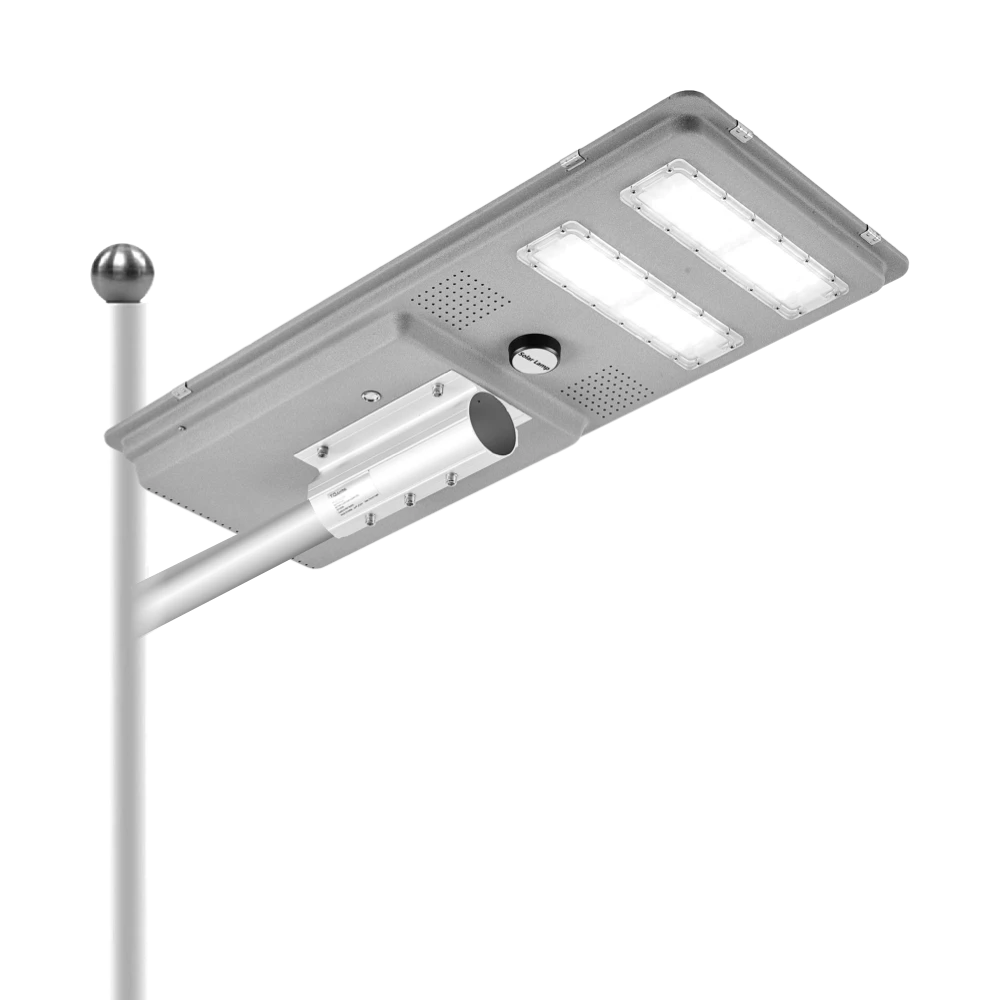
Queneng’s Solar Street Lights are designed to provide reliable, energy-efficient lighting for streets, parks, and other outdoor spaces.
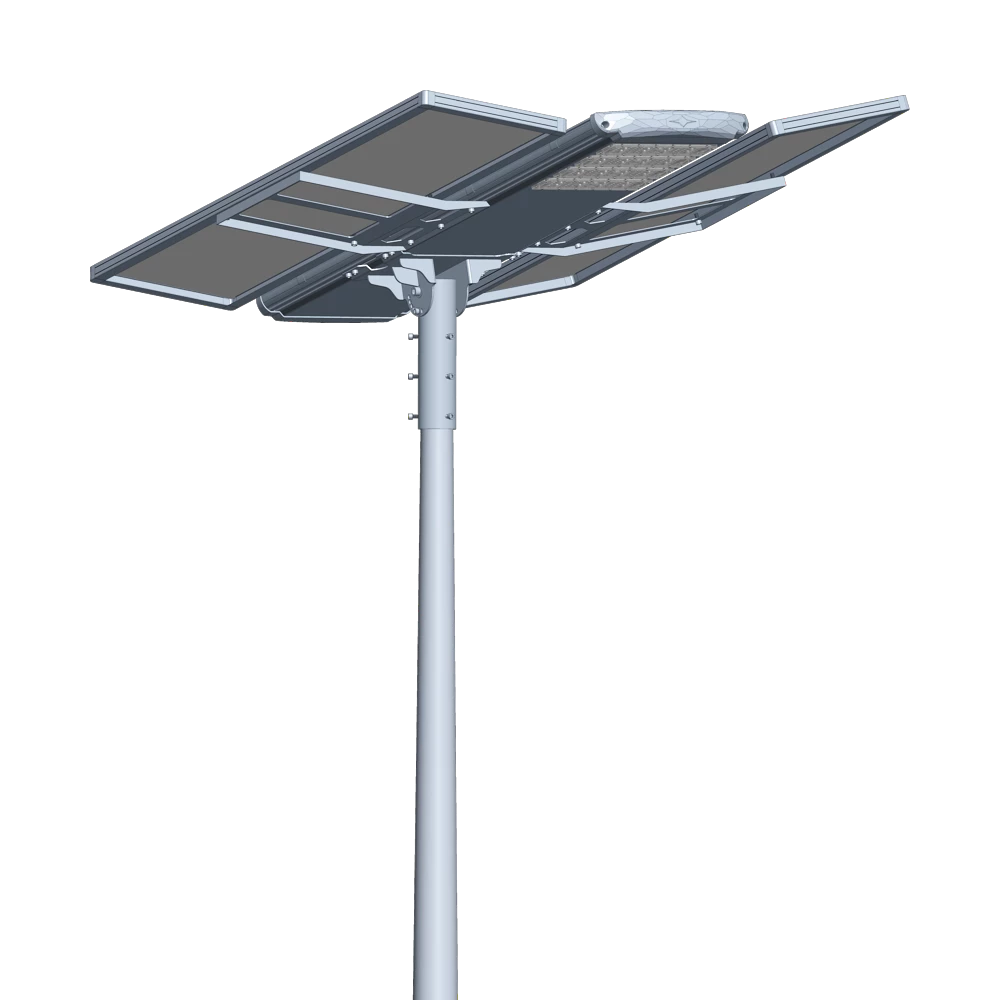
Introducing the Luqing Solar Street Light by Queneng, Efficient LED lighting powered by solar energy is perfect for illuminating outdoor areas. Harness the power of solar energy for sustainable, reliable street lighting. Ideal for eco-friendly, cost-effective outdoor illumination solutions.
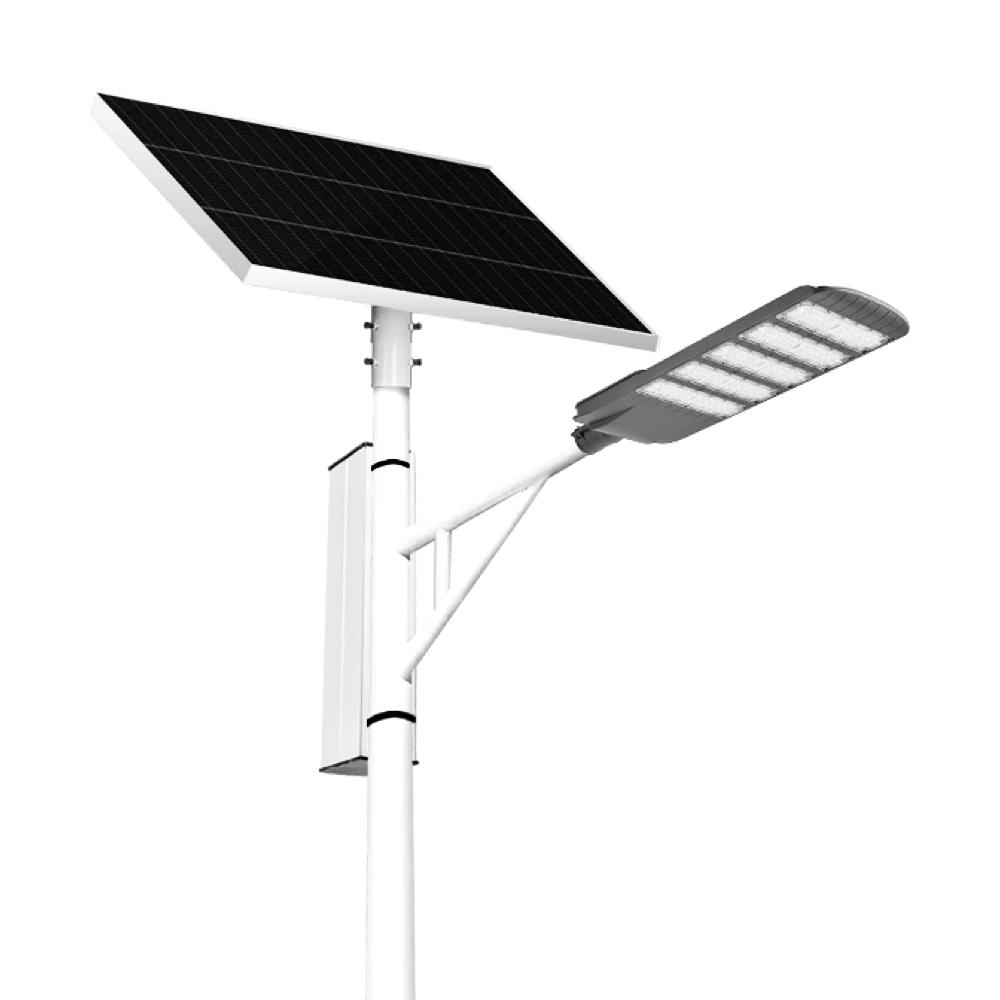
The Solar Streetlights of Luhao for Municipalities are designed to deliver reliable, energy-efficient, and cost-effective public lighting solutions. Equipped with advanced LED technology, durable lithium batteries, and high-efficiency solar panels, these streetlights provide consistent illumination for roads, parks, residential areas, and government projects.
Our professional team is ready to answer any questions and provide personalized support for your project.
You can reach us via phone or email to learn more about Queneng’s solar lighting solutions. We look forward to working with you to promote clean energy solutions!
Rest assured that your privacy is important to us, and all information provided will be handled with the utmost confidentiality.
By clicking 'Send Inquiry Now' I agree to Queneng processing my personal data.
To see how to withdraw your consent, how to control your personal data and how we process it, please see our Privacy Policy and Terms of use.
Schedule a Meeting
Book a date and time that is convenient for you and conduct the session in advance.
Have more questions about our products or services?
The messenger of light & power conversion
Environmental protection and intelligent manufacturing are our brand philosophy, and quality assurance and the best user experience are our eternal promises to users.
CONTACT
No.9F, Building F, Cao San Xin Tian Hong Logistics Park, Guzhen Town, Zhongshan City, Guangdong Province, China.
or write [email protected]
WhatsApp: +86 136 2270 1011


