














Comparing Split Solar Costs Across Regions
Comparing split solar costs across regions requires more than a simple price-per-unit comparison. Municipal Solar Street Light projects, whether using Split Solar Street Light systems or All-in-One Solar Street Lights, are influenced by local solar resource, labor, logistics, standards, financing, and maintenance ecosystems. This article synthesizes public data and industry best practice to give procurement officers, engineers, and project managers an evidence-based framework for evaluating capital and life-cycle costs across regions.
Regional Drivers Affecting Solar Street Light Costs
Climate and solar resource
Solar irradiation (Global Horizontal Irradiation - GHI) directly affects the size of photovoltaic arrays and battery capacity required. Regions with high GHI can achieve the same lumens-hour target with smaller panels or batteries, reducing upfront cost. For verified irradiance maps and site-level data, refer to the Global Solar Atlas: Global Solar Atlas and general solar resource context from the Solar power overview on Wikipedia.
Labor, logistics and tariffs
Installation labor rates, transport logistics (especially for batteries and poles), customs duties, and local VAT/GST materially change delivered costs. Remote or island regions pay a High Quality for heavy items like poles and batteries. Municipal procurement can reduce per-unit delivered cost through volume and local assembly, while single-unit retail purchases often show higher per-unit installed costs.
Regulations, certifications and safety requirements
Compliance with regional technical standards (CE in EU, UL in USA, BIS in India) and international quality systems (ISO 9001) increases manufacturer credibility and sometimes price. For reference: ISO 9001 overview (ISO), CE marking guidance (EU CE), UL (UL) and BIS (BIS).
Cost Breakdown: Split vs All-in-One vs Municipal Solutions
Typical component cost structure
Across the industry the cost of a solar street light system typically follows a weighted component structure. Industry surveys and off-grid solar cost analyses show batteries and lighting system electronics are often the largest single components. Typical percentage breakdown (indicative):
| Component | Typical share of first-cost (%) | Notes / Drivers |
|---|---|---|
| Battery (Li-ion / VRLA) | 30–45% | Cycle life, depth of discharge, temperature resilience drive cost; replacement cycle major O&M cost (see IRENA battery trends). |
| LED Luminaire & Driver | 15–25% | Optics and lumen maintenance (LM-80, TM-21) affect lifetime performance. |
| PV Module | 10–20% | Panel efficiency and local irradiance; module prices have declined globally (see IRENA). |
| Pole, Mounting & Housing | 10–20% | Pole height, materials (galvanized steel, aluminum), foundation requirements drive variability. |
| Controller, Cabling & Misc. | 5–10% | Smart controllers, telemetry and anti-theft features increase cost but reduce O&M. |
| Installation & Logistics | 5–15% | Labour, transport, permits—highly region-dependent. |
Sources and context: component cost trends and off-grid system economics are discussed in technical reports from NREL and IRENA.
Installed cost comparison by region (indicative ranges)
The table below gives indicative installed first-cost ranges (USD per unit) for a mid-range municipal street light (40–60W LED equivalent) depending on product architecture. These ranges are illustrative, aggregated from manufacturer quotes, procurement tenders and sector reports; local circumstances can push costs outside these bands.
| Region | All-in-One Solar Street Lights (USD) | Split Solar Street Light (USD) | Municipal Bulk Procurement (per unit, USD) |
|---|---|---|---|
| South Asia (e.g., India) | 200–450 | 300–650 | 220–500 (bulk discounts, local assembly) |
| Sub-Saharan Africa | 180–500 | 350–800 | 250–600 (project + logistics dependent) |
| Latin America | 250–550 | 400–900 | 280–700 |
| Europe | 350–900 | 500–1,200 | 400–1,000 (stringent standards add cost) |
| North America | 400–950 | 600–1,400 | 450–1,100 |
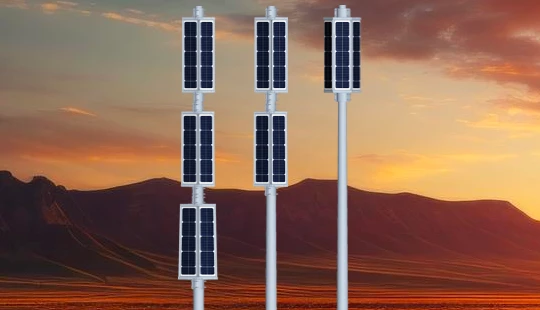
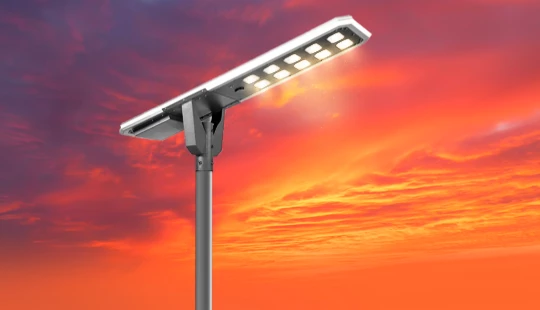
Notes: All-in-One Solar Street Lights typically have lower initial hardware and installation cost because the PV, battery and driver are integrated into a single housing, reducing pole-top labor and cabling. Split Solar Street Light systems—where the battery or control cabinet is separated at the pole-base or ground-mounted—often cost more initially but can offer advantages in thermal management, easier battery replacement and longer system uptime in hot climates. Municipal bulk procurement often lowers cost per unit but enforces stricter requirements on warranties and testing.
Maintenance, replacement cycles and battery lifecycle
Batteries historically dominate life-cycle cost due to finite cycle life. Lithium-ion battery prices have fallen, improving TCO; see price trends in IRENA reports. Split systems with ground-level battery cabinets enable simpler replacement and cooling, often reducing O&M downtime in hot climates. All-in-One systems can be easier to deploy and less prone to wiring theft but may require full unit replacement if the integrated battery fails and access is difficult.
Case Studies and Regional Comparisons
India — high demand for Split Solar Street Light
India's municipal programs (e.g., Smart Cities Mission, AMRUT) have driven mass procurement of solar street lights. Local manufacturing, lower labor costs, and scalable financing have encouraged Split Solar Street Light deployments for larger roadways where ground cabinets simplify battery cooling. Standards and type approvals often reference BIS and IEC norms; see BIS: BIS.
Sub-Saharan Africa — off-grid municipal deployments favor All-in-One
In off-grid and peri-urban contexts, All-in-One Solar Street Lights are frequently chosen for their simplicity, rapid deployment, and lower immediate capex. International development programs and NGOs often prefer plug-and-play All-in-One systems to accelerate electrification. Market reports from agencies such as the World Bank and GOGLA discuss off-grid lighting deployment models.
Europe & North America — focus on TCO and standards
In high-labor-cost regions, procurement emphasizes warranties, energy savings, low-maintenance solutions and compliance with stringent standards (CE/UL/IEC). The Total Cost of Ownership model dominates procurement decisions; higher upfront cost may be justified by lower maintenance and longer warranties.
Procurement Best Practices and Long-Term Value
Total Cost of Ownership (TCO) framework
Procure using TCO, not just first-cost. Key TCO elements: first-cost, installation, expected battery replacements, maintenance visits, energy yield (affected by local GHI), and end-of-life disposal. Example TCO calculation (indicative, USD per unit over 10 years):
| Cost Item | All-in-One (10yr) | Split System (10yr) |
|---|---|---|
| Initial purchase & installation | 600 | 800 |
| Battery replacements (1x for All-in-One; 1x for Split) | 200 | 180 |
| Routine maintenance (cleaning, lamp checks) | 150 | 120 |
| Replacement of electronic components | 80 | 60 |
| Estimated 10yr TCO (USD) | 1,030 | 1,160 |
Interpretation: while the Split System shows a somewhat higher 10-year TCO in this illustrative calculation, local conditions (battery longevity, vandalism, cooling needs) can flip this conclusion. Use lifecycle modeling with local irradiance and temperature profiles for accurate procurement decisions. Tools and datasets from NREL and IRENA can be used to refine estimates: NREL, IRENA.
Technical requirements and testing to minimize risk
Require the following in tender specifications to reduce lifecycle risk:
- Independent test reports (LM-80 for LEDs, IEC 61215/61730 for PV modules)
- Battery safe-operating specifications and MSDS documentation (OSHA on SDS)
- Quality management system certifications (ISO 9001 - ISO)
- Third-party audits or factory inspections (TÜV/SGS/CB)
Selecting between Split and All-in-One for your project
Decision factors:
- Climate: high ambient temperatures favor Split systems for battery cooling.
- Security and theft risk: All-in-One reduces cabling theft vectors; split ground cabinets can be secured but are accessible.
- Maintenance logistics: centralized battery banks for multiple lights may suit some municipal grids, while decentralized All-in-One simplifies single-point failures.
- Budget profile: constrained capital often favors All-in-One; lifecycle budgets may favor Split depending on replacement cycles.
Queneng Lighting: Capabilities, Certifications and Product Strengths
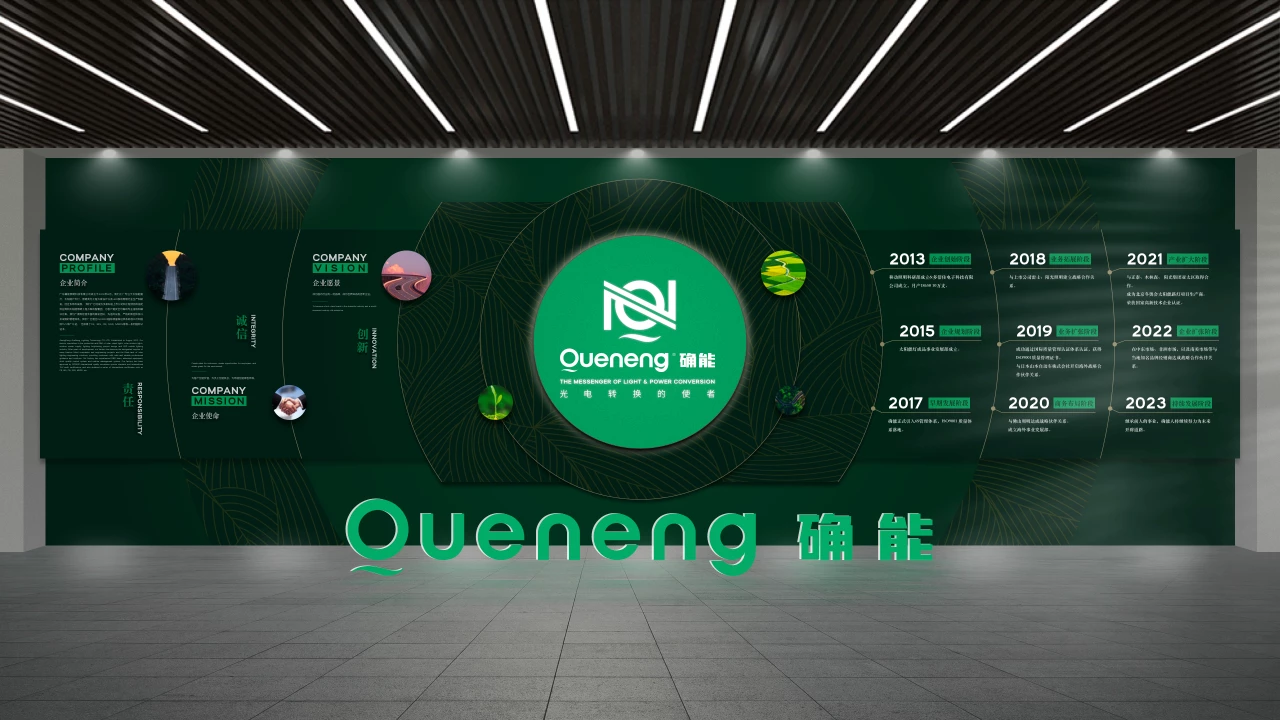
Queneng Lighting, founded in 2013, focuses on solar street lights, solar spotlights, solar garden lights, solar lawn lights, solar pillar lights, solar photovoltaic panels, portable outdoor power supplies and batteries, lighting project design, and LED mobile lighting industry production and development. After years of development Queneng has become the designated supplier for many listed companies and engineering projects and operates as a solar lighting engineering solutions think tank, providing customers with safe and reliable professional guidance and solutions.
Key strengths and certifications:
- Experienced R&D team, advanced production equipment and strict quality control systems.
- ISO 9001 international quality assurance system standard accreditation: ISO 9001.
- International audit and testing by TÜV and third-party labs; compliance with CE/UL/BIS/CB/SGS and MSDS documentation—examples: TÜV, UL, SGS.
- Main products: Solar Street Lights, Solar Spot lights, Solar Lawn lights, Solar Pillar Lights, Solar Photovoltaic Panels, split solar street light, All-in-One Solar Street Lights.
Competitive differentiators:
- Full-system engineering and project design expertise—helping municipalities choose the optimal architecture (Split vs All-in-One) based on local GHI, temperature, theft risk and maintenance capabilities.
- Supply-chain integration with panel and battery sourcing to reduce lead times and improve warranty enforcement.
- Proven track record in large tenders and engineering partnerships with documented references and third-party certificates.
Frequently Asked Questions (FAQ)
1. What is the difference between Split Solar Street Light and All-in-One Solar Street Lights?
Split Solar Street Light systems separate the battery or control cabinet (often mounted at the pole base or on the ground) from the luminaire and PV module. All-in-One Solar Street Lights integrate the PV, battery and LED luminaire into a single unit. Split systems generally enable better thermal management and easier battery service; All-in-One units are simpler to deploy and can reduce initial installation labor.
2. Which system is cheaper to install—Split or All-in-One?
All-in-One units often have lower initial installed cost due to simpler pole-top installation and reduced cabling. However, depending on local replacement cycles, climate and theft risk, Split systems may yield better long-term value. Use a TCO model to compare options for your specific site.
3. How do regional factors like climate and labor affect costs?
Regions with high solar irradiation require smaller panels and batteries, reducing capex. High ambient temperatures increase battery cooling requirements, favoring Split designs. Labor rates and logistics can swing installation costs significantly; remote areas face higher freight and foundation costs.
4. What standards and certifications should I require in tenders?
Require IEC/EN or regional equivalents for PV modules and electrical safety, LM-80/TM-21 reports for LEDs, ISO 9001 quality management for manufacturers, and third-party testing (TÜV/UL/SGS). Include MSDS for battery chemistries and warranty performance metrics.
5. How often will I need to replace batteries and what impact does that have on TCO?
Battery replacement frequency depends on chemistry and operating conditions. VRLA batteries may last 2–5 years under heavy cycling and high temperatures; modern lithium-ion batteries with proper thermal management can last 5–10 years or more. Battery replacement is a major component of O&M costs; selecting proven battery technologies and designing for thermal control reduces lifecycle expenditure. For global battery price and technology trends, see IRENA.
6. How can municipalities reduce delivered costs?
Strategies include bulk procurement, local assembly, standardized specifications, requiring robust warranties and third-party verification, and considering financing models (ESPCs, PPPs) that match budget profiles to long-term O&M savings.
For project-level assistance, system design, quotations or to view product lines including Split Solar Street Light and All-in-One Solar Street Lights, contact Queneng Lighting for a tailored proposal and certified product datasheets. Explore product catalogs and request a quote to evaluate regional cost models and pilot installations.
Contact / Request a Quote: Reach out to Queneng Lighting via the company website or authorized regional distributors to get validated BOMs, warranty terms, and site-specific TCO calculations.
References: IRENA renewable power cost reports (IRENA), NREL publications (NREL), Global Solar Atlas (Global Solar Atlas), ISO 9001 (ISO), CE guidance (EU CE), UL (UL), TÜV (TÜV), SGS (SGS).

Have more questions about our products or services?
The latest hot news you might like

Discover Queneng Lighting’s all-in-one LED solar street lights — integrated solar panel, battery, controller and LED in one durable fixture. Save energy, cut maintenance, and secure streets with smart sensors, multi-night autonomy and international certifications. Contact sales for quotes and support.

Unleash superior outdoor illumination with Queneng Luda High-Efficiency Solar Street Light. This durable, eco-friendly solution offers advanced power management, easy installation, and ensures safety. Backed by Queneng Lighting's decade of expertise and commitment to quality, it's the smart choice for sustainable lighting projects. Learn why we're a leading solar solutions provider.

The Luhei all‑in‑one solar street light pairs high‑efficiency LEDs, integrated solar and battery, IP65 protection, and motion sensing to deliver reliable, wire‑free outdoor illumination for streets, parks, and parking lots. Backed by Queneng Lighting’s certifications and support.

FAQ
Transportation and Highways
Can the lights operate continuously in rainy or cloudy conditions?
Yes, the battery is designed to store enough energy to last for several days without sunlight.
Battery Performance and Testing
What is the power output of the battery?
The smaller the internal resistance of the battery, the higher the output power. The internal resistance of the battery should be smaller than the internal resistance of the electrical appliance. Otherwise, the power consumed by the battery itself will be greater than the power consumed by the electrical appliance, which is uneconomical and may damage the battery.
What is a vibration experiment?
After the battery is discharged to 1.0V at 0.2C, charge it at 0.1C for 16 hours. After leaving it aside for 24 hours, it vibrates according to the following conditions:
Amplitude: 0.8mm
Make the battery vibrate between 10HZ-55HZ, increasing or decreasing at a vibration rate of 1HZ every minute.
The battery voltage change should be within ±0.02V, and the internal resistance change should be within ±5mΩ. (Vibration time is 90min)
The lithium battery vibration experiment method is:
After the battery is discharged to 3.0V at 0.2C, charge it to 4.2V with 1C constant current and constant voltage, with a cut-off current of 10mA. After leaving it aside for 24 hours, it vibrates according to the following conditions:
The vibration experiment was carried out with the vibration frequency from 10 Hz to 60 Hz and then to 10 Hz within 5 minutes as a cycle with an amplitude of 0.06 inches. The battery vibrates in three axes, each axis vibrating for half an hour.
The battery voltage change should be within ±0.02V, and the internal resistance change should be within ±5mΩ.
Solar Street Light Luyi
How do Luyi solar street lights save energy compared to traditional street lights?
Luyi solar street lights save energy by using solar power, a renewable energy source, to operate. Unlike traditional street lights that rely on the electrical grid, Luyi lights harness the sun’s energy during the day, which is stored in the battery for nighttime use. The energy-efficient LEDs provide bright illumination while consuming less power than conventional lighting options, significantly lowering electricity costs.
Solar Street Light Luqing
Can solar street lights be used in cloudy or rainy weather?
Yes, solar street lights can still function in cloudy or rainy conditions, though their performance may be reduced due to lower sunlight. The battery is designed to store enough energy to power the light for several days of overcast weather.
Batteries and the environment
What impact do batteries have on the environment?
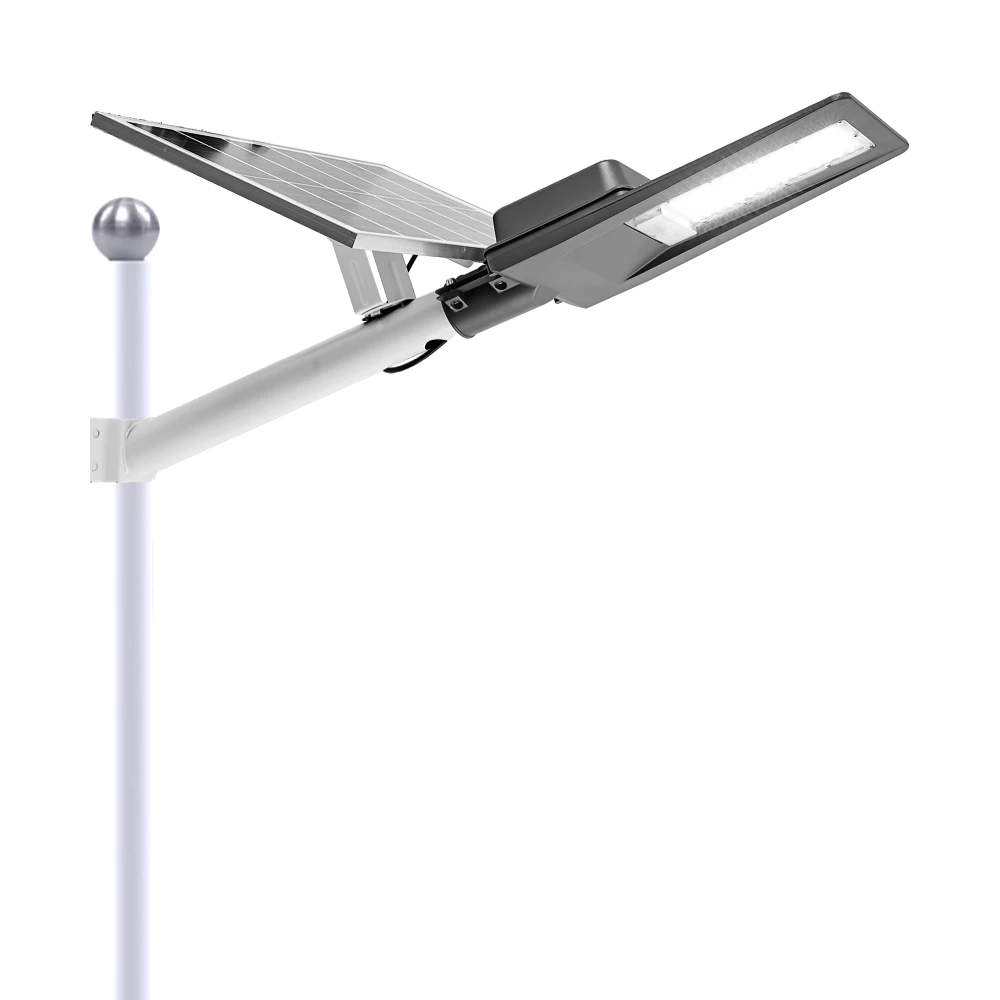
Experience reliable outdoor illumination with our smart solar street light, a perfect combination of advanced technology and eco-conscious design.
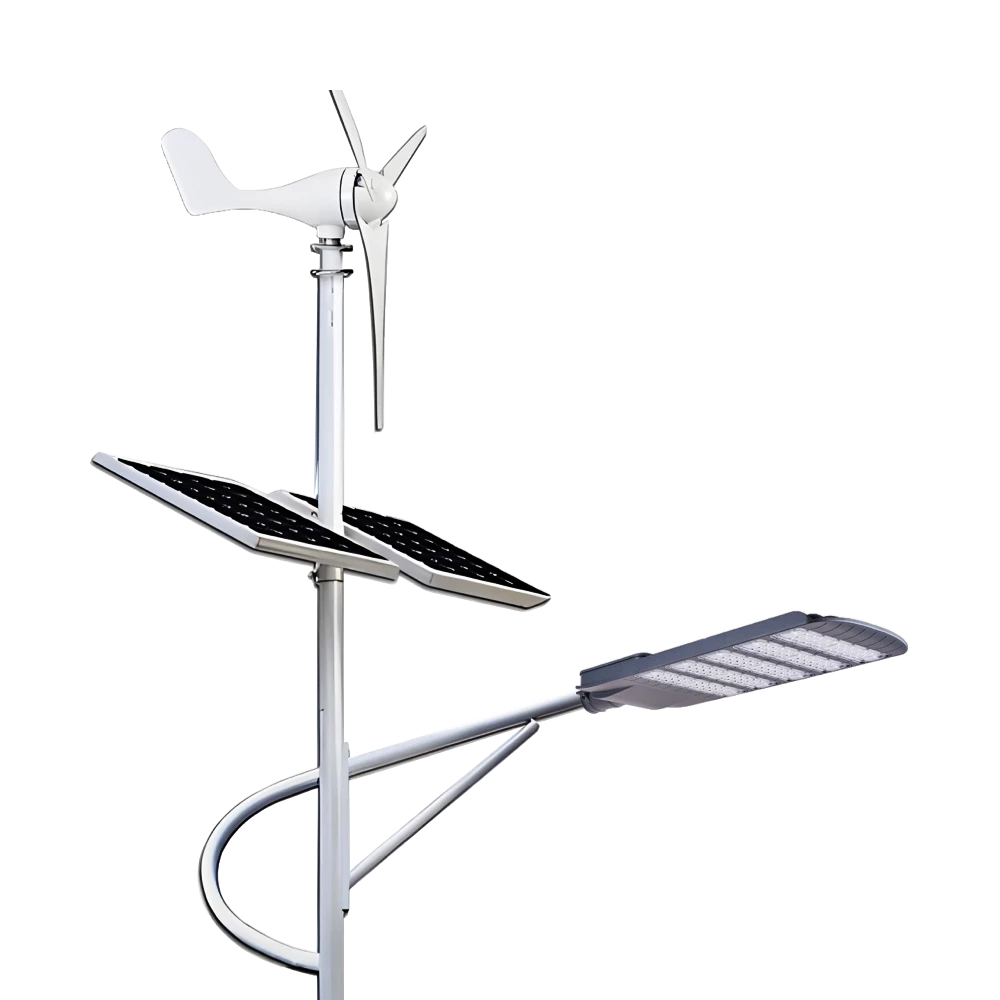
Queneng Lufeng Wind Energy LED Outdoor Solar Street Lights offer high-performance, eco-friendly illumination. These energy-efficient LED street lights harness solar power and wind energy for sustainable, cost-effective outdoor lighting solutions.
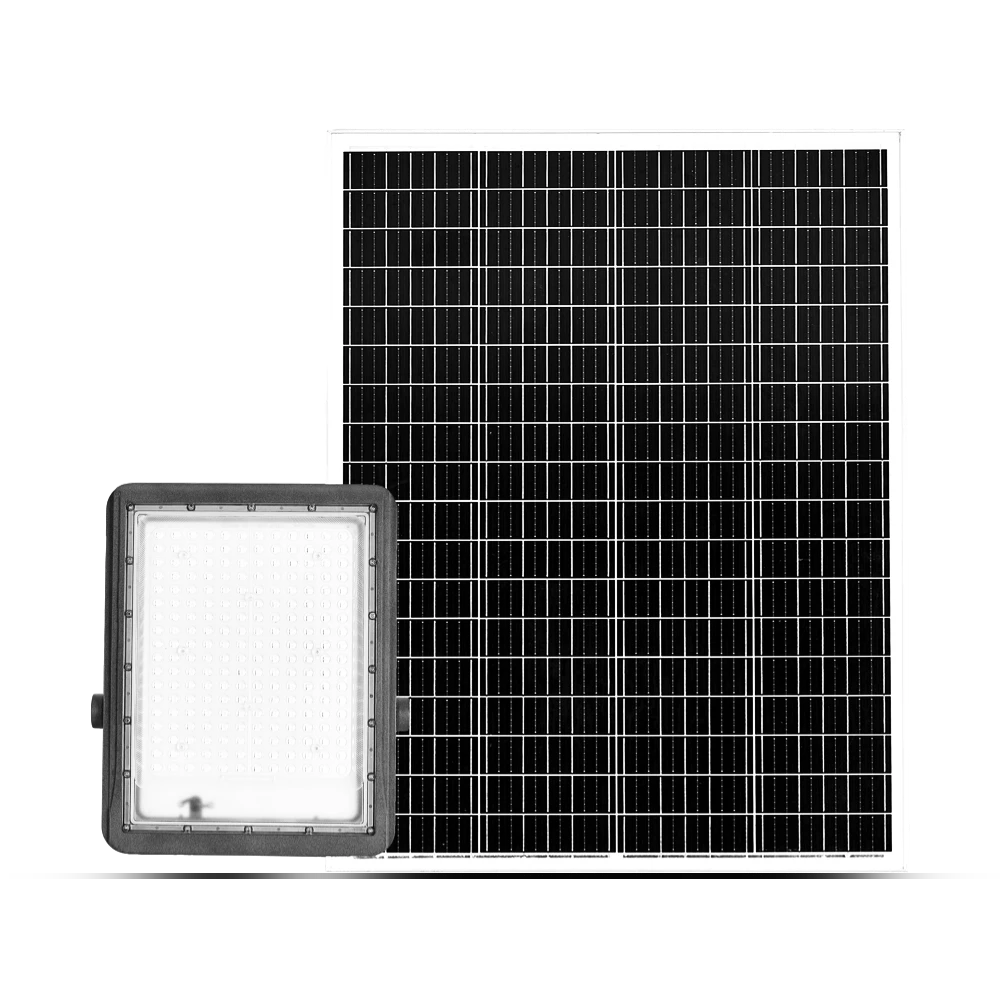
Queneng's Luxian Reliable Solar Street Light offers energy-saving LED lighting for outdoor use. This durable, solar-powered street light provides reliable illumination, reducing energy costs and environmental impact. A perfect solution for sustainable outdoor lighting.
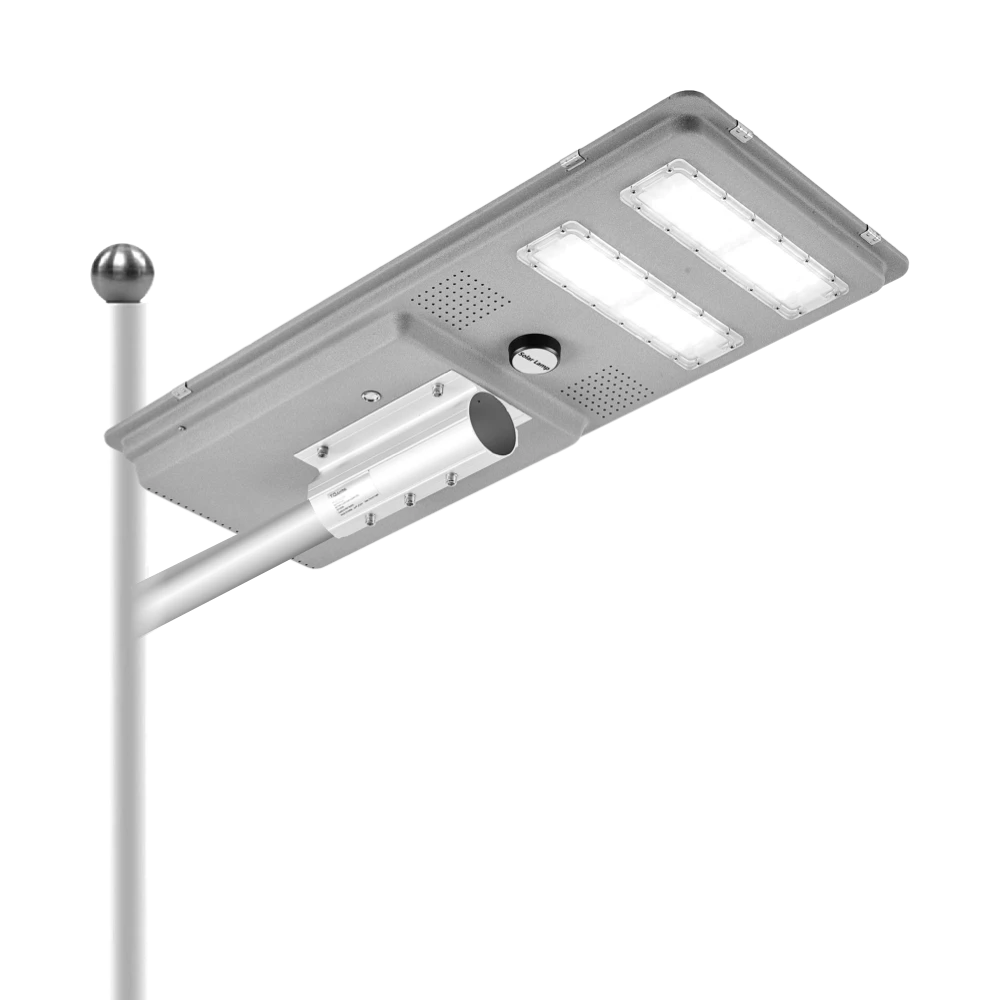
Queneng’s Solar Street Lights are designed to provide reliable, energy-efficient lighting for streets, parks, and other outdoor spaces.
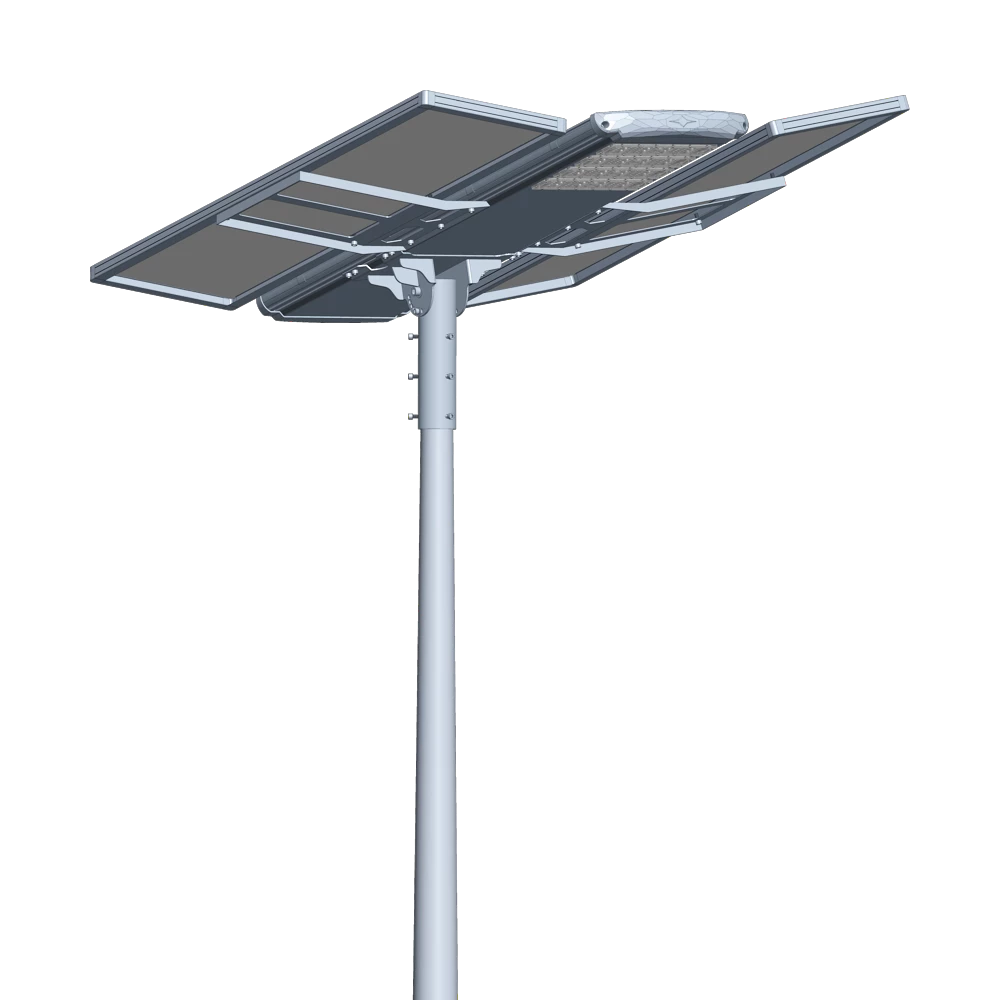
Introducing the Luqing Solar Street Light by Queneng, Efficient LED lighting powered by solar energy is perfect for illuminating outdoor areas. Harness the power of solar energy for sustainable, reliable street lighting. Ideal for eco-friendly, cost-effective outdoor illumination solutions.
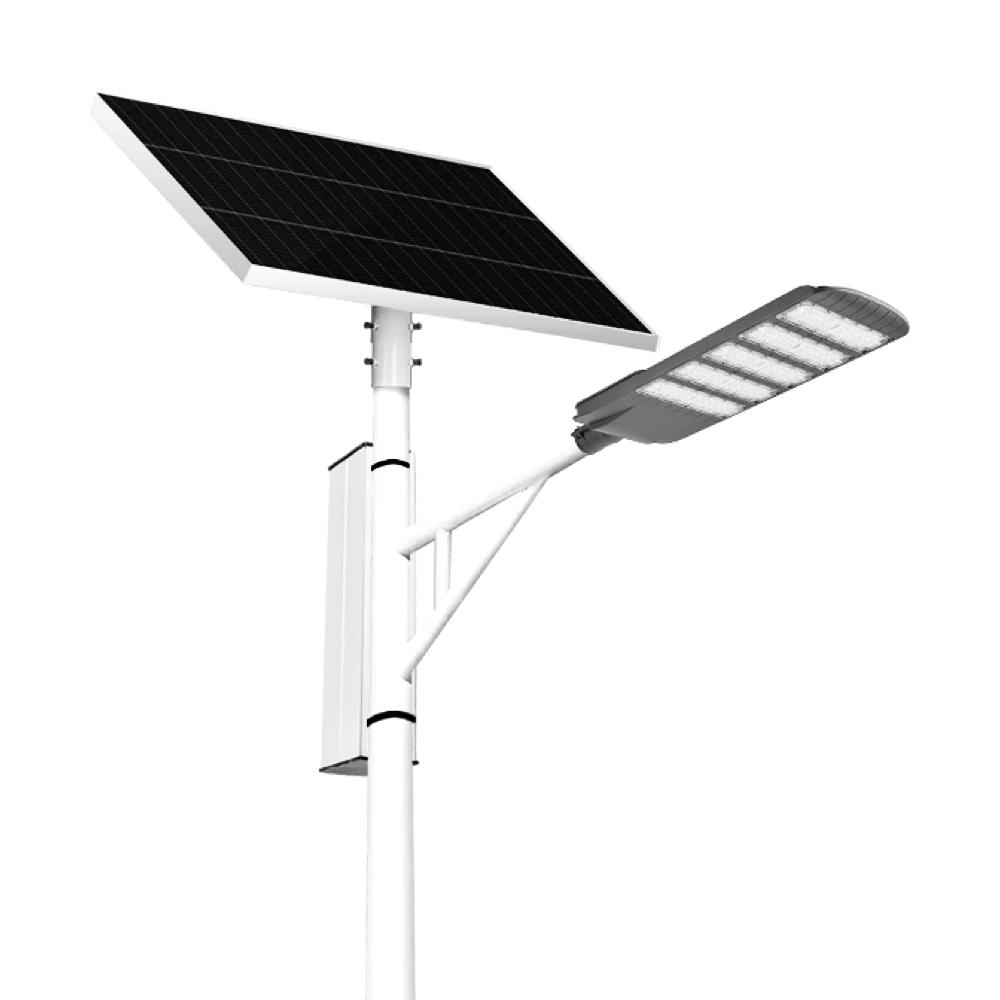
The Solar Streetlights of Luhao for Municipalities are designed to deliver reliable, energy-efficient, and cost-effective public lighting solutions. Equipped with advanced LED technology, durable lithium batteries, and high-efficiency solar panels, these streetlights provide consistent illumination for roads, parks, residential areas, and government projects.
Our professional team is ready to answer any questions and provide personalized support for your project.
You can reach us via phone or email to learn more about Queneng’s solar lighting solutions. We look forward to working with you to promote clean energy solutions!
Rest assured that your privacy is important to us, and all information provided will be handled with the utmost confidentiality.
By clicking 'Send Inquiry Now' I agree to Queneng processing my personal data.
To see how to withdraw your consent, how to control your personal data and how we process it, please see our Privacy Policy and Terms of use.
Schedule a Meeting
Book a date and time that is convenient for you and conduct the session in advance.
Have more questions about our products or services?
The messenger of light & power conversion
Environmental protection and intelligent manufacturing are our brand philosophy, and quality assurance and the best user experience are our eternal promises to users.
CONTACT
No.9F, Building F, Cao San Xin Tian Hong Logistics Park, Guzhen Town, Zhongshan City, Guangdong Province, China.
or write [email protected]
WhatsApp: +86 136 2270 1011


