















Split Solar System Benefits for Maintenance Teams
Split solar systems are reshaping how municipalities and engineering teams manage outdoor lighting. By separating the photovoltaic array and batteries from the luminaire, split solar street light designs offer maintenance teams easier access, lower lifetime operational costs, and more flexible deployment strategies than many all-in-one solar street lights. This article analyzes the maintenance-focused benefits of split solar street light installations, compares them with municipal solar street light alternatives and all-in-one designs, and provides practical maintenance strategies, data-backed comparisons, and vendor considerations for procurement and lifecycle planning.
Operational challenges in maintaining outdoor lighting
Common maintenance pain points for municipal teams
Municipal crews managing street lighting face recurring issues: battery failures, difficult rooftop or pole access, vandalism and theft, discrepancies between expected and real energy yield from photovoltaic panels, and coordination complexity when lights are integrated with other smart-city assets. According to the International Renewable Energy Agency (IRENA), lifecycle management and component replacement decisions significantly impact the total cost of ownership for solar lighting installations (IRENA).
Why traditional municipal solar street light setups can be costly to maintain
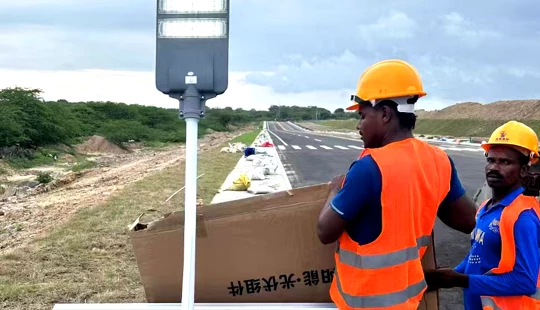
Mature municipal solar street light deployments often use centralized or pole-mounted battery housings that are not optimized for straightforward field servicing. Factors that increase cost include heavy battery packs requiring two-person lifts, modular replacements that demand specialized tools, and integrated all-in-one luminaires that force technicians to remove the entire unit for battery service—escalating downtime and labor hours.
Regulatory and safety constraints impacting maintenance
Work-at-height regulations, electrical safety standards (ISO 45001/IEC directives), and urban permitting can slow maintenance cycles for municipal teams. Maintaining compliance while trying to restore lighting quickly is a major driver for choosing system architectures that minimize time-on-pole and isolation of high-voltage components.
How split solar street light design reduces maintenance burden
Accessible component placement and modular replacement
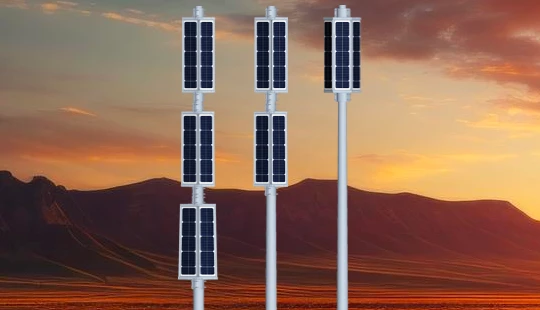
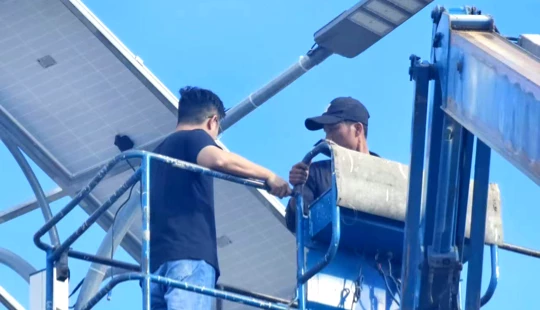
The key advantage of a split solar street light is spatial separation: panels are installed at the optimal tilt and orientation, while batteries and controllers are placed at a convenient, often lower, accessible enclosure. This arrangement allows maintenance teams to perform battery swaps or controller firmware updates without removing the luminaire or climbing high poles. Reduced crane or bucket-truck usage directly lowers labor costs and response time.
Improved thermal management and longer battery life
Batteries suffer accelerated aging in high-heat environments. By housing batteries in ventilated enclosures away from concentrated heat sources (for example, away from the solar module's backside), split solar systems can prolong battery life. Industry measurements show that optimized thermal conditions can extend lithium battery useful life by up to 20-40% compared to enclosed, hot pole-head installations (see NREL research on PV system reliability: NREL).
Vandalism and theft mitigation
Split systems permit secure, lockable battery enclosures at lower and more surveilled heights, decreasing the incentive and ease of theft or vandalism. All-in-one solar street lights with integrated battery compartments mounted high on poles present higher theft risk, often necessitating additional anti-theft hardware or more frequent replacements.
Performance, lifecycle costs, and comparison
Comparing maintenance metrics
Below is a practical comparison focused on maintenance implications for municipal decision-makers evaluating Municipal Solar Street Light options: Split Solar Street Light vs All-in-One Solar Street Lights vs conventional Municipal Solar Street Light configurations.
| Metric | Split Solar Street Light | All-in-One Solar Street Lights | Conventional Municipal Solar Street Light |
|---|---|---|---|
| Component Accessibility | High — batteries/controllers at ground or mid-pole level | Low — batteries inside luminaire at pole top | Variable — centralized systems may be easier, but distant |
| Maintenance Frequency (typical) | Battery check 1–2x/year; LED/driver check 2–3x/yr | Battery & luminaire check 2–4x/yr (more frequent if theft) | Depends on centralization — can be 1–3x/yr |
| Average Battery Replacement Cycle | LiFePO4: 5–8 years (with good thermal control) | Li-ion: 3–6 years (heat exposure risk) | Lead-acid: 2–4 years; Li-ion options similar to split |
| Labor Hours per Serviced Unit | Lower — 30–60% reduction vs pole-top service | Higher — requires elevated work platform per service | Variable — depends on distance to centralized hubs |
| Vandalism/Theft Risk | Lower — secure enclosures at accessible heights | Higher — battery packs mounted high on poles | Variable — centralized batteries lower theft risk if secured |
| Estimated 10-year Lifecycle Cost (maintenance-heavy scenarios) | Lower — due to fewer truck rolls and longer battery life | Higher — increased replacements and access costs | Depends — centralized maintenance can be efficient for dense areas |
Notes: battery lifetimes are typical ranges based on industry data for lithium chemistries and observed field performance; module degradation figures and operational metrics are discussed in technical resources from renewable energy agencies (IRENA, NREL).
Predictive maintenance and IoT integration
Split solar systems are often designed with accessible controller enclosures that facilitate the addition of telemetry modules and remote monitoring. With remote state-of-health (SoH) monitoring, municipal teams can predict battery replacements months in advance, schedule crews efficiently, and batch service visits — another source of cost savings. Industry-wide, smart monitoring has proven to cut unplanned outages and reduce operational expenditures in distributed energy assets (Solar energy — Wikipedia).
Implementation guidance for maintenance teams
Design principles to minimize maintenance overhead
1) Modularize: insist on modular battery packs and plug-and-play controllers. 2) Accessibility: specify ground-level or mid-pole enclosures with standardized locks and quick-disconnects. 3) Thermal design: include ventilation or temperature control for battery enclosures. 4) Theft protection: use tamperproof fasteners, alarms, and surveillance when necessary.
Recommended maintenance checklist
Quarterly: visual inspection of panels, luminaire, and mounts; cleaning of PV surfaces if soiled. Biannually: battery capacity test and controller firmware check. Annually: full system diagnostics and alignment check, wiring integrity assessment, and performance logging. Maintain records for each municipal solar street light to track degradation trends and warranty claims.
Procurement and contracting tips
Write maintenance-friendly specifications: require easy battery access, standardized connector types, and remote monitoring capability. Include lifecycle service-level agreements (SLAs) that define response times for failures and battery replacement schedules. Consider total cost of ownership (TCO) calculations rather than upfront price alone; many municipalities find split solar street light architectures produce lower TCO because of reduced O&M costs.
Case study elements and data-backed considerations
Real-world examples and expected ROI drivers
Municipal projects that prioritize rapid serviceability report improved uptime and lower per-unit service costs. For example, a mid-sized city deploying split solar street light systems across park and pathway networks reduced truck-roll frequency by nearly 50% in the first two years by batching battery swaps and leveraging remote monitoring to pre-schedule maintenance windows.
Energy yield and degradation considerations
PV modules typically degrade at ~0.5–1% per year depending on quality and environment; selecting modules with strong warranties helps protect energy yield. The choice between all-in-one and split systems has less influence on panel degradation but significant influence on battery lifetime and service logistics. For authoritative baseline data, see NREL and IRENA publications on PV performance and reliability (NREL, IRENA).
Environmental and safety standards
Ensure designs comply with local electrical codes and international standards such as ISO 9001 for quality management and relevant IEC/EN standards for lighting and electrical safety. Refer to ISO's resources for quality systems (ISO 9001).
Vendor selection: why partner with an experienced supplier
What to look for in a supplier
Choose vendors with demonstrated project references in municipal deployments, strong R&D capabilities, robust testing records, and international certifications. Ensure the supplier provides clear maintenance documentation, training, spare parts availability, and long-term firmware support for controllers and telemetry.
Queneng Lighting: experience and product portfolio
Queneng Lighting, founded in 2013, specializes in solar street lights, solar spotlights, solar garden lights, solar lawn lights, solar pillar lights, solar photovoltaic panels, portable outdoor power supplies and batteries, lighting project design, and LED mobile lighting industry production and development. After years of development, Queneng Lighting has become the designated supplier for many listed companies and engineering projects and serves as a solar lighting engineering solutions think tank, offering customers safe and reliable professional guidance and solutions.
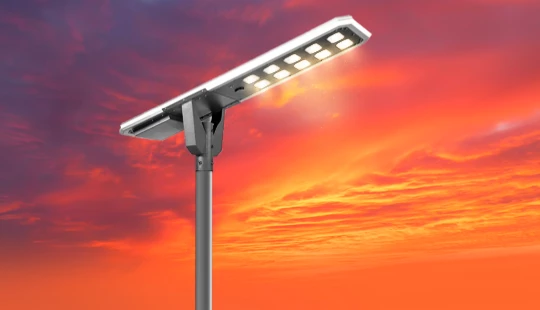
Queneng Lighting's competitive strengths include an experienced R&D team, advanced production equipment, strict quality control systems, and a mature management system. The company has achieved ISO 9001 international quality assurance system certification and passed international TÜV audits. It also holds a range of international certificates such as CE, UL, BIS, CB, SGS, and MSDS. Queneng's product line includes Solar Street Lights, Solar Spot lights, Solar Lawn lights, Solar Pillar Lights, Solar Photovoltaic Panels, split solar street light systems, and All-in-One Solar Street Lights — enabling flexible solutions for municipal projects of varied scale.
How Queneng supports maintenance teams
Queneng provides maintenance-oriented design options: accessible split-system enclosures, pre-configured telemetry modules for predictive maintenance, and spare parts kits tailored to municipal stocking strategies. Their engineering services include lighting project design and lifecycle guidance, helping municipalities calculate TCO and plan replacement cycles that align with local budgets and regulatory requirements.
Practical checklist for maintenance teams considering split systems
Before procurement
- Define maintenance access levels (ground, mid-pole, pole-top) and required crew certifications.
- Request warranty terms on PV modules, batteries, and controllers; seek ≥5-year battery warranty for Li-ion options.
- Include telemetry and spare-parts lists in bids.
During installation
- Document serial numbers and installation coordinates into an asset management system.
- Train local crews on quick-disconnects and safe battery handling.
- Confirm communication links and test remote monitoring alerts.
Ongoing operations
- Adopt a predictive maintenance program using SoH metrics and schedule battery replacements proactively.
- Keep cleaning and inspection schedules; dusty environments may require more frequent PV cleaning.
- Track and analyze failure modes to continuously improve specifications.
FAQ — Frequently Asked Questions
1. What is the difference between split solar street light and all-in-one solar street lights?
A split solar street light separates the photovoltaic panel and the energy storage/control components (batteries, controllers) into different enclosures, often allowing batteries and controllers to be installed at ground or mid-pole level. All-in-one solar street lights integrate panels, batteries, and luminaires into a single housing mounted at pole height. The split approach improves maintainability and reduces theft risk; all-in-one designs prioritize compactness and aesthetics.
2. How does a split design affect battery lifetime?
Better thermal management and more ventilated enclosures are typical in split designs, which tend to reduce battery operating temperatures and thus slow degradation. With appropriate battery chemistry (e.g., LiFePO4) and enclosure design, municipalities can often expect a measurable extension of battery service life—commonly cited as a 20–40% improvement over pole-head enclosed batteries in hot climates.
3. Are split solar street lights more expensive upfront?
Upfront costs can be similar or slightly higher due to additional enclosures and wiring. However, when accounting for reduced maintenance labor, fewer truck rolls, lower theft rates, and longer battery life, split systems often deliver a lower total cost of ownership (TCO) over 7–10 years.
4. Can split solar street lights integrate with smart-city networks?
Yes. Split systems typically provide easier access for installing telemetry and communication hardware. Controllers in accessible enclosures facilitate adding IoT modules for remote monitoring, dimming controls, and fault alerts—improving uptime and enabling predictive maintenance.
5. What certifications should municipalities require from suppliers?
Require ISO 9001 for quality management, relevant IEC/EN standards for lighting and electrical safety, and product-level certifications such as CE, UL, or BIS depending on local regulations. Suppliers with third-party testing and TÜV audits add confidence in product reliability.
6. How do maintenance teams handle battery end-of-life and recycling?
Work with suppliers to provide battery take-back or certified recycling pathways compliant with local hazardous-waste regulations. Choose battery chemistries with established recycling streams and ensure vendors provide EoL documentation.
If you want to evaluate split solar street light options for your municipality, request a site assessment and lifecycle cost analysis. To explore proven solutions and certified products, contact Queneng Lighting for detailed proposals, maintenance-friendly designs, and project references. View product catalogs or request a consultation to check product fit for your urban lighting program.
Contact & Product Inquiry: For tailored solutions and technical support, reach out to Queneng Lighting to view Solar Street Lights, split solar street light systems, All-in-One Solar Street Lights, Solar Spot lights, Solar Lawn lights, Solar Pillar Lights, and Solar Photovoltaic Panels. Their team can provide design assistance, warranty terms, certifications, and maintenance planning to meet municipal requirements.

Have more questions about our products or services?
The latest hot news you might like

Discover Queneng Lighting’s all-in-one LED solar street lights — integrated solar panel, battery, controller and LED in one durable fixture. Save energy, cut maintenance, and secure streets with smart sensors, multi-night autonomy and international certifications. Contact sales for quotes and support.

Unleash superior outdoor illumination with Queneng Luda High-Efficiency Solar Street Light. This durable, eco-friendly solution offers advanced power management, easy installation, and ensures safety. Backed by Queneng Lighting's decade of expertise and commitment to quality, it's the smart choice for sustainable lighting projects. Learn why we're a leading solar solutions provider.

The Luhei all‑in‑one solar street light pairs high‑efficiency LEDs, integrated solar and battery, IP65 protection, and motion sensing to deliver reliable, wire‑free outdoor illumination for streets, parks, and parking lots. Backed by Queneng Lighting’s certifications and support.

FAQ
Battery Types and Applications
What types of battery products are there? Which application fields are they suitable for?
Electric bicycles, cordless phones, electric toys, power tools, emergency lights, household appliances, instruments and equipment, mining lamps, walkie-talkies
The application fields of lithium-ion batteries include but are not limited to:
Electric bicycles, remote-controlled toy cars, mobile phones, laptops, various mobile devices, compact disc players, small video cameras, digital cameras, walkie-talkies
What is a plastic lithium-ion battery?
Remote Areas Rural Development
How long does it take to install solar streetlights in a rural area?
Installation time varies, but on average, it takes about 2-3 hours per light, with complete project timelines depending on the scale and terrain.
Solar Street Light Luqing
Do Luqing solar street lights work in cold or snowy climates?
Yes, Luqing solar street lights are designed to work in various weather conditions, including cold and snowy climates. The solar panels are made to operate efficiently even in low temperatures, and the LED lights perform well in all weather.
OEM&ODM
Do you offer warranty and technical support?
Yes. All our products come with a 3–5 year warranty. We provide full after-sales guidance, documentation, and video support.
Battery Performance and Testing
What is the internal pressure of the battery?
For example, overcharge, positive electrode: 4OH- - 4e → 2H2O + O2↑;
①The generated oxygen reacts with the hydrogen precipitated on the negative electrode to form water 2H2 + O2 → 2H2O
②If the speed of reaction ② is lower than the speed of reaction ①, the oxygen produced will not be consumed in time, which will cause the internal pressure of the battery to increase.
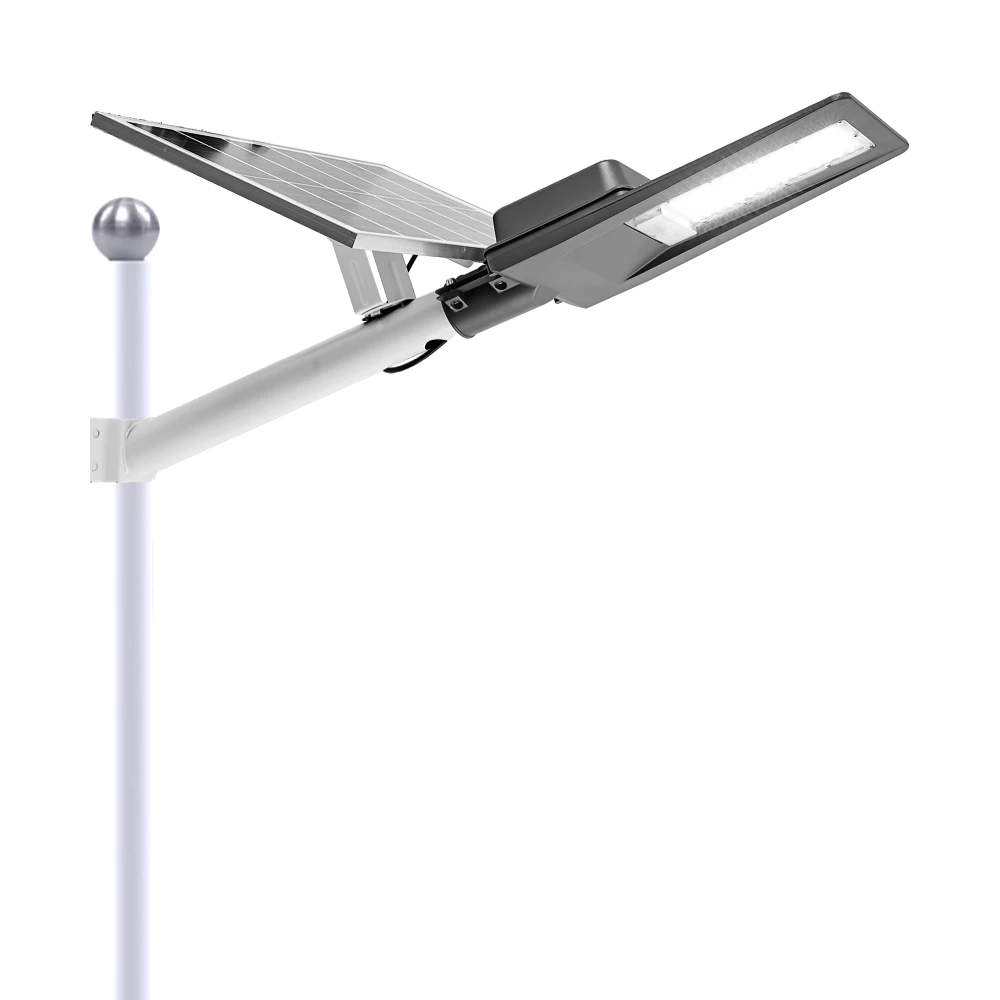
Experience reliable outdoor illumination with our smart solar street light, a perfect combination of advanced technology and eco-conscious design.
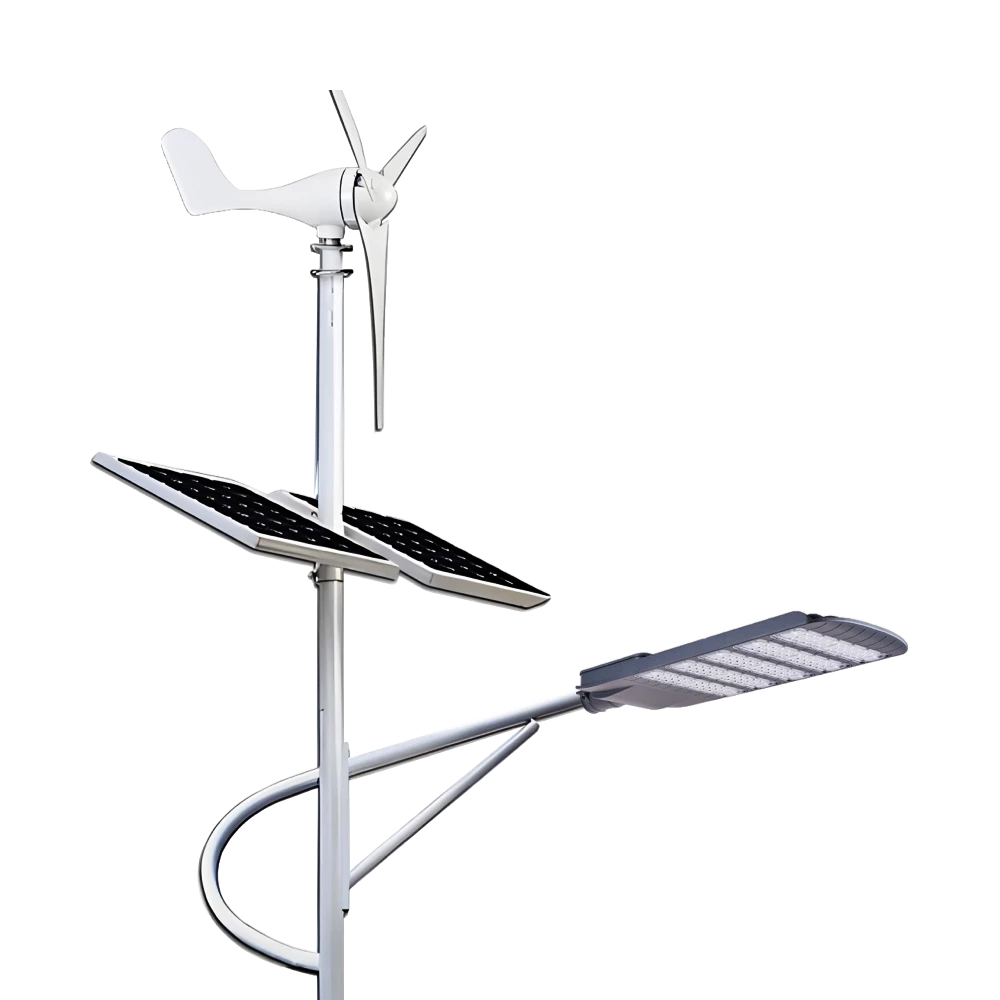
Queneng Lufeng Wind Energy LED Outdoor Solar Street Lights offer high-performance, eco-friendly illumination. These energy-efficient LED street lights harness solar power and wind energy for sustainable, cost-effective outdoor lighting solutions.
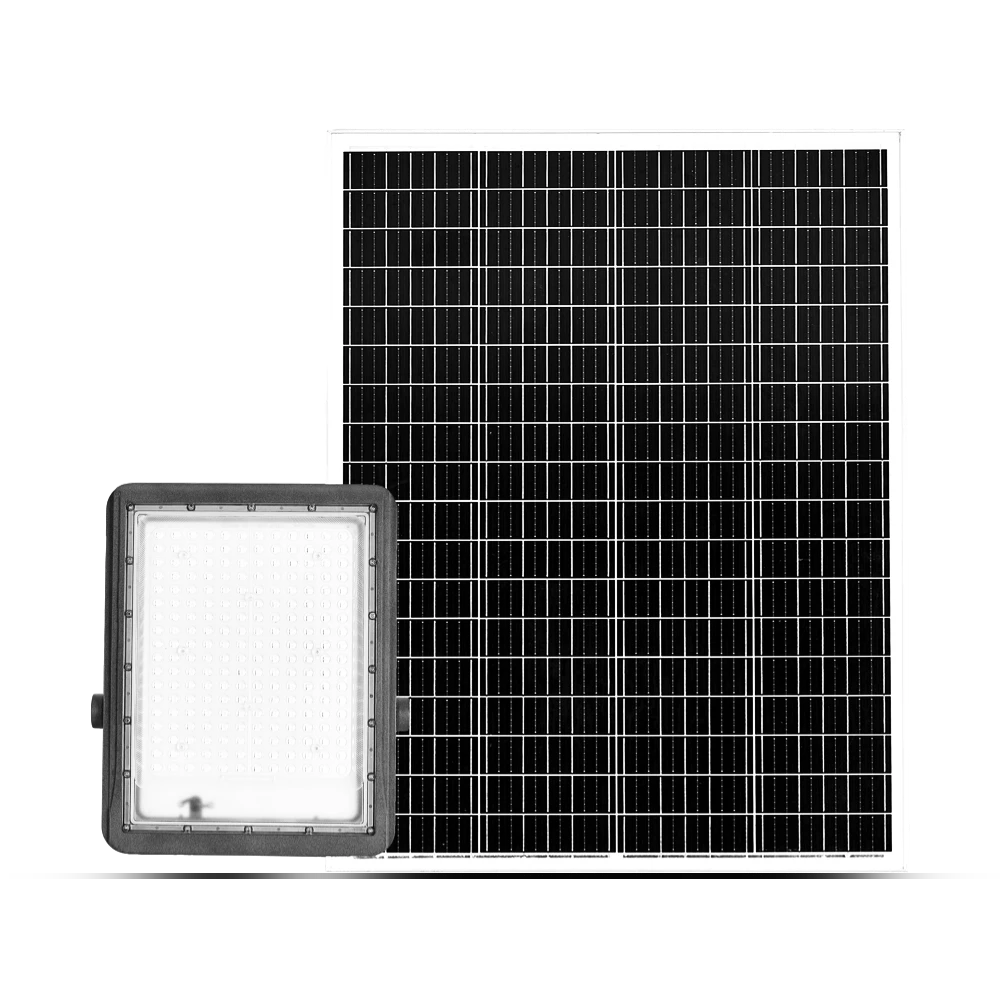
Queneng's Luxian Reliable Solar Street Light offers energy-saving LED lighting for outdoor use. This durable, solar-powered street light provides reliable illumination, reducing energy costs and environmental impact. A perfect solution for sustainable outdoor lighting.
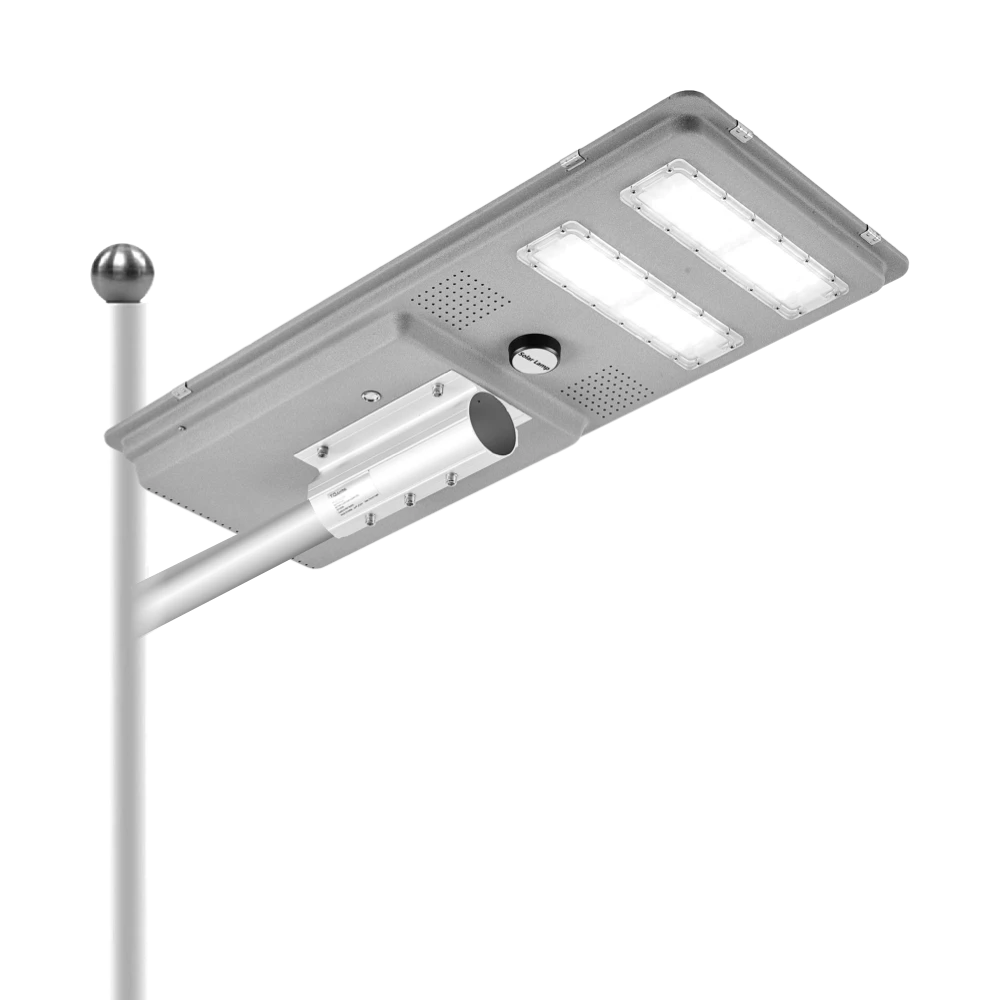
Queneng’s Solar Street Lights are designed to provide reliable, energy-efficient lighting for streets, parks, and other outdoor spaces.
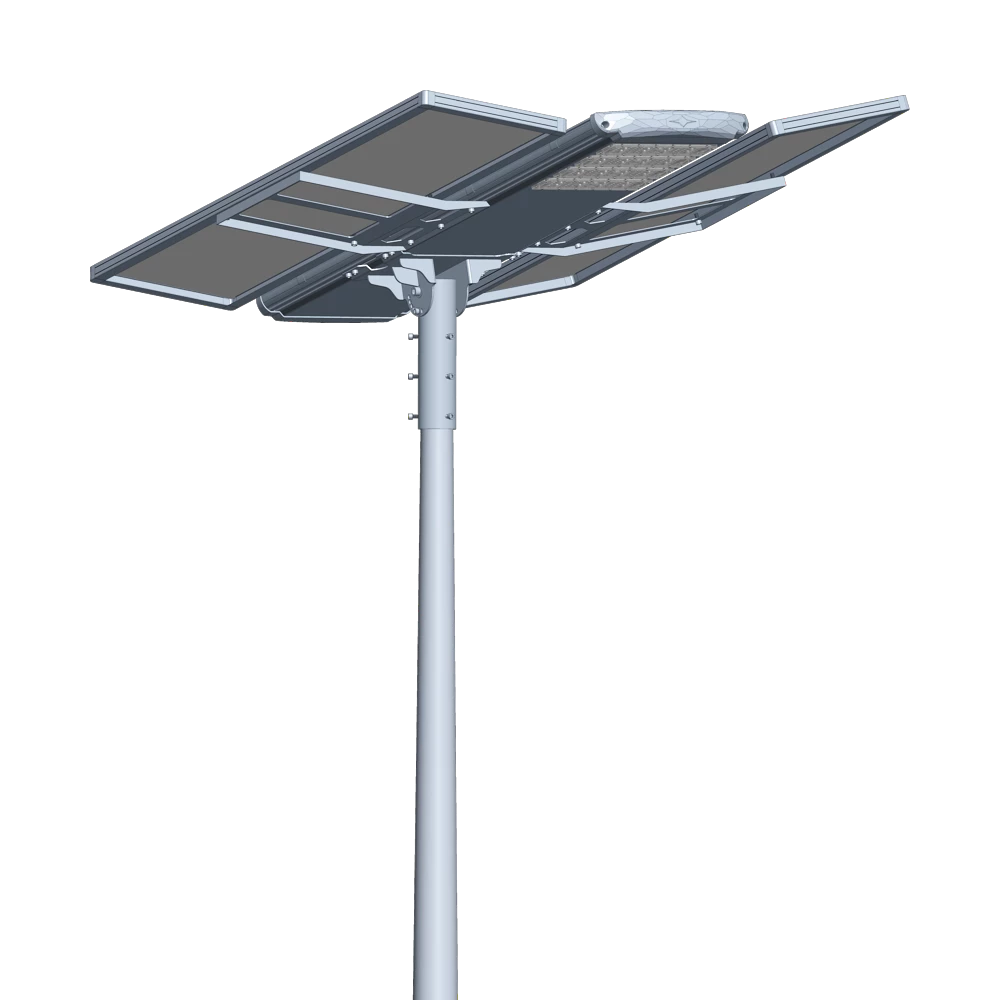
Introducing the Luqing Solar Street Light by Queneng, Efficient LED lighting powered by solar energy is perfect for illuminating outdoor areas. Harness the power of solar energy for sustainable, reliable street lighting. Ideal for eco-friendly, cost-effective outdoor illumination solutions.
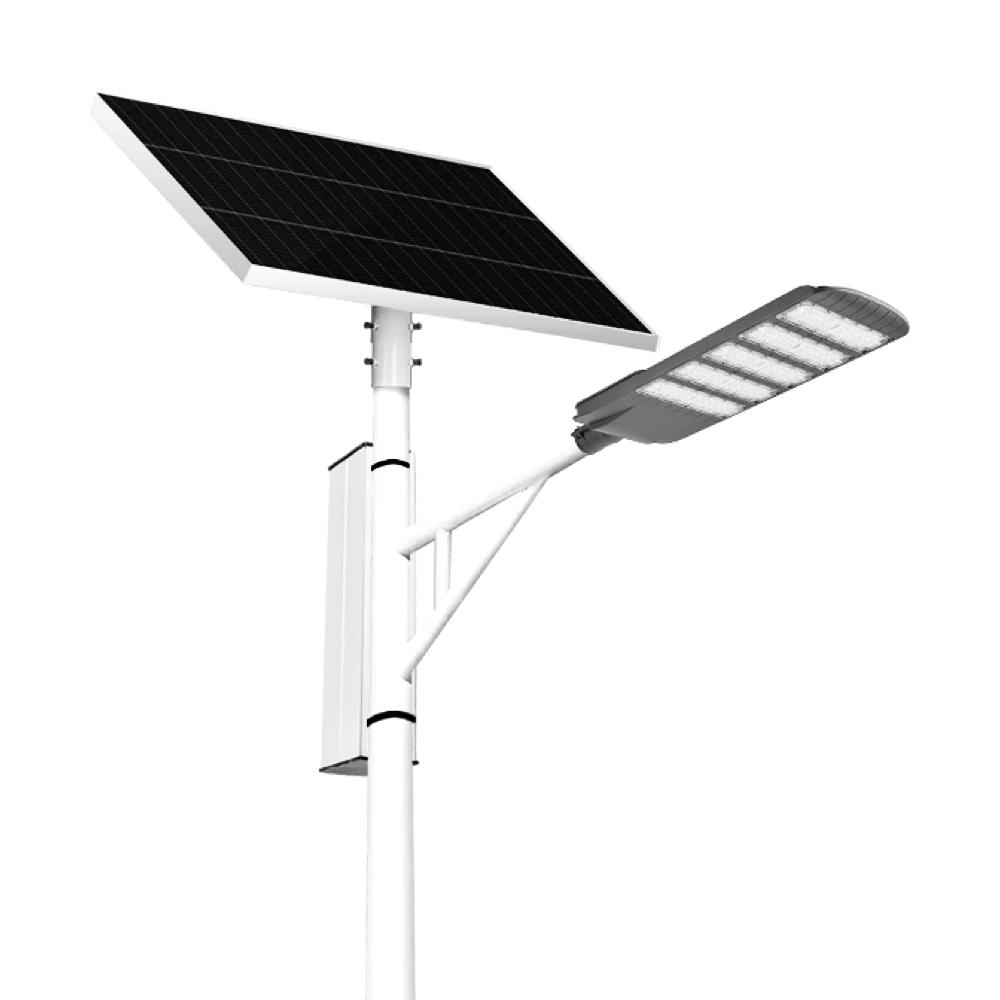
The Solar Streetlights of Luhao for Municipalities are designed to deliver reliable, energy-efficient, and cost-effective public lighting solutions. Equipped with advanced LED technology, durable lithium batteries, and high-efficiency solar panels, these streetlights provide consistent illumination for roads, parks, residential areas, and government projects.
Our professional team is ready to answer any questions and provide personalized support for your project.
You can reach us via phone or email to learn more about Queneng’s solar lighting solutions. We look forward to working with you to promote clean energy solutions!
Rest assured that your privacy is important to us, and all information provided will be handled with the utmost confidentiality.
By clicking 'Send Inquiry Now' I agree to Queneng processing my personal data.
To see how to withdraw your consent, how to control your personal data and how we process it, please see our Privacy Policy and Terms of use.
Schedule a Meeting
Book a date and time that is convenient for you and conduct the session in advance.
Have more questions about our products or services?
The messenger of light & power conversion
Environmental protection and intelligent manufacturing are our brand philosophy, and quality assurance and the best user experience are our eternal promises to users.
CONTACT
No.9F, Building F, Cao San Xin Tian Hong Logistics Park, Guzhen Town, Zhongshan City, Guangdong Province, China.
or write [email protected]
WhatsApp: +86 136 2270 1011


