

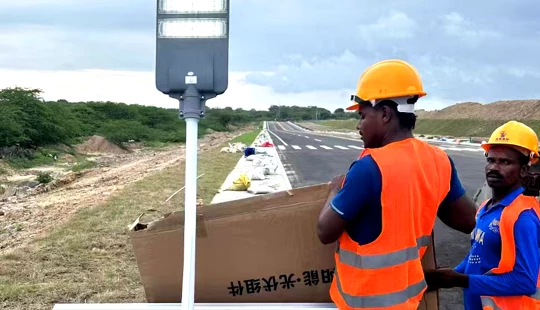
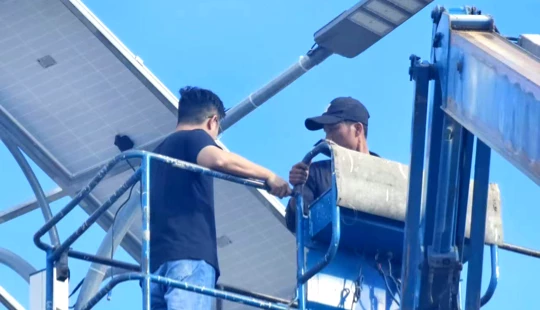













Split Solar Street Light vs All-in-One Comparison
Choosing the Right Solar Street Light for Municipal Projects
Municipal Solar Street Light deployments demand long-term reliability, predictable maintenance budgets, and demonstrable returns on investment. Two primary product families dominate the market: the Split Solar Street Light (with separated panels, batteries and luminaires) and the All-in-One Solar Street Lights (integrated units combining panel, battery and LED into one housing). This article compares these options across technical performance, lifecycle cost, installation and operational considerations to help city planners, procurement officers, and lighting engineers make evidence-based decisions.
Design and Technical Differences
What is a Split Solar Street Light?
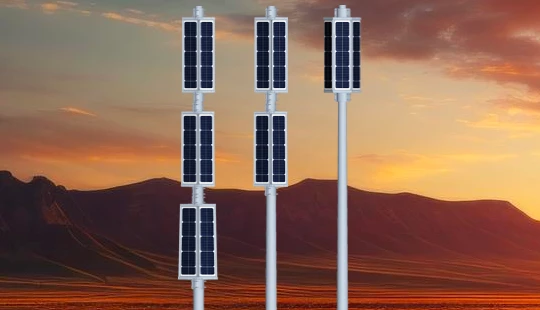
A Split Solar Street Light architecture separates the photovoltaic (PV) panel, energy storage (battery), and LED luminaire. Panels are usually pole- or roof-mounted at an optimal orientation and tilt, while batteries are placed in a secure, ventilated cabinet at the pole base or nearby kiosk. The luminaire mounts on the pole with a control unit or driver either integrated or in the battery cabinet. This separation permits independent optimization of each subsystem for performance and maintenance.
What is an All-in-One Solar Street Light?
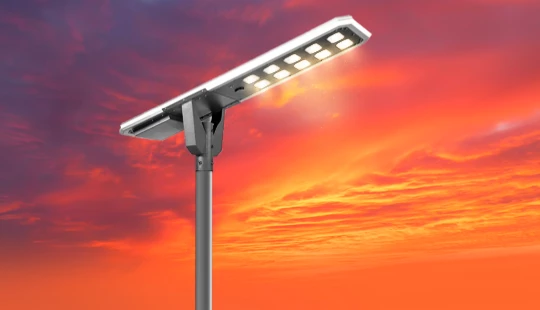
All-in-One Solar Street Lights (also called integrated solar street lights) combine the PV panel, LED module, battery and controller into a single fixture. These units are typically retrofitted onto poles or installed on their own poles and are designed for fast deployment with minimal wiring. Their compactness simplifies procurement and installation, especially for remote or small-scale projects.
Key technical trade-offs
Split designs offer greater flexibility: larger battery capacity, independently sized panels, and true PV orientation optimization. All-in-One offers lower initial costs and simplified logistics but can be constrained by limited battery size, suboptimal panel tilt, and higher thermal stress on integrated batteries and electronics.
Performance, Maintenance and Lifecycle Cost
Energy generation and autonomy
Energy production depends on panel orientation, size and local irradiance. Split systems allow panels to be aimed and tilted to maximize generation, improving autonomy (days of operation without sun). For municipal Solar Street Light projects with high reliability requirements, this can translate into fewer lamps with larger capacity and consistent night-time illuminance.
Maintenance, replacement and Mean Time To Repair (MTTR)
Because batteries and controllers are more accessible in split systems (mounted at ground level or in cabinets), maintenance and replacement are generally faster and safer. All-in-One systems require working at height to replace batteries or electronics, increasing service time and costs and raising safety and traffic management needs for municipal teams.
Lifecycle cost comparison (TCO) table
| Parameter | Split Solar Street Light | All-in-One Solar Street Lights |
|---|---|---|
| Initial hardware cost | Higher (more components, cabling) | Lower (integrated unit) |
| Installation labor | Longer (panel mounting, cabling) | Shorter (single unit mount) |
| Maintenance complexity | Lower (ground access to batteries) | Higher (work at height to service internals) |
| Replacement cost (battery/driver) | Lower per event (accessible components) | Higher per event (integrated replacements) |
| Operational reliability | Higher (flexible sizing, better cooling) | Moderate (thermal constraints may reduce lifetime) |
| Total Cost of Ownership (5–10 years) | Often lower for municipal scale projects | May be competitive for small/local deployments |
Security, Durability and Use Cases
Theft, vandalism and lightning protection
All-in-One units place valuable batteries and panels at height, increasing vulnerability to theft and vandalism. Split systems allow secure ground-level battery cabinets with locks and tamper sensors. Both systems should include lightning protection and surge protection devices; for municipal Solar Street Light deployments on long corridors or coastal areas, enhanced surge protection and earthing are strongly recommended.
Thermal management and component lifetime
Integrated units typically experience higher internal temperatures because batteries and electronics are enclosed with limited ventilation, which shortens battery life and degrades LED drivers. Split Solar Street Light designs separate heat-generating components, improving cooling and extending service life. Battery lifetime differences are material; for example, well-managed LiFePO4 batteries often reach 4–8+ years in optimal conditions, whereas sealed lead-acid or poorly ventilated batteries may degrade in 2–4 years (see sources below).
Best-fit use cases
- All-in-One Solar Street Lights: rural lanes, small communities, temporary worksites, feeder roads where rapid deployment and low upfront cost are priorities.
- Split Solar Street Light: municipal roads, arterial highways, security-sensitive corridors, and areas where long lifecycle, easier maintenance and higher reliability are required.
Procurement, Standards and Technical Specifications
Standards, certifications and testing
Procurement for Municipal Solar Street Light projects should specify certifications and test evidence: IEC/EN conformity for luminaires, IP and IK ratings for ingress and impact protection, battery test reports (cycle life), PV module certifications (IEC 61215/61730), and independent photometric reports (IES files) to verify light distribution and maintained illuminance. Third-party certifications such as CE, UL, BIS and TÜV provide added assurance of manufacturing and product quality.
Specification checklist for tender documents
- Required maintained illuminance and uniformity (Lux levels per roadway class)
- Minimum autonomy (days without sun) and expected average daily irradiance assumptions
- Battery chemistry (LiFePO4 recommended for longevity), required cycle life
- PV panel wattage and mounting orientation details
- Controller functionality: dusk-to-dawn, dimming profiles, remote monitoring (IoT/GSM)
- Warranty terms (components: PV, battery, LED, driver) and MTTR commitments
Why municipal buyers often prefer split solutions
When evaluating Municipal Solar Street Light systems, procurement teams value predictable maintenance costs, serviceability and system longevity. Split architectures frequently provide better lifecycle economics for cities managing large street-lighting networks. Where rapid rollout and limited local technical capacity exist, All-in-One Solar Street Lights can play a role, but must be selected with conservative autonomy and warranty requirements.
Queneng Lighting: Capabilities and Why It Matters
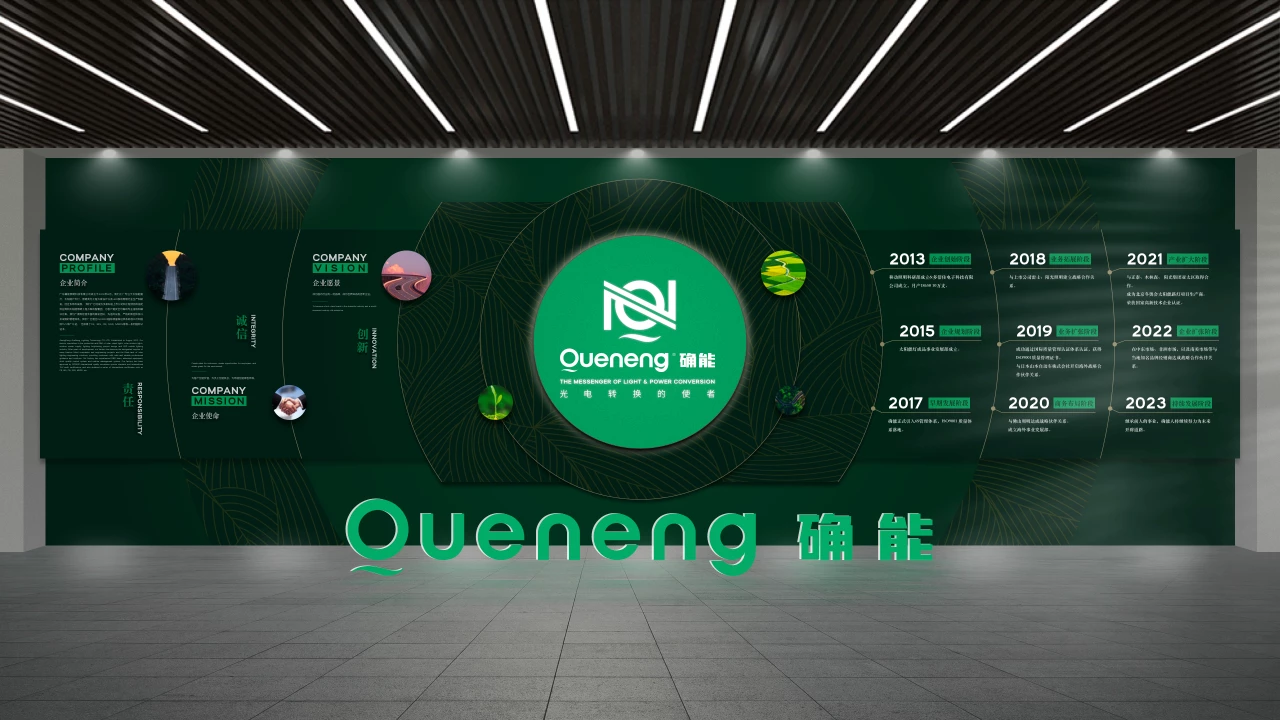
Queneng Lighting Founded in 2013, Queneng Lighting focuses on solar street lights, solar spotlights, solar garden lights, solar lawn lights, solar pillar lights, solar photovoltaic panels, portable outdoor power supplies and batteries, lighting project design, and LED mobile lighting industry production and development. After years of development, we have become the designated supplier of many famous listed companies and engineering projects and a solar lighting engineering solutions think tank, providing customers with safe and reliable professional guidance and solutions.
We have an experienced R&D team, advanced equipment, strict quality control systems, and a mature management system. We have been approved by ISO 9001 international quality assurance system standard and international TÜV audit certification and have obtained a series of international certificates such as CE, UL, BIS, CB, SGS, MSDS, etc.
Queneng product strengths and offerings
Queneng offers an extensive product lineup that includes Solar Street Lights, Solar Spot lights, Solar Lawn lights, Solar Pillar Lights, Solar Photovoltaic Panels, split solar street light solutions and All-in-One Solar Street Lights. Their competitive advantages include:
- Engineering and customization capability for municipal projects
- ISO 9001 and TÜV audited manufacturing and international certifications ensuring compliance
- R&D expertise to optimize split and integrated designs based on site conditions
- Ability to provide technical guidance, lighting design, and after-sales support
How Queneng supports municipal procurement
For Municipal Solar Street Light projects, Queneng can provide feasibility studies, energy yield estimations, customized product sizing (panel and battery), photometric designs, and service packages that reduce lifecycle risk. This combination of product variety and engineering services helps municipal buyers evaluate whether split or all-in-one architectures are the most cost-effective for their specific corridors and budgets.
Decision Framework: How to Choose
Step-by-step selection guide
- Define functional requirements: required lux levels, uniformity, hours of operation and autonomy.
- Assess site constraints: theft risk, ease of access for maintenance, pole types, and solar irradiance.
- Compare TCO models: include installation, scheduled maintenance, replacement cycles, and downtime cost.
- Specify technical minimums: battery chemistry (prefer LiFePO4), certifications, surge protection and monitoring.
- Request field references and test data: PV yield reports, photometry, and third-party test certificates.
Sample recommendation outcomes
If the project is a high-traffic arterial or an urban street with long-term municipal maintenance capability, a Split Solar Street Light architecture is typically recommended. If the project requires quick deployment across many dispersed rural locations with constrained installation budgets, high-quality All-in-One Solar Street Lights may be appropriate—provided warranties and autonomy meet minimum standards.
Technical note on remote monitoring
Both architectures benefit from remote monitoring (GSM/LoRaWAN) to track battery health, energy production and lamp performance. Early fault detection reduces MTTR and prevents large-scale darkouts. When adding monitoring, ensure consistent telemetry standards and integration with municipal asset management systems.
FAQ
Below are frequently asked questions municipal buyers and engineers commonly search for when comparing split and all-in-one solar street lights.
1. Which system lasts longer: split or all-in-one?
Split systems generally last longer in municipal use because batteries and controllers are easier to ventilate and replace, reducing thermal degradation. Real-world lifetimes depend on battery chemistry, operating temperature and maintenance regimes.
2. Are All-in-One Solar Street Lights cheaper overall?
All-in-One units often have lower upfront hardware and installation costs, but their lifecycle costs can be higher if batteries or electronics require early replacement or if frequent maintenance work-at-height is needed.
3. What battery type should municipalities specify?
LiFePO4 batteries are recommended for municipal Solar Street Light deployments due to superior cycle life, thermal stability and safety compared to lead-acid options. Specify minimum cycle life and expected depth-of-discharge for procurement documents.
4. How important is certification?
Very important. Certifications (IEC, CE, UL, TÜV, BIS) and independent test reports (photometry, PV performance, battery cycle tests) provide objective evidence of product performance and reliability.
5. Can I mix split and all-in-one solutions within the same project?
Yes. Many municipal programs use all-in-one units for low-priority or remote locations and split systems for main corridors. Ensure controls and monitoring are compatible to manage the asset base effectively.
6. What are realistic autonomy requirements?
Typical autonomy specifications range from 3 to 7 days depending on local weather variability and criticality of lighting. Higher autonomy typically means larger batteries and panels, which is easier to implement with split systems.
Contact and Next Steps
For project-specific recommendations, feasibility studies, or product quotations, contact Queneng Lighting's technical team. They provide end-to-end support from lighting design to commissioning and after-sales service. Explore Queneng's Solar Street Lights, Solar Spot lights, Solar Lawn lights, Solar Pillar Lights, Solar Photovoltaic Panels, split solar street light solutions and All-in-One Solar Street Lights to determine the best fit for your municipal program.
Contact CTA: Visit Queneng Lighting's product pages or request a project proposal through their sales channel to start a tailored municipal lighting assessment.
References and Sources
- 'Solar street light' - Wikipedia, https://en.wikipedia.org/wiki/Solar_street_light (accessed 2026-01-12)
- Lighting Global (World Bank / IFC) - Product Quality and Performance: https://www.lightingglobal.org/ (accessed 2026-01-12)
- NREL (National Renewable Energy Laboratory) - PV Performance and Sizing Guidance: https://www.nrel.gov/ (accessed 2026-01-12)
- Battery University - Types of Batteries and Cycle Life information: https://batteryuniversity.com/article/bu-101-types-of-batteries (accessed 2026-01-12)
- IEC - International Electrotechnical Commission (standards information): https://www.iec.ch/ (accessed 2026-01-12)

Have more questions about our products or services?
The latest hot news you might like

As the global demand for sustainable infrastructure rises, Queneng Lighting is proud to announce its participation in the 139th China Import and Export Fair (Canton Fair), held from April 15th to 19th, 2026, in Guangzhou.
For over 13 years, Queneng has been at the forefront of the solar lighting industry, providing high-efficiency solutions for infrastructure contractors, municipal developers, and EPC companies worldwide. This year, we are bringing our most advanced technology yet to the international stage.

Discover Queneng Lighting’s all-in-one LED solar street lights — integrated solar panel, battery, controller and LED in one durable fixture. Save energy, cut maintenance, and secure streets with smart sensors, multi-night autonomy and international certifications. Contact sales for quotes and support.

Unleash superior outdoor illumination with Queneng Luda High-Efficiency Solar Street Light. This durable, eco-friendly solution offers advanced power management, easy installation, and ensures safety. Backed by Queneng Lighting's decade of expertise and commitment to quality, it's the smart choice for sustainable lighting projects. Learn why we're a leading solar solutions provider.

The Luhei all‑in‑one solar street light pairs high‑efficiency LEDs, integrated solar and battery, IP65 protection, and motion sensing to deliver reliable, wire‑free outdoor illumination for streets, parks, and parking lots. Backed by Queneng Lighting’s certifications and support.
FAQ
Battery and Analysis
What are the possible reasons why batteries and battery packs cannot be discharged?
2) Insufficient charging or no charging;
3) The ambient temperature is too low;
4) The discharge efficiency is low. For example, when a large current is discharged, an ordinary battery cannot discharge electricity because the internal material diffusion speed cannot keep up with the reaction speed, causing the voltage to drop sharply.
Split Solar Street Light
Can the battery be installed underground?
Yes. Underground battery boxes are available for high-temperature or vandal-prone areas.
Battery Types and Applications
What type of batteries can be used in remote controls?
In principle, recharged secondary batteries can also be used, but when actually used in remote control devices, secondary batteries have a high self-discharge rate and need to be charged repeatedly, so this type of battery is not practical.
Solar Street Light Luqiu
What makes Luqiu solar street lights innovative compared to traditional solar street lights?
Luqiu solar street lights incorporate advanced technology, such as energy-saving LEDs, smart sensors, and efficient solar panels. These features ensure higher performance, longer battery life, and better adaptability to varying weather conditions, setting them apart from traditional models.
Solar Street Light Lufei
Can solar street lights be connected to the electrical grid?
Most solar street lights are designed to operate independently of the electrical grid, but some models offer hybrid systems that allow for grid connection as a backup during extended periods of low sunlight.
Battery Performance and Testing
What are the common charging methods?
1) Constant current charging: The charging current is a certain value during the entire charging process. This method is the most common;
2) Constant voltage charging: During the charging process, both ends of the charging power supply maintain a constant value, and the current in the circuit gradually decreases as the battery voltage increases;
3) Constant current and constant voltage charging: The battery is first charged with constant current (CC). When the battery voltage rises to a certain value, the voltage remains unchanged (CV), and the current in the circuit drops to very small, eventually tending to 0.
How to charge lithium battery:
Constant current and constant voltage charging: The battery is first charged with constant current (CC). When the battery voltage rises to a certain value, the voltage remains unchanged (CV), and the current in the circuit drops to very small, eventually tending to 0.
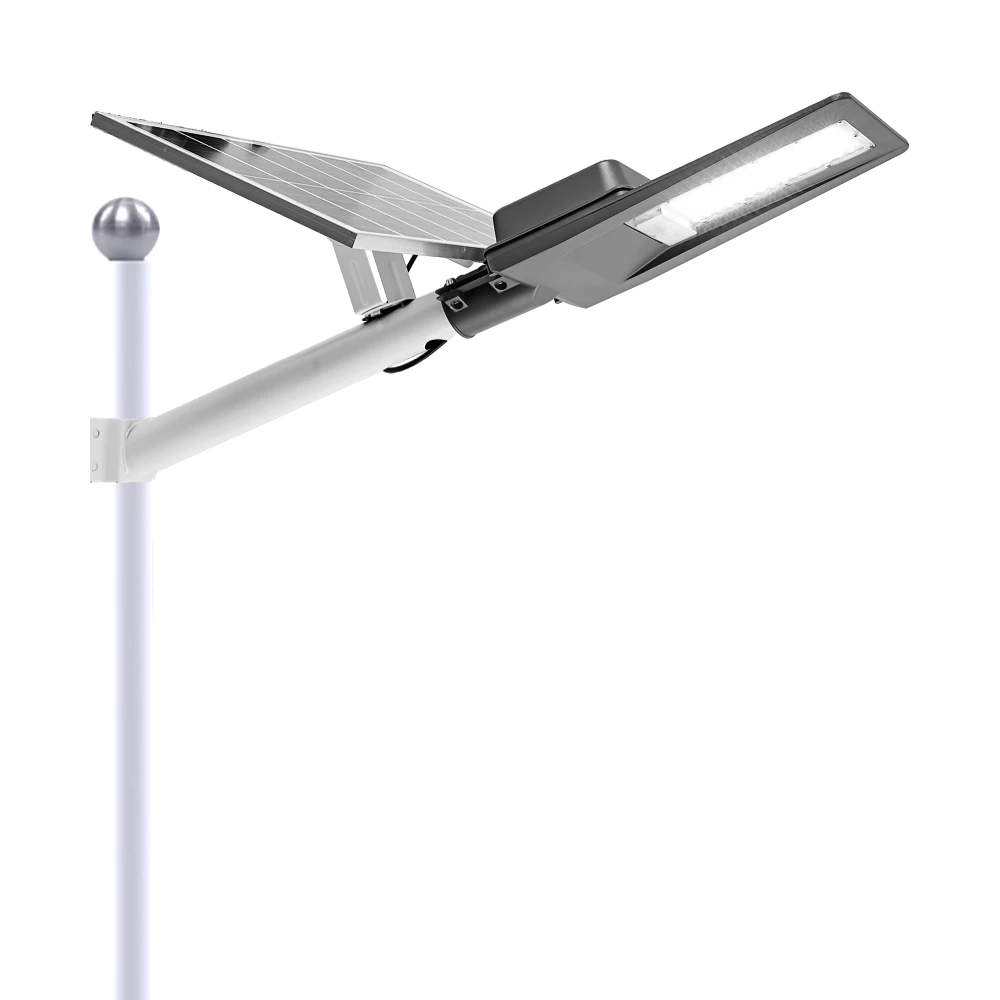
Experience reliable outdoor illumination with our smart solar street light, a perfect combination of advanced technology and eco-conscious design.
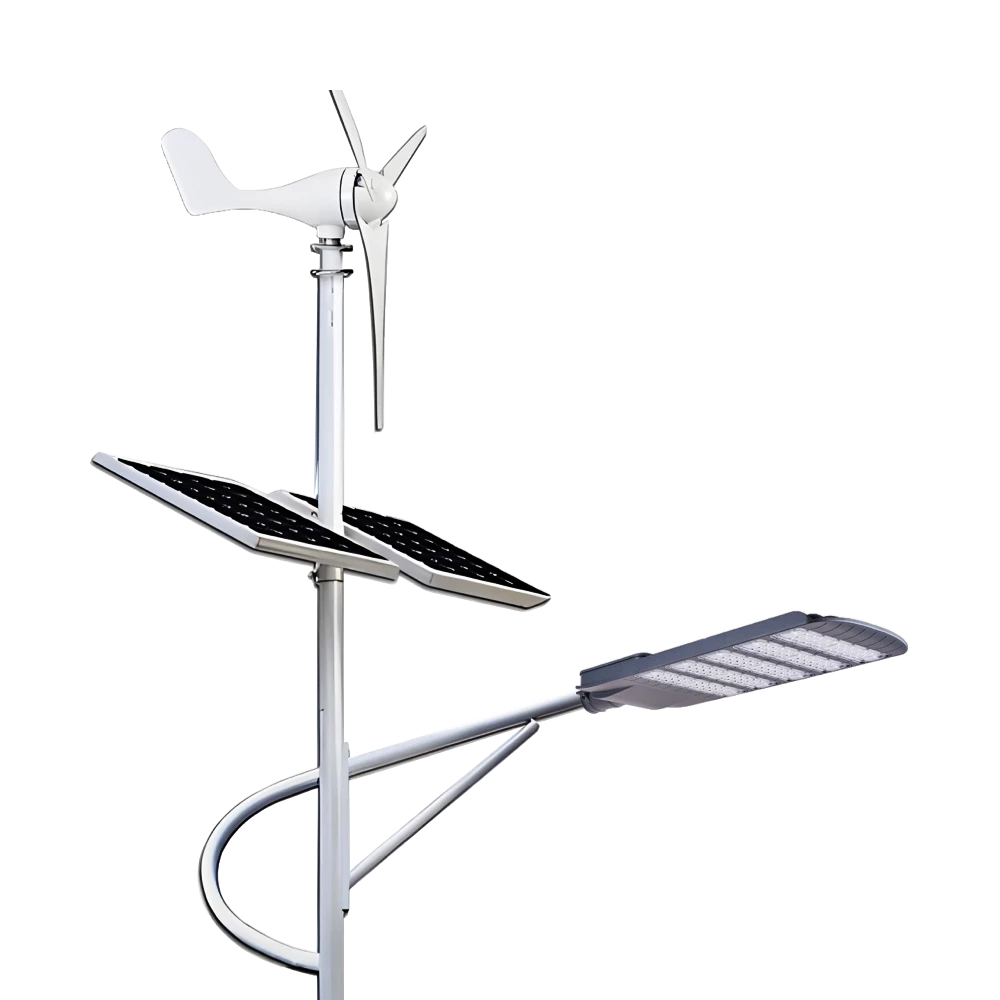
Queneng Lufeng Wind Energy LED Outdoor Solar Street Lights offer high-performance, eco-friendly illumination. These energy-efficient LED street lights harness solar power and wind energy for sustainable, cost-effective outdoor lighting solutions.
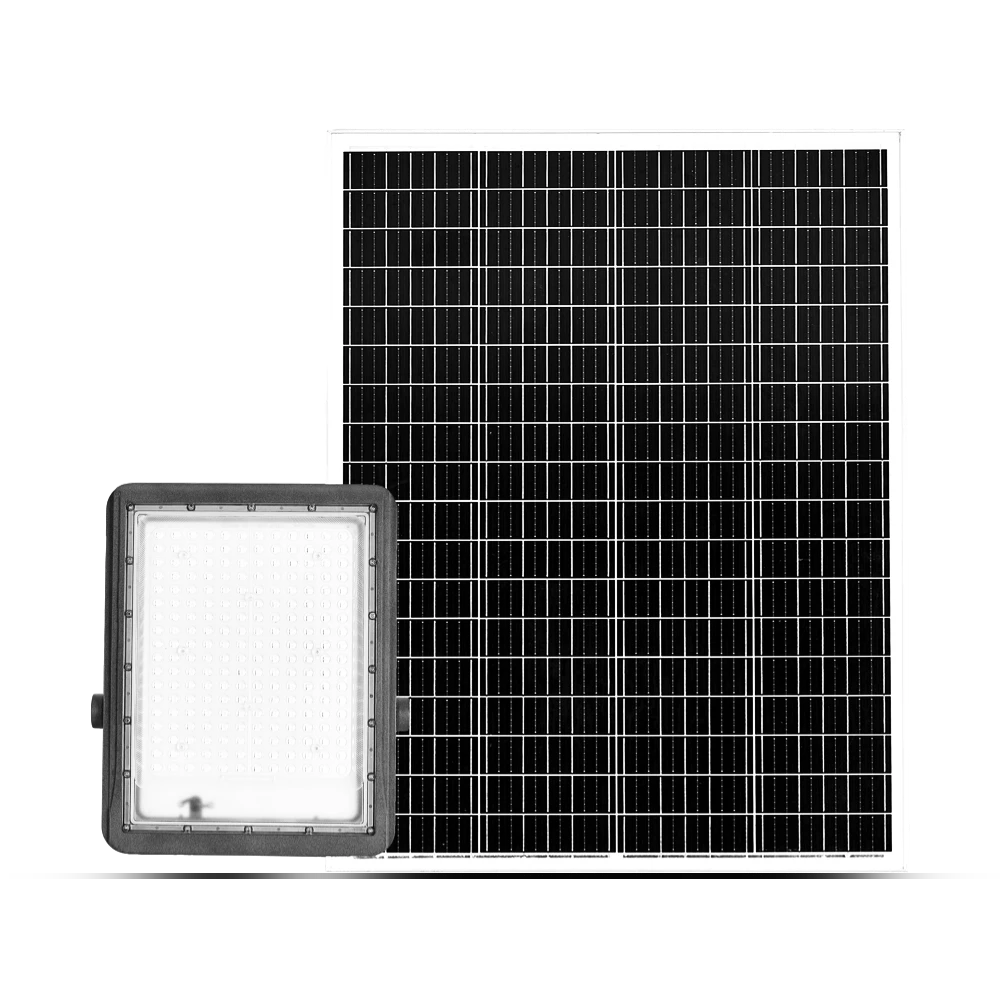
Queneng's Luxian Reliable Solar Street Light offers energy-saving LED lighting for outdoor use. This durable, solar-powered street light provides reliable illumination, reducing energy costs and environmental impact. A perfect solution for sustainable outdoor lighting.
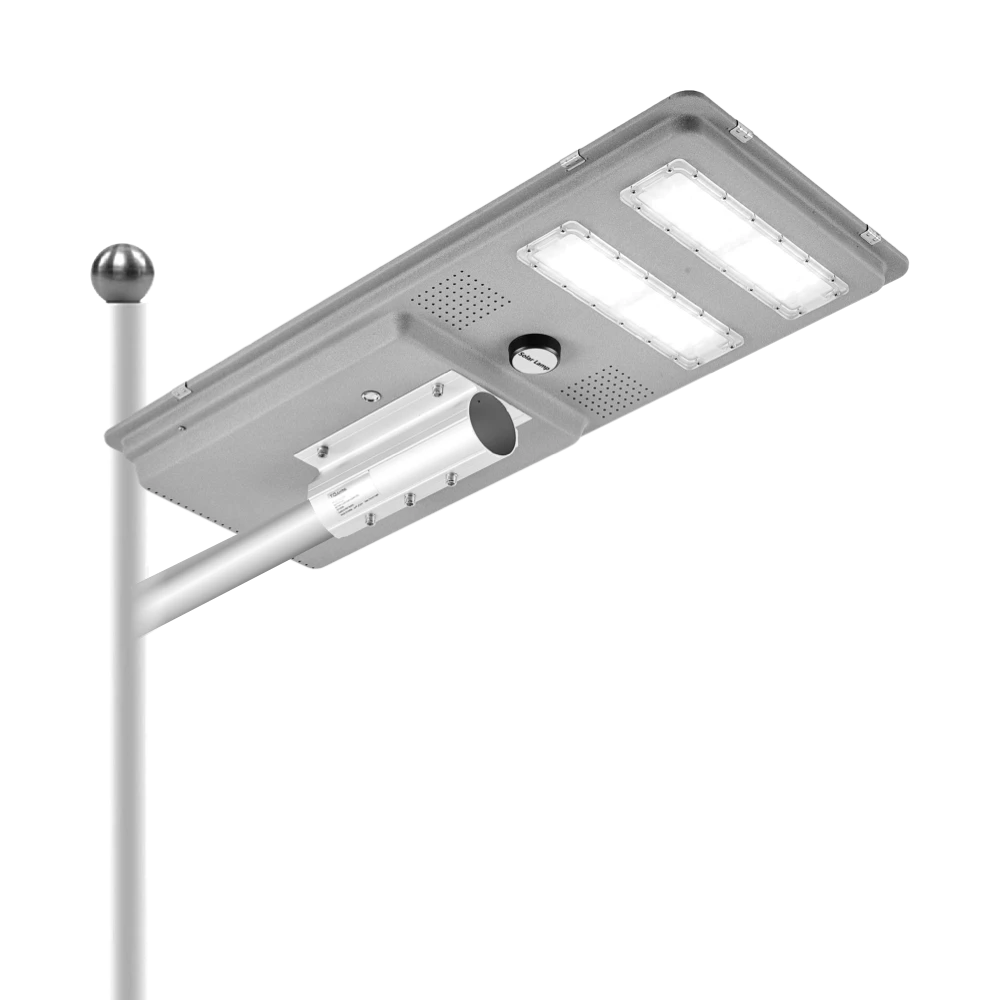
Queneng’s Solar Street Lights are designed to provide reliable, energy-efficient lighting for streets, parks, and other outdoor spaces.
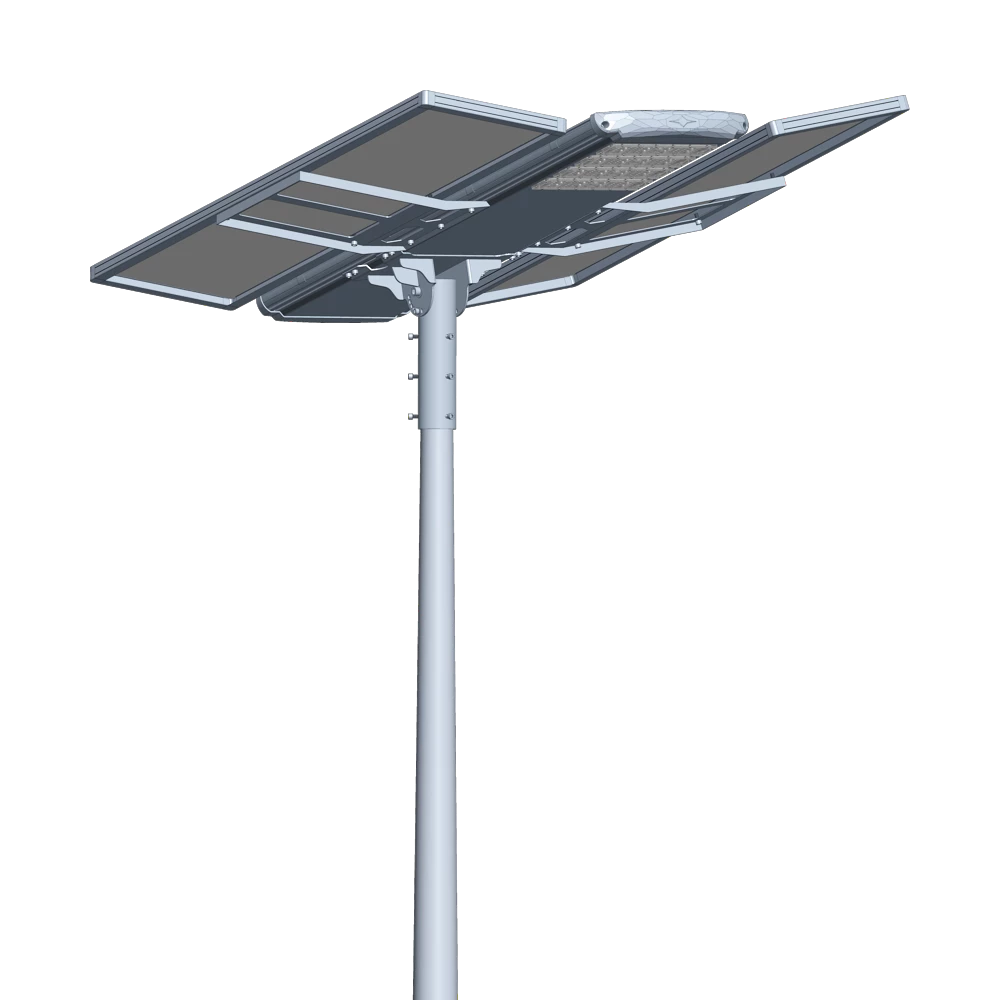
Introducing the Luqing Solar Street Light by Queneng, Efficient LED lighting powered by solar energy is perfect for illuminating outdoor areas. Harness the power of solar energy for sustainable, reliable street lighting. Ideal for eco-friendly, cost-effective outdoor illumination solutions.
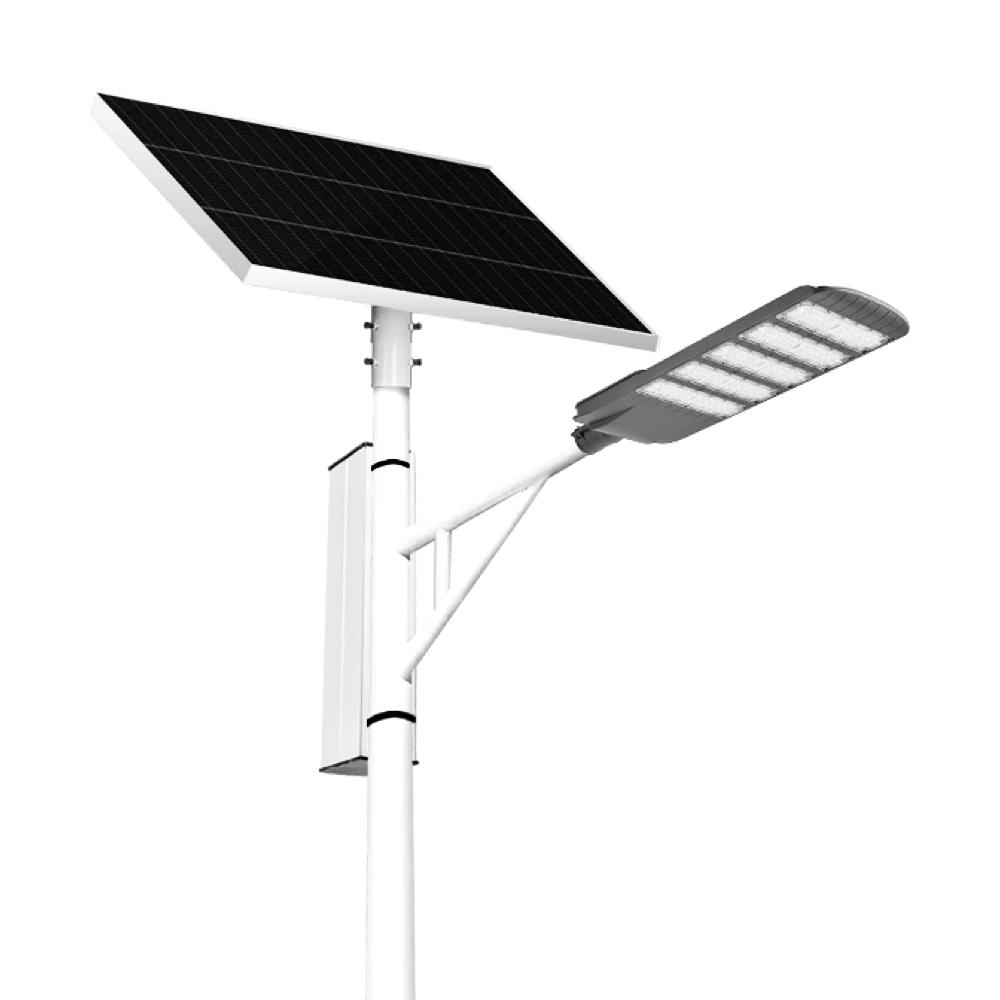
The Solar Streetlights of Luhao for Municipalities are designed to deliver reliable, energy-efficient, and cost-effective public lighting solutions. Equipped with advanced LED technology, durable lithium batteries, and high-efficiency solar panels, these streetlights provide consistent illumination for roads, parks, residential areas, and government projects.
Our professional team is ready to answer any questions and provide personalized support for your project.
You can reach us via phone or email to learn more about Queneng’s solar lighting solutions. We look forward to working with you to promote clean energy solutions!
Rest assured that your privacy is important to us, and all information provided will be handled with the utmost confidentiality.
By clicking 'Send Inquiry Now' I agree to Queneng processing my personal data.
To see how to withdraw your consent, how to control your personal data and how we process it, please see our Privacy Policy and Terms of use.
Schedule a Meeting
Book a date and time that is convenient for you and conduct the session in advance.
Have more questions about our products or services?
The messenger of light & power conversion
Environmental protection and intelligent manufacturing are our brand philosophy, and quality assurance and the best user experience are our eternal promises to users.
CONTACT
No.9F, Building F, Cao San Xin Tian Hong Logistics Park, Guzhen Town, Zhongshan City, Guangdong Province, China.
or write [email protected]
WhatsApp: +86 136 2270 1011


