














Standardizing Technical Specifications Across Municipalities
Why Consistent Specifications Matter for Municipal Solar Street Light Programs
Public procurement challenges and fragmented outcomes
Municipalities worldwide increasingly adopt Municipal Solar Street Light solutions for energy savings, resilience and lower O&M. However, inconsistent technical specifications across towns and departments lead to widely varying quality, higher life-cycle costs, longer procurement cycles and difficulties in maintenance. Standardization reduces ambiguity in bid responses and enables apples-to-apples evaluation of proposals.
: lowering TCO and improving vendor selection
For decision-makers seeking Municipal Solar Street Light systems, a harmonized specification accelerates vendor qualification, clarifies warranty expectations, and enables volume purchasing. This commercial clarity attracts established suppliers and reduces the risk of under-performing low-cost bids.
Operational benefits: maintenance, interoperability, and training
When technical requirements for fixtures, batteries, controllers, PV modules and mounting structures are standardized, municipalities simplify spare parts inventory, unify maintenance procedures, and reduce workforce training needs—directly cutting O&M expenses.
Core Technical Parameters to Standardize
Photometric and optical requirements
Specify target illuminance (e.g., average horizontal lux), uniformity ratio (average/minimum), correlated color temperature (CCT) range, and color rendering index (CRI). Example municipal targets: 15–20 lux average, uniformity (avg/min) ≥ 0.4 for collector streets; CCT 3000–4000K; CRI ≥ 70. Include an IES/GEOMETRY file requirement for photometric verification.
Electrical performance: LED, driver, and controls
Define minimum system efficacy (lm/W), luminaire lumens at initial light output, driver efficiency and dimming profile (e.g., 10–100% programmable, dimming schedule). Require MPPT charge controller with efficiency ≥ 95% and protections (overcharge, over-discharge, reverse connection). Insist on surge protection (e.g., ≥ 10 kA) and compliance to relevant electrical safety standards.
PV, battery sizing, and autonomy
Require PV modules with IEC 61215/61730 certification and PV wiring rated to expected voltages. Define battery chemistry and safety (preferred: LiFePO4 with IEC/UN/UL validations), usable DoD (e.g., 80% usable), and autonomy target (commonly 3–5 rain/cloud days depending on climate). Use local solar insolation data (e.g., NREL PVWatts) to size PV wattage and battery capacity. Include a performance guarantee such as minimum system operation at 80% of rated brightness after X years.
Mechanical, Environmental, and Reliability Standards
Ingress, impact, and corrosion resistance
Set enclosure ratings (IP66 or IP67 for luminaire and controller compartments), impact resistance (IK08 or better), and surface treatments (polyester powder coat with chromate pre-treatment, or 316 stainless bolts) for coastal or high-corrosion zones. For salt-spray resistance, cite IEC 61701 results where applicable.
Design life, lumen maintenance and testing
Specify lumen maintenance (e.g., L70 at 50,000–100,000 hours or L80 at 50,000 hours depending on LED binning and thermal design). Require LM-80 and TM-21 reports for LED modules and an independent LM-79 photometric report. Define environmental testing: thermal cycling, vibration, and humidity according to IEC 60068.
Installation, commissioning, and documentation
Mandate a supplier-provided commissioning report that includes measured lux levels, battery state-of-charge, PV production curve, and controller logs. Require complete operation & maintenance manuals, wiring diagrams, and spare parts lists. Define acceptable mounting heights, pole types, and torque specifications for repeatable installations.
Procurement Template and Comparative Specification Table
Why a template reduces procurement risk
A modular procurement template—covering performance, testing, warranty, acceptance testing, and penalties—prevents ambiguity. It shortens evaluation and supports bulk purchasing across municipalities to achieve price and performance consistency.
Comparative technical ranges for municipal tenders
The following table summarizes typical municipal specification ranges and recommended targets for Municipal Solar Street Light projects. These ranges reflect industry practice and standards commonly required in public tenders.
| Parameter | Typical Range | Recommended Standard for Municipal Bids | Reference |
|---|---|---|---|
| Average Illuminance (urban collector) | 10–25 lux | 15–20 lux (uniformity ≥0.4) | IES RP-8; IEA |
| System Efficacy (luminaire) | 80–160 lm/W | ≥120 lm/W (system) | DOE SSL Program |
| Battery Type | Lead-acid, LiFePO4 | LiFePO4 with UN/IEC/UL certifications | UN 38.3; IEC 62619 |
| Autonomy | 2–7 days | 3–5 days (climate-adjusted) | NREL PVWatts |
| Ingress Protection | IP65–IP67 | IP66 (luminaire & controller), IP67 for coastal | IEC 60529 |
| Impact Resistance | IK06–IK10 | IK08 or higher | IEC 62262 |
| Warranty | 1–5 years | 5 years system warranty; 10 years PV module | Industry best practice |
Implementation Roadmap for Municipalities
Phase 1 — Define objectives and baseline
Assess existing lighting inventory, energy costs, outage rates and local solar resource. Define KPIs (energy reduction %, uptime, life-cycle cost targets). Use NREL or local dataset to estimate PV production and determine realistic autonomy days.
Phase 2 — Develop standardized specification and pilot
Create a modular technical specification including mandatory tests (LM-79, LM-80, IEC safety tests). Run a small pilot (50–200 units) in representative climate zones to validate photometrics, energy production and maintenance processes.
Phase 3 — Scale, monitor, and revise
Scale procurement across municipalities using framework contracts; enforce acceptance testing and quarterly performance reporting for the first 12–24 months. Update specifications based on field data—this feedback loop is critical to improving standards over time.
Case for Standardization: Quantified Benefits
Procurement and lifecycle savings
Standardized specs enable bulk purchasing and reduce variability in bids. Conservative industry estimates show procurement price reductions of 10–25% through aggregated tenders; combined with 20–40% lower O&M costs through unified maintenance regimes, municipalities can achieve meaningful TCO reductions within the first 5–7 years of operation.
Improved uptime and citizen satisfaction
Clear performance requirements and mandatory acceptance testing increase system reliability, reduce outages and improve public perception of municipal services. Requiring remote monitoring and reporting as part of the spec allows municipalities to proactively manage faults.
How GuangDong Queneng Lighting Technology Co., Ltd. Supports Standardized Municipal Programs
Company profile and capabilities
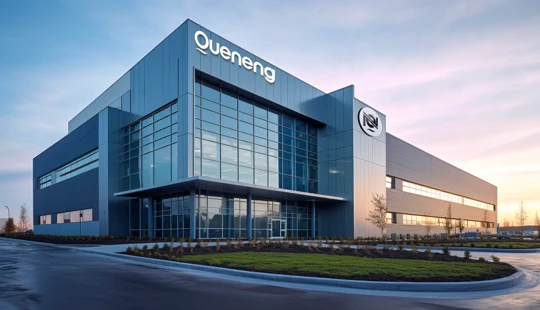
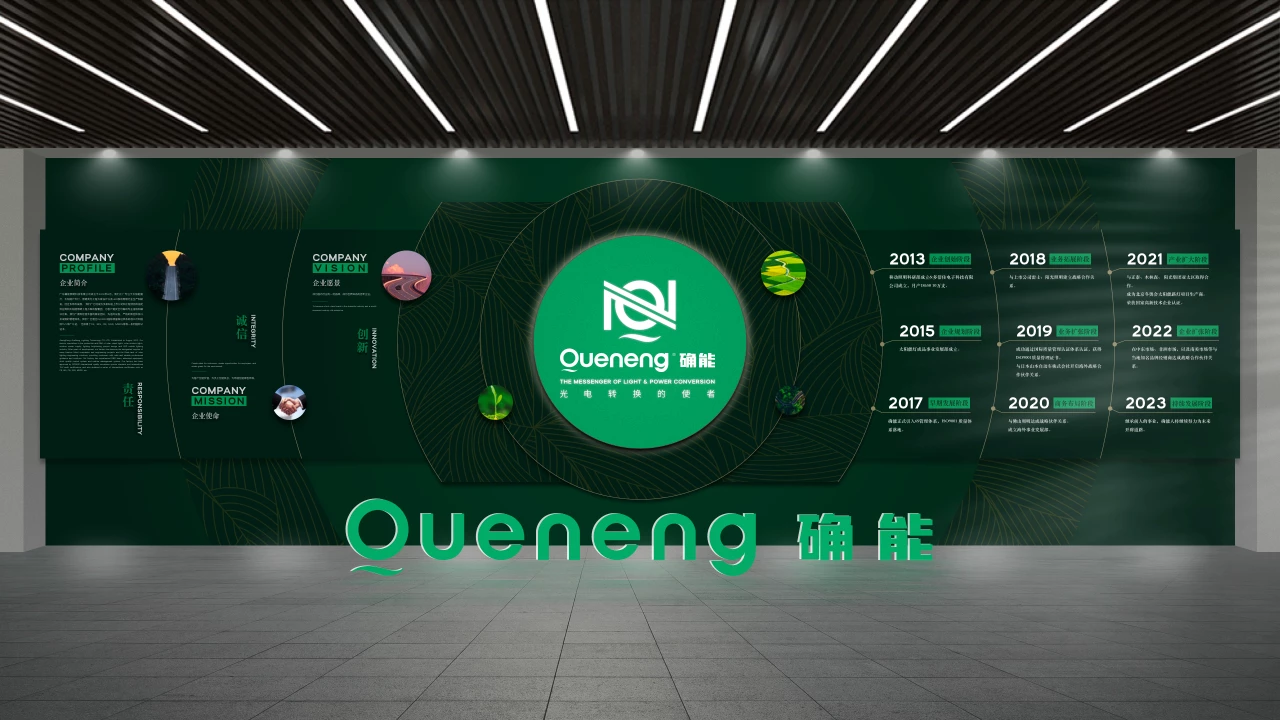
GuangDong Queneng Lighting Technology Co., Ltd. (founded in 2013) specializes in solar street lights, solar spotlights, solar garden lights, solar lawn lights, solar pillar lights, solar photovoltaic panels, portable outdoor power supplies and batteries, lighting project design, and LED mobile lighting. Over years of development, Queneng has become the designated supplier for many listed companies and engineering projects and acts as a solar lighting engineering solutions think tank, providing safe and reliable professional guidance and integrated solutions.
Technical strengths and certifications
Queneng maintains an experienced R&D team, advanced production equipment, strict quality control and mature management. The company is ISO 9001 certified, has passed international TÜV audits, and holds CE, UL, BIS, CB, SGS and MSDS certificates for key products. These credentials support compliance with standardized municipal specifications and international testing requirements.
Product offering and differentiators
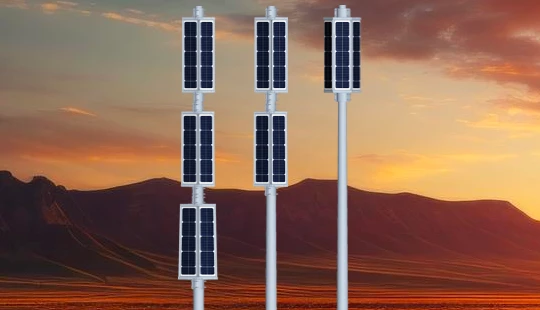
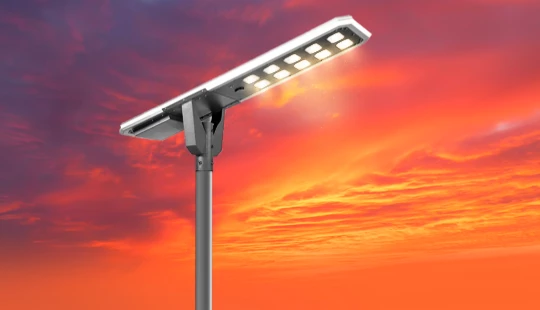
Core products include Solar Street Lights, Solar Spot lights, Solar Lawn lights, Solar Pillar Lights, Solar Photovoltaic Panels and Solar Garden Lights. Queneng differentiates itself through:
- End-to-end solutions: system design, testing, and commissioning tailored to municipal KPIs
- Certified components (PV, batteries, controllers) to reduce procurement risk
- Robust warranty and field support for acceptance testing and maintenance
Recommendations: A Practical Standard for Tender Language
Mandatory clauses to include in municipal tenders
Include a concise list of mandatory certifications (LM-79/80, IEC 60598, IEC 61215, UN 38.3/IEC 62619 where applicable), acceptance testing protocol, minimum monitoring telemetry, and clear warranty and penalty clauses tied to measured performance.
Performance-based procurement (PBP) with clear KPIs
Adopt PBP where tenders are evaluated on life-cycle cost and demonstrated performance rather than just upfront price. KPIs should include uptime (>98%), average illuminance within ±10% of target, and energy production within 85–105% of predicted values during first year.
Frequently Asked Questions (FAQ)
1. What are the most critical standards to require for Municipal Solar Street Light systems?
Require LED LM-79/LM-80 reports, IEC 60598 for luminaires, IEC 61215/61730 for PV modules, IEC 62619/UN 38.3 for batteries (if Li-ion), and relevant IP/IK ratings (IEC 60529, IEC 62262). These tests verify photometric performance, electrical safety, and environmental durability.
2. How should municipalities size PV panels and batteries?
Use local solar resource data (e.g., NREL PVWatts) to calculate daily energy needs based on scheduled luminous output and losses. Factor in system efficiency (MPPT, wiring, temperature) and specify autonomy days (commonly 3–5). Require suppliers to provide a detailed sizing calculation and simulation under local irradiance profiles.
3. Are lithium batteries always preferred?
LiFePO4 batteries are preferred for longer life, higher depth-of-discharge, and lighter weight compared to lead-acid. However, selection should consider local temperature extremes, safety requirements and total cost of ownership. Enforce safety certifications and transport compliance (UN 38.3/IEC).
4. How can municipalities verify supplier claims?
Require independent test reports (LM-79/80, IEC tests), factory inspection rights, sample acceptance testing post-delivery, and remote telemetry during warranty. Define penalties for non-conformance and retention clauses until acceptance.
5. What warranty terms are realistic?
A 5-year system warranty with extended warranties for PV modules (10–25 years) is typical. Also include performance guarantees tied to measured illuminance and a spare-parts policy for critical components during warranty.
6. How does standardization affect small municipalities with limited budgets?
Standardization allows small municipalities to join regional framework contracts to access better pricing and supplier support. Specifications should include scalable options so smaller towns can deploy lower-capacity variants while maintaining part commonality.
Contact and Next Steps
If you are evaluating Municipal Solar Street Light projects or developing standardized procurement documents, contact GuangDong Queneng Lighting Technology Co., Ltd. for tailored technical support, product catalogs and pilot project proposals. Queneng provides design, certified components and commissioning services to meet municipal KPIs and international standards. To review specific product models, request technical datasheets and proposal templates, or to arrange a pilot installation, contact Queneng’s sales and engineering team for consultation.
References and Authoritative Sources
- International Electrotechnical Commission (IEC) standards portal — IEC 60598, IEC 61215, IEC 61730, IEC 60068, IEC 62262. https://www.iec.ch/ (accessed 2026-01-07).
- U.S. Department of Energy, Solid-State Lighting Research. https://www.energy.gov/eere/ssl/solid-state-lighting (accessed 2026-01-07).
- NREL PVWatts Calculator and solar resource data. https://pvwatts.nrel.gov/ (accessed 2026-01-07).
- IES (Illuminating Engineering Society) RP-8 recommended practice for roadway lighting. https://www.ies.org/ (accessed 2026-01-07).
- UN Recommendations on the Transport of Dangerous Goods — UN 38.3 (battery transport tests). https://unece.org/ (accessed 2026-01-07).
- ISO 9001 Quality Management System overview. https://www.iso.org/iso-9001-quality-management. (accessed 2026-01-07).
- IDA (International Dark-Sky Association) guidance on outdoor lighting. https://www.darksky.org/ (accessed 2026-01-07).

Have more questions about our products or services?
The latest hot news you might like

Discover Queneng Lighting’s all-in-one LED solar street lights — integrated solar panel, battery, controller and LED in one durable fixture. Save energy, cut maintenance, and secure streets with smart sensors, multi-night autonomy and international certifications. Contact sales for quotes and support.

Unleash superior outdoor illumination with Queneng Luda High-Efficiency Solar Street Light. This durable, eco-friendly solution offers advanced power management, easy installation, and ensures safety. Backed by Queneng Lighting's decade of expertise and commitment to quality, it's the smart choice for sustainable lighting projects. Learn why we're a leading solar solutions provider.

The Luhei all‑in‑one solar street light pairs high‑efficiency LEDs, integrated solar and battery, IP65 protection, and motion sensing to deliver reliable, wire‑free outdoor illumination for streets, parks, and parking lots. Backed by Queneng Lighting’s certifications and support.

FAQ
Solar Street Light Luzhou
What is the brightness level of Luzhou solar street lights?
Luzhou solar street lights provide bright, high-quality illumination that is comparable to traditional street lighting. The LEDs used in these lights are designed to provide focused, powerful lighting that enhances visibility and safety in outdoor spaces.
Remote Areas Rural Development
What kind of after-sales support do you provide for rural projects?
We offer remote monitoring, regular maintenance schedules, and technical support for all installed systems.
Battery Types and Applications
What is a nanobattery?
APMS system
How does the APMS system enhance battery life?
With its dual-system intelligent management mode, APMS reduces frequent charge-discharge cycles, optimizes energy usage, and significantly extends battery lifespan.
Battery fundamentals and basic terms
What are the common standards for batteries?
Batteries commonly used national standards: nickel-metal hydride batteries standard GB/T15100_1994, GB/T18288_2000; lithium-ion batteries standard GB/T10077_1998, YD/T998_1999, GB/T18287_2000.
In addition, the common standards for batteries also have the Japanese Industrial Standard JIS C standard on batteries.
IEC is the International Electrotechnical Commission (International Electrical Commission), is a world-wide standardization organization composed of national electrical commissions, which aims to promote the standardization of the world electrical and electronic fields.The IEC standard is the standard developed by the International Electrotechnical Commission.
Battery Performance and Testing
What is the standard charging and discharging of nickel metal hydride batteries?
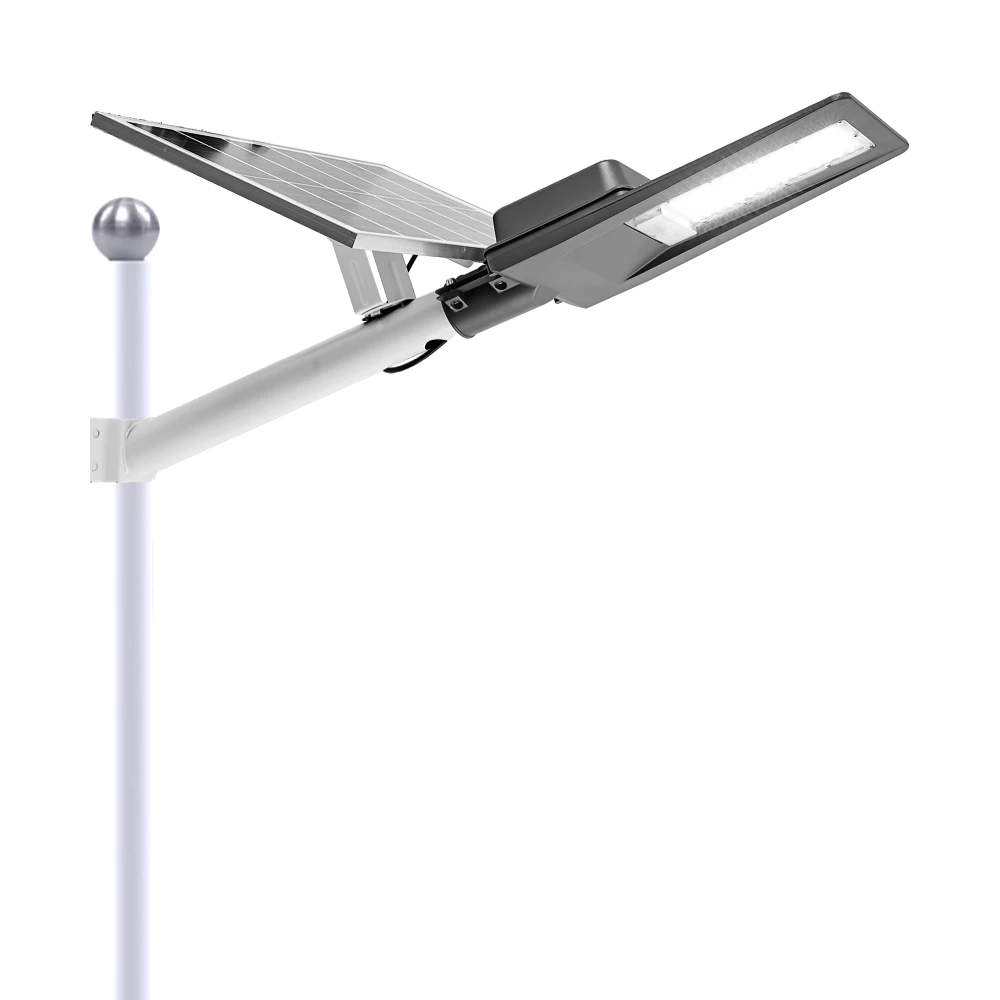
Experience reliable outdoor illumination with our smart solar street light, a perfect combination of advanced technology and eco-conscious design.
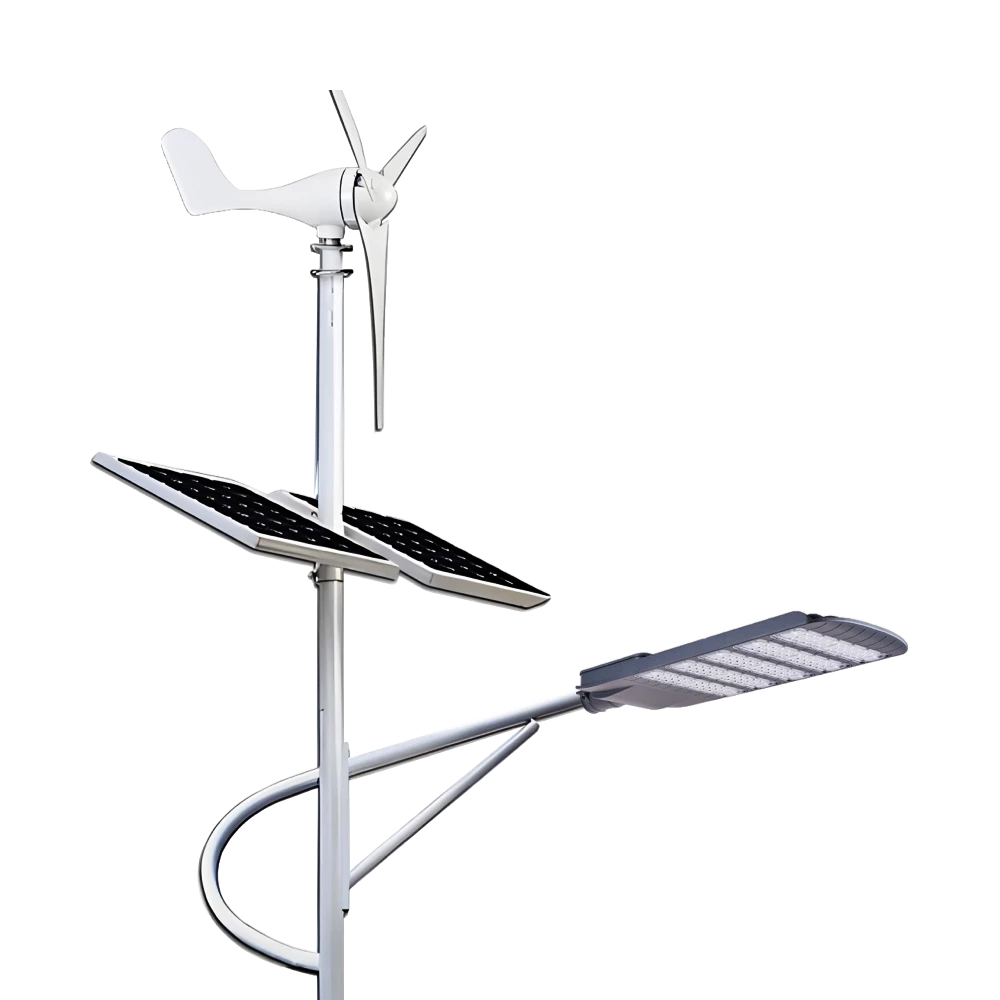
Queneng Lufeng Wind Energy LED Outdoor Solar Street Lights offer high-performance, eco-friendly illumination. These energy-efficient LED street lights harness solar power and wind energy for sustainable, cost-effective outdoor lighting solutions.
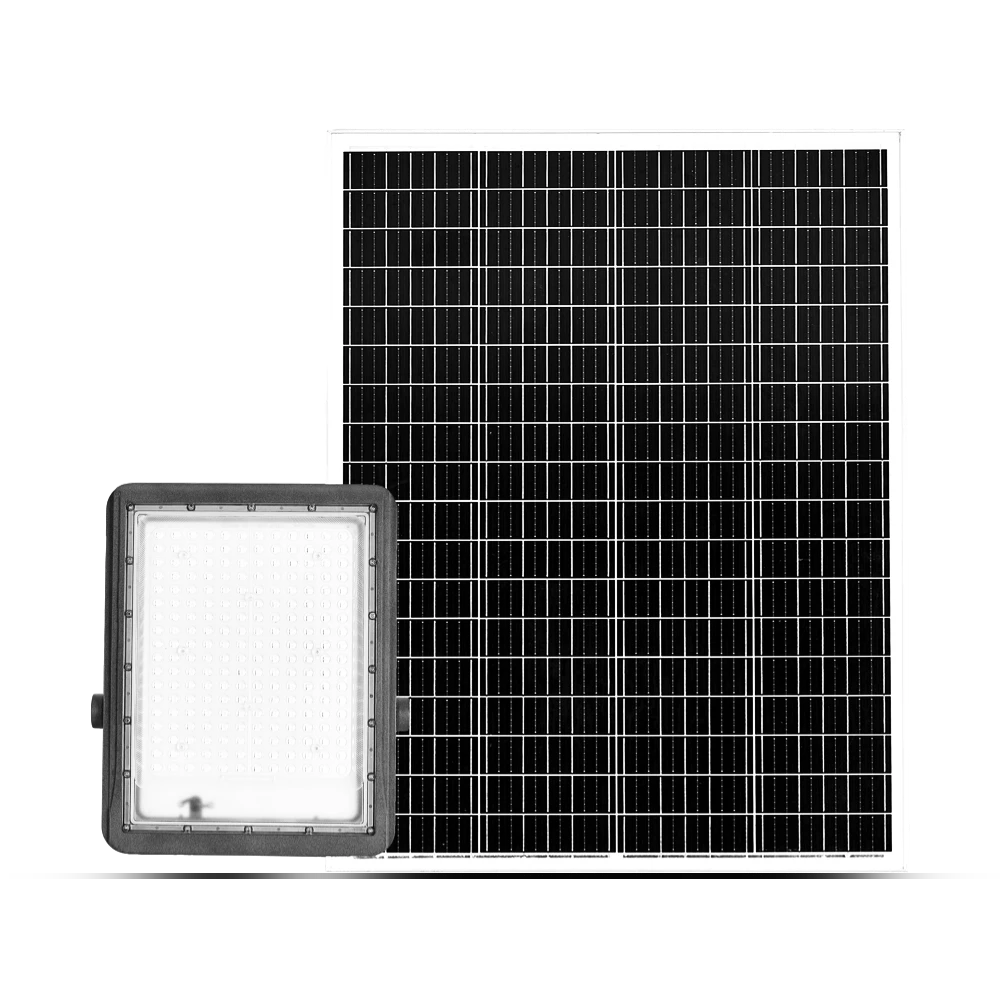
Queneng's Luxian Reliable Solar Street Light offers energy-saving LED lighting for outdoor use. This durable, solar-powered street light provides reliable illumination, reducing energy costs and environmental impact. A perfect solution for sustainable outdoor lighting.
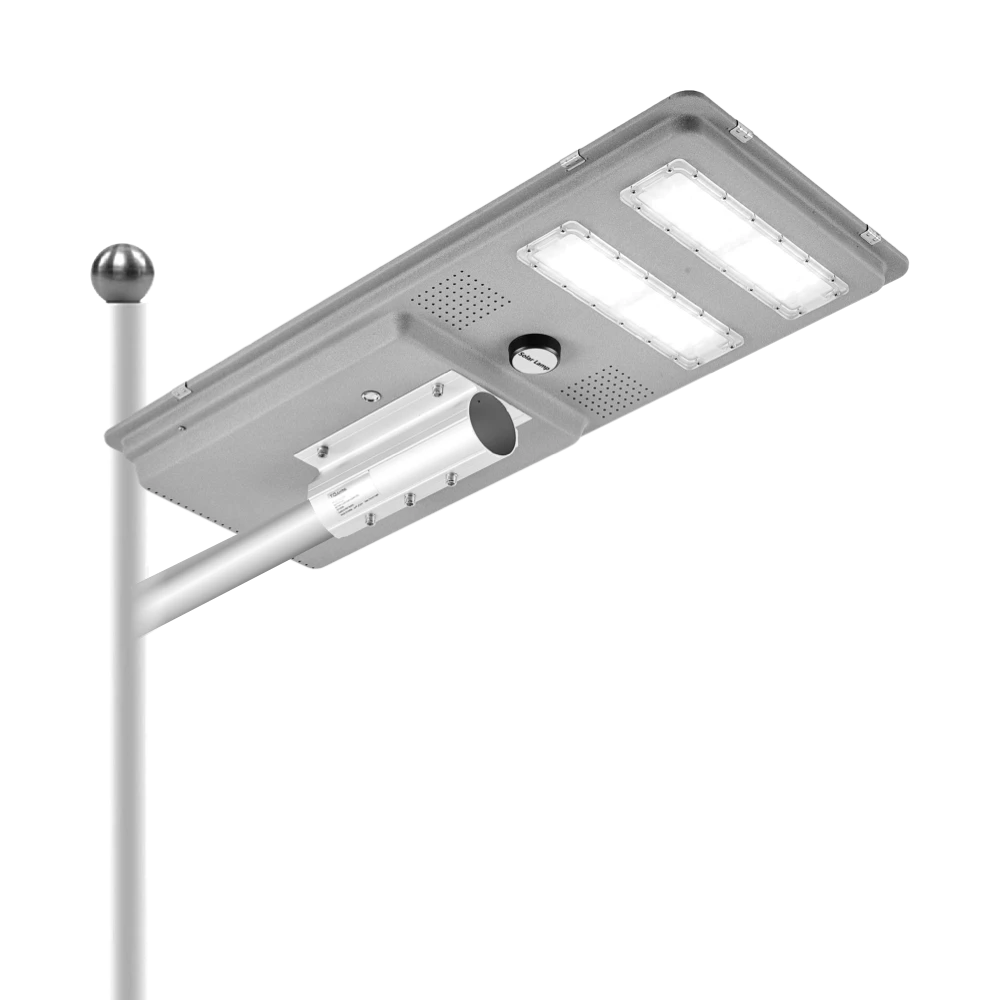
Queneng’s Solar Street Lights are designed to provide reliable, energy-efficient lighting for streets, parks, and other outdoor spaces.
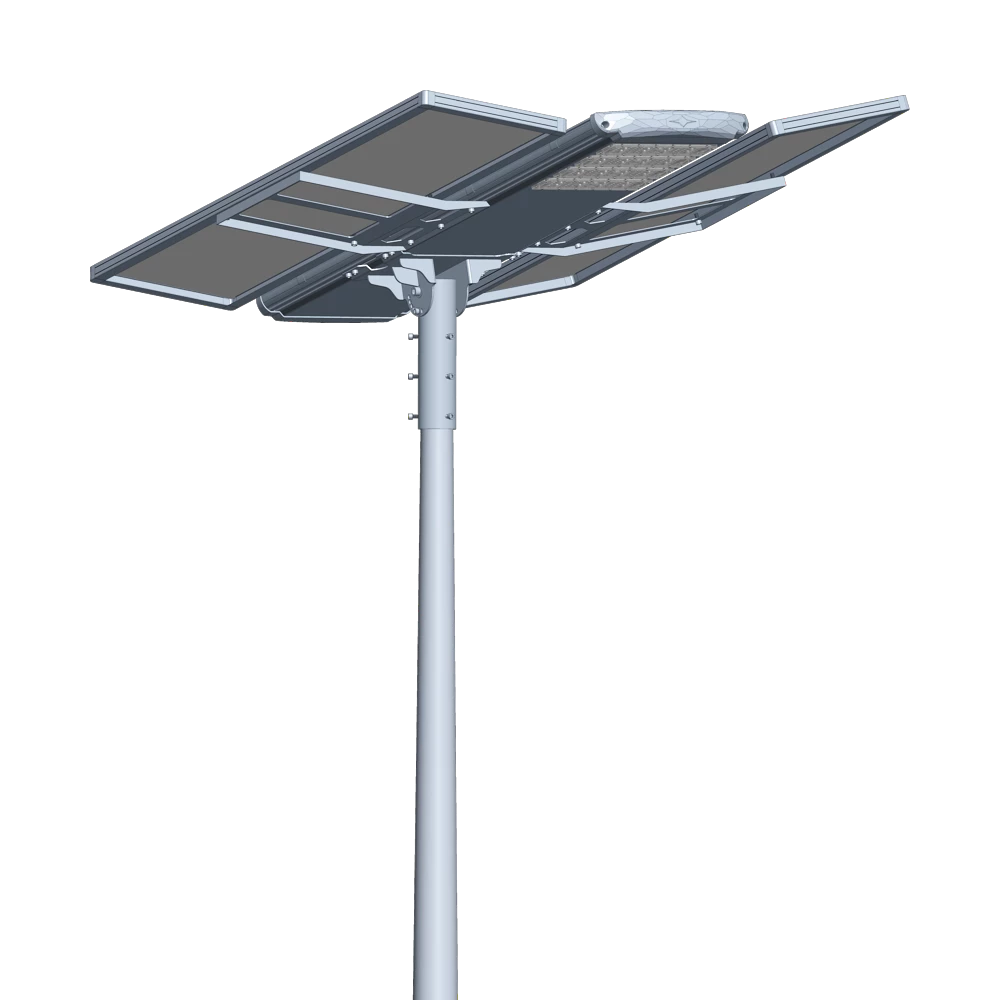
Introducing the Luqing Solar Street Light by Queneng, Efficient LED lighting powered by solar energy is perfect for illuminating outdoor areas. Harness the power of solar energy for sustainable, reliable street lighting. Ideal for eco-friendly, cost-effective outdoor illumination solutions.
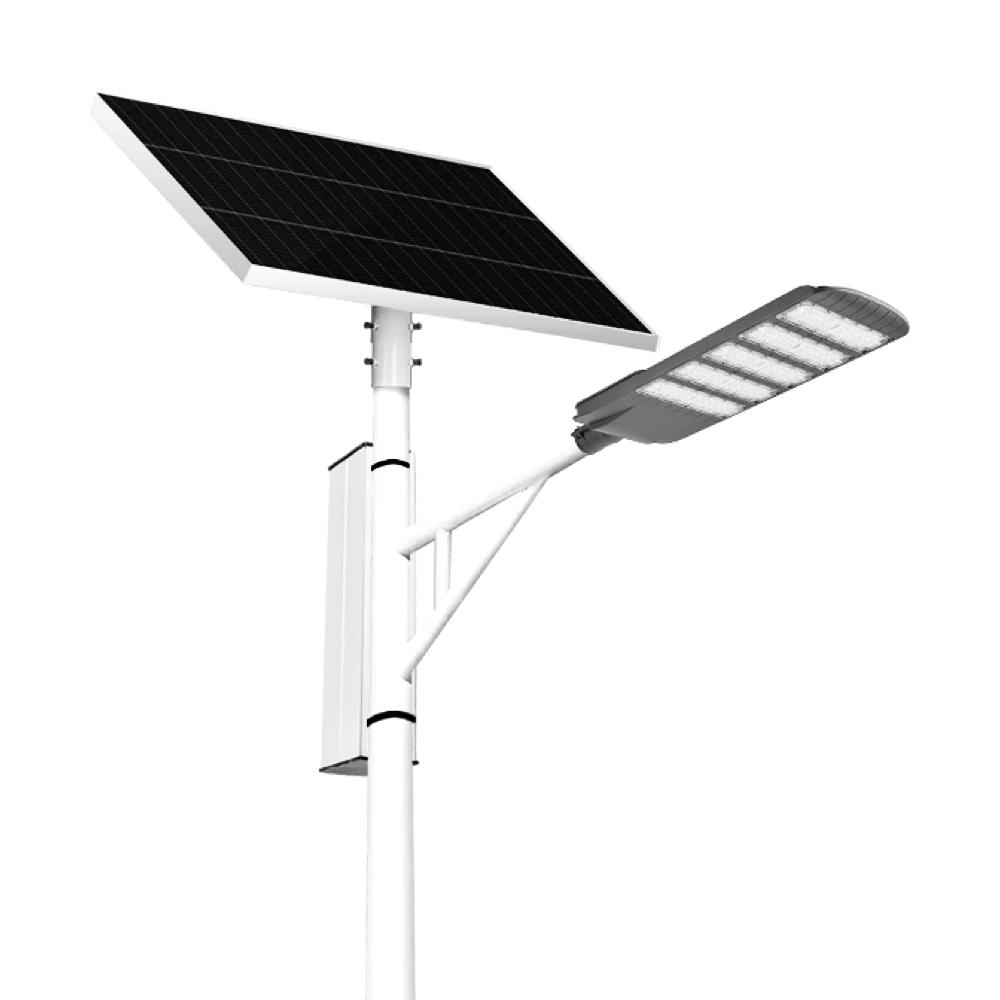
The Solar Streetlights of Luhao for Municipalities are designed to deliver reliable, energy-efficient, and cost-effective public lighting solutions. Equipped with advanced LED technology, durable lithium batteries, and high-efficiency solar panels, these streetlights provide consistent illumination for roads, parks, residential areas, and government projects.
Our professional team is ready to answer any questions and provide personalized support for your project.
You can reach us via phone or email to learn more about Queneng’s solar lighting solutions. We look forward to working with you to promote clean energy solutions!
Rest assured that your privacy is important to us, and all information provided will be handled with the utmost confidentiality.
By clicking 'Send Inquiry Now' I agree to Queneng processing my personal data.
To see how to withdraw your consent, how to control your personal data and how we process it, please see our Privacy Policy and Terms of use.
Schedule a Meeting
Book a date and time that is convenient for you and conduct the session in advance.
Have more questions about our products or services?
The messenger of light & power conversion
Environmental protection and intelligent manufacturing are our brand philosophy, and quality assurance and the best user experience are our eternal promises to users.
CONTACT
No.9F, Building F, Cao San Xin Tian Hong Logistics Park, Guzhen Town, Zhongshan City, Guangdong Province, China.
or write [email protected]
WhatsApp: +86 136 2270 1011


