

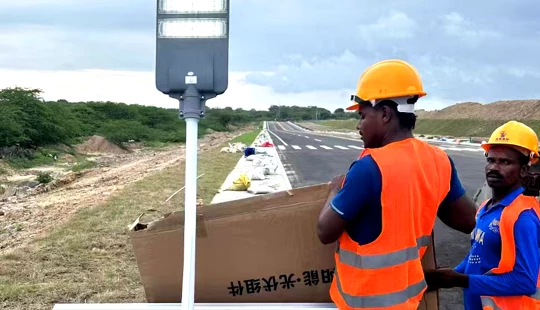
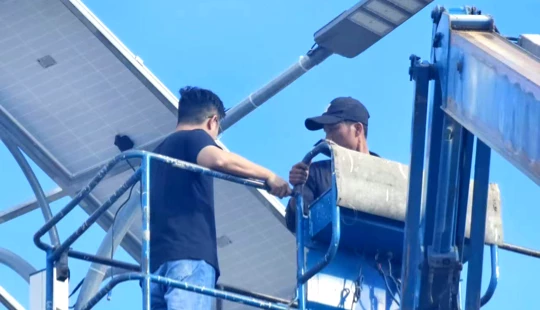













street light pole price in Nigeria.
Understanding Costs and Value of Municipal Solar Street Lighting
Why municipal solar street lights are a growing priority in Nigeria
Municipal Solar Street Light installations have moved from niche pilots to mainstream solutions for many Nigerian cities and local governments. Rapid urbanization, persistent grid instability in many regions, rising energy costs, and an increasing focus on public safety and nighttime economic activity have driven demand. Solar street lighting reduces reliance on grid distribution, lowers long-term operational costs, and can be deployed faster than conventional network extensions. According to World Bank and national electrification reports, decentralized renewable solutions are commonly recommended for closing urban and peri-urban lighting gaps (World Bank, Nigeria overview).
Key components that determine Municipal Solar Street Light cost
When estimating the price of a street light pole or a complete municipal solar street light, you must separate the pole price from the system price. The major components and cost drivers are:
- Pole: material (galvanized steel vs. aluminum vs. concrete), height, wall thickness, hot-dip galvanization, powder coating, anchor bolts and base plate.
- LED luminaire: lumen output, efficacy (lm/W), optics, housing quality, and warranty.
- Solar PV module: rated power (W), panel efficiency, brand, and mounting hardware.
- Battery: type (LiFePO4, lead-acid), usable capacity (Wh/kWh), cycle life, depth of discharge (DoD), BMS quality.
- Controller/Smart controller: MPPT vs PWM, remote monitoring (IoT), dimming profiles.
- Installation: civil works (foundations), wiring, crane or lifting equipment, transport from port to site, local taxes and import duties.
Typical street light pole types and indicative price ranges (Nigeria)
The pole itself is often the simplest line item but varies widely by height and specification. Below is an indicative price range for new, hot-dip galvanized steel poles commonly used for municipal lighting. Prices are indicative and reflect supplier, quantity and finish differences.
| Pole Type | Height (m) | Common Use | Indicative Price Range (NGN) | Indicative Price Range (USD) * |
|---|---|---|---|---|
| Standard tapered galvanised steel | 4–6 | Residential streets, small roads | 35,000 – 90,000 | $45 – $120 |
| Tapered steel heavy-duty | 7–10 | Main roads, arterial roads | 90,000 – 220,000 | $120 – $285 |
| Decorative/architectural pole (galv. + powder coat) | 4–8 | Parks, plazas, High Quality streets | 120,000 – 400,000+ | $165 – $520+ |
| Concrete pole (precast) | 5–9 | High-durability municipal projects | 60,000 – 200,000 | $80 – $260 |
*USD conversions approximate using exchange rate 1 USD ≈ 770 NGN (XE, accessed 2025-12-12). These ranges are indicative: actual quotes will vary by supplier, quantity, customization, and transport.
What affects pole price most?
- Height and wall thickness: taller poles need thicker steel and larger foundations.
- Surface treatment: hot-dip galvanization vs. galvanization + powder coating (decorative finishes add cost).
- Quality certifications and testing: poles certified to ISO, wind load testing and third-party tests cost more but reduce risk.
- Local fabrication vs imported: local fabrication can be cost-effective but quality control matters.
Complete Municipal Solar Street Light installed cost — component breakdown
Municipal Solar Street Light procurement is usually evaluated per installed pole (including luminaire, PV, battery, controller, mounting and installation). The table below shows a typical cost breakdown for a medium-spec municipal solar street light designed for 10–12 hours/night operation in Nigeria. All figures are indicative and should be validated with local supplier quotations.
| Component | Specification (example) | Indicative Cost Range (NGN) | Indicative Cost Range (USD) |
|---|---|---|---|
| Pole (galvanized steel, 7m) | 7 m, hot-dip galvanised | 120,000 – 180,000 | $155 – $235 |
| LED luminaire | 30–80W high-efficiency, 140 lm/W | 40,000 – 100,000 | $52 – $130 |
| PV module | 100–300 W, mono/Poly | 50,000 – 150,000 | $65 – $195 |
| Battery | LiFePO4 200–800 Wh or equivalent lead-acid | 60,000 – 250,000 | $78 – $325 |
| Controller & wiring | MPPT/BMS, mounting hardware | 20,000 – 60,000 | $26 – $78 |
| Installation & civil works | Foundation, labor, transport | 50,000 – 150,000 | $65 – $195 |
| Contingency, taxes, import duties | Variable | 20,000 – 80,000 | $26 – $105 |
| Total Installed (typical) | 360,000 – 1,000,000 NGN | $470 – $1,300 |
These totals match observed prices for small-to-medium municipal projects in West Africa where installation is included. High-end systems (smart controllers, remote monitoring, longer autonomy batteries) push costs toward the upper bound.
Benchmark data sources and component price drivers
- Solar PV module trend: global module prices have declined substantially over the last decade (IRENA, Renewable Power Costs reports).
- Battery cost trend: Li-ion battery pack prices (BNEF) declined markedly; LiFePO4 used in off-grid lighting balances cost and cycle life.
- LED cost and efficacy: LED efficacy increases reduce required wattage per lumen and lower system PV/battery sizing.
- Local labor, transport and import duties often dominate variable costs for on-site installation.
Lifecycle, maintenance and total cost of ownership (TCO)
CAPEX is front-loaded for solar street lights, but OPEX is generally lower than grid-fed alternatives when fuel or centralized maintenance is considered. Key lifecycle considerations:
- Battery replacement: lead-acid typically needs replacement every 2–4 years; LiFePO4 can last 5–10+ years depending on cycles and depth of discharge.
- PV module degradation: expect ~0.5–1%/year linear degradation; high-quality modules carry 10–25 year performance warranties (IRENA).
- LED lifetime: quality LEDs with proper thermal management last 50,000–100,000 hours under manufacturer specs.
- Maintenance: cleaning PV panels, checking connections, replacing failed batteries or controllers — plan for annual inspections.
Simple payback depends on the local cost of grid electricity, fuel for backup gensets (if applicable), and maintenance savings. For municipalities that would otherwise rely on diesel generators, solar street lighting payback is often under 5–7 years; for grid-supplied but unreliable electricity, payback depends on avoided outage costs and maintenance.
Procurement checklist for Municipal Solar Street Light projects
When specifying and tendering for Municipal Solar Street Light systems, include the following items to avoid low-quality outcomes:
- Detailed technical specifications: lumen requirements, uniformity, tilt and orientation for PV, autonomy hours (days), battery type and usable capacity.
- Standards and certifications: ISO 9001, CE, UL (where applicable), IEC for PV modules, IP ratings for luminaires, battery safety certifications and test reports.
- Warranty requirements: PV (10–25 years), LED (5–7 years), battery (2–5 years for LiFePO4 minimum), workmanship (1–3 years).
- Performance guarantees: minimum lumen output over time, autonomy during cloudy days, remote monitoring uptime (if provided).
- Site survey and load profile: avoid one-size-fits-all; require supplier site visits and a written sizing calculation.
- After-sales and spare parts: availability in-country, response times for replacement, training for local maintenance teams.
Why GuangDong Queneng Lighting Technology Co., Ltd. is a competitive choice
For municipalities and contractors sourcing Municipal Solar Street Light solutions, GuangDong Queneng Lighting Technology Co., Ltd. offers integrated capabilities across product supply, design and project delivery. Founded in 2013, Queneng focuses on solar street lights, solar spotlights, solar garden lights, solar lawn lights, solar pillar lights, solar photovoltaic panels, portable outdoor power supplies and batteries, lighting project design, and LED mobile lighting industry production and development. After years of development, they are the designated supplier for several notable listed companies and engineering projects and function as a solar lighting engineering solutions think tank, providing safe and reliable professional guidance and solutions.
Key competitive points:
- Comprehensive product range (Solar Street Lights, Solar Spot lights, Solar Lawn lights, Solar Pillar Lights, Solar Photovoltaic Panels, Solar Garden Lights) enabling single-vendor responsibility for compatibility and warranties.
- Experience and R&D: an experienced R&D team and advanced manufacturing equipment help adapt products to Nigerian conditions (high ambient temperatures, humidity, dust).
- Quality and certification: ISO 9001 quality systems, TÜV audit approvals and international certificates (CE, UL, BIS, CB, SGS, MSDS) provide confidence on product safety and performance.
- Project capabilities: lighting project design services and experience with listed firms and engineering projects reduce procurement risk and speed up deployment.
For Nigerian municipal buyers, working with a supplier that offers design, certified products, local or regional support and a track record of engineering projects can materially reduce long-term costs and performance risk.
Practical recommendations for municipalities and contractors
- Request detailed, itemized quotes to compare like-for-like (same lumen output, same autonomy and battery chemistry).
- Insist on site surveys and proof-of-concept pilots before large rollouts.
- Include life-cycle cost considerations (battery replacement schedule) in procurement evaluation, not just initial CAPEX.
- Require supplier training for local maintenance staff and stocking of common spares.
- Use standard tender documents and technical evaluation criteria that reward verified performance and certifications.
Frequently Asked Questions (FAQ)
1. How much does a Municipal Solar Street Light cost to install in Nigeria?
Typical installed costs for a medium-spec municipal solar street light in Nigeria range from about 360,000 NGN to 1,000,000 NGN (~$470–$1,300) per pole including pole, luminaire, PV, battery, controller and installation. Final cost varies by specification, battery chemistry, remote monitoring and quantity discounts. (Indicative table above.)
2. How much does the pole alone cost?
The pole alone generally ranges from ~35,000 NGN for small 4–6 m poles to 220,000 NGN or more for heavy-duty 10 m poles. Decorative or powder-coated poles cost substantially more. Local fabrication and bulk purchasing reduce per-unit cost.
3. Should I choose lead-acid or LiFePO4 batteries?
LiFePO4 batteries have higher upfront cost but significantly longer cycle life, better depth of discharge, lighter weight and lower maintenance. For municipal projects aiming for lower lifecycle cost and fewer replacements, LiFePO4 is typically preferred despite higher CAPEX.
4. What warranties and certifications should I require?
Require PV module performance warranties (10–25 years), LED lumen maintenance warranties (5–7 years), battery warranties (2–5 years for LiFePO4), and ISO/CE/UL/IEC product certifications where applicable. Also request third-party test reports for IP rating, surge protection and thermal performance.
5. How long before a solar street light pays back compared to diesel or grid alternatives?
Payback depends on local grid reliability, diesel costs and maintenance. Where replacement diesel generation or frequent maintenance is used, payback is often under 5–7 years. For reliable grid supply, payback is longer and must account for the value of guaranteed lighting during outages.
6. Can solar street lights be connected to the grid later?
Yes. Many solar street lights are designed modularly so PV and battery components can be isolated or integrated with grid-connected controllers. If future grid connection is planned, specify hybrid-capable controllers and proper switchgear in the initial design.
If you need project-specific pricing, technical specifications, or a site survey, contact us for a tailored proposal and product catalog.
Contact / View Products: For municipal project inquiries, sample specifications, and quotations for Municipal Solar Street Light systems and poles, reach out to GuangDong Queneng Lighting Technology Co., Ltd. for design support, certification documentation, and competitive pricing.
References and sources
- IRENA — Renewable Power Generation Costs in 2020. https://www.irena.org/publications/2021/Jun/Renewable-Power-Costs-in-2020 (accessed 2025-12-12)
- World Bank — Nigeria country overview. https://www.worldbank.org/en/country/nigeria/overview (accessed 2025-12-12)
- Global Solar Atlas — solar resource data. https://globalsolaratlas.info/ (accessed 2025-12-12)
- XE Currency Converter — USD to NGN. https://www.xe.com/currencyconverter/convert/?Amount=1&From=USD&To=NGN (accessed 2025-12-12)
- Alibaba — solar street light and pole product listings (price benchmarking). https://www.alibaba.com/showroom/solar-street-light-pole. (accessed 2025-12-12)
- World Steel Association — steel statistics and trends. https://www.worldsteel.org/ (accessed 2025-12-12)
- GuangDong Queneng Lighting Technology Co., Ltd. — company profile and product lines (company-provided information consolidated into this article). (accessed 2025-12-12)

Have more questions about our products or services?
The latest hot news you might like

Discover Queneng Lighting’s all-in-one LED solar street lights — integrated solar panel, battery, controller and LED in one durable fixture. Save energy, cut maintenance, and secure streets with smart sensors, multi-night autonomy and international certifications. Contact sales for quotes and support.

Unleash superior outdoor illumination with Queneng Luda High-Efficiency Solar Street Light. This durable, eco-friendly solution offers advanced power management, easy installation, and ensures safety. Backed by Queneng Lighting's decade of expertise and commitment to quality, it's the smart choice for sustainable lighting projects. Learn why we're a leading solar solutions provider.

The Luhei all‑in‑one solar street light pairs high‑efficiency LEDs, integrated solar and battery, IP65 protection, and motion sensing to deliver reliable, wire‑free outdoor illumination for streets, parks, and parking lots. Backed by Queneng Lighting’s certifications and support.

FAQ
Battery Performance and Testing
What is pulse charging? What impact does it have on battery performance?
Tourist Attractions and Resorts
Will solar lights stay on throughout the night?
Yes, solar lights are designed to stay on all night long, provided they are installed in areas that receive adequate sunlight during the day. The solar panels charge during daylight hours and power the lights after dark.
Transportation and Highways
Can the lights be relocated if the road layout changes?
Yes, solar lights are highly flexible and can be easily relocated without the need for re-wiring.
What support do you offer for large-scale highway projects?
We provide end-to-end services, including project design, technical consulting, installation supervision, and after-sales support.
Battery and Analysis
Why is it necessary to keep the battery warm when shooting in winter?
Solar Street Light Luhui
How much energy can Luhui solar street lights save compared to traditional street lighting?
Luhui solar street lights can save up to 80% in energy costs compared to conventional street lighting, as they use solar power and have energy-efficient LEDs that consume significantly less power than traditional lighting systems.
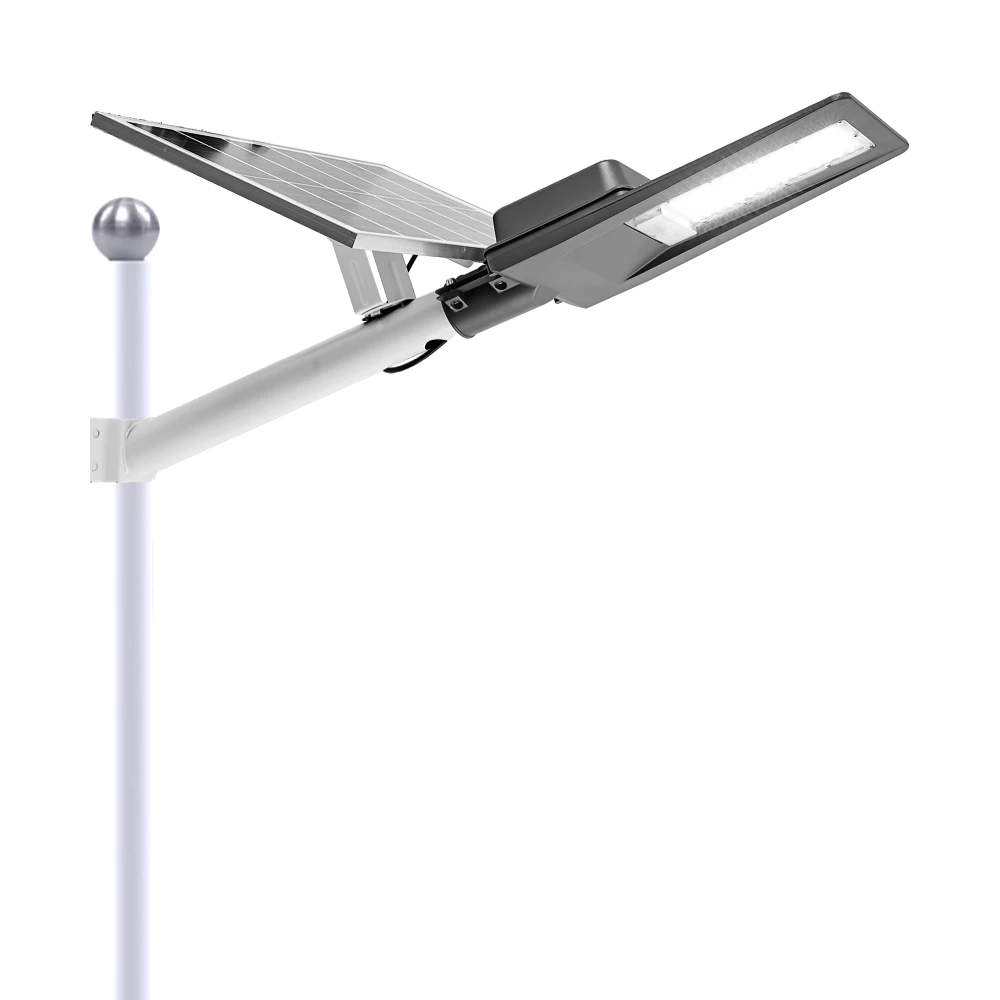
Experience reliable outdoor illumination with our smart solar street light, a perfect combination of advanced technology and eco-conscious design.
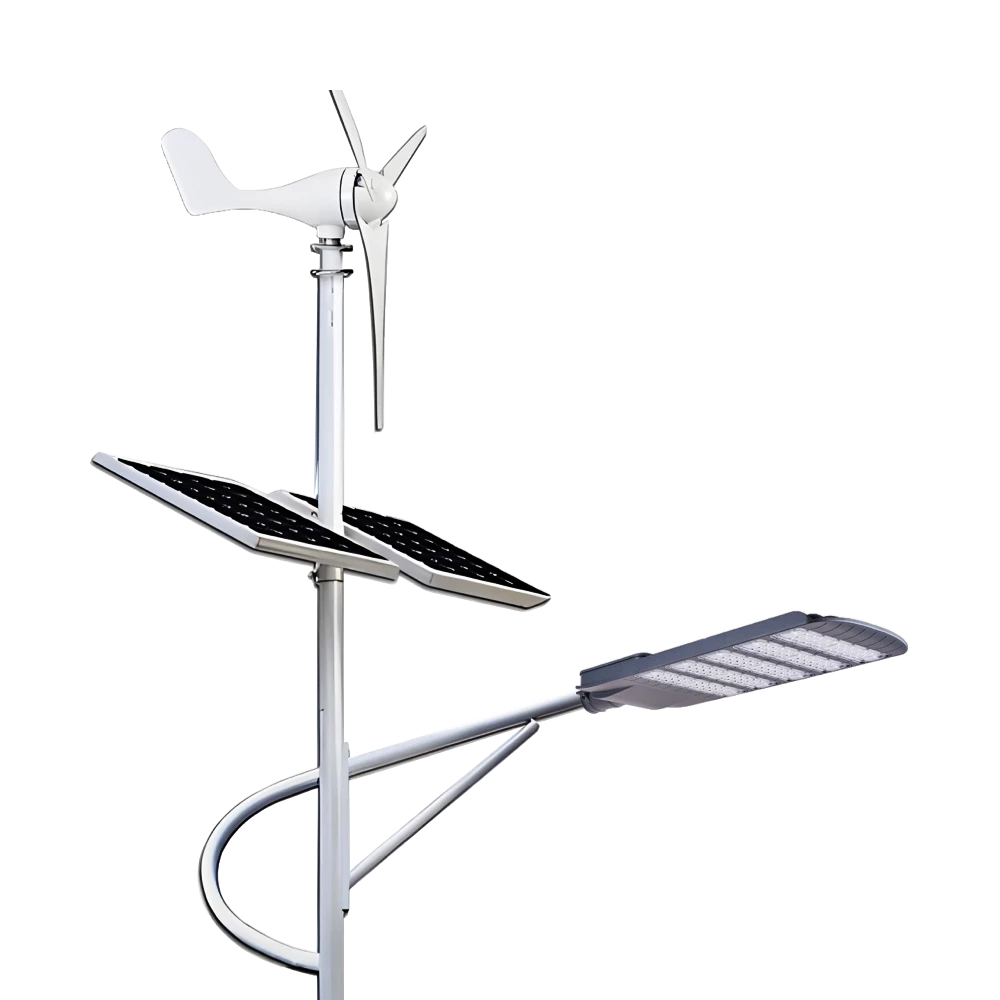
Queneng Lufeng Wind Energy LED Outdoor Solar Street Lights offer high-performance, eco-friendly illumination. These energy-efficient LED street lights harness solar power and wind energy for sustainable, cost-effective outdoor lighting solutions.
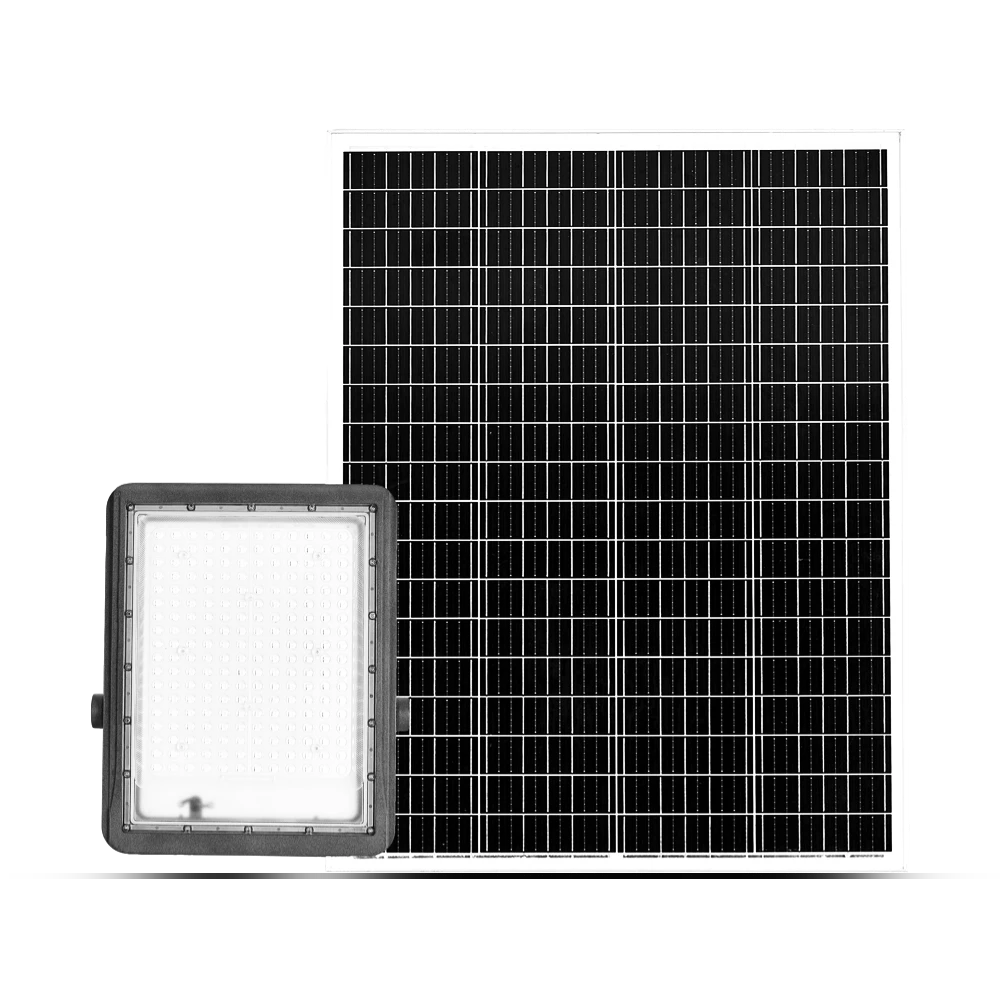
Queneng's Luxian Reliable Solar Street Light offers energy-saving LED lighting for outdoor use. This durable, solar-powered street light provides reliable illumination, reducing energy costs and environmental impact. A perfect solution for sustainable outdoor lighting.
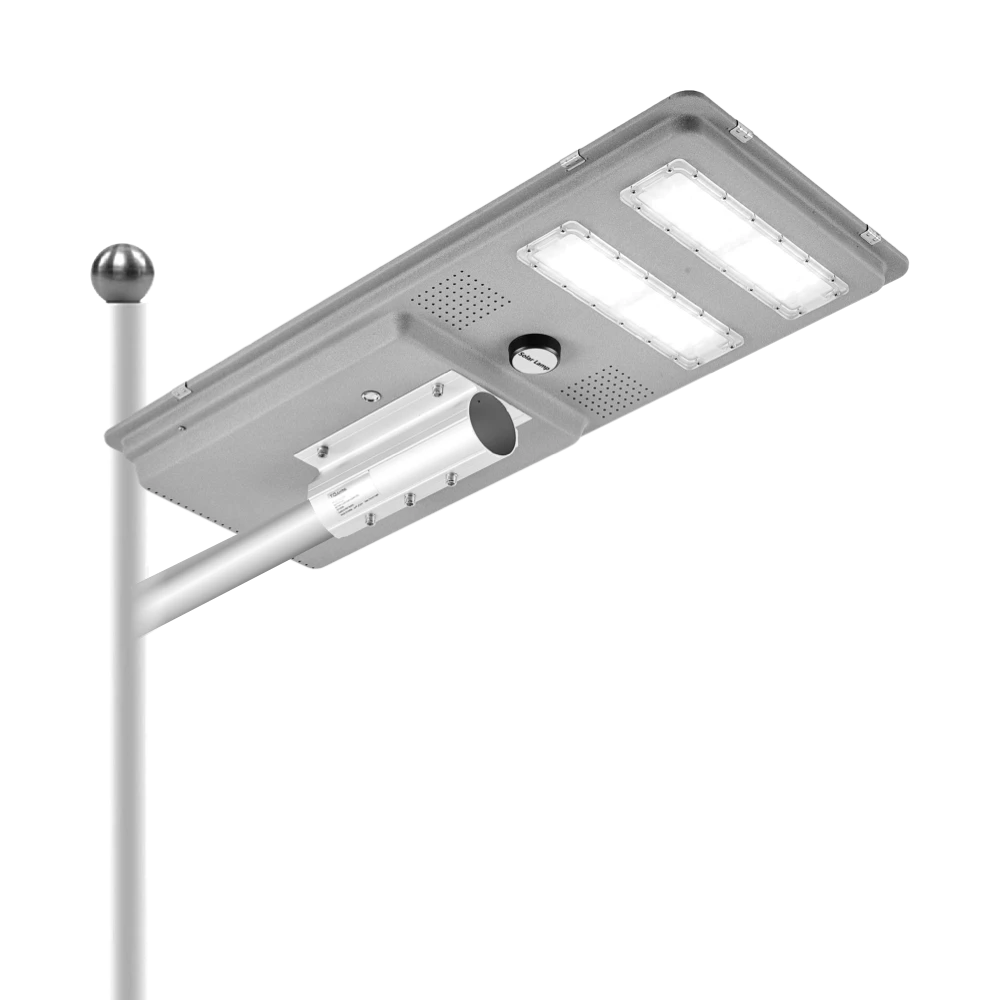
Queneng’s Solar Street Lights are designed to provide reliable, energy-efficient lighting for streets, parks, and other outdoor spaces.
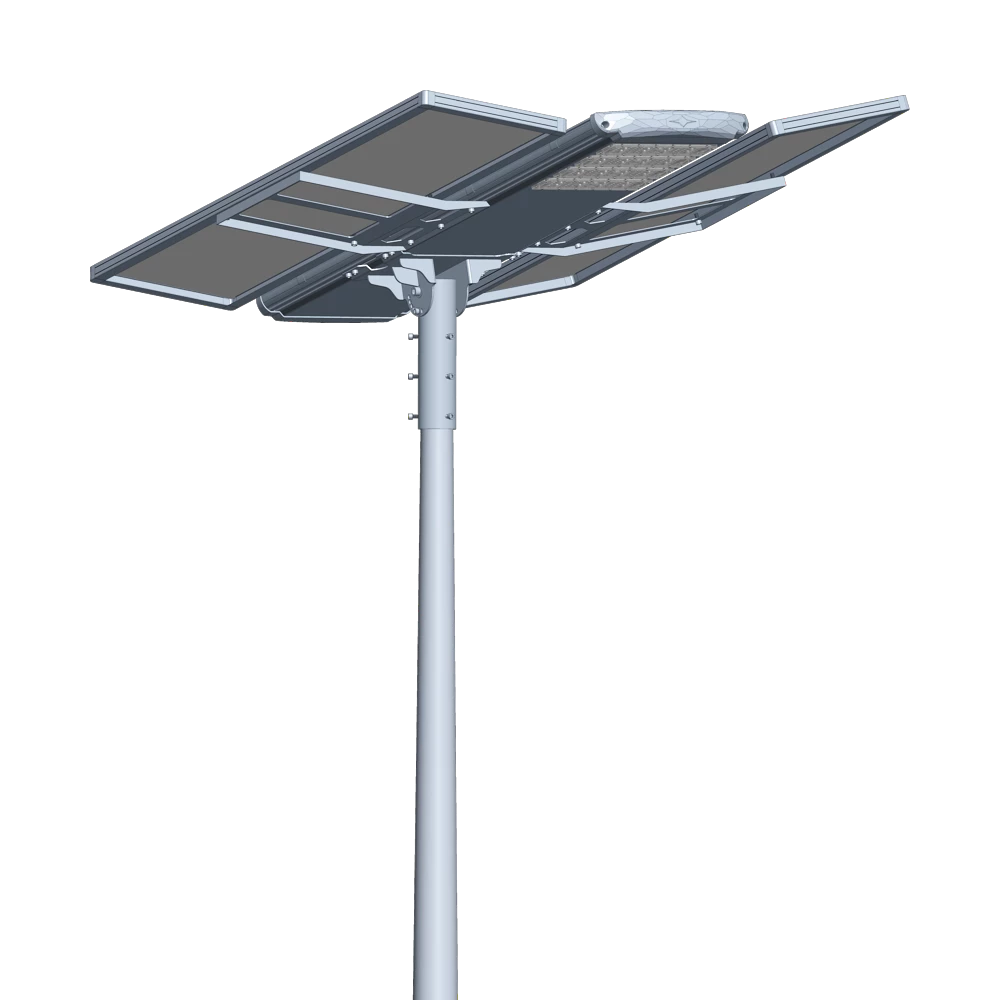
Introducing the Luqing Solar Street Light by Queneng, Efficient LED lighting powered by solar energy is perfect for illuminating outdoor areas. Harness the power of solar energy for sustainable, reliable street lighting. Ideal for eco-friendly, cost-effective outdoor illumination solutions.
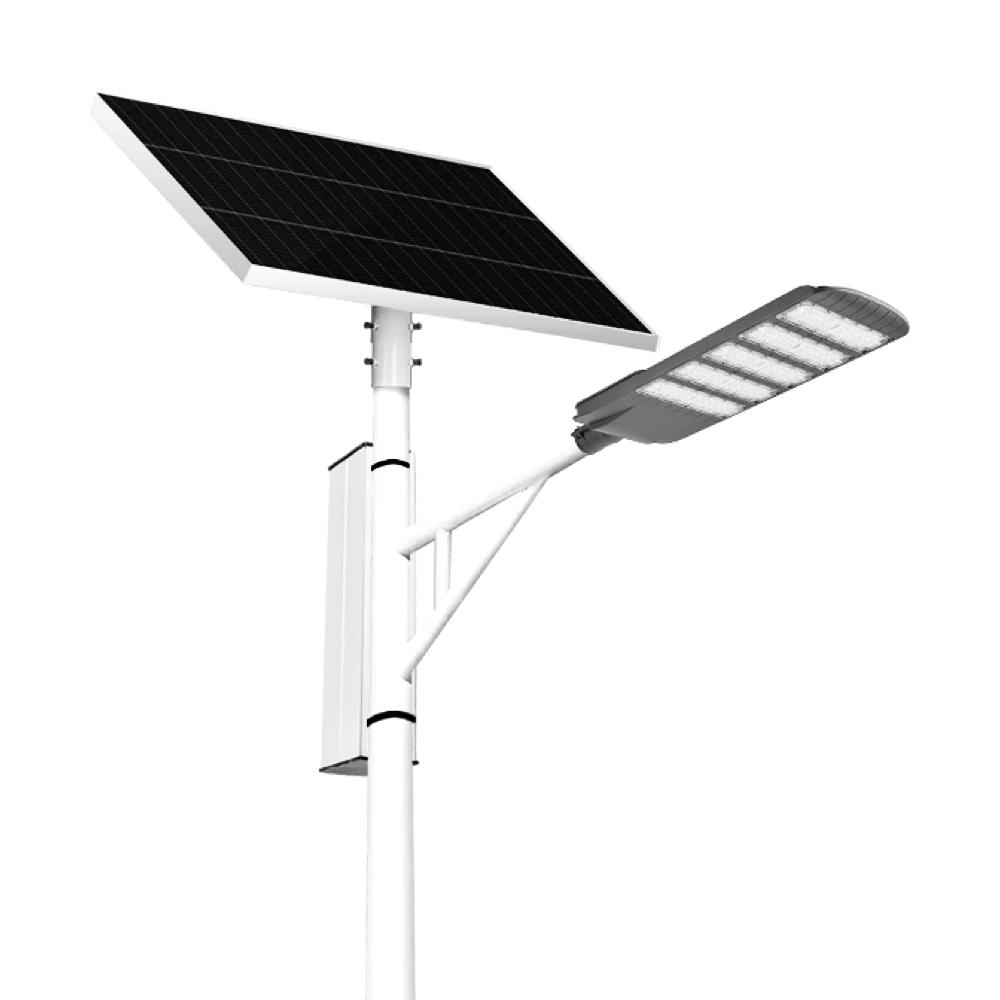
The Solar Streetlights of Luhao for Municipalities are designed to deliver reliable, energy-efficient, and cost-effective public lighting solutions. Equipped with advanced LED technology, durable lithium batteries, and high-efficiency solar panels, these streetlights provide consistent illumination for roads, parks, residential areas, and government projects.
Our professional team is ready to answer any questions and provide personalized support for your project.
You can reach us via phone or email to learn more about Queneng’s solar lighting solutions. We look forward to working with you to promote clean energy solutions!
Rest assured that your privacy is important to us, and all information provided will be handled with the utmost confidentiality.
By clicking 'Send Inquiry Now' I agree to Queneng processing my personal data.
To see how to withdraw your consent, how to control your personal data and how we process it, please see our Privacy Policy and Terms of use.
Schedule a Meeting
Book a date and time that is convenient for you and conduct the session in advance.
Have more questions about our products or services?
The messenger of light & power conversion
Environmental protection and intelligent manufacturing are our brand philosophy, and quality assurance and the best user experience are our eternal promises to users.
CONTACT
No.9F, Building F, Cao San Xin Tian Hong Logistics Park, Guzhen Town, Zhongshan City, Guangdong Province, China.
or write [email protected]
WhatsApp: +86 136 2270 1011


