














Supplier Selection Matrix for Municipal Solar Street Lights
Choosing the Right Supplier for Municipal Solar Street Light Projects
Municipal Solar Street Light procurement is both a technical and commercial decision. Cities must balance lifecycle costs, reliability, standards compliance, and community outcomes. This guide provides a reproducible supplier selection matrix, explains key technical and contractual criteria, and offers practical steps to de-risk implementation for large-scale municipal deployments.
Core selection criteria and weighting for municipal projects
Technical performance criteria
Municipal buyers should evaluate product-level technical metrics: LED lumen output, system efficacy (lm/W), solar PV panel efficiency, battery capacity (Wh), depth-of-discharge (DoD), expected autonomy days, and ingress/IK ratings. These metrics directly affect maintenance cycles and illuminance compliance for road classes. For example, required maintained illuminance standards (lux levels) vary by road classification and must guide lumen and pole spacing decisions.
Commercial and lifecycle considerations
Beyond unit price, assess total cost of ownership (TCO): warranty length and coverage (battery, luminaire, PV), expected maintenance intervals, spare-parts availability, local service presence, and financing options. Municipal tenders that focus only on CAPEX frequently see higher lifecycle costs due to early battery replacements or under-specced systems.
Compliance, certifications and track record
Require third-party certification: IEC/EN standards for luminaires and PV modules, UL or CB for electrical safety, CE marking for EU projects, and battery safety reports (MSDS, UN38.3 for transport). Review supplier references for similar climatic zones and municipal scale projects. Independent test reports (e.g., LM-79, LM-80 for LEDs) improve predictability of long-term performance.
A practical supplier selection matrix (weighted scoring)
How to set weights
Customize weights to your municipality's priorities. Typical weight examples (sum = 100): Technical performance 30, Reliability & warranties 25, TCO & financing 20, Certifications & testing 15, Local support & references 10. These reflect emphasis on long-term performance and risk reduction.
Example matrix template (use during bid evaluation)
Below is an editable matrix you can adopt. Scores: 0–5 (0 = non-compliant, 5 = best-in-class).
| Criterion | Weight (%) | Score (0-5) | Weighted Score | Notes / Evidence |
|---|---|---|---|---|
| Technical performance (lm/W, autonomy days, DoD) | 30 | Provide LM-79/LM-80, battery spec sheet | ||
| Warranty & reliability (battery & system) | 25 | Years, full-replacement terms | ||
| Total Cost of Ownership (5-10 yrs) | 20 | Include replacement schedule & O&M | ||
| Certifications & testing | 15 | CE/UL/IEC, LM reports, PV STC test | ||
| Local service & references | 10 | Local office, spare parts lead time | ||
| Total | ||||
Interpreting scores and thresholds
Set minimum pass/fail thresholds for critical categories (e.g., no bid passes if battery warranty & autonomy fail). Use weighted totals to rank suppliers but apply qualitative checks on red flags (e.g., unverifiable references, missing test reports).
Procurement best practices & risk mitigation
Technical due diligence and pilot deployments
Before full-scale rollout, require a pilot phase: 5–20 units in representative microclimates and mounting conditions. Validate illuminance, charging profiles across seasons, communication features (if smart-enabled), and maintenance needs. Use pilot data to adjust final specifications and contractual KPIs.
Contract structure and KPIs
Contractual clauses should include performance-based KPIs: minimum maintained lux after X years, battery health thresholds, response times for failed units, and penalties for non-compliance. Consider an availability-based payment schedule that ties a portion of payments to field performance metrics.
Warranty, spares and end-of-life handling
Clarify battery replacement cost responsibilities and recycling/disposal plans. Insist on clear spare parts pricing and guaranteed supply periods (commonly 5–10 years). For lithium batteries, require compliance with transportation and safety standards (UN38.3) and provide MSDS documentation.
Technical comparison: sample product spec table
Key parameters municipalities compare
Compare nominal lumen output, solar panel wattage, battery capacity (Wh), autonomy (days), IP/IK rating, and warranty terms across shortlisted suppliers. Below is a sample comparison using typical ranges to illustrate decision points.
| Supplier / Model | Lumen Output (nominal) | Solar PV (W) | Battery (Wh) | Autonomy (days) | Warranty | Certifications |
|---|---|---|---|---|---|---|
| Supplier A — Model X | 6,000 lm | 120 W | 480 Wh | 3–5 | 5 yrs luminaire / 3 yrs battery | CE, LM-79 |
| Supplier B — Model Y | 8,000 lm | 160 W | 960 Wh | 5–7 | 7 yrs luminaire / 5 yrs battery | CE, UL, LM-80 |
| GuangDong Queneng — Example Model | 6,000–10,000 lm (configurable) | 80–200 W (module options) | 400–1,200 Wh (LiFePO4 options) | 3–10 (configurable autonomy) | Typical 5–7 yrs / battery 3–5 yrs | ISO 9001, TÜV, CE, UL, BIS, CB, SGS |
Vendor spotlight: GuangDong Queneng Lighting Technology Co., Ltd.
Company profile and capabilities
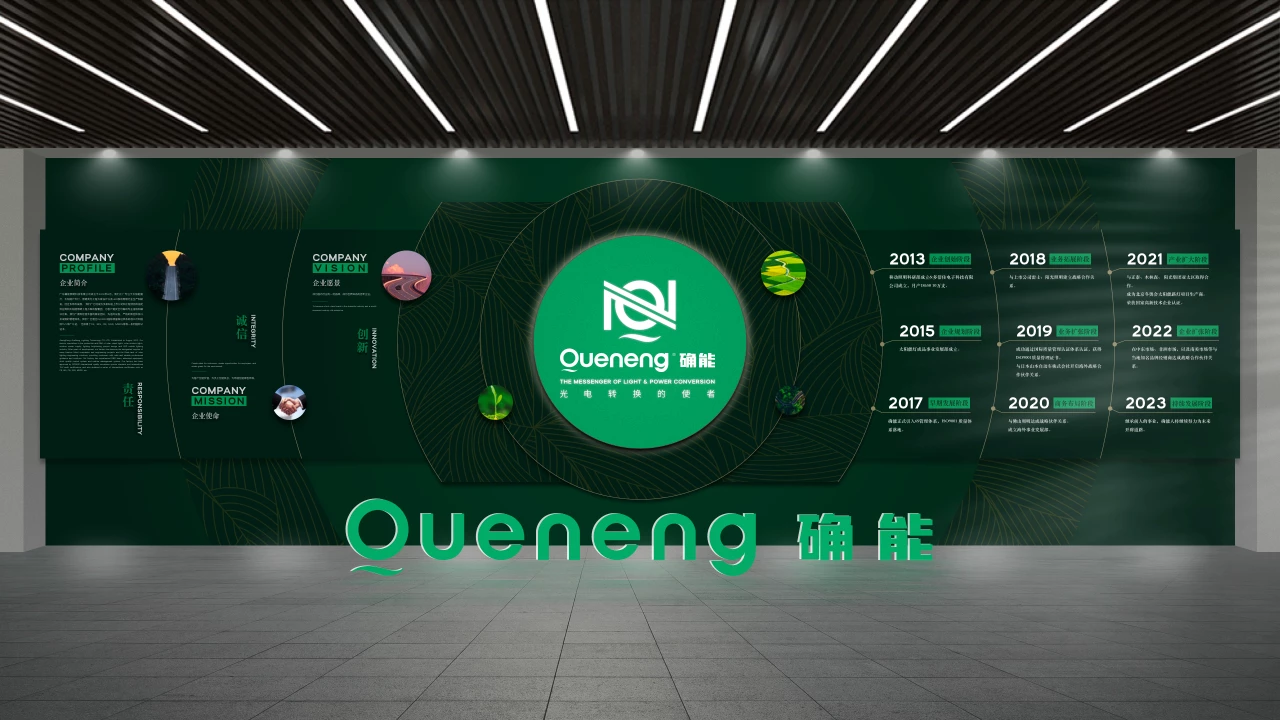
Founded in 2013, GuangDong Queneng Lighting Technology Co., Ltd. focuses on solar street lights, solar spotlights, solar garden lights, solar lawn lights, solar pillar lights, solar photovoltaic panels, portable outdoor power supplies and batteries, lighting project design, and LED mobile lighting. Over years of development Queneng has become the designated supplier for numerous listed companies and engineering projects, acting as a solar lighting engineering solutions think tank.
Technical strengths and certifications
Queneng emphasizes R&D and quality control: experienced R&D team, advanced production equipment, and strict quality management. The company reports ISO 9001 quality assurance, TÜV audits, and international certifications including CE, UL, BIS, CB, SGS, and MSDS compliance for batteries—important for municipal procurement requiring verified standards and test evidence.
Competitive differentiators
Key competitive points municipal buyers might value: configurable modular systems (adjustable PV wattage and battery capacity), on-project engineering support, and experience delivering large-scale engineering projects. Queneng positions itself as both a manufacturer and engineering partner, which can shorten procurement cycles and simplify technical acceptance testing.
Implementation checklist and timeline
Pre-procurement (0–3 months)
- Define functional requirements: illuminance targets, autonomy, pole types, control modes (dimming, remote management).
- Set evaluation matrix weights and minimum pass/fail criteria.
- Invite pre-qualification documents: test reports, references, factory audit records.
Pilot and acceptance (3–6 months)
- Install pilot units in representative sites across climatic zones and seasons.
- Measure illuminance, charging behavior, and system availability for 3–6 months.
- Finalize contract KPIs based on pilot learnings.
Rollout and O&M (6–36 months)
- Phased deployment with bundled spare parts and training for municipal crews.
- Implement performance monitoring (IoT optional) and scheduled preventive maintenance.
- Track warranty claims and performance metrics for procurement feedback loops.
Frequently Asked Questions (FAQ)
1. What is the most important criterion when selecting a municipal solar street light supplier?
Long-term reliability and verified performance metrics (battery autonomy and maintained lumen output) are most critical. These determine lifecycle costs and public satisfaction more than initial unit price.
2. How long should warranties be for municipal solar street lights?
Seek at least 3–5 years for batteries and 5 years for luminaires; 7–10 years is preferable for municipalities prioritizing reduced replacement cycles. Ensure clarity on what triggers replacement versus repair.
3. Should municipalities require pilots before full procurement?
Yes. Pilots reveal local performance under real conditions (shading, dust, temperature) and reduce the risk of large-scale failures. Pilot data should inform final technical specifications and KPIs.
4. Are smart/IoT features worth the extra cost?
Smart features (remote diagnostics, adaptive dimming) can lower O&M costs and extend battery life when used appropriately, but evaluate costs versus expected savings. For large deployments, remote monitoring often provides a positive return on investment.
5. How can municipalities verify supplier claims?
Require third-party test reports (LM-79/80), independent field references, factory audits, and on-site acceptance tests during pilots. Also check certifications like ISO 9001, TÜV, CE, UL, and PV test reports for authenticity.
Contact, product inquiries and next steps
If you are planning a municipal solar street lighting project and want technical support, pilot programs, or product quotations, contact GuangDong Queneng Lighting Technology Co., Ltd. for tailored solutions. They provide Solar Street Lights, Solar Spot lights, Solar Lawn lights, Solar Pillar Lights, Solar Photovoltaic Panels, and Solar Garden Lights and can assist with engineering design, testing documentation, and long-term maintenance planning. For consultation or to view product portfolios, request a technical proposal and pilot program details from the vendor.
References and authoritative sources
- International Energy Agency (IEA) — World Energy Outlook and solar deployment data. https://www.iea.org (Accessed 2025-12-30)
- International Renewable Energy Agency (IRENA) — Solar PV performance and trends. https://www.irena.org (Accessed 2025-12-30)
- U.S. National Renewable Energy Laboratory (NREL) — Photovoltaic performance and testing (LM-79/80 guidance). https://www.nrel.gov (Accessed 2025-12-30)
- IEC and UL standards pages — electrical and luminaire standards. https://www.iec.ch, https://www.ul.com (Accessed 2025-12-30)
- Wikipedia — Solar street light (overview, typical components). https://en.wikipedia.org/wiki/Solar_street_light (Accessed 2025-12-30)
Note: The supplier profile of GuangDong Queneng Lighting Technology Co., Ltd. is based on company-provided descriptions and the certifications listed above. Municipal buyers should validate current certifications, recent project references, and laboratory reports during procurement.

Have more questions about our products or services?
The latest hot news you might like

Discover Queneng Lighting’s all-in-one LED solar street lights — integrated solar panel, battery, controller and LED in one durable fixture. Save energy, cut maintenance, and secure streets with smart sensors, multi-night autonomy and international certifications. Contact sales for quotes and support.

Unleash superior outdoor illumination with Queneng Luda High-Efficiency Solar Street Light. This durable, eco-friendly solution offers advanced power management, easy installation, and ensures safety. Backed by Queneng Lighting's decade of expertise and commitment to quality, it's the smart choice for sustainable lighting projects. Learn why we're a leading solar solutions provider.

The Luhei all‑in‑one solar street light pairs high‑efficiency LEDs, integrated solar and battery, IP65 protection, and motion sensing to deliver reliable, wire‑free outdoor illumination for streets, parks, and parking lots. Backed by Queneng Lighting’s certifications and support.

FAQ
Solar Street Light Luyan
How do Luyan solar street lights reduce environmental impact?
Luyan solar street lights are an eco-friendly lighting solution because they use solar power, a renewable energy source, to generate electricity. By relying on solar energy, they eliminate the need for grid electricity, helping to reduce carbon emissions and decrease the overall carbon footprint. Additionally, the energy-efficient LED lights consume less power, ensuring that the system uses minimal energy while providing bright, reliable illumination.
Battery Types and Applications
What is a fuel cell? How to classify?
The most common classification method is according to the type of electrolyte. Based on this, fuel cells can be divided into alkaline fuel cells, which generally use potassium hydroxide as the electrolyte; phosphoric acid fuel cells, which use concentrated phosphoric acid as the electrolyte; proton exchange membrane fuel cells, which use concentrated phosphoric acid as the electrolyte. A fully fluorinated or partially fluorinated sulfonic acid proton exchange membrane is used as the electrolyte; a molten carbonate fuel cell uses molten lithium-potassium carbonate or lithium-sodium carbonate as an electrolyte; a solid oxide fuel cell, Solid oxides are used as oxygen ion conductors, such as yttria-stabilized zirconium oxide films as electrolytes. Batteries are sometimes classified according to battery temperature and are divided into low-temperature fuel cells (operating temperature below 100°C), including alkaline fuel cells and proton exchange membrane fuel cells; medium-temperature fuel cells (operating temperature between 100-300°C), including Bacon-type alkaline fuel cells and phosphoric acid-type fuel cells; high-temperature fuel cells (operating temperature between 600-1000°C), including molten carbonate fuel cells and solid oxide fuel cells.
Battery and Analysis
Can a rechargeable 1.2V portable battery be used instead of a 1.5V alkaline manganese battery?
All-in-one solar street lights
How long is the battery lifespan?
Typically 5–8 years depending on battery type and usage.
Municipal and Public Infrastructure
Can the lights be customized for specific municipal projects?
Yes, we offer tailored solutions to meet the unique requirements of different projects, including variations in design, brightness, height, and operation modes.
Solar Street Light Luxian
What makes Luxian solar street lights more cost-effective than traditional street lights?
Luxian solar street lights are cost-effective because they require no external electrical connections, reducing installation costs. Their operation is entirely solar-powered, which eliminates ongoing electricity bills. The long lifespan of the LED bulbs and solar panels, combined with minimal maintenance needs, further reduces the total cost of ownership.
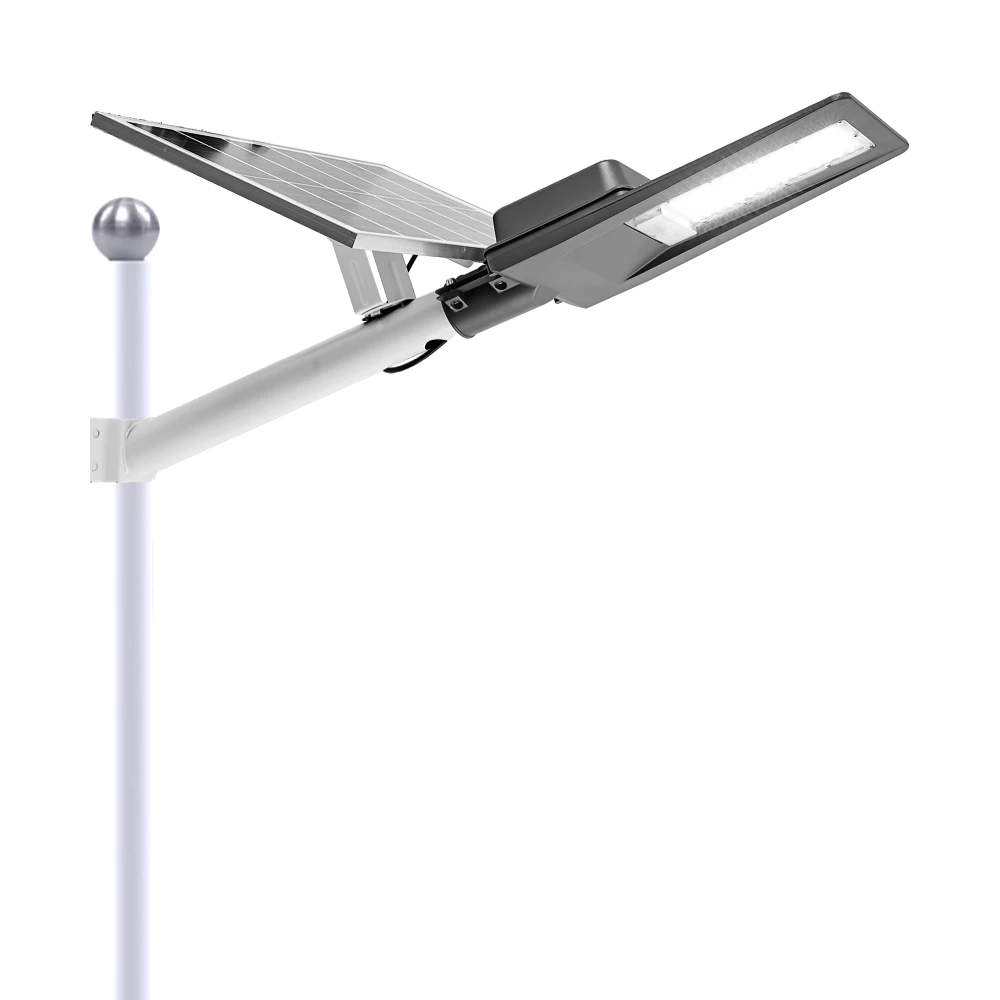
Experience reliable outdoor illumination with our smart solar street light, a perfect combination of advanced technology and eco-conscious design.
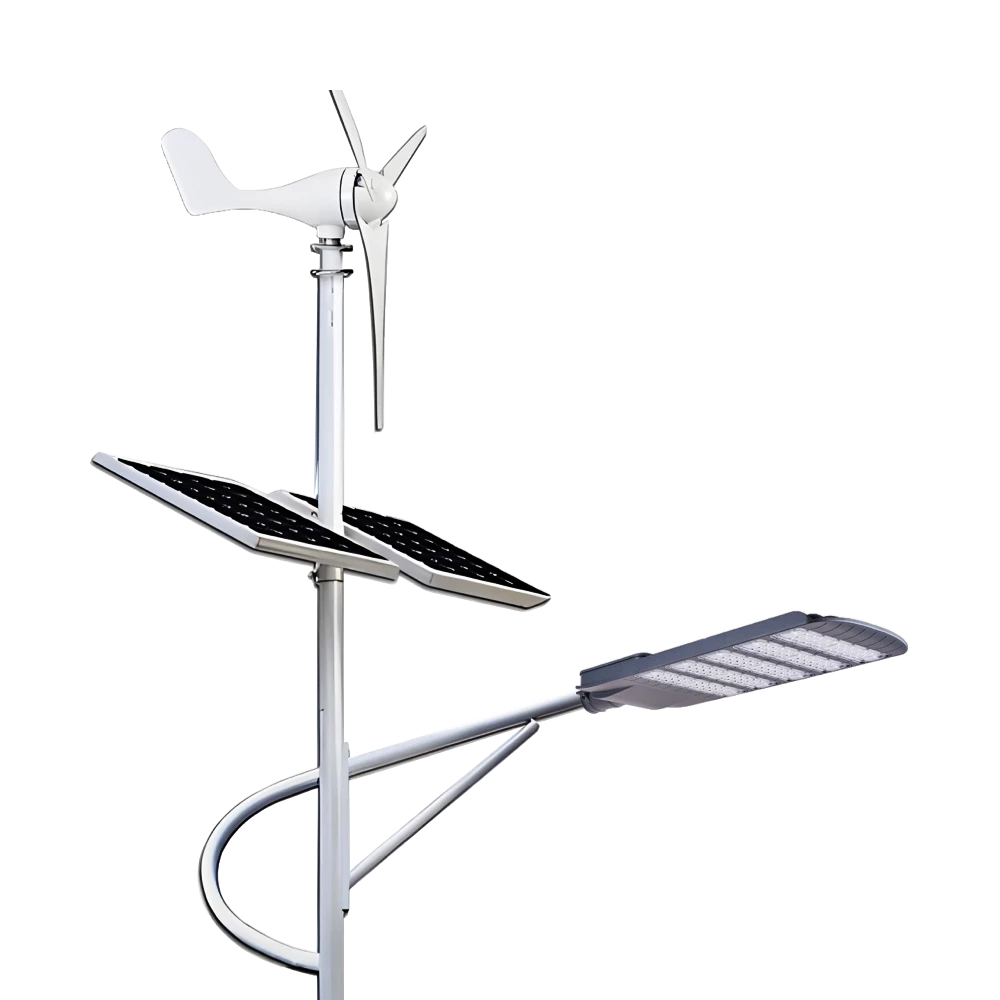
Queneng Lufeng Wind Energy LED Outdoor Solar Street Lights offer high-performance, eco-friendly illumination. These energy-efficient LED street lights harness solar power and wind energy for sustainable, cost-effective outdoor lighting solutions.
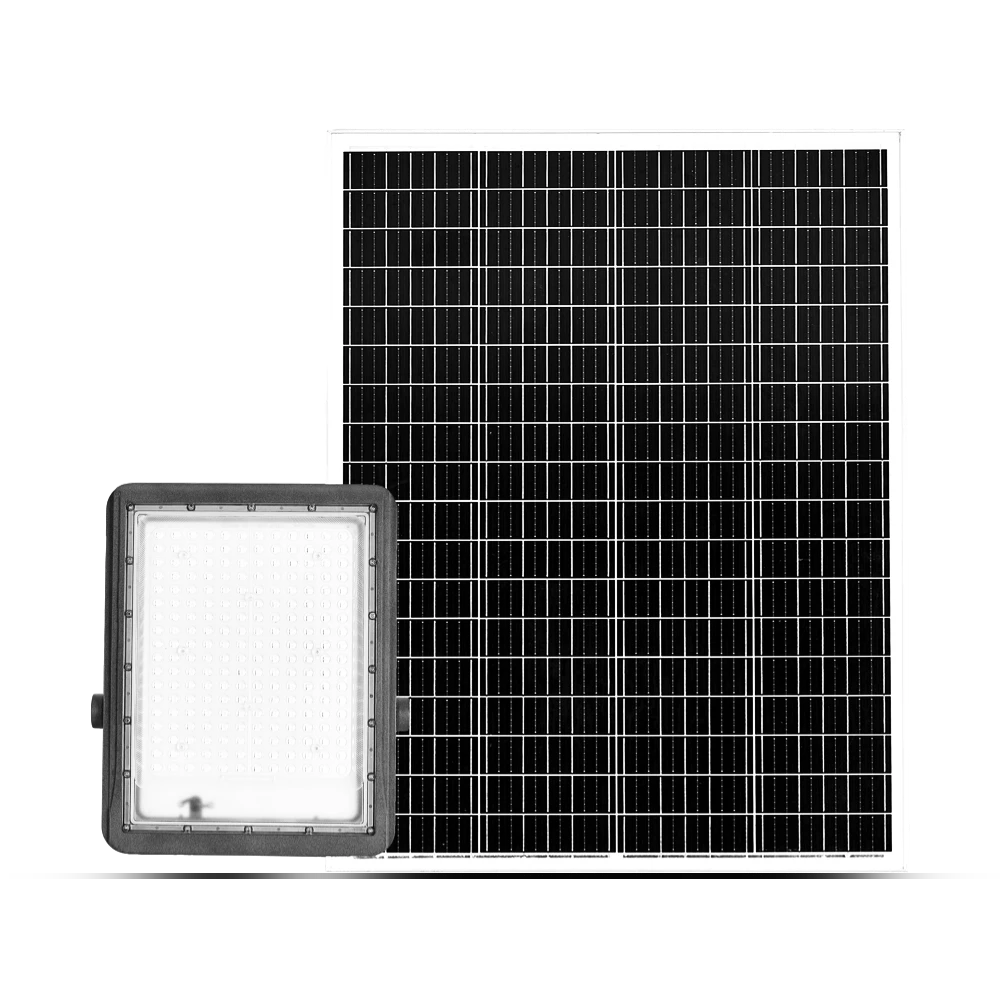
Queneng's Luxian Reliable Solar Street Light offers energy-saving LED lighting for outdoor use. This durable, solar-powered street light provides reliable illumination, reducing energy costs and environmental impact. A perfect solution for sustainable outdoor lighting.
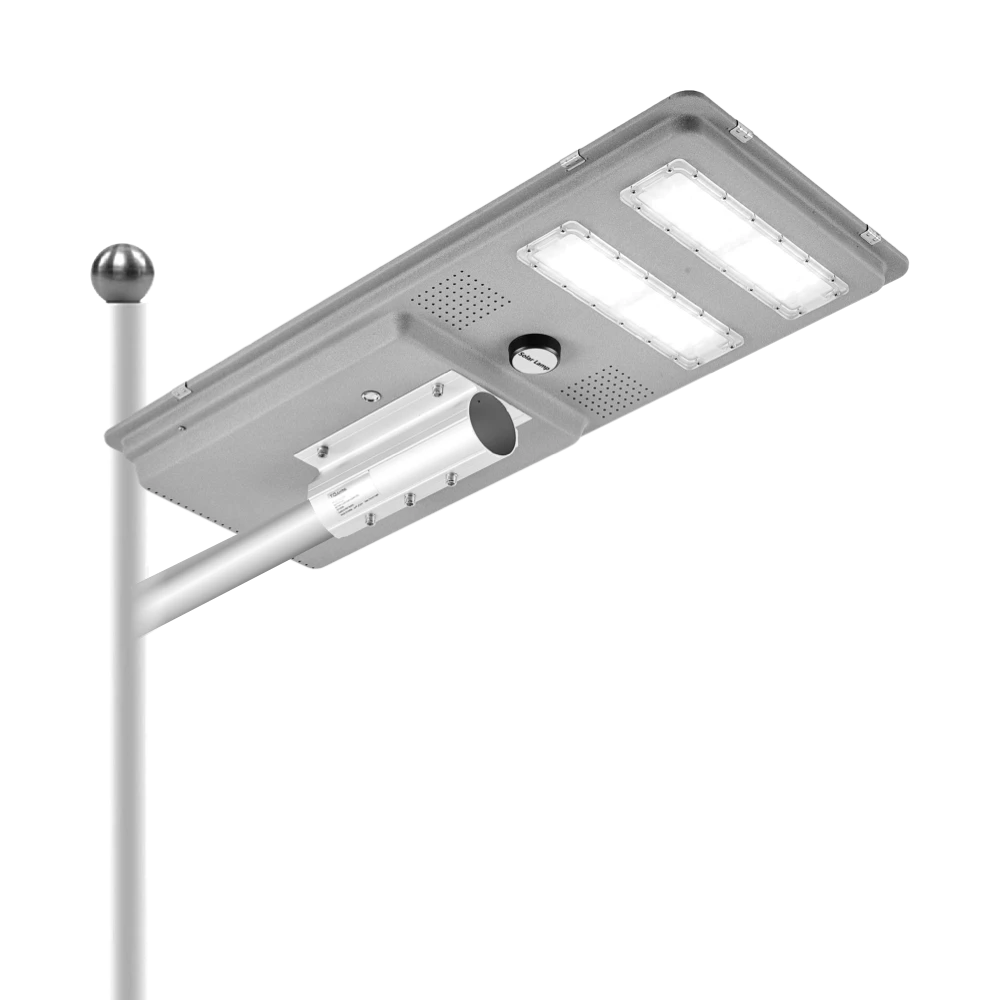
Queneng’s Solar Street Lights are designed to provide reliable, energy-efficient lighting for streets, parks, and other outdoor spaces.
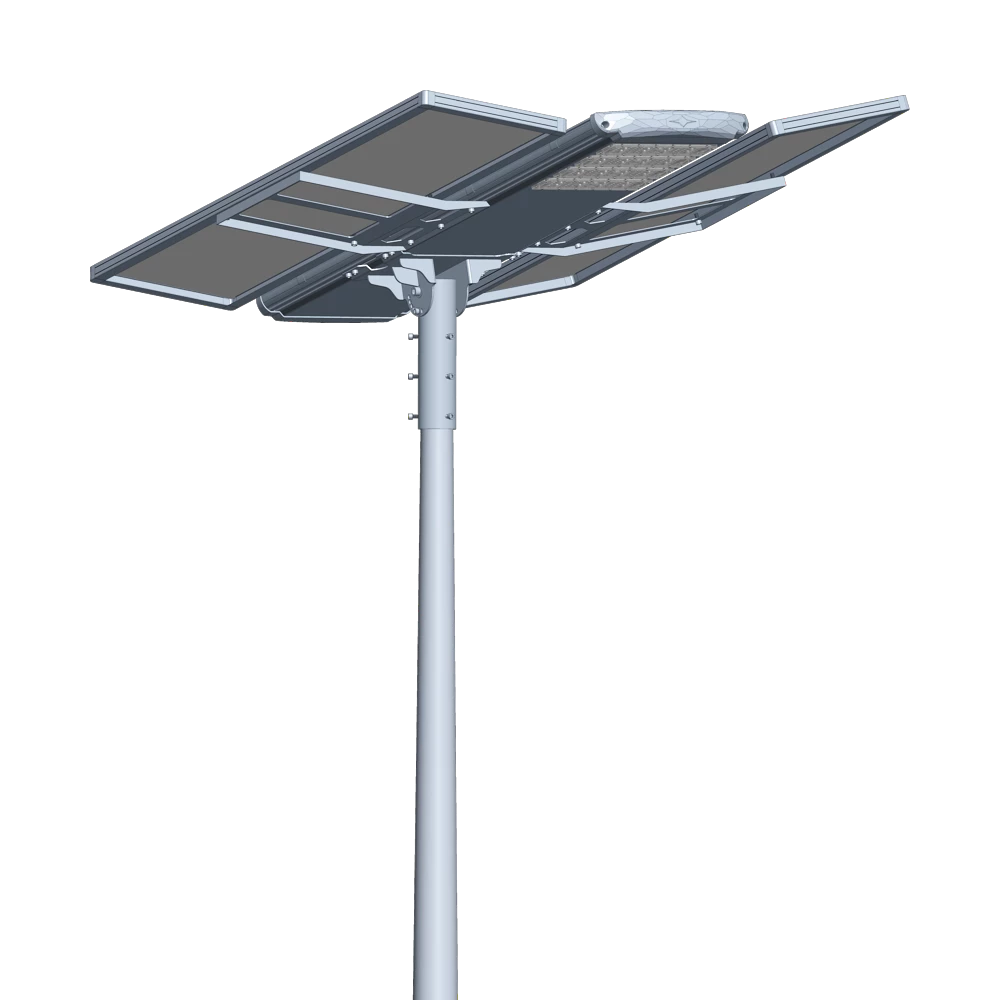
Introducing the Luqing Solar Street Light by Queneng, Efficient LED lighting powered by solar energy is perfect for illuminating outdoor areas. Harness the power of solar energy for sustainable, reliable street lighting. Ideal for eco-friendly, cost-effective outdoor illumination solutions.
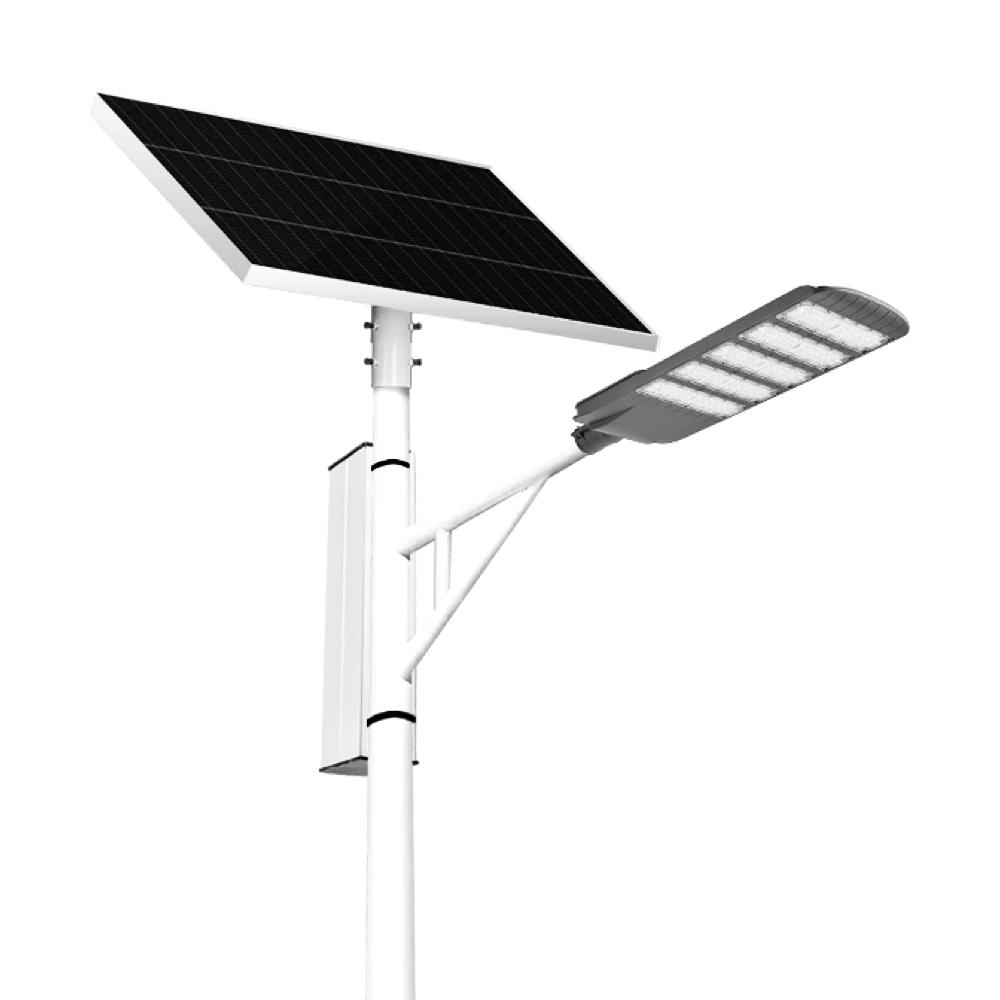
The Solar Streetlights of Luhao for Municipalities are designed to deliver reliable, energy-efficient, and cost-effective public lighting solutions. Equipped with advanced LED technology, durable lithium batteries, and high-efficiency solar panels, these streetlights provide consistent illumination for roads, parks, residential areas, and government projects.
Our professional team is ready to answer any questions and provide personalized support for your project.
You can reach us via phone or email to learn more about Queneng’s solar lighting solutions. We look forward to working with you to promote clean energy solutions!
Rest assured that your privacy is important to us, and all information provided will be handled with the utmost confidentiality.
By clicking 'Send Inquiry Now' I agree to Queneng processing my personal data.
To see how to withdraw your consent, how to control your personal data and how we process it, please see our Privacy Policy and Terms of use.
Schedule a Meeting
Book a date and time that is convenient for you and conduct the session in advance.
Have more questions about our products or services?
The messenger of light & power conversion
Environmental protection and intelligent manufacturing are our brand philosophy, and quality assurance and the best user experience are our eternal promises to users.
CONTACT
No.9F, Building F, Cao San Xin Tian Hong Logistics Park, Guzhen Town, Zhongshan City, Guangdong Province, China.
or write [email protected]
WhatsApp: +86 136 2270 1011


