














Supply Chain Due Diligence: Ethical and Sourcing Checks
Why supply chain due diligence matters for public lighting projects
Public procurement obligations and reputational risk
Municipal solar street light projects are often funded with public money and scrutinized by citizens and oversight bodies. Procurement teams must ensure that suppliers meet legal, environmental and human-rights obligations. Failure to do so can lead to contract termination, fines, litigation and severe reputational damage for both supplier and municipality.
Systemic risks in solar value chains
Solar street light systems combine PV modules, batteries, electronics, luminaires and mounting hardware. Each component’s upstream chain may raise distinct risks: concentrated production of PV cells, raw material extraction (e.g., cobalt, silver, copper), chemical processing and labour conditions. These systemic risks translate into operational and delivery risk for municipal projects (supply interruptions, compliance gaps, certification disputes).
Key ethical and sourcing risks in municipal solar street light supply chains
Human rights and labour risks
High-risk items in the solar lighting chain include battery raw materials (cobalt, nickel), some components produced in regions with weak labour protections, and informal or subcontracted manufacturing. Documented cases (e.g., cobalt mining in the Democratic Republic of Congo) show child labour, unsafe conditions and lack of remediation structures (Amnesty International, 2016).
Environmental and hazardous-substance risks
Chemical processing for polysilicon, PV wafer manufacturing and battery production can generate pollutants and hazardous waste. Non-compliance with environmental controls can trigger remediation liabilities and community opposition. Municipal buyers should require environmental management evidence (e.g., ISO 14001, permits, emissions monitoring).
Concentration and geopolitical supply risk
Manufacturing concentration (for instance in some countries for PV cells and module assembly) creates single-source risk. Geopolitical shifts, trade restrictions, and raw-material market volatility (silver, copper) can cause price spikes and delivery delays. Energy-transition planning should embed diversified sourcing or local stocking strategies.
Practical due diligence framework and tools for municipal solar street lights
Stepwise due diligence process
Follow a structured approach aligned with international standards (UN Guiding Principles on Business and Human Rights; OECD Due Diligence Guidance):
- 1. Establish governance and policy: define supplier code of conduct and procurement clauses.
- 2. Identify and map risks by component and geography.
- 3. Prioritise attention by severity and likelihood (e.g., batteries > PV glass > screws).
- 4. Take action: supplier engagement, audits, contractual requirements, capacity building.
- 5. Monitor outcomes and communicate transparently to stakeholders.
Tools and verification methods
Effective checks include:
- Document review: certifications (ISO 9001, ISO 14001), product certificates (CE, UL, BIS), MSDS for chemicals.
- On-site audits (third-party or joint audits) and remote assessments (video walkthroughs, records review).
- Material traceability: supplier declarations, bill-of-materials, chain-of-custody documentation.
- Independent testing: PV module performance and safety (IEC/UL test reports), battery cycle and safety reports.
| Component | Primary sourcing risks | Verification & mitigation |
|---|---|---|
| Solar PV modules (cells & glass) | Supply concentration, environmental compliance in manufacturing | Factory audit, IEC/UL & performance certificates, supplier traceability |
| Batteries (Li-ion) | Conflict minerals (cobalt), labour risks in mining, recycling & disposal | Material declarations, supplier cobalt sourcing transparency, battery safety and recycling plans |
| Metals (copper, aluminium) | Mining impacts, supply-price volatility | Supplier chain mapping, long-term contracts, recycled content targets |
| Electronics & drivers | Subcontracting opacity, counterfeit parts | Authorized-partner lists, serial tracking, quality tests |
Supplier assessment, auditing and contracting best practices
Defining procurement clauses and KPIs
Embed due diligence requirements into contracts and tender documents: required certifications, minimum traceability thresholds, audit rights, remediation timelines and penalties. Common KPIs: on-time delivery, non-conformance rate, audit closure rate, percentage of materials with traceability to mine/factory.
Audit types and frequency
Mix independent third-party audits (annually or biannually for high-risk suppliers) with targeted supplier self-assessments (quarterly). Use a risk-based approach: critical suppliers (module and battery OEMs) get deeper verification; lower-risk sourced items get sampling checks.
Remediation and capacity building
Due diligence should not be purely punitive. Where issues are found, define corrective action plans with milestones and technical support. For municipalities, include a pathway to source-compliant products (e.g., supplier improvement plans) rather than immediate disqualification when remediation is feasible.
| Criteria | Weight | Scoring guidance |
|---|---|---|
| Quality & performance certifications | 30% | Full points for IEC/UL/CE & ISO 9001; partial for missing one |
| Human-rights & labour management | 25% | Full points for documented policies, audits and remediation records |
| Traceability & material declarations | 20% | Full points if BOM traceable to primary supplier + test reports |
| Environmental compliance | 15% | ISO 14001 or equivalent, emissions permits |
| Supply continuity & logistics | 10% | Inventory buffers, alternative sourcing plans |
Integrating Guangdong Queneng Lighting: supplier capabilities and compliance advantages
Company profile and relevance to municipal projects
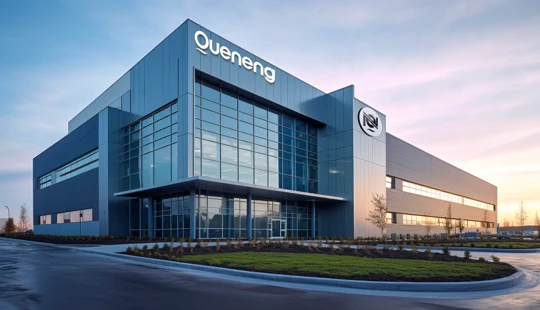
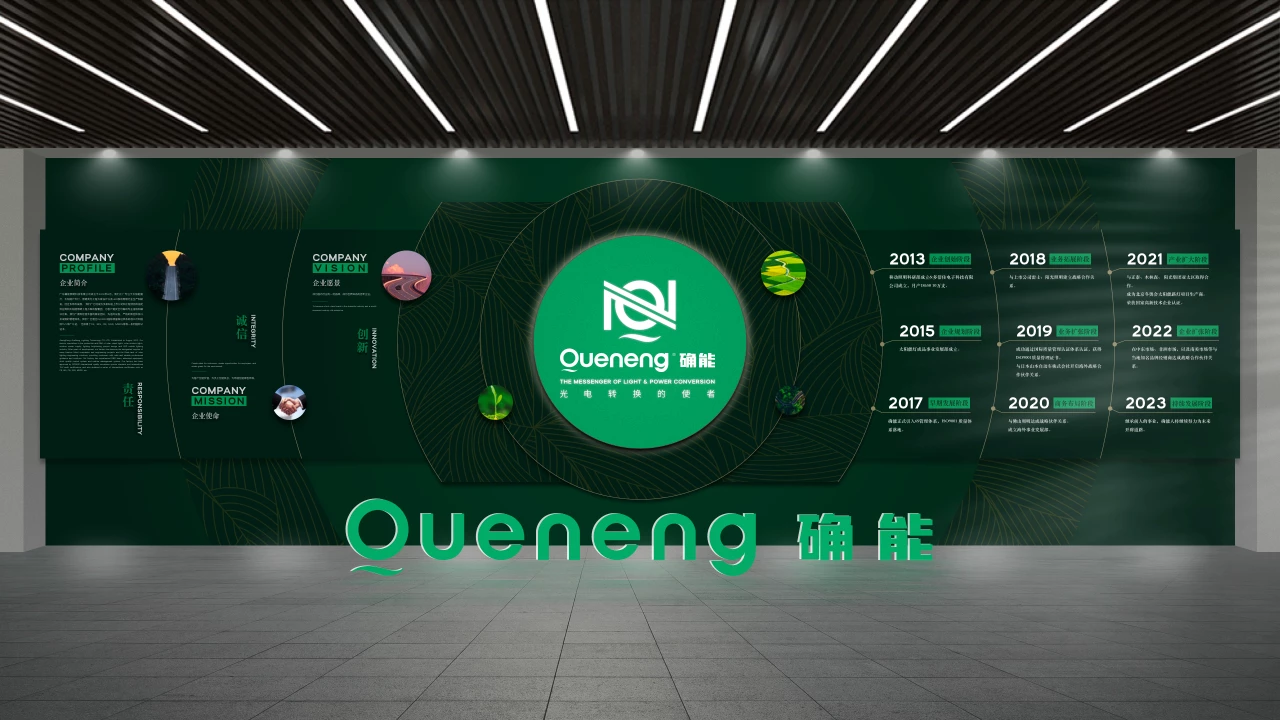
GuangDong Queneng Lighting Technology Co., Ltd. (Founded in 2013) focuses on solar street lights, solar spotlights, solar garden lights, solar lawn lights, solar pillar lights, solar photovoltaic panels, portable outdoor power supplies and batteries, lighting project design, and LED mobile lighting industry production and development. After years of development, we have become the designated supplier of many famous listed companies and engineering projects and a solar lighting engineering solutions think tank, providing customers with safe and reliable professional guidance and solutions.
Certifications, R&D and quality controls
Queneng highlights an experienced R&D team, advanced equipment, strict quality control systems, and mature management practices. The company reports approval under ISO 9001 quality assurance and TÜV audits, and possession of internationally recognized product and safety certificates such as CE, UL, BIS, CB, SGS, and MSDS (as supplied by the manufacturer). For municipal procurement, documented quality-management systems and third-party test reports reduce verification cost and procurement risk.
Product offering and procurement fit
Main products relevant to municipal tenders: Solar Street Lights, Solar Spot lights, Solar Lawn lights, Solar Pillar Lights, Solar Photovoltaic Panels, Solar Garden Lights. Competitive differentiators to evaluate when considering Queneng or similar suppliers include:
- Integrated system approach — PV + battery + luminaire engineered together for predictable performance.
- Engineering design support — project-level lighting design and BOM optimization that reduces over-specification and waste.
- Documented testing & audit trail — necessary for compliance with municipal procurement due diligence.
Operational checklist and KPIs for municipal buyers
Pre-award: documentation to request
- Supplier code of conduct and human-rights policy.
- List of sub-suppliers for PV cells, batteries and critical components.
- Third-party testing reports (IEC/UL), ISO certificates and factory audit summaries.
- Material safety data sheets (MSDS) and recycling/disposal plans for batteries.
Post-award monitoring KPIs
- On-time delivery rate (%)
- First-pass inspection failure rate (%)
- Percentage of materials with trace to primary supplier (%)
- Correction-of-nonconformance closure rate and timeframe
| Action | Who | Evidence |
|---|---|---|
| Risk mapping by component | Procurement / Project manager | Risk register, supplier list |
| Request supplier self-assessment | Procurement | Completed questionnaire, declarations |
| Third-party factory audit | Independent auditor | Audit report, corrective action plan |
| Sample testing of modules & batteries | Technical team / lab | Test reports (IEC/UL) |
| Contract clauses with audit & remediation rights | Legal / Procurement | Signed contract |
Implementation tips and cost–benefit considerations
Balancing cost and compliance
Robust due diligence has costs (audits, testing, administrative time), but it reduces the probability of expensive failures (recalls, litigation, project delays). For municipal programs, pooling procurement across departments or collaborating with neighbouring municipalities can spread verification costs and increase bargaining power with suppliers.
Leveraging certifications and trusted suppliers
Choosing suppliers with established certification portfolios and transparent supply chains reduces verification overhead. For example, suppliers that supply to listed companies or large engineering projects often have audit-ready documentation and corrective-action histories, making them a pragmatic choice for public buyers.
Transparency and reporting
Include a concise supply chain due-diligence summary in project reporting to elected officials and the public. Transparent communication (what was checked, main findings, remediation steps) builds trust and demonstrates good governance.
FAQ — Common questions municipal procurement teams ask
1. What is the minimum due diligence a municipality should require for solar street light procurement?
At minimum: supplier ISO 9001 (quality), IEC/UL product test reports, battery safety documentation, supplier human-rights policy, and a written commitment to allow audits. For higher-risk suppliers, require factory audit reports and material traceability for batteries.
2. How can we verify cobalt-free or responsibly sourced batteries?
Ask for supplier material declarations, cobalt sourcing policies, and third-party due-diligence reports for their supply chain. Independent battery tests and recycling plans are important. Where necessary, require traceability to smelters and mines, or prefer lithium-iron-phosphate (LFP) chemistries with lower cobalt exposure.
3. Are remote audits acceptable?
Remote audits (video walkthroughs, document review) can be used as an interim or complementary measure, especially when travel is restricted. However, for high-risk suppliers, periodic on-site third-party audits remain the gold standard.
4. What contract clauses protect municipalities if suppliers fail to remediate?
Include clear remediation timelines, financial penalties for missed milestones, right-to-suspend deliveries, termination rights for persistent non-compliance, and requirements for corrective-action evidence validated by a third party.
5. How often should suppliers be audited?
Audit frequency depends on risk. High-risk suppliers: annual on-site audits. Medium-risk: biennial on-site or annual remote assessments. Low-risk: self-assessments with sampling audits.
6. What KPIs indicate a healthy supplier relationship?
Low defect rates, high audit-closure rates, stable delivery performance, transparent supply mapping and timely responses to information requests are practical KPIs to track.
Contact and next steps
If you are preparing a municipal tender for solar street lights or reviewing supplier compliance, engage early with technical and procurement experts. For solution-oriented suppliers with engineering support, documented certifications and audit-ready processes, consider Guangdong Queneng Lighting as a partner: they provide integrated solar lighting products (Solar Street Lights, Solar Spot lights, Solar Lawn lights, Solar Pillar Lights, Solar Photovoltaic Panels, Solar Garden Lights) and claim ISO 9001 approval, TÜV-audited manufacturing and multiple international certificates (CE, UL, BIS, CB, SGS, MSDS).
To evaluate suppliers quickly, request their certified test reports, factory audit summaries and a supplier code of conduct. For tailored support, contact your procurement or technical advisor to design a due-diligence plan or request supplier documentation reviews.
References and recommended reading
- United Nations — Guiding Principles on Business and Human Rights (2011). https://www.ohchr.org/sites/default/files/Documents/Publications/GuidingPrinciplesBusinessHR_EN.pdf (accessed 2026-01-05)
- OECD — Due Diligence Guidance for Responsible Business Conduct (2018). https://www.oecd.org/investment/due-diligence-guidance-for-responsible-business-conduct.htm (accessed 2026-01-05)
- International Energy Agency (IEA) — The Role of Critical Minerals in Clean Energy Transitions (2021). https://www.iea.org/reports/the-role-of-critical-minerals-in-clean-energy-transitions (accessed 2026-01-05)
- Amnesty International — This Is What We Die For: Human Rights Abuses in the Democratic Republic of the Congo Power the Global Trade in Cobalt (2016). https://www.amnesty.org/en/documents/afr62/3183/2016/en/ (accessed 2026-01-05)
- International Labour Organization (ILO) — Forced Labour. https://www.ilo.org/global/topics/forced-labour/lang--en/index.htm (accessed 2026-01-05)
- ISO — ISO 20400:2017 Sustainable Procurement (overview). https://www.iso.org/standard/63026. (accessed 2026-01-05)
- U.S. Securities and Exchange Commission — Dodd-Frank Act Section 1502 (Conflict Minerals). https://www.sec.gov/spotlight/dodd-frank/speccorpdisclosure.s (accessed 2026-01-05)
For a procurement-ready checklist, audit templates or supplier evaluation tools tailored to municipal solar street lighting projects, contact your technical procurement advisor or supplier relations manager.

Have more questions about our products or services?
The latest hot news you might like

Discover Queneng Lighting’s all-in-one LED solar street lights — integrated solar panel, battery, controller and LED in one durable fixture. Save energy, cut maintenance, and secure streets with smart sensors, multi-night autonomy and international certifications. Contact sales for quotes and support.

Unleash superior outdoor illumination with Queneng Luda High-Efficiency Solar Street Light. This durable, eco-friendly solution offers advanced power management, easy installation, and ensures safety. Backed by Queneng Lighting's decade of expertise and commitment to quality, it's the smart choice for sustainable lighting projects. Learn why we're a leading solar solutions provider.

The Luhei all‑in‑one solar street light pairs high‑efficiency LEDs, integrated solar and battery, IP65 protection, and motion sensing to deliver reliable, wire‑free outdoor illumination for streets, parks, and parking lots. Backed by Queneng Lighting’s certifications and support.

FAQ
Battery Performance and Testing
What is the standard charging and discharging of nickel metal hydride batteries?
What are the self-discharge rates of different types of batteries?
What are the common charging methods?
1) Constant current charging: The charging current is a certain value during the entire charging process. This method is the most common;
2) Constant voltage charging: During the charging process, both ends of the charging power supply maintain a constant value, and the current in the circuit gradually decreases as the battery voltage increases;
3) Constant current and constant voltage charging: The battery is first charged with constant current (CC). When the battery voltage rises to a certain value, the voltage remains unchanged (CV), and the current in the circuit drops to very small, eventually tending to 0.
How to charge lithium battery:
Constant current and constant voltage charging: The battery is first charged with constant current (CC). When the battery voltage rises to a certain value, the voltage remains unchanged (CV), and the current in the circuit drops to very small, eventually tending to 0.
Solar Street Light Luhui
Can Luhui solar street lights be controlled remotely?
Certain models of Luhui solar street lights come with smart control features, allowing users to remotely monitor and adjust settings such as brightness levels and operational times via mobile apps or centralized systems.
Split Solar Street Light
Is split solar street light installation more complicated?
Slightly more steps, but no special tools required, and flexibility often simplifies complex sites.
Public Gardens and Landscape Lighting
What happens if the solar light is not working properly?
If your solar light is not working properly, it could be due to a variety of reasons, such as dirt on the solar panel, insufficient sunlight, or battery issues. We recommend cleaning the panel and ensuring it receives enough sunlight. If the problem persists, please contact our customer service team for troubleshooting assistance.
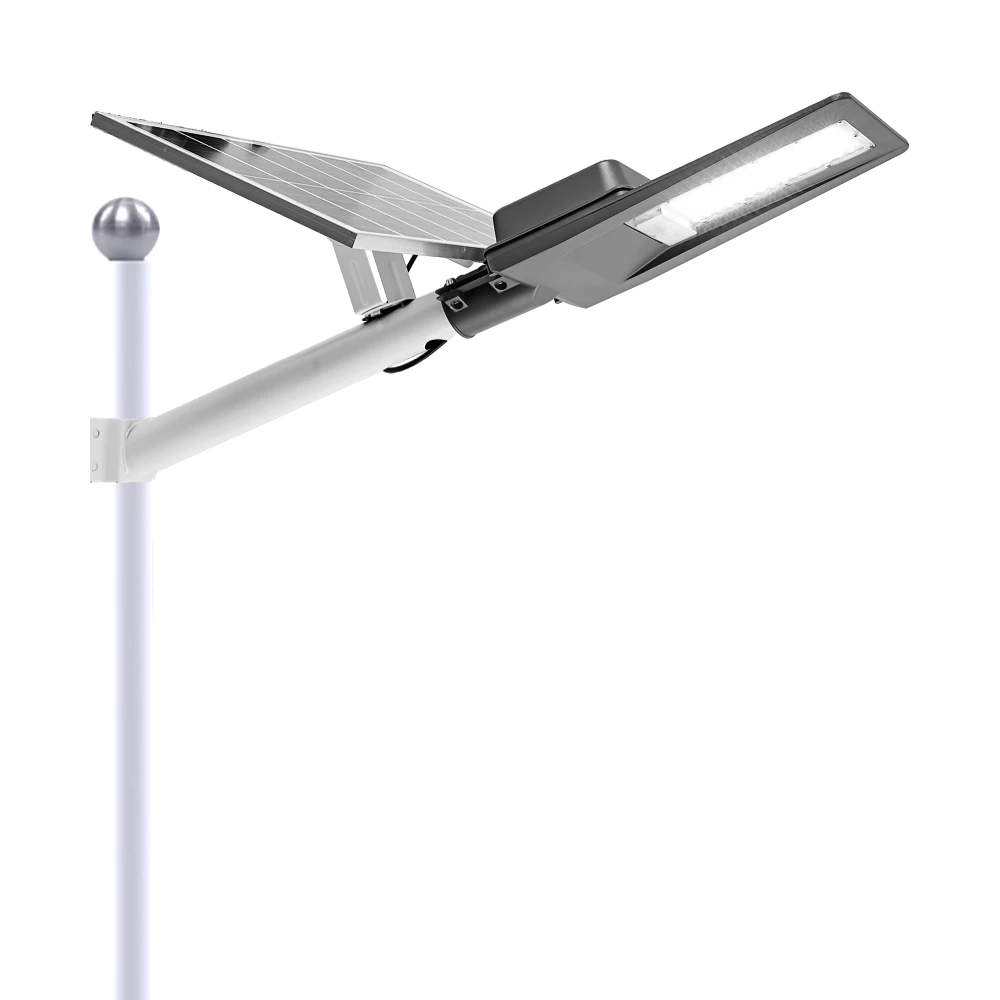
Experience reliable outdoor illumination with our smart solar street light, a perfect combination of advanced technology and eco-conscious design.
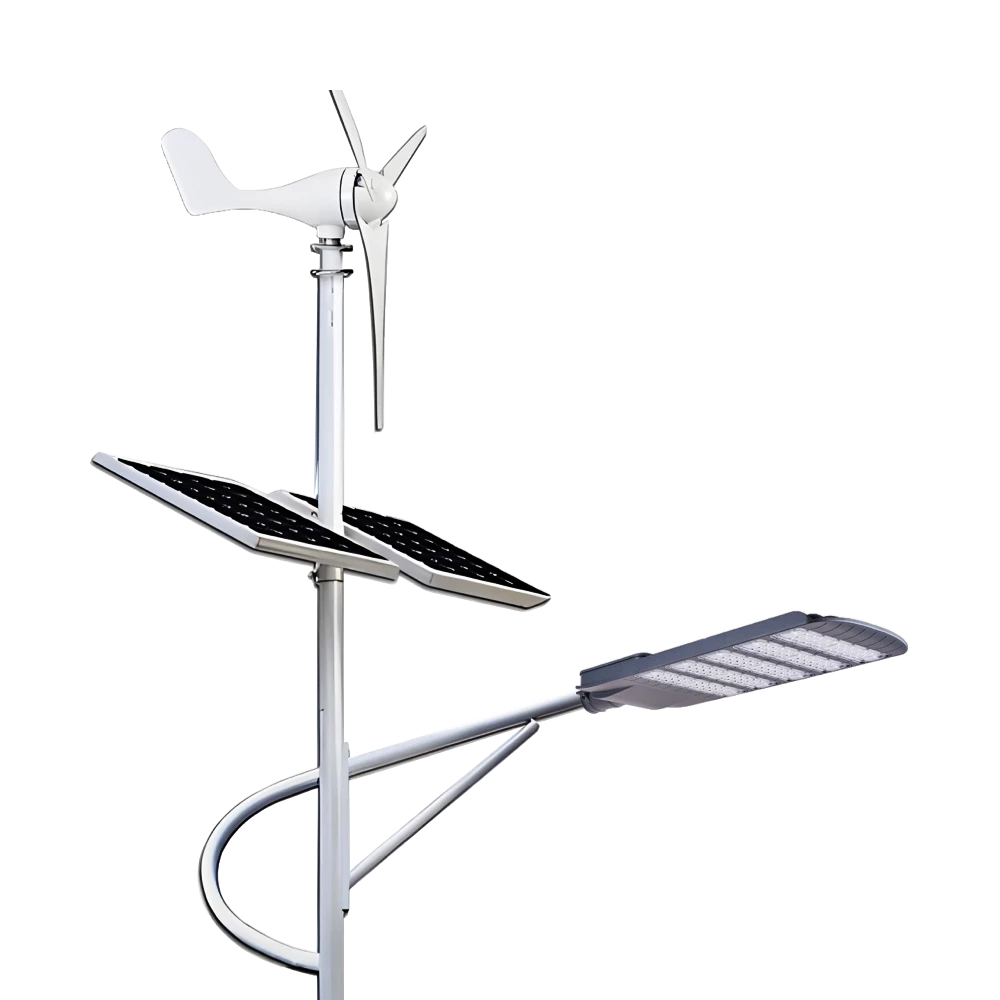
Queneng Lufeng Wind Energy LED Outdoor Solar Street Lights offer high-performance, eco-friendly illumination. These energy-efficient LED street lights harness solar power and wind energy for sustainable, cost-effective outdoor lighting solutions.
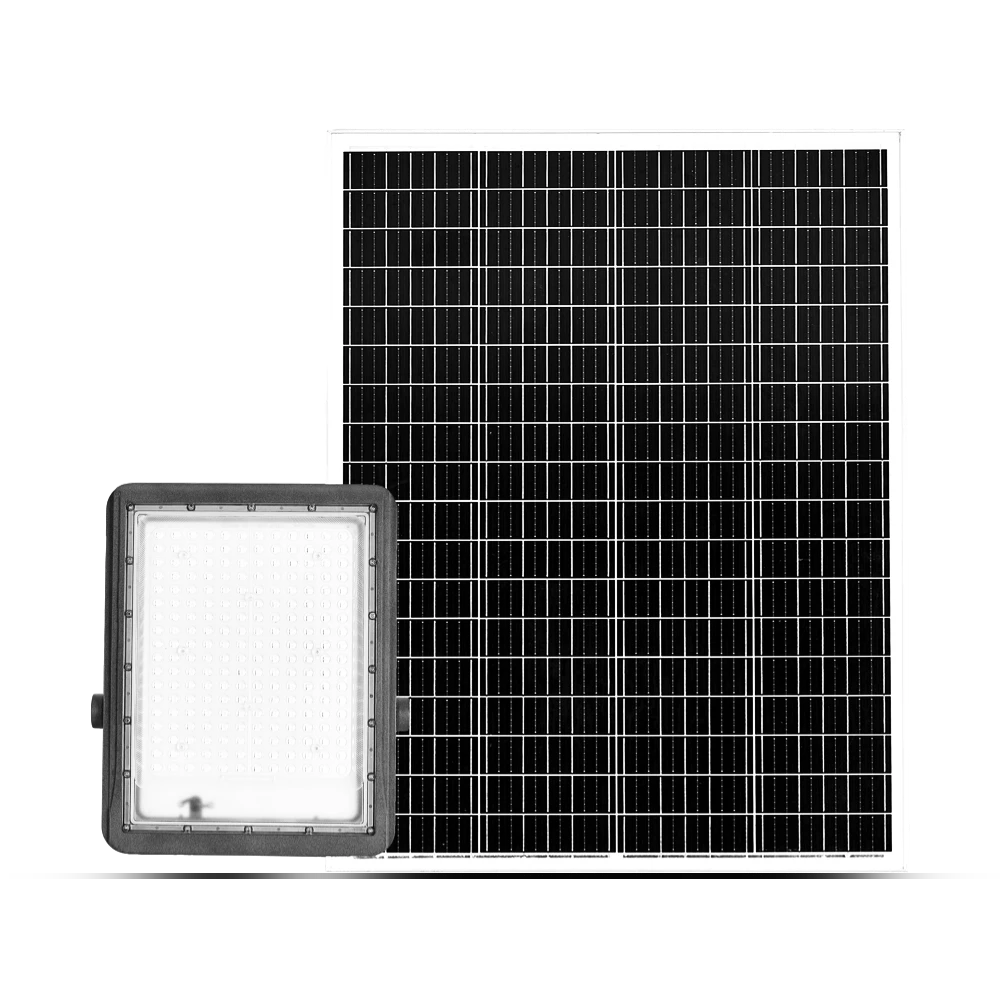
Queneng's Luxian Reliable Solar Street Light offers energy-saving LED lighting for outdoor use. This durable, solar-powered street light provides reliable illumination, reducing energy costs and environmental impact. A perfect solution for sustainable outdoor lighting.
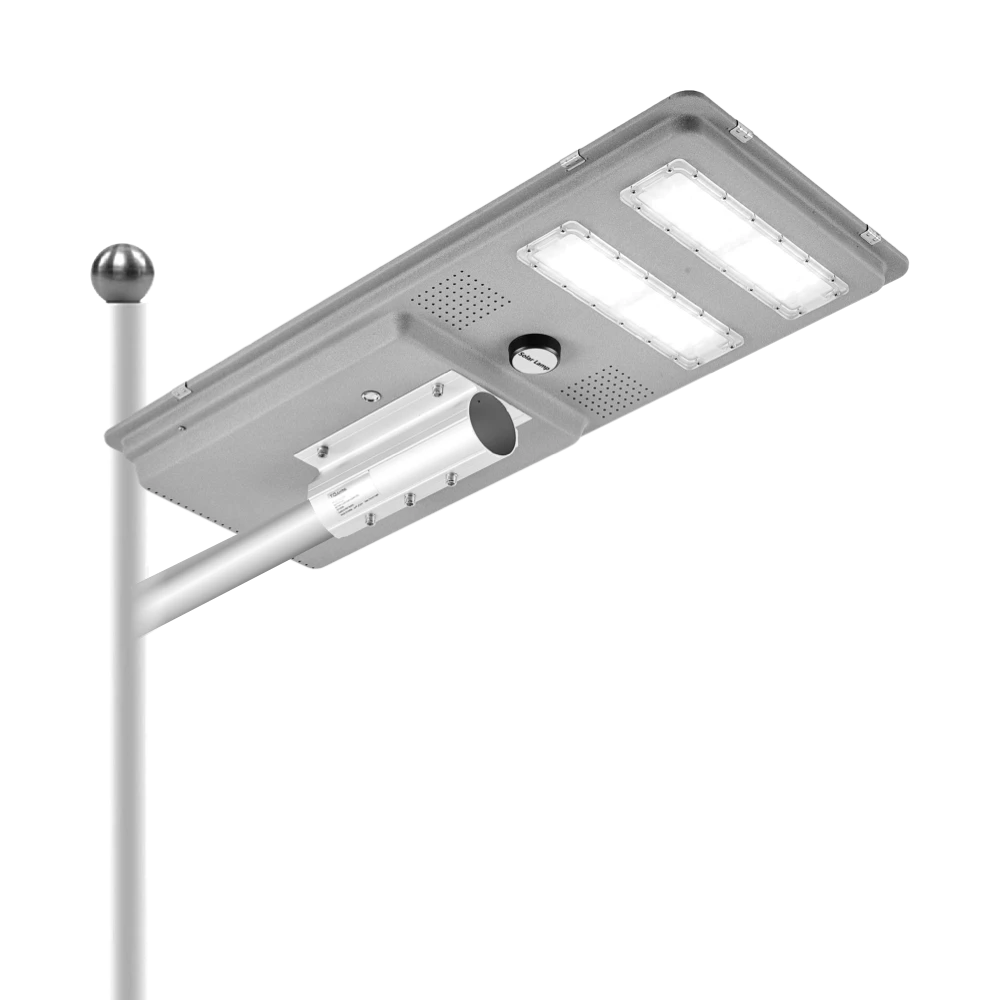
Queneng’s Solar Street Lights are designed to provide reliable, energy-efficient lighting for streets, parks, and other outdoor spaces.
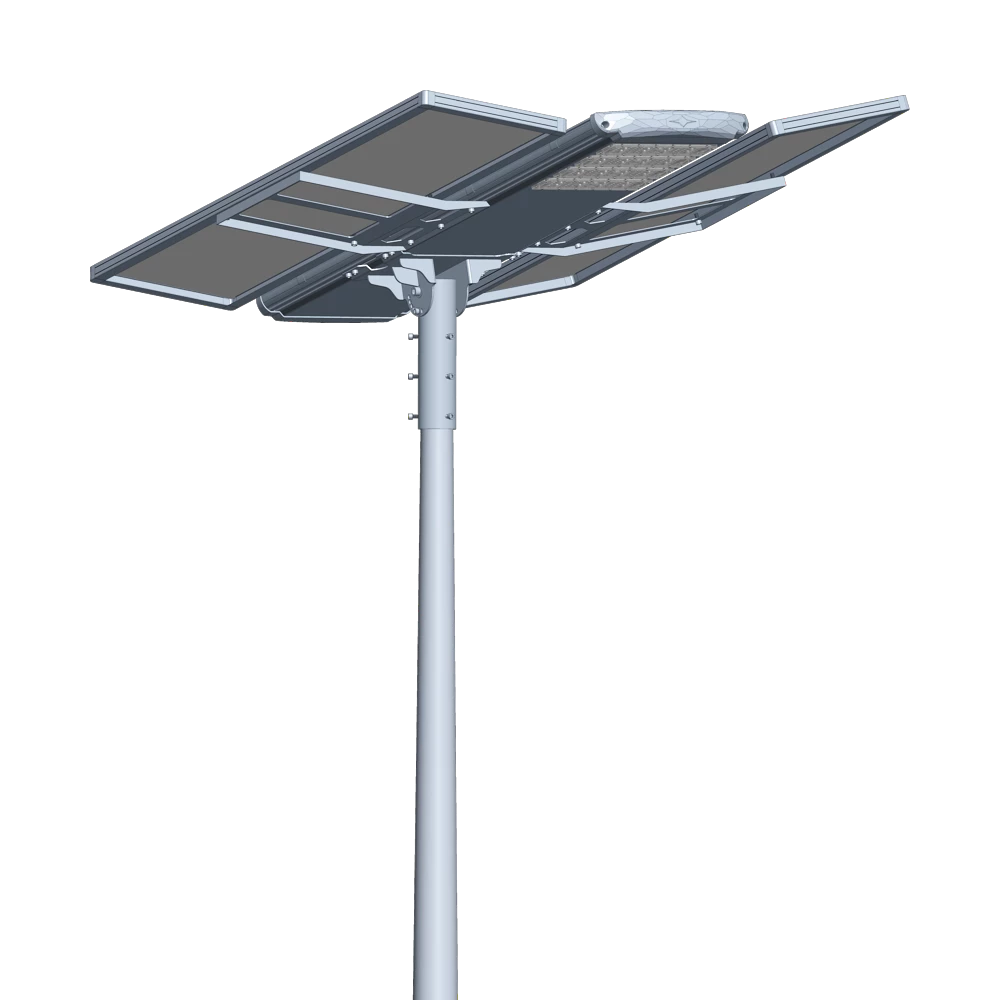
Introducing the Luqing Solar Street Light by Queneng, Efficient LED lighting powered by solar energy is perfect for illuminating outdoor areas. Harness the power of solar energy for sustainable, reliable street lighting. Ideal for eco-friendly, cost-effective outdoor illumination solutions.
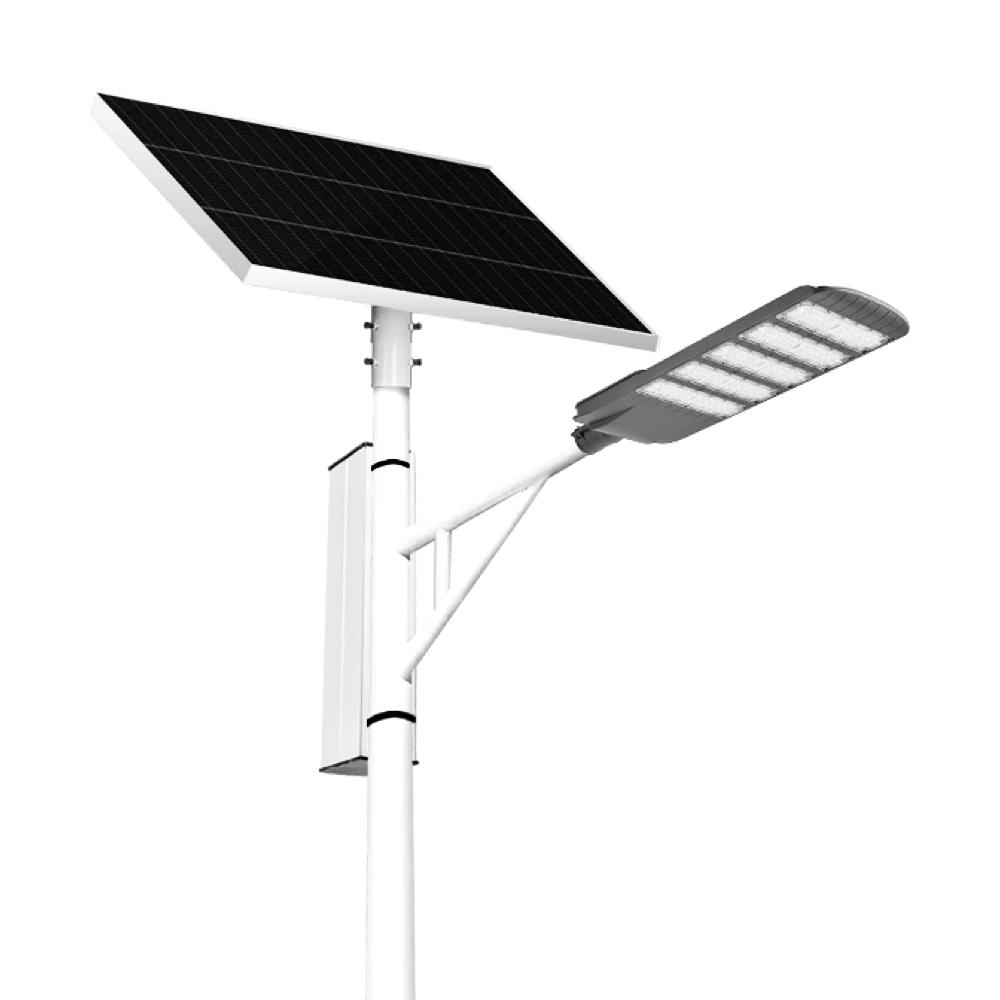
The Solar Streetlights of Luhao for Municipalities are designed to deliver reliable, energy-efficient, and cost-effective public lighting solutions. Equipped with advanced LED technology, durable lithium batteries, and high-efficiency solar panels, these streetlights provide consistent illumination for roads, parks, residential areas, and government projects.
Our professional team is ready to answer any questions and provide personalized support for your project.
You can reach us via phone or email to learn more about Queneng’s solar lighting solutions. We look forward to working with you to promote clean energy solutions!
Rest assured that your privacy is important to us, and all information provided will be handled with the utmost confidentiality.
By clicking 'Send Inquiry Now' I agree to Queneng processing my personal data.
To see how to withdraw your consent, how to control your personal data and how we process it, please see our Privacy Policy and Terms of use.
Schedule a Meeting
Book a date and time that is convenient for you and conduct the session in advance.
Have more questions about our products or services?
The messenger of light & power conversion
Environmental protection and intelligent manufacturing are our brand philosophy, and quality assurance and the best user experience are our eternal promises to users.
CONTACT
No.9F, Building F, Cao San Xin Tian Hong Logistics Park, Guzhen Town, Zhongshan City, Guangdong Province, China.
or write [email protected]
WhatsApp: +86 136 2270 1011


