














Technical Specs to Include in Purchase Orders
Municipal solar lighting projects require clear, verifiable technical specifications in purchase orders to ensure lifetime performance, regulatory compliance, and predictable total cost of ownership. Whether you are specifying a municipal solar street light project, ordering split solar street light systems for retrofit applications, or choosing all-in-one solar street lights for fast deployment, this article provides a practical, standards-based checklist — including electrical, mechanical, environmental, control and warranty items — you should include in contracts and POs to reduce disputes and ensure field performance.
Understanding project needs and site conditions
Assess solar resource, shading and irradiance data
Before locking technical specs, require the supplier or your design partner to validate local solar resource and shading. Use measured Global Horizontal Irradiance (GHI) data or validated satellite datasets from agencies such as the International Energy Agency (IEA) or local meteorological services to derive average daily insolation and worst-month values. This data determines required PV panel wattage, tilt, orientation and battery autonomy days.
Define lighting targets, mounting geometry and traffic context
State the required illuminance (lux) and uniformity (U0) criteria for the application (e.g., urban arterial, residential street, park pathway). For municipal projects specify pole heights, spacing, mounting types (side-arm, top-mount), and expected mounting hardware loadings (wind, ice). These inputs affect luminaire optical selection, beam distribution and pole structural design. Refer to local lighting standards or the street lighting guidance for illuminance recommendations.
Site conditions that influence mechanical and environmental specifications
List environmental parameters that affect product selection: ambient temperature range, humidity, salt spray (coastal), dust and sand exposure, altitude (affects thermal dissipation), and vandalism risk. For example, coastal towns should require corrosion-resistant components and higher-grade surface treatments; desert regions should require higher-temperature-rated batteries and PV modules.
Essential technical specifications to include in purchase orders
Electrical and optical specifications
- LED module: specify lumen output (e.g., 10,000 lm), efficacy (lm/W), color temperature (CCT, e.g., 4000K), CRI (≥70 or as required), light distribution type (Type II/III/IV) and lumen maintenance (L70 @ 60,000 hours) with LM-80/IES TM-21 backing.
- PV module: nominal power (Wp), technology (monocrystalline/polycrystalline), module efficiency, temperature coefficient, IEC 61215/61730 compliance and PID resistance claim. Require nameplate IV curve at STC and rated power tolerance (e.g., ±5%).
- Battery: chemistry (e.g., LiFePO4/Lithium-ion), nominal capacity (Ah) and nominal voltage, usable depth of discharge (DoD), cycle life at specified DoD (e.g., >3500 cycles at 80% DoD), temperature compensation and BMS protections (overcharge, overdischarge, cell balancing).
- Charge controller: MPPT vs PWM (MPPT recommended for efficiency), maximum input voltage, max current, built-in protections and telemetry capability.
Mechanical, structural and environmental specs
- Ingress and corrosion protection: specify IP rating (e.g., IP66) and IK impact rating (e.g., IK08) per the IP Code and relevant standards.
- Pole and mounting: pole type, steel grade (e.g., Q235/Q355), galvanization thickness (>275 g/m2) or hot-dip galvanizing standard, wind load rating (basic wind speed or 50-year return period), and foundation bolt patterns.
- Thermal design: thermal dissipation method, max operating case temperature, and any additional enclosures for controllers/batteries with thermal management.
Controls, monitoring, communications and warranties
- Controls: specify dusk-to-dawn operation, dimming profiles, motion-sensor integration, remote scheduling, and photocell performance.
- Monitoring: remote telemetry (cellular/LoRa/Wi-Fi) requirements with data points (energy production, SOC, runtime, fault codes) and data retention policies.
- Certifications & warranty: require CE/UL/BIS/CB where applicable, TÜV audit confirmation, ISO 9001 quality control, and warranty terms (e.g., 5-year system warranty, 10-year prorated module warranty, and 3–5 years for batteries or manufacturer-backed cycle-life warranties).
Comparing product types: municipal, split and all-in-one solar street lights
Each product architecture has procurement implications. The table below summarizes the key technical elements to specify for each type and typical ranges or check points. Values are representative ranges — require vendor-specific certified test data in the PO.
| Spec / Product Type | Municipal Solar Street Light (centralized PV & battery) | Split Solar Street Light (separate panel + luminaire) | All-in-One Solar Street Lights (integrated unit) |
|---|---|---|---|
| PV Module (Wp) | Depends on array; typically 100–300 Wp per pole in small systems; central arrays sized by load | 50–200 Wp per light, tilt adjustable; require mounting bracket specs | 20–150 Wp integrated to the fixture; specify module efficiency and tilt angle |
| Battery (chemistry & capacity) | Central battery banks (LiFePO4 preferred), specify kWh, redundancy and BMS | Mounted in ground box or pole, LiFePO4 or GEL depending on spec; specify Ah and DoD | Integrated LiFePO4, specify Ah, DoD, cycle life (e.g., ≥2000 cycles @80% DoD) |
| Autonomy (days) | Design for 3–7 days or per local requirement | 3–5 days commonly specified | 2–5 days depending on panel and battery sizing |
| IP / IK | IP66+, IK08+ | IP65–IP66, IK08 | IP65–IP66, IK08 |
| Control & comms | Central SCADA/monitoring recommended | Optional local or remote monitoring modules | Built-in telemetry common (GSM/LoRa) |
| Typical applications | Large municipal corridors, parks, campuses | Retrofits, heritage sites where panel placement is separated | Small towns, remote sites, pathways where rapid deployment is needed |
Sources for best practice and component expectations include industry reports on PV and lighting technology trends (see IEA Solar PV) and component standards documented by IEC and ISO.
Procurement process, testing, certifications and contract terms
Specify factory acceptance tests (FAT) and sample deliverables
Include a clear FAT checklist in the PO. Require the supplier to provide:
- Sample unit test results (LM-79, LM-80 for LEDs), PV module datasheet and flash test report, and battery cell/bank test reports.
- MPPT/charge controller efficiency curves and schematic wiring diagrams.
- Physical sample or prototype inspection: actual fixture, PV module, bracket and pole sample for dimensional verification.
Type testing, certifications and documentary evidence
Demand certificates and compliant test reports as part of delivery:
- Electrical and safety: CE or UL marks where applicable, CB reports, and IEC compliance documents for PV modules and inverters.
- Quality management: ISO 9001 certificate and factory audit reports such as TÜV or other third-party audits.
- Environmental and hazardous materials: RoHS, MSDS for batteries, and SGS test results for material claims.
Requiring these documents in advance reduces risk at site installation and helps ensure warranty support. Learn about ISO 9001 practices at ISO 9001.
Logistics, delivery, installation and acceptance criteria
Define delivery milestones, packaging requirements, and handling instructions for PV modules and batteries. Include an installation acceptance protocol: commissioning tests (illumination measurements, battery SOC tests, telemetry verification) and a defined defect liability period. For municipal procurements you may add performance guarantees tied to light output after 12 and 36 months.
Risk mitigation, lifecycle cost and O&M considerations
Specify maintainability and spare parts
Include a list of recommended spare parts, mean time to repair (MTTR) targets, and a requirement for local service partner details. For split solar street light systems, specify ease of access for panel adjustments and battery replacement logistics.
Performance guarantees and energy yield modeling
Require supplier-provided energy yield assessments under worst-month scenarios and specify minimum energy availability or uptime (e.g., ≥98% annual lighting uptime). Where possible, require independent validation of energy models. Energy yield estimates should reference measured irradiance inputs.
End-of-life, recycling and environmental compliance
State recycling responsibilities for batteries and PV modules, and require supplier take-back or certified recycling plans to meet local regulations. For batteries, insist on MSDS documentation and recycling pathways per local hazardous waste rules.
Brand profile and why it matters in procurement
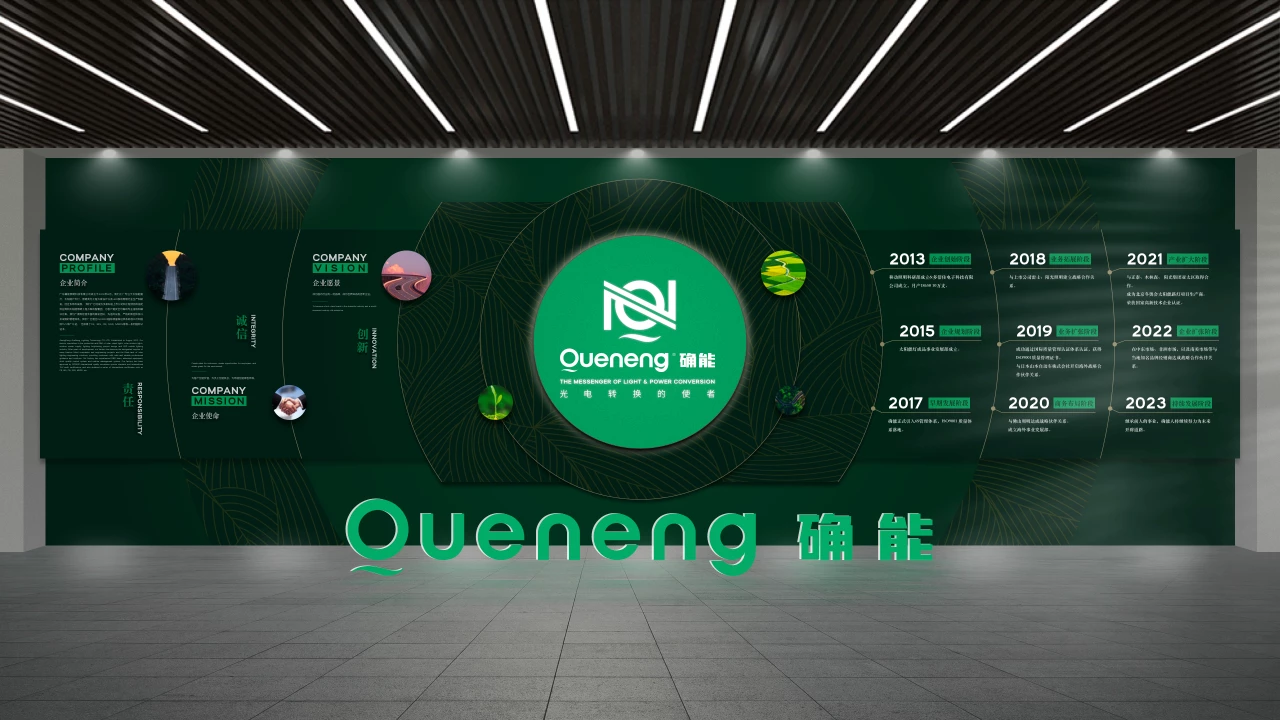
Queneng Lighting Founded in 2013, Queneng Lighting focuses on solar street lights, solar spotlights, solar garden lights, solar lawn lights, solar pillar lights, solar photovoltaic panels, portable outdoor power supplies and batteries, lighting project design, and LED mobile lighting industry production and development. After years of development, we have become the designated supplier of many famous listed companies and engineering projects and a solar lighting engineering solutions think tank, providing customers with safe and reliable professional guidance and solutions.
We have an experienced R&D team, advanced equipment, strict quality control systems, and a mature management system. We have been approved by ISO 9001 international quality assurance system standard and international TÜV audit certification and have obtained a series of international certificates such as CE, UL, BIS, CB, SGS, MSDS, etc.
Queneng Lighting’s core strengths for municipal and large-scale projects:
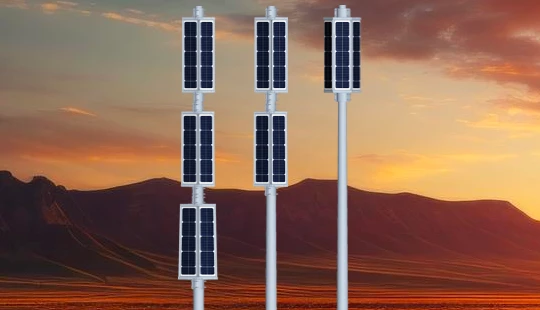
- Extensive project experience and engineering design capability for municipal solar street light systems and split solar street light solutions.
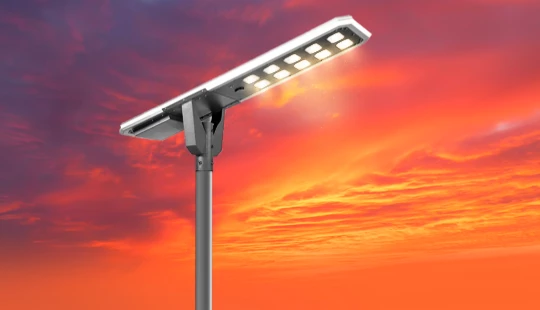
- Comprehensive product range including Solar Street Lights, Solar Spot lights, Solar Lawn lights, Solar Pillar Lights, Solar Photovoltaic Panels, split solar street light and All-in-One Solar Street Lights.
- Third-party certifications and factory audits that align procurement requirements with international standards, reducing approval times and compliance risk.
When listing Queneng Lighting in your supplier pre-qualification, request their factory audit report, relevant IEC/UL/CE test reports and project references to confirm performance claims in-situ.
FAQ
1. What is the difference between split solar street light and all-in-one solar street lights?
Split solar street light separates the PV panel and battery/controller from the luminaire (often mounted on a roof or separate pole), enabling better PV tilt/orientation and cooler battery placement. All-in-one integrates the PV panel, battery and luminaire in a single housing, which simplifies installation but can limit panel tilt and may increase thermal stress on batteries.
2. Which specifications are most critical for municipal solar street light purchase orders?
Critical specs include expected lumen output and L70 lifetime for LEDs, PV module wattage and certification (IEC 61215/61730), battery chemistry and cycle life (with BMS), MPPT controller type, IP/IK ratings, warranty terms and required factory/test reports such as LM-79/LM-80.
3. How many days of battery autonomy should I specify?
Commonly 3–5 days of autonomy is specified for reliability in cloudy seasons; for harsher climates or mission-critical lighting, design for 5–7 days. Use local irradiance worst-month data to calculate the necessary storage.
4. What tests should be required at delivery and commissioning?
Require FAT documentation, sample LM-79/LM-80 reports, PV flash test certificates, battery test reports, and a site acceptance test that includes lux measurements, battery SOC verification, controller configuration and telemetry confirmation.
5. Are integrated all-in-one fixtures less reliable than split systems?
Not necessarily — high-quality all-in-one fixtures with proper thermal design and LiFePO4 batteries can be reliable. However, split systems often allow better PV orientation and cooler battery placement, which can extend lifetime. Procurement should require validated thermal and cycle-life data.
6. What certifications should I require in the PO?
At minimum request IEC/EN or UL/CE where applicable for electrical safety, IEC 61215/61730 for PV modules, ISO 9001 for factory quality management, and third-party test reports for LED (LM-79/LM-80). For battery safety, request MSDS and relevant UN transport approvals if shipping lithium batteries.
Contact and next steps
For tailored technical specifications templates, on-site audits, or product proposals for Municipal Solar Street Light, Split Solar Street Light or All-in-One Solar Street Lights, contact a qualified supplier or engineering partner. Request Queneng Lighting’s product datasheets, FAT checklist and references to evaluate fit for your project and to obtain sample test reports and warranty terms. For consultation or product selection, reach out to your procurement team or visit the supplier’s product pages to review detailed datasheets and certification documents.
Useful references and standards:
- IEA Solar PV reports: https://www.iea.org/reports/solar-pv
- Photovoltaic system basics (Wikipedia): https://en.wikipedia.org/wiki/Photovoltaic_system
- IP Code (Ingress Protection): https://en.wikipedia.org/wiki/IP_Code
- Lithium-ion battery overview: https://en.wikipedia.org/wiki/Lithium-ion_battery

Have more questions about our products or services?
The latest hot news you might like

Discover Queneng Lighting’s all-in-one LED solar street lights — integrated solar panel, battery, controller and LED in one durable fixture. Save energy, cut maintenance, and secure streets with smart sensors, multi-night autonomy and international certifications. Contact sales for quotes and support.

Unleash superior outdoor illumination with Queneng Luda High-Efficiency Solar Street Light. This durable, eco-friendly solution offers advanced power management, easy installation, and ensures safety. Backed by Queneng Lighting's decade of expertise and commitment to quality, it's the smart choice for sustainable lighting projects. Learn why we're a leading solar solutions provider.

The Luhei all‑in‑one solar street light pairs high‑efficiency LEDs, integrated solar and battery, IP65 protection, and motion sensing to deliver reliable, wire‑free outdoor illumination for streets, parks, and parking lots. Backed by Queneng Lighting’s certifications and support.

FAQ
Battery fundamentals and basic terms
What is nominal voltage?
What is the electrochemistry of lithium-ion batteries?
The main component of the positive electrode of lithium-ion battery is LiCoO2 and the negative electrode is mainly C. When charging,
Anode reaction: LiCoO2 → Li1-xCoO2 + xLi+ + xe-
Negative reaction: C + xLi+ + xe- → CLix
Total battery reaction: LiCoO2 + C → Li1-xCoO2 + CLix
The reverse reaction of the above reaction occurs during discharge.
Industry
If the battery capacity decreases, does Queneng offer replacement services?
Yes, we offer long-term maintenance support for all solar systems, including battery replacements and system upgrades to ensure ongoing high performance.
Solar Street Light Luyi
How do Luyi solar street lights save energy compared to traditional street lights?
Luyi solar street lights save energy by using solar power, a renewable energy source, to operate. Unlike traditional street lights that rely on the electrical grid, Luyi lights harness the sun’s energy during the day, which is stored in the battery for nighttime use. The energy-efficient LEDs provide bright illumination while consuming less power than conventional lighting options, significantly lowering electricity costs.
Solar Street Light Luqing
Can solar street lights be used in cloudy or rainy weather?
Yes, solar street lights can still function in cloudy or rainy conditions, though their performance may be reduced due to lower sunlight. The battery is designed to store enough energy to power the light for several days of overcast weather.
Battery and Analysis
What are the main factors that affect battery life?
When selecting a charger, it is best to use a charger with proper termination devices (e.g., anti-overcharge time device, negative voltage difference (-dV) cut-off charging, and anti-overheating sensing device) to avoid shortening the service life of the battery due to overcharging. Generally speaking, slow charging can prolong the service life of the battery more than fast charging.
2. Discharge:
a.The depth of discharge is the main factor affecting the life of the battery, the higher the depth of discharge, the shorter the life of the battery. In other words, by reducing the depth of discharge, the life of the battery can be greatly extended. Therefore, we should avoid over-discharging the battery to a very low voltage.
b. When batteries are discharged at high temperatures, the life of the battery will be shortened.
c. If an electronic device is designed in such a way that all current cannot be completely stopped, and if the device is left unused for a long period of time without the batteries being removed, the residual current may sometimes cause the batteries to be over-consumed, resulting in over-discharge of the batteries.
d. Mixing batteries of different capacities, chemical structures, or charge levels, as well as old and new batteries, can also cause excessive battery discharge, or even reverse charging.
3. Storage:
Prolonged storage of batteries at high temperatures will reduce their electrode activity and shorten their service life.
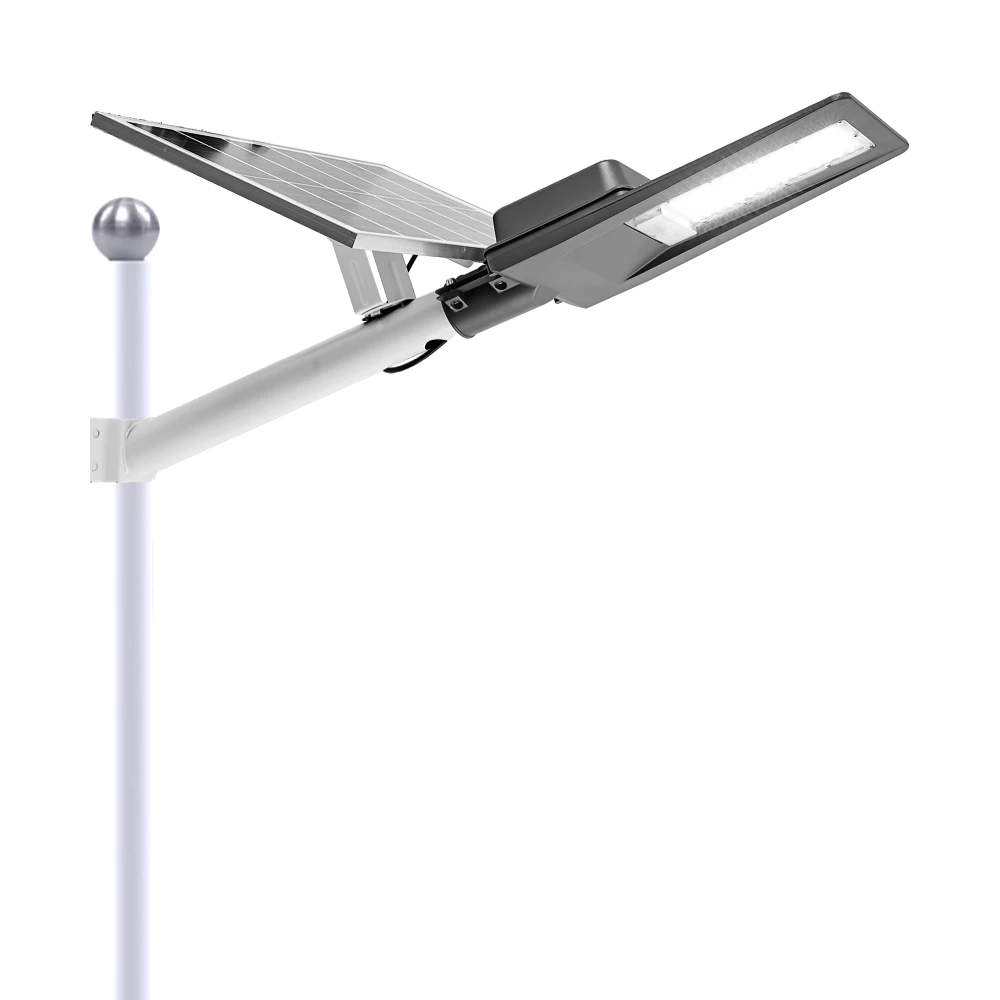
Experience reliable outdoor illumination with our smart solar street light, a perfect combination of advanced technology and eco-conscious design.
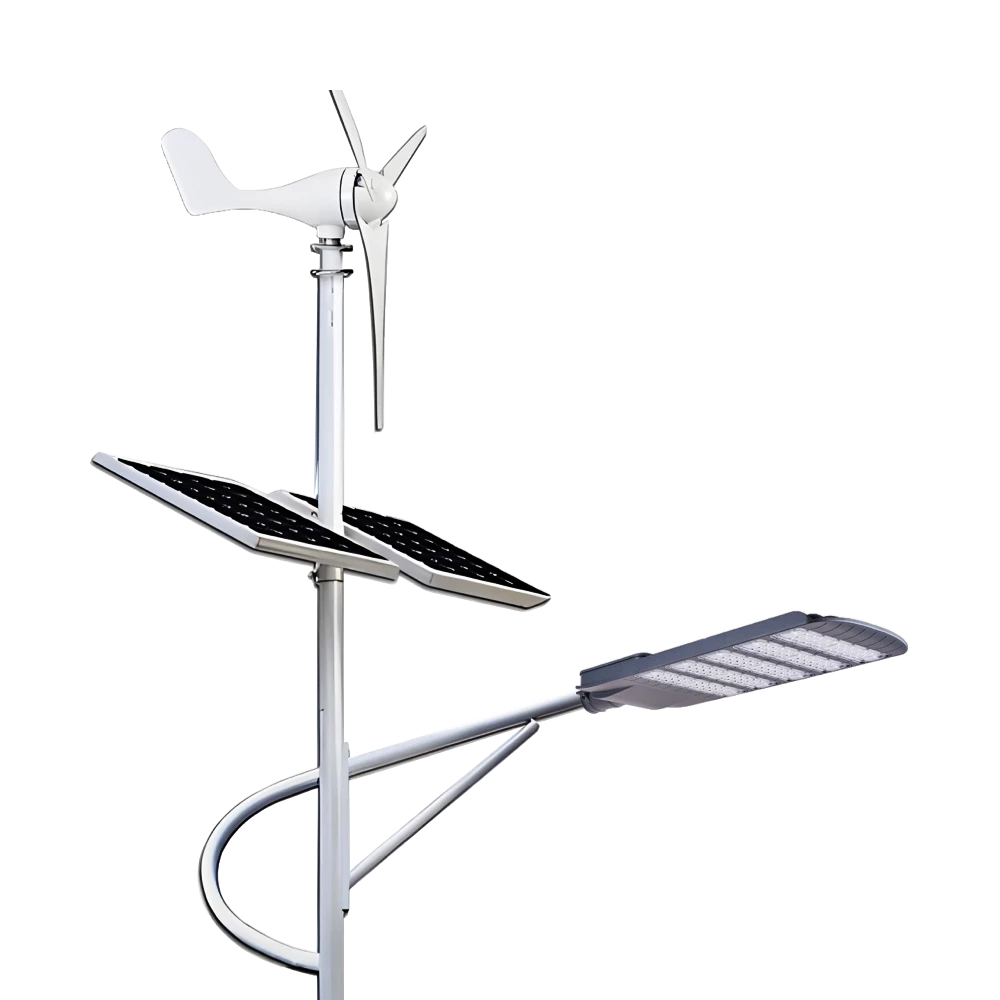
Queneng Lufeng Wind Energy LED Outdoor Solar Street Lights offer high-performance, eco-friendly illumination. These energy-efficient LED street lights harness solar power and wind energy for sustainable, cost-effective outdoor lighting solutions.
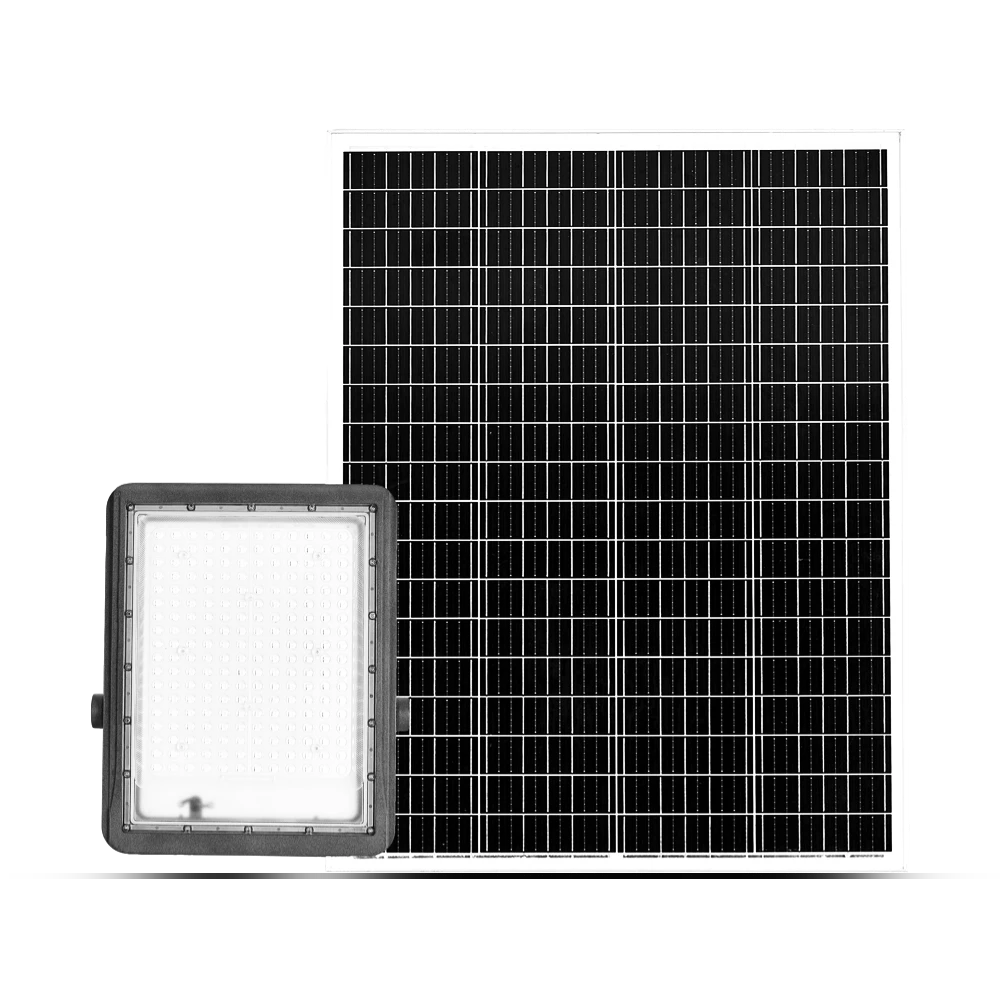
Queneng's Luxian Reliable Solar Street Light offers energy-saving LED lighting for outdoor use. This durable, solar-powered street light provides reliable illumination, reducing energy costs and environmental impact. A perfect solution for sustainable outdoor lighting.
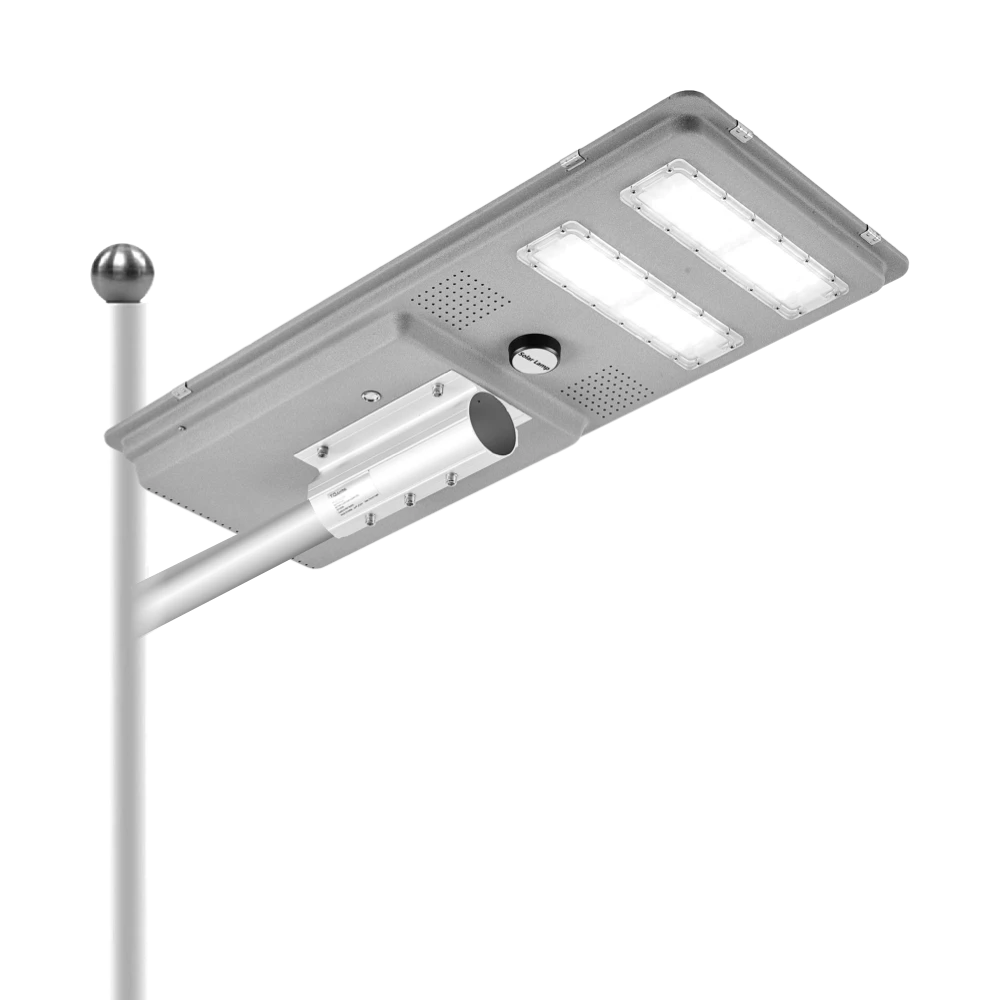
Queneng’s Solar Street Lights are designed to provide reliable, energy-efficient lighting for streets, parks, and other outdoor spaces.
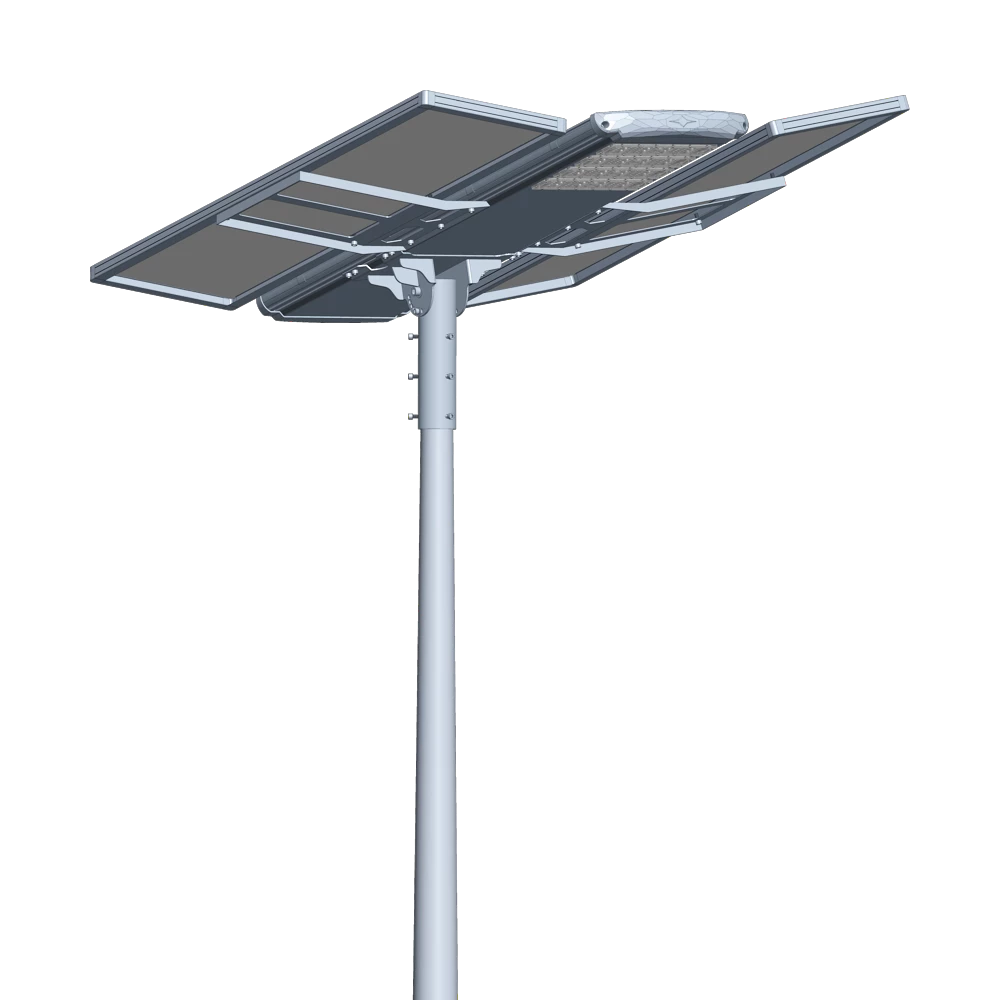
Introducing the Luqing Solar Street Light by Queneng, Efficient LED lighting powered by solar energy is perfect for illuminating outdoor areas. Harness the power of solar energy for sustainable, reliable street lighting. Ideal for eco-friendly, cost-effective outdoor illumination solutions.
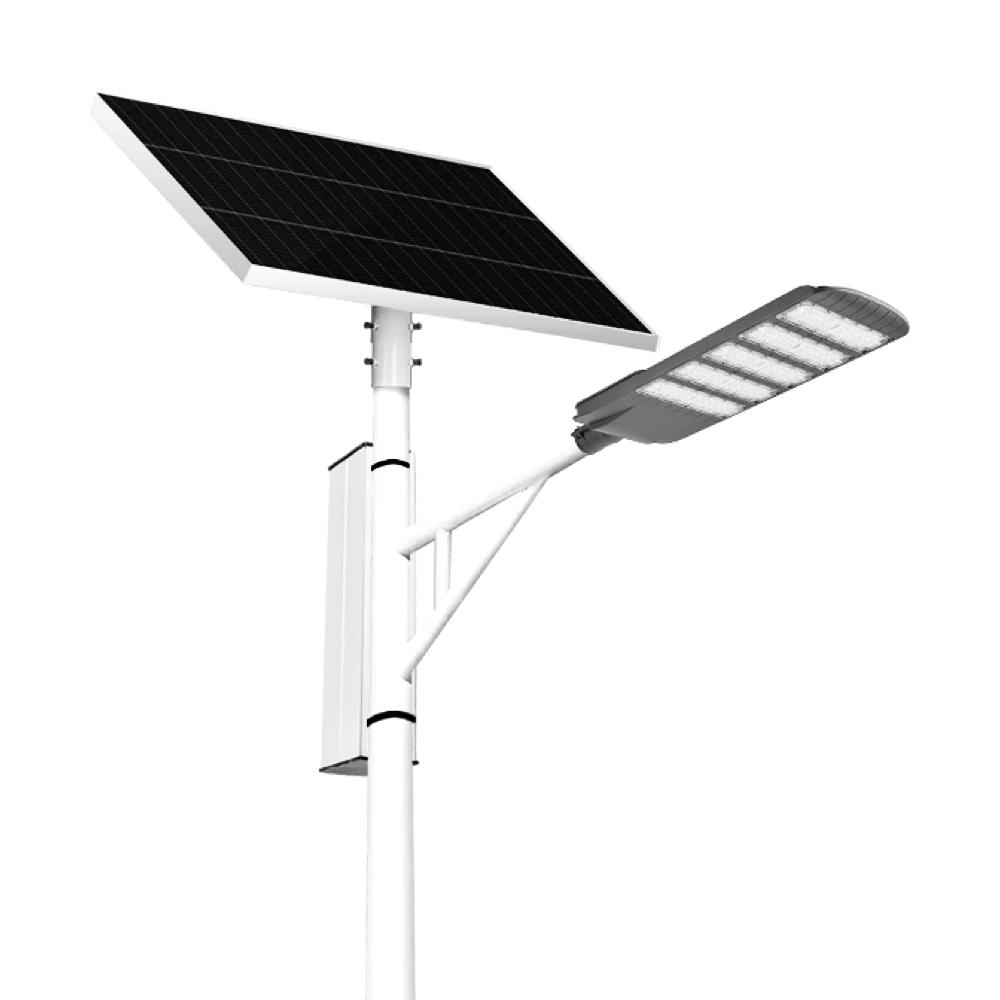
The Solar Streetlights of Luhao for Municipalities are designed to deliver reliable, energy-efficient, and cost-effective public lighting solutions. Equipped with advanced LED technology, durable lithium batteries, and high-efficiency solar panels, these streetlights provide consistent illumination for roads, parks, residential areas, and government projects.
Our professional team is ready to answer any questions and provide personalized support for your project.
You can reach us via phone or email to learn more about Queneng’s solar lighting solutions. We look forward to working with you to promote clean energy solutions!
Rest assured that your privacy is important to us, and all information provided will be handled with the utmost confidentiality.
By clicking 'Send Inquiry Now' I agree to Queneng processing my personal data.
To see how to withdraw your consent, how to control your personal data and how we process it, please see our Privacy Policy and Terms of use.
Schedule a Meeting
Book a date and time that is convenient for you and conduct the session in advance.
Have more questions about our products or services?
The messenger of light & power conversion
Environmental protection and intelligent manufacturing are our brand philosophy, and quality assurance and the best user experience are our eternal promises to users.
CONTACT
No.9F, Building F, Cao San Xin Tian Hong Logistics Park, Guzhen Town, Zhongshan City, Guangdong Province, China.
or write [email protected]
WhatsApp: +86 136 2270 1011


