














The Definitive Guide to All-in-One Solar Street Lights: 2026 Technology & Implementation Trends
A comprehensive analysis of 2026 trends in all-in-one solar street lighting, covering LiFePO₄ battery advancements, MPPT controller efficiency, and smart city IoT integration.
What is an All-in-One Solar Street Light?
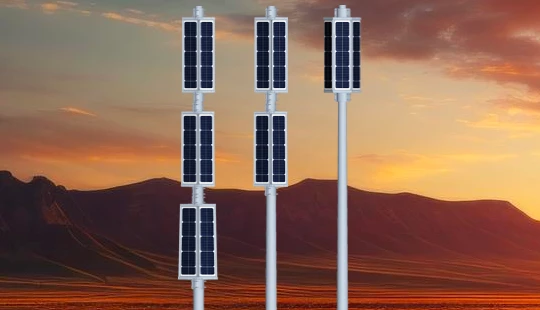
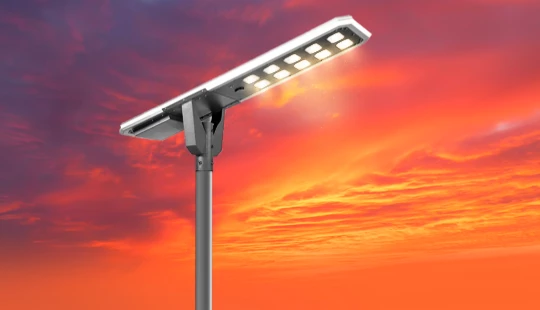
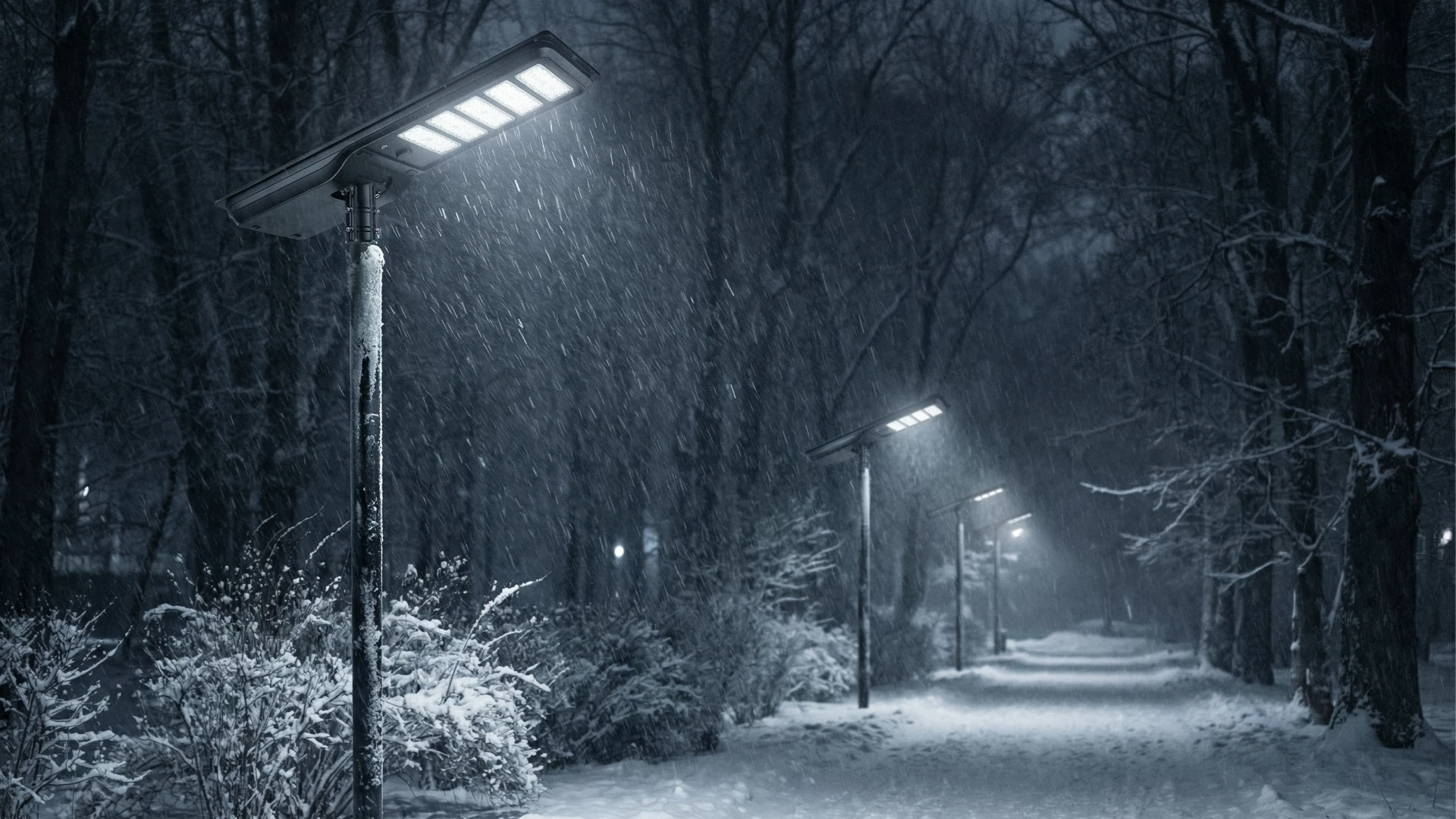
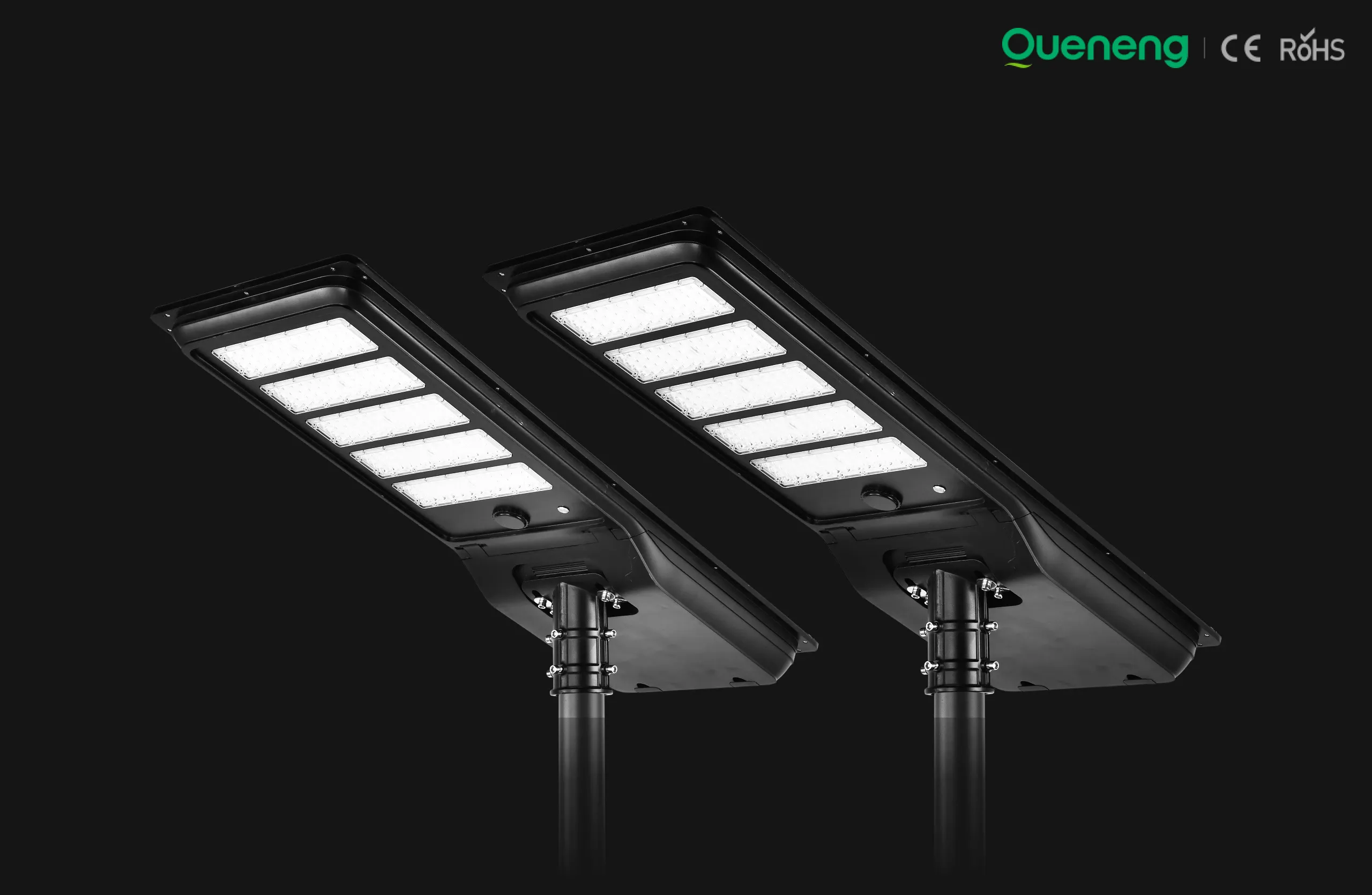
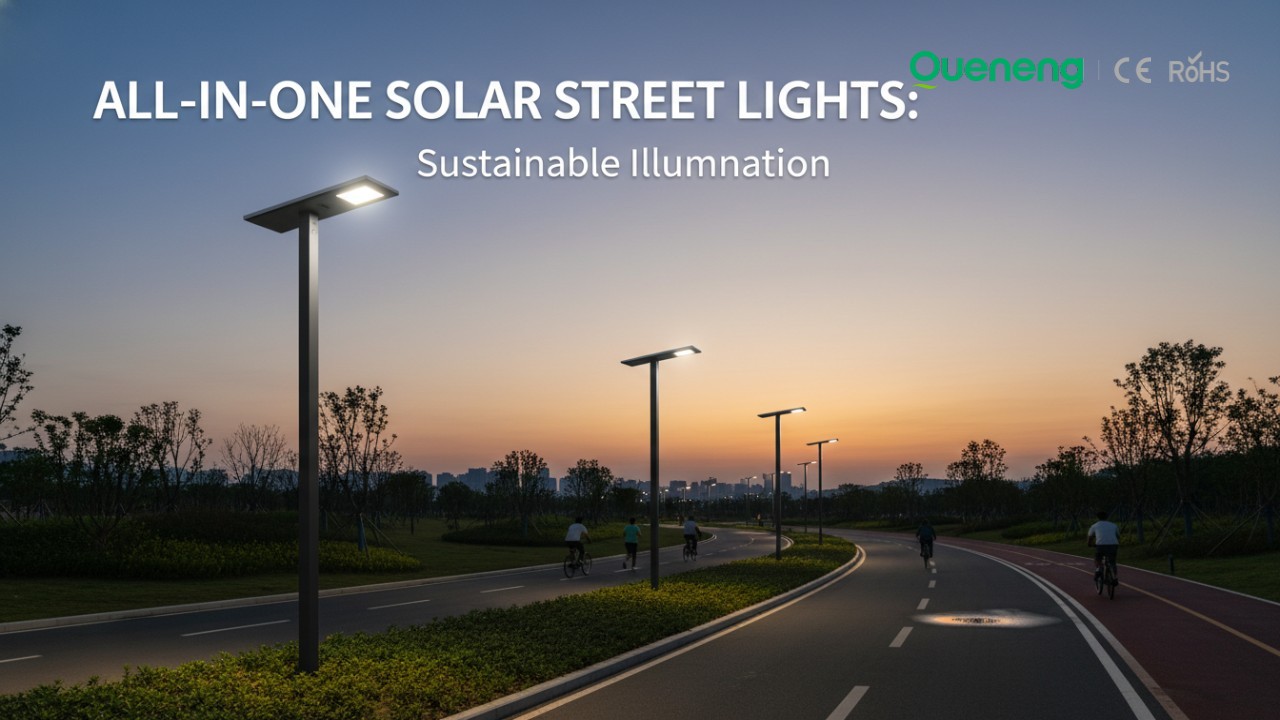
Integrated solar street lighting systems are compact, standalone illumination units that house a solar panel, LED light engine, lithium battery, and charge controller within a single, streamlined body. This design eliminates the need for trenching or complex grid connections, functioning entirely off-grid through intelligent energy management.
The Shift to Integrated Infrastructure
Unlike traditional split systems where the battery and panel are mounted separately, the all-in-one design represents a leap in structural engineering and aesthetic minimalism. By consolidating components, municipalities and private developers significantly reduce installation labor and material costs.
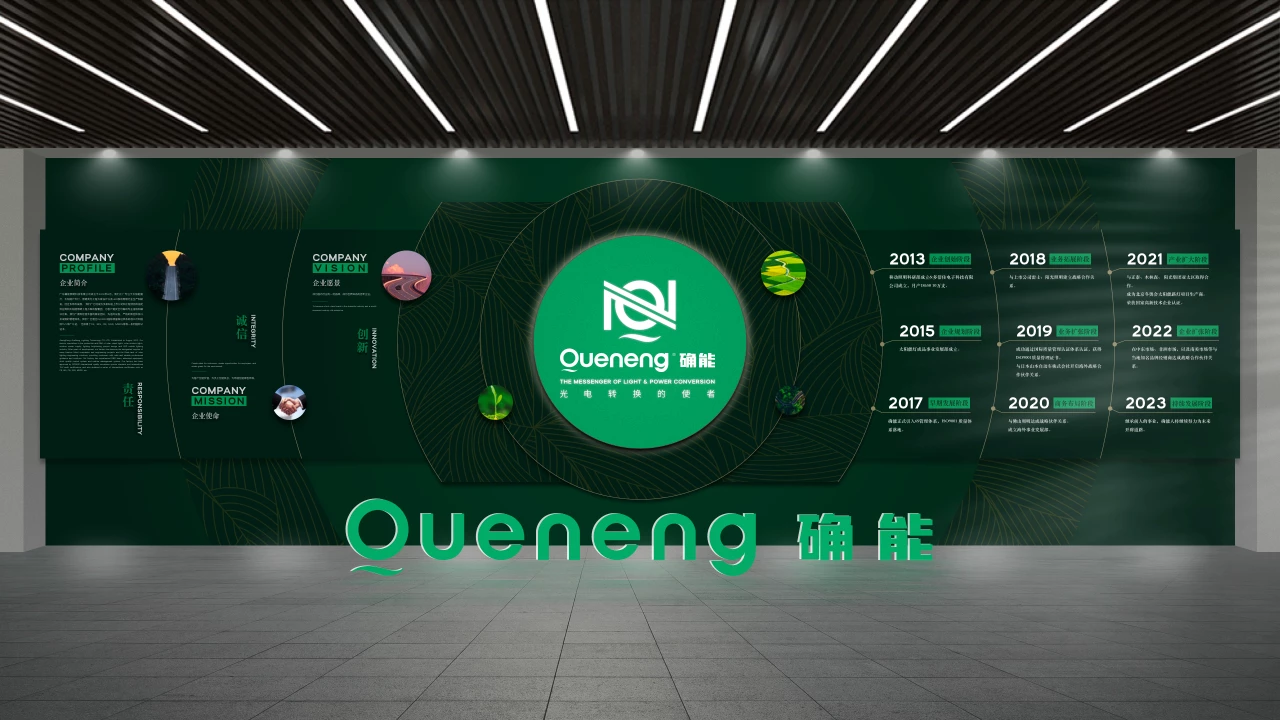
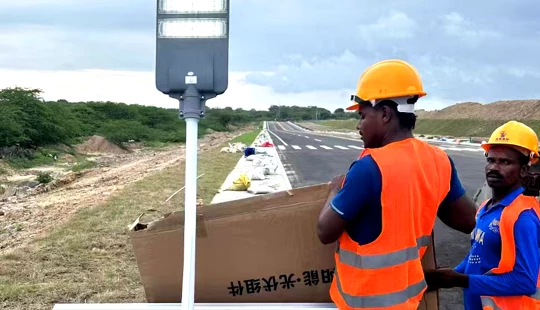
As a designated supplier for major engineering projects since 2013, GuangDong Queneng Lighting Technology Co., Ltd. has observed a massive shift toward these integrated units. Our data indicates that modern projects prioritize these systems not just for their sleek look, but for their ability to withstand harsh environments using IP65-rated housings that protect internal electronics from coastal salt spray and heavy dust.
Key Benefits of Integration
- Zero Trenching: Eliminates the cost of underground wiring and cable infrastructure.
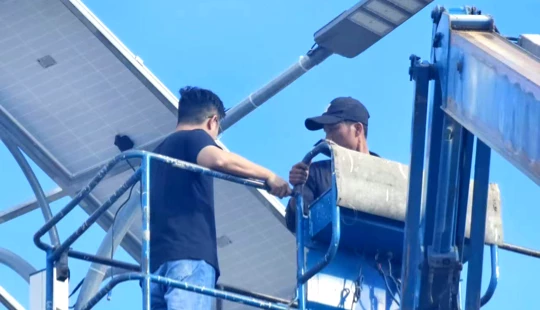
- Plug-and-Play: drastic reduction in installation time (often under 30 minutes per pole).
- Aesthetic Continuity: Sleek designs that blend seamlessly with modern urban architecture.
- Resilience: Reduced points of failure compared to complex split-system wiring.
Quick Summary: Key Takeaways for 2026
By 2026, the standard for professional solar lighting will demand LiFePO4 battery efficiency metrics exceeding 95% round-trip efficiency and LED efficacy surpassing 220 lumens per watt. Models falling below these thresholds will likely be obsolete for municipal-grade applications.
At a Glance: The New Industry Standard
The rapid evolution of photovoltaic technology has pushed performance boundaries. According to Berg Insight (2025), the installed base of smart street lights is projected to surpass 100 million by the end of the decade, driven by a compound annual growth rate (CAGR) of over 20%. This surge confirms that intelligent, data-driven lighting is the future.
2026 Performance Benchmarks
- Efficiency: N-type monocrystalline cells pushing conversion rates above 23%.
- Longevity: Battery cycle life exceeding 3,000 cycles (approx. 8-10 years).
- Connectivity: Standardized IoT integration for remote health monitoring.
- ROI: Payback periods dropping to an average of 1.8 to 2.5 years compared to grid lighting.
The Core Components: Why Hardware Synergy Matters
High-performance solar lighting relies on the precise calibration of three critical components: the solar panel, the battery chemistry, and the MPPT charge controller performance.
LiFePO4: The Safety and Efficiency King
Lithium Iron Phosphate (LiFePO4) has firmly replaced Lead-Acid and ternary lithium as the industry standard. Data from Anern Store (2025) highlights that LiFePO4 batteries maintain a round-trip efficiency of over 92%, compared to just 75-85% for lead-acid alternatives. Furthermore, they are chemically stable, eliminating the risk of thermal runaway even in high-temperature climates.
MPPT vs. PWM: The Efficiency Battle
The Maximum Power Point Tracking (MPPT) controller is the brain of the system. Recent tests in 2024 confirm that MPPT controllers harvest up to 30% more energy than Pulse Width Modulation (PWM) controllers by dynamically adjusting voltage to match the battery's optimal charging state. For a high-end solution like the Luhei Integrated Solar Street Light, this technology ensures the battery reaches full charge even on cloudy days.
Component Synergy Checklist
- Monocrystalline Panels: Superior low-light performance compared to polycrystalline.
- Thermal Management: Queneng Lighting uses advanced heat dissipation housings to prevent electronic throttling.
- Controller Logic: Intelligent dimming profiles that extend autonomy to 3-5 rainy days.
Integrated vs. Split Systems: Which is Right for Your Project?
Integrated systems are the ideal choice for roadways, parks, and perimeters requiring up to 12,000 lumens, while split systems remain necessary for high-mast highway lighting requiring extreme wattage. The decision ultimately hinges on the balance between aesthetic requirements and total lumen output.
Installation and Maintenance Realities
While split systems allow for larger panels and batteries (useful in regions with extremely low solar irradiation), they incur higher labor costs. Integrated All-in-One Solar Street Lights reduce installation complexity by 5x.
Drawing from Queneng Lighting’s experience in lighting project design, we find that 80% of urban projects now favor integrated units due to their lower maintenance burden. With no external wires to degrade or be tampered with, the long-term reliability of integrated units is superior for public spaces.
Comparative Analysis
- Installation Speed: Integrated units install in minutes; split systems take hours.
- Wind Resistance: Integrated units have a lower wind load profile, safer for typhoon-prone areas.
- Flexibility: Split systems allow customizable panel angles; integrated units have fixed angles (requiring careful pole orientation).
Advanced Motion Sensor Technology: PIR vs. Microwave
Modern solar lights utilize either Passive Infrared (PIR) or Microwave radar sensors to balance energy conservation with public safety. Smart city IoT lighting integration relies on these sensors to trigger high-bandwidth data transmission only when activity is detected.
The Mechanics of Detection
PIR sensors detect heat signatures (infrared energy) moving across a field of view. They are excellent for pedestrian paths where distinct heat sources are present. Microwave sensors emit signals and measure the reflection, offering a wider range and higher sensitivity, making them better suited for street traffic detection.
Sensor Capabilities
- PIR (Passive Infrared): Best for maximizing battery life; strictly line-of-sight detection.
- Microwave/Radar: Can detect motion through light obstructions; larger detection radius (up to 15m).
- Smart Dimming: Systems typically idle at 30% brightness and jump to 100% upon detection.
- False Triggering: Microwave sensors must be tuned to avoid triggering from swaying trees or rain.
-
Common Installation Mistakes & How to Avoid Them
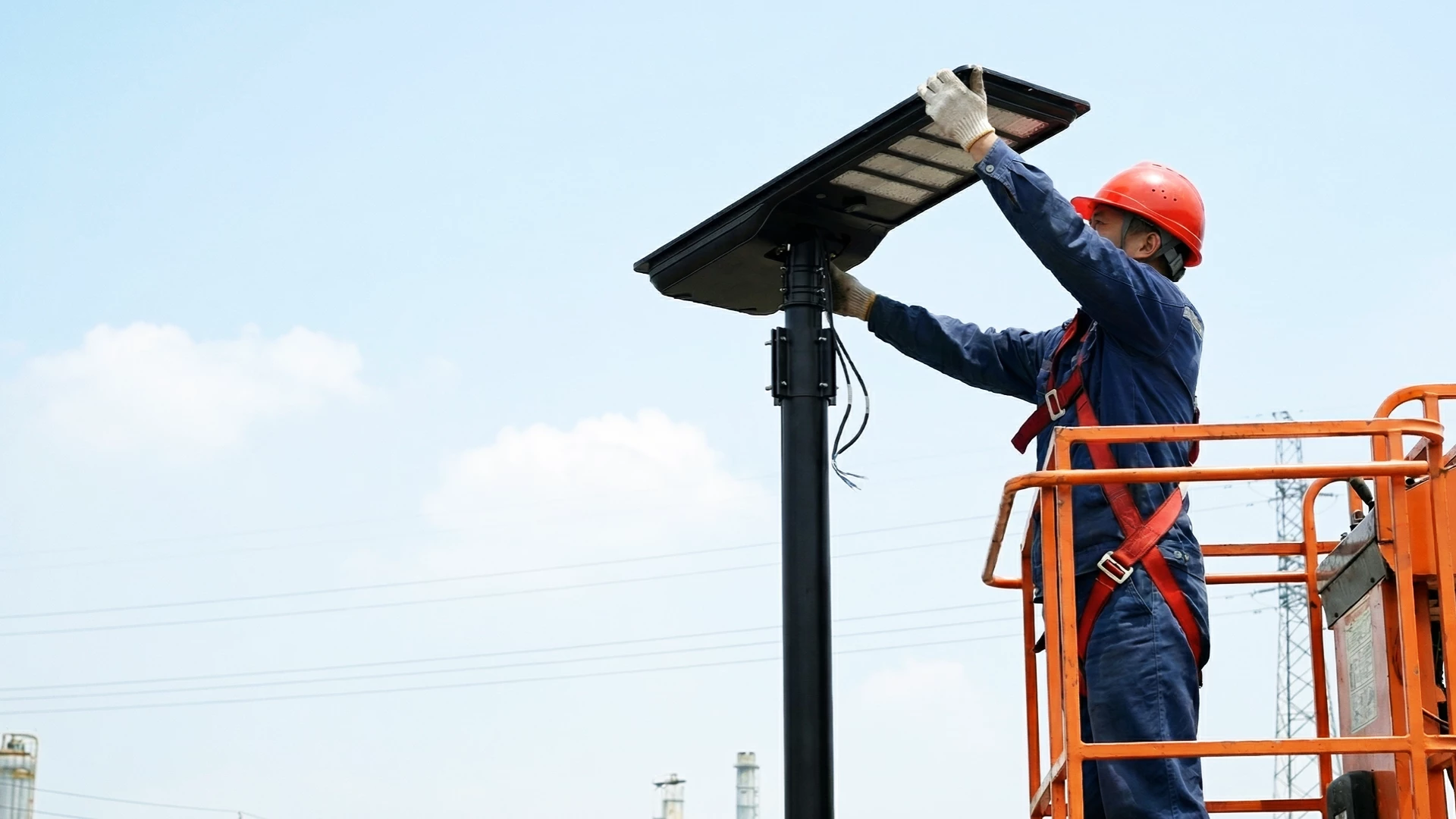
Improper orientation and shading are the leading causes of premature system failure, often mistaken for battery defects. Even a small shadow covering 10% of a panel can reduce output by over 50% due to the internal circuit structure of solar cells.
Strategic Deployment
At Queneng Lighting, our R&D team emphasizes that the solar panel must face the equator (South in the Northern Hemisphere, North in the Southern Hemisphere) to maximize solar gain. A 2024 report on solar ROI suggests that a 5-degree tilt error can result in a 15% annual power loss.
Installation Best Practices
- Check Shadows: Account for future tree growth or new building construction.
- Pole Spacing: Adhere to IESNA standards (typically 3-4x the pole height) to avoid "zebra striping" (dark spots).
- Secure Mounting: Ensure torque specs meet wind load requirements for your specific region.
- Initial Charge: Allow the fixture to charge in direct sun for 1-2 days before the first night of operation.
The Future of Solar Lighting: 2026 and Beyond
As we look toward 2026, sustainable public infrastructure will merge with AI and 5G technologies to create "smart poles" that do more than just illuminate. Solar street lights are evolving into autonomous data nodes for the modern city.
AI-Driven Energy Management
Future controllers will utilize predictive AI to analyze weather forecasts. If a storm is predicted in 48 hours, the system will proactively conserve energy by slightly dimming output tonight, ensuring the battery has enough reserve to last through the coming cloudy days.
Emerging Trends
- 5G Integration: Solar poles acting as small-cell base stations for cellular networks.
- Environmental Sensing: Built-in modules to monitor air quality (PM2.5), noise levels, and temperature.
- Circular Economy: Modular designs from manufacturers like Queneng that allow for easy battery swapping and panel recycling at the end of the product's life.
Frequently Asked Questions (FAQ)
How long do all-in-one solar street lights last?
High-quality LED modules typically last 50,000+ hours. The LiFePO4 batteries, which are the heart of the system, generally last 8 to 10 years depending on the depth of discharge and operating temperature.
Do solar street lights work in winter or cloudy weather?
Yes. Modern MPPT controllers and high-efficiency monocrystalline panels are designed to harvest diffuse light. Most professional units offer 3-5 days of autonomy to handle extended periods of overcast weather.
How do you calculate the ROI for a solar street light project?
ROI is calculated by summing the savings from zero electricity bills, eliminated trenching costs, and reduced installation labor. Data suggests a typical payback period of 1.8 to 3 years.
What is the recommended mounting height for integrated solar lights?
Mounting height depends on wattage. Typically, 20W-40W units are mounted at 4-6 meters, while 60W-120W units are best suited for 8-10 meter poles to ensure adequate light distribution.
Is PIR better than a timer for energy saving?
A hybrid approach is best. PIR sensors ensure maximum brightness only when needed, while timers can enforce a strict dimming schedule (e.g., 30% brightness) after midnight to conserve battery life.
What maintenance do integrated solar lights require?
They are largely maintenance-free. However, we recommend annual cleaning of the solar panel surface to remove dust or bird droppings, and a check of the mounting hardware every 2-3 years.
Are all-in-one solar lights waterproof?
Yes, reputable models carry an IP65 or IP66 rating, ensuring they are fully protected against dust ingress and powerful water jets, making them suitable for coastal and monsoon regions.
Can integrated solar lights be controlled remotely?
Yes, advanced models equipped with Zigbee, LoRa, or GPRS modules can be connected to a central management system (CMS) for real-time monitoring, dimming, and fault detection.
References

Have more questions about our products or services?
The latest hot news you might like
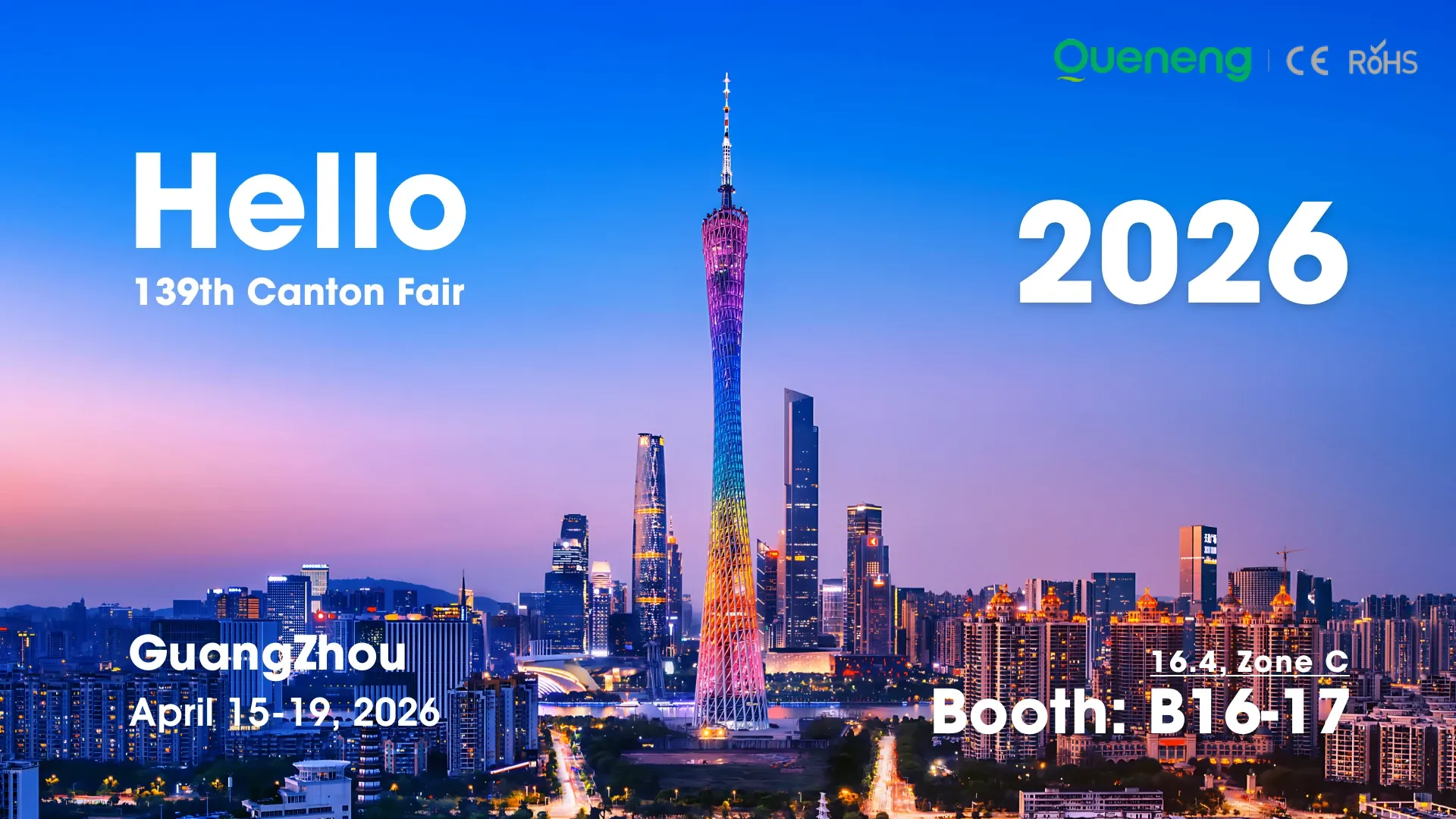
As the global demand for sustainable infrastructure rises, Queneng Lighting is proud to announce its participation in the 139th China Import and Export Fair (Canton Fair), held from April 15th to 19th, 2026, in Guangzhou.
For over 13 years, Queneng has been at the forefront of the solar lighting industry, providing high-efficiency solutions for infrastructure contractors, municipal developers, and EPC companies worldwide. This year, we are bringing our most advanced technology yet to the international stage.

Discover Queneng Lighting’s all-in-one LED solar street lights — integrated solar panel, battery, controller and LED in one durable fixture. Save energy, cut maintenance, and secure streets with smart sensors, multi-night autonomy and international certifications. Contact sales for quotes and support.

Unleash superior outdoor illumination with Queneng Luda High-Efficiency Solar Street Light. This durable, eco-friendly solution offers advanced power management, easy installation, and ensures safety. Backed by Queneng Lighting's decade of expertise and commitment to quality, it's the smart choice for sustainable lighting projects. Learn why we're a leading solar solutions provider.

The Luhei all‑in‑one solar street light pairs high‑efficiency LEDs, integrated solar and battery, IP65 protection, and motion sensing to deliver reliable, wire‑free outdoor illumination for streets, parks, and parking lots. Backed by Queneng Lighting’s certifications and support.
FAQ
Solar Street Light Lulin
Are Lulin solar street lights weatherproof?
Yes, Lulin solar street lights are designed to be weather-resistant and can function in extreme weather conditions. They are fully protected against water, dust, and other environmental factors, ensuring reliable operation even during heavy rain, snow, or high winds.
Battery Performance and Testing
What is the standard charge retention test?
After the battery is discharged to 1.0V at 0.2C, it is charged at 0.1C for 16 hours, stored at a temperature of 20℃±5℃ and a humidity of 65%±20% for 28 days, and then discharged to 1.0V at 0.2C. NiMH batteries should last longer than 3 hours.
The national standard stipulates that the standard charge retention test of lithium batteries is: (IEC has no relevant standards) The battery is discharged to 3.0/unit at 0.2C, and then charged to 4.2V at 1C constant current and constant voltage, with a cut-off current of 10mA, at a temperature of 20 ℃±5℃, after 28 days of storage, discharge at 0.2C to 2.75V, calculate the discharge capacity, and compare it with the battery's nominal capacity, it should not be less than 85% of the initial capacity.
What are the main aspects of performance commonly referred to as secondary batteries?
Solar Street Light Luqing
Do Luqing solar street lights work in cold or snowy climates?
Yes, Luqing solar street lights are designed to work in various weather conditions, including cold and snowy climates. The solar panels are made to operate efficiently even in low temperatures, and the LED lights perform well in all weather.
Sustainability
What is the warranty period for Queneng solar street lights?
We offer a 3–5-year warranty on all solar street lights, depending on the model and project requirements. During the warranty period, any issues arising from quality defects will be repaired or replaced at no cost.
who we are
How can I contact Queneng for inquiries or product support?
You can contact us through our website, where you can find contact forms, customer service phone numbers, and email addresses. Our support team is available to assist with any inquiries, product information, or technical support you may need.
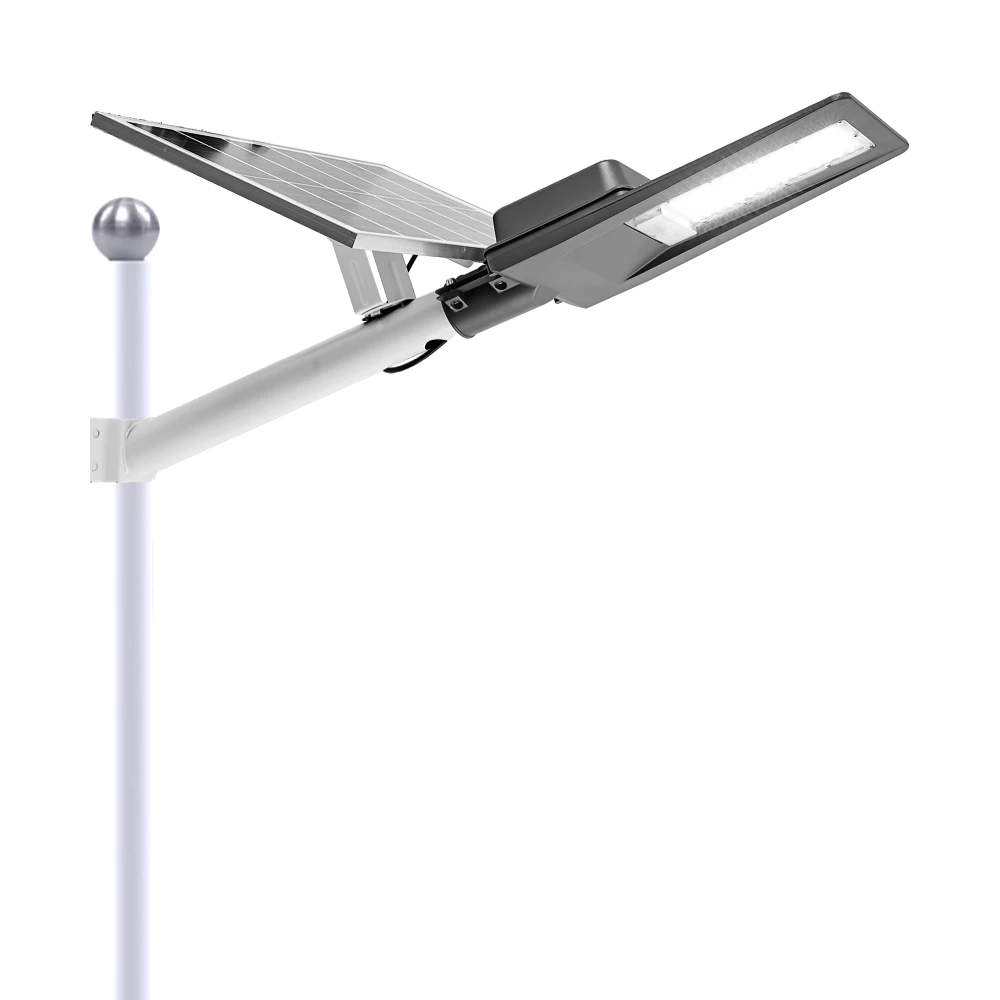
Experience reliable outdoor illumination with our smart solar street light, a perfect combination of advanced technology and eco-conscious design.
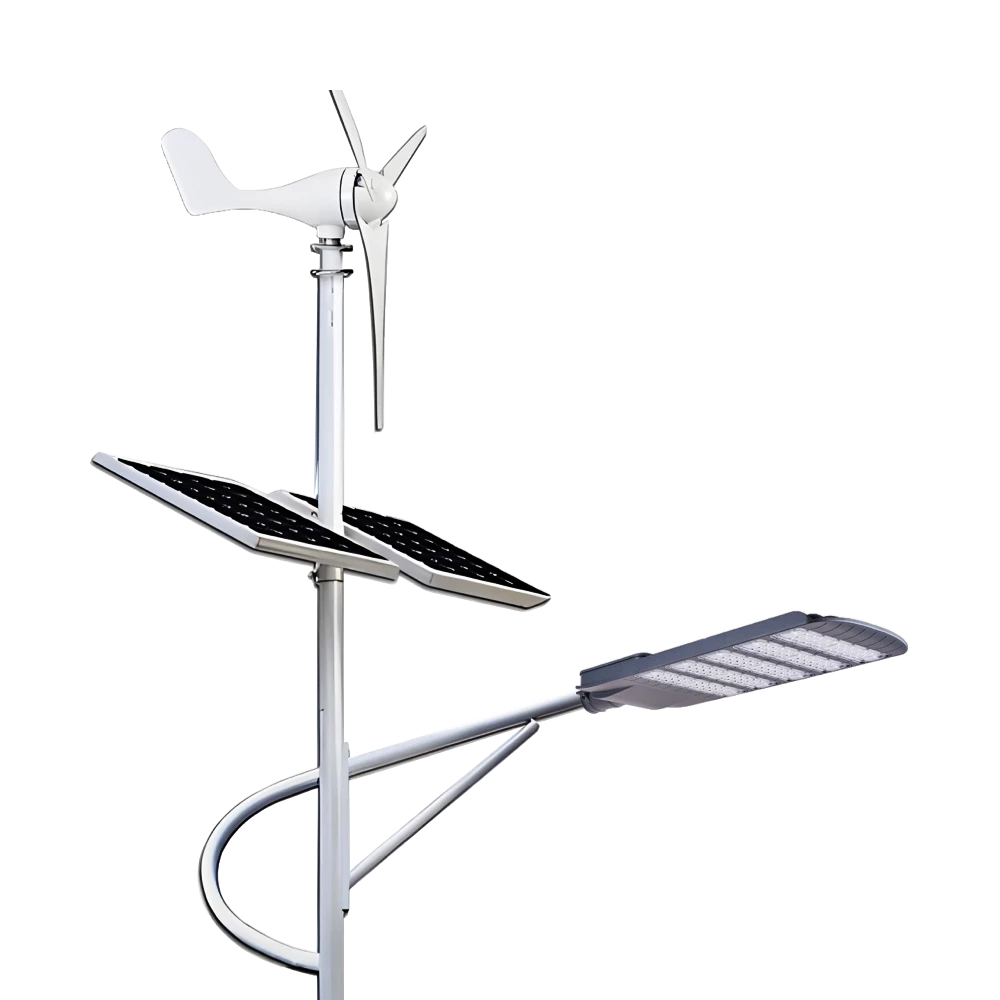
Queneng Lufeng Wind Energy LED Outdoor Solar Street Lights offer high-performance, eco-friendly illumination. These energy-efficient LED street lights harness solar power and wind energy for sustainable, cost-effective outdoor lighting solutions.
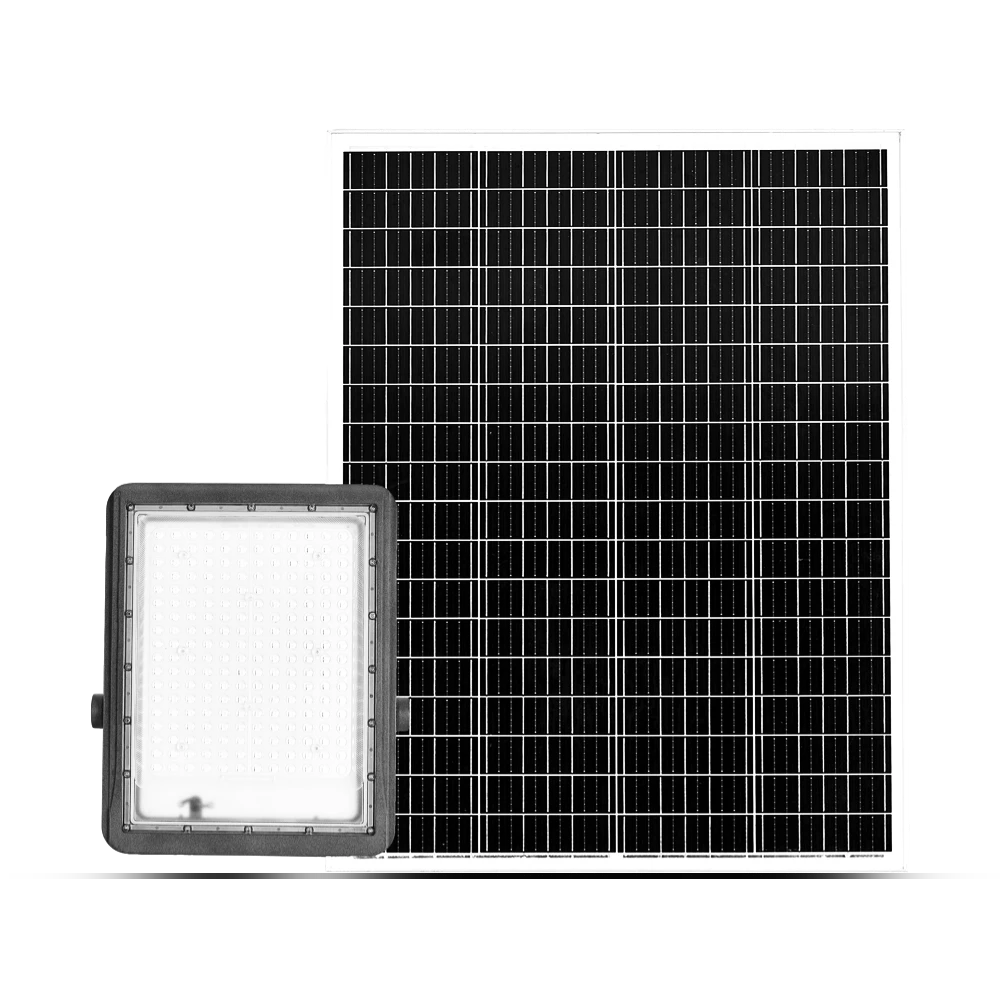
Queneng's Luxian Reliable Solar Street Light offers energy-saving LED lighting for outdoor use. This durable, solar-powered street light provides reliable illumination, reducing energy costs and environmental impact. A perfect solution for sustainable outdoor lighting.
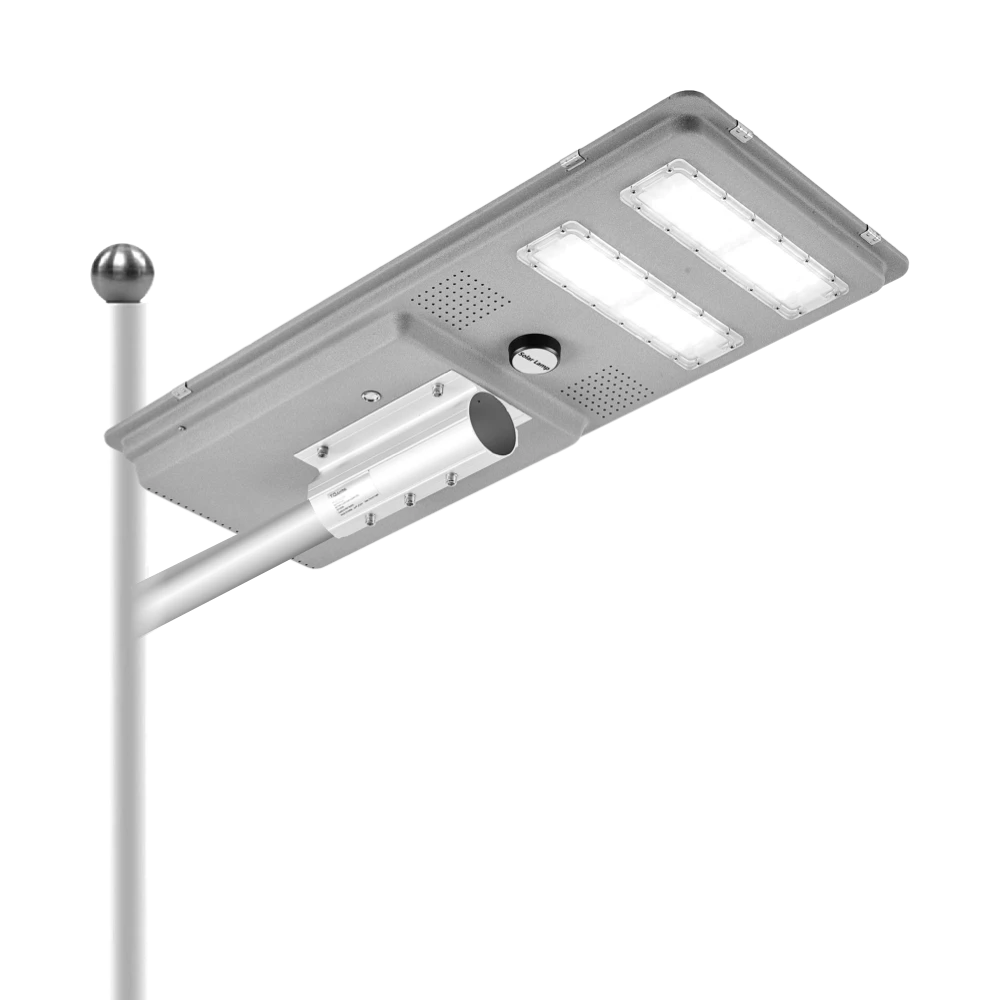
Queneng’s Solar Street Lights are designed to provide reliable, energy-efficient lighting for streets, parks, and other outdoor spaces.
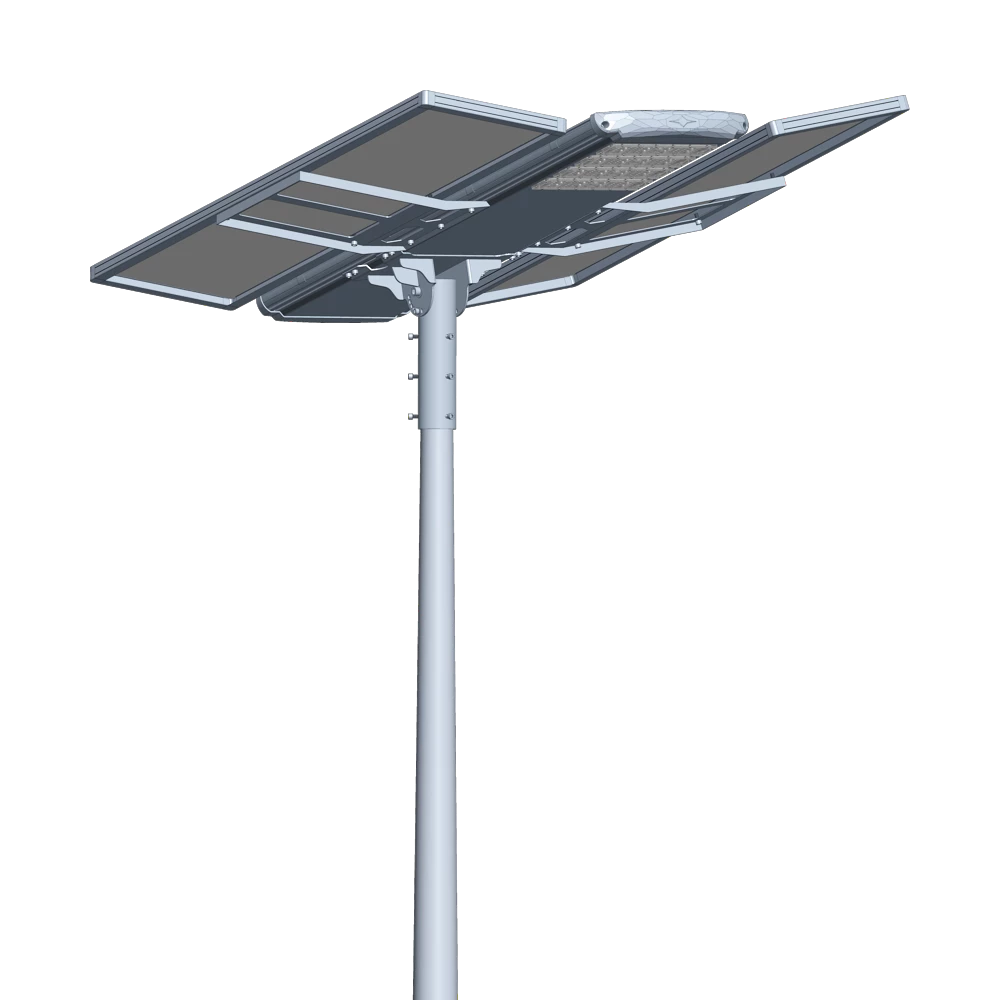
Introducing the Luqing Solar Street Light by Queneng, Efficient LED lighting powered by solar energy is perfect for illuminating outdoor areas. Harness the power of solar energy for sustainable, reliable street lighting. Ideal for eco-friendly, cost-effective outdoor illumination solutions.
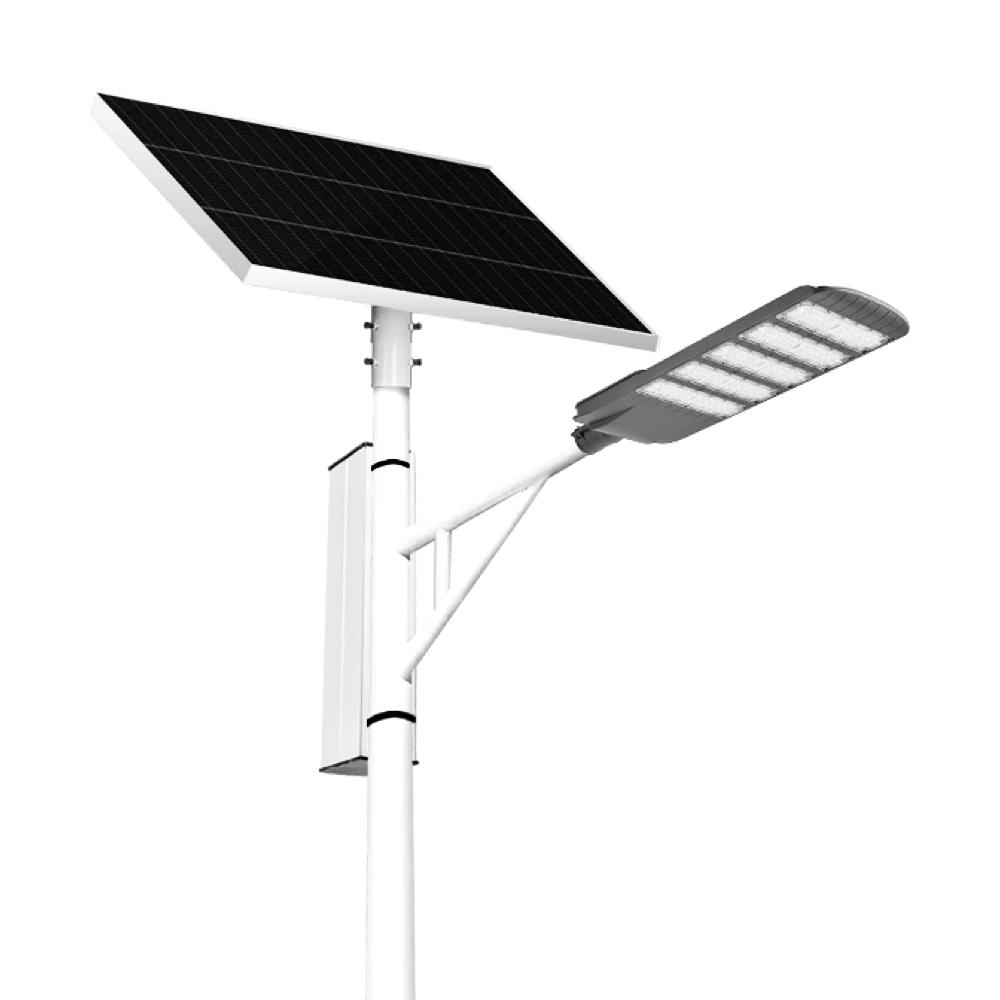
The Solar Streetlights of Luhao for Municipalities are designed to deliver reliable, energy-efficient, and cost-effective public lighting solutions. Equipped with advanced LED technology, durable lithium batteries, and high-efficiency solar panels, these streetlights provide consistent illumination for roads, parks, residential areas, and government projects.
Our professional team is ready to answer any questions and provide personalized support for your project.
You can reach us via phone or email to learn more about Queneng’s solar lighting solutions. We look forward to working with you to promote clean energy solutions!
Rest assured that your privacy is important to us, and all information provided will be handled with the utmost confidentiality.
By clicking 'Send Inquiry Now' I agree to Queneng processing my personal data.
To see how to withdraw your consent, how to control your personal data and how we process it, please see our Privacy Policy and Terms of use.
Schedule a Meeting
Book a date and time that is convenient for you and conduct the session in advance.
Have more questions about our products or services?
The messenger of light & power conversion
Environmental protection and intelligent manufacturing are our brand philosophy, and quality assurance and the best user experience are our eternal promises to users.
CONTACT
No.9F, Building F, Cao San Xin Tian Hong Logistics Park, Guzhen Town, Zhongshan City, Guangdong Province, China.
or write [email protected]
WhatsApp: +86 136 2270 1011


