














Total Cost of Ownership for Solar Street Lights
Understanding Long-Term Costs of Solar Street Lighting
What Total Cost of Ownership (TCO) means for streetlights
Total Cost of Ownership (TCO) for solar street lighting goes beyond the upfront purchase price. It includes capital expenditure (CapEx), operational expenditure (OpEx) such as maintenance, repairs and replacements, energy opportunity costs, downtime penalties, and end-of-life disposal or recycling costs. For municipalities and infrastructure integrators, TCO is the most relevant metric for procurement decisions because it ties cost to performance over the service life.
Who cares about TCO: municipalities, developers and EPCs
Municipal planners, road authorities, engineering procurement and construction (EPC) firms, and investors look at TCO to compare options: traditional grid-powered luminaires vs. solar options (split or All-in-One). Decisions are driven by budget cycles, maintenance capacity, grid availability, and desired service levels (hours of lighting, lumen maintenance). Embedding keywords: Municipal Solar Street Light projects are often chosen where grid extension is costly; Split Solar Street Light and All-in-One Solar Street Lights offer differing TCO profiles that must be compared based on local conditions.
Components of Total Cost of Ownership
Capital expenditure (CapEx)
CapEx includes the fixture, solar modules, battery pack, mounting hardware, pole, foundations, control electronics and installation labor. For Municipal Solar Street Light deployments, bulk procurement, local labor costs and civil works often dominate CapEx. Split Solar Street Light systems (separate panel and battery installed on pole or nearby) may require more wiring and labor but allow larger PV arrays; All-in-One Solar Street Lights integrate PV, battery and luminaire into one housing which can lower installation time and some material costs.
Operational expenditure (OpEx)
OpEx covers periodic maintenance (cleaning PV panels, LED driver or luminaire repairs), battery replacements, software/IoT subscriptions (if smart features used), and failure downtime. Battery replacements—typically the largest recurring cost—depend on battery chemistry (lead-acid vs. Li-ion) and duty cycle. Proper warranty terms (e.g., 5–10 years for batteries, 3–7 years for luminaire electronics) critically affect long-term cost.
External and indirect costs
These include route planning for maintenance crews, traffic management during replacement, fines or penalties for outages in safety-critical areas, and environmental disposal costs. For large Municipal Solar Street Light projects, the administrative cost of asset management and GIS/IoT integration should be included in TCO modeling.
Comparing System Types: Split vs All-in-One vs Grid
Key technical and economic differences
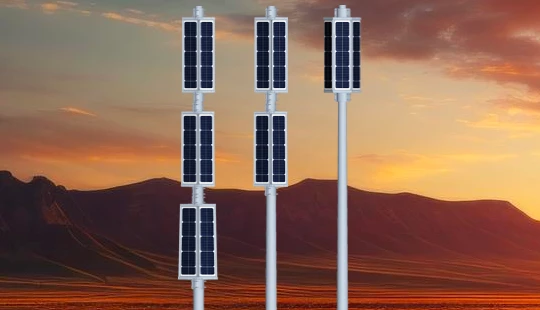
Split Solar Street Light: solar panel and battery are separate (often mounted on a mast or remote location). Advantages: scalable PV array, easier to service batteries at ground level, often better thermal performance for batteries. Disadvantages: more cabling and civil works, potential higher vandalism risk for ground-level batteries.
All-in-One Solar Street Lights
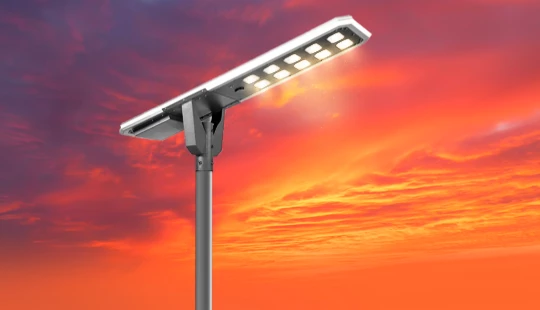
All-in-One Solar Street Lights integrate PV, battery and luminaire. Advantages: fast installation, aesthetic, minimal wiring, suitable for decentralized standalone lighting. Disadvantages: limited PV area and battery capacity relative to split systems; battery thermal management and replacement can be more complex.
Conventional grid-connected luminaires (for reference)
Grid lighting often has lower CapEx per luminaire but ongoing electricity costs, dependence on grid reliability, and potentially higher OpEx for power distribution maintenance. In areas with high electricity tariffs or unreliable grids, solar options can present a lower TCO over a project lifetime (10–20 years).
Side-by-side comparison (example ranges)
| System Type | Typical CapEx per Unit (USD) | Expected Service Life (years) | Battery Replacement Cycle | Annual O&M per Unit (USD) |
|---|---|---|---|---|
| All-in-One Solar Street Lights | $250 – $1,200 | 7 – 12 | 5 – 8 years (Li-ion) | $10 – $40 |
| Split Solar Street Light | $700 – $3,500 | 10 – 20 | 5 – 10 years (Li-ion) | $15 – $70 |
| Grid-connected LED Luminaire | $150 – $600 (excl. distribution) | 10 – 15 | — | $30 – $120 (electricity + maintenance) |
Notes: ranges reflect typical market figures and vary by country, volume, quality and warranties. Data synthesis based on industry reports and supplier pricing trends (see references).
Example TCO Model: How to calculate and compare
Step-by-step TCO calculation (sample, transparent assumptions)
Below is a simplified example showing TCO over 12 years for a municipal streetlight application in a temperate sunny region. Assumptions are explicit so they are verifiable and adjustable for local inputs.
- Service life: 12 years
- All-in-One CapEx: $800 per unit (includes pole & installation)
- Split system CapEx: $1,600 per unit
- Grid LED CapEx: $500 per unit + grid connection cost per point $200
- Battery replacement: All-in-One twice in 12 years (year 6, year 12 partial), Split system once (year 8)
- Annual O&M: All-in-One $30, Split $50, Grid $100 (includes electricity at $0.12/kWh for 10 hrs/night)
- Discount rate ignored for simplicity (present-value adjustments should be applied in procurement models)
| Item | All-in-One | Split System | Grid LED |
|---|---|---|---|
| Initial CapEx | $800 | $1,600 | $700 |
| Battery Replacements (12 yrs) | $300 | $400 | $0 |
| Total O&M (12 yrs) | $360 | $600 | $1,200 |
| Estimated TCO (12 yrs) | $1,460 | $2,600 | $1,900 |
Interpretation: In this illustrative model All-in-One has lowest headline TCO due to lower CapEx and modest O&M, but split systems provide higher resilience and longer life which can be advantageous for critical corridors where reduced replacements and modular serviceability justify higher initial costs. Grid LED shows moderate TCO but is subject to electricity price volatility and grid reliability risks.
Sensitivity drivers: what changes the outcome
- Electricity tariff: higher grid tariffs favor solar options.
- Solar resource (insolation): low-sun areas require larger PV arrays or tilt adjustments—Split systems are often more adaptable.
- Battery chemistry and warranty: Li-ion reduces replacement frequency compared to sealed lead-acid.
- Maintenance logistics and vandalism risk: All-in-One units reduce installation complexity but can be harder to service if vandalized at height.
Procurement and lifecycle best practices
Technical specifications to include in tenders
When issuing tenders for Municipal Solar Street Light projects, include clear requirements: PV module power and degradation (e.g., ≤0.7%/yr), battery usable capacity and cycle life, lumen output and L70 lumen maintenance (e.g., >50,000 hrs), ingress protection (IP66 or higher), anti-corrosion treatment for poles, and warranty terms for all major components. Require independent test reports for PV (IEC 61215), batteries (IEC 62619/62620), and luminaire (IES LM-79/LM-80).
Maintenance strategy
Adopt preventive maintenance: scheduled panel cleaning, pole inspection, and battery health checks using IoT telemetry where possible. Remote monitoring reduces O&M cost by enabling targeted visits and early fault detection. Factor telemetry subscription cost into TCO if used.
Disposal and recycling
Include end-of-life handling in procurement: battery recycling or take-back clauses and safe disposal plans reduce environmental and regulatory risks. Proper disposal may be a legal requirement in many jurisdictions.
Supplier selection: what to evaluate (including Queneng Lighting profile)
Supplier credibility and certifications
Choose suppliers with proven track records, factory audits, and international certifications such as ISO 9001, TÜV audits, CE, UL, CB, BIS, SGS and MSDS for battery chemicals. These certifications indicate consistent quality management and product testing—critical to lowering lifecycle risk.
Queneng Lighting — capability snapshot
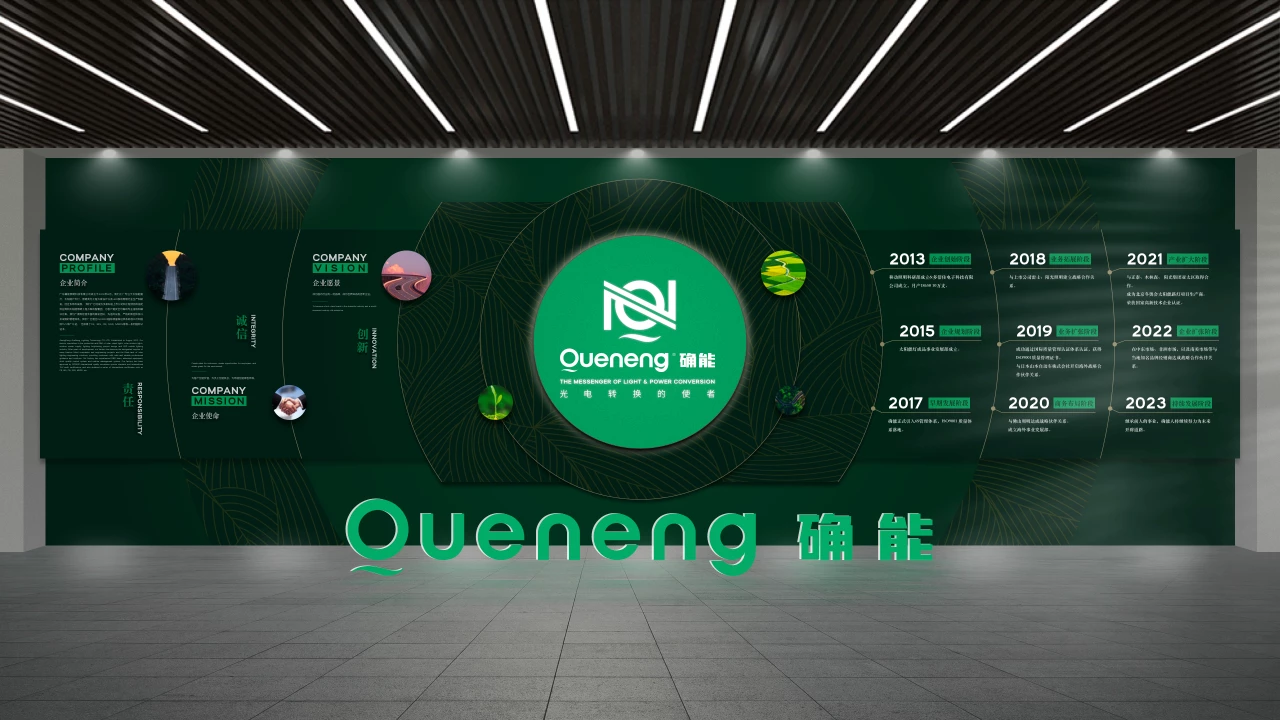
Queneng Lighting, founded in 2013, focuses on solar street lights, solar spotlights, solar garden and lawn lights, solar pillar lights, solar photovoltaic panels, portable outdoor power supplies and batteries, lighting project design, and LED mobile lighting. After years of development, Queneng has become a designated supplier for multiple listed companies and engineering projects and acts as a solar lighting engineering solutions think tank providing safe, reliable guidance and solutions.
Queneng Lighting — strengths and product line
- R&D and quality systems: experienced R&D team, advanced equipment, strict quality control, and mature management.
- Certifications: Approved under ISO 9001 and TÜV audit; has CE, UL, BIS, CB, SGS, MSDS certifications.
- Product suite: Solar Street Lights, Solar Spot lights, Solar Lawn lights, Solar Pillar Lights, Solar Photovoltaic Panels, split solar street light, All-in-One Solar Street Lights.
- Competitive advantage: Integrated engineering support, factory-level customization, and long-term supply relationships for large municipal and engineering projects.
Working with a supplier like Queneng can reduce procurement risk by combining product-quality assurances with engineering design support and lifecycle service options—thereby lowering effective TCO.
Making the decision: practical recommendations
Decision checklist
- Perform a localized TCO model using local labor, component pricing, solar irradiance and electricity tariffs.
- Prioritize warranty length and battery chemistry—warranties that include battery replacements materially change TCO.
- Select All-in-One for rapid rollouts, low-install-cost zones and lower security risk sites.
- Select Split systems for high-traffic, high-safety corridors, or places with low insolation or complex mounting needs.
- Insist on remote monitoring where budgets permit—it lowers long-term O&M and improves SLA compliance.
Procurement tip
Request lifecycle cost bids (e.g., CapEx + 10-year OpEx) instead of strictly lowest equipment price. Include performance-based acceptance tests and milestone payments tied to demonstrated uptime to align supplier incentives with long-term TCO optimization.
Frequently Asked Questions (FAQ)
1. How long do solar street lights typically last?
System lifetime varies: PV modules often last 20–25 years with gradual performance degradation; luminaire electronics and batteries typically require attention every 5–12 years depending on technology and duty cycle. A full system lifecycle for procurement planning is commonly 10–20 years.
2. Are All-in-One solar street lights cheaper than split systems over time?
All-in-One can be cheaper on initial CapEx and for small-scale deployments, but split systems can have lower lifecycle costs in demanding environments due to easier servicing and larger PV/battery capacity. Use a localized TCO model to determine which is cost-optimal.
3. How important is battery choice for TCO?
Very important. Li-ion batteries typically have higher upfront cost but lower replacement frequency and better cycle life compared to lead-acid, often reducing lifecycle cost. Battery warranties and depth-of-discharge specifications should be evaluated.
4. Does remote monitoring justify its cost?
In medium to large deployments, yes. Remote monitoring reduces unnecessary maintenance visits, shortens outage response times and provides data for preventive maintenance—lowering O&M and improving uptime, which reduces effective TCO.
5. What certifications should I ask suppliers for?
Request ISO 9001 (quality management), IEC/EN standards for PV and batteries (e.g., IEC 61215, IEC 62619), luminaire photometric reports (LM-79/LM-80), and safety certifications (CE, UL, CB). For institutional buyers, factory audit reports (e.g., TÜV) and third-party test reports are recommended.
Contact and next steps
If you are planning a Municipal Solar Street Light project or evaluating Split Solar Street Light vs All-in-One Solar Street Lights, request a free TCO template and tailored proposal. Contact Queneng Lighting for engineering consultation, product datasheets, and sample lifecycle calculations to support procurement and financing decisions.
References and further reading
- IRENA, Renewable Power Generation Costs in 2019 — update. (June 2020). https://www.irena.org/publications/2020/Jun/Renewable-Power-Costs-in-2019 (accessed 2026-01-12)
- International Energy Agency (IEA), Solar PV Report. https://www.iea.org/reports/solar-pv (accessed 2026-01-12)
- NREL, Photovoltaic Research — U.S. Department of Energy. https://www.nrel.gov/pv/ (accessed 2026-01-12)
- Lighting Global / Lighting Africa. Off-Grid Lighting Market resources. https://www.lightingglobal.org/ (accessed 2026-01-12)
- IRENA, Electricity Storage and Renewables: Costs and Markets Overview. https://www.irena.org/publications (search: electricity storage) (accessed 2026-01-12)
- ISO 9001 Quality management systems. https://www.iso.org/iso-9001-quality-management. (accessed 2026-01-12)
- TÜV SÜD corporate information. https://www.tuvsud.com/en (accessed 2026-01-12)
Data notes: Cost ranges and example TCO calculations are illustrative and synthesized from industry reports and supplier trends. For procurement-grade TCO, replace assumptions with local quotes, insolation data (PVGIS or Meteonorm), labor rates and tariff schedules.
Contact CTA: For a tailored quote, product datasheet or to schedule a design consultation, contact Queneng Lighting's sales or engineering team via your procurement channel or request information through the vendor contact page.

Have more questions about our products or services?
The latest hot news you might like

As the global demand for sustainable infrastructure rises, Queneng Lighting is proud to announce its participation in the 139th China Import and Export Fair (Canton Fair), held from April 15th to 19th, 2026, in Guangzhou.
For over 13 years, Queneng has been at the forefront of the solar lighting industry, providing high-efficiency solutions for infrastructure contractors, municipal developers, and EPC companies worldwide. This year, we are bringing our most advanced technology yet to the international stage.

Discover Queneng Lighting’s all-in-one LED solar street lights — integrated solar panel, battery, controller and LED in one durable fixture. Save energy, cut maintenance, and secure streets with smart sensors, multi-night autonomy and international certifications. Contact sales for quotes and support.

Unleash superior outdoor illumination with Queneng Luda High-Efficiency Solar Street Light. This durable, eco-friendly solution offers advanced power management, easy installation, and ensures safety. Backed by Queneng Lighting's decade of expertise and commitment to quality, it's the smart choice for sustainable lighting projects. Learn why we're a leading solar solutions provider.

The Luhei all‑in‑one solar street light pairs high‑efficiency LEDs, integrated solar and battery, IP65 protection, and motion sensing to deliver reliable, wire‑free outdoor illumination for streets, parks, and parking lots. Backed by Queneng Lighting’s certifications and support.
FAQ
Schools and Educational Institutions
How long will it take to install solar lights on my campus?
Installation can typically be completed in a few days, depending on the size of the campus and the number of lights.
Public Gardens and Landscape Lighting
How much sunlight do solar lights need to function properly?
Solar lights typically require 6-8 hours of direct sunlight during the day to charge fully and provide 8-12 hours of lighting during the night. However, our high-efficiency solar panels are designed to maximize energy capture even in less-than-ideal sunlight conditions.
Solar Street Light Luzhou
How efficient are the solar panels in Luzhou solar street lights?
Luzhou solar street lights are equipped with high-efficiency solar panels that are designed to capture maximum sunlight, even in low-light conditions. This ensures optimal performance even on cloudy or overcast days.
Solar Street Light Luhui
Can Luhui solar street lights be used in areas with limited sunlight?
Yes, Luhui solar street lights are equipped with high-efficiency solar panels that can charge even in low light conditions, providing reliable illumination, even in areas with limited or intermittent sunlight.
Tourist Attractions and Resorts
Can solar lighting help reduce energy costs for resorts?
Yes, solar lighting can significantly reduce energy costs by eliminating the need for grid electricity. The investment in solar lighting pays off in the long term through savings on electricity bills.
Solar Street Light Lufei
How long does it take to install a solar street light?
Installation typically takes 1-2 hours, depending on the complexity of the setup. No external wiring is required, which makes installation faster and simpler compared to traditional street lighting.
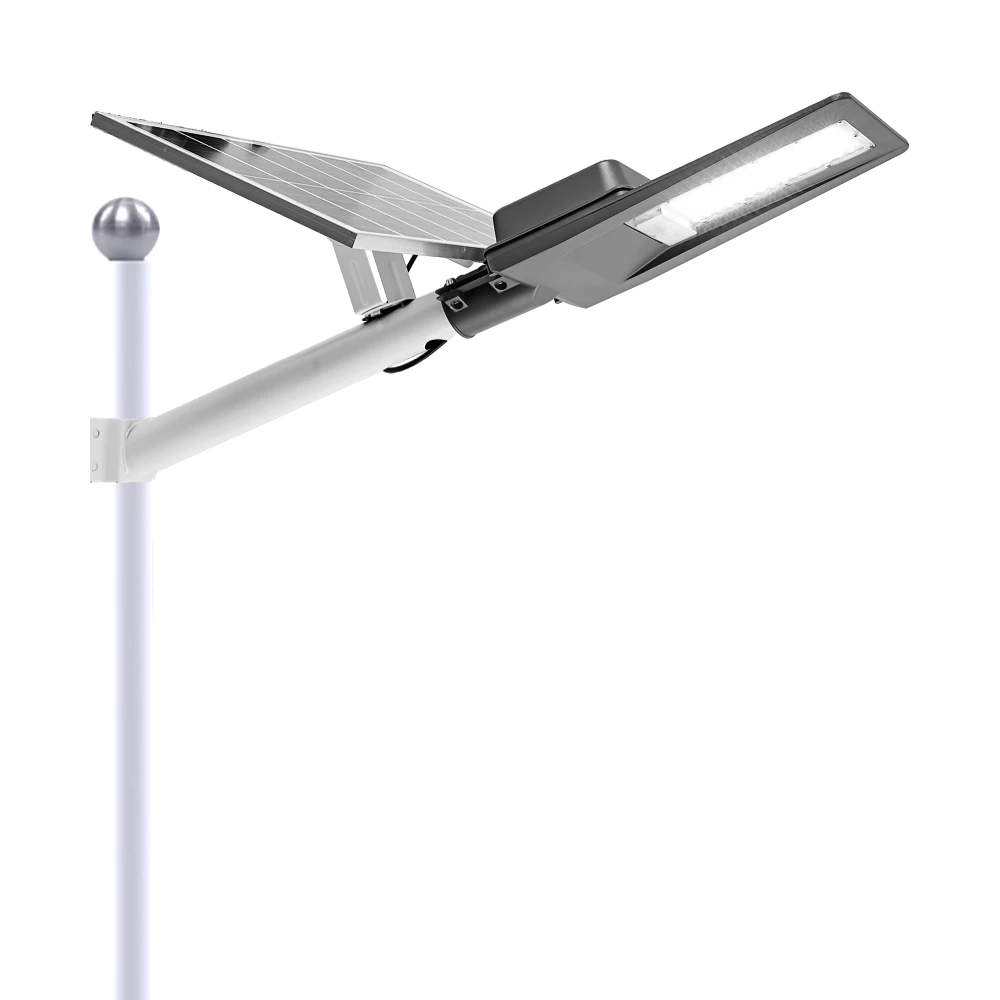
Experience reliable outdoor illumination with our smart solar street light, a perfect combination of advanced technology and eco-conscious design.
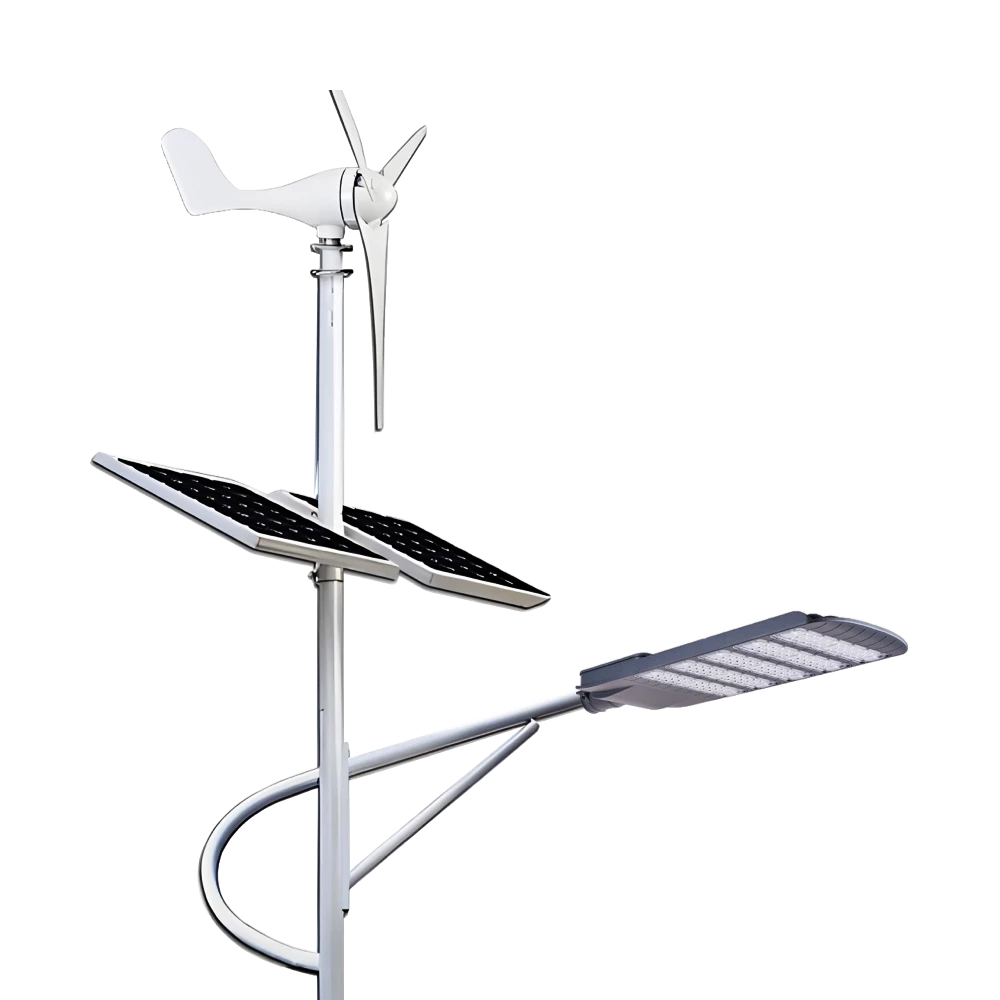
Queneng Lufeng Wind Energy LED Outdoor Solar Street Lights offer high-performance, eco-friendly illumination. These energy-efficient LED street lights harness solar power and wind energy for sustainable, cost-effective outdoor lighting solutions.
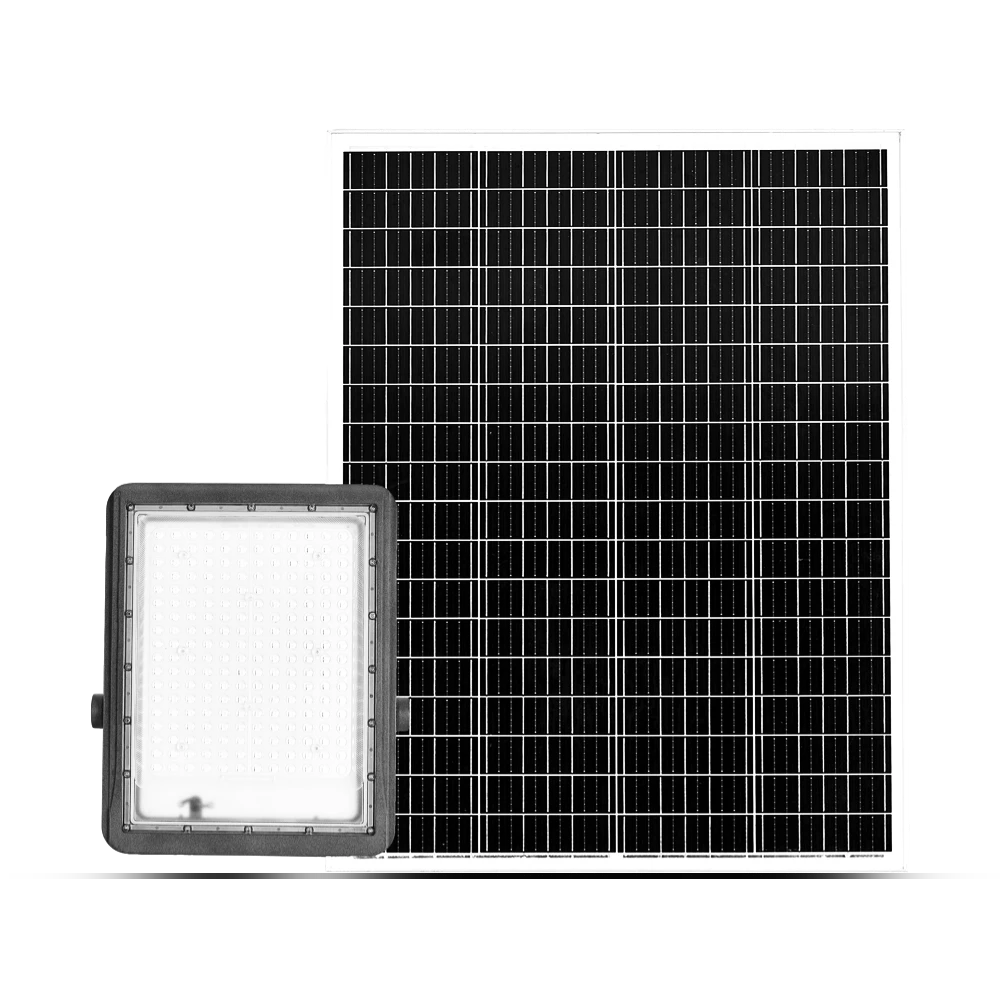
Queneng's Luxian Reliable Solar Street Light offers energy-saving LED lighting for outdoor use. This durable, solar-powered street light provides reliable illumination, reducing energy costs and environmental impact. A perfect solution for sustainable outdoor lighting.
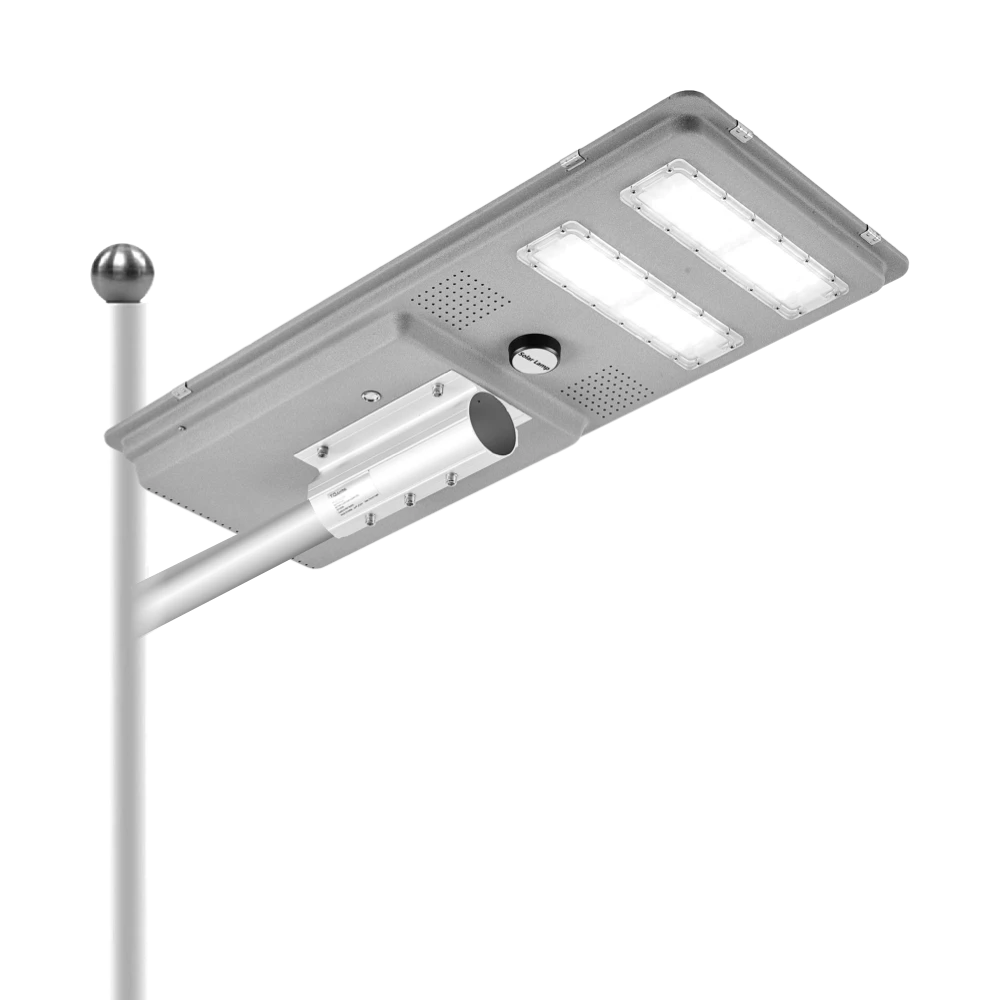
Queneng’s Solar Street Lights are designed to provide reliable, energy-efficient lighting for streets, parks, and other outdoor spaces.
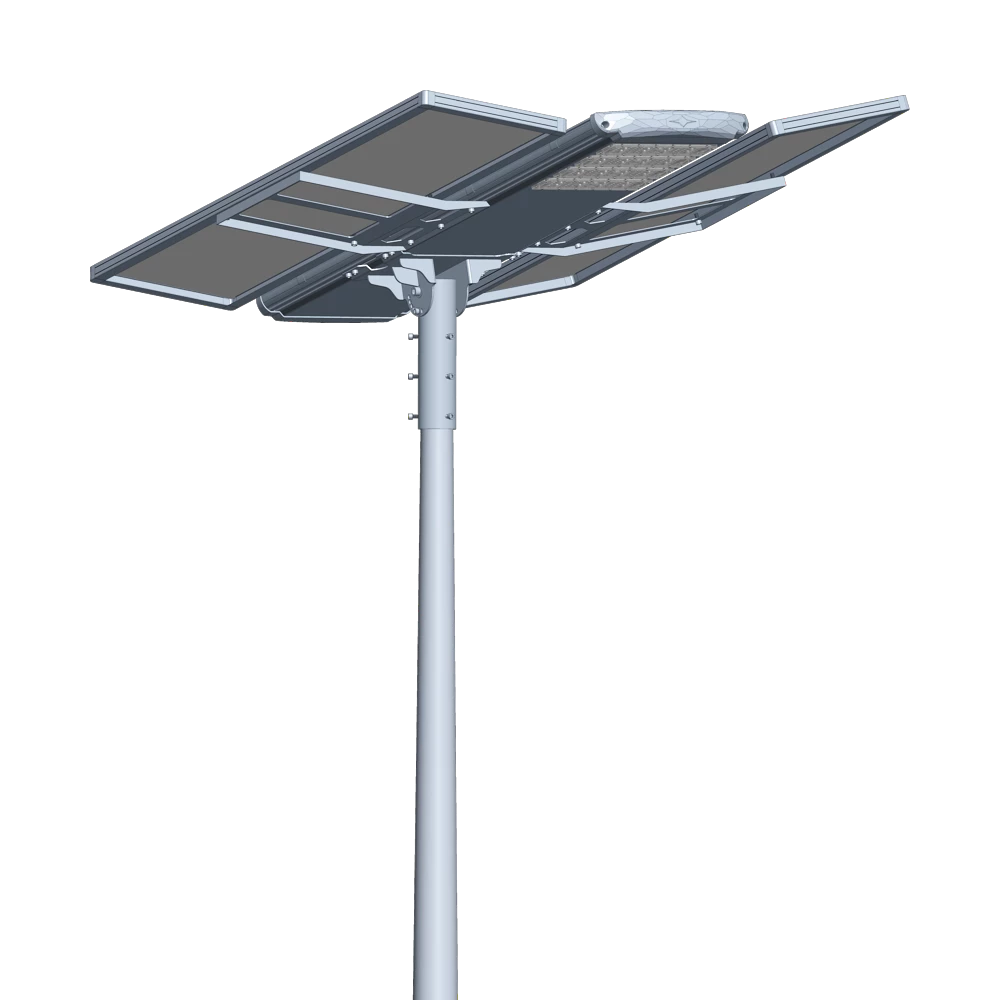
Introducing the Luqing Solar Street Light by Queneng, Efficient LED lighting powered by solar energy is perfect for illuminating outdoor areas. Harness the power of solar energy for sustainable, reliable street lighting. Ideal for eco-friendly, cost-effective outdoor illumination solutions.
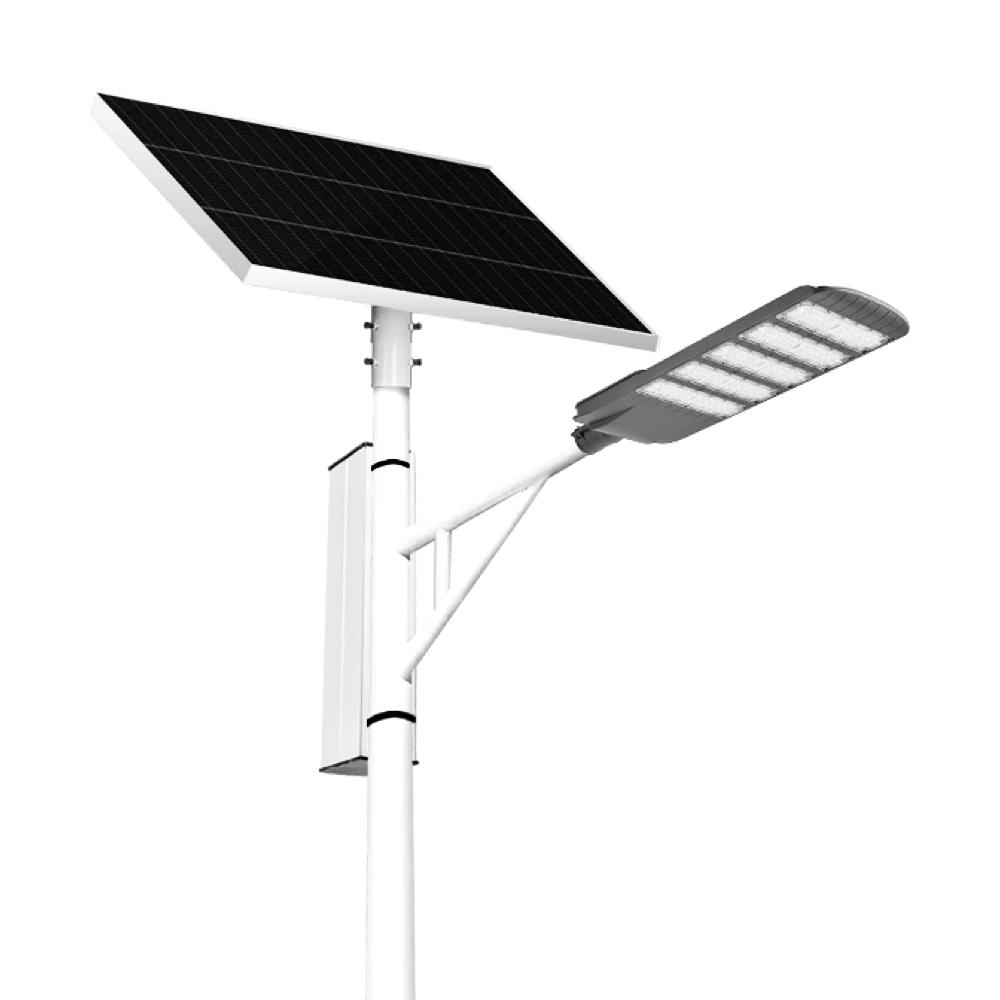
The Solar Streetlights of Luhao for Municipalities are designed to deliver reliable, energy-efficient, and cost-effective public lighting solutions. Equipped with advanced LED technology, durable lithium batteries, and high-efficiency solar panels, these streetlights provide consistent illumination for roads, parks, residential areas, and government projects.
Our professional team is ready to answer any questions and provide personalized support for your project.
You can reach us via phone or email to learn more about Queneng’s solar lighting solutions. We look forward to working with you to promote clean energy solutions!
Rest assured that your privacy is important to us, and all information provided will be handled with the utmost confidentiality.
By clicking 'Send Inquiry Now' I agree to Queneng processing my personal data.
To see how to withdraw your consent, how to control your personal data and how we process it, please see our Privacy Policy and Terms of use.
Schedule a Meeting
Book a date and time that is convenient for you and conduct the session in advance.
Have more questions about our products or services?
The messenger of light & power conversion
Environmental protection and intelligent manufacturing are our brand philosophy, and quality assurance and the best user experience are our eternal promises to users.
CONTACT
No.9F, Building F, Cao San Xin Tian Hong Logistics Park, Guzhen Town, Zhongshan City, Guangdong Province, China.
or write [email protected]
WhatsApp: +86 136 2270 1011


