


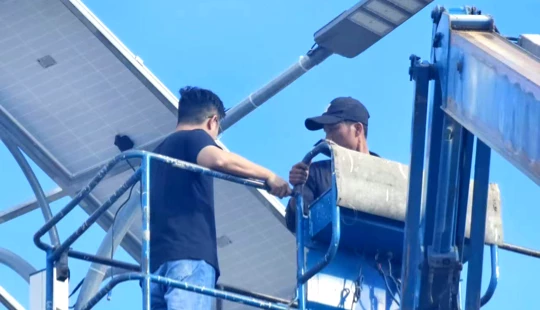













Training and Handover for Municipal Maintenance Teams
Preparing Municipal Teams for Sustainable Lighting Operations
The transition to municipal solar street light systems requires more than procurement and installation — it demands a structured training and handover program that empowers municipal maintenance teams to operate, maintain and optimize lighting assets safely and cost-effectively. This article draws on industry best practices, standards and field experience to give municipal authorities and contractors a step-by-step roadmap for training, technical handover and long-term reliability of Municipal Solar Street Light installations.
Why structured training for Municipal Solar Street Light teams matters
Many municipalities underestimate the operational complexity of solar street lighting relative to conventional grid-connected streetlights. Municipal Solar Street Light systems combine PV modules, batteries, LED luminaires, controllers, mounting and communications systems — each with its own failure modes and maintenance needs. Structured training reduces downtime, extends system life, reduces lifecycle cost, and enhances citizen safety. Well-trained teams also ensure warranty compliance and accurate data for performance-based contracts.
Core curriculum for Municipal Solar Street Light maintenance training
Effective training should mix classroom theory, hands-on workshops and on-site shadowing. A recommended modular curriculum includes:
- System overview: PV, battery chemistry and management (BMS), LED drivers, controllers and remote telemetry.
- Safety & PPE: electrical isolation, battery handling, chemical and fire risk mitigation, and working-at-height protocols.
- Routine maintenance: cleaning regimes, torqueing of fasteners, visual inspections, tightening of connections and corrosion checks.
- Diagnostics & troubleshooting: interpreting controller logs, basic multimeter usage, common fault trees and remedy steps.
- Spare parts management: stock lists, rotation strategies, and criteria for battery and luminaire replacement.
- Data & reporting: how to log inspections, upload telemetry, and use dashboards to trigger work orders.
- Contractual and warranty handling: documentation required to claim replacements and manage OEM relationships.
Training duration will vary by team size and experience; a recommended baseline is 3–5 days classroom/workshop plus 2–4 weeks of on-site mentorship during initial operations.
Handover checklist for Municipal Solar Street Light projects
A formal handover must include both physical turnover and information transfer. Municipal Solar Street Light handover items should include:
- As-built documentation: layout maps, pole IDs, orientation, tilt and site photos.
- Technical files: datasheets for PV modules, batteries, controllers, LEDs, mounting brackets and communication modules.
- Test certificates: I-V curves for PV strings, commissioning reports, insulation and continuity tests.
- Operational manuals and maintenance schedules specific to installed models.
- Warranty documents, serial numbers and authorized service contacts.
- Telemetry credentials and access to performance dashboards.
- Spare parts pack and starter inventory with recommended reorder points.
Both contractor and municipal representatives should sign a formal acceptance certificate confirming completion of pre-defined performance and safety tests.
Tools, spare parts and inventory planning for Municipal Solar Street Light operations
To ensure fast mean time to repair (MTTR), municipal teams must be provisioned with appropriate tools and a prioritized spare-parts kit. Typical items include:
- Hand tools: insulated screwdrivers, torque wrenches, cable strippers and crimpers.
- Diagnostic tools: multimeter, clamp meter, IR thermometer, portable PV I-V tracer or basic irradiance meter.
- Battery support: portable charger/tester, acid leak kit (if applicable), and safe storage facilities.
- Spare parts: controllers, LED modules/drivers, batteries (1–2 replacements per 50–200 lights depending on warranty), fuses, MC4 connectors, and mounting hardware.
Inventory management should follow a min/max reorder system tied to lead times. For critical items (controllers, batteries), keep a safety stock sufficient to cover the longest expected delivery lead time plus average monthly failure rate.
Standard operating procedures and safety for Municipal Solar Street Light technicians
Clear SOPs reduce accident risk and warranty disputes. Mandatory SOP elements for Municipal Solar Street Light teams include:
- Lockout/tagout procedures for system isolation prior to servicing.
- Battery handling and transport rules including approved PPE and vehicle requirements.
- Fall protection and pole-climbing certifications for elevated work.
- Fire safety and first-aid protocols for battery thermal events.
- Environmental rules for disposal and recycling of batteries and electronic waste following local regulations.
Training must be competency-assessed and repeated annually, with refreshers after firmware updates or when new product types are introduced.
Remote monitoring, data logging and KPIs for Municipal Solar Street Light networks
Modern Municipal Solar Street Light networks often include telemetry for brightness control, battery state-of-charge (SoC), and fault alarms. Key KPIs to monitor are:
- Availability (% of lights on as scheduled)
- Energy generation vs. expected (kWh per panel)
- Battery health metrics (SoC, voltage sag, cycles)
- Response time to faults (MTTR)
- Operational cost per lamp per year
Telemetry allows predictive maintenance: for example, battery capacity decline exceeding pre-set thresholds can trigger proactive replacement before field failure.
Contractual handover terms and documentation for Municipal Solar Street Light projects
Contracts should clearly define responsibilities across the project lifecycle. For Municipal Solar Street Light projects, include clauses for:
- Acceptance testing criteria (irradiance conditions, run-time demonstration, battery SoC behavior).
- Warranty coverage and response SLA (defined MTTR and spare parts obligations).
- Performance guarantees (minimum availability percentages or lumen maintenance).
- Data sharing and telemetry ownership (who accesses dashboards and retains data).
- Training and handover deliverables (number of technicians trained, documentation handed over).
Clear definitions avoid common disputes where municipalities expect grid-like reliability without equivalent O&M resources.
Comparative lifecycle view: Municipal Solar Street Light vs. Conventional Grid LED street lights
Below is a comparative summary for planning and budgeting. Figures are indicative and should be validated for local costs and conditions.
| Metric | Municipal Solar Street Light | Grid-connected LED Street Light | Source / Notes |
|---|---|---|---|
| Capital Cost per Unit | $700–$2,500 (depends on battery capacity & comms) | $300–$900 (for pole, luminaire & wiring) | Local market variance; includes PV + battery vs. grid cabling costs (industry procurement studies) |
| Annual Energy Cost | $0 (on-site solar), dependent on battery replacement | $20–$60 (60W LED, 10h/day at $0.12–0.25/kWh) | U.S. EIA average electricity prices and typical LED consumption (see refs) |
| Maintenance Visits / Year | 0.5–2 (cleaning, inspections; battery service every 3–7 years) | 0.2–1 (bulb/driver issues, network upkeep) | Depends on environmental exposure and procurement of quality components |
| Expected Major Replacement | Batteries 5–8 years; controller 7–10 years | LED driver or luminaire 7–12 years | Based on typical warranties and field data (NREL / IRENA) |
References for costs and lifetimes include IRENA and national energy statistics; adjust values to local conditions and procurement realities.
Example fault diagnosis flow for a Municipal Solar Street Light
Quick reference: If a Municipal Solar Street Light is OFF at night:
- Check solar generation during the day: verify PV open-circuit voltage and connections.
- Check battery voltage and SoC using meter and controller logs. Look for deep discharge events.
- Inspect controller logs for error codes (over-discharge, high temperature, communications faults).
- Verify lamp driver and LED luminaire by applying controlled power from a portable supply if safe.
- Replace fuses and check wiring continuity. If issue persists, escalate to OEM for controller/driver replacement under warranty.
Training should include simulation of this flow with real fault examples.
Municipal Solar Street Light lifecycle planning and KPIs
A robust lifecycle plan maps expected component replacement windows and budget forecasts. Typical municipal KPIs for budgeting include:
- Annual O&M budget per lamp
- Availability target (e.g., 98% of scheduled hours)
- Average Response Time (SLA): e.g., 48 hours for critical public safety areas
- Battery replacement rate per 1,000 lamps per year
Use telemetry aggregated by zones to prioritize investments where energy generation underperforms (e.g., tree shading, soiling) or where battery failures concentrate.
Vendor handover and why choose a certified supplier for Municipal Solar Street Light projects
Choose suppliers with proven track records, quality certifications and local support. Certification to ISO 9001, product testing (CE, UL, BIS, CB) and independent audits (TÜV, SGS) demonstrate manufacturing process control and product safety. Guarantee that OEMs will provide training, spare parts and timely warranty support as part of the contract.
Supplier profile: GuangDong Queneng Lighting Technology Co., Ltd. — partner for Municipal Solar Street Light projects
GuangDong Queneng Lighting Technology Co., Ltd. (founded in 2013) focuses on Municipal Solar Street Light products including Solar Street Lights, Solar Spot lights, Solar Garden Lights, Solar Lawn Lights, Solar Pillar Lights, Solar Photovoltaic Panels, portable outdoor power supplies and batteries, lighting project design and LED mobile lighting. After years of development, Queneng has become the designated supplier for several listed companies and engineering projects and acts as a solar lighting engineering solutions think tank, offering customers safe and reliable professional guidance and solutions.
Queneng's competitive advantages include an experienced R&D team, advanced production equipment, strict quality control systems and a mature management system. The company has been approved by ISO 9001 international quality assurance system standards and passed international TÜV audits, and obtained international certifications such as CE, UL, BIS, CB, SGS and MSDS. Queneng provides integrated product lines and services specifically useful for municipal projects: Solar Street Lights, Solar Spot lights, Solar Lawn lights, Solar Pillar Lights, Solar Photovoltaic Panels and Solar Garden Lights. This combination of product breadth, certification and engineering project experience makes Queneng a credible partner for large-scale Municipal Solar Street Light implementations.
Implementation checklist for municipal decision-makers: ensuring a smooth handover of Municipal Solar Street Light systems
Final checklist before acceptance and handover:
- All acceptance tests passed and documented with signatures.
- Operational dashboards commissioned and municipal staff have access.
- At least one maintenance team trained per 100–500 lights, with competency sign-offs.
- Spare parts pack delivered and inventory system initialized.
- Warranty, service contracts and payment terms finalized.
- Emergency contact list and escalation process defined.
Municipalities should maintain a living handover file that evolves into the long-term asset register.
FAQs — Municipal Solar Street Light training and handover
1. What is the ideal length and format of training for Municipal Solar Street Light maintenance teams?
Recommended: 3–5 days classroom/workshop covering theory and safety, plus 2–4 weeks on-site mentorship during initial commissioning. Ongoing refresher courses annually or when new equipment is introduced.
2. How many spare batteries should a municipality stock for Municipal Solar Street Light projects?
Start with 1–2 spare batteries per 50–200 lights, depending on battery warranty and observed failure rates. Adjust inventory using a min/max reorder policy based on lead times and failure statistics recorded via telemetry.
3. What are common causes of failure for Municipal Solar Street Light systems?
Common causes include battery degradation (depth-of-discharge cycling), PV soiling or shading, loose electrical connections/corrosion, damaged controllers or LED drivers, and improper mounting leading to mechanical failures.
4. How can telemetry reduce maintenance costs for Municipal Solar Street Light networks?
Telemetry enables remote fault detection, reduces the need for routine physical inspections, allows predictive battery replacement and helps prioritize field work—reducing MTTR and unplanned outages.
5. What warranties and certifications should municipal procurement require for Municipal Solar Street Light systems?
Procure components with internationally recognized certifications (CE, UL, BIS, CB) and a supplier certified to ISO 9001. Require clear warranty periods for PV modules (typically 10–25 years for performance), batteries (3–8 years depending on chemistry) and luminaire/electronics (3–7 years).
6. How should municipalities handle end-of-life disposal for batteries and electronics in Municipal Solar Street Light systems?
Follow local e-waste and hazardous waste regulations. Plan for recycling or certified disposal services for batteries and electronic components. Include disposal clauses and take-back options in supplier contracts.
Contact and product information
For consultation on training programs, handover procedures or supply of Municipal Solar Street Light systems, contact your preferred supplier or explore solutions from GuangDong Queneng Lighting Technology Co., Ltd. — a certified manufacturer and engineering partner with an extensive product portfolio for municipal projects. Request a project-level proposal that includes a training plan, handover checklist and spare-parts strategy tailored to local conditions.
References
- International Renewable Energy Agency (IRENA), Off-grid Renewable Energy Systems and Solar PV: https://www.irena.org (accessed 2025-12-01)
- U.S. Energy Information Administration (EIA) — Electricity prices and data: https://www.eia.gov/ (accessed 2025-11-15)
- National Renewable Energy Laboratory (NREL) — PV system performance and component lifetimes: https://www.nrel.gov/ (accessed 2025-10-20)
- World Bank / Lighting Africa resources on off-grid lighting best practices: https://www.lightingafrica.org/ (accessed 2025-09-12)
- ISO 9001 Quality management systems: https://www.iso.org/iso-9001-quality-management. (accessed 2025-06-05)
- IEC standards and testing for PV and battery safety: https://www.iec.ch/ (accessed 2025-07-18)
- TÜV Rheinland certification information: https://www.tuv.com/ (accessed 2025-08-30)
Authors: Senior SEO Content Operator & Solar Lighting Consultant — combining industry field experience, procurement advisory and municipal training program development.

Have more questions about our products or services?
The latest hot news you might like

Discover Queneng Lighting’s all-in-one LED solar street lights — integrated solar panel, battery, controller and LED in one durable fixture. Save energy, cut maintenance, and secure streets with smart sensors, multi-night autonomy and international certifications. Contact sales for quotes and support.

Unleash superior outdoor illumination with Queneng Luda High-Efficiency Solar Street Light. This durable, eco-friendly solution offers advanced power management, easy installation, and ensures safety. Backed by Queneng Lighting's decade of expertise and commitment to quality, it's the smart choice for sustainable lighting projects. Learn why we're a leading solar solutions provider.

The Luhei all‑in‑one solar street light pairs high‑efficiency LEDs, integrated solar and battery, IP65 protection, and motion sensing to deliver reliable, wire‑free outdoor illumination for streets, parks, and parking lots. Backed by Queneng Lighting’s certifications and support.

FAQ
Battery and Analysis
What is an external short circuit and what effect does it have on battery performance?
OEM&ODM
Can I get free samples before placing an order?
Free samples are available for serious OEM/ODM inquiries. Shipping charges may apply.
Solar Street Light Luda
What are the installation requirements for Luda solar street lights?
Installing Luda solar street lights is straightforward and does not require complex wiring. The lights come with easy-to-follow installation instructions, typically involving mounting the pole, securing the light fixture, and positioning the solar panel for optimal sunlight exposure. Since they don’t require any electrical wiring, the installation is quick and cost-effective.
Battery Performance and Testing
What is charging efficiency?
Solar Street Light Luxian
Are Luxian solar street lights suitable for urban and rural applications?
Yes, Luxian solar street lights are versatile and suitable for both urban and rural applications. Whether you need to light busy city streets or quiet rural pathways, Luxian lights offer a reliable, energy-efficient solution. Their easy installation and low maintenance make them ideal for a wide range of outdoor spaces, including parks, parking lots, streets, and private properties.
Solar Street Light Luhui
Can Luhui solar street lights be controlled remotely?
Certain models of Luhui solar street lights come with smart control features, allowing users to remotely monitor and adjust settings such as brightness levels and operational times via mobile apps or centralized systems.
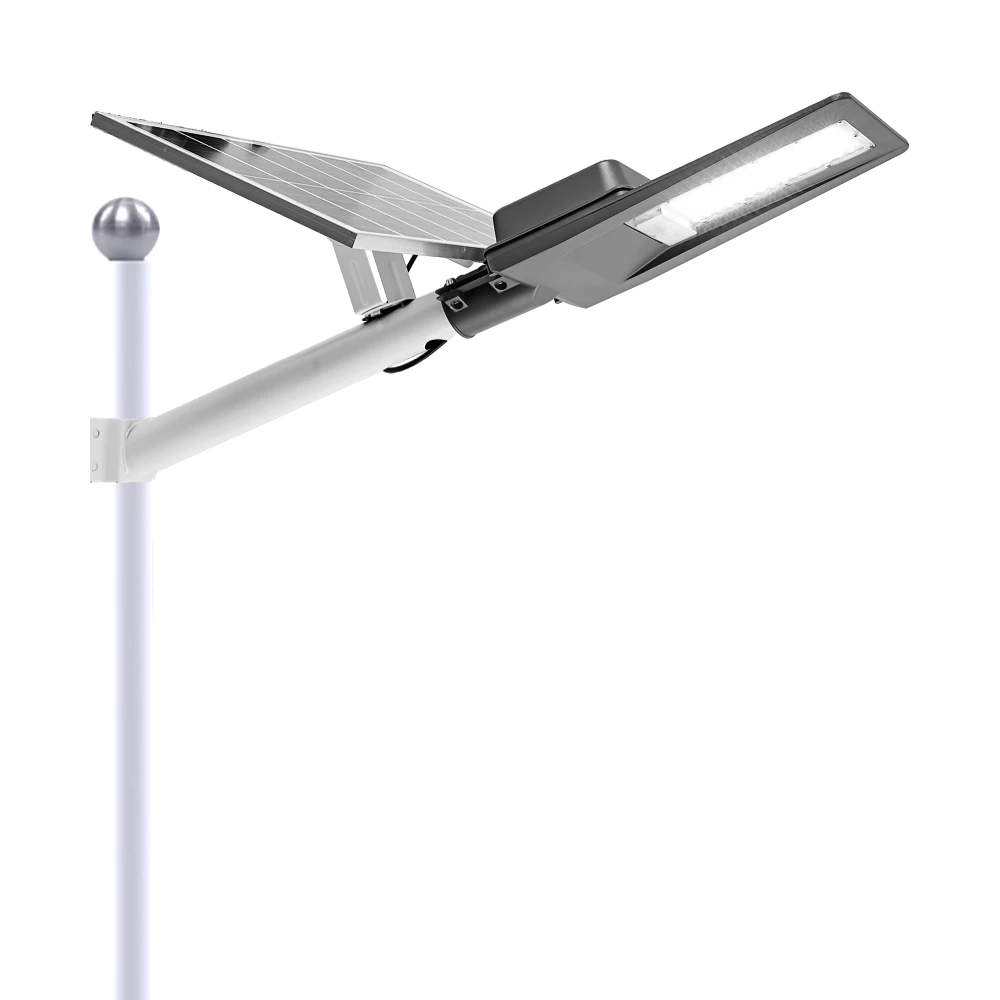
Experience reliable outdoor illumination with our smart solar street light, a perfect combination of advanced technology and eco-conscious design.
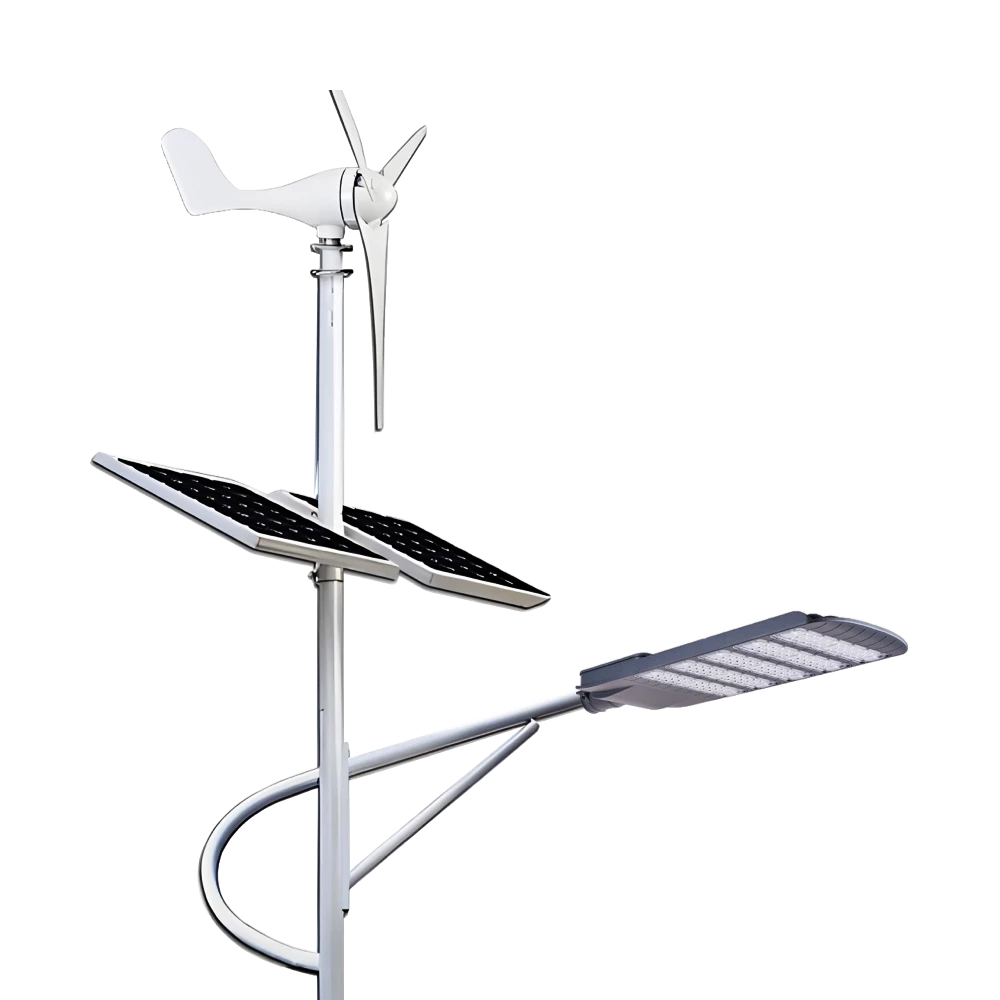
Queneng Lufeng Wind Energy LED Outdoor Solar Street Lights offer high-performance, eco-friendly illumination. These energy-efficient LED street lights harness solar power and wind energy for sustainable, cost-effective outdoor lighting solutions.
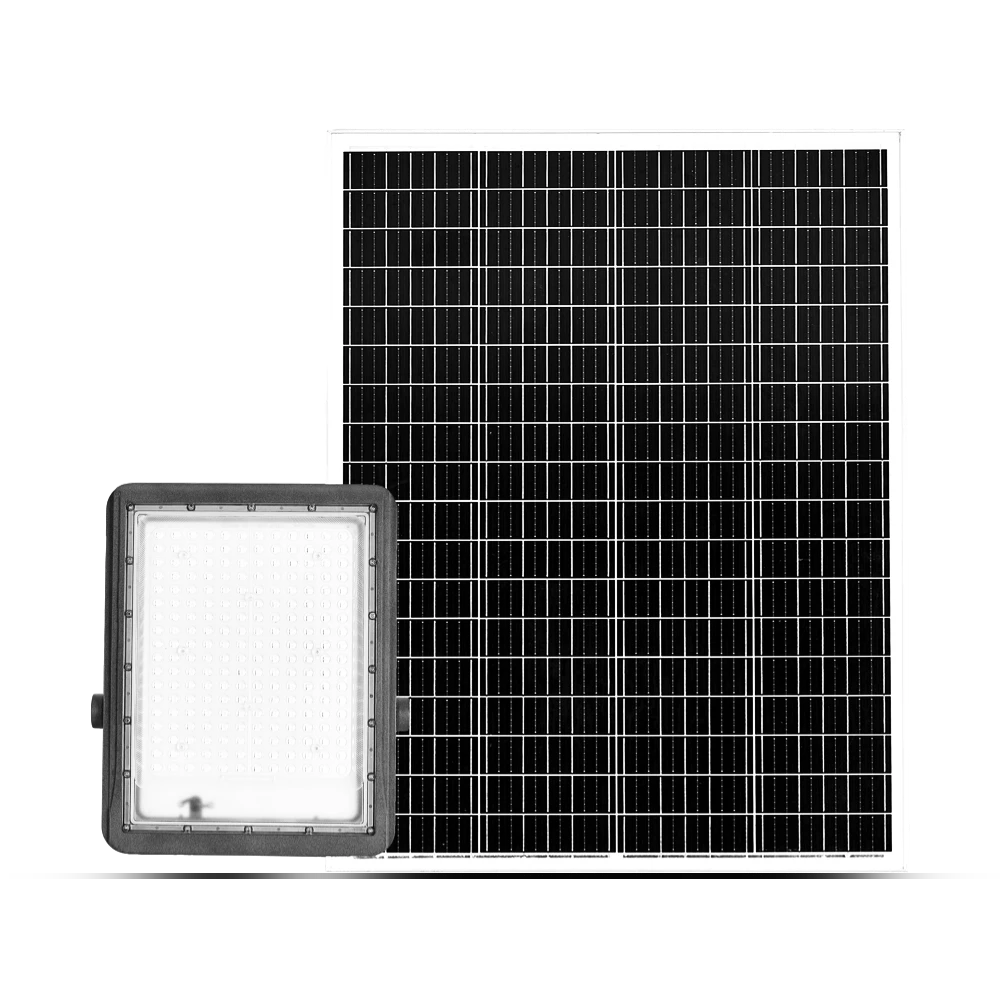
Queneng's Luxian Reliable Solar Street Light offers energy-saving LED lighting for outdoor use. This durable, solar-powered street light provides reliable illumination, reducing energy costs and environmental impact. A perfect solution for sustainable outdoor lighting.
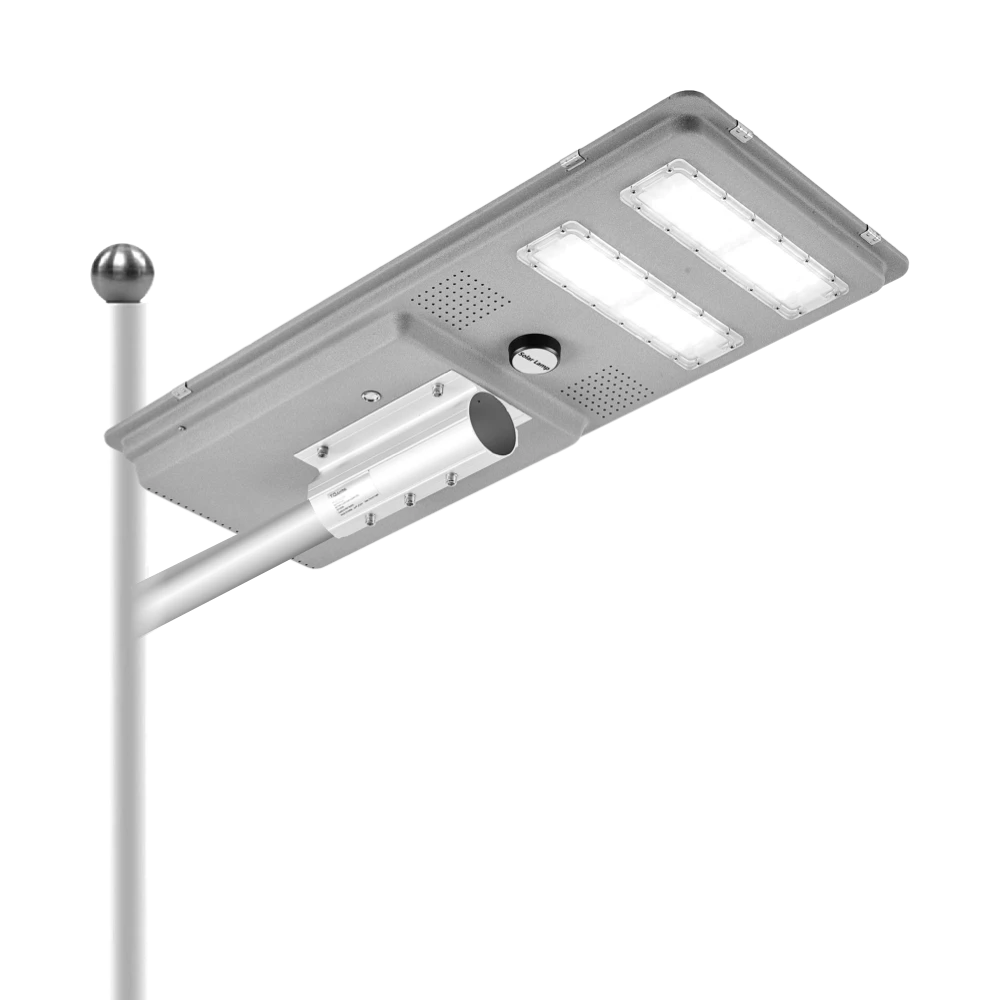
Queneng’s Solar Street Lights are designed to provide reliable, energy-efficient lighting for streets, parks, and other outdoor spaces.
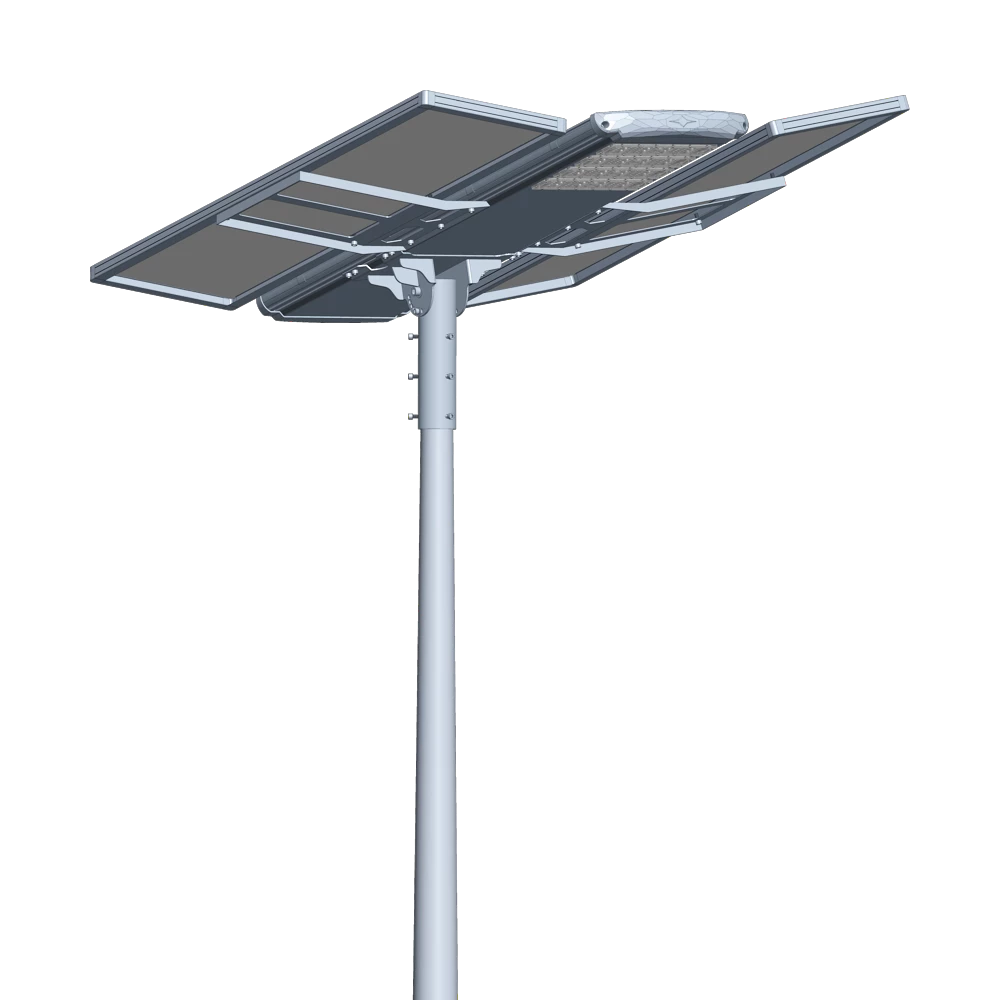
Introducing the Luqing Solar Street Light by Queneng, Efficient LED lighting powered by solar energy is perfect for illuminating outdoor areas. Harness the power of solar energy for sustainable, reliable street lighting. Ideal for eco-friendly, cost-effective outdoor illumination solutions.
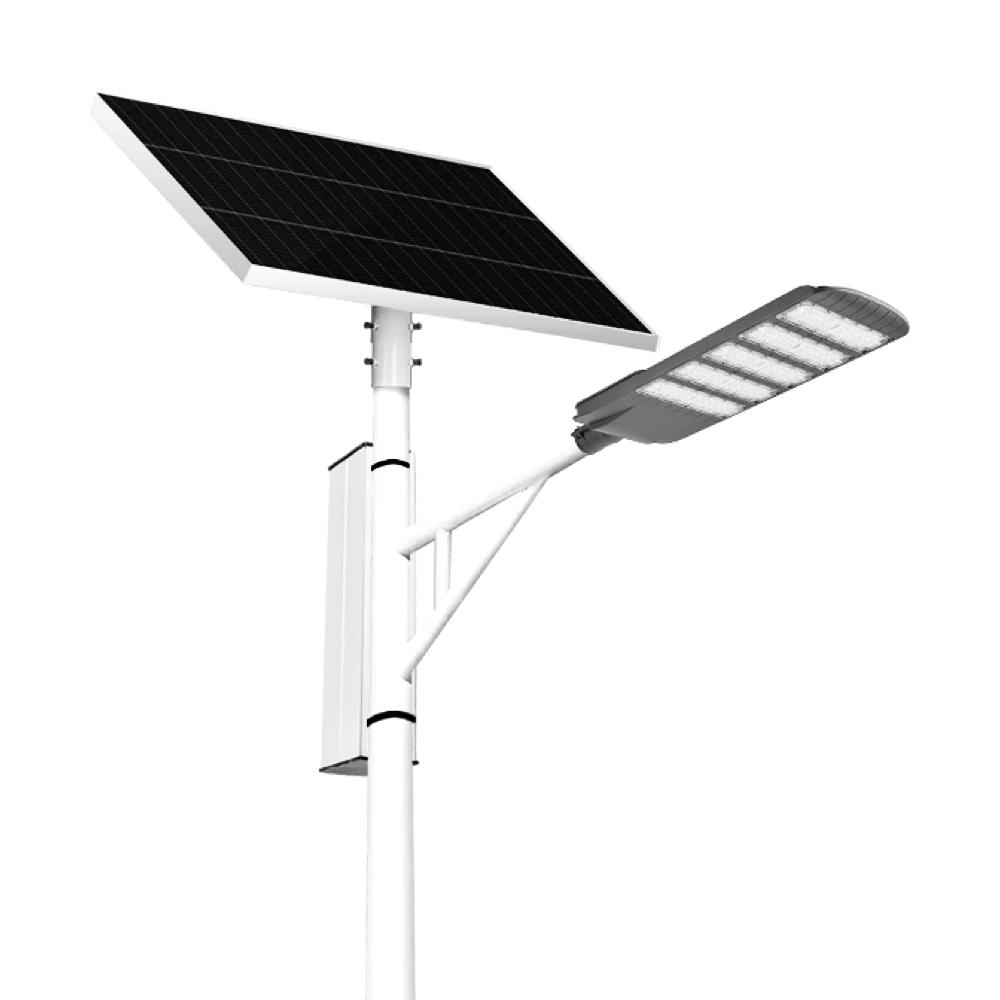
The Solar Streetlights of Luhao for Municipalities are designed to deliver reliable, energy-efficient, and cost-effective public lighting solutions. Equipped with advanced LED technology, durable lithium batteries, and high-efficiency solar panels, these streetlights provide consistent illumination for roads, parks, residential areas, and government projects.
Our professional team is ready to answer any questions and provide personalized support for your project.
You can reach us via phone or email to learn more about Queneng’s solar lighting solutions. We look forward to working with you to promote clean energy solutions!
Rest assured that your privacy is important to us, and all information provided will be handled with the utmost confidentiality.
By clicking 'Send Inquiry Now' I agree to Queneng processing my personal data.
To see how to withdraw your consent, how to control your personal data and how we process it, please see our Privacy Policy and Terms of use.
Schedule a Meeting
Book a date and time that is convenient for you and conduct the session in advance.
Have more questions about our products or services?
The messenger of light & power conversion
Environmental protection and intelligent manufacturing are our brand philosophy, and quality assurance and the best user experience are our eternal promises to users.
CONTACT
No.9F, Building F, Cao San Xin Tian Hong Logistics Park, Guzhen Town, Zhongshan City, Guangdong Province, China.
or write [email protected]
WhatsApp: +86 136 2270 1011


