

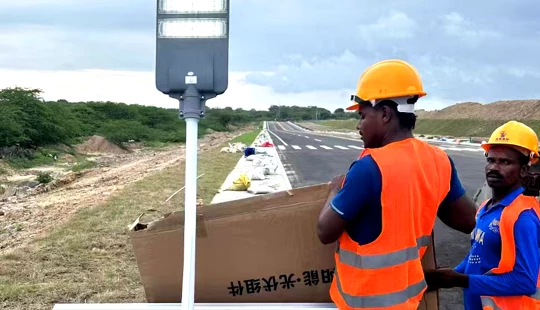
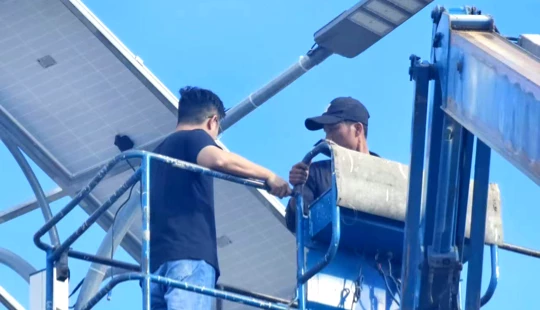













Training Programs for Maintenance Personnel
Effective training programs for maintenance personnel directly determine the lifecycle cost, uptime, and safety of municipal solar street light deployments, including split solar street light systems and all-in-one solar street lights. This article summarizes curriculum design, essential competencies, inspection and troubleshooting workflows, safety and regulatory considerations, and measurable outcomes that municipal authorities and contractors should require. The recommendations reference authoritative sources and industry best practices to support reproducible, auditable maintenance processes.
Why structured training matters for urban lighting reliability
Operational impact of trained maintenance crews
Well-trained maintenance personnel reduce Mean Time To Repair (MTTR), lower warranty-related costs, and extend effective service life. For LED-based systems commonly used in municipal solar street light deployments, correct maintenance practices help preserve lumen output and system efficiency. According to the U.S. Department of Energy, solid-state lighting (LED) systems offer long lifetimes (often >50,000 hours) but require correct thermal management and driver maintenance to meet those figures (U.S. DOE Solid-State Lighting).
Community and compliance expectations
Municipal procurement increasingly evaluates lifecycle performance, not just CAPEX. Training that documents inspection cadence, safety checks, performance logs, and parts replacement records helps cities comply with procurement warranties and reporting, and supports climate and energy targets. Standards such as ISO 9001 help ensure quality-management alignment in supplier and maintenance processes (ISO 9001).
Cost-benefit of investing in training
Investing in training reduces reactive repairs and premature replacements. Data from multiple utilities show that proactive maintenance programs can cut lifecycle costs by 10–30% compared to purely reactive models. Training provides skills for preventive maintenance (PM), condition-based maintenance (CBM), and safe battery handling for systems using lithium chemistries.
Core curriculum: technical knowledge and hands-on skills
Electrical and photovoltaic fundamentals
Personnel must understand PV fundamentals (I-V curve basics, array mismatch, shading losses), battery chemistry and management (State of Charge—SOC, Depth of Discharge—DOD), and LED driver operation. Authoritative background on photovoltaic systems is available at the Photovoltaic system overview (Wikipedia - Photovoltaic system) and solar energy references (Wikipedia - Solar energy).
System-specific modules: split vs all-in-one
Training must include modules tailored to the product architecture:
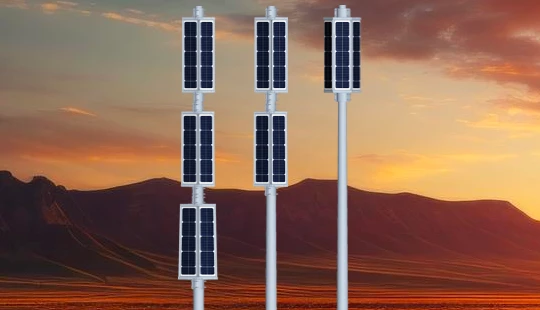
- Split solar street light: separate PV array, battery enclosure, and luminaire; emphasis on interconnects, cable routing, waterproofing, and junction box diagnostics.
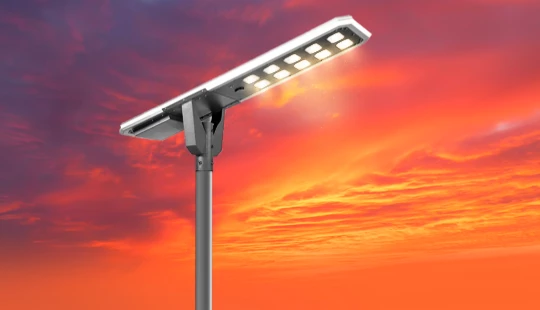
- All-in-one solar street lights: integrated PV, battery and luminaire; emphasis on thermal design, modular replacement, and internal connector inspection.
- Municipal solar street light networks: networked controllers, telemetry, and centralized fleet management tools for performance analytics.
Hands-on diagnostics and repair
Practical training should include:
- Using multimeters, clamp meters, PV analyzers, and IR thermography to detect hotspots and high-resistance connections.
- Battery testing (voltage, internal resistance, capacity tests) and safe swap procedures aligned with manufacturer guidance and standards such as IEC/UN transport and safety rules.
- LED module and driver replacement procedures and post-repair photometric checks to confirm lumen output and distribution.
Inspection protocols, tools, and data for decision-making
Inspection frequency and checklists
Inspections should be tiered: visual monthly checks, functional quarterly tests, and detailed annual inspections including electrical and battery capacity testing. A basic inspection checklist includes PV panel cleanliness and tilt, mounting integrity, wiring and conduit condition, battery compartment ventilation and sealing, luminaire aim and optical condition, and controller logs.
Essential tools and test equipment
Equip teams with:
- Multimeter and clamp meter (true RMS)
- PV array I-V curve tester or solar irradiance meter
- Battery internal resistance tester and capacity tester
- Infrared camera for thermal anomalies
- Hand tools, torque wrenches, insulation testers, and certification-grade PPE
Logging, telemetry, and KPIs
Leverage telemetry (where available) to prioritize maintenance. Key Performance Indicators (KPIs) include uptime percentage, average days to repair, energy harvested vs expected (kWh), battery State of Health (SoH), and cost per pole-year. Remote data reduces truck rolls and informs targeted field visits. Municipalities using connected solar street light networks should define SLA thresholds and alert rules to automate responses.
Safety, standards, and quality assurance
Battery safety and hazardous materials handling
Batteries present thermal runaway, short-circuit and transport risks; training must cover safe lifting, spill response, PPE, and compliance with transport regulations (UN 38.3) and battery handling best practices. Consult international guidance on battery testing and transport requirements (UN Transport - Dangerous Goods).
Electrical safety and working at height
Work on poles requires fall protection, lockout/tagout (LOTO) procedures, and arc-flash awareness for systems with high DC currents. Many municipalities require certification for working at height and LOTO. Where applicable, align with local occupational safety regulators.
Quality assurance, certification, and auditability
Integrate QA steps into the training: acceptance testing on commissioning, annual certified inspections, and audit trails for replacement components. Suppliers with ISO 9001 and third-party testing (TÜV, CE, UL, CB, SGS) provide traceability that simplifies maintenance and warranty claims; see ISO 9001 overview (ISO).
Training delivery models and measurement of effectiveness
Classroom, hands-on, and blended learning
Effective programs combine theory (classroom/online), hands-on workshops, and field shadowing. Use modular certifications: basic technician, advanced electrician for PV-connected systems, and battery specialist. Micro-learning modules and short video guides on common fixes (e.g., connector replacement, luminaire aiming) increase retention and can be deployed via mobile apps.
Certification, refreshers, and competency tests
Implement periodic re-certification (every 12–24 months) and scenario-based competency tests. Use practical examinations—e.g., diagnose a simulated split solar street light fault within a time limit—to validate real-world readiness.
Measuring training ROI and continuous improvement
Track training success via KPIs: reduction in repeat faults, decreased MTTR, fewer safety incidents, and lower parts consumption per pole-year. Use root-cause analysis (RCA) to refine curriculum and vendor instructions.
Comparative maintenance-focus table
| Feature / System Type | Municipal Solar Street Light (Networked) | Split Solar Street Light | All-in-One Solar Street Lights |
|---|---|---|---|
| Primary training focus | Telemetry, fleet management, SLA, electrical troubleshooting | Interconnects, separate battery room safety, cable integrity | Integrated module replacement, thermal management, ingress protection |
| Typical failure modes | Controller/controller firmware, comms, battery degradation | Loose connectors, cable cuts, routing damage | Battery pack failure, panel delamination, driver overheating |
| Inspection cadence | Telemetry daily alerts; on-site monthly | Monthly to quarterly | Quarterly |
| Tools emphasized | Network diagnostic tools, clamp meter, IR camera | Multimeter, PV irradiance meter, cable testers | Battery internal resistance tester, thermal imaging |
Vendor collaboration, warranties, and spare-part strategies
Defining warranty-driven maintenance roles
Contracts should delineate manufacturer vs operator responsibilities. For split solar street light or all-in-one suppliers, clarify who handles battery replacements, firmware updates, and major component swaps. Suppliers with robust QA systems (ISO 9001, TÜV, CE, UL) typically provide clearer RMA and spare-part channels.
Stocking spares and repair vs replace decisions
Maintenance programs should include a recommended spare-parts list (drivers, batteries, fuse sets, connectors, small PV panels for all-in-one units). Define criteria for repair vs replace: e.g., if battery SoH <70% or internal resistance has increased 30% vs baseline, replace rather than repair to avoid recurrent failures.
Using suppliers as training partners
Manufacturers often provide OEM-specific training and technical manuals. Partner with suppliers for train-the-trainer programs so municipalities develop in-house capacity. Suppliers with demonstrated engineering support shorten escalation paths and reduce downtime.
Queneng Lighting: partner profile and value proposition
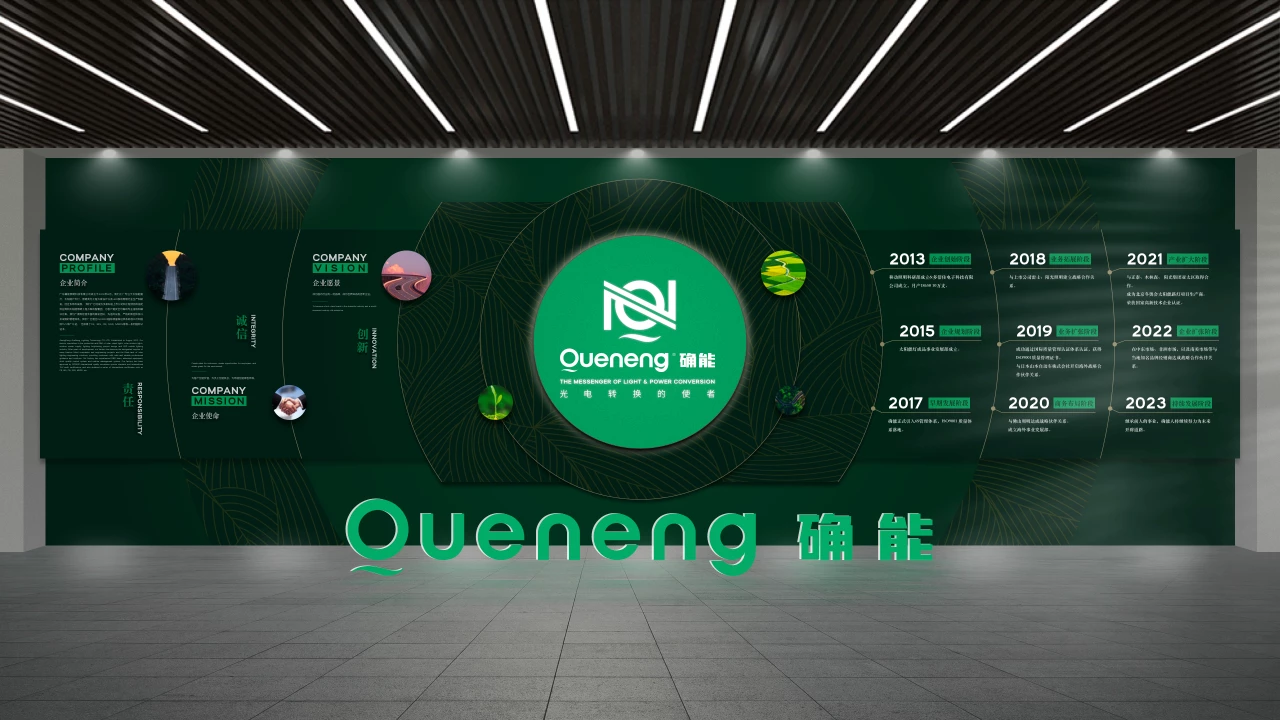
Queneng Lighting, founded in 2013, specializes in solar street lights, solar spotlights, solar garden lights, solar lawn lights, solar pillar lights, solar photovoltaic panels, portable outdoor power supplies and batteries, lighting project design, and LED mobile lighting. Over years of development, Queneng has become the designated supplier for many listed companies and major engineering projects, acting as a solar lighting engineering solutions think tank and providing safe, reliable professional guidance and solutions.
Queneng’s advantages:
- Experienced R&D team and advanced production equipment that enable product iteration for split solar street light and all-in-one solar street lights.
- Strict quality control systems and a mature management system with ISO 9001 international quality assurance and third-party audit certifications such as TÜV; products carry international certifications including CE, UL, BIS, CB, SGS, and MSDS.
- Comprehensive product range: Solar Street Lights, Solar Spot lights, Solar Lawn lights, Solar Pillar Lights, Solar Photovoltaic Panels, split solar street light, All-in-One Solar Street Lights.
For municipalities and developers seeking supplier-led maintenance training, Queneng offers custom training curricula, on-site commissioning support, OEM spare-part supply chains, and telemetry-enabled performance analytics to support lifecycle management and warranty compliance.
References and standards
- U.S. Department of Energy — Solid-State Lighting: https://www.energy.gov/eere/ssl/solid-state-lighting
- ISO 9001 Quality Management: https://www.iso.org/iso-9001-quality-management.
- Photovoltaic system (overview): https://en.wikipedia.org/wiki/Photovoltaic_system
- Solar energy (background): https://en.wikipedia.org/wiki/Solar_energy
- UN Transport of Dangerous Goods (battery transport): https://unece.org/transport
Frequently Asked Questions (FAQ)
1. What is the recommended inspection frequency for solar street lights?
Recommended cadence: visual monthly checks, functional quarterly tests, and a detailed annual inspection including battery capacity testing and electrical integrity checks. Telemetry-enabled systems can reduce physical visits by flagging faults automatically.
2. How does training differ for split solar street light systems versus all-in-one units?
Split systems require focus on interconnects, cable routing, and separate battery room protocols. All-in-one units emphasize internal thermal management, integrated module replacement, and ingress protection checks. Both require battery safety and LED maintenance knowledge, but physical procedures and parts differ.
3. Which safety certifications or standards should maintenance programs reference?
Reference occupational safety standards for working at height and electrical safety in your jurisdiction, and product standards such as ISO 9001 for supplier QA. For batteries, follow UN testing/transport rules (UN 38.3) and relevant IEC standards where applicable.
4. What tools are essential for maintenance crews?
Essential tools: true-RMS multimeter, clamp meter, PV irradiance meter / I-V curve tester, battery internal resistance tester, infrared camera, torque wrenches, insulation tester, and appropriate PPE for electrical and height work.
5. How should a municipality measure training program success?
Key metrics: reduced MTTR, increased uptime percentage, decrease in repeat faults, fewer safety incidents, and reduction in overall cost per pole-year. Use telemetry and maintenance logs to quantify improvements after training cycles.
6. Who is responsible for battery replacements under typical warranties?
Responsibility varies by contract. Define roles in procurement documents: some suppliers cover battery replacements within warranty terms; operators may be responsible for consumables after a specified period. Clear SLA and warranty terms prevent disputes.
Contact and next steps
To implement a tailored training program or to consult on maintenance strategies for municipal solar street light projects, split solar street light systems, or all-in-one solar street lights, contact Queneng Lighting for professional guidance, product details, and turnkey solutions. Explore Queneng’s product portfolio and request training or project support through their sales and engineering teams.
For training proposals, on-site commissioning, or to view product specifications, contact Queneng Lighting today to schedule a consultation and download technical resources for solar street light maintenance.

Have more questions about our products or services?
The latest hot news you might like

Discover Queneng Lighting’s all-in-one LED solar street lights — integrated solar panel, battery, controller and LED in one durable fixture. Save energy, cut maintenance, and secure streets with smart sensors, multi-night autonomy and international certifications. Contact sales for quotes and support.

Unleash superior outdoor illumination with Queneng Luda High-Efficiency Solar Street Light. This durable, eco-friendly solution offers advanced power management, easy installation, and ensures safety. Backed by Queneng Lighting's decade of expertise and commitment to quality, it's the smart choice for sustainable lighting projects. Learn why we're a leading solar solutions provider.

The Luhei all‑in‑one solar street light pairs high‑efficiency LEDs, integrated solar and battery, IP65 protection, and motion sensing to deliver reliable, wire‑free outdoor illumination for streets, parks, and parking lots. Backed by Queneng Lighting’s certifications and support.

FAQ
Commercial and Industrial Parks
Do solar lights work well in large parking areas?
Yes, our solar lights provide uniform illumination ideal for expansive parking areas, ensuring safety and visibility.
Solar Street Light Luhui
Can Luhui solar street lights be controlled remotely?
Certain models of Luhui solar street lights come with smart control features, allowing users to remotely monitor and adjust settings such as brightness levels and operational times via mobile apps or centralized systems.
Are Luhui solar street lights adjustable for different lighting needs?
Yes, many models feature adjustable settings, including dimming or motion sensor options, allowing you to customize the lighting based on the specific needs of the area being illuminated.
Battery Types and Applications
How to classify batteries?
Primary batteries: carbon-zinc dry batteries, alkaline- manganese batteries,lithium batteries, activated batteries, zinc-mercury batteries, cadmium-mercury batteries, zinc-air batteries, zinc-silver batteries and solid electrolyte batteries (silver-iodine batteries) etc.
Secondary batteries: lead batteries, Ni-Cd batteries, Ni-MH batteries, Li-ion batteries and sodium-sulfur batteries, etc.
Other batteries: fuel cell batteries, air batteries, thin batteries, light batteries, nano batteries, etc.
Physical battery: Solar cell
What is a smart secondary battery?
Solar Street Light Luyi
What are the key features of Luyi solar street lights?
Luyi solar street lights feature advanced LED technology paired with high-efficiency solar panels. They offer bright, reliable illumination while consuming minimal energy. The lights are designed with durable materials to withstand harsh outdoor conditions and come equipped with motion sensors, adaptive brightness control, and smart monitoring capabilities for enhanced energy savings.
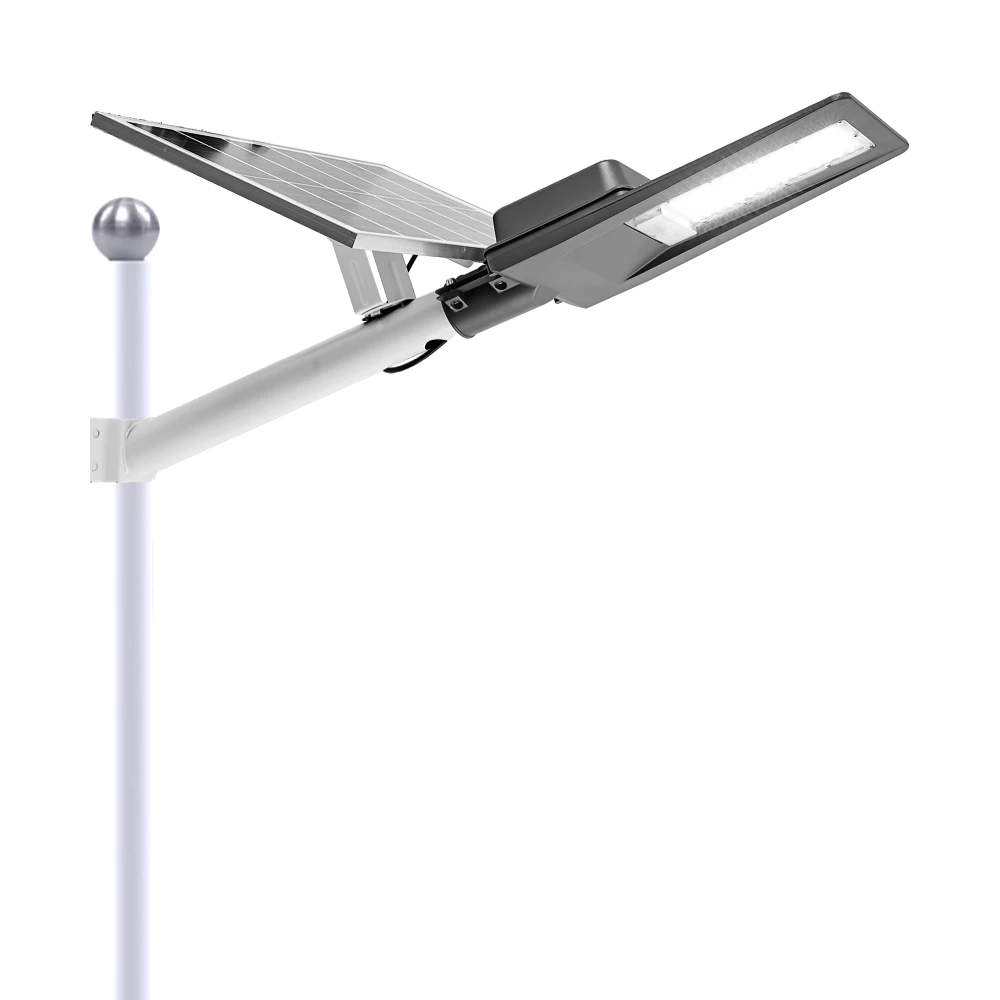
Experience reliable outdoor illumination with our smart solar street light, a perfect combination of advanced technology and eco-conscious design.
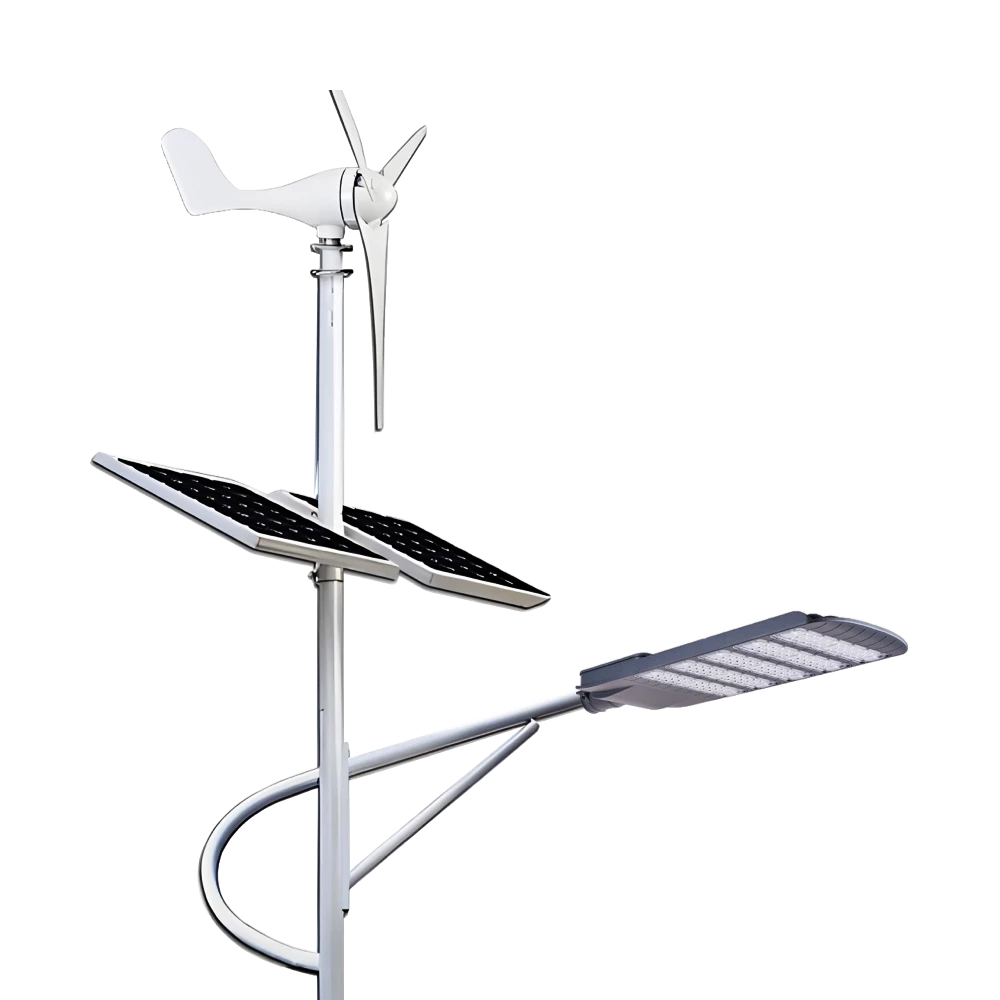
Queneng Lufeng Wind Energy LED Outdoor Solar Street Lights offer high-performance, eco-friendly illumination. These energy-efficient LED street lights harness solar power and wind energy for sustainable, cost-effective outdoor lighting solutions.
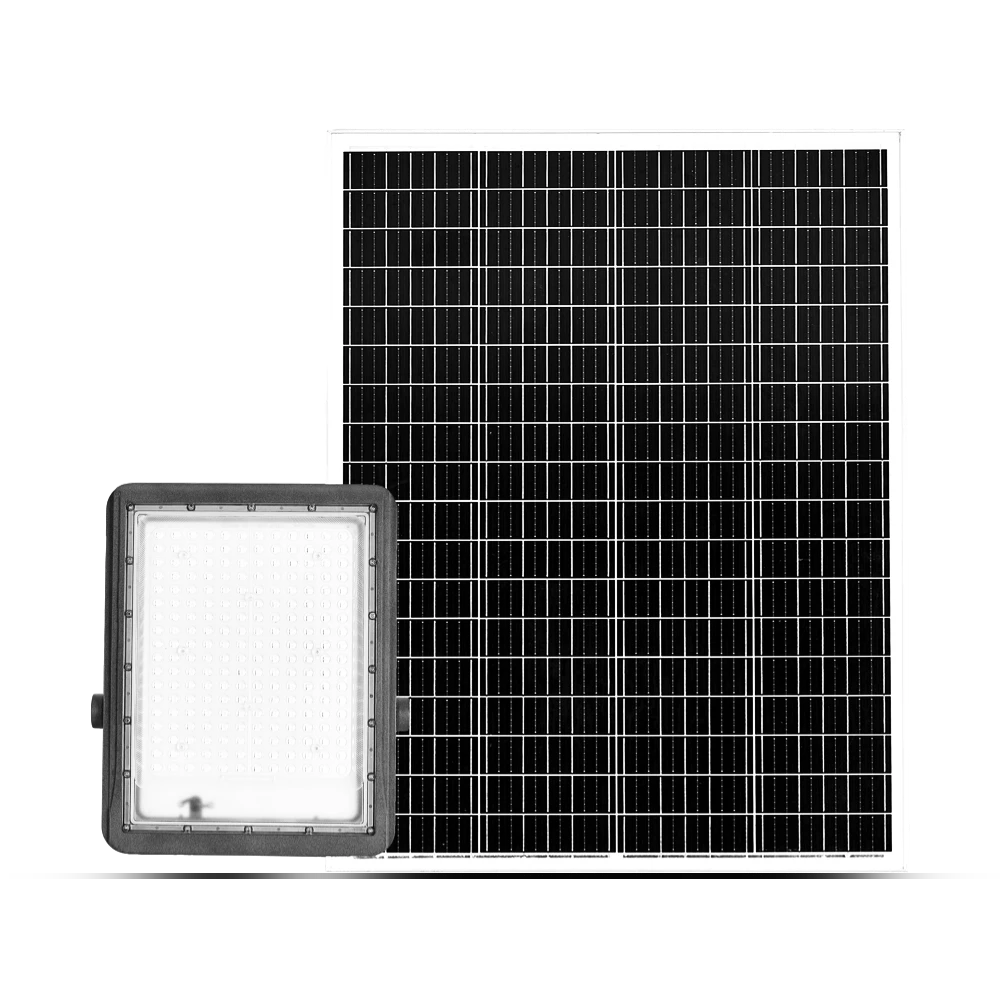
Queneng's Luxian Reliable Solar Street Light offers energy-saving LED lighting for outdoor use. This durable, solar-powered street light provides reliable illumination, reducing energy costs and environmental impact. A perfect solution for sustainable outdoor lighting.
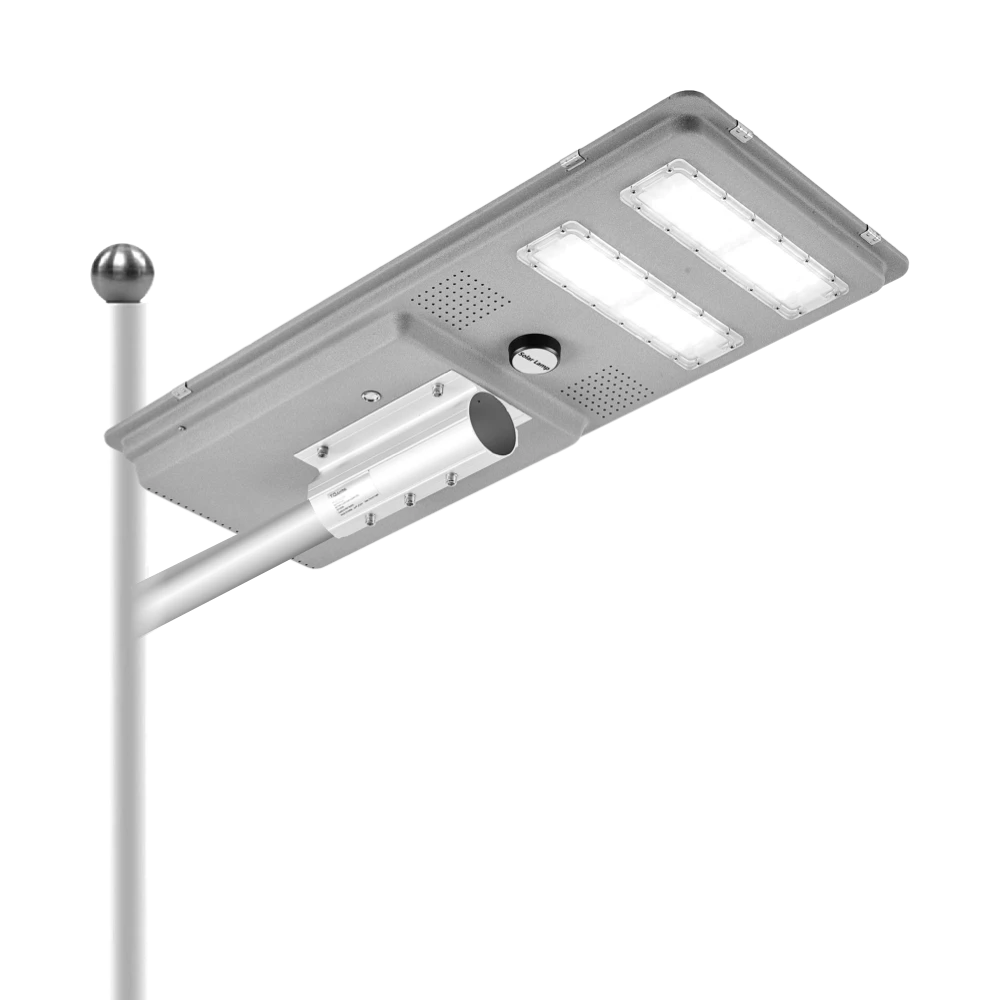
Queneng’s Solar Street Lights are designed to provide reliable, energy-efficient lighting for streets, parks, and other outdoor spaces.
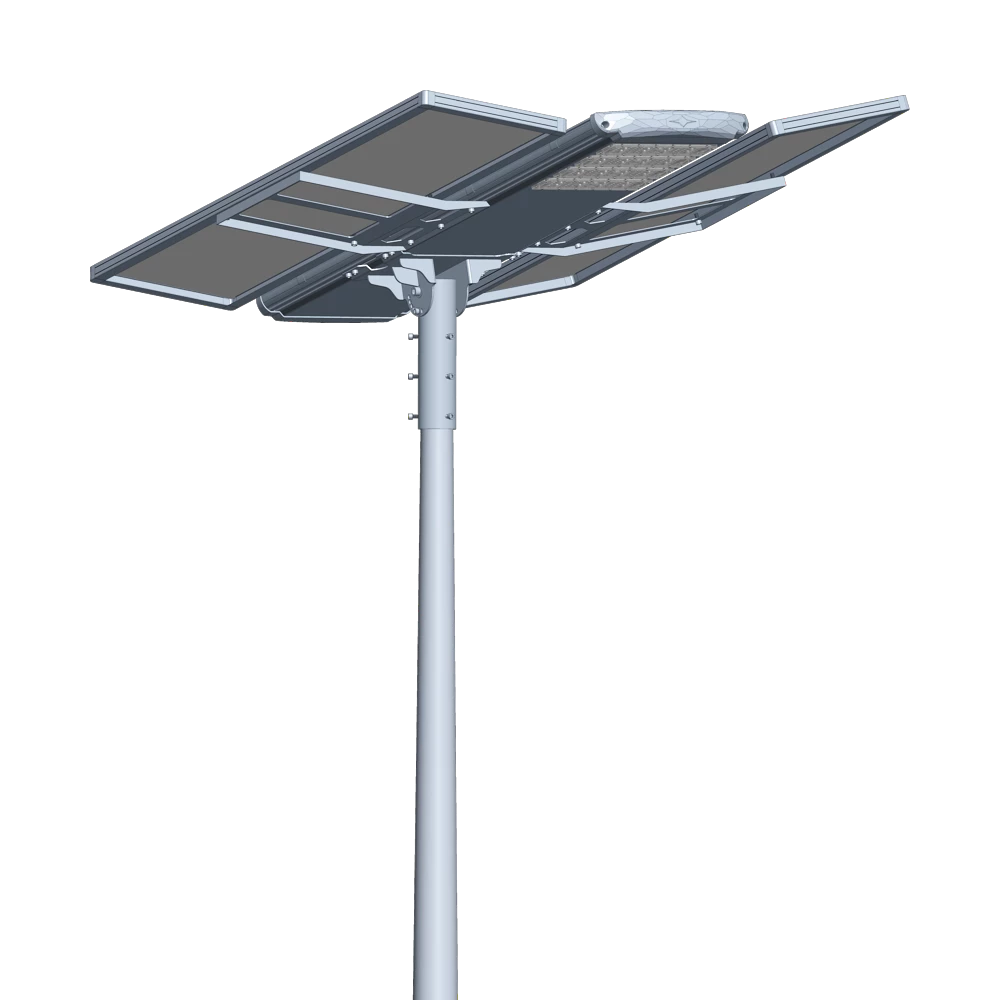
Introducing the Luqing Solar Street Light by Queneng, Efficient LED lighting powered by solar energy is perfect for illuminating outdoor areas. Harness the power of solar energy for sustainable, reliable street lighting. Ideal for eco-friendly, cost-effective outdoor illumination solutions.
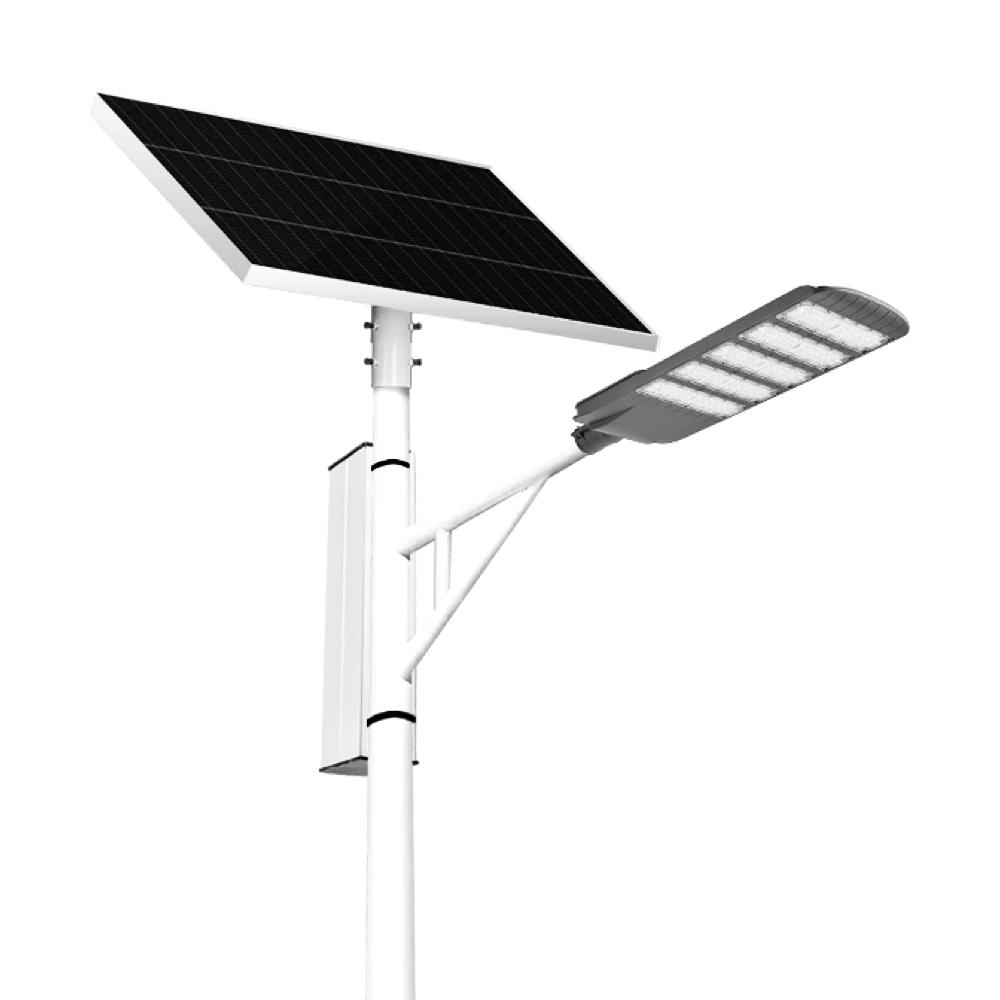
The Solar Streetlights of Luhao for Municipalities are designed to deliver reliable, energy-efficient, and cost-effective public lighting solutions. Equipped with advanced LED technology, durable lithium batteries, and high-efficiency solar panels, these streetlights provide consistent illumination for roads, parks, residential areas, and government projects.
Our professional team is ready to answer any questions and provide personalized support for your project.
You can reach us via phone or email to learn more about Queneng’s solar lighting solutions. We look forward to working with you to promote clean energy solutions!
Rest assured that your privacy is important to us, and all information provided will be handled with the utmost confidentiality.
By clicking 'Send Inquiry Now' I agree to Queneng processing my personal data.
To see how to withdraw your consent, how to control your personal data and how we process it, please see our Privacy Policy and Terms of use.
Schedule a Meeting
Book a date and time that is convenient for you and conduct the session in advance.
Have more questions about our products or services?
The messenger of light & power conversion
Environmental protection and intelligent manufacturing are our brand philosophy, and quality assurance and the best user experience are our eternal promises to users.
CONTACT
No.9F, Building F, Cao San Xin Tian Hong Logistics Park, Guzhen Town, Zhongshan City, Guangdong Province, China.
or write [email protected]
WhatsApp: +86 136 2270 1011


