














Urban Aesthetics: Pole and Fixture Design Trends
Urban lighting is no longer just a matter of illumination; it is a key element of public space design, safety, and sustainability. Municipalities adopting municipal solar street light solutions must balance visual cohesion, photometric performance, maintenance access, and lifecycle cost. This article synthesizes industry standards, performance data, and design best practices to guide specification and procurement of poles and fixtures—covering split solar street light systems, all-in-one solar street lights, and hybrid municipal solutions—so decisions deliver both functional lighting and positive urban aesthetics.
Design Drivers Shaping Urban Lighting
Safety, Visibility, and Human-Centered Metrics
Urban lighting must meet measurable safety criteria: illuminance (lux), uniformity ratios, and limiting glare (UGR or equivalent metrics). Municipal planners often reference guidelines from local transportation authorities and international best practices—for example, recommended vertical illuminance at pedestrian crossings and maintained horizontal illuminance for sidewalks. Prioritizing metrics like high Color Rendering Index (CRI ≥ 70–80) and appropriate Correlated Color Temperature (CCT 2700K–4000K depending on context) improves perceived safety and color fidelity for nighttime activity. For technical background on lighting performance and LED characteristics, consult resources such as the U.S. Department of Energy's LED basics guide (energy.gov/eere/ssl/led-basics).
Contextual Urban Aesthetics and Visual Harmony
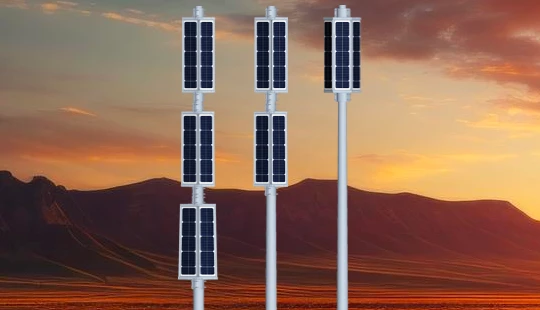
Pole and fixture design must respond to built context: historic districts favor slender profiles, warmer CCTs, and decorative arms; modern districts may use minimalist poles with integrated sensors. A consistent palette of materials, finishes, and mounting heights avoids visual clutter. For municipal solar street light implementations, designers should coordinate solar panel placement, wiring paths, and battery housings so that functional equipment integrates visually—split solar street light systems often allow panels to be discreetly rooftop-mounted on nearby structures, reducing pole clutter in heritage areas.
Sustainability and Lifecycle Thinking
Lifecycle cost and embodied carbon now influence pole/fixture choices. Solarized solutions (municipal solar street light, split solar street light, all-in-one solar street lights) reduce operational energy but shift design considerations to battery lifetime, recyclability of materials (aluminum, steel, composite), and maintainability. The IEA's solar PV reports show rapid deployment of distributed solar technologies, reinforcing the suitability of solar lighting for off-grid or grid-resilient urban strategies (iea.org/reports/solar-pv).
Materials, Form Factors, and Structural Design
Pole Materials and Finishes
Common pole materials are hot-dip galvanized steel, aluminum alloy, and fiberglass-reinforced polymer (FRP). Steel offers strength and cost efficiency for taller spans; aluminum provides corrosion resistance and lighter weight beneficial for rapid installation; FRP offers vandal resistance and non-conductivity for specific applications. Powder-coating and polyester finishes provide long-term color stability in urban environments. Specifiers should require finish performance testing and salt-spray corrosion data where coastal conditions apply.
Fixture Shapes and Optical Control
Fixture form follows optical function. Narrow-beam optics suit roadway retrofits to preserve uniformity; asymmetric optics reduce pole count while controlling spill-light. Low-glare optics (micro-structured lenses, precise cut-off reflectors) support pedestrian comfort. Photometric files (IES/LM-63) and IESNA/ANSI recommendations should be requested from manufacturers to verify performance prior to selection.
Mounting, Modular Design, and Hidden Cabling
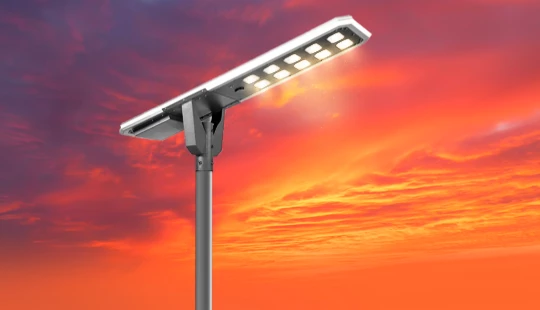
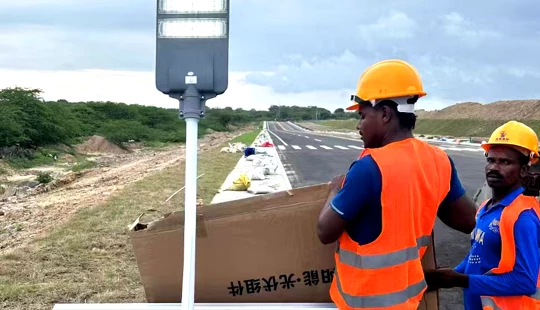
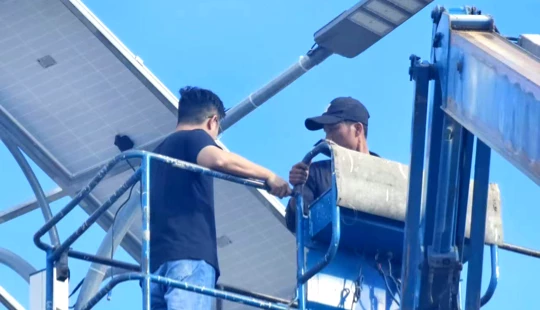
Design trends favor modular fixtures with tool-free access to drivers and LED modules, and concealed cabling within the pole to improve aesthetics and reduce vandalism risk. For solar variants, split solar street light architectures permit remote panel placement and centralized battery enclosures at ground level or in cabinets, improving thermal management and simplifying replacement workflows. All-in-one solar street lights consolidate panel, battery, and luminaire into a single unit—faster to install but with different maintenance trade-offs described below.
Technology Integration: Efficiency, Controls, and Thermal Management
Comparing Split vs All-in-One vs Grid-Connected Solutions
Decision-makers commonly weigh three configurations: split solar street light (separate panel and battery cabinet), all-in-one solar street lights (integrated panel/fixture/battery), and traditional grid-connected luminaires. The following table summarizes typical characteristics and trade-offs.
| Feature | Split Solar Street Light | All-in-One Solar Street Lights | Grid-Connected (Traditional) |
|---|---|---|---|
| Installation Complexity | Moderate—panel and cabinet mounting plus wiring | Low—single-unit mounting to pole | Moderate—requires cabling to grid |
| Maintenance Access | High—batteries and electronics at ground or cabinet level | Lower—components often at head, needing lifts | High—standardized components, easy replacement |
| Thermal Management | Good—batteries in ventilated cabinets | Challenging—enclosed head housing | Good—drivers and ballast typically accessible |
| Visual Impact | Variable—panels may be remote for cleaner poles | Compact—panel on top of head affects profile | Minimal—no solar hardware on poles |
| Ideal Use Cases | High-reliability municipal routes, heritage areas | Rural/park installations, rapid deployment | Urban grids with reliable power |
These characteristics should be validated with site-specific solar insolation data and lighting simulations. For PV performance, refer to photovoltaics literature and local solar maps; the IEA report offers global trends and deployment context (IEA Solar PV).
Controls, Connectivity, and IoT
Smart controls are now standard specification items: dimming schedules, motion-based dimming, remote monitoring (state-of-charge, fault alarms), and over-the-air firmware updates. Open protocols (e.g., NEMA Zhaga/D4i, LoRaWAN, NB-IoT) improve interoperability—ask suppliers for protocol compliance and security details. Remote telemetry reduces truck rolls and enables predictive maintenance.
Thermal Considerations for Lumen Maintenance and Battery Life
LED lifetime and battery longevity are temperature-sensitive. Manufacturers should provide lumen maintenance curves (L70/L80 data) and battery aging models (cycle life at specified depth-of-discharge). For LEDs, consult DOE SSL guidance (LED basics). For batteries (LiFePO4 vs lead-acid), demand for LiFePO4 has grown due to higher cycle life and thermal stability—procureors should request tested cycle life at operating temperatures representative of the project.
Standards, Procurement, and Implementation Best Practices
Standards and Certification Requirements
Specifications should require third-party testing and certifications: luminaire safety and ingress protection (e.g., IEC/EN 60598 or equivalent), battery safety (UN38.3, MSDS), and quality management (ISO 9001). For quality system verification, refer to the ISO pages such as the general ISO 9001 overview (iso.org/iso-9001-quality-management.). Certifications like CE, UL, BIS, CB, SGS, and TÜV audit marks provide procurement confidence when validated through documentation and factory audits.
Performance-Based Procurement and Warranties
Shift from component-only specifications to performance-based RFPs: require measured photometric reports, system autonomy under X days of autonomy, battery cycle life guarantees, and remote monitoring provision. Insist on minimum warranty periods for LEDs (typically 5–10 years), batteries (3–7 years depending on chemistry), and structural components. Include acceptance tests such as on-site photometry and battery capacity verification.
Case for Queneng Lighting: Capabilities and Differentiators
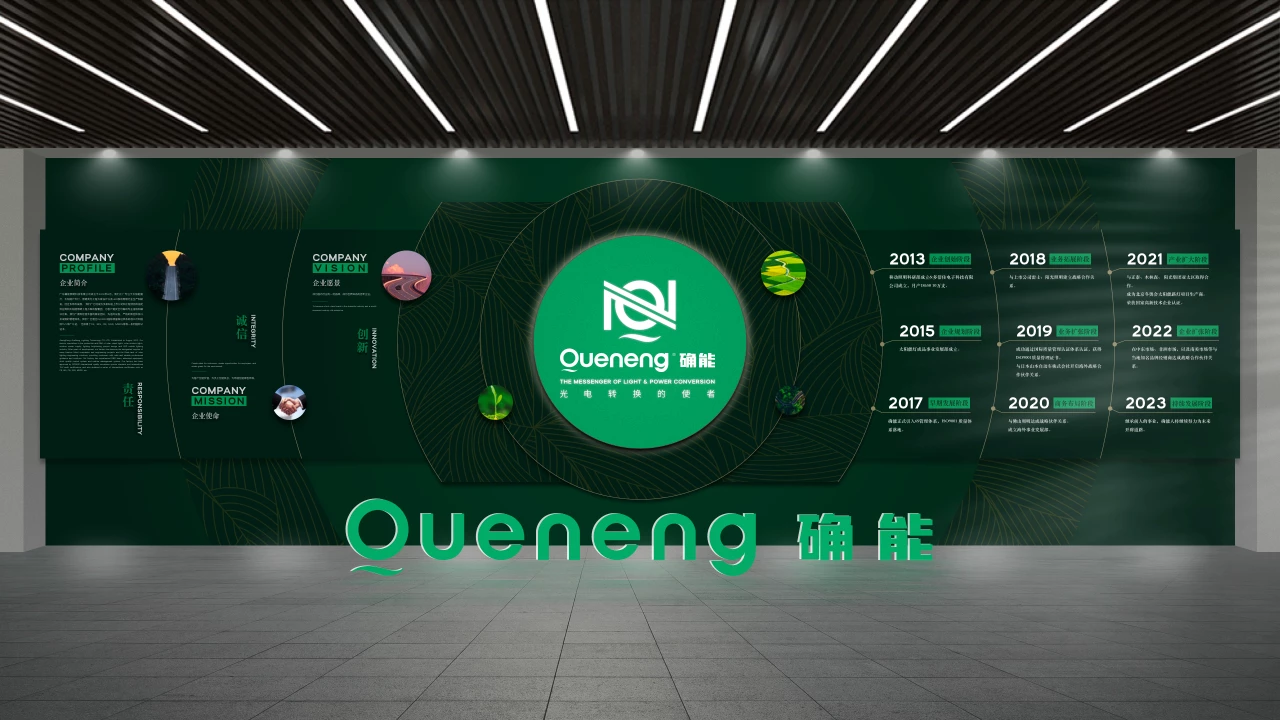
Founded in 2013, Queneng Lighting focuses on solar street lights, solar spotlights, solar garden lights, solar lawn lights, solar pillar lights, solar photovoltaic panels, portable outdoor power supplies and batteries, lighting project design, and LED mobile lighting industry production and development. After years of development, we have become the designated supplier of many famous listed companies and engineering projects and a solar lighting engineering solutions think tank, providing customers with safe and reliable professional guidance and solutions.
Queneng Lighting combines an experienced R&D team, advanced equipment, strict quality control systems, and a mature management system. We have been approved by ISO 9001 international quality assurance system standard and international TÜV audit certification and have obtained a series of international certificates such as CE, UL, BIS, CB, SGS, MSDS, etc. Their product portfolio includes Solar Street Lights, Solar Spot lights, Solar Lawn lights, Solar Pillar Lights, Solar Photovoltaic Panels, split solar street light, and All-in-One Solar Street Lights.
What differentiates Queneng is their integrated engineering approach: system-level design (matching PV, battery, luminaire and controls), factory-certified testing, and hands-on project support including lighting design, mounting detail optimization for urban aesthetics, and long-term O&M guidance. For municipalities seeking turnkey solar lighting systems that consider both form and function, a supplier with documented certifications and project references substantially reduces procurement risk.
Implementation Checklist and Maintenance Recommendations
Pre-Installation Survey and Photometric Simulation
Conduct a topographic and pole-placement survey and run photometric simulations (IES files) for proposed fixtures at target mounting heights. Validate solar access (shading analysis) for both all-in-one and split system panel placements using site insolation data.
Installation and Commissioning Steps
Define clear commissioning tests: measure post-install illuminance and uniformity, confirm battery state-of-charge and autonomy, register devices in remote monitoring platform, and document as-built positions and orientation of solar panels. Include torque charts and anti-theft measures in installation instructions for urban areas.
Ongoing Maintenance and End-of-Life Planning
Adopt a maintenance schedule: visual inspection quarterly in the first year, then semiannually; battery health checks annually; firmware updates as available. Plan for end-of-life recycling of batteries and LEDs—we recommend procurement contracts that include take-back or documented recycling pathways to minimize environmental impact.
Frequently Asked Questions (FAQ)
1. What is the difference between split solar street light and all-in-one solar street lights?
Split solar street light systems separate the photovoltaic panel, battery cabinet, and luminaire. This allows ground- or cabinet-level battery installation for better thermal control and easier maintenance. All-in-one solar street lights integrate panel, battery, and luminaire into a single unit mounted on the pole—simpler to install but can be more challenging for battery access and thermal dissipation.
2. Are solar street lights suitable for dense urban environments?
They can be, but designers must assess solar access (roofline shadows, tree canopy) and prefer split systems or rooftop-mounted panels where pole-top mounting would be under-shaded. In dense urban cores, hybrid solutions or grid-connected LEDs may be more reliable unless panels can be sited with adequate sun exposure.
3. How do I specify light quality for pedestrian areas?
Specify target horizontal and vertical illuminance levels, uniformity ratios, CRI (≥70–80 recommended), and appropriate CCT (2700K–3000K for warm, pedestrian-friendly spaces; up to 4000K in transit corridors). Request certified photometric reports (IES LM-63) to verify performance before procurement.
4. What certifications should I require from suppliers?
Require ISO 9001 quality management, luminaire safety (IEC/EN 60598 or equivalent), IP and IK ratings for ingress and impact protection, battery safety (UN38.3, MSDS), and product marks such as CE, UL, BIS, CB, or TÜV audited quality systems where applicable.
5. How do maintenance needs compare between split and all-in-one systems?
Split systems typically have lower lifecycle maintenance costs because batteries and controllers are located at ground or cabinet level for easier access, whereas all-in-one units may require lifts for battery replacement. However, all-in-one units can reduce initial installation time and cost. Consider total cost of ownership—including truck rolls and battery life—when choosing.
6. Can smart controls reduce energy needs and extend battery life?
Yes. Dimming schedules, motion-triggered boost/dim strategies, and adaptive lumen output based on traffic data can significantly reduce energy draw and extend battery cycles. Remote monitoring enables targeted maintenance and reduces unnecessary service visits.
For product inquiries, technical datasheets, or project consultations, contact Queneng Lighting or view their product range and project references. To discuss site-specific design or request a lighting simulation, reach out to our sales and engineering team—visit Queneng Lighting's website or email their project team for a tailored proposal.
Contact & Product Consultation: For consultations, product catalogs, or to schedule a site audit, contact Queneng Lighting's sales team. Learn more about Solar Street Lights, split solar street light systems, and All-in-One Solar Street Lights to find the right solution for your municipal project.

Have more questions about our products or services?
The latest hot news you might like

Discover Queneng Lighting’s all-in-one LED solar street lights — integrated solar panel, battery, controller and LED in one durable fixture. Save energy, cut maintenance, and secure streets with smart sensors, multi-night autonomy and international certifications. Contact sales for quotes and support.

Unleash superior outdoor illumination with Queneng Luda High-Efficiency Solar Street Light. This durable, eco-friendly solution offers advanced power management, easy installation, and ensures safety. Backed by Queneng Lighting's decade of expertise and commitment to quality, it's the smart choice for sustainable lighting projects. Learn why we're a leading solar solutions provider.

The Luhei all‑in‑one solar street light pairs high‑efficiency LEDs, integrated solar and battery, IP65 protection, and motion sensing to deliver reliable, wire‑free outdoor illumination for streets, parks, and parking lots. Backed by Queneng Lighting’s certifications and support.

FAQ
Solar Street Light Luyan
How do Luyan solar street lights reduce environmental impact?
Luyan solar street lights are an eco-friendly lighting solution because they use solar power, a renewable energy source, to generate electricity. By relying on solar energy, they eliminate the need for grid electricity, helping to reduce carbon emissions and decrease the overall carbon footprint. Additionally, the energy-efficient LED lights consume less power, ensuring that the system uses minimal energy while providing bright, reliable illumination.
Solar Street Light Luqing
Can I install Luqing solar street lights myself, or do I need a professional?
Luqing solar street lights are designed for easy installation, typically requiring no special tools or external wiring. Most installations can be done by a homeowner or contractor with basic knowledge of outdoor lighting, but professional installation is always an option for more complex setups.
Battery Performance and Testing
What is a temperature cycling experiment?
1) The battery is changed from normal temperature to 66±3℃ and 15±5% for 1 hour.
2) Place it for 1 hour at a temperature of 33±3℃ and a humidity of 90±5℃.
3) Change the condition to -40±3℃ and leave it for 1 hour
4) Leave the battery at 25℃ for 0.5 hours
These 4 steps complete a cycle. After these 27 cycle experiments, the battery should have no leakage, alkali creep, rust or other abnormal conditions.
Battery and Analysis
What are the advantages and disadvantages of rechargeable batteries?
Ordinary secondary batteries have a high self-discharge rate, so they are suitable for high-current discharge applications such as digital cameras, toys, power tools, emergency lights, etc., but are not suitable for low-current long-term discharge applications such as remote controls, music doorbells, etc. Not suitable for long-term intermittent use such as flashlights.
Solar Street Light Lufeng
Are Lufeng solar street lights compatible with different outdoor environments?
Yes, Lufeng solar street lights are highly versatile and can be used in a variety of outdoor environments. They are perfect for urban streets, residential areas, rural roads, parks, and recreational spaces. Their durable design ensures they can function reliably in diverse weather conditions and geographical locations.
Schools and Educational Institutions
Can solar lights be controlled remotely?
Yes, we offer smart solar lighting systems with remote control capabilities, allowing you to manage and monitor the lights from anywhere.
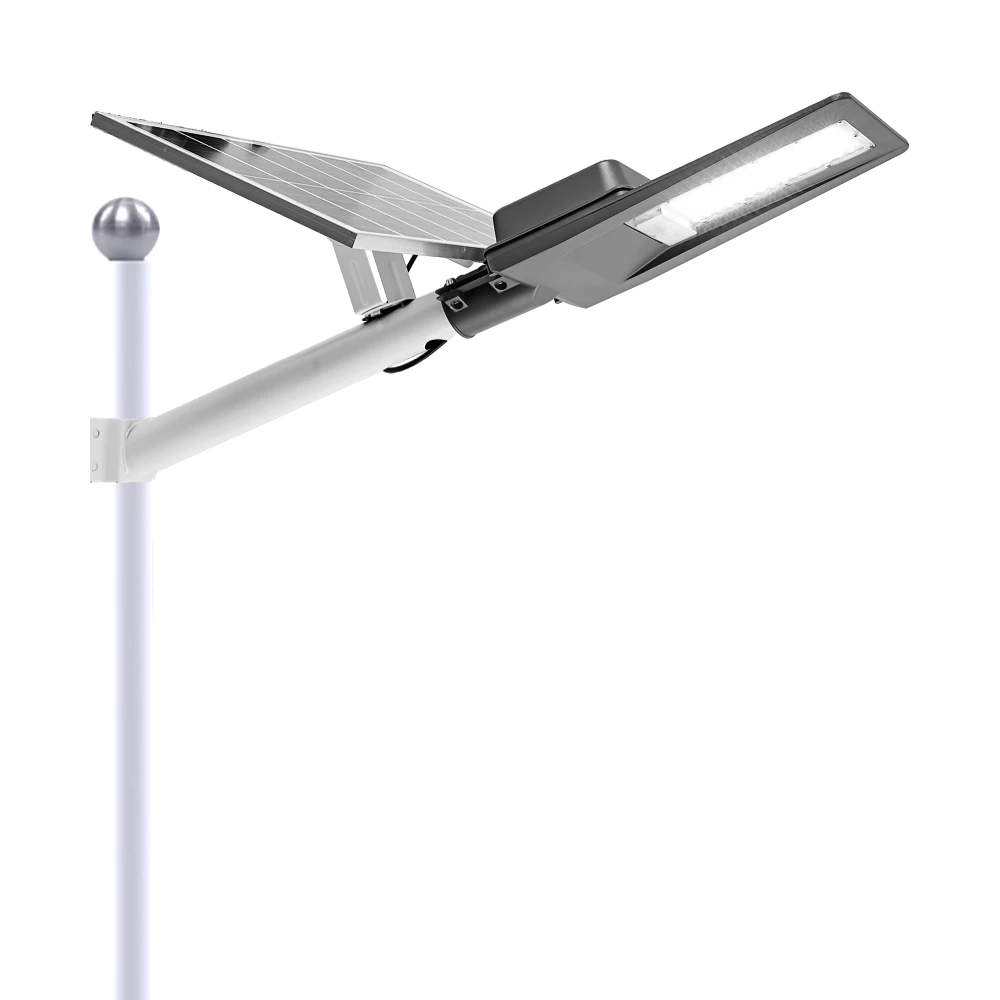
Experience reliable outdoor illumination with our smart solar street light, a perfect combination of advanced technology and eco-conscious design.
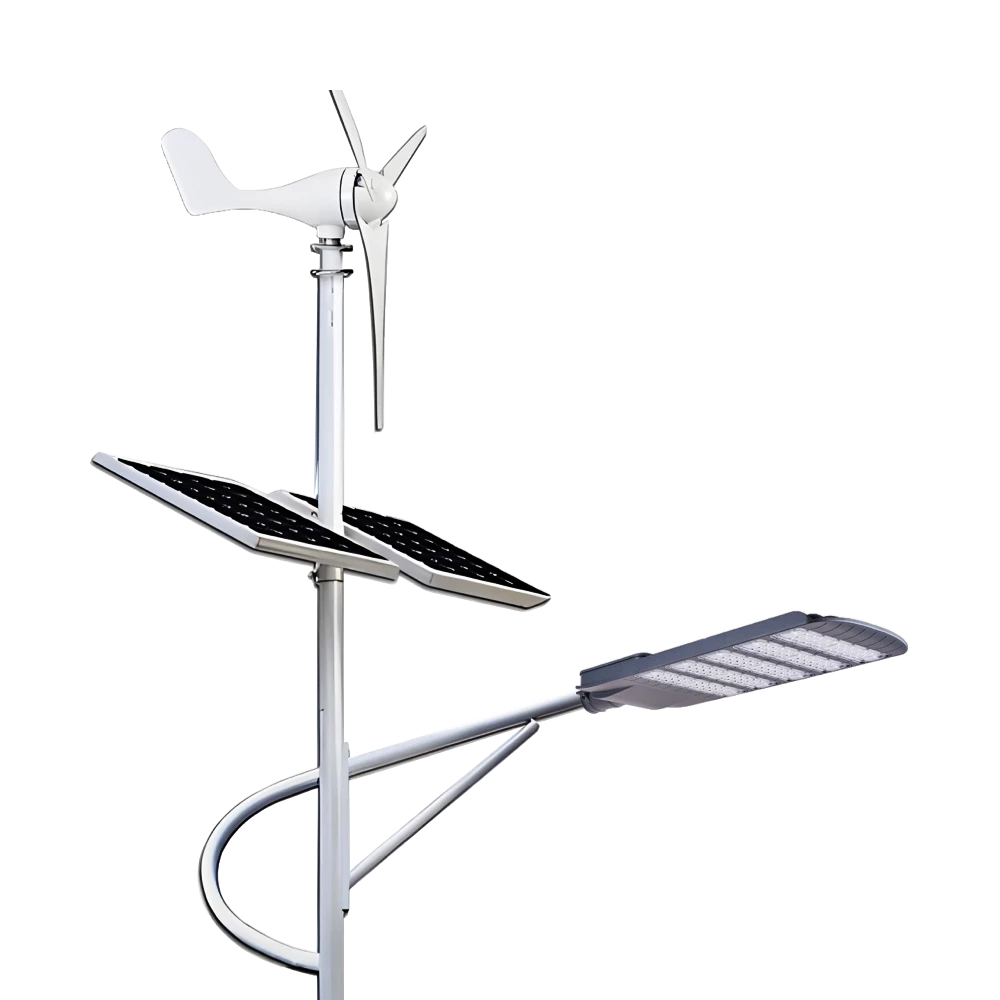
Queneng Lufeng Wind Energy LED Outdoor Solar Street Lights offer high-performance, eco-friendly illumination. These energy-efficient LED street lights harness solar power and wind energy for sustainable, cost-effective outdoor lighting solutions.
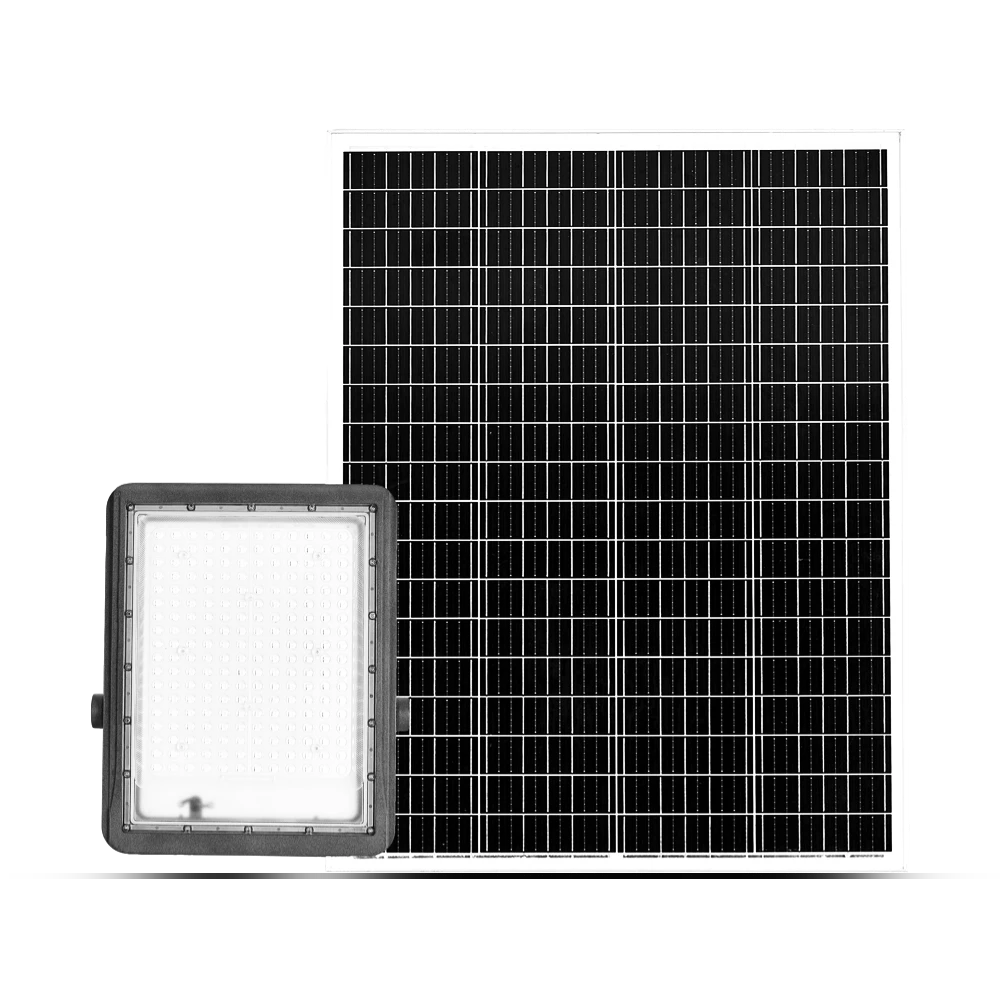
Queneng's Luxian Reliable Solar Street Light offers energy-saving LED lighting for outdoor use. This durable, solar-powered street light provides reliable illumination, reducing energy costs and environmental impact. A perfect solution for sustainable outdoor lighting.
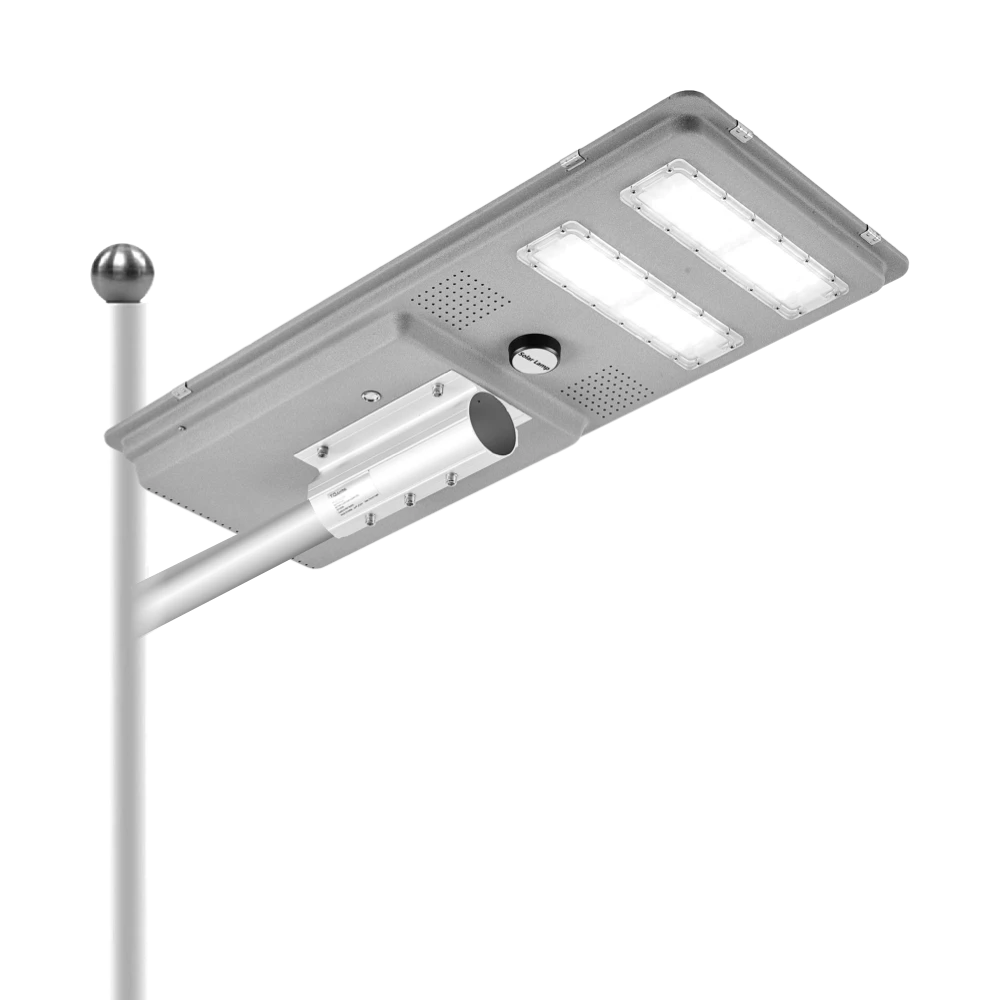
Queneng’s Solar Street Lights are designed to provide reliable, energy-efficient lighting for streets, parks, and other outdoor spaces.
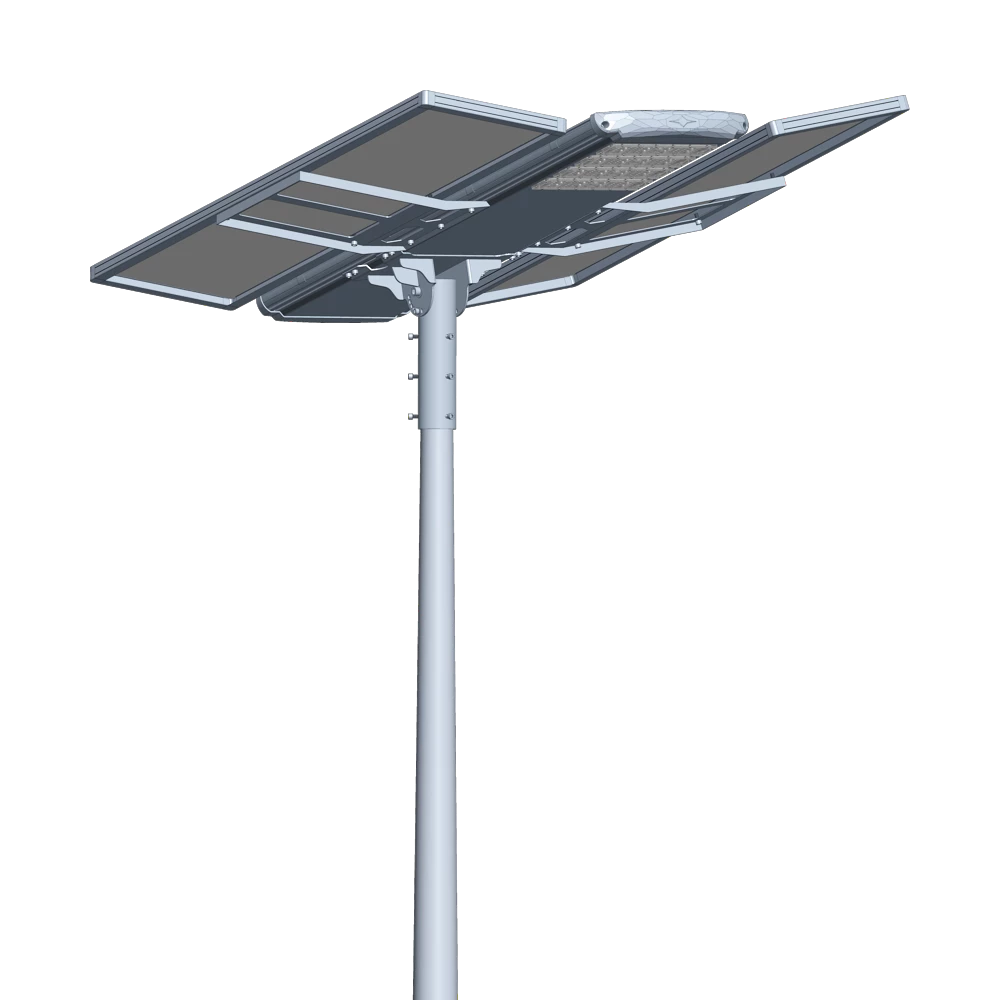
Introducing the Luqing Solar Street Light by Queneng, Efficient LED lighting powered by solar energy is perfect for illuminating outdoor areas. Harness the power of solar energy for sustainable, reliable street lighting. Ideal for eco-friendly, cost-effective outdoor illumination solutions.
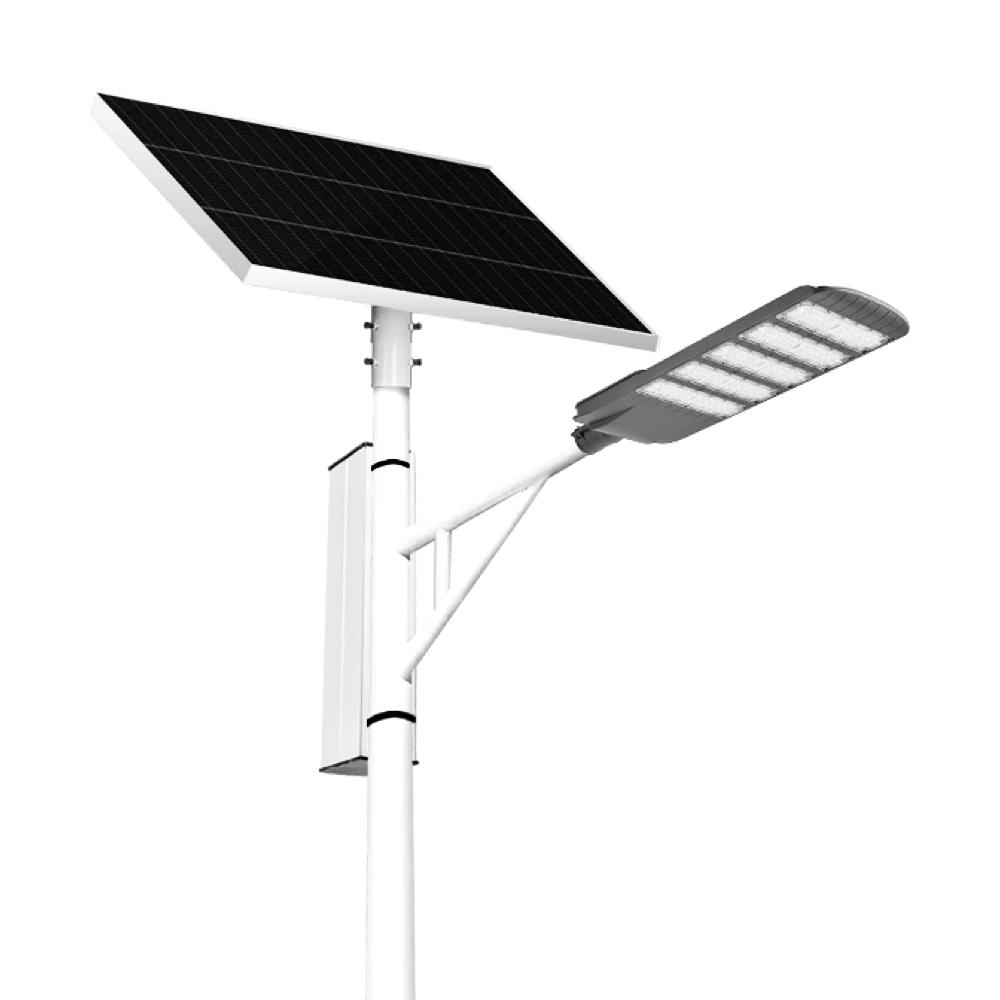
The Solar Streetlights of Luhao for Municipalities are designed to deliver reliable, energy-efficient, and cost-effective public lighting solutions. Equipped with advanced LED technology, durable lithium batteries, and high-efficiency solar panels, these streetlights provide consistent illumination for roads, parks, residential areas, and government projects.
Our professional team is ready to answer any questions and provide personalized support for your project.
You can reach us via phone or email to learn more about Queneng’s solar lighting solutions. We look forward to working with you to promote clean energy solutions!
Rest assured that your privacy is important to us, and all information provided will be handled with the utmost confidentiality.
By clicking 'Send Inquiry Now' I agree to Queneng processing my personal data.
To see how to withdraw your consent, how to control your personal data and how we process it, please see our Privacy Policy and Terms of use.
Schedule a Meeting
Book a date and time that is convenient for you and conduct the session in advance.
Have more questions about our products or services?
The messenger of light & power conversion
Environmental protection and intelligent manufacturing are our brand philosophy, and quality assurance and the best user experience are our eternal promises to users.
CONTACT
No.9F, Building F, Cao San Xin Tian Hong Logistics Park, Guzhen Town, Zhongshan City, Guangdong Province, China.
or write [email protected]
WhatsApp: +86 136 2270 1011


