

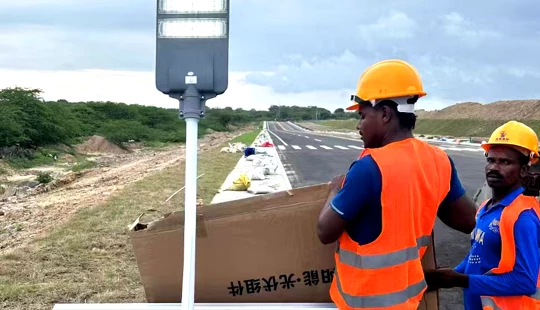
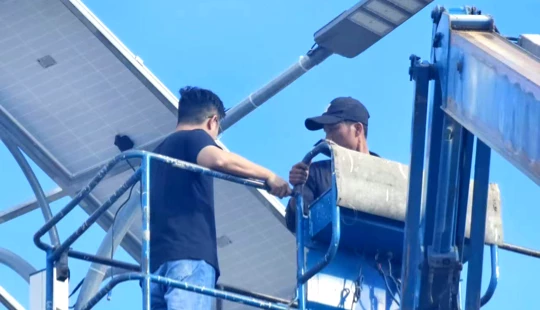













Vendor Audit Checklist Before Contract Award
How to audit vendors for municipal solar street light projects
Municipal Solar Street Light projects demand rigorous vendor audits before contract award to ensure performance, longevity and lifecycle affordability. This checklist is written for procurement officers, engineering consultants and municipal decision-makers who must evaluate suppliers against technical, commercial and compliance criteria to minimize risk and ensure reliable public lighting.
Why a formal vendor audit matters
Municipal solar street light systems combine PV arrays, batteries, luminaires, controllers and civil supports. Failure in any subsystem can degrade network performance and raise total cost of ownership (TCO). A structured audit reduces surprises, verifies manufacturer claims (lumens, duration, ingress protection, battery cycles) and confirms the vendor can deliver installation, warranty and maintenance support.
Intended outcomes of the checklist
After an audit, the procurement team should have: 1) a validated technical scorecard, 2) verified quality management and test evidence, 3) confirmed commercial terms and financial stability, and 4) an operational plan for commissioning, spares and maintenance.
Pre-award technical & performance audit
1. Technical specification verification
Verify each component against the tender specification: PV module power (Wp), luminaire luminous flux (lm) and efficacy (lm/W), battery type and usable capacity (Ah and Wh), controller features (MPPT, remote monitoring, dimming profiles), pole and bracket materials. Insist on model-level datasheets and independent lab test reports.
2. Factory inspection & sample testing
Conduct a factory audit or third-party inspection to confirm production processes, QA records and that sampling matches supplied units. If possible, request witness testing of sample luminaires and modules under IEC/EN test conditions and battery cycle tests (e.g., 0.5C, 80% DOD) with certified test reports.
3. Field performance and acceptance tests
Before final approval, require site acceptance tests on a representative pilot (3–10 units depending on project size) including lux measurements, autonomy testing (number of nights sustained under rainy/cloudy conditions), and PV curve (I–V) tests. Document test protocols in the contract.
Commercial, legal & risk audit
1. Financial stability and references
Assess financial statements for at least the past three years, credit references, bank guarantees and performance bank guarantees (PBG). Check project references—municipal or large-scale engineering projects—and request contactable references for installations of similar scale.
2. Contractual terms, warranty & penalties
Clearly define warranty scope (components vs. system), minimum battery cycle warranty, lumen maintenance threshold (e.g., L70 ≥ 50,000 hours), and remedies for early failures. Include liquidated damages for delayed delivery and performance, and define acceptance criteria and measurement methods for performance shortfalls.
3. Compliance, certifications & legal checks
Verify company registration, litigation history, export licenses and that components carry certifications (CE, UL, BIS, CB, etc.) where relevant. Ask for ISO 9001 certification and third-party audit reports (TÜV or equivalent) for manufacturing and management systems.
Supplier capability & after-sales readiness
1. Production capacity & lead times
Match supplier monthly and annual production capacity to project scale. Ask for production plan, bottleneck analysis and contingency plans for key components (batteries, controllers). Confirm realistic lead times and shipping/logistics readiness.
2. Spares, servicing network & training
Ensure the vendor can supply critical spares for the expected life of the contract (usually 5–10 years) and has a documented plan for field service, spare parts logistics, and technician training for municipal staff or contractors.
3. Remote monitoring, data access & SLA
If remote telemetry is required, verify the vendor's monitoring platform, data ownership and exportability, uptime SLAs, alerts and escalation workflows. Require API or data export for independent analysis where feasible.
Practical audit tools: scorecard, tests & acceptance criteria
1. Vendor scorecard (example)
Use a weighted scorecard to make procurement decisions transparent. Example weights below can be adjusted by project priorities.
| Criterion | Weight (%) | Minimum Pass |
|---|---|---|
| Technical compliance & performance | 35 | ≥ 70% |
| Quality systems & test evidence | 20 | ISO 9001 or equivalent |
| Financial & contractual conditions | 15 | Positive financials |
| After-sales & spare parts | 15 | 3–5 year spares plan |
| Field references & pilot results | 15 | Successful pilot |
2. Key test parameters and acceptance limits
Define measurable acceptance criteria in the contract, for example:
- Illuminance: measured lux at specified points ≥ 90% of design lux after initial commissioning.
- PV power: measured max power ≥ 95% of nameplate under STC-like conditions.
- Battery: initial capacity within ±5% of rated usable capacity; cycle life ≥ specified cycles at defined DOD.
- Autonomy: system must maintain minimum lighting profile for X consecutive cloudy nights (project-specific).
3. Technical comparisons to guide specification
For municipal projects, specify realistic component expectations that are provable by test reports.
| Component | Typical Expected Metric | Check/Test |
|---|---|---|
| PV Module | Polycrystalline/Mono PERC, STC Wp rating, degradation ≤ 0.7%/yr | I–V curve, IEC 61215/61730 reports |
| Battery | LiFePO4 preferred; cycle life ≥ 2,000 @80% DOD OR SLA AGM with clear 3–5 year warranty | Cycle test reports, MSDS, manufacturer data |
| Luminaire | Efficacy ≥ 120 lm/W, L70 ≥ 50,000 h | IES file, LM-79/LM-80 reports |
Implementation checklist: step-by-step before award
1. Documentation to collect
Model datasheets, factory quality manuals, recent test reports (third-party), warranty terms, financial statements, company registration, references and production capacity sheet.
2. On-site pilot & acceptance
Install a representative pilot section under contract-defined acceptance procedures. Document results for lux, autonomy and remote monitoring for a minimum period (e.g., 30–90 days depending on season).
3. Final contract clauses to include
Performance bonds/PBGs, acceptance testing protocols, KPI-based payment schedule, spare parts commitments, training obligations and escalation clauses for warranty claims.
Why lifecycle costing and data transparency matter
1. TCO vs lowest bid
Lowest initial price often leads to higher maintenance and replacement costs. Include lifecycle cost modelling that factors in battery replacements, lumen depreciation, replacement schedule, and maintenance man-hours to make apples-to-apples comparisons.
2. Data-driven operations
Require telemetry that allows the municipality to monitor outages, battery state-of-charge, PV performance and luminaire health—this enables predictive maintenance, reduces downtime, and protects public investment.
3. Procurement best practice
Follow transparent, verifiable evaluation and keep documented evidence from all audit stages. Incorporate independent third-party testing where doubt exists.
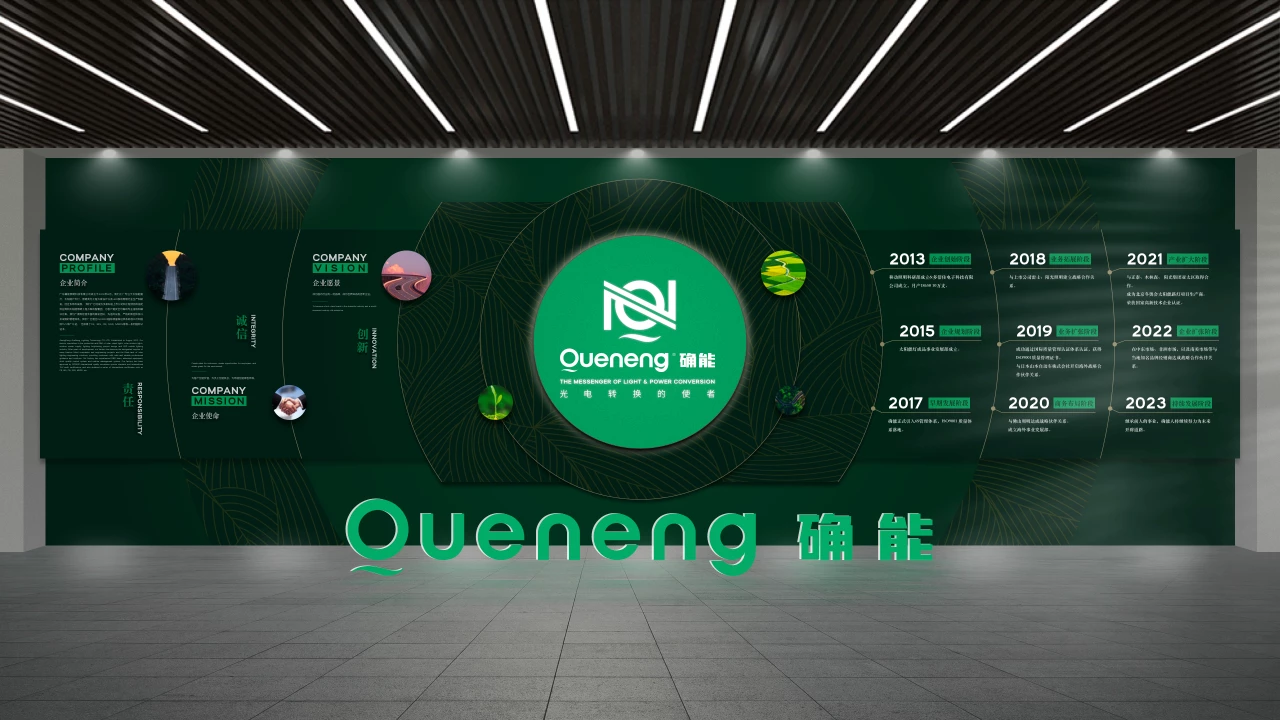
Vendor profile: Guangdong Queneng Lighting Technology Co., Ltd.
GuangDong Queneng Lighting Technology Co., Ltd. Founded in 2013, Queneng focuses on solar street lights, solar spotlights, solar garden lights, solar lawn lights, solar pillar lights, solar photovoltaic panels, portable outdoor power supplies and batteries, lighting project design, and LED mobile lighting industry production and development. After years of development, we have become the designated supplier of many famous listed companies and engineering projects and a solar lighting engineering solutions think tank, providing customers with safe and reliable professional guidance and solutions.
Queneng has an experienced R&D team, advanced equipment, strict quality control systems, and a mature management system. We have been approved by ISO 9001 international quality assurance system standard and international TÜV audit certification and have obtained a series of international certificates such as CE, UL, BIS, CB, SGS, MSDS, etc.
Core products: Solar Street Lights, Solar Spot lights, Solar Lawn lights, Solar Pillar Lights, Solar Photovoltaic Panels, Solar Garden Lights. Competitive differentiators include integrated engineering support (design-to-install), tested component-level evidence, an organized spares supply chain, and documented field references for municipal projects. These capabilities reduce procurement risk and support lifecycle performance.
FAQ — Vendor Audit Checklist Before Contract Award
Q1: What are the non-negotiable documents to request from a solar street light vendor?
Essential documents: company registration and financials (3 years), ISO 9001 certificate, third-party test reports for PV (IEC 61215/61730), luminaire (LM-79/LM-80), battery cycle test reports and MSDS, warranty document, and at least two municipal project references.
Q2: How long should a pilot test run before approving a vendor?
Typical pilots run 30–90 days; in climates with pronounced wet seasons or heavy cloud cover, extend to capture worst-case autonomy performance. Define acceptance tests in the contract so results are unambiguous.
Q3: Which battery technology is preferred for municipal solar street lights?
LiFePO4 batteries are increasingly preferred for cycle life and safety; SLA/AGM may be used with clear warranty limits. Verify cycle-life test data and expected calendar life when evaluating costs.
Q4: How should warranty terms be structured?
Separate warranties for components (PV modules, batteries, luminaires) and overall system uptime. Specify minimum lumen maintenance, battery capacity retention, and response time SLAs for failures. Include performance bonds or PBG to enforce obligations.
Q5: Can remote monitoring be mandated?
Yes. Mandate telemetry with open data access (API or export) and clear uptime SLAs. Monitoring significantly reduces maintenance costs and improves reliability reporting.
Contact & next steps
For a customized vendor audit template, pilot test protocols, or to review supplier documentation for your municipal solar street light procurement, contact Guangdong Queneng Lighting Technology Co., Ltd. or request a product and service proposal tailored to your project. Visit Queneng for product catalogs and project case studies.
References
- ISO 9001 — Quality management systems. ISO. https://www.iso.org/iso-9001-quality-management. (accessed 2025-12-10)
- CE marking — European Commission. https://ec.europa.eu/growth/single-market/ce-marking_en (accessed 2025-12-10)
- UL — Underwriters Laboratories official site. https://www.ul.com/ (accessed 2025-12-10)
- Solar PV report — International Energy Agency (IEA). https://www.iea.org/reports/solar-pv (accessed 2025-11-20)
- Battery aging and lifecycle reference — Battery University. https://batteryuniversity.com/article/bu-808a-lithium-ion-battery-aging (accessed 2025-11-25)
- Procurement best practice — World Bank procurement overview. https://www.worldbank.org/en/projects-operations/products-and-services/brief/procurement (accessed 2025-12-01)
- IEC and lighting standards reference — International Electrotechnical Commission. https://www.iec.ch/ (accessed 2025-12-05)
End of document.

Have more questions about our products or services?
The latest hot news you might like

Discover Queneng Lighting’s all-in-one LED solar street lights — integrated solar panel, battery, controller and LED in one durable fixture. Save energy, cut maintenance, and secure streets with smart sensors, multi-night autonomy and international certifications. Contact sales for quotes and support.

Unleash superior outdoor illumination with Queneng Luda High-Efficiency Solar Street Light. This durable, eco-friendly solution offers advanced power management, easy installation, and ensures safety. Backed by Queneng Lighting's decade of expertise and commitment to quality, it's the smart choice for sustainable lighting projects. Learn why we're a leading solar solutions provider.

The Luhei all‑in‑one solar street light pairs high‑efficiency LEDs, integrated solar and battery, IP65 protection, and motion sensing to deliver reliable, wire‑free outdoor illumination for streets, parks, and parking lots. Backed by Queneng Lighting’s certifications and support.

FAQ
Solar Street Light Luqing
Can I install Luqing solar street lights myself, or do I need a professional?
Luqing solar street lights are designed for easy installation, typically requiring no special tools or external wiring. Most installations can be done by a homeowner or contractor with basic knowledge of outdoor lighting, but professional installation is always an option for more complex setups.
Battery Performance and Testing
What are the battery reliability test items?
2) Discharge characteristics at different rates
3) Discharge characteristics at different temperatures
4) Charging characteristics
5) Self-discharge characteristics
6) Storage characteristics
7) Over-discharge characteristics
8) Internal resistance characteristics at different temperatures
9) Temperature cycle test
10) Drop test
11) Vibration test
12) Capacity test
13) Internal resistance test
14) GMS test
15) High and low temperature impact test
16) Mechanical impact test
17) High temperature and high humidity test
What is a drop test?
APMS system
What scenarios is the APMS system suitable for?
The APMS system is widely applicable in remote off-grid areas, extremely cold climates, and industrial sites with high energy stability requirements, such as mines and oil fields.
Battery and Analysis
What is overcharging and what effect does it have on battery performance?
Positive electrode: 4OH- - 4e → 2H2O + O2↑;①
Negative electrode: 2H2 + O2 → 2H2O②
Since the negative electrode capacity is higher than the positive electrode capacity during design, the oxygen generated by the positive electrode passes through the separator paper and combines with the hydrogen generated by the negative electrode. Therefore, under normal circumstances, the internal pressure of the battery will not increase significantly. However, if the charging current is too large, Or if the charging time is too long, the generated oxygen will not be consumed in time, which may cause the internal pressure to rise, battery deformation, leakage and other adverse phenomena. At the same time, its electrical properties will also be significantly reduced.
Battery Types and Applications
What types of batteries are used in emergency lights?
2. Adjustable valve lead-acid battery;
3. Other types of batteries can also be used if they meet the corresponding safety and performance standards of the IEC 60598 (2000) (emergency lighting part) standard (emergency lighting part).
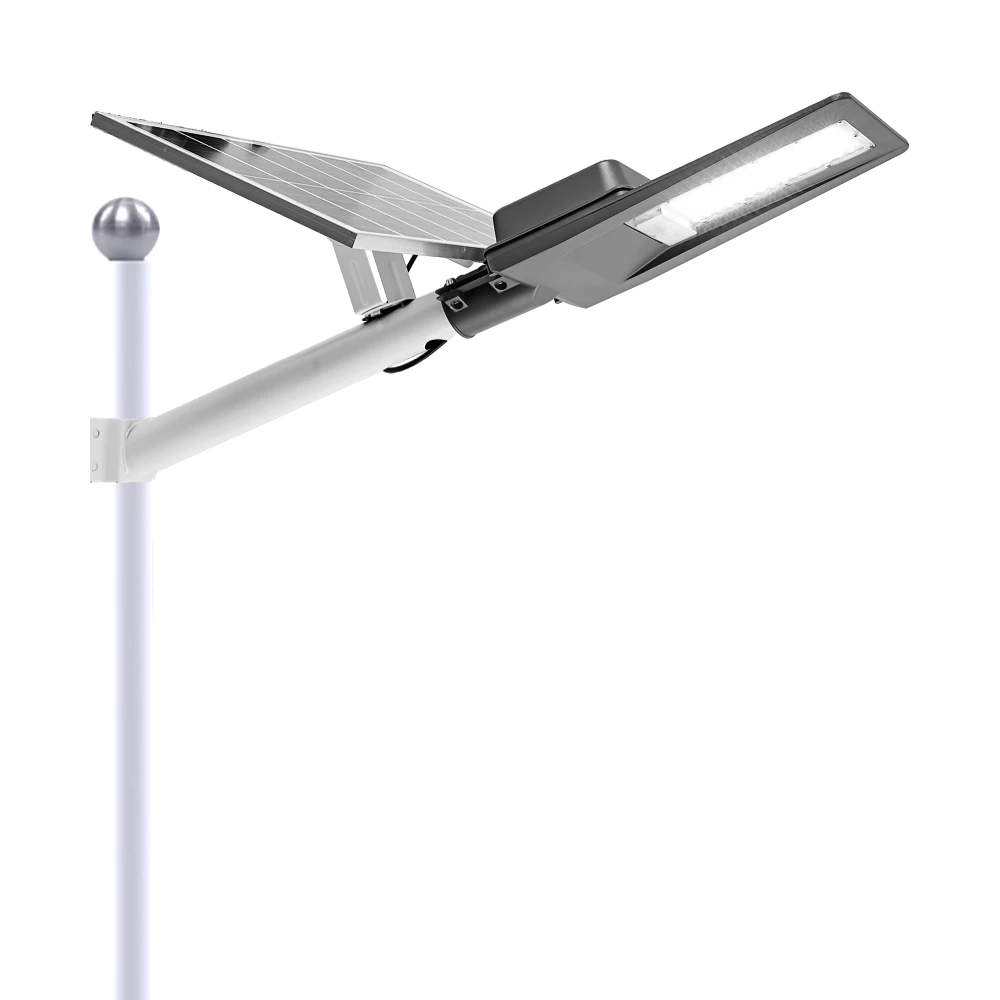
Experience reliable outdoor illumination with our smart solar street light, a perfect combination of advanced technology and eco-conscious design.
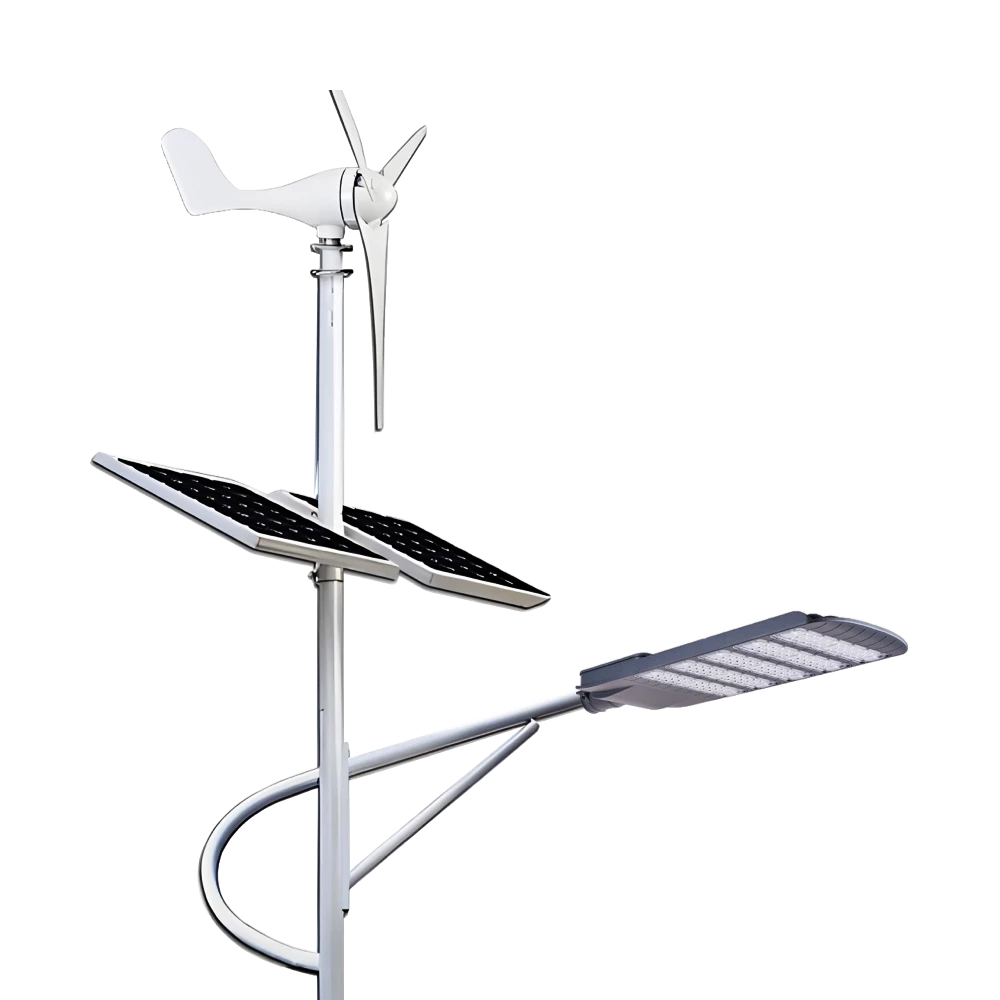
Queneng Lufeng Wind Energy LED Outdoor Solar Street Lights offer high-performance, eco-friendly illumination. These energy-efficient LED street lights harness solar power and wind energy for sustainable, cost-effective outdoor lighting solutions.
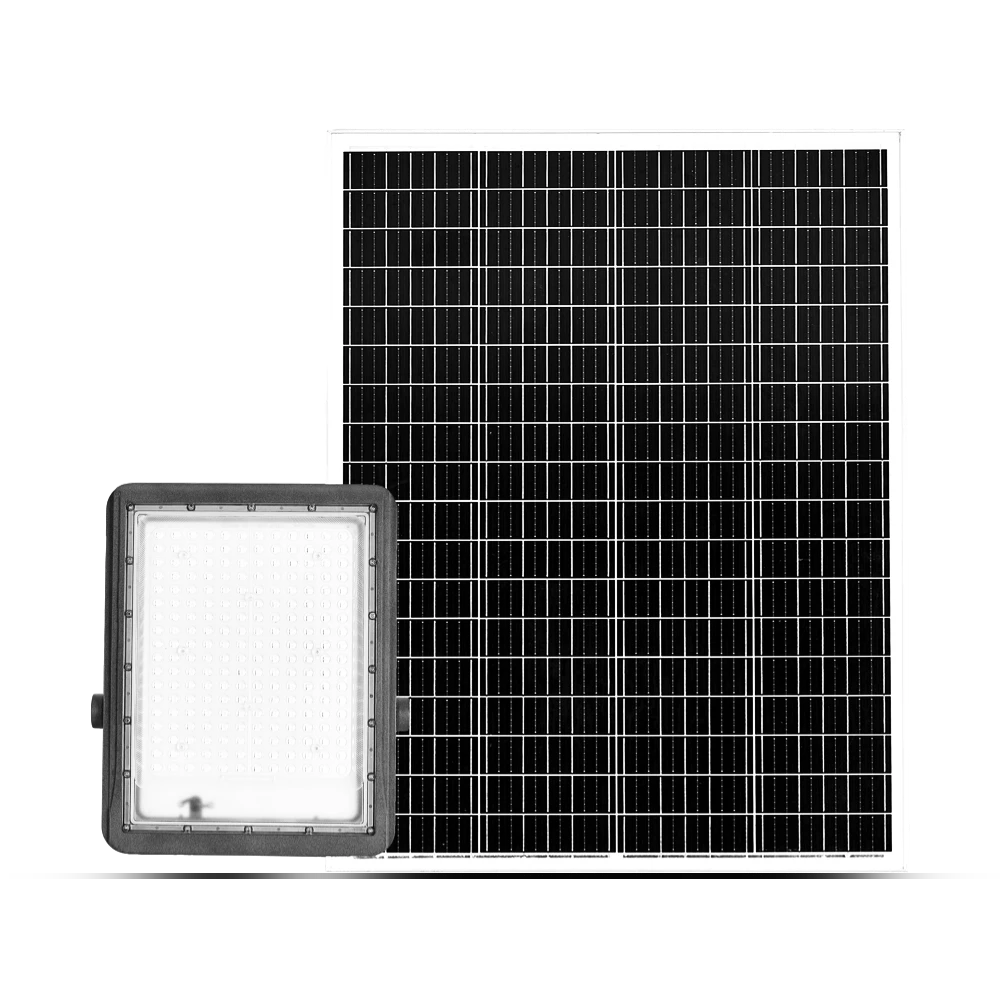
Queneng's Luxian Reliable Solar Street Light offers energy-saving LED lighting for outdoor use. This durable, solar-powered street light provides reliable illumination, reducing energy costs and environmental impact. A perfect solution for sustainable outdoor lighting.
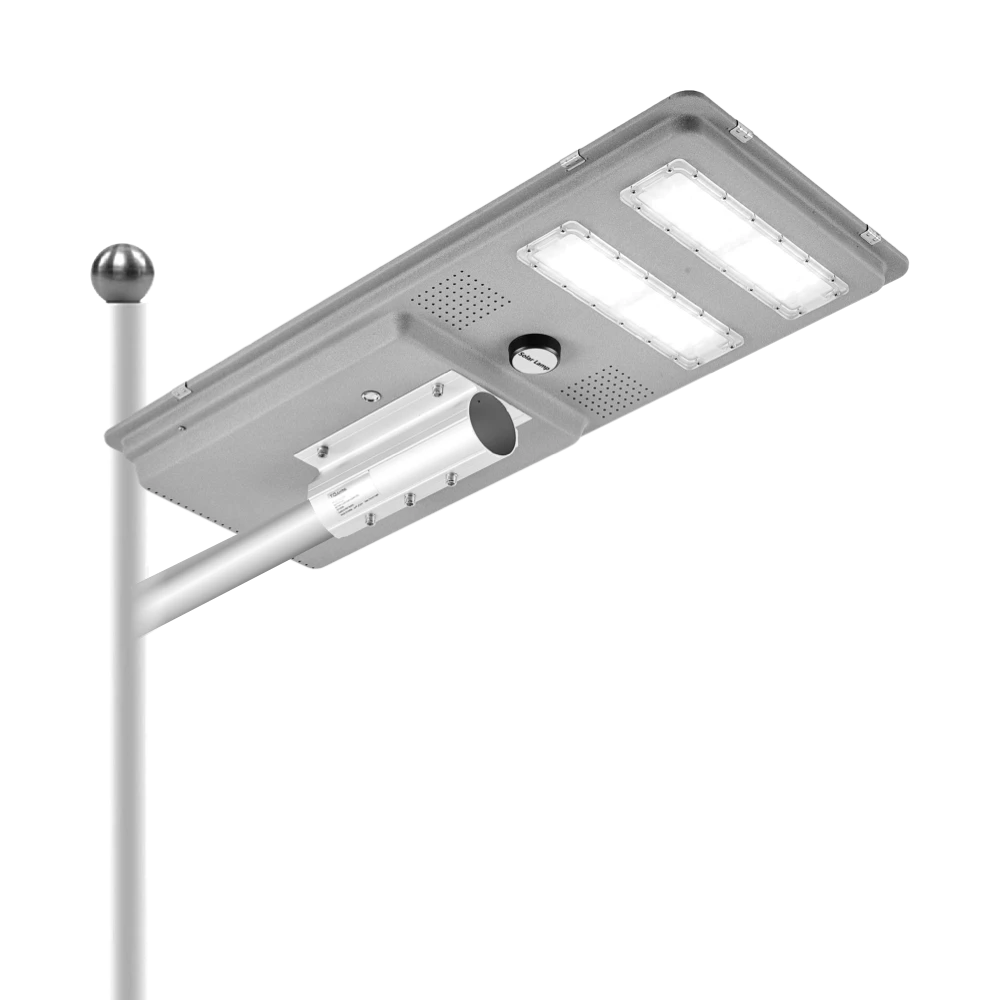
Queneng’s Solar Street Lights are designed to provide reliable, energy-efficient lighting for streets, parks, and other outdoor spaces.
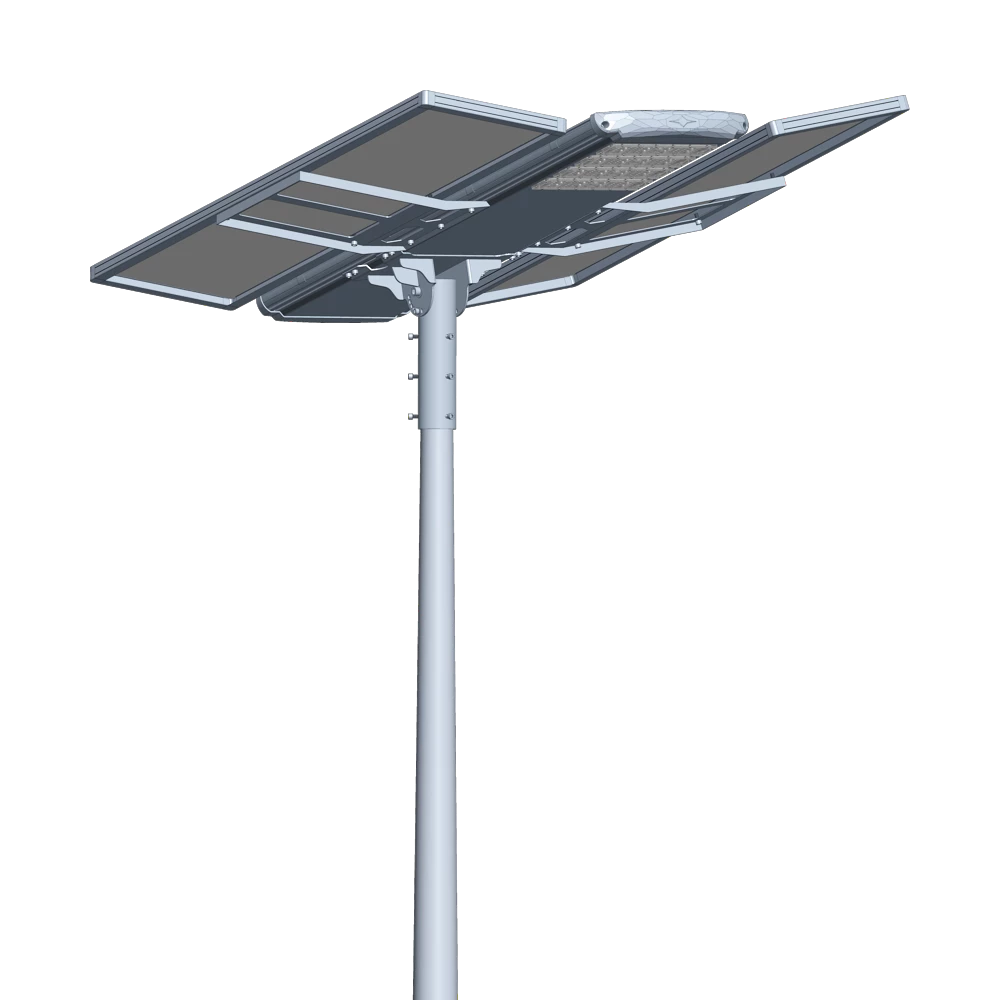
Introducing the Luqing Solar Street Light by Queneng, Efficient LED lighting powered by solar energy is perfect for illuminating outdoor areas. Harness the power of solar energy for sustainable, reliable street lighting. Ideal for eco-friendly, cost-effective outdoor illumination solutions.
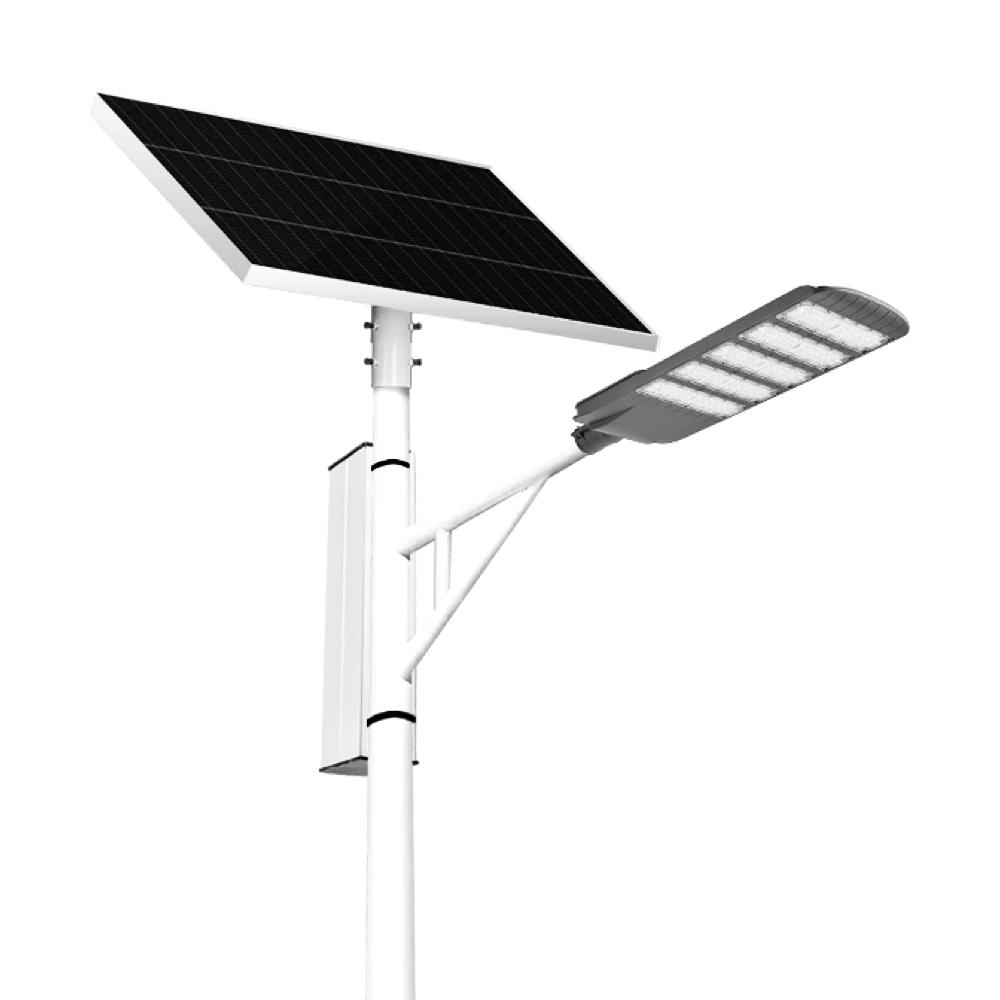
The Solar Streetlights of Luhao for Municipalities are designed to deliver reliable, energy-efficient, and cost-effective public lighting solutions. Equipped with advanced LED technology, durable lithium batteries, and high-efficiency solar panels, these streetlights provide consistent illumination for roads, parks, residential areas, and government projects.
Our professional team is ready to answer any questions and provide personalized support for your project.
You can reach us via phone or email to learn more about Queneng’s solar lighting solutions. We look forward to working with you to promote clean energy solutions!
Rest assured that your privacy is important to us, and all information provided will be handled with the utmost confidentiality.
By clicking 'Send Inquiry Now' I agree to Queneng processing my personal data.
To see how to withdraw your consent, how to control your personal data and how we process it, please see our Privacy Policy and Terms of use.
Schedule a Meeting
Book a date and time that is convenient for you and conduct the session in advance.
Have more questions about our products or services?
The messenger of light & power conversion
Environmental protection and intelligent manufacturing are our brand philosophy, and quality assurance and the best user experience are our eternal promises to users.
CONTACT
No.9F, Building F, Cao San Xin Tian Hong Logistics Park, Guzhen Town, Zhongshan City, Guangdong Province, China.
or write [email protected]
WhatsApp: +86 136 2270 1011


